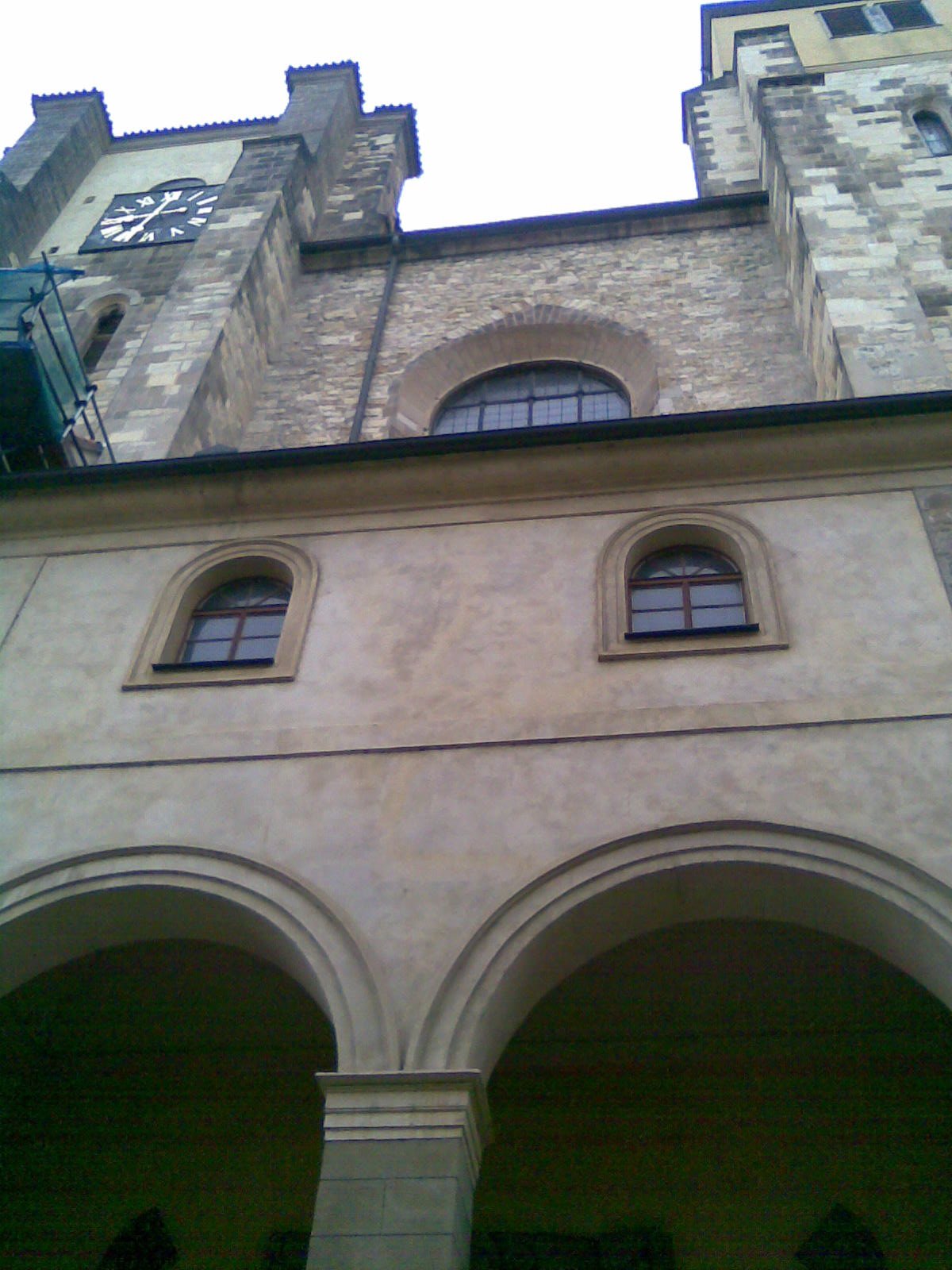
Introduction
Schwarzenberg Palace stands as one of Prague’s finest Renaissance landmarks, a monument to the city’s rich architectural legacy and aristocratic history. Located on Hradčanské náměstí (Hradčany Square) adjacent to Prague Castle, the palace’s distinctive black-and-white sgraffito façade and elegant Renaissance form make it an essential stop for anyone interested in the cultural tapestry of Central Europe. Built in the mid-16th century and later owned by the powerful Schwarzenberg family, the palace has witnessed centuries of political, social, and artistic transformation. Today, it houses a significant portion of the National Gallery Prague’s collections, offering visitors a world-class experience in art, history, and architecture.
This comprehensive guide details everything you need to know about visiting Schwarzenberg Palace: its historical context, architectural highlights, visiting hours, ticketing, accessibility, travel tips, and nearby attractions. For up-to-date details, refer to official resources like the National Gallery Prague, Prague.eu, and Visit Czech Republic.
Photo Gallery
Explore Schwarzenberg Palace in Pictures
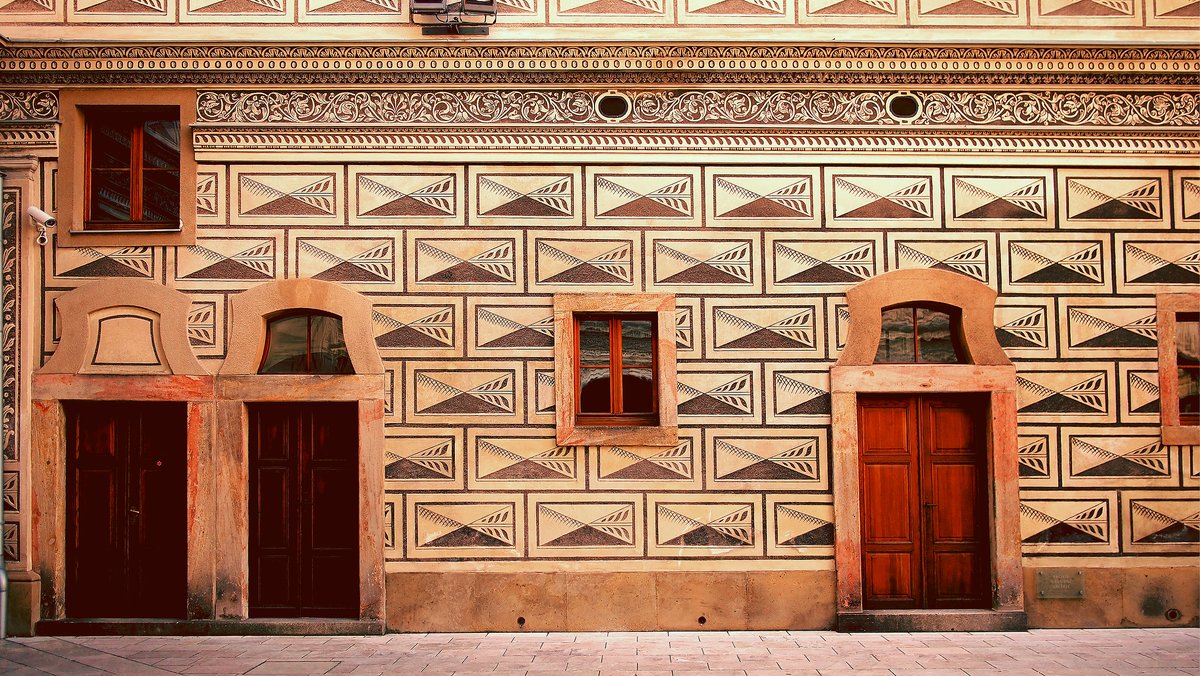
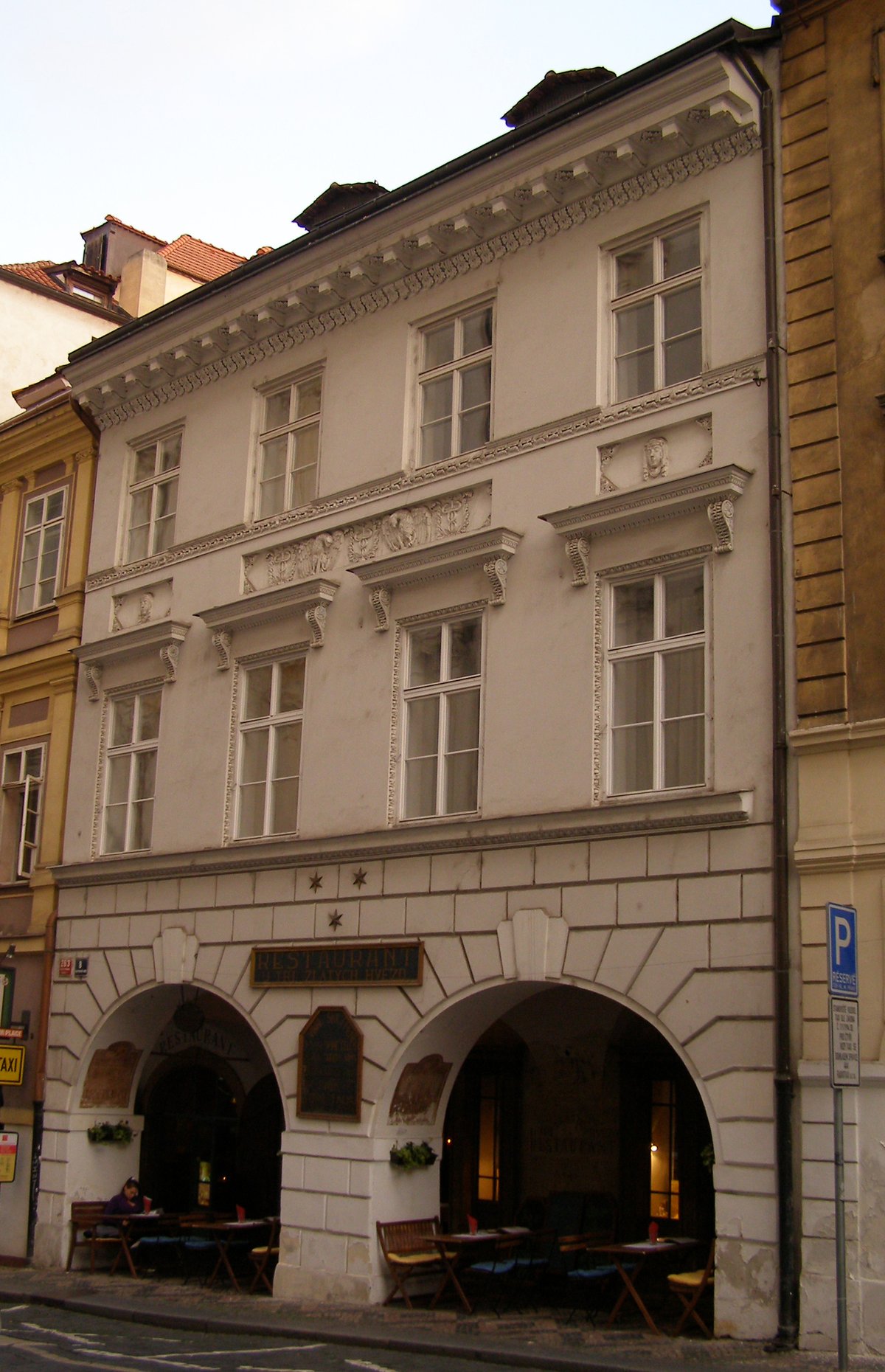
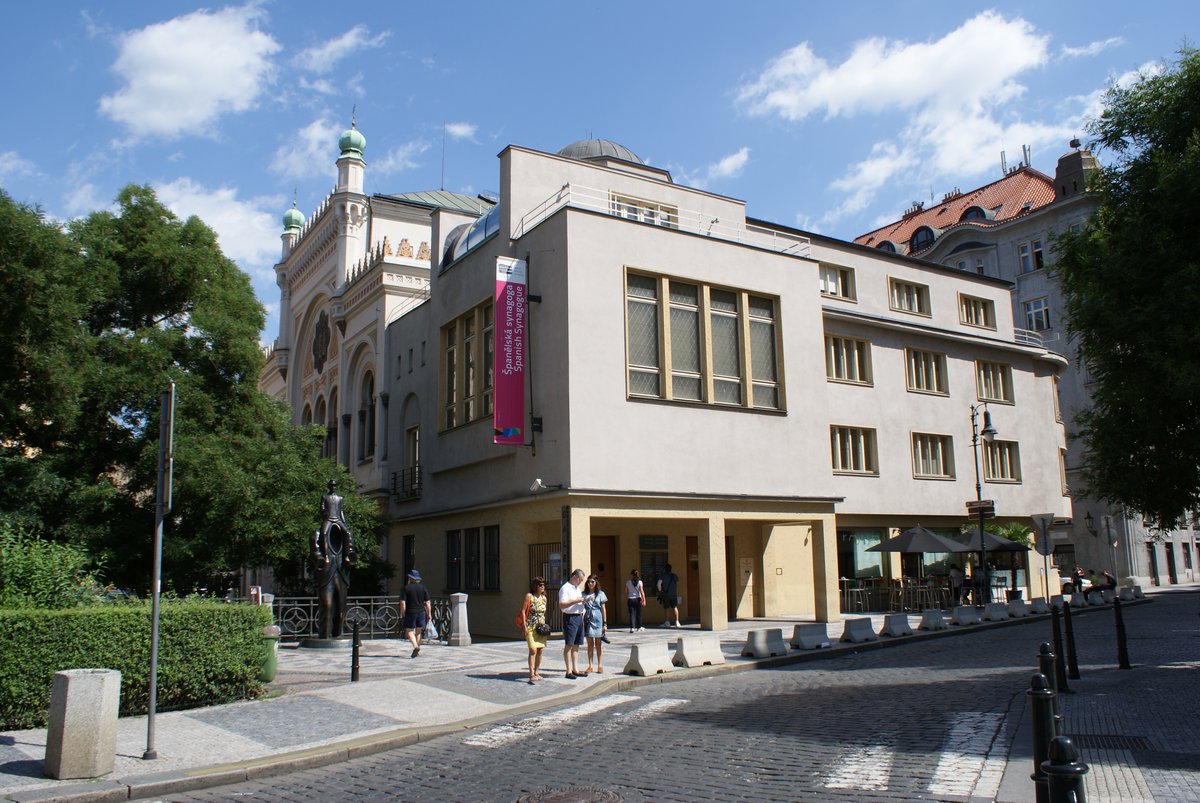
A historic building in Prague, Czech Republic showcasing intricate architectural design and cultural heritage.
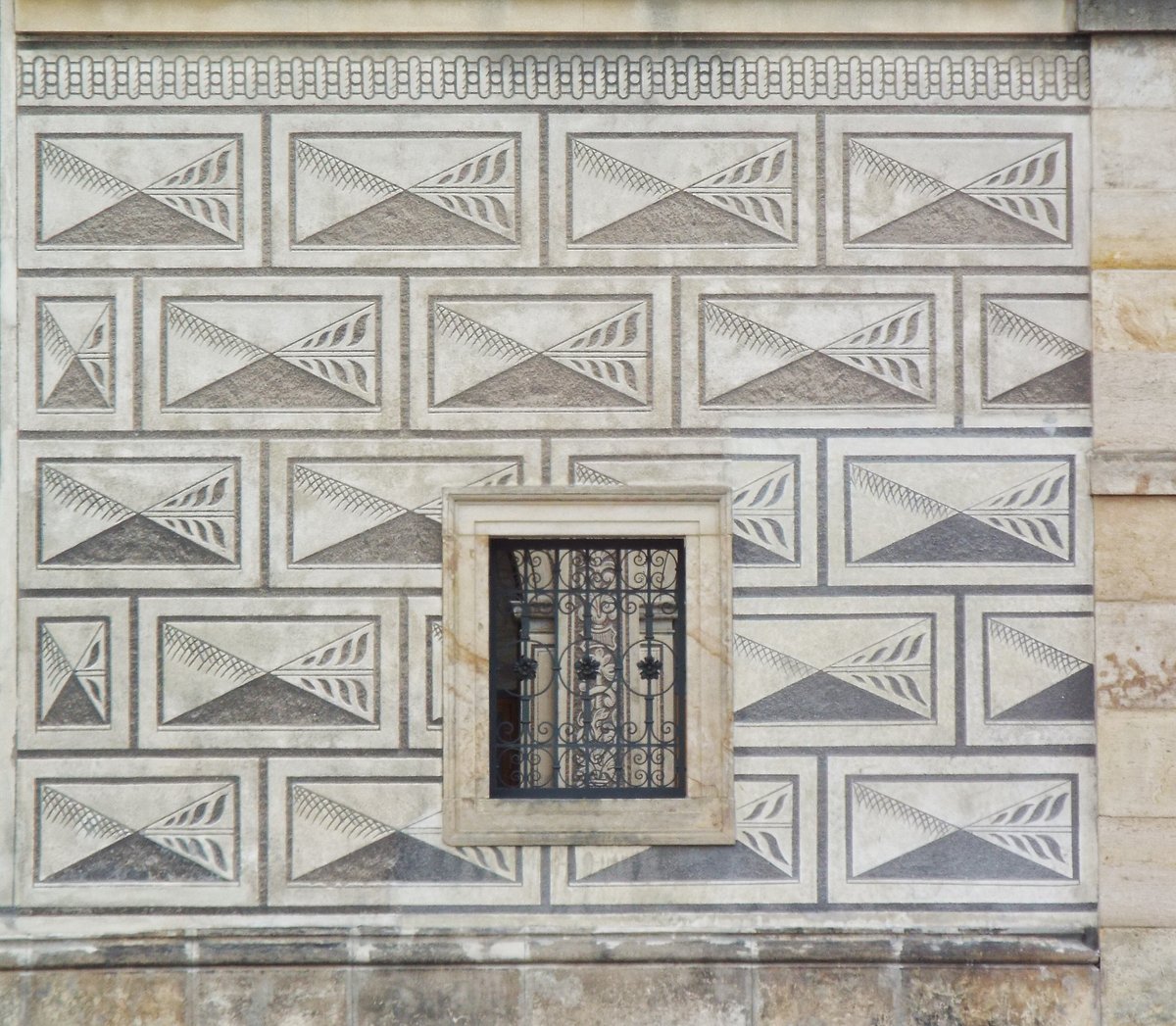
Detailed geometric patterns decorating the wall of a palace located in Prague's Hradcany district, showcasing historical architectural design.
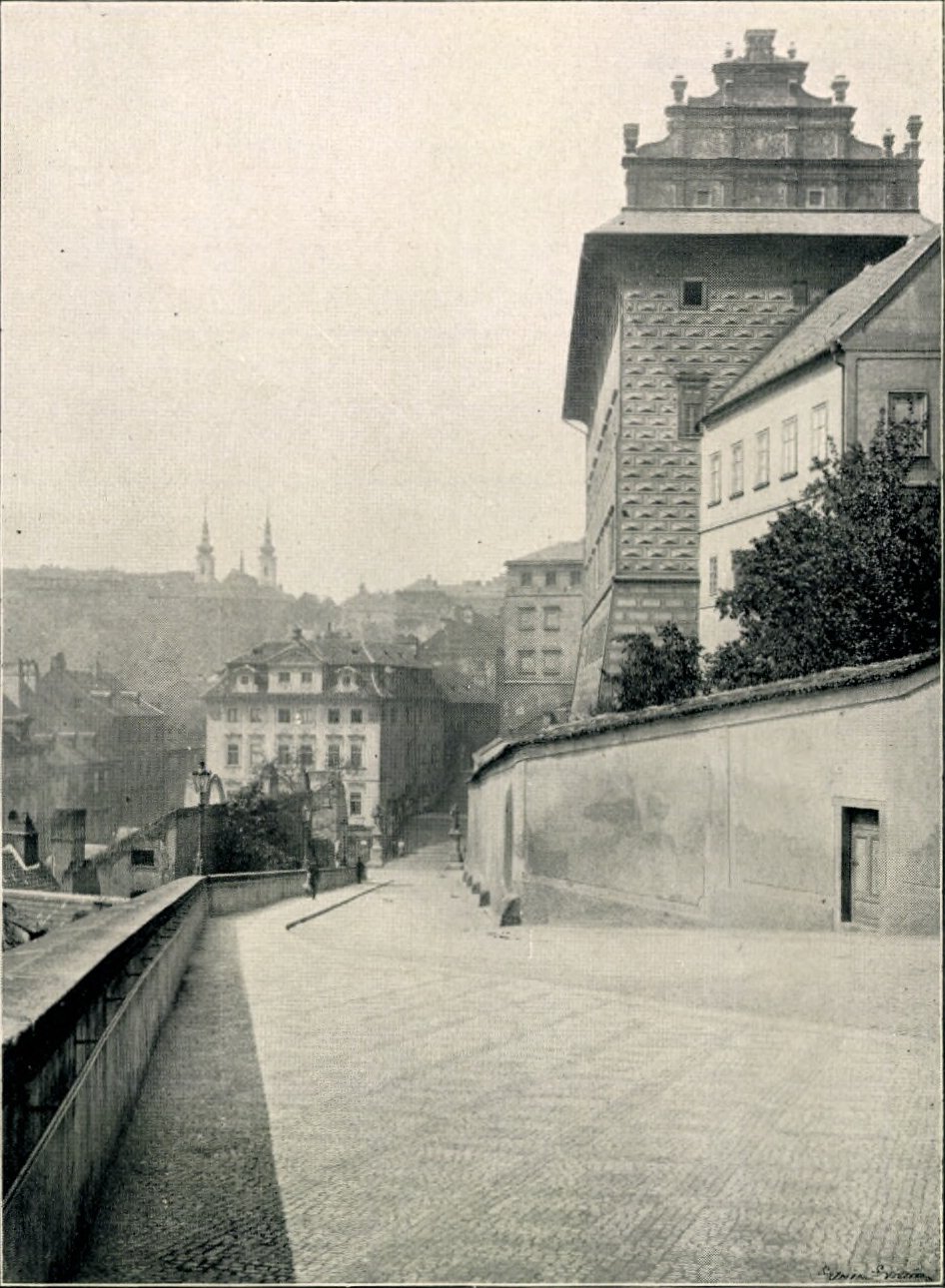
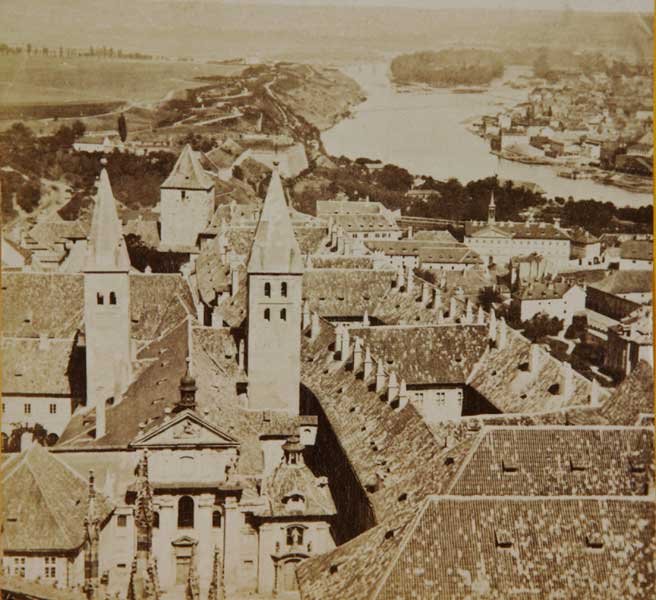
Historic image of Schwarzenberg Palace in Hradčany district of Prague, featured in the Guide to the Bohemian section and to the Kingdom of Bohemia, 1906 edition
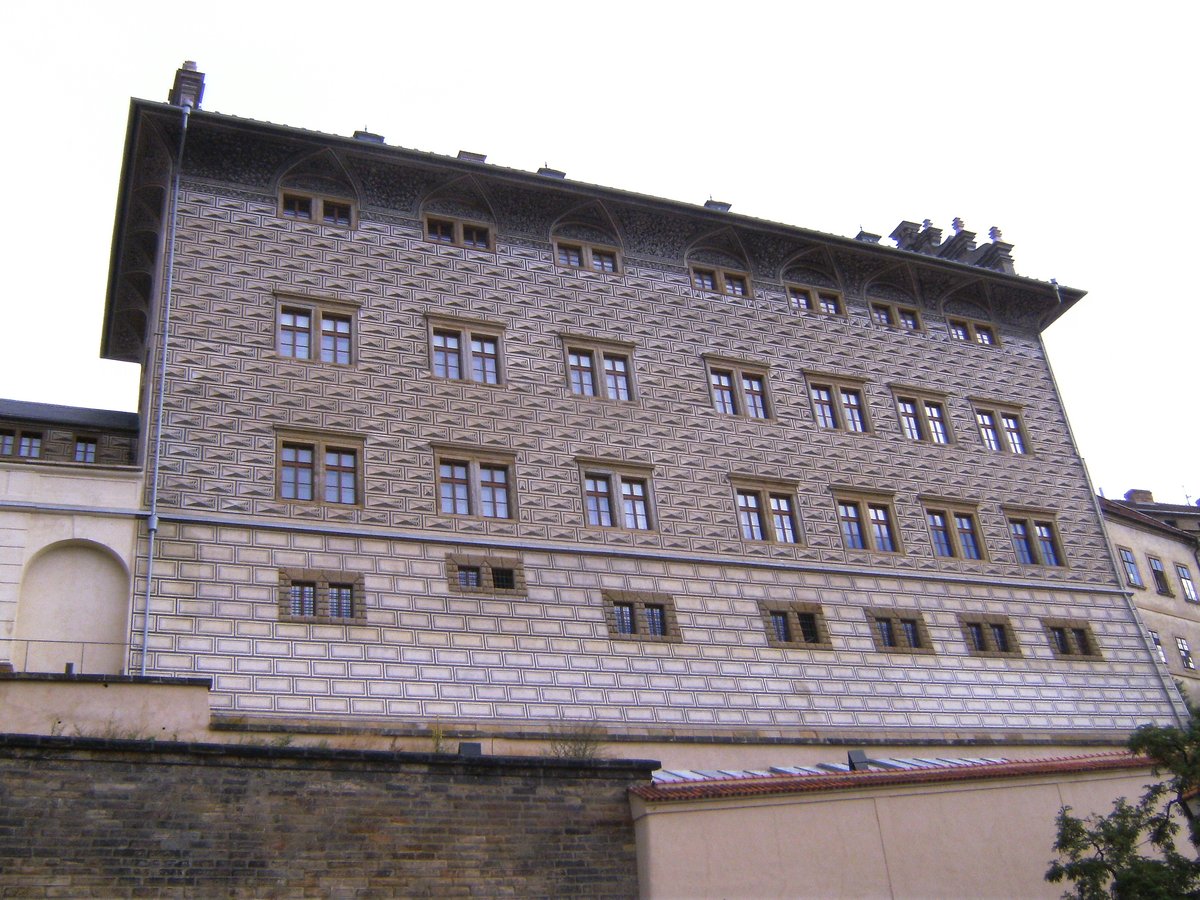
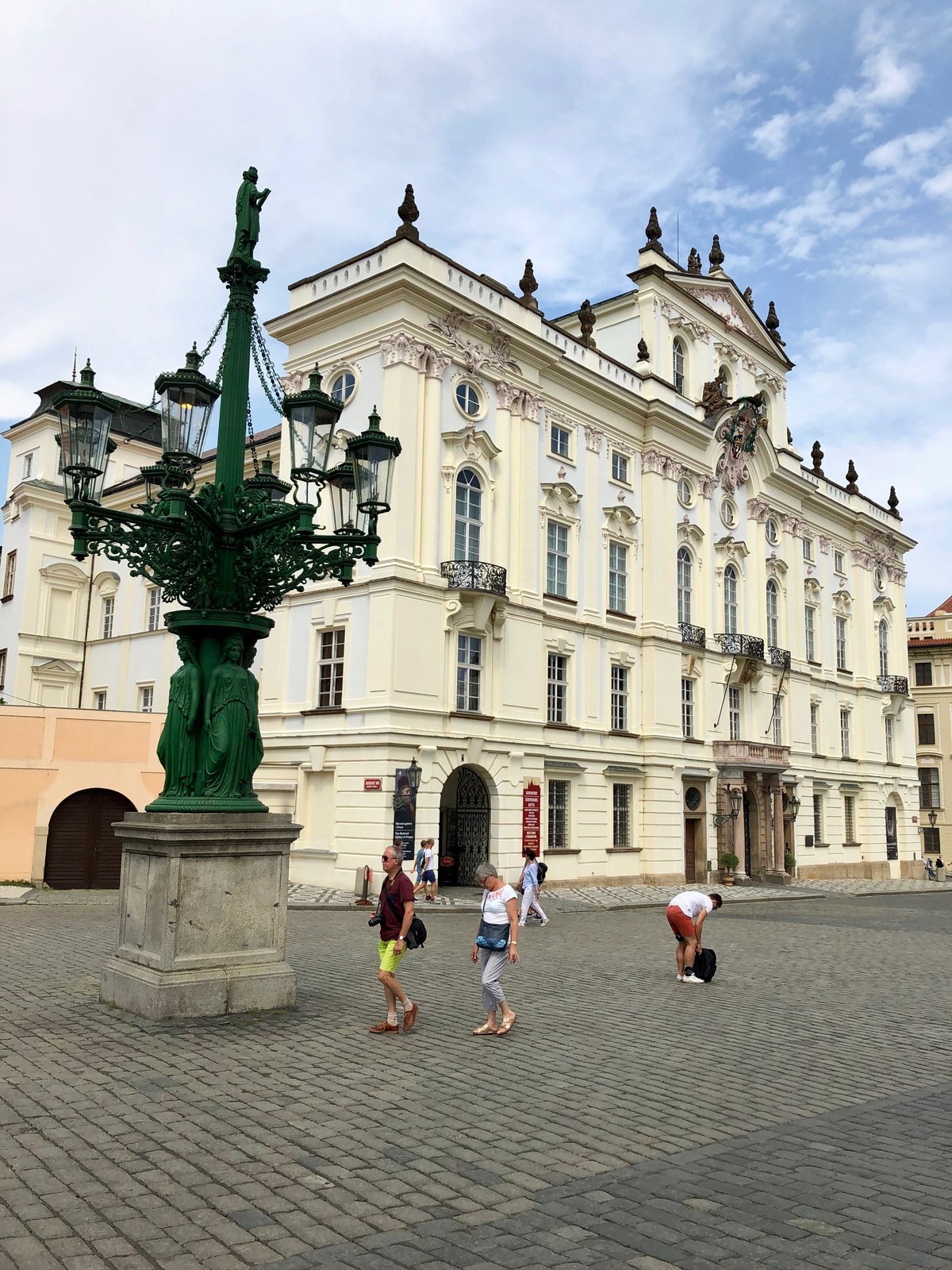
Exterior view of Palais Schwarzenberg, a historic baroque palace in Prague, showcasing its classical architectural elements under a clear blue sky.
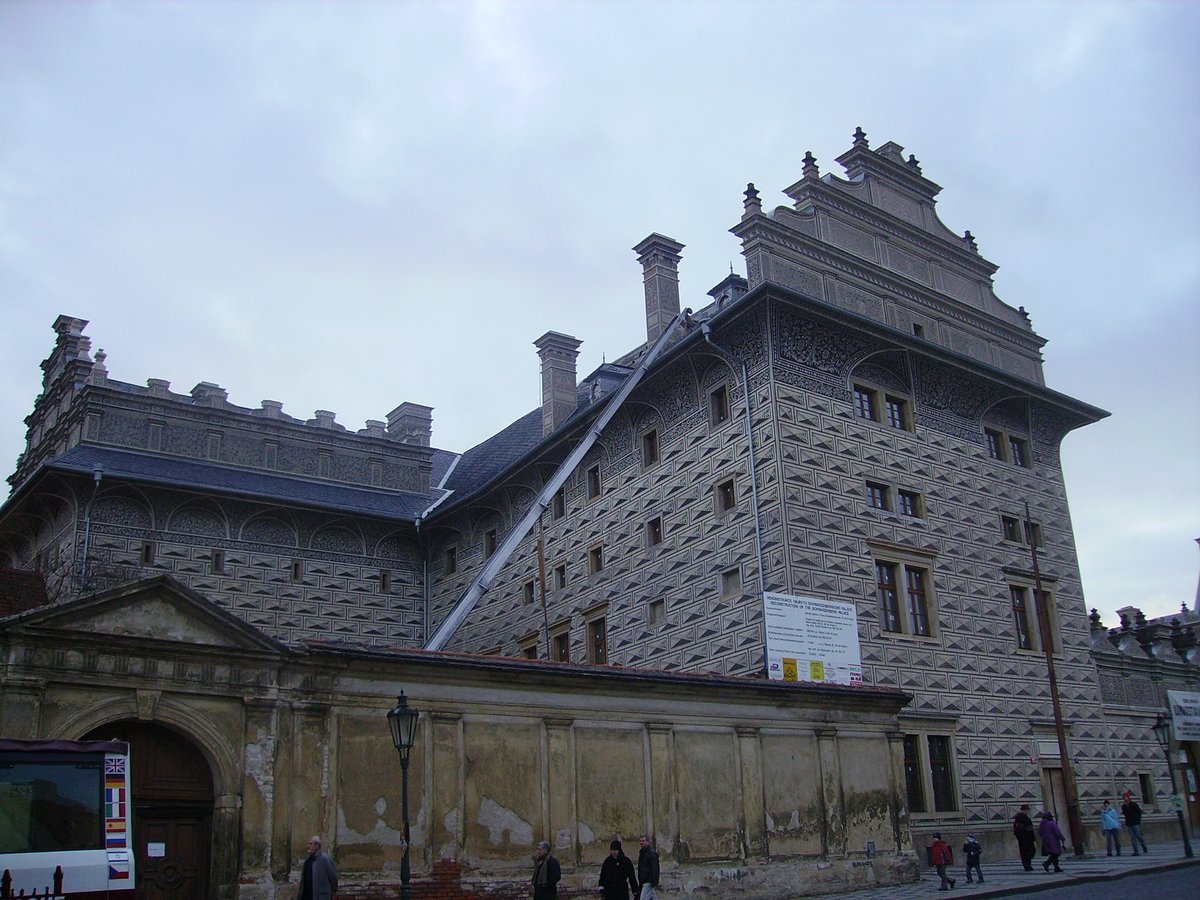
Historic Schwarzenberg Palace located in Prague, showcasing classic architectural details under a clear blue sky
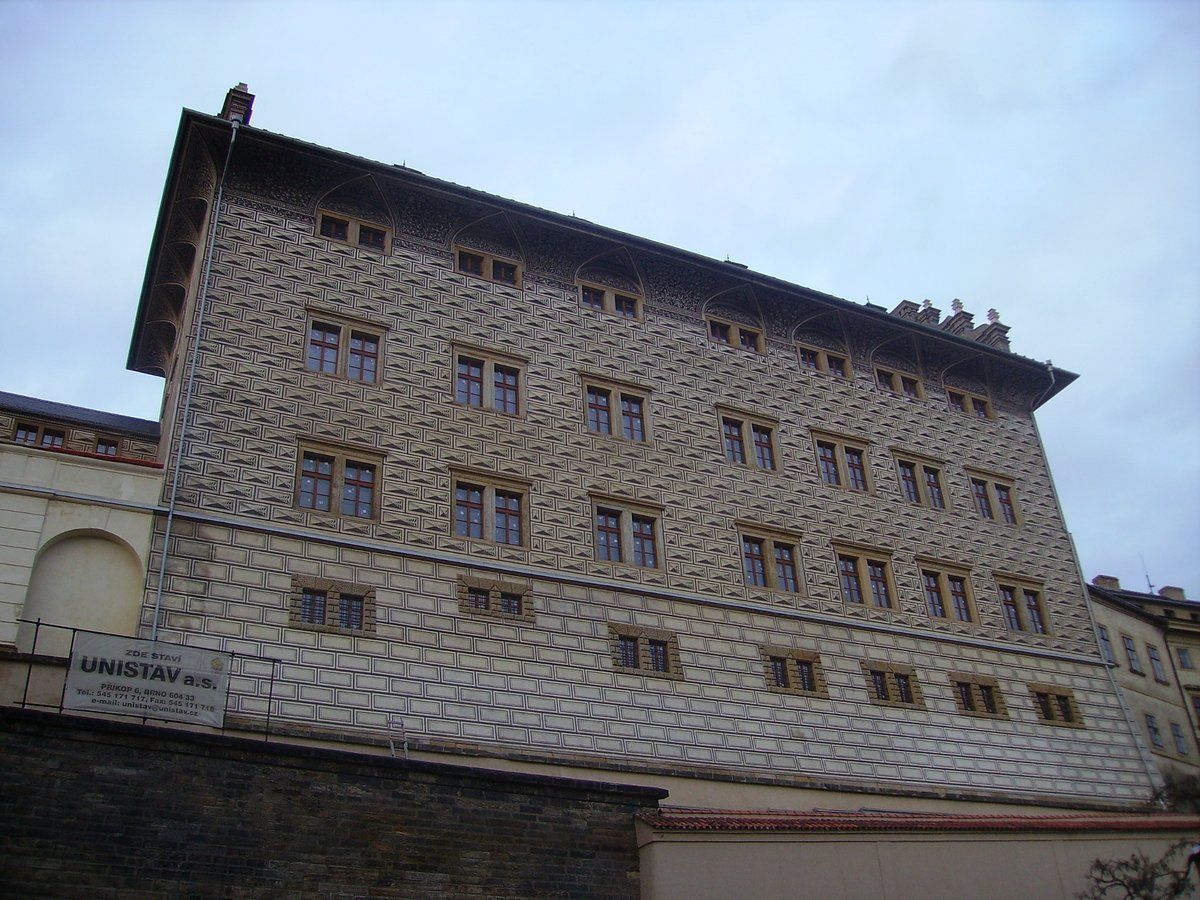
View of the historic Schwarzenberg Palace in Prague under a clear blue sky
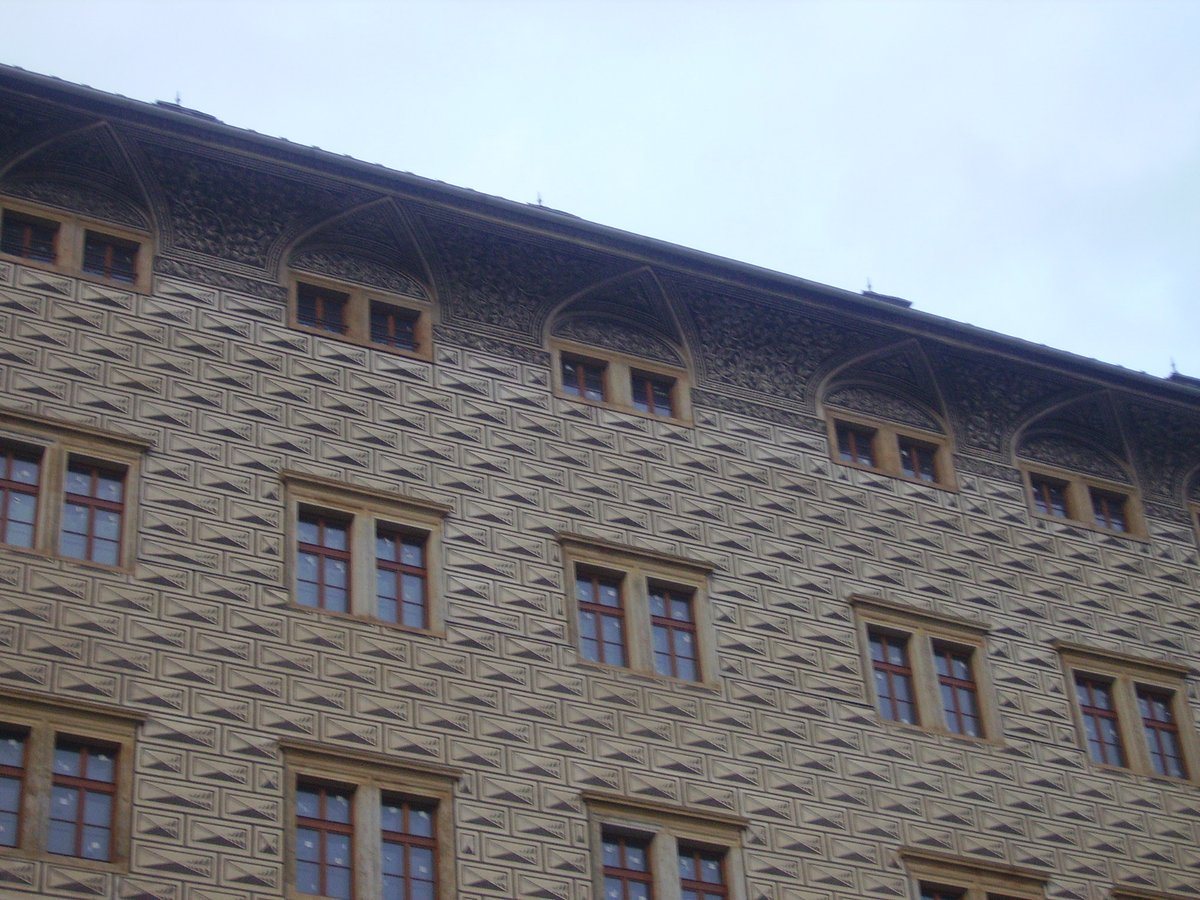
Detailed view of Schwarzenberg Palace in Prague showcasing its historic architecture and elegant facades under a bright blue sky
Renaissance Origins and Noble Patronage
Constructed between 1545 and 1567 for Jan Popel of Lobkowicz, Schwarzenberg Palace is a masterpiece of Bohemian Renaissance architecture. Designed by Italian architect Agostino Galli, the palace introduced the sgraffito decorative technique to Prague—an elaborate process etching patterns into layers of plaster to reveal contrasting tones and geometric forms (Prague.eu). This façade, unique in Central Europe, showcases the ambitions and tastes of the Bohemian nobility.
Following the extinction of the Lobkowicz male line, the palace changed hands, most notably coming under the ownership of the Schwarzenberg family in 1719. The Schwarzenbergs, among the most influential dynasties in the Habsburg Empire, modernized the palace’s interiors and hosted lavish events, cementing its status as a symbol of aristocratic power (Czech Tourism).
From Residence to Museum
After nationalization in the 20th century, the palace’s function evolved. It served as a military museum during the communist period and, since 2002, has been part of the National Gallery Prague, following a meticulous restoration. Today, it is celebrated for its exhibitions of Baroque and Renaissance art and its role as a cultural institution (Nomads Travel Guide).
Architectural and Artistic Highlights
Sgraffito Façade
The palace’s exterior is renowned for its extensive sgraffito—intricate black-and-white patterns etched into plaster to resemble three-dimensional pyramidal stones. This Renaissance technique not only enhances visual appeal but also testifies to the skill of 16th-century artisans (prague.org).
Courtyard and Interior
Inside, a central arcaded courtyard—typical of Renaissance palaces—provides a serene oasis. The grand halls are adorned with ceiling paintings from circa 1580, depicting mythological scenes such as the Judgment of Paris and the Conquest of Troy. The palace’s layout and décor blend Renaissance ideals with Baroque and Rococo updates from later centuries.
Art and Arms Collections
As an exhibition space for the National Gallery Prague, Schwarzenberg Palace houses the “Old Masters” collection, featuring works by Rubens, Rembrandt, El Greco, Bruegel, and Czech artists like Petr Brandl and Karel Škréta (ngprague.cz). On the upper floors, a collection of historical arms and armor evokes the chivalric traditions of the Bohemian nobility.
Visitor Information
Opening Hours
- Tuesday to Sunday: 10:00 AM – 6:00 PM
- Closed on Mondays and major public holidays
- Note: Hours may vary during special exhibitions. Always confirm via the National Gallery Prague website before your visit.
Tickets and Admission
- Standard Adult Ticket: 300 CZK
- Discounted Ticket (students, seniors 65+): 150 CZK
- Free Entry: For visitors under 26 with a combined National Gallery ticket (valid for 10 days across all sites)
- Prague Card holders: Free entry
- Tickets available on-site or online. Booking in advance is recommended during peak seasons.
Guided Tours and Accessibility
- Guided Tours: Offered in multiple languages. Check schedules and book via the National Gallery’s official website.
- Accessibility: The main floors and courtyard are wheelchair accessible, but some upper areas may have limited access due to historic staircases. Contact the gallery for specific requirements.
Facilities and Services
- Restrooms: Available inside
- Cloakroom: For coats and bags
- Museum Shop: Books, souvenirs, and art reproductions
- Photography: Allowed in non-restricted areas (no flash/tripods). Check current guidelines on arrival.
Getting There
- By Tram: Lines 22 and 23 to “Pražský hrad” stop, followed by a short walk.
- By Metro: Line A to Malostranská or Hradčanská stations, then tram or a 10-minute walk.
- On Foot: Scenic approach via Nerudova Street or Radnické schody; expect a hill climb.
- By Car: Not recommended due to limited parking and pedestrian zones.
Nearby Attractions
- Prague Castle Complex: Includes St. Vitus Cathedral, Old Royal Palace, and more
- Loreta Shrine: Baroque pilgrimage site with a famous carillon
- Nerudova Street: Picturesque historic street with shops and cafés
- Strahov Monastery: Known for its library and panoramic views
Travel Tips
- Plan ahead: Check for restoration closures or special events
- Combine visits: Explore nearby landmarks for a full-day experience
- Best time: Early mornings or late afternoons for fewer crowds and optimal photography
- Language: Most staff speak English; exhibition texts in Czech and English
Frequently Asked Questions (FAQ)
Q: What are the opening hours of Schwarzenberg Palace?
A: Tuesday to Sunday, 10:00 AM–6:00 PM; closed on Mondays.
Q: How can I buy tickets?
A: Purchase on-site or online via the National Gallery Prague website. The Prague Card includes free entry.
Q: Is the palace wheelchair accessible?
A: The main areas are accessible; some upper floors may be limited. Contact the gallery for details.
Q: Are guided tours available?
A: Yes, in several languages. Advance booking is recommended.
Q: Can I take photos inside?
A: Non-flash photography is allowed in permitted areas; check signage for restrictions.
Visuals and Multimedia
- Images: Feature the sgraffito façade (“Schwarzenberg Palace sgraffito façade in Prague”), interior ceiling paintings (“Painted Renaissance ceilings inside Schwarzenberg Palace”), and courtyard.
- Map: Embed an interactive map showing the palace’s location in relation to Prague Castle.
- Virtual Tours: Available on the National Gallery Prague website.
Listen to the full story in the app
Your Personal Curator, in Your Pocket.
Audio guides for 1,100+ cities across 96 countries. History, stories, and local insight — offline ready.
Audiala App
Available on iOS & Android
Join 50k+ Curators
Sources
- verified
- verified
- verified
- verified
- verified
- verified
Last reviewed: