Introduction to Praha-Těšnov and Its Significance
Praha-Těšnov, once the site of one of Prague’s most iconic railway stations, stands as a testament to the city’s evolving relationship with industrial heritage and modern urban life. Established in 1875 as the Franz Josef Station and later known as Těšnov Station, this Neo-Renaissance structure was a crucial transport hub linking Prague to Bohemia, Austria, and Germany. Its demolition in 1985, to accommodate new infrastructure, sparked debates about heritage preservation that continue today. Despite the loss of the station, the area remains rich in historical and cultural significance, with its legacy preserved through museum collections, public art, and community memory (prague.com; introducingprague.com).
Today, Praha-Těšnov is a vibrant urban district where traces of its industrial past intersect with contemporary culture. Visitors can stroll through Těšnov Park, pass beneath the historic Negrelli Viaduct—Prague's oldest railway bridge—and experience a range of creative venues, cafes, and cultural events that honor the area's resilience and transformation (worldcityhistory.com). While the original station no longer stands, its spirit lives on in museum exhibits, guided tours, and annual festivals, offering a window into Prague's dynamic urban story (Expats.cz). For detailed visitor maps, virtual tours, and event updates, the Audiala app and official Prague tourist resources are valuable tools (Prague Tourist Information).
Photo Gallery
Explore Praha-Těšnov in Pictures

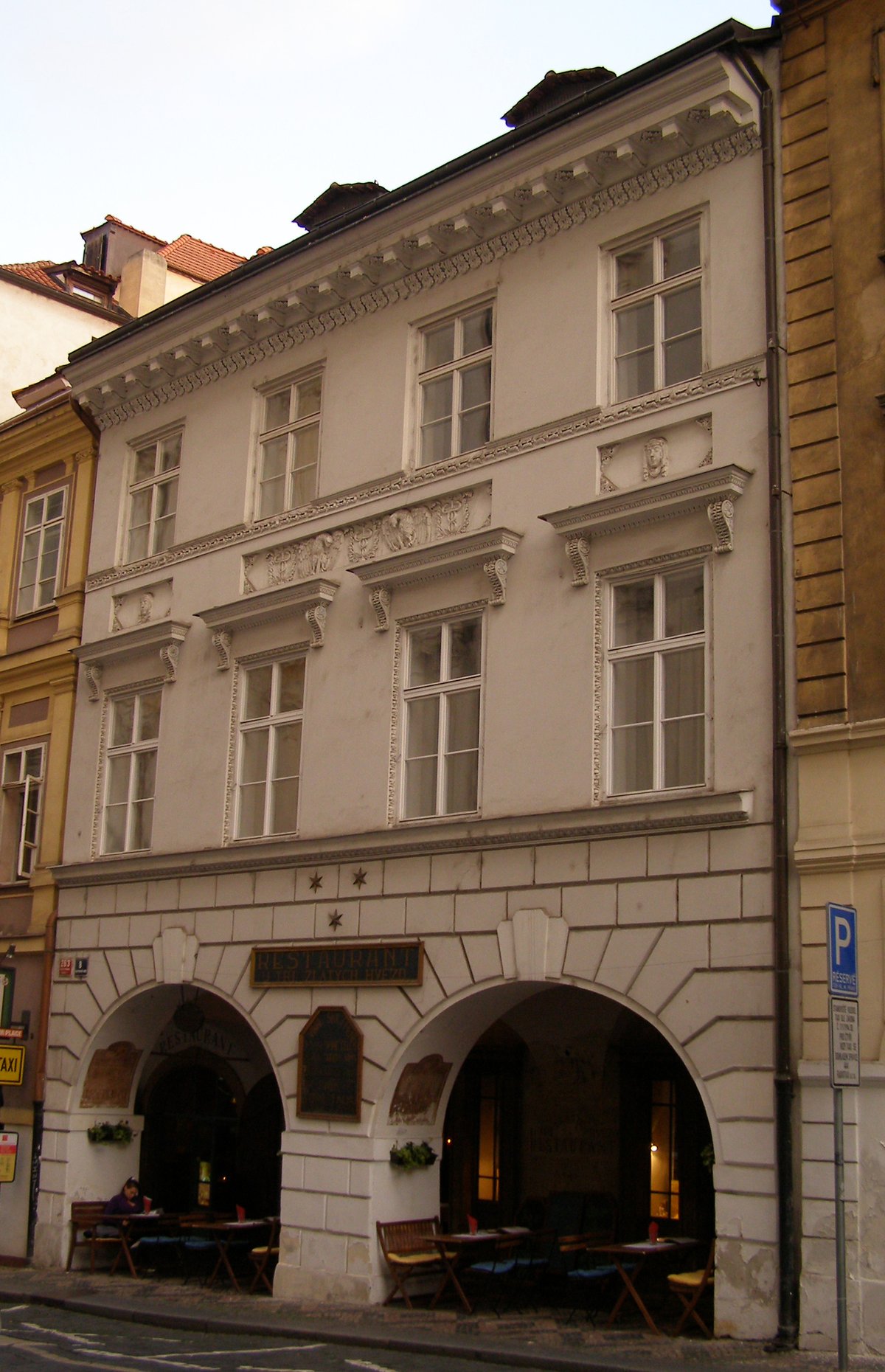
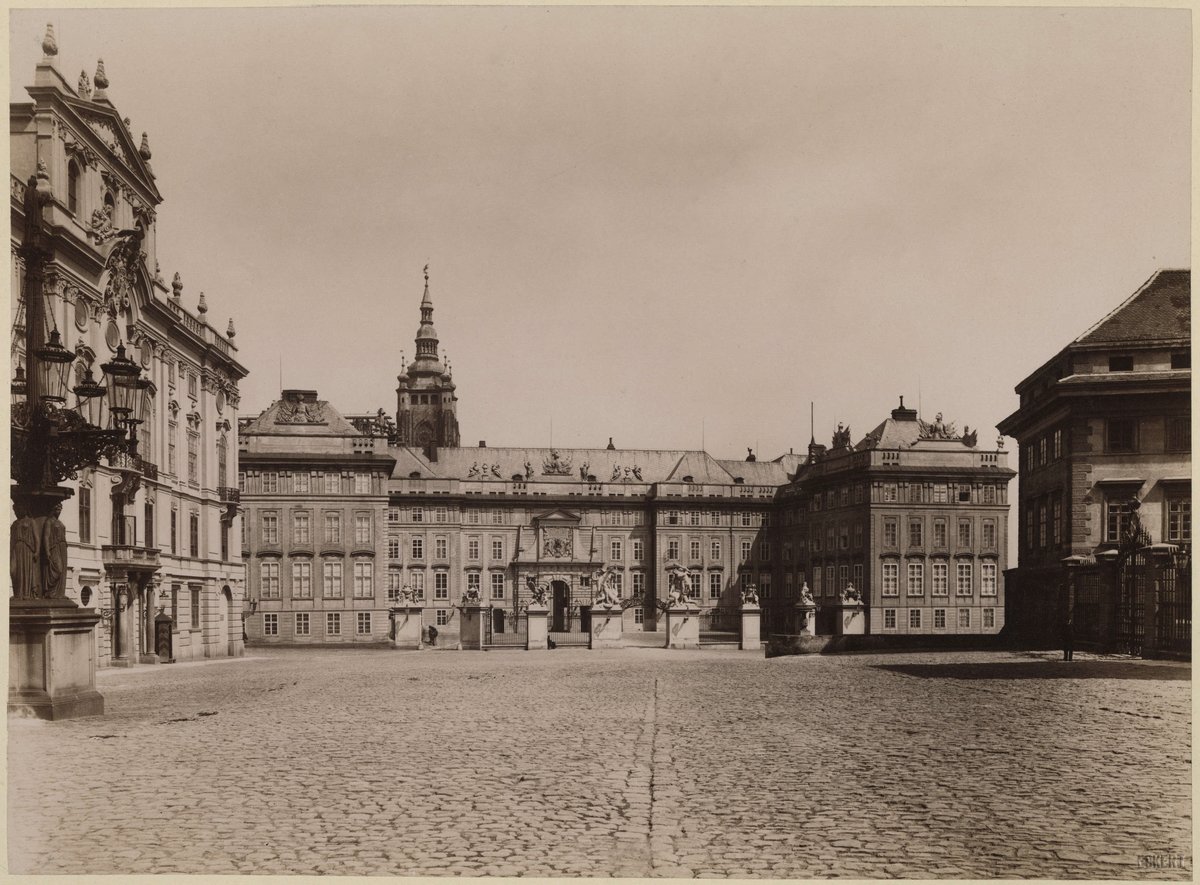
Historical image of Praha-Těšnov railway station as it appeared in the last quarter of the 19th century, depicting the architecture and surroundings of the period.

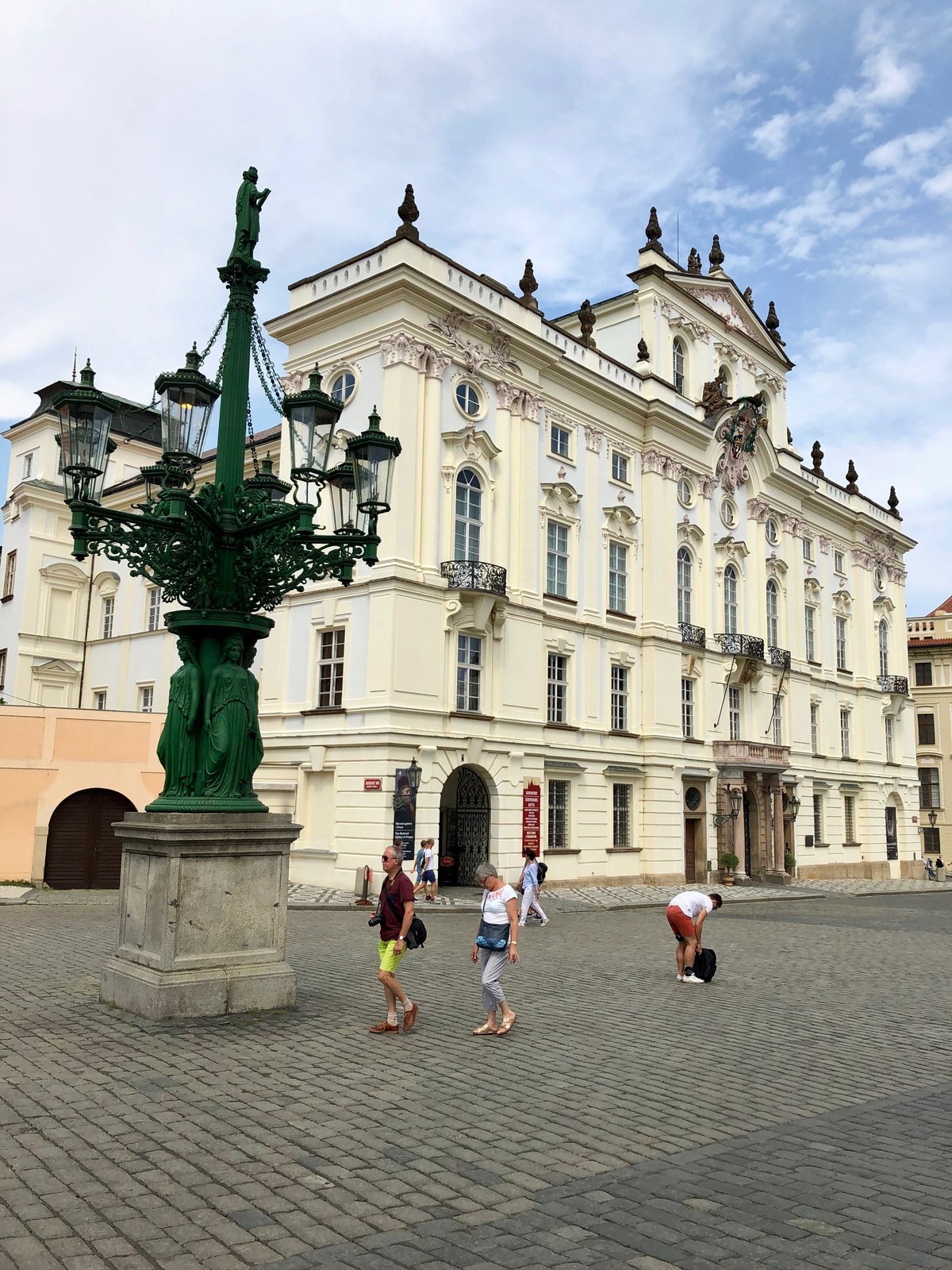
A detailed historical map showing the Vltava river area near Karlín approximately around the year 1910

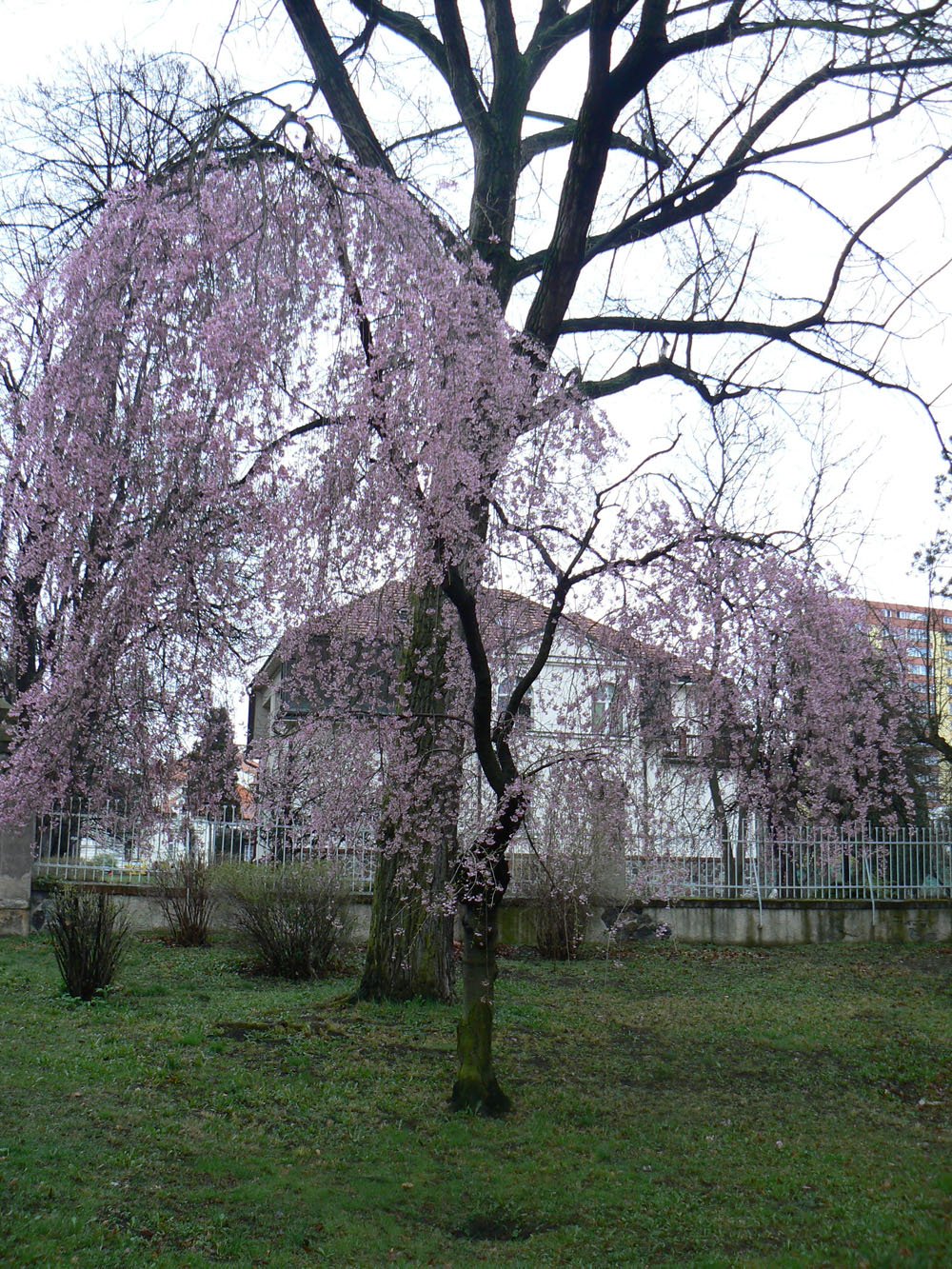
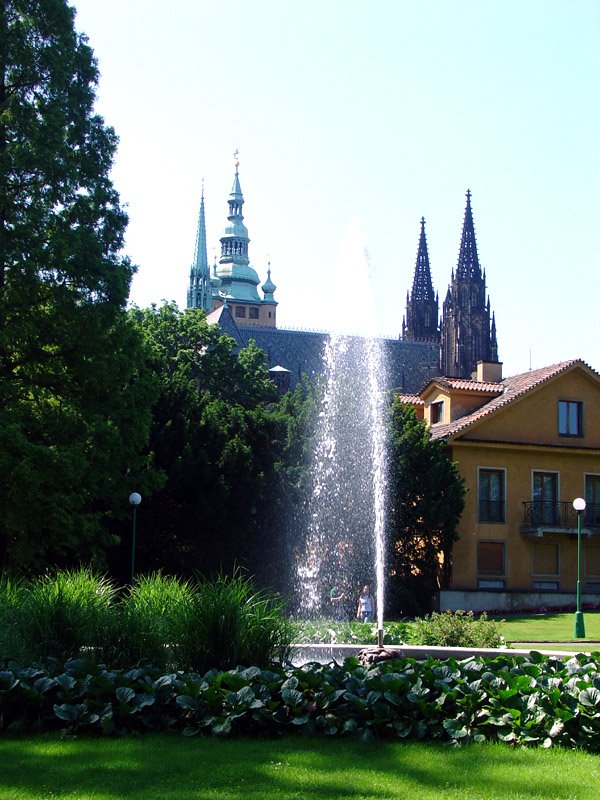
Scenic park in Prague built on the site of the former Northwestern Railway Station building, featuring green lawns, trees, and a peaceful environment

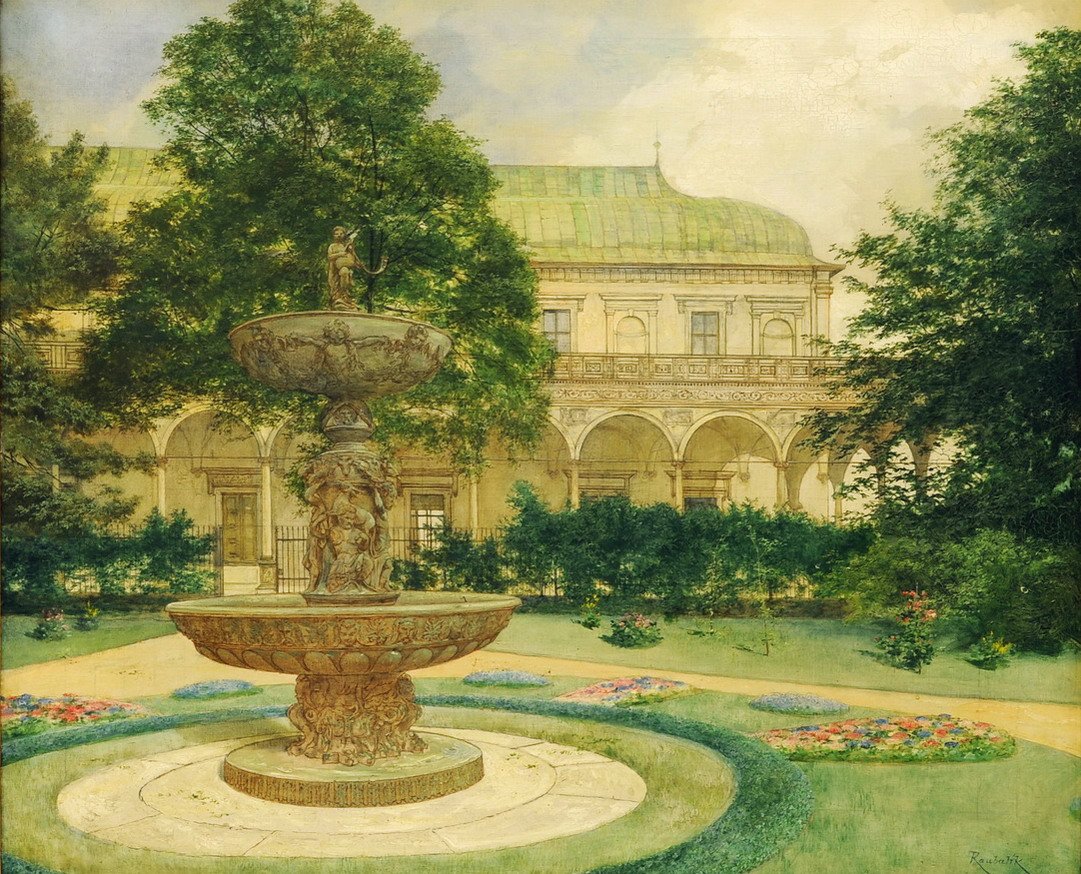
Historic ruins of the former Prague-Těšnov train station, no longer existing, located in Czechia.
Discovering Těšnov: A Historical Site in Prague
Although the original Těšnov Station no longer exists, the area offers a unique perspective on Prague’s transport heritage and urban evolution. Těšnov today is characterized by Těšnov Park, the Negrelli Viaduct, and a variety of creative spaces and cultural venues. For those fascinated by railway history or urban renewal, a visit to Těšnov provides valuable insight into the city’s changing identity.
History of Těšnov Station: From Medieval Origins to Modern Landmark
The Těšnov area first appeared in records from 1437 as a settlement of guardhouses outside Prague’s medieval walls. Its name likely derives from “Deutschenhof” (German Court), reflecting its medieval context. For centuries, the area remained quiet until the industrial revolution transformed it.
In 1875, the Austrian Northwestern Railway Company opened Franz Josef Station (later Těšnov Station), designed by Viennese architect Karel Schlimp. The Neo-Renaissance building boasted a grand hall reminiscent of a triumphal arch and sculptures symbolizing trade, science, industry, and the Austro-Hungarian Empire. Těšnov Station quickly became a major passenger hub for Prague, although freight traffic was directed elsewhere.
Throughout the 20th century, the station underwent several renamings and played a vital role in the city's transport network. Its demolition in 1985, to make way for the North-South Arterial Road, is widely viewed as a significant loss to Prague’s architectural heritage (prague.com; introducingprague.com; iRozhlas).
Visiting Těšnov Today: What to See and How to Get There
- Transport Connections: The Těšnov tram stop remains a key transit point, and the area is accessible via Florenc metro station (lines B and C) and multiple tram and bus lines. This makes it easy to reach from central Prague and major tourist hubs.
- Těšnov Park: Located on the former station grounds, Těšnov Park offers a modest green space for relaxation. While the park is not large, it provides a welcome respite from urban activity.
- Negrelli Viaduct: This historic railway bridge, completed in 1850, is the oldest in Prague and has been revitalized with cafes, galleries, and coworking spaces beneath its arches.
- Museum Exhibits: Sculptures and artifacts from Těšnov Station are preserved at the Museum of the Capital City of Prague and the National Technical Museum. These institutions feature photographs and historical displays related to the station’s legacy.
- Nearby Attractions: The City of Prague Museum, Old Town, Karlín district, and the Vltava river promenade are all within walking distance.
Visiting Hours and Tickets: The park and public spaces are open year-round, 24/7, with no admission fees. Museums and creative venues in the viaduct have their own opening hours and ticket policies—check official websites for up-to-date details.
Historical and Cultural Context of Praha-Těšnov
From Railway Hub to Urban Landmark
Praha-Těšnov’s transformation from a bustling railway junction to a modern urban quarter mirrors Prague’s wider narrative of change. The station’s demolition in 1985, to make way for a major highway, ignited debate on the value of historic preservation versus modernization (Expats.cz). Today, the district is marked by the contrast between contemporary urban life and memories of its railway past.
Social Significance and Urban Identity
The area bridges historic Old Town and the modern Karlín district, serving as a crossroads for commuters, artists, and residents. Its story illustrates the tension between progress and preservation in Prague’s urban planning (worldcityhistory.com).
Cultural Events and Community Life
Praha-Těšnov remains an active venue for cultural life. Annual events like the Open House Festival showcase architectural gems in the area, and nearby neighborhoods host concerts, art exhibitions, and food festivals (funinprague.eu; pragueexperience.com).
Architectural Heritage and Urban Renewal
The Negrelli Viaduct stands as a symbol of industrial ingenuity and adaptive reuse, with its arches now home to cafes and creative spaces. The district’s architecture, from Neo-Renaissance to modernist, reflects Prague’s layered urban fabric (explorecity.life).
Social Diversity and Everyday Life
Praha-Těšnov’s strategic location attracts a diverse mix of visitors and locals. The area is lively, with markets, pop-up events, and accessible green spaces (hellojetlag.com).
Memory and Heritage
While the station is gone, its story endures in public art, commemorative plaques, and museum collections. Illustrations by Jiří Bouda and other artists pay homage to the vanished landmark (RailTarget). The Society for the Reconstruction of Denis Station, founded in 1991, continues to advocate for the site's recognition (iRozhlas).
Visitor Information: Tickets, Visiting Hours, and Accessibility
- Public Spaces: Těšnov Park, Negrelli Viaduct, and nearby streets are open year-round with no admission fee.
- Museums and Venues: Opening hours and ticket information vary—check official websites.
- Guided Tours: Local tour operators offer seasonal tours focusing on railway history and urban transformation—book ahead for special events.
- Accessibility: The area is mostly flat and accessible, with nearby metro and tram services equipped for wheelchair users. Some older buildings may have limited access.
Practical Tips:
- Visit in spring or autumn for pleasant weather and cultural events.
- Combine your visit with nearby attractions such as Old Town, Karlín, and the City of Prague Museum.
- Use public transport for easy access and consult the Audiala app for digital maps and audio guides.
Urban Landscape and Remnants
The original station structures are gone, replaced by a highway and Těšnov Park. The park offers green space, benches, and walking paths but lacks restrooms or cafes. The Negrelli Viaduct remains a notable architectural feature, and the area is under consideration for further urban revitalization (Expats.cz).
While the area is not a major tourist attraction, its juxtaposition of green space, infrastructure, and urban history is worth exploring for those interested in Prague’s evolution.
Practical Travel Tips
- Getting There: Use Florenc metro (lines B, C) or nearby tram stops. The park is a short walk from the station.
- Facilities: Benches and walking paths are available; plan ahead for restrooms and dining.
- Nearby Attractions: National Technical Museum, Vltava riverbank, and Old Town are within 15–20 minutes’ walk.
- Best Time to Visit: Spring and autumn for mild weather; summer is busy and hot, winter is less accommodating.
- Safety: Area is safe but busy; take care at major road crossings.
Essential Visitor Information
- Currency: Czech koruna (CZK). Cards widely accepted; carry some cash for small purchases.
- Language: Czech is official, English spoken in tourist areas.
- Etiquette: Greet with “Dobrý den.” Tipping 10% is customary.
- Public Transport: Reliable and affordable. Validate tickets before boarding.
- Health: Emergency number is 112. Pharmacies are common; EU citizens should bring EHIC cards.
- Accessibility: Ramps and low-floor trams available; area is mostly flat.
Frequently Asked Questions (FAQ)
Q: Is there an entrance fee for Těšnov Park?
A: No, Těšnov Park and public spaces are free to enter.
Q: Are guided tours available?
A: Yes, some local tours include Těšnov as part of broader railway or urban history walks. Check with Prague Tourist Information.
Q: What are the park’s opening hours?
A: Open 24/7, year-round.
Q: Is the site accessible?
A: The area is mostly accessible, but take care with nearby busy roads.
Q: Are there restrooms or cafes?
A: Not in the park itself—find amenities in nearby districts like Karlín or at Florenc station.
Summary and Recommendations
Although the grand Praha-Těšnov station no longer stands, the area remains a poignant chapter in Prague’s urban story. The site exemplifies the city’s ongoing negotiation between historic preservation and modern development. Těšnov Park and the Negrelli Viaduct offer green space and cultural venues, while museums display preserved station artifacts (iRozhlas; worldcityhistory.com). Ongoing urban renewal projects aim to reconnect the area with the city center and enhance its public spaces (Expats.cz).
For travelers, Praha-Těšnov offers a rewarding detour from well-trodden tourist paths: easy access, a blend of history and contemporary culture, and proximity to key Prague districts. Guided tours and digital resources such as the Audiala app can further enrich your visit.
Visuals: Enhance your experience with images of the Negrelli Viaduct, Těšnov Park, and historical station photos. Interactive maps are available through official tourism sites and the Audiala app.
Listen to the full story in the app
Your Personal Curator, in Your Pocket.
Audio guides for 1,100+ cities across 96 countries. History, stories, and local insight — offline ready.
Audiala App
Available on iOS & Android
Join 50k+ Curators
Sources
- verified
- verified
- verified
- verified
- verified
- verified
- verified
Last reviewed: