Introduction
The Palach and Zajíc Memorial in Prague stands as a solemn tribute to Jan Palach and Jan Zajíc, two Czech university students whose self-immolations in 1969 became enduring symbols of resistance against Soviet-led oppression following the Prague Spring. Located prominently at Wenceslas Square near the National Museum, the memorial is a site for reflection on the Czech nation’s quest for freedom, the cost of dissent, and the enduring power of civic courage. Visitors are offered not only a site of remembrance but also a window into Prague’s turbulent 20th-century history. This comprehensive guide explores the historical significance, practical visiting information, and cultural resonance of the memorial, as well as nearby sites that further enrich the experience (Wikipedia; Prague Daily News; Expats.cz).
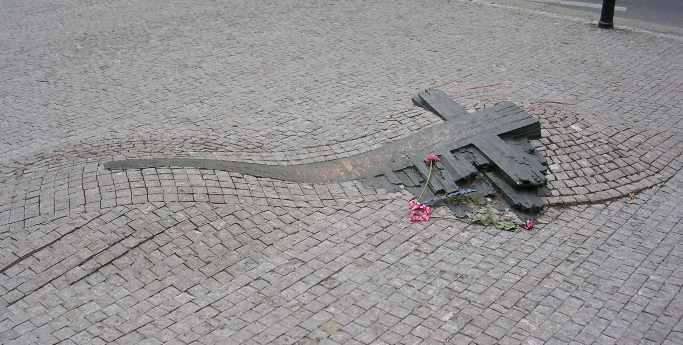
The Palach and Zajíc Memorial is one of Prague's most significant historic sites. It honors Jan Palach and Jan Zajíc, students whose self-immolations in 1969 were acts of protest against the suppression of freedoms during the Soviet occupation. The memorial, located at the upper end of Wenceslas Square in front of the National Museum, is a focal point for reflection on the Czech people's pursuit of liberty and democracy.
Historical Background
The Prague Spring and Its Aftermath
The Prague Spring of 1968 was a brief period of reform and liberalization under Alexander Dubček, aiming to create “socialism with a human face.” These reforms were crushed by the Warsaw Pact invasion in August 1968, leading to a harsh period known as “normalization,” marked by censorship and repression (Wikipedia).
Jan Palach and Jan Zajíc: Acts of Protest
Jan Palach, a 20-year-old Charles University student, set himself on fire on January 16, 1969, in Wenceslas Square to protest against the stifling of freedoms and the public's apathy (Prague Daily News). He died three days later. One month later, Jan Zajíc, aged 18, repeated this desperate act on February 25, 1969, near the same location (Expats.cz). Their actions galvanized resistance, even as the communist regime tried to suppress their memory.
Legacy and Cultural Impact
Despite governmental efforts to erase their legacy, the memory of Palach and Zajíc persisted. Their funerals became acts of defiance, and their story inspired the dissident movement, including Charter 77. The "Palach Week" protests in January 1989 marked the 20th anniversary of Palach’s death and became a catalyst for the Velvet Revolution later that year. Their sacrifice is commemorated across Europe, and their legacy endures as a universal symbol of resistance and civic courage (private-prague-guide.com).
Visiting the Memorial
Location and How to Get There
- Main Site: Wenceslas Square, in front of the National Museum, marks the spot where Jan Palach fell.
- Public Transport:
- Metro: Muzeum station (Lines A and C) and Můstek station (Lines A and B) are within walking distance.
- Tram: Lines 3, 9, 14, and 24 stop nearby.
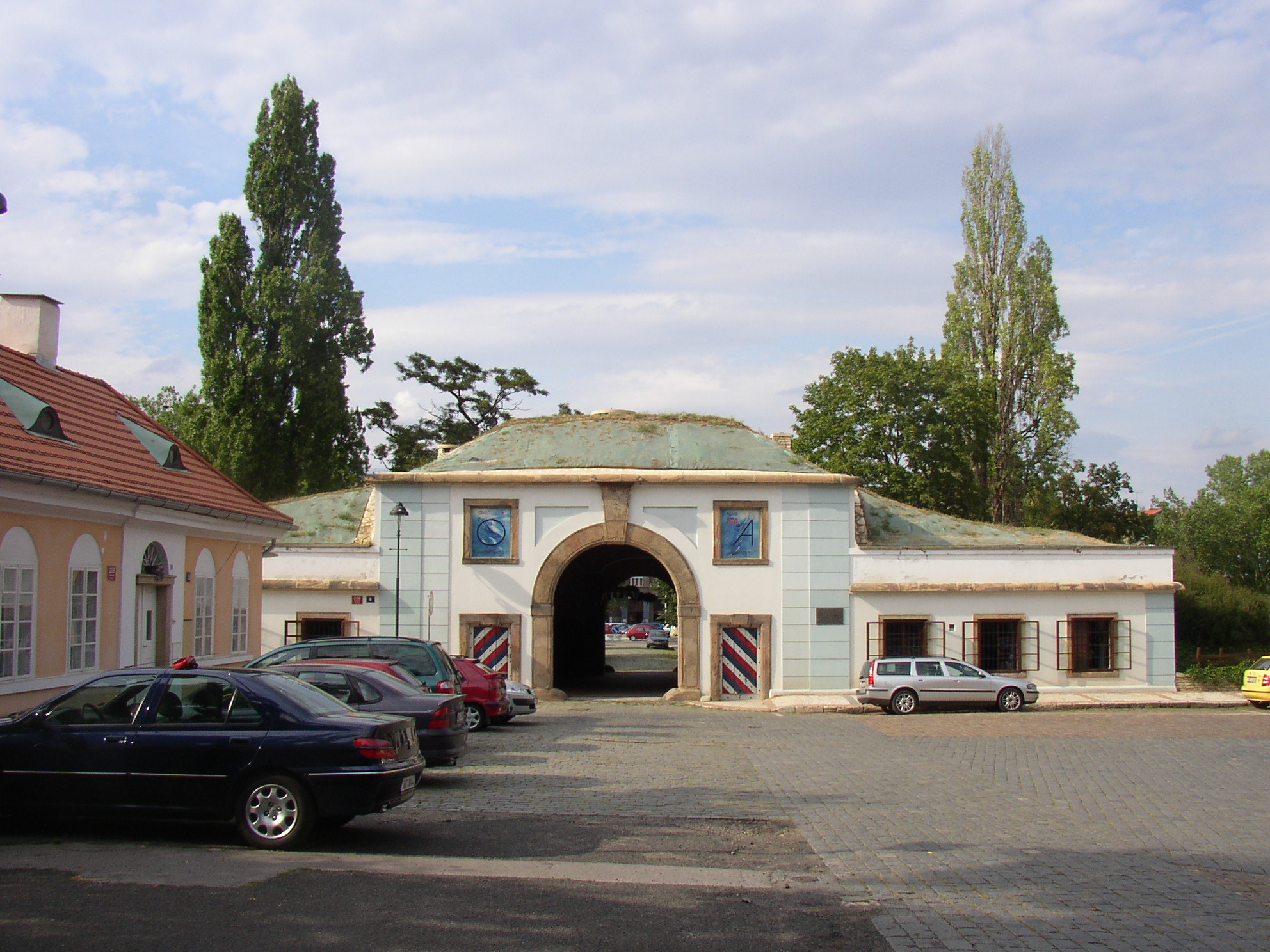
- Additional Site: Jan Palach Square (formerly Red Army Square), on the Alšovo Riverbank, features the “House of the Suicide” and “House of the Mother of the Suicide” sculptures.
Visiting Hours and Admission
- Hours: The memorial is outdoors and accessible 24/7, year-round.
- Admission: Free of charge; no ticket required.
Accessibility
- Both the Wenceslas Square and Jan Palach Square memorials are wheelchair accessible, with paved paths and nearby public transport stations equipped with elevators and ramps.
Guided Tours and Events
- Many historical walking tours of Prague include the memorial and provide in-depth context.
- Annual candlelight vigils and public ceremonies take place on January 16 and February 25.
- The National Museum sometimes hosts related exhibitions.
Photography Tips
- The bronze cross in the pavement near the National Museum is a striking focal point.
- Hejduk’s sculptures on Jan Palach Square offer compelling images, particularly at sunrise or sunset.
Additional Memorials and Nearby Attractions
Other Memorials
- Plaques and Stones: Behind the St. Wenceslas statue, plaques honor Palach, Zajíc, and other victims of communism.
- Jan Palach Square Memorial: Hejduk’s “House of the Suicide” and “House of the Mother of the Suicide” sculptures, inspired by David Shapiro’s poem “The Funeral of Jan Palach.”
- Flame (Plamen): A modern pylon sculpture opposite the National Museum, unveiled in 2020.
Nearby Attractions
- National Museum: Extensive exhibitions on Czech history.
- Old Town Square: 15-minute walk, featuring the Astronomical Clock.
- Charles University: With a plaque featuring Palach’s death mask.
- Borůvkovo sanatorium: Mural of Palach and priest Josef Toufar.
Frequently Asked Questions (FAQ)
Q: Are the Palach and Zajíc Memorials open year-round?
A: Yes, both outdoor memorials are accessible 24 hours a day, every day.
Q: Is there an entrance fee?
A: No, visiting both sites is completely free.
Q: Are the memorials wheelchair accessible?
A: Yes, they are at street level with paved surfaces.
Q: Are guided tours available?
A: Yes, many city tours include the memorial and provide historical context.
Q: When are the best times to visit?
A: Early mornings or late afternoons offer quieter experiences and better light for photography. Commemorative dates (January 16, January 19, February 25) feature special events.
Q: Can I take photographs?
A: Yes, photography is allowed and encouraged.
Practical Tips for Visitors
- Dress in layers; Prague weather is variable, especially in spring and autumn.
- English is widely spoken in the city center.
- Watch out for pickpockets, especially in crowded areas.
- Be respectful—avoid stepping on the cross and maintain quiet during commemorations.
- Combine your visit with nearby attractions like the National Museum or Old Town Square for a full historical experience.
Listen to the full story in the app
Your Personal Curator, in Your Pocket.
Audio guides for 1,100+ cities across 96 countries. History, stories, and local insight — offline ready.
Audiala App
Available on iOS & Android
Join 50k+ Curators
Sources
- verified
- verified
- verified
- verified
Last reviewed: