Plan and listen to National Museum In Prague with Audiala.
Audio guide in your pocket, itinerary in your browser. Built for the way you actually visit.
Introduction
The National Museum Prague (Národní muzeum) is the crown jewel of Czech cultural institutions and a central landmark atop Wenceslas Square. Established in 1818, this museum is not only an architectural marvel—thanks to its Neo-Renaissance Historical Building designed by Josef Schulz—but also a guardian of Czech heritage, boasting a collection of more than 14 million artifacts. With its unique combination of historical gravitas and contemporary appeal, the museum offers visitors an immersive journey through the natural, artistic, and social evolution of the Czech lands, from prehistoric times to the present.
This guide details everything you need to know for a rewarding visit, including current opening hours, ticket options, major exhibitions, accessibility, travel tips, and practical visitor information. For the most up-to-date details on exhibitions and ticketing, always refer to the official National Museum website (National Museum Prague: Visiting Hours, Tickets, History & Travel Tips, Delve Into Europe, Prague Tourist Information).

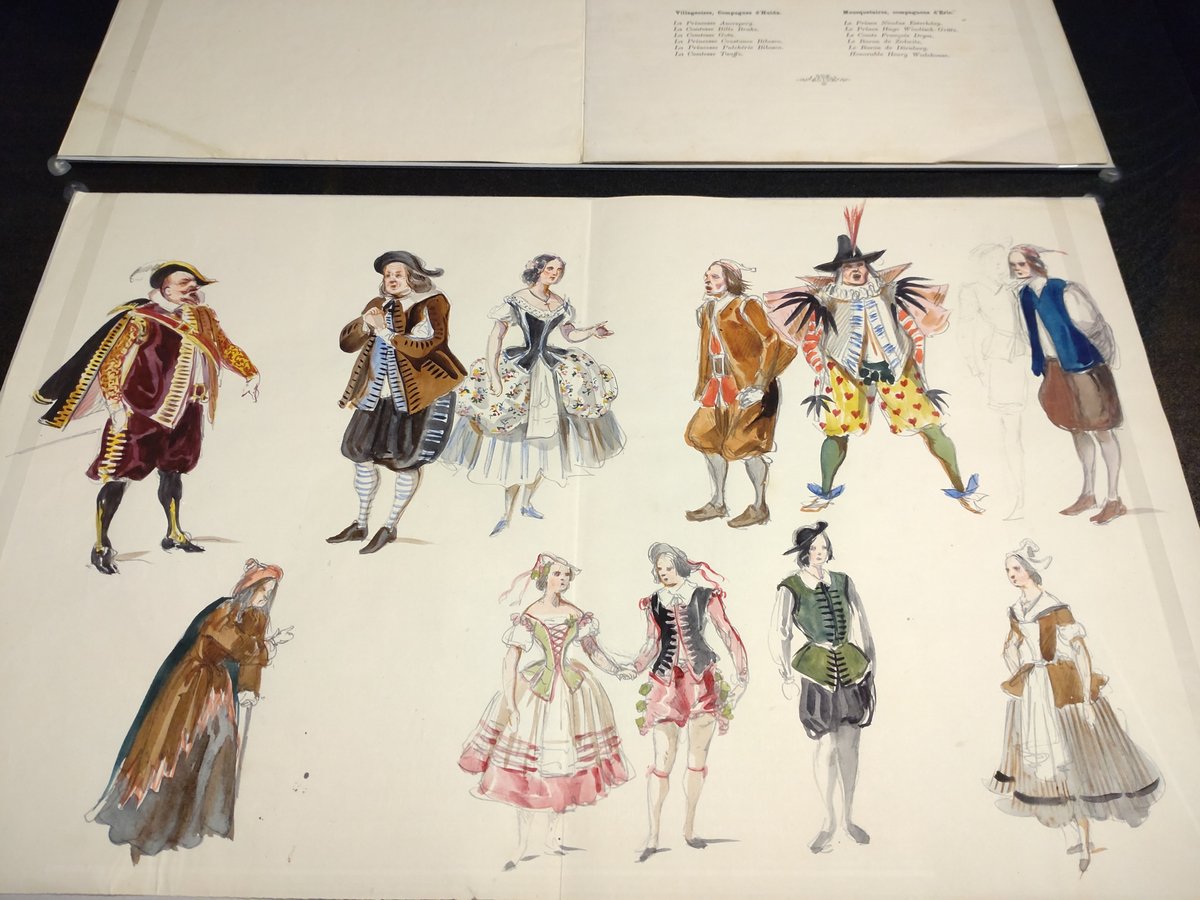
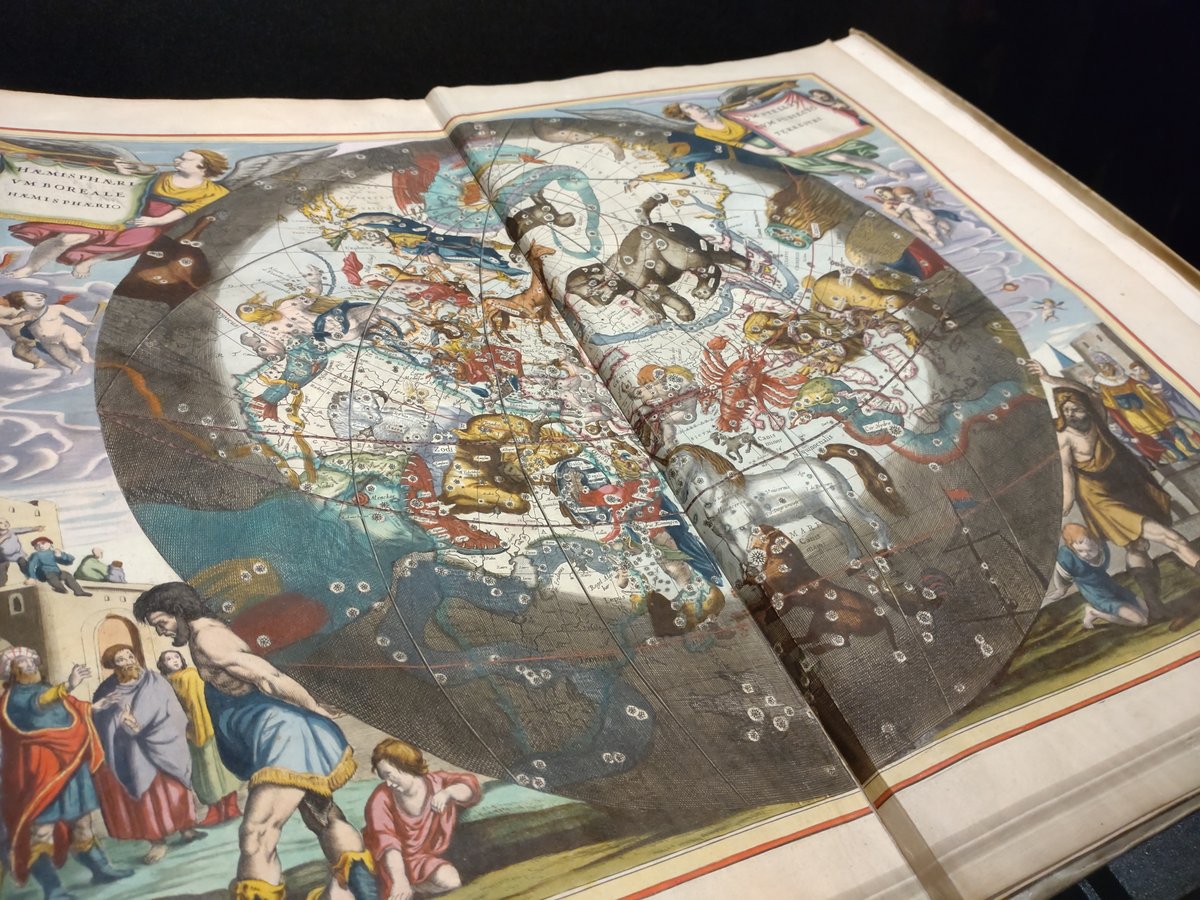
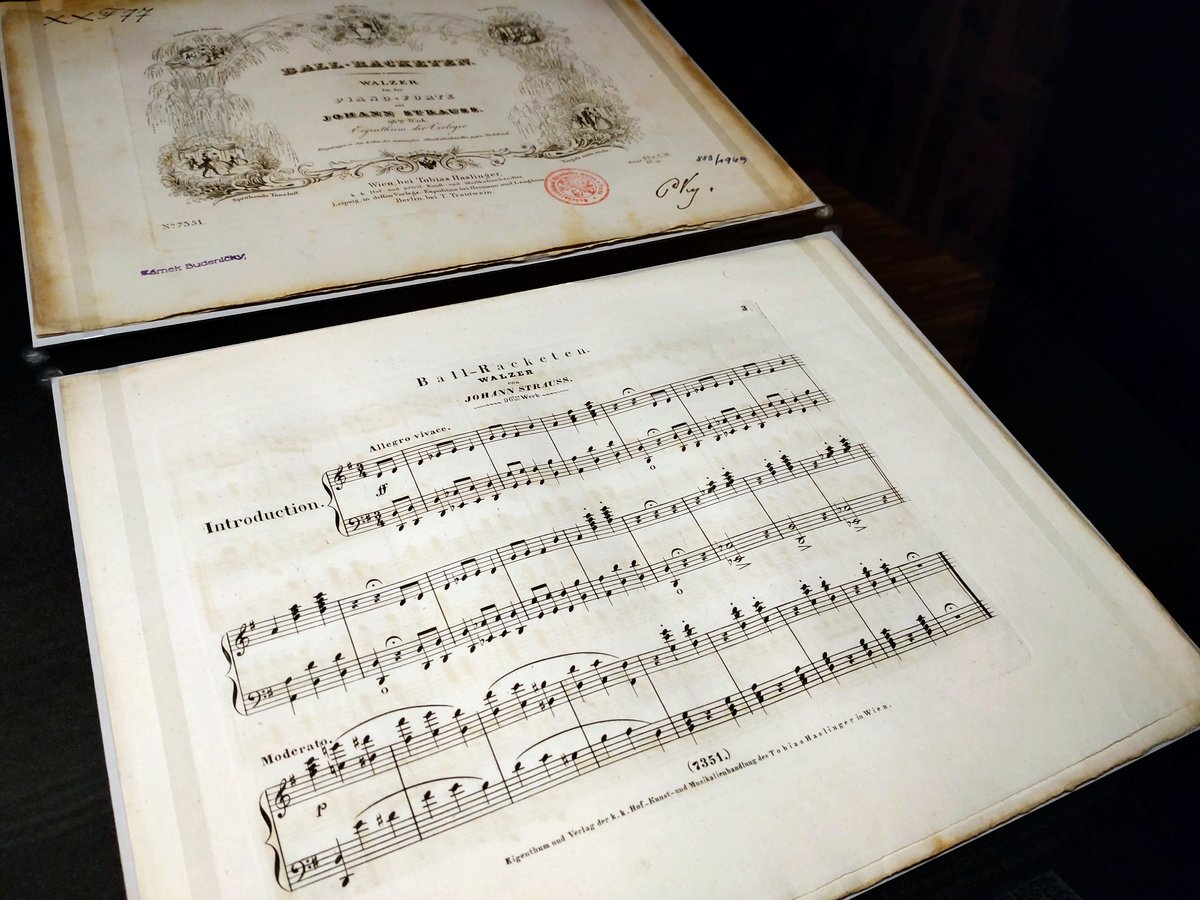
Visiting Hours and Tickets
Opening Hours:
- Daily: 10:00 AM – 6:00 PM
- Closed: Mondays, December 24, and January 1
- Special Events: Extended hours may apply for events like Prague Museum Night
Admission Fees:
- Adults: 280–350 CZK (varies by exhibition and building)
- Students (under 26) & Seniors (65+): 150–200 CZK
- Children under 15: Free
- Family Ticket (2 adults + up to 3 children): 550 CZK
- Discounts: Available for groups and during special exhibitions
- Ticket Validity: One ticket covers both the Historical and New Buildings as well as the connecting corridor and most temporary exhibitions
- Free Entry Days: May 18 (International Museum Day), June 1 (Children’s Day), October 28 (Czech Independence Day), November 17 (Velvet Revolution Day)
Tickets:
Purchase tickets at the museum entrance or online via the official National Museum website. It is advisable to buy tickets online to avoid queues, particularly during peak tourist seasons (praguetouristinformation.com, viewfromprague.com).
Museum Highlights
Historical Building: Neo-Renaissance Grandeur
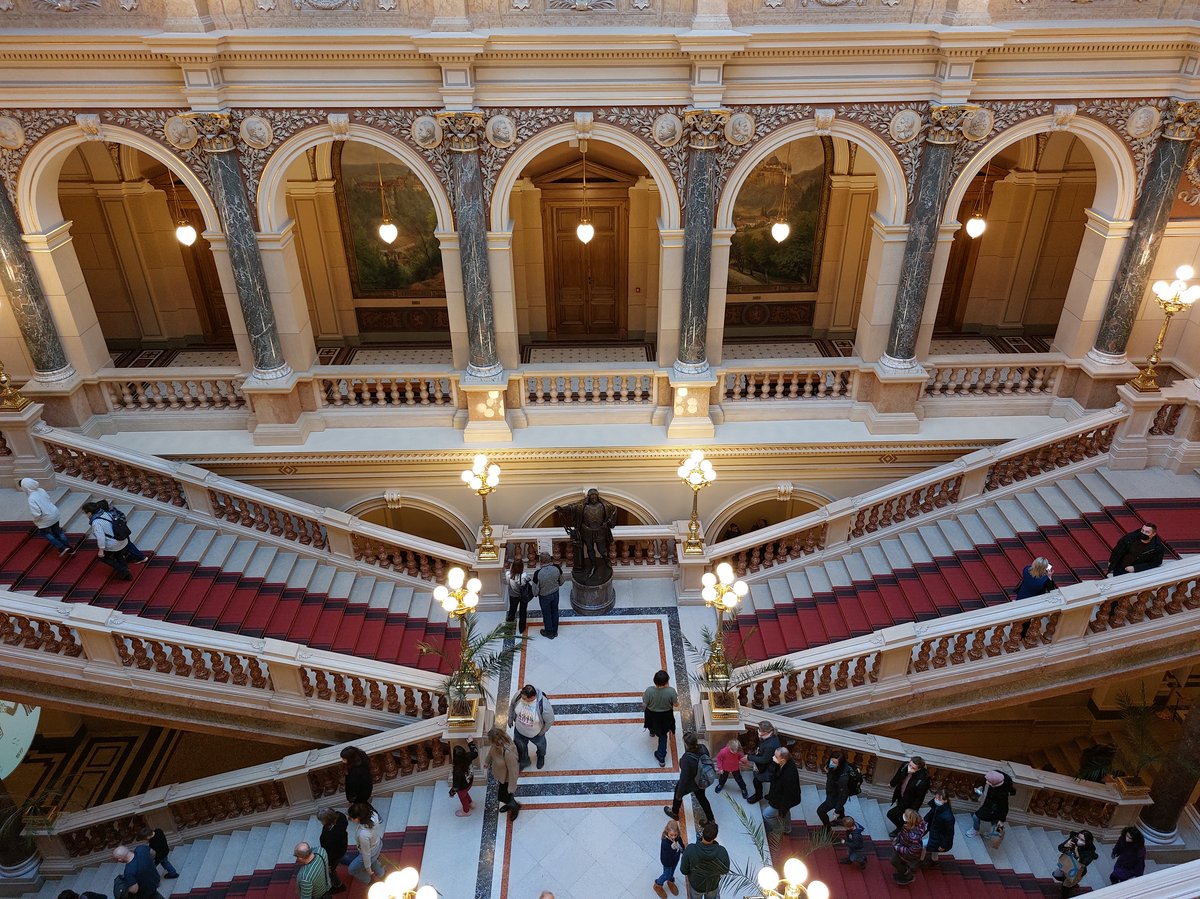
Designed by Josef Schulz and completed in 1891, the Historical Building is a national cultural monument and a masterpiece of Neo-Renaissance architecture. Its grand façade, impressive entrance ramp, marble details, and bronze statues set the stage for the treasures within. The main staircase leads to the Pantheon—a domed hall with busts and statues of Czech luminaries. Recently restored after a seven-year renovation, the cupola (dome) is now open to visitors, offering panoramic views of Wenceslas Square and Prague (delveintoeurope.com, praguetouristinformation.com).
Key Permanent Exhibitions:
- Windows into Prehistory: Over 2,000 paleontological artifacts
- The Miracles of Evolution: Life-size models of prehistoric animals
- Pantheon: Guided tours for groups (reservation required)
- Cupola: Open to visitors for exceptional city views
New Building: Modernity and Innovation
The New Building, a functionalist structure originally built as the Prague Stock Exchange (1937–39), later served as the Czechoslovak Parliament. Since 2015, it has complemented the Historical Building with light-filled spaces for major exhibitions on modern Czech and international history, as well as a café and museum shop (praguetouristinformation.com).
Notable Features:
- Major rotating exhibitions (e.g., "Chinggis Khan and His World" in 2025)
- Children’s Museum: Interactive exhibits for families
- Café and museum shop
- Fully accessible with elevators and ramps (nm.cz)
The Connecting Corridor: Multimedia History
An underground corridor seamlessly links the two buildings, featuring a multimedia installation narrating Wenceslas Square’s turbulent 20th-century history. This innovative space enhances the museum experience and allows visitors to explore both buildings with a single ticket (praguetouristinformation.com).
Collections and Special Exhibitions
Permanent Collections:
- Natural Sciences: Mineralogy, paleontology (trilobites, mammoth skeletons), zoology, and botany
- Archaeology: Prehistoric, Celtic, Roman, and medieval artifacts
- Ethnography: Folk costumes, musical instruments, puppetry (UNESCO-recognized tradition)
- Fine Arts & Photography: Czech and European paintings, sculpture, and historic photography
Special Exhibitions 2025:
- "Expedition of the National Museum": Czech research expeditions worldwide
- "Olympic Stories": Czech Olympic medalists
- "Emil Holub": Collections from African explorations
- "Familiar and Unfamiliar Vietnam": Cross-cultural display
- "Mysterious Nubia": Ancient Nubian civilization
- "Antonín Dvořák in Photographs": Rare composer images
- "200th Anniversary of Bedřich Smetana": Czech music heritage (Trip.com Events)
For more on current and upcoming exhibitions, visit the official museum events calendar.
Visitor Experience and Facilities
Accessibility
Both buildings are fully accessible, with step-free entrances, elevators, and accessible restrooms. Assistance is available upon request, and exhibition labels are in both Czech and English (nm.cz).
Photography
Photography for personal use is permitted in most areas (no flash or tripods). Some special exhibitions may restrict photography—always check signage or ask staff (praguego.com).
Guided Tours and Special Events
- Guided Tours: Available in Czech, English, German, and other languages; book in advance
- Audio Guides: Offered in multiple languages
- Workshops & Lectures: Regularly scheduled for all ages
- Museum Night: Annual event in June with free late-night entry (expats.cz)
Facilities
- Cafés and Shops: Both buildings
- Cloakrooms and Lockers: Secure storage available
- Children’s Museum: Interactive, family-friendly zone in the New Building
- Restrooms: Throughout the complex
Travel Tips
- Plan 2–3 hours for a comprehensive visit.
- Start at the Historical Building for classic exhibitions, then move to the New Building via the corridor.
- Climb the cupola for panoramic city views.
- Visit on weekdays (especially Tuesday–Thursday) or early/late in the day to avoid crowds.
- Check for free entry days and special exhibitions before your visit.
- Nearby Attractions: Wenceslas Square, Prague State Opera, Old Town Square (praguetouristinformation.com).
Getting There
Address: Václavské náměstí 68, Nové Město, Prague 1
Metro: Muzeum station (Lines A & C)
Tram: Lines 3, 5, 6, 9, 11, 13, 14, 19, 24, 25, 31
Train: 5–7-minute walk from Hlavní nádraží (main train station)
Bus: Night lines 905, 907, 908, 911
(viewfromprague.com, praguego.com)
Frequently Asked Questions (FAQ)
Q: What are the National Museum Prague's opening hours?
A: Daily 10:00 AM – 6:00 PM, closed Mondays and on some holidays.
Q: How much are tickets?
A: Adults: 280–350 CZK; discounts for students, seniors; children under 15 free.
Q: Are both buildings included with one ticket?
A: Yes, including the connecting corridor and most temporary exhibitions.
Q: Is the museum wheelchair accessible?
A: Yes, both buildings are fully accessible.
Q: Are guided tours available?
A: Yes, in multiple languages; advance booking recommended.
Q: Can I take photos inside?
A: Yes, for personal use (no flash/tripods); some exhibitions may have restrictions.
Q: When is the best time to visit?
A: Weekday mornings or late afternoons to avoid crowds; check for special event days.
Listen to the full story in the app
The whole National Museum In Prague,
told well.
Audio guides for 1,100+ cities across 96 countries. History, stories, and local insight — offline ready.
Verified, and shown.
Researched and written by the Audiala editorial team from historical records, architectural archives, and local expertise.
Researched from Wikidata, Wikipedia & official sources · fact-checked · How we make our guides →