Introduction
Kaiserštejnský Palác, or the Kaiserstein Palace, is one of Prague’s most striking Baroque monuments, located at Malostranské náměstí 37/23 in the storied Malá Strana district. Combining aristocratic splendor, rich historical roots, and a vibrant contemporary cultural life, the palace is an essential stop for anyone interested in Prague’s heritage. While it does not function as a traditional museum, Kaiserštejnský Palác opens its doors for special events, guided tours, and cultural programs, offering a unique opportunity to experience the city’s layered past in an authentic Baroque setting (kaiserstejnskypalac.cz; prague.eu).
Medieval and Renaissance Foundations
The site of Kaiserštejnský Palác has been significant since the early Middle Ages, with archaeological findings revealing remains from the 10th–12th centuries (archeopraha.cz). Originally composed of Gothic houses that survived the devastating 1541 fire, the property was unified into a Renaissance residence by 1630 (turistika.cz).
Baroque Transformation
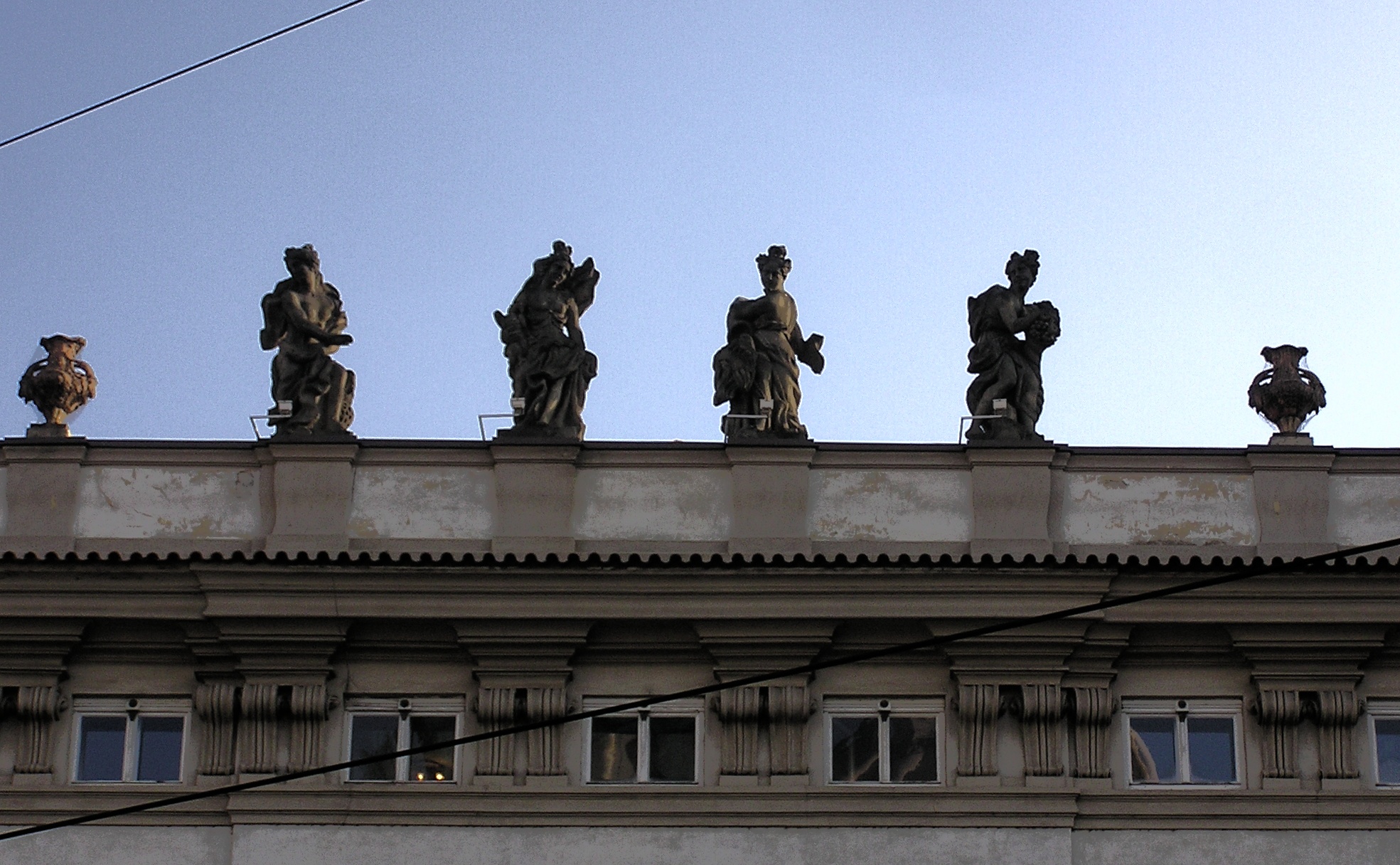
The palace’s iconic Baroque character emerged in the late 17th and early 18th centuries. Baron František Helfrid of Kaiserstein commissioned a sweeping redesign, likely by Giovanni Battista Alliprandi. The façade, facing Malostranské náměstí, features impressive symmetry, a grand balcony, and the Kaiserstein family coat of arms, while Italian sculptor Ottavio Mosto’s allegorical statues crown the roofline (kaiserstejnskypalac.cz; pragitecture.eu).
Later History and Restoration
The palace adapted through the 19th and 20th centuries, undergoing Classicist remodeling in 1845 and hosting notable residents such as geologist Joachim Barrande and soprano Ema Destinnová. Restoration in the late 20th century returned the interiors and exteriors to their Baroque glory, with modern amenities added for contemporary use (kaiserstejnskypalac.cz).
UNESCO World Heritage Status
In 1992, Kaiserštejnský Palác became part of the Prague Historic Centre UNESCO World Heritage Site, underscoring its significance in the city’s urban and cultural landscape (kaiserstejnskypalac.cz).
Architectural and Artistic Highlights
Exterior Features
Kaiserštejnský Palác’s façade is a masterpiece of high Baroque design: symmetrical, richly decorated with stucco, and dominated by a central portal and balcony. The rooftop statues represent the classical elements—Fire, Air, Water, and Earth—crafted by Ottavio Mosto (Radio Prague International). The palace harmonizes with the square’s urban context and the surrounding Baroque and Renaissance buildings (prague.eu).
Interior Layout and Decorative Programs
Visitors entering the palace are greeted by a grand staircase—constructed from sandstone, adorned with wrought-iron railings and frescoed ceilings. The main halls, such as the Ema Destinnová Hall, feature original crystal chandeliers, gilded moldings, and frescoes that celebrate the palace’s noble origins (kaiserstejnskypalac.cz). Private apartments and a chapel, though more restrained, display remarkable woodwork and period details.
Notable Spaces and Symbolism
The palace’s decorative scheme abounds in Baroque symbolism: allegorical figures, laurel wreaths, and cornucopias. Mirrors and trompe-l’oeil techniques amplify the sense of space and light, while the integration of local materials—Bohemian oak, sandstone—demonstrate regional craftsmanship (prague.eu).
Visitor Information
Visiting Hours and Admission
Kaiserštejnský Palác does not operate as a conventional museum with fixed daily hours. Instead, it opens to the public during scheduled concerts, exhibitions, cultural festivals, and guided tours. Typical opening for public events is Tuesday to Sunday, 10:00 AM to 6:00 PM, but always confirm on the official website or through event platforms such as GoOut and SMSTicket.
- Admission: There is no standard entry ticket; pricing depends on the specific event. Public concert or exhibition tickets generally range from 150–300 CZK, with discounts for students, seniors, and children. For private events, contact the palace directly (kaiserstejnskypalac.cz).
How to Visit and What to Expect
- Public Events: Check the palace’s event calendar and ticketing platforms for upcoming concerts, exhibitions, or special open days.
- Guided Tours: Offered during selected times and in multiple languages. Booking in advance is recommended.
- Private Rentals: The palace is a sought-after venue for weddings, galas, and conferences. Inquiries can be made via the official contact page.
Accessibility and Facilities
- Location: Malostranské náměstí 37, Prague 1. Easily reached by trams (12, 15, 20, 22) and metro line A (Malostranská station) (HikersBay).
- Wheelchair Access: Some mobility barriers remain due to the historic nature of the building, but renovations have improved access to main halls. Contact the venue ahead for details (kaiserstejnskypalac.cz).
- Facilities: Modern restrooms, cloakroom services, and event-specific catering and audio-visual support are available during public functions.
Practical Tips
- Dress Code: Smart attire is recommended for concerts and formal events (Real Prague Guides).
- Photography: Allowed in most public areas, but restrictions may apply during certain events.
- Nearby Attractions: Charles Bridge, Prague Castle, and St. Nicholas Church are all within walking distance (Carly Marie Travel With Me).
Frequently Asked Questions (FAQ)
Q: Can I visit Kaiserštejnský Palác without attending an event?
A: No, general public access is limited to scheduled events and open house days.
Q: How do I buy tickets for events?
A: Tickets are available via GoOut, SMSTicket, and at the palace entrance during events.
Q: Is the palace wheelchair accessible?
A: Accessibility is improved but not universal; contact the palace in advance for assistance.
Q: Are guided tours available?
A: Yes, during select events and by prior arrangement.
Q: What’s the best way to get there?
A: By public transport—tram or metro—due to limited parking in Malá Strana.
Discover More
Kaiserštejnský Palác encapsulates the grandeur of Prague’s Baroque era and the living vibrancy of its cultural scene. Although regular daily tours are not available, attending a concert, exhibition, or special event within its historic halls is a truly immersive way to appreciate its art, architecture, and ambiance. For the most up-to-date information, consult the official palace website, check event listings, and consider downloading the Audiala app for guided tours and insider tips. Don’t miss the chance to explore this remarkable venue and the surrounding treasures of Malá Strana.
Listen to the full story in the app
Your Personal Curator, in Your Pocket.
Audio guides for 1,100+ cities across 96 countries. History, stories, and local insight — offline ready.
Audiala App
Available on iOS & Android
Join 50k+ Curators
Sources
- verified
- verified
- verified
- verified
- verified
Last reviewed:


