Introduction
Located in the heart of Prague's historic Jewish Quarter—Josefov—the Jewish Museum in Prague is one of the world’s most significant Jewish museums. It offers an immersive journey through centuries of Jewish history, culture, tragedy, and resilience. Founded in 1906 during a period when urban redevelopment threatened the erasure of Jewish heritage in Bohemia and Moravia, the museum’s mission has evolved from salvaging artifacts from demolished synagogues to becoming a major center for preservation, education, and remembrance. Today, it houses over 40,000 objects and 130,000 books, spread across a constellation of historic synagogues, the Old Jewish Cemetery, and other key sites (Jewish Museum Prague – History; Wikipedia).
Photo Gallery
Explore Jewish Museum in Prague in Pictures
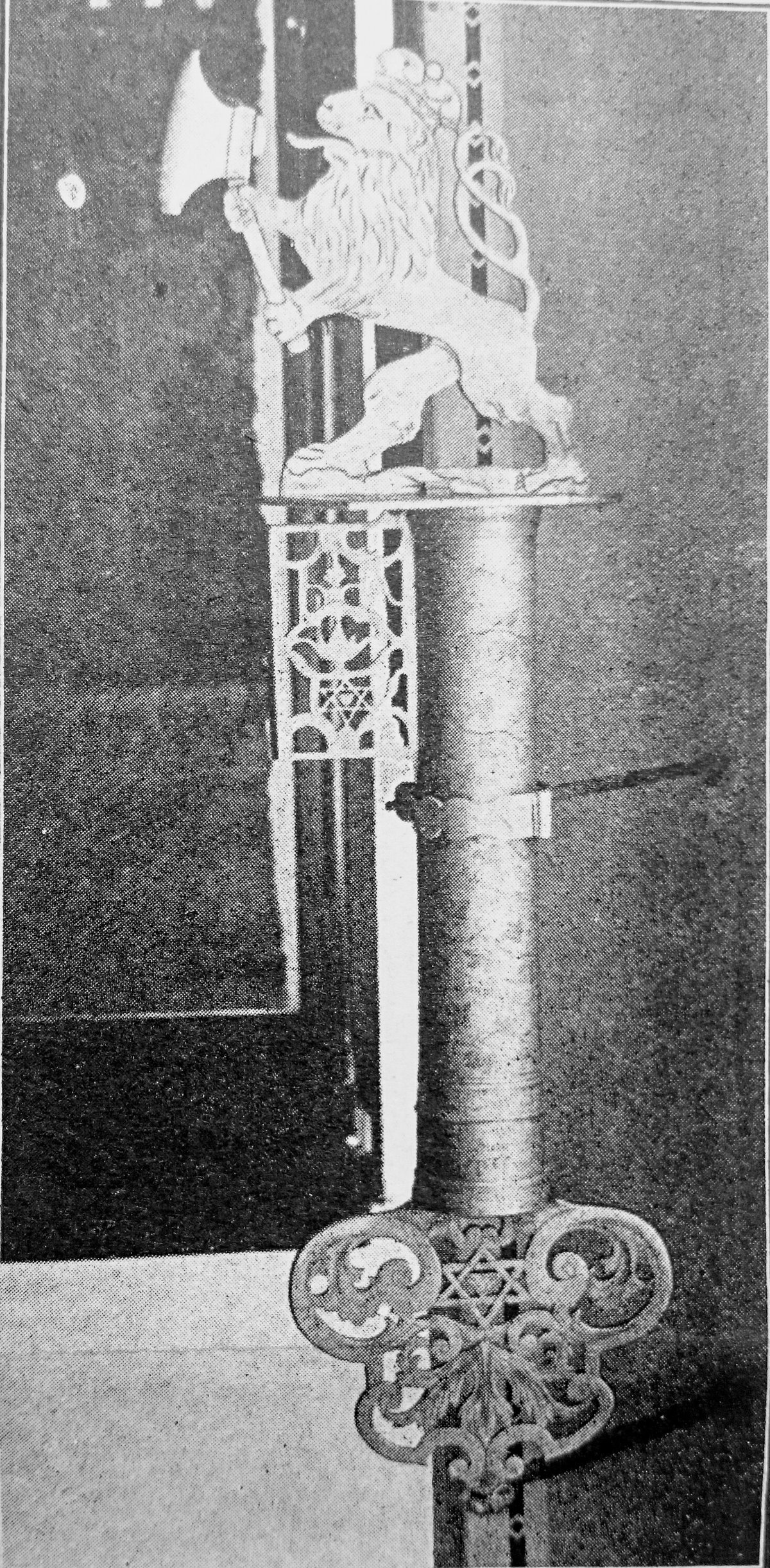
Close-up photo of a Jewish guild badge from Prague, crafted in tin in 1620 and later restored in the 19th century. The badge is part of the collection at the Jewish Museum, photo taken in 1913.
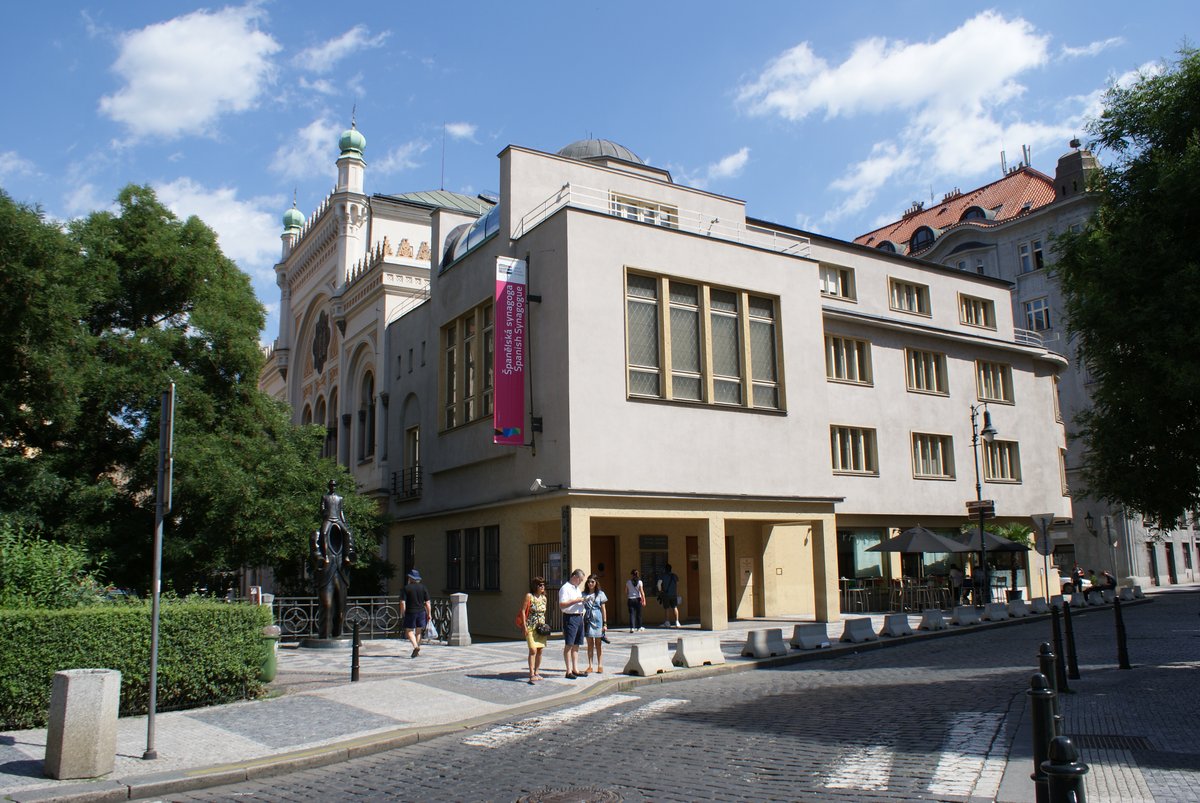
Exterior view of the Jewish Museum and the Spanish Synagogue in Prague, Czech Republic
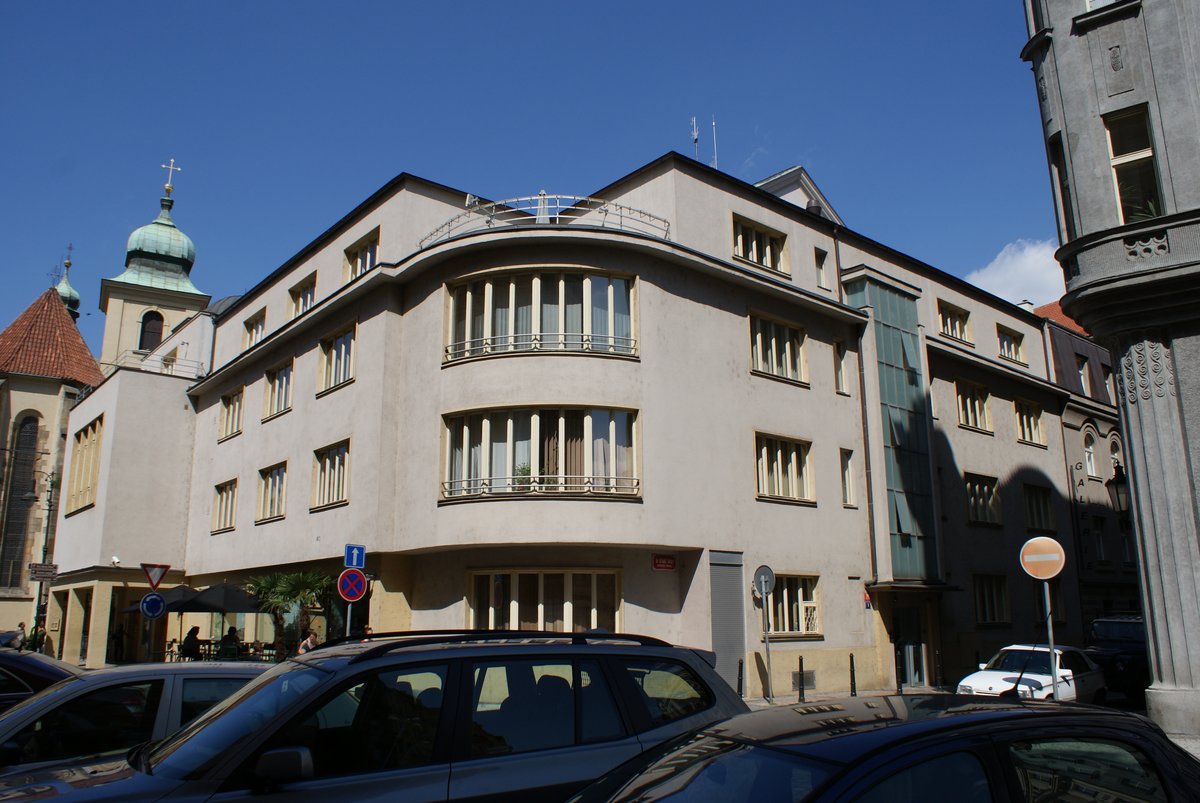
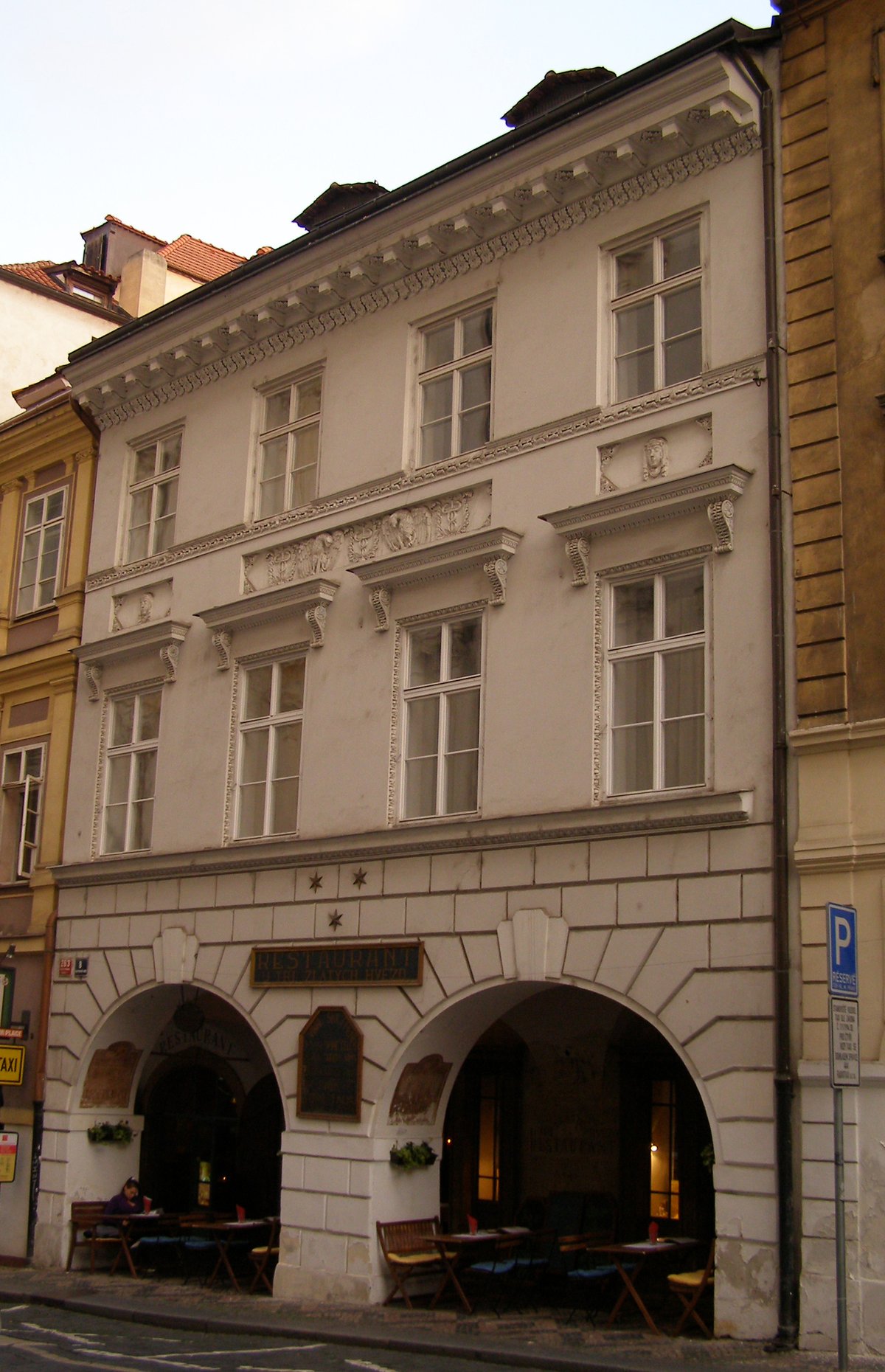
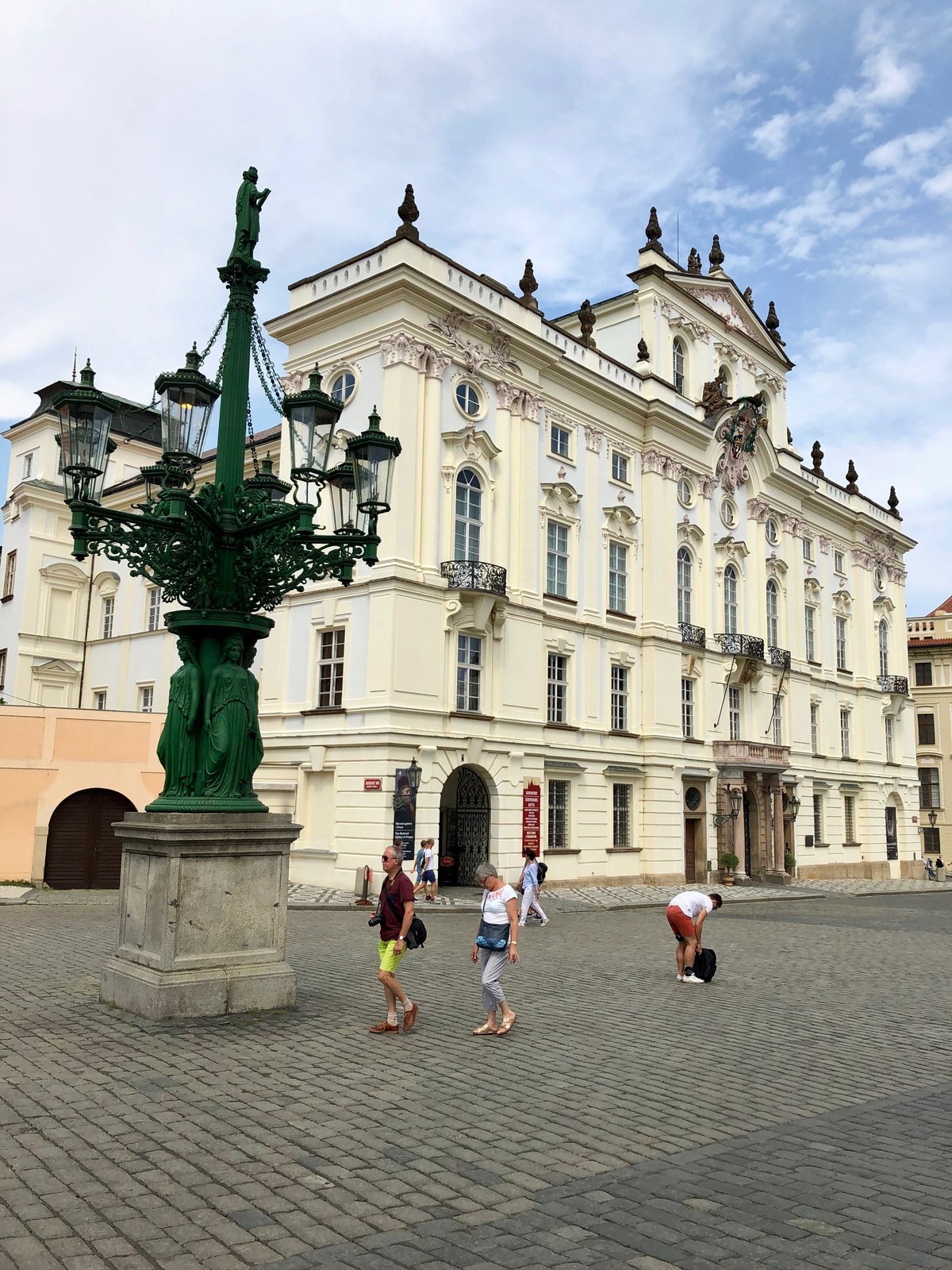
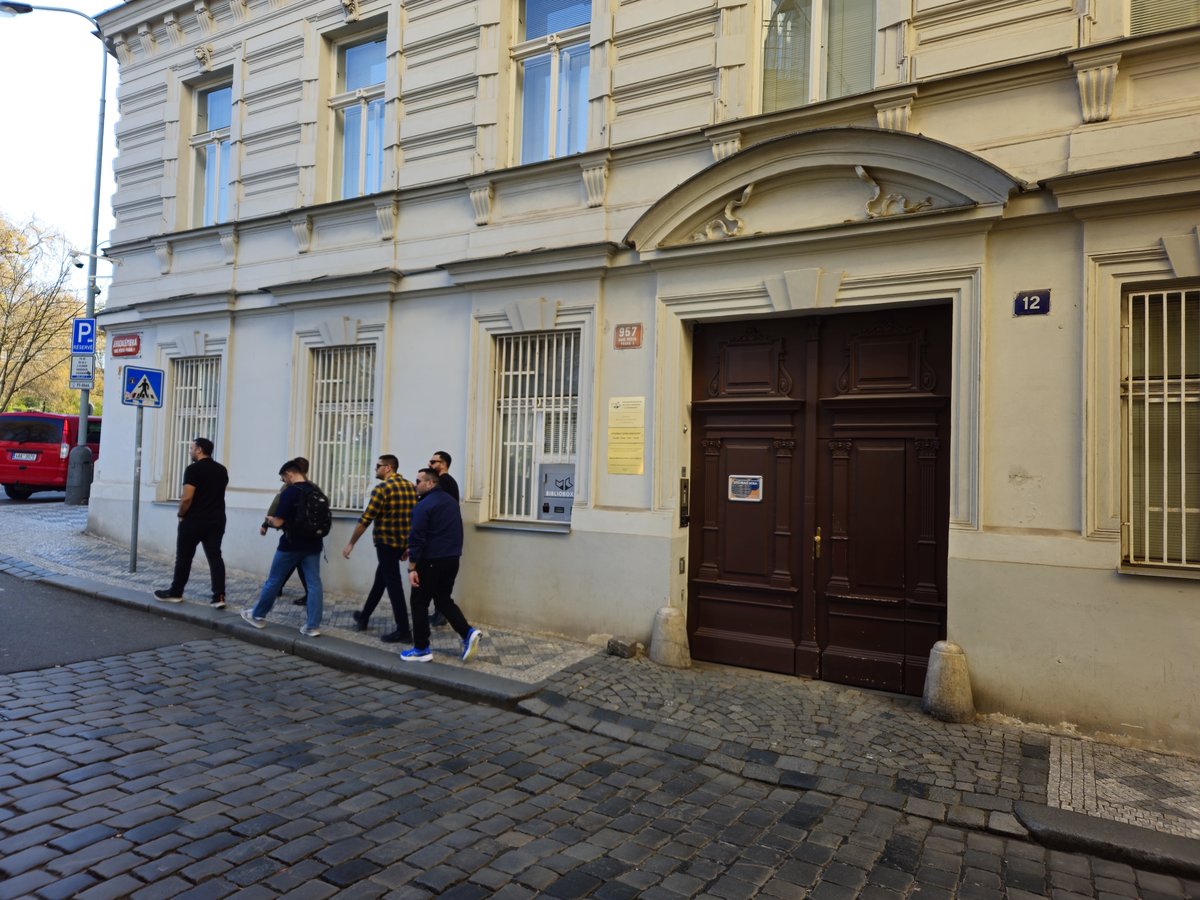
Exterior view of the Jewish Museum located in Prague, Czech Republic featuring historic and architectural details.

Exterior view of the Jewish Museum in Prague, Czech Republic, showcasing its historic architectural features.
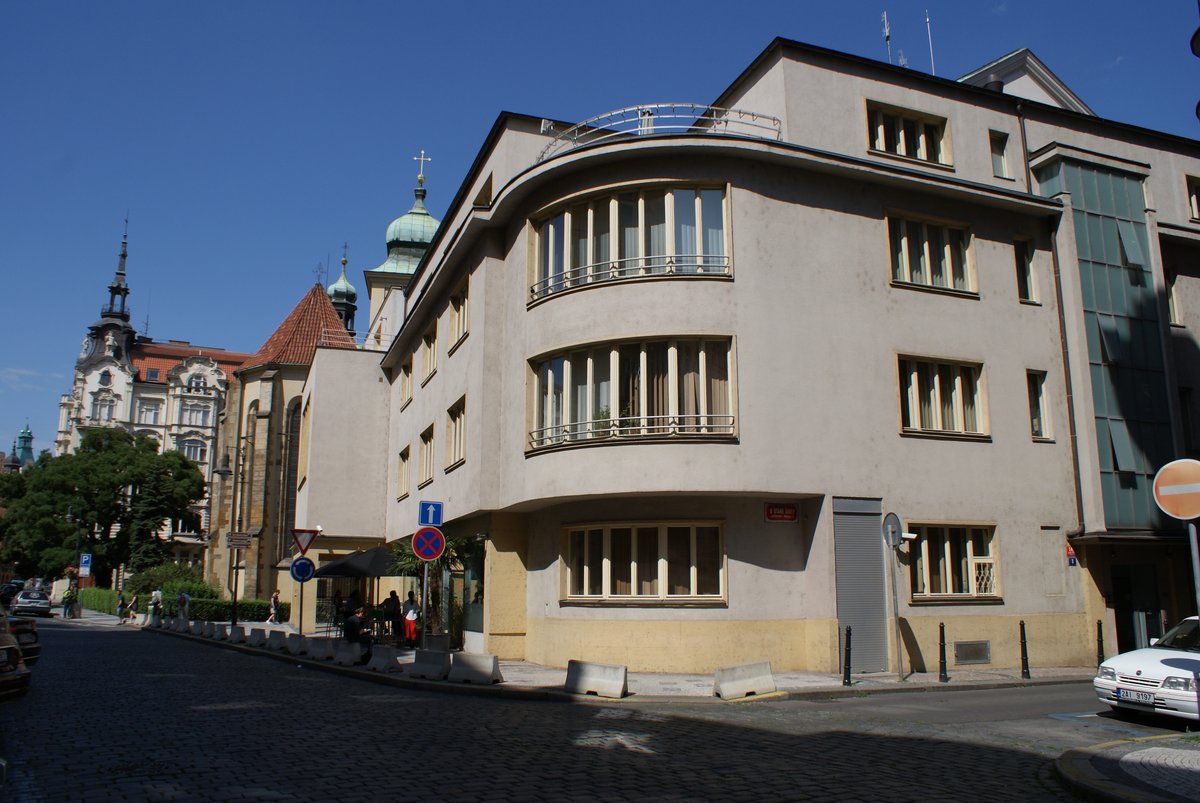
Exterior view of the Jewish Museum in Prague, Czech Republic, showcasing its historic architectural style

Historic Jewish Museum in Prague, Czech Republic showcasing classic architectural style and cultural significance

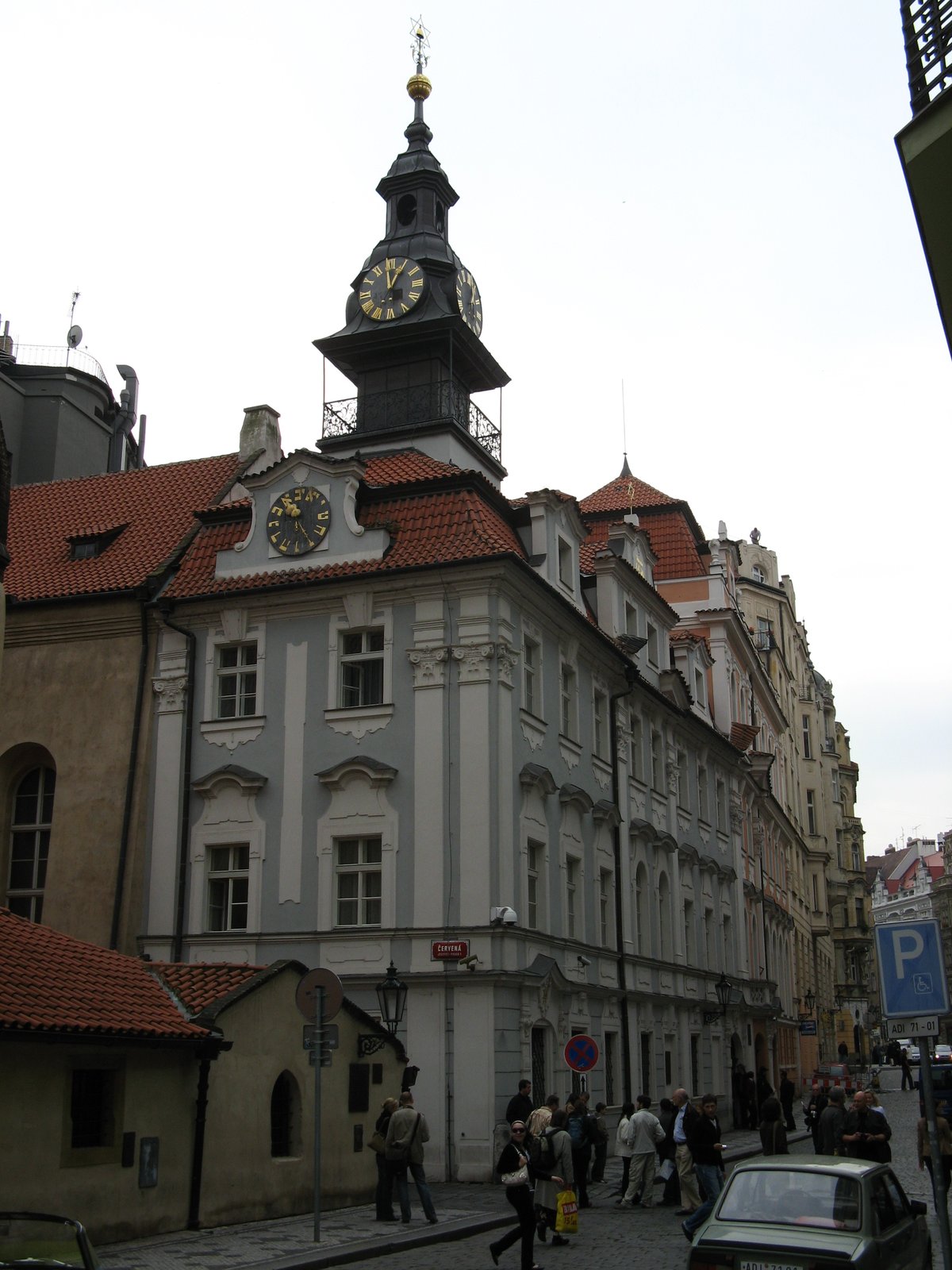
Front view of the Jewish Museum entrance in Prague, Czech Republic, featuring the iconic Jewish Star and architectural detail.
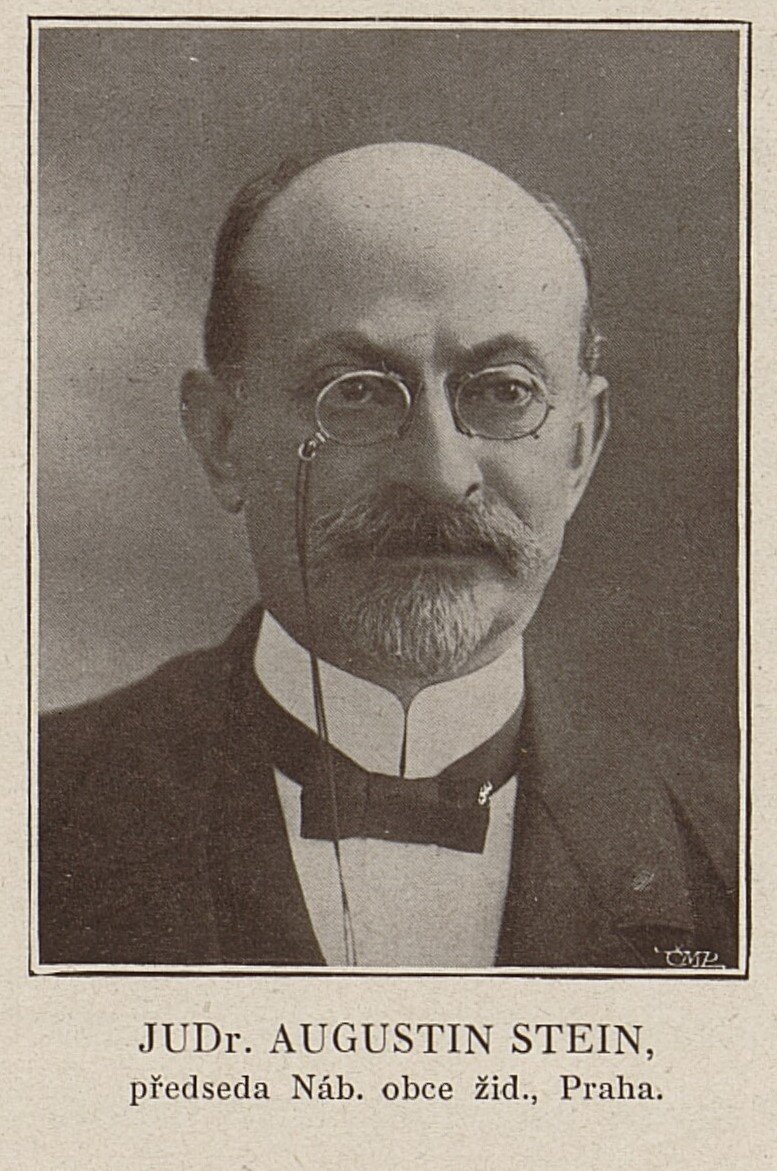
Portrait image of Augustin Stein, the chairman of the Jewish Religious Community (JRC) in Prague, showcasing his leadership role
Historical Background
Early Jewish Settlement and the Evolution of Josefov
Jewish life in Prague dates as far back as the 10th century, with Ashkenazi Jews establishing a thriving community by the Middle Ages. Josefov, the Jewish Quarter, was historically a walled ghetto, home to synagogues, schools, and the Old Jewish Cemetery. Urban renewal in the late 19th and early 20th centuries destroyed much of the original ghetto, but key monuments were preserved and now form the core of the Jewish Museum.
Foundation and Development
The museum was established to preserve Jewish heritage threatened by urban redevelopment. During the Nazi occupation, the museum became a repository for confiscated Jewish property, ironically ensuring the survival of thousands of priceless artifacts. Following nationalization under the Communist regime, the museum endured periods of restriction but remained a vital center for Jewish culture and remembrance. After the Velvet Revolution in 1989, the museum returned to the Jewish community, expanding its mission to encompass education, research, and commemoration (Jewish Museum Prague – History; JGuide Europe).
The Holocaust and Beyond
Before World War II, approximately 92,000 Jews lived in the Czech lands; only a fraction survived the Holocaust. The Pinkas Synagogue, now a central part of the museum, memorializes nearly 80,000 victims, with their names inscribed on its walls (Context Travel). Post-war, the museum's collections expanded, and the institution played an essential role in preserving Jewish memory and testimony.
Architectural and Artistic Heritage
The Jewish Museum in Prague is unique in its layout, comprising several historic sites:
- Maisel Synagogue (1592): Chronicles Jewish history in Bohemia and Moravia from the 10th to 18th centuries, with exhibits featuring ceremonial silver, rare books, and manuscripts (Context Travel).
- Pinkas Synagogue (1535): Serves as a Holocaust memorial. Upstairs, children’s drawings from the Terezín Ghetto are displayed (Daniela Santos Araújo).
- Klausen Synagogue (1694): The largest in the Jewish Quarter, it focuses on Jewish religious customs, holidays, and daily life.
- Spanish Synagogue (1868): Renowned for its Moorish Revival architecture, with exhibits on Jewish history from the 18th to 20th centuries.
- Old-New Synagogue (1270): The oldest active synagogue in Europe, still in use for worship and steeped in legend (Prague.org).
- Old Jewish Cemetery (est. 15th century): Among Europe’s oldest Jewish burial grounds, with over 12,000 visible tombstones, including that of Rabbi Judah Loew (Go City Guide).
Practical Visitor Information
Visiting Hours
- April–September: 9:00 AM – 6:00 PM (last entry 5:00 PM)
- October–March: 9:00 AM – 4:30 PM (last entry 4:00 PM)
- Closed on Saturdays (Shabbat) and major Jewish holidays (Jewish Museum Prague – Visit).
Tickets and Pricing
- Combined ticket (Maisel, Pinkas, Klausen, Spanish Synagogues, Ceremonial Hall, Old Jewish Cemetery): Adult 400–500 CZK; discounts for students, seniors, and families.
- Old-New Synagogue: Separate ticket required.
- Purchasing Tickets: Recommended to buy online via the official website to avoid queues.
Accessibility
- Most sites are within walking distance in Josefov, near Old Town Square and Staroměstská metro station.
- Accessibility varies due to historic architecture; some sites have uneven flooring and stairs. Contact the museum ahead for assistance (whichmuseum.com).
Guided Tours and Special Events
- Guided tours are available in multiple languages and can be booked online or at the visitor center.
- The museum offers educational programs, workshops, and temporary exhibitions throughout the year.
Tips for Your Visit
- Arrive early or late in the day to avoid crowds, especially during peak season.
- Modest attire is recommended, and respectful behavior is expected at all memorial sites.
- Photography is generally not permitted inside the synagogues and cemetery.
Exploring Josefov and Nearby Attractions
The Jewish Museum is embedded in Josefov, where you’ll also find:
- The Franz Kafka Museum
- Kosher restaurants and traditional cafes
- Other historic synagogues and the Old Town Square nearby
Cultural Significance and Memory
The Jewish Museum Prague is both a place of remembrance and a living testament to Jewish resilience. The Pinkas Synagogue’s Holocaust memorial and the Old Jewish Cemetery invite reflection, while the Spanish Synagogue’s stunning architecture celebrates artistic achievement. The museum plays an active role in education, scholarly research, and international dialogue (Jewish Museum Prague – History; Wikipedia).
Visual Highlights
 Spanish Synagogue, an architectural gem in Josefov
 The historic Old Jewish Cemetery with centuries of history
Frequently Asked Questions (FAQ)
Q: What are the Jewish Museum Prague visiting hours?
A: Generally open daily 9:00 AM–6:00 PM (April–September), 9:00 AM–4:30 PM (October–March); closed Saturdays and Jewish holidays.
Q: How much are tickets, and where can I buy them?
A: Combined tickets are 400–500 CZK for adults, with discounts for students and seniors. Buy online at the official website or at the museum entrance.
Q: Is the museum accessible for wheelchair users?
A: Some sites offer wheelchair access; others have limited accessibility due to historic architecture. Check specific details in advance.
Q: Are guided tours available?
A: Yes, in multiple languages, and highly recommended for deeper understanding.
Q: Is photography allowed?
A: Generally not permitted inside synagogues and the cemetery.
Tips for a Meaningful Visit
- Allocate at least 2–3 hours to explore the complex.
- Download the Audiala app for audio guides and up-to-date information.
- Combine your visit with nearby attractions like Old Town Square and Charles Bridge.
Summary Table of Main Sites
| Site | Main Focus | Notable Features | Ticket Included? |
|---|---|---|---|
| Maisel Synagogue | Early Jewish history | Ceremonial silver, manuscripts | Yes |
| Pinkas Synagogue | Holocaust memorial | Victims’ names, Terezín children’s drawings | Yes |
| Old Jewish Cemetery | Historic burial ground | 12,000+ tombstones, Rabbi Loew’s grave | Yes |
| Klausen Synagogue | Customs and religious life | Festivals, life-cycle events | Yes |
| Ceremonial Hall | Burial traditions | Ritual objects, Chevra Kadisha history | Yes |
| Spanish Synagogue | Modern Jewish history, architecture | Moorish Revival style, synagogue silver | Yes |
| Old-New Synagogue | Oldest active synagogue in Europe | Golem legend, medieval architecture | No (separate) |
Listen to the full story in the app
Your Personal Curator, in Your Pocket.
Audio guides for 1,100+ cities across 96 countries. History, stories, and local insight — offline ready.
Audiala App
Available on iOS & Android
Join 50k+ Curators
Sources
- verified
- verified
- verified
- verified
- verified
- verified
- verified
Last reviewed: