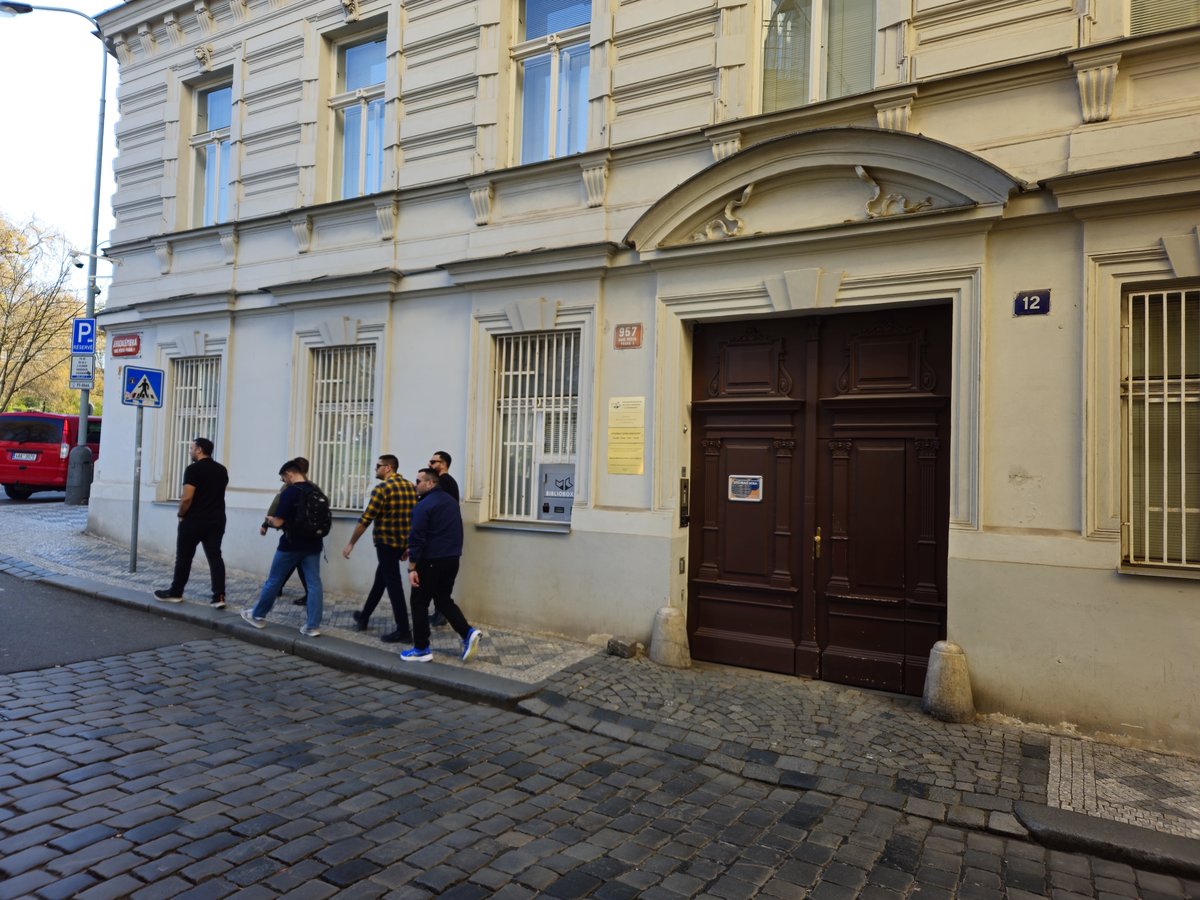
Introduction: Discovering Hrzánský Palác
Standing as a striking emblem of Prague’s layered past, Hrzánský Palác is a historical palace located in the Hradčany district. Overlooking the city from its elevated position near Prague Castle, this architectural gem reflects centuries of Bohemian nobility, ecclesiastical influence, and state governance. Dating back to the 14th century, the palace has evolved through Gothic, Renaissance, Baroque, and modern phases, mirroring the city’s artistic and political transformations. Today, while it primarily serves as a government venue, Hrzánský Palác opens to the public during select cultural heritage events and open house days, offering a rare opportunity to explore its ornate interiors and panoramic terraces.
This guide provides a comprehensive overview of Hrzánský Palác’s historical evolution, architectural highlights, practical visitor information—including opening hours, ticketing, and accessibility—as well as travel tips and nearby attractions. For up-to-date details, consult official sources like the Office of the Government of the Czech Republic and the Open House Festival Prague.
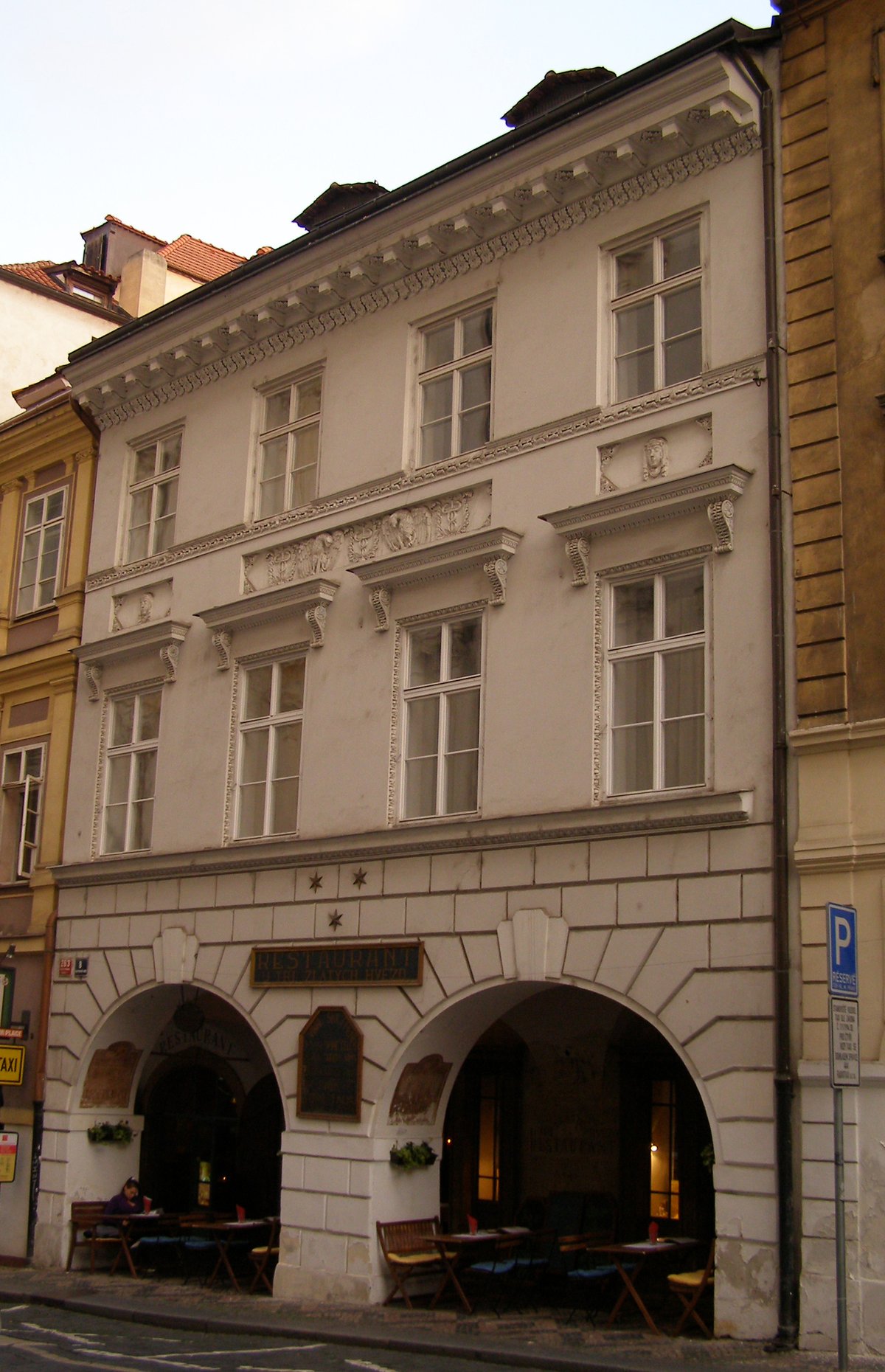
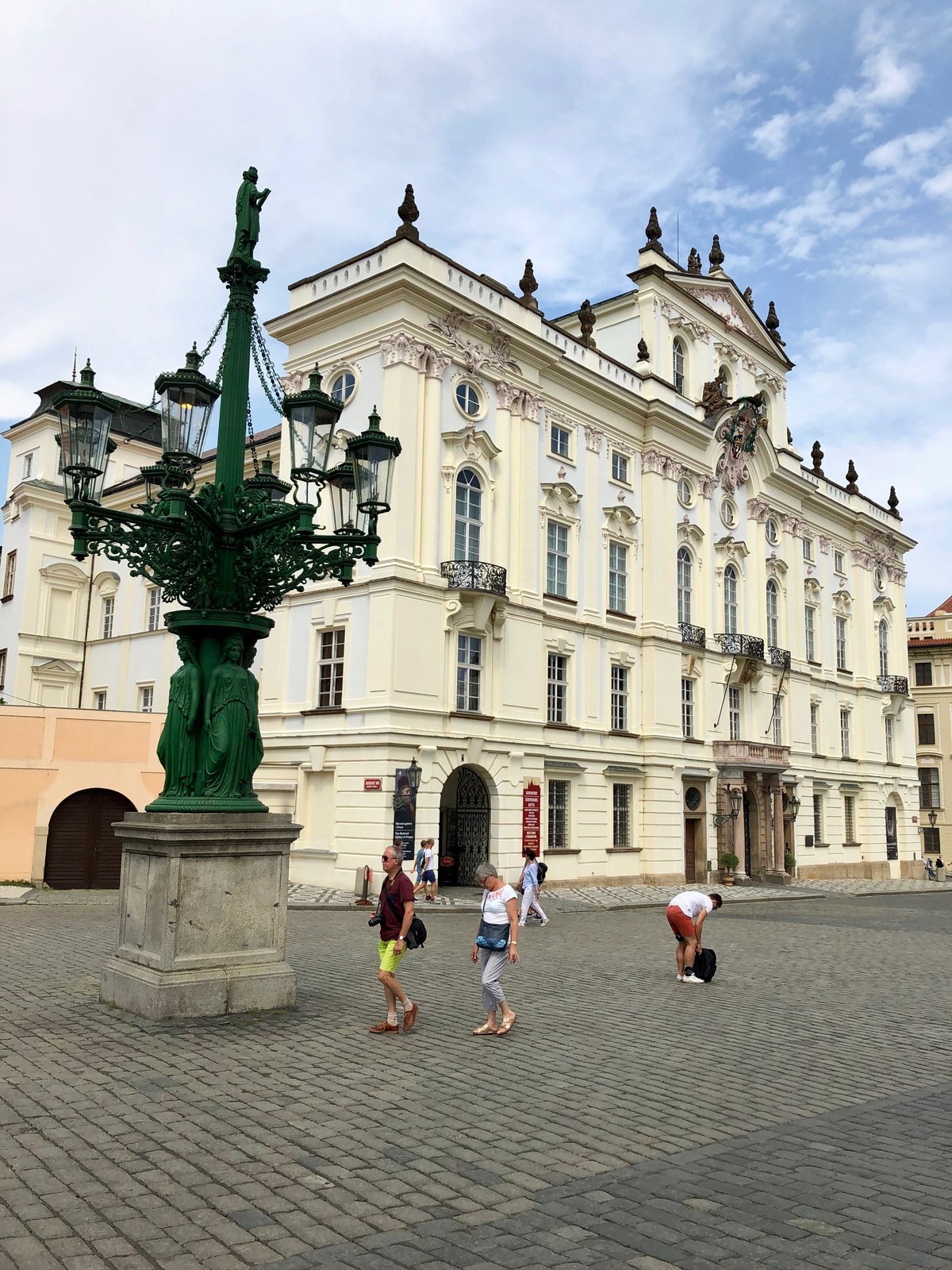
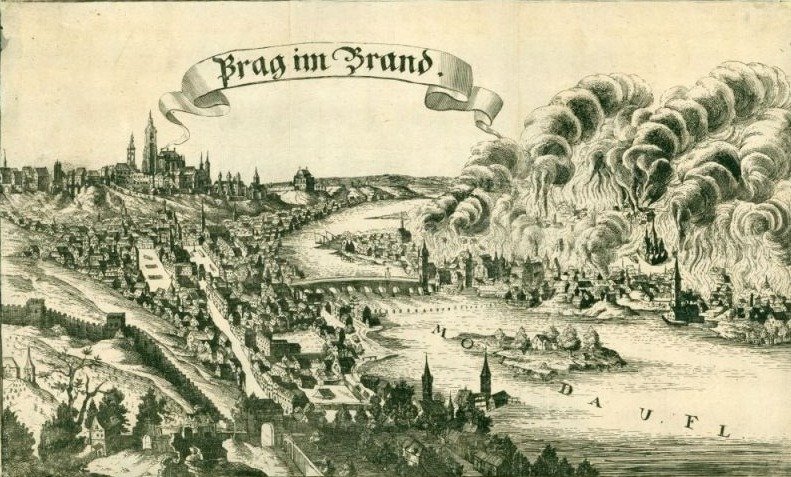
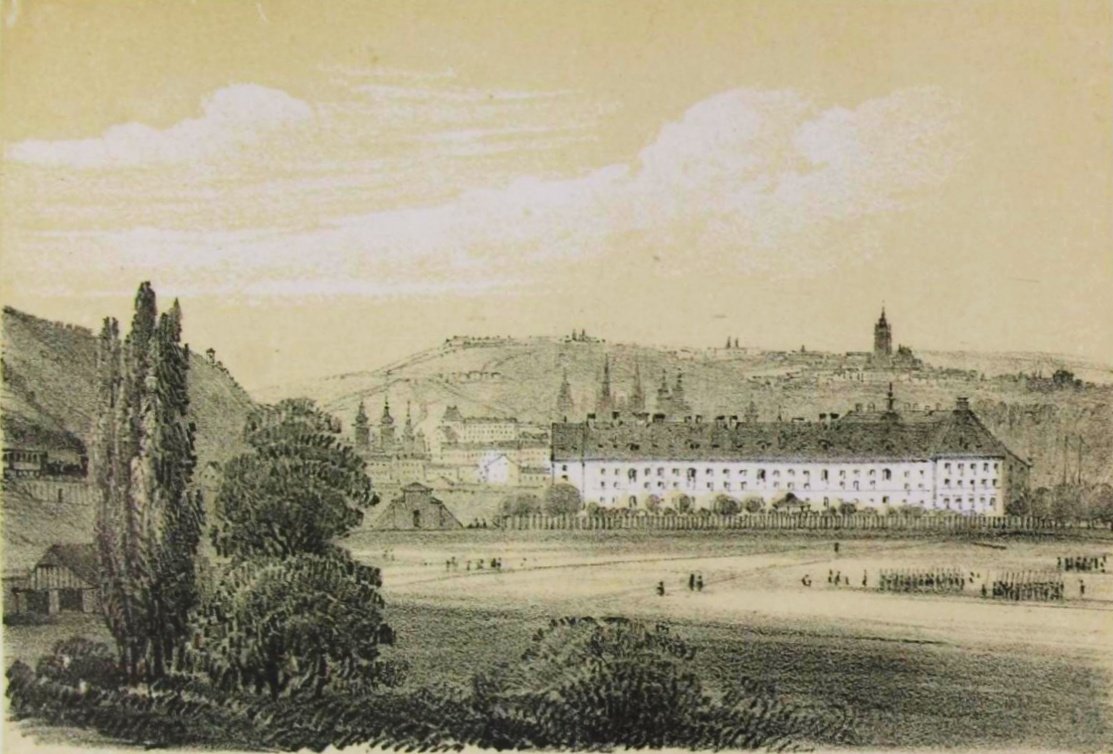
Photo Gallery
Explore Hrzánský Palác in Pictures

Historical Evolution and Ownership
Medieval Beginnings
The earliest mention of the site dates to the 14th century, when a Gothic house stood here. In 1359, the renowned architect Petr Parléř—famed for St. Vitus Cathedral—acquired the property, linking the palace to the golden age of Charles IV’s Prague (vlada.gov.cz). After passing through various owners, including city officials and prominent noble families, the site saw significant reconstruction in the Renaissance period.
Renaissance & Baroque Transformations
The 16th and 17th centuries saw the property transformed into a grand Renaissance and later Baroque residence. Adam the Elder of Šternberk and later Oldřich Desiderius Pruskovský of Pruskov expanded and remodeled the palace, adding new wings and Baroque flourishes. In 1708, the Hrzán family of Harasov acquired the estate, bestowing their name upon it. They enhanced the palace’s Baroque features, including the iconic spiral staircase and a striking courtyard fountain with a statue of Hercules (cs.wikipedia.org, kudyznudy.cz).
Financial troubles later forced the Hrzán family to sell, and by the mid-18th century, the Metropolitan Chapter of St. Vitus Cathedral took ownership. The palace underwent a restrained Baroque renovation under Provost František Kazimír Strachovský, with a new facade and elaborate stucco interiors (Waymarking.com).
19th–20th Century: Artistic & Political Connections
In the 19th and early 20th centuries, Hrzánský Palác became a gathering place for artists and intellectuals. Notably, Ferdinand Engelmüller, a Czech landscape painter, established his studio here, followed by Jan Slavíček. Tomáš Garrigue Masaryk, the first President of Czechoslovakia, also resided in the palace, further cementing its political and cultural legacy (Expats.cz).
After World War II, the palace was adapted for government use, serving various ministries and, since 1961, as an alternate seat for the Czech government. Its salons and halls now host official receptions, diplomatic meetings, and state functions (vlada.gov.cz).
Architectural Highlights
Hrzánský Palác is a testament to layered architectural history. Its rectangular plan encompasses interconnected wings and a charming courtyard, with facades revealing Renaissance symmetry and Baroque embellishments. The main entrance on Loretánská Street features a rusticated portal and the Hrzán family crest.
Inside, visitors encounter:
- Grand Baroque Staircase: Wrought-iron balustrades and painted ceilings.
- Stucco Ceilings & Rococo Details: Lavish decorative motifs and ornamental supraports.
- Gobelin Hall: Adorned with historic tapestries.
- Period Furnishings: A blend of 18th- and 19th-century styles.
- Courtyard Fountain: Baroque statue of Hercules.
- Terrace Views: Panoramic vistas over Malá Strana and Prague’s skyline.
Original medieval rampart remnants in the foundations and Italianate terraced gardens enrich the site’s historical ambiance (vlada.gov.cz PDF).
Visiting Hrzánský Palác: Practical Information
Opening Hours & Tickets
Hrzánský Palác is generally closed to daily visitors, opening its doors on select dates for special events. Confirmed open days in 2025 include:
- 17–18 May 2025: Open House Festival
- 6 July 2025: Jan Hus Day
- 17 November 2025: Day of Struggle for Freedom and Democracy
On these dates, the palace is open from 9:00 to 17:00; last guided tour at 16:00. Admission is free, with no advance booking required. Entry is by guided group tours, departing every 15–30 minutes (vlada.gov.cz, praguest.com).
Accessibility
Due to its historic structure and hillside location, full wheelchair access is not guaranteed. Some areas involve stairs and uneven floors. Visitors with mobility concerns should contact the Office of the Government ahead of time for details.
Getting There & Nearby Attractions
- Location: Loretánská 177/9, Hradčany, Prague 1
- Public Transport: Tram lines 22, 23 (Pohořelec or Brusnice stops); Metro line A (Malostranská station), then a short walk or tram ride.
Nearby sites include:
- Prague Castle: Largest ancient castle complex (Prague Castle official site)
- Loreta Sanctuary: Baroque pilgrimage site with carillon
- Strahov Monastery: Historic library and brewery
- Prague Castle Gardens: Seasonal walks with exceptional views (View from Prague)
Visitor Tips
- Arrive Early: High demand and limited capacity can mean long waits during open days.
- Check Dates: Verify event dates on the official website.
- Language: Most tours are in Czech; ask about English-language tours upon arrival.
- Dress Appropriately: Smart-casual attire is recommended.
- Combine Visits: Plan to explore nearby landmarks for a full Hradčany experience.
Notable Events & Cultural Significance
Throughout its history, Hrzánský Palác has been home to influential figures and a setting for pivotal events. Its legacy includes:
- Residence of Tomáš Garrigue Masaryk: First President of Czechoslovakia (Vláda ČR)
- Artistic Patronage: Studios of Czech painters Engelmüller and Slavíček
- State Functions: Official receptions, diplomatic meetings, and government sessions
- Public Engagement: Annual participation in the Open House Festival, allowing citizens to connect with their heritage
The palace’s ongoing role as a government venue and cultural monument underscores its status as a living symbol of Czech identity (Czech Journal).
Frequently Asked Questions (FAQs)
Q: Can I visit Hrzánský Palác any time?
A: No, public access is limited to special open days and events, such as the Open House Festival.
Q: Are tours available in English?
A: Most tours are in Czech, but English guides may be available depending on staffing and demand.
Q: Is there an entry fee?
A: Admission during open days is free and does not require advance booking.
Q: Is Hrzánský Palác wheelchair accessible?
A: Accessibility is partial; contact the palace in advance to discuss accommodations.
Q: Can I take photos inside?
A: Photography for personal use is generally allowed, except where restricted. No flash or tripods.
Listen to the full story in the app
Your Personal Curator, in Your Pocket.
Audio guides for 1,100+ cities across 96 countries. History, stories, and local insight — offline ready.
Audiala App
Available on iOS & Android
Join 50k+ Curators
Sources
- verified
- verified
- verified
- verified
- verified
Last reviewed: