Introduction: Experience Prague’s Intimate Theatre Gem
Located in the heart of Prague’s Old Town, Divadlo Viola is a celebrated beacon of Czech cultural heritage and avant-garde theatre. Founded in 1963 during a period of artistic revival, Viola distinguished itself as a “poet’s theatre”—blending poetry, prose, and music in a setting that seats fewer than 100 guests. Its innovative format, set against the backdrop of a historic Art Nouveau courtyard designed by Osvald Polívka, fostered a creative refuge for artists to challenge social and political norms during times of repression. Today, Divadlo Viola continues to offer immersive, intimate performances that honor Czech literary traditions while embracing contemporary themes, making it a must-visit for theatre enthusiasts and first-time travelers alike (Evendo, theatre-architecture.eu, Prague.fm, divadloviola.cz).
Origins and Historical Development
Divadlo Viola was established in 1963, during a vibrant era of cultural experimentation in Czechoslovakia. Conceived as the Poetická vinárna Viola (Poetic Wine Bar), it quickly became a hub for avant-garde and literary performance, hosting recitals, jazz-accompanied poetry, and dramatizations of classic and contemporary works. The theatre’s cabaret format and close seating fostered a unique sense of intimacy, allowing artists and audiences to connect in a way that was rare in larger venues. Over the decades, Viola earned a reputation for artistic integrity, creative risk-taking, and subtle resistance during times of political censorship (Evendo).
Architectural and Artistic Setting
Location and Historical Context
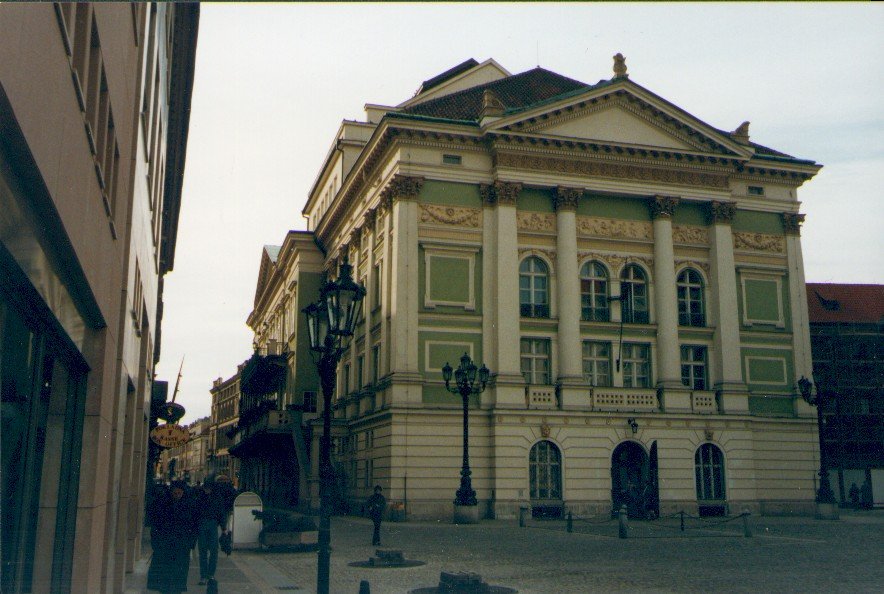
Divadlo Viola is situated at Národní 1011/7, in the heart of Prague’s Old Town, just steps from the National Theatre and other city landmarks. The venue occupies a courtyard annex within a grand Art Nouveau building designed by Osvald Polívka in 1906–07, a notable figure in Prague’s Secessionist architecture (theatre-architecture.eu). The site’s history includes a glass-and-iron exhibition hall that once hosted modern art exhibitions, later transformed into the intimate theatre space visitors enjoy today.
Exterior and Interior Design
Visitors enter Viola through a passageway from Národní třída, stepping into a secluded courtyard. The theatre’s understated entrance and cabaret-style interior—with dark wood, red upholstery, and tables arranged around a small stage—create an inviting, salon-like atmosphere. The design, updated in the 1980s by architect Miroslav Řepa, retains a unified aesthetic that enhances the venue’s focus on artistic engagement (theatre-architecture.eu).
Visiting Hours, Tickets, and Accessibility
Visiting Hours
- Performances are typically held Tuesday through Sunday, starting between 7:00 PM and 8:00 PM.
- The box office opens approximately one hour before showtime.
- For the most current schedule, consult the official program or contact the theatre directly.
Ticket Prices and Booking
- Ticket prices generally range from 150 to 400 CZK (approx. $7–$18 USD), depending on the production.
- Tickets can be purchased online via the official website, through platforms like GoOut, or at the box office.
- Advance booking is strongly recommended due to the venue’s limited capacity (76 seats).
Accessibility
- The venue has made efforts to accommodate visitors with disabilities; however, the historic building poses some challenges (e.g., narrow passageways, cobblestones).
- Contact the theatre in advance for detailed accessibility information and to request assistance if needed (prague.org, prague.eu).
- The foyer, café, and auditorium are on the same level, but step-free access may be limited.
Directions and Travel Tips
- Closest tram stops: Národní divadlo and Karlovo náměstí (trams 6, 9, 18, 22).
- Metro: Národní třída (Line B) or Karlovo náměstí (Line B).
- Taxis and rideshares are also convenient; the area is pedestrian-friendly and close to major city attractions.
Cultural Significance and Artistic Programming
Role in Czech Cultural Revival
Viola played a significant part in the Czech cultural revival of the 1960s, giving voice to poets, playwrights, and musicians who sought new forms of expression. Its cabaret format allowed for subtle critique and creative freedom during periods of political scrutiny (Evendo, cs.wikipedia.org).
Notable Performances
- The inaugural show, "Komu patří jazz" (1963), featured works by Allen Ginsberg, Václav Hrabě, and others.
- Subsequent highlights include adaptations of Karel Hynek Mácha’s "Máj", the innovative "Noc s Hamletem", and contemporary productions like "Haas a Mandlová: Zúčtování prvorepublikových milenců" (cs.wikipedia.org, prazskemuzikaly.cz, divadloviola.cz).
Collaborations and Community Engagement
Viola collaborates with festivals such as the Prague Fringe and hosts special literary and jazz evenings. Its educational programming includes readings, workshops, and discussions, nurturing appreciation of Czech literature and performance (Prague.fm).
Visitor Experience and Practical Tips
Atmosphere and Dress Code
- Divadlo Viola’s cabaret-style layout and subdued lighting create a cozy, immersive environment.
- Dress code is smart-casual; as the venue is intimate, please silence phones and avoid photography unless otherwise permitted.
Language and International Visitors
- Most performances are in Czech; however, some are accessible to non-Czech speakers through universal theatrical elements, music, or English subtitles.
- Check the current program or inquire at the box office for language details.
Amenities and Accessibility
- A small café serves wine and refreshments before and during performances, honoring the theatre’s roots as a wine bar.
- Restrooms are available; accessibility is limited, so advance inquiry is recommended for visitors with special needs.
Best Times to Visit
- June is a peak time for cultural events in Prague; advance booking is especially important during this season (View from Prague).
- The theatre often participates in city-wide festivals and offers special programming during these periods.
Nearby Attractions
- Divadlo Viola is within walking distance of the National Theatre, Old Town Square, Charles Bridge, and numerous cafés and restaurants (e.g., Café Louvre).
Frequently Asked Questions (FAQ)
Q: What are Divadlo Viola’s visiting hours?
A: Performances are generally held Tuesday–Sunday, starting around 7:00–8:00 PM. Box office opens one hour before showtime.
Q: How do I buy tickets?
A: Purchase tickets online at divadloviola.cz, GoOut, or at the box office. Advance booking is recommended.
Q: Is the theatre accessible for visitors with disabilities?
A: Accessibility is limited; contact the theatre in advance to discuss your needs.
Q: Are performances suitable for non-Czech speakers?
A: Many productions are in Czech, but some feature English subtitles or are accessible through music and visual performance.
Q: Are guided tours available?
A: Regular tours are not offered, but special events may include backstage access or artist talks—check the website for updates.
Q: Can I bring drinks into the auditorium?
A: Yes, guests may enjoy drinks at their tables during performances.
Summary and Final Tips for Travelers
Divadlo Viola is a cultural treasure in Prague’s historic center, renowned for its literary focus, intimate setting, and enduring artistic innovation. The theatre’s small size and unique cabaret-style layout guarantee a personal, immersive experience that is both reflective of Czech traditions and open to contemporary experimentation. Advance ticket booking is essential, especially during festival seasons. For the best experience, arrive early, enjoy a glass of wine, and immerse yourself in one of Prague’s most cherished artistic spaces.
Combine your visit with explorations of nearby historical sites and cultural venues for a comprehensive Prague experience. Stay updated with programming changes and special events by following Divadlo Viola’s official channels or downloading the Audiala app.
Listen to the full story in the app
Your Personal Curator, in Your Pocket.
Audio guides for 1,100+ cities across 96 countries. History, stories, and local insight — offline ready.
Audiala App
Available on iOS & Android
Join 50k+ Curators
Sources
- verified
- verified
- verified
- verified
- verified
- verified
Last reviewed: