Plan and listen to Česká Televize Buildings At Kavčí Hory with Audiala.
Audio guide in your pocket, itinerary in your browser. Built for the way you actually visit.
Introduction
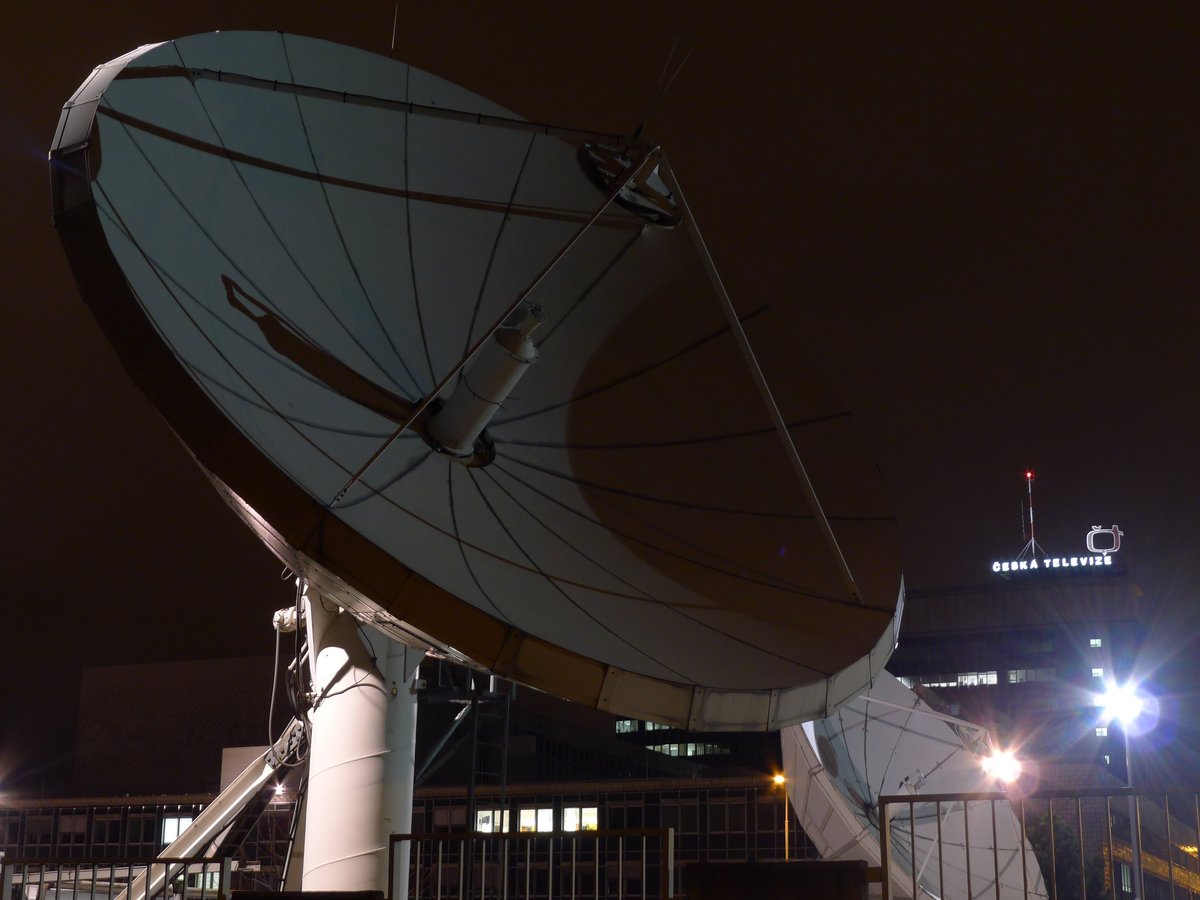
The Česká Televize Buildings at Kavčí Hory are a cornerstone of Czech broadcasting, blending decades of media history, architectural innovation, and cultural evolution. Located in the dynamic Prague 4 district, this complex serves as the headquarters of the Czech Republic’s national public television broadcaster. Whether you're a media enthusiast, architecture admirer, or a visitor exploring Prague’s historical sites, a visit to Kavčí Hory provides a unique window into the nation’s broadcasting legacy and modern media landscape (cs.wikipedia; ceskatelevize.cz).
This guide offers detailed information on the site’s history, architectural features, technological milestones, practical visitor tips, tickets, accessibility, tours, and nearby attractions.

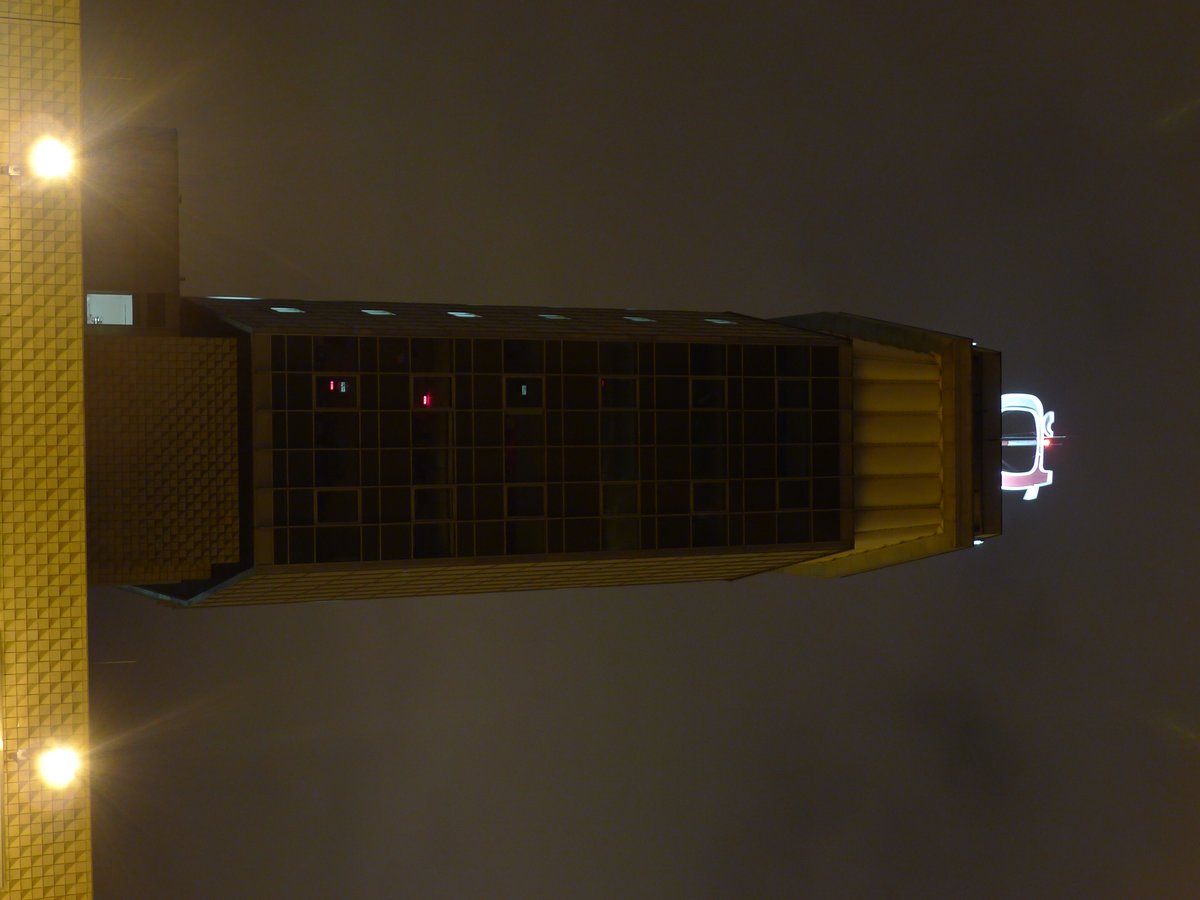
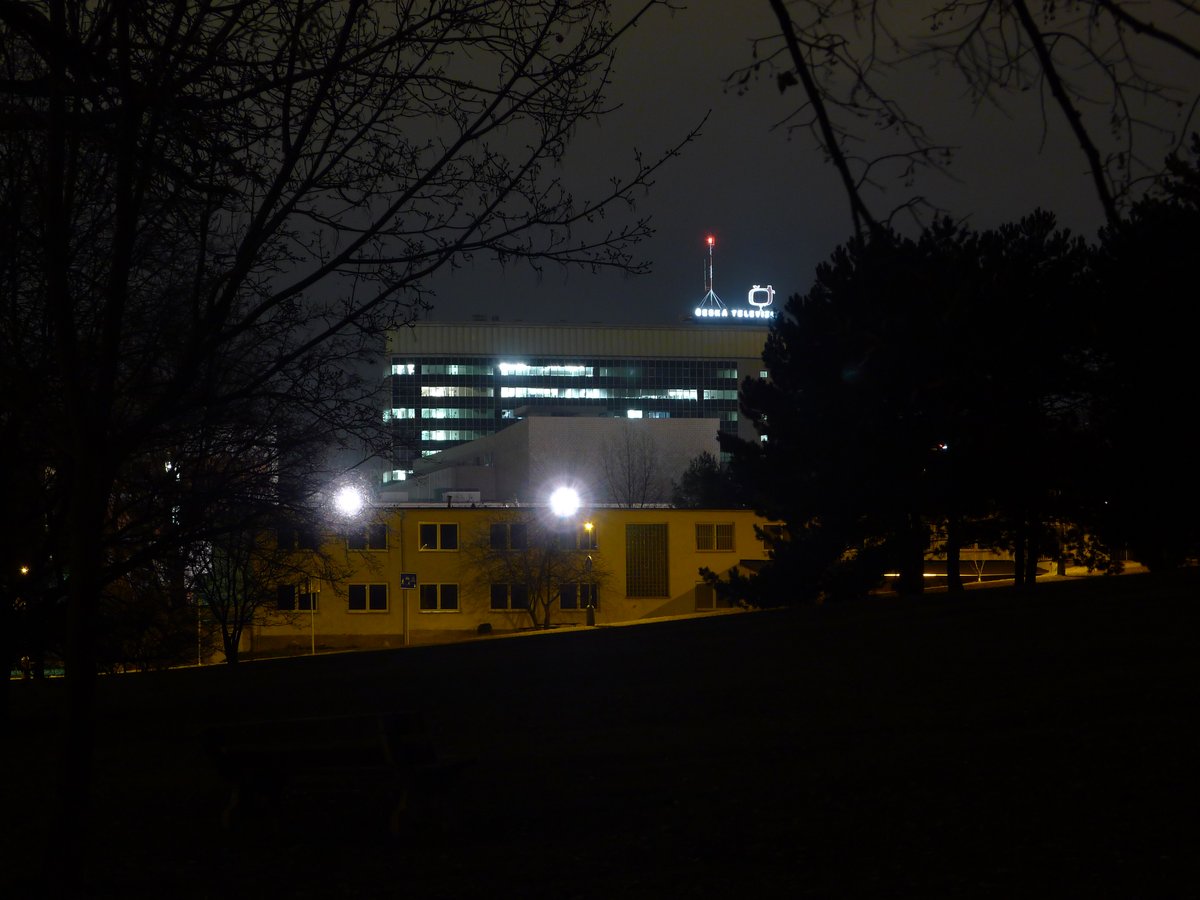
Early Vision and Planning (1950s–1960s)
By the late 1950s, the original television facilities in Prague were inadequate for the expanding needs of Czechoslovak Television (ČST). A proposal for a new, purpose-built complex at Kavčí Hory was submitted in 1958, strategically positioned between Podolí and Nusle. The government approved the project in 1960, prioritizing a state-of-the-art environment to separate television production from broadcasting and ensure operational self-sufficiency (cs.wikipedia; en.wikipedia).
Architectural Design and Construction (1962–1979)
Construction began in 1962 under architect František Šmolík. After political delays, the first building phase opened in 1970, offering two studios. Expansion continued through the 1970s, with major milestones including the launch of color broadcasting facilities in 1973 and completion of the Television Newspaper Building in 1979. The site’s development reflected both technological progress and shifting political priorities (en.wikipedia; cs.wikipedia).
Architectural Features and Innovations
The Kavčí Hory complex is a prime example of Czech functionalist and modernist architecture, with a compact monoblock layout designed to maximize operational efficiency. The iconic “Rohlík” building (named for its curved, bread roll-like shape) designed by Václav Aulický is a neofunctionalist highlight, while later additions feature glass-and-steel elements for a contemporary aesthetic (kudyznudy.cz).
Technological Milestones
From the introduction of color broadcasting in the 1970s to the integration of digital production facilities, Kavčí Hory has always been at the technological forefront. Studios range from 200 to 700 m², supported by custom technical infrastructure, a central cooling plant (once cooled via the Podolí swimming stadium), and robust safety systems (cs.wikipedia).
Role During Political and Social Change
The complex played a pivotal role during the Prague Spring (1968) and the Velvet Revolution (1989), serving as a crucial channel for public information during times of political upheaval. The site's transformation after 1989—from ČST to Česká Televize—mirrored the country’s shift from socialist state media to a democratic public broadcaster (en.wikipedia; ceskatelevize.cz).
Modernization and Continued Significance
Regular upgrades ensure the studios and technical infrastructure remain state-of-the-art. Today, Kavčí Hory is not only a media hub but also a symbol of Czech cultural identity and resilience.
Visitor Information
Opening Hours & Tickets
- Exhibition ("Telka slaví 70"): Daily 10:00 AM–6:00 PM (until July 20, 2025). Admission is free (kudyznudy.cz).
- Guided Tours: Scheduled primarily on weekdays, 9:00 AM–5:00 PM. Tours require advance booking via the Česká Televize website.
- Tickets: Free for both exhibitions and tours, but tours are in high demand and should be booked well in advance.
Accessibility
The complex is fully wheelchair accessible, with elevators, ramps, and accessible restrooms. Visitors with disabilities are encouraged to contact staff ahead of their visit for tailored support.
Getting There
- Address: Na Hřebenech II 1132/4, 140 70 Praha 4 (ceskatelevize.cz)
- Metro: Line C to "Pražského povstání" (7 min walk) or "Pankrác" (10 min walk uphill).
- Bus: Lines 118, 134, 167, 188 to "Na Hřebenech."
- Tram: Lines 3, 7, 17, 24 stop nearby.
- Parking: Limited on-site; public transport is recommended.
- Cycling/Walking: Bike stands and pedestrian-friendly paths are available (Kavčí Hory Office Park).
Guided Tours & Exhibitions
- Guided Tours: Offer rare access to studios, control rooms, technical spaces, and archival areas such as "Kachlíkárna" and "Propadlo." Primarily in Czech; English on request or during special events (ceskatelevize.cz).
- "Telka slaví 70" Exhibition: Interactive, family-friendly celebration of 70 years of Czech Television, with hands-on activities, original sets/props, and media history (kudyznudy.cz).
Amenities & Nearby Attractions
- Food: Nearby cafés (Café Na půl cesty, Cheecup, Gemüse Corner Kebab), restaurants at Hotel Panorama and Botel Racek.
- Accommodation: Pension Helena, Hotel Inos, Hotel Panorama.
- Nearby Sights: Plavecký stadion Podolí, Central Park Na Pankráci, Vyšehrad Fortress, and Strahov Monastery (prague.eu; strahovskyklaster.cz).
Frequently Asked Questions (FAQ)
Q: What are the opening hours for visiting Česká Televize Kavčí Hory?
A: The "Telka slaví 70" exhibition is open daily 10:00 AM–6:00 PM. Guided tours are scheduled on weekdays and require booking.
Q: Is there an entrance fee?
A: Both exhibitions and guided tours are free, but tours require advance reservation.
Q: Are tours suitable for children and families?
A: Yes, tours and exhibitions are family-friendly.
Q: Is the complex wheelchair accessible?
A: Yes, there are elevators, ramps, and accessible restrooms.
Q: How do I book a guided tour?
A: Reserve via the official Česká Televize website.
Q: Can I take photos inside?
A: Photography is generally allowed in public/exhibition areas but restricted in studios and technical spaces—check with your guide.
Q: In what language are tours offered?
A: Most tours are in Czech; English tours may be available upon request or during international events.
Practical Tips for Visiting
- Book early: Tours are popular and often fully booked months in advance.
- Arrive on time: Visitor access is by appointment only; late arrivals may lose their reservation.
- Bring ID: Photo identification is required for entry.
- Dress comfortably: Expect to walk and stand during tours; bring warm clothing for archival areas.
- Combine your visit: Explore the surrounding parks or visit nearby historical sites.
- Stay informed: Check official event pages for updates on exhibitions and special programs.
Listen to the full story in the app
The whole Česká Televize Buildings At Kavčí Hory,
told well.
Audio guides for 1,100+ cities across 96 countries. History, stories, and local insight — offline ready.
Verified, and shown.
Researched and written by the Audiala editorial team from historical records, architectural archives, and local expertise.
Researched from Wikidata, Wikipedia & official sources · fact-checked · How we make our guides →