Introduction
At 6 a.m., Prague smells like wet stone, yeast, and river mist, and for one quiet hour the Charles Bridge belongs to photographers, tram bells, and pigeons instead of selfie sticks. In Prague, Czech Republic, the surprise is how quickly the city flips from Gothic drama to ordinary neighborhood life: one minute you are under the black spires of Týn Church, the next you are choosing pastries in Karlín behind someone walking their dog. Even the famous places feel sharper in person—the Astronomical Clock’s tiny mechanical apostles, the Vltava’s pewter light, the castle walls glowing honey-colored at dusk.
Prague rewards travelers who treat it as two cities at once. There is the monumental Prague of Charles IV, the 516-meter Charles Bridge, and the 70,000 m² castle complex above the river; then there is the daily Prague of lunch menus, corner cafés, and evening beer gardens in Letná or Riegrovy sady. If you only collect landmarks, you get the postcard. If you add market mornings at Náplavka or Jiřák, you get the pulse.
Its history is not tucked behind museum glass—it sits in plain view on streets where people still commute. Wenceslas Square carries the memory of 1968 and 1989; Josefov’s synagogues hold centuries of Jewish life and loss; Vyšehrad’s cemetery reads like a map of Czech culture, from Dvořák to Mucha. This is a city where beauty and gravity share the same block, and that contrast is part of its emotional force.
Food and nightlife now tell a newer Prague story. Old-school Czech dishes like svíčková and vepřo knedlo zelo still matter, but so do modern tasting menus, natural wine bars, and a serious coffee scene in Vinohrady, Holešovice, and Karlín. The most useful strategy is simple: one classic pub, one ambitious contemporary meal, one grand café breakfast, one late music night. Prague opens gradually, and by the third day it stops feeling like a museum and starts feeling lived in.
Places to Visit
The Most Interesting Places in Prague
National Library of the Czech Republic
Nestled in the heart of Prague’s Old Town, the National Library of the Czech Republic, housed within the historic Klementinum complex, stands as an enduring…
Prague Castle
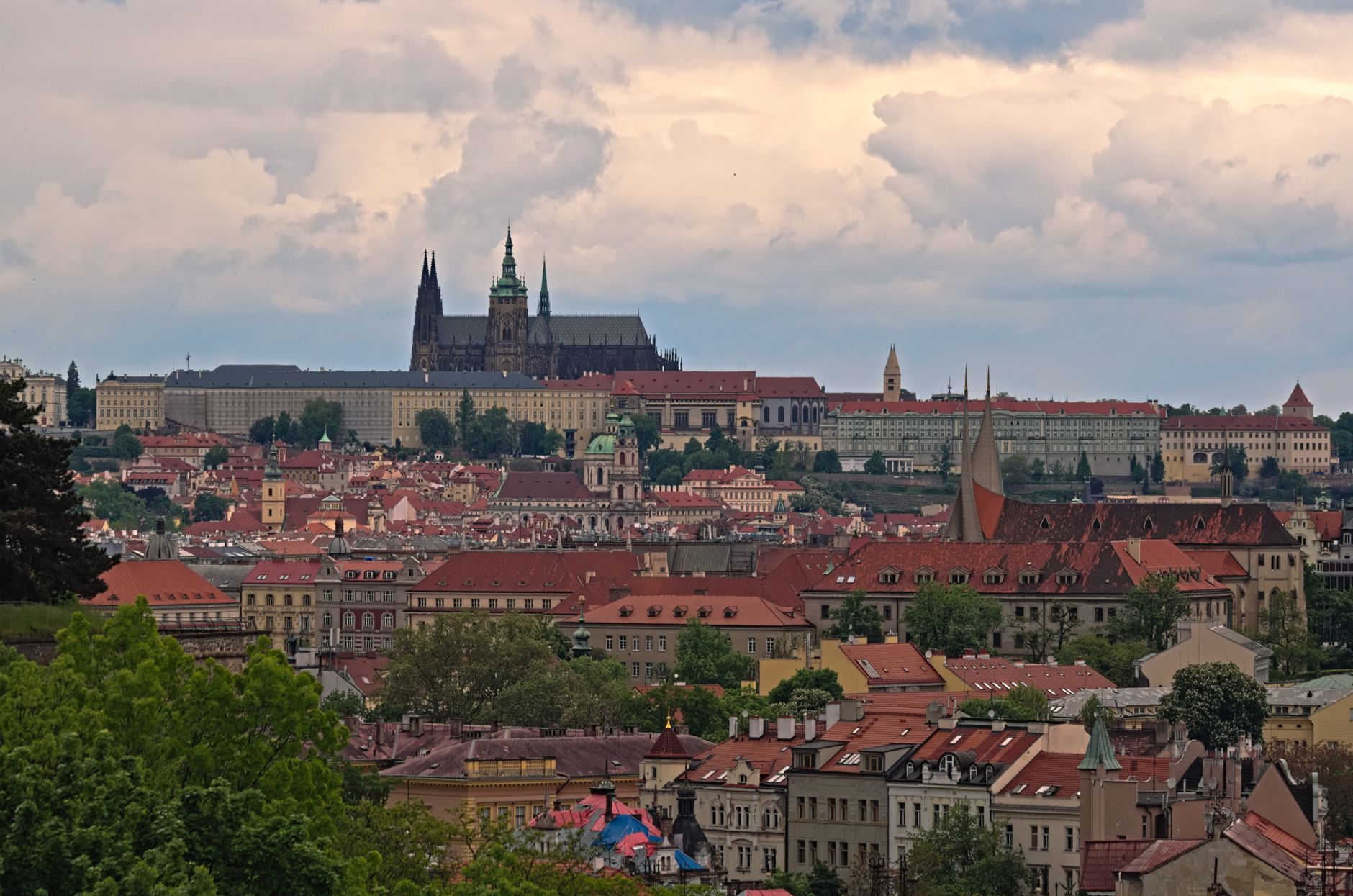
Prague Castle, one of the most iconic landmarks in the Czech Republic, stands as a testament to the rich cultural and historical heritage of the nation.
Old Town Square
Welcome to Old Town Square, Prague's historical and cultural heart.
St. Vitus Cathedral
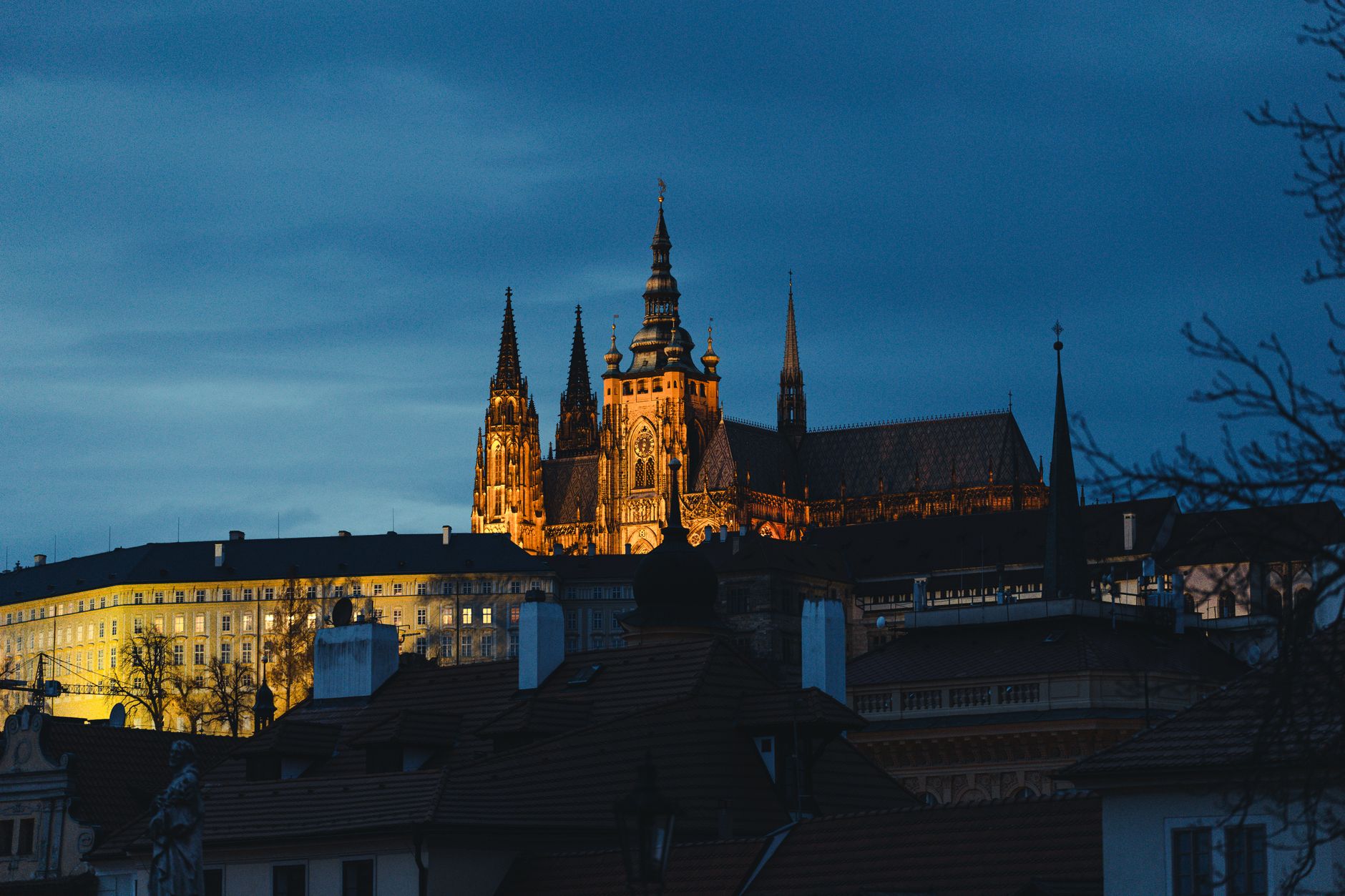
St. Vitus Cathedral, nestled within the historic Prague Castle complex, stands as an awe-inspiring emblem of Gothic architecture and Czech cultural heritage.
National Theatre
Nestled on the banks of the Vltava River, the National Theatre in Prague stands as a monumental symbol of Czech cultural identity, artistic excellence, and…
National Museum in Prague
Nestled at the pinnacle of Prague’s bustling Wenceslas Square, the National Museum Prague (Národní muzeum) stands as a monumental symbol of Czech cultural…
National Gallery Prague
The National Gallery Prague (Národní galerie Praha) stands as a cornerstone of Czech cultural heritage and one of Europe’s most prestigious art institutions.
Charles Bridge
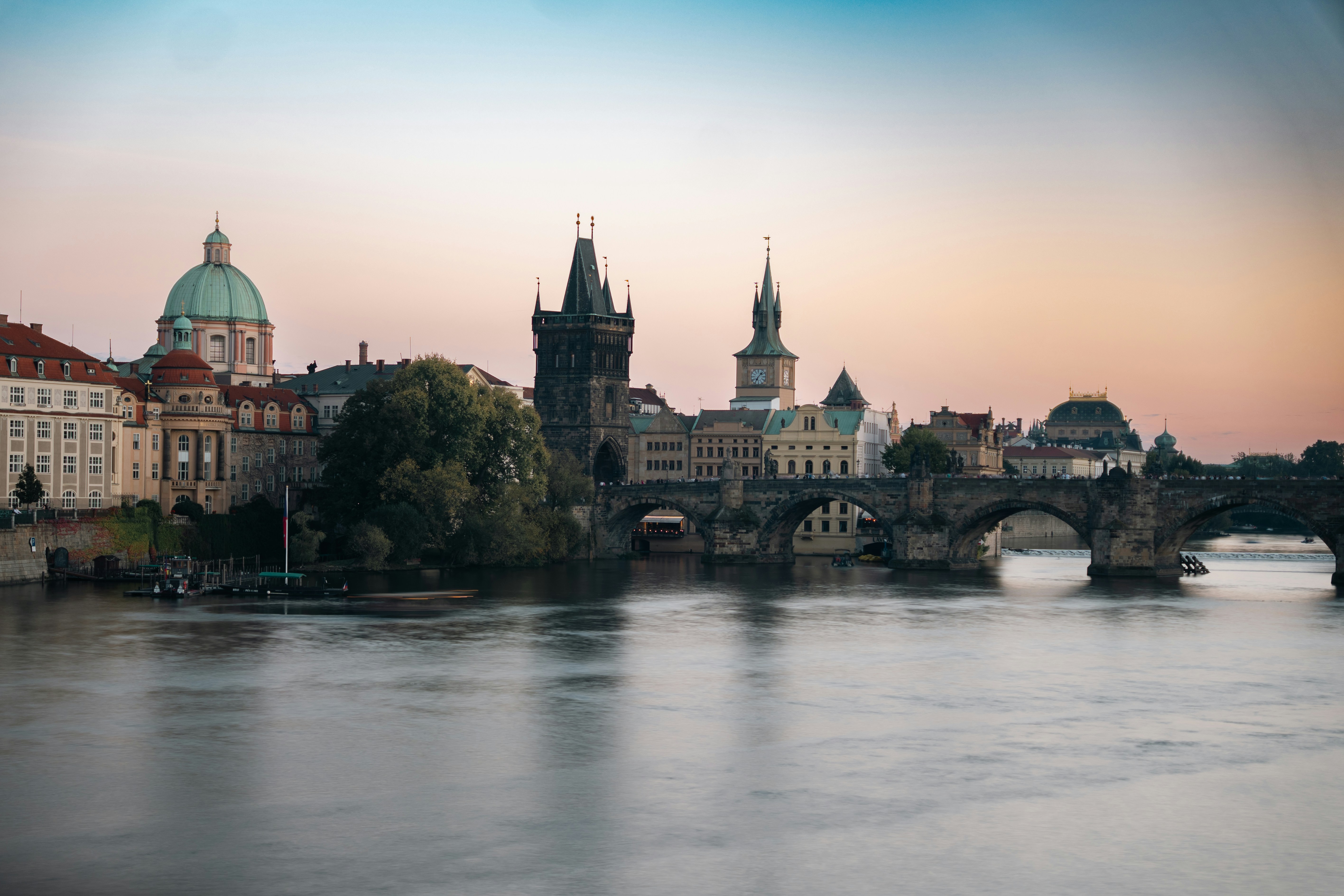
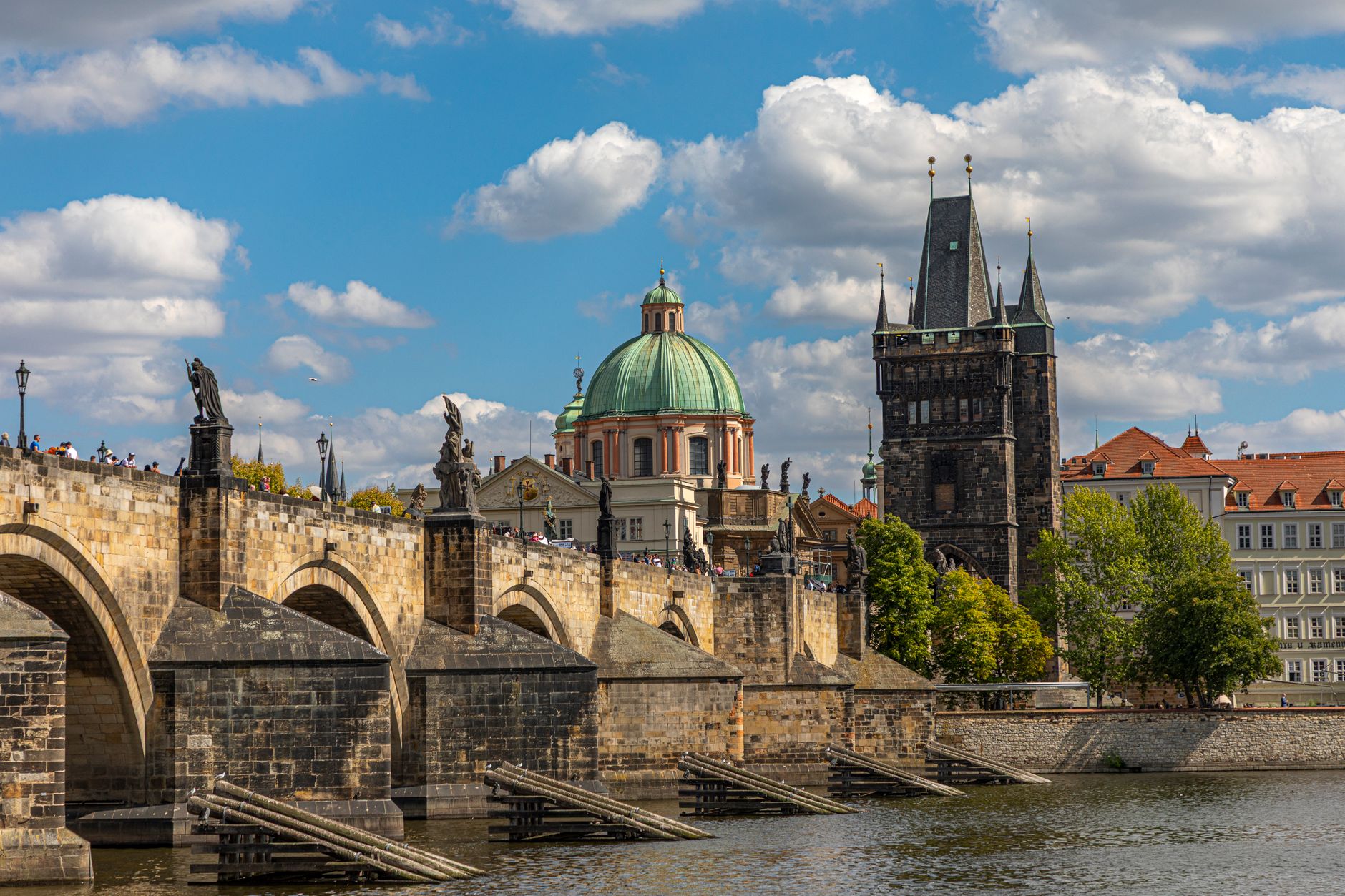
Charles Bridge (Karlův most) stands as an enduring emblem of Prague’s rich medieval heritage and architectural grandeur.
Olšany Cemetery
Nestled in the vibrant district of Žižkov, Olšany Cemetery (Olšanské hřbitovy) stands as Prague’s largest and most historically poignant burial ground,…
Estates Theatre
Situated in the vibrant heart of Prague’s Old Town, the Estates Theatre (Stavovské divadlo) stands as a testament to the city’s rich cultural and artistic…
Wenceslas Square
Prague, the capital city of the Czech Republic, is a captivating destination that seamlessly blends a rich historical heritage with vibrant modern culture.
Church of Our Lady Before Týn
The Church of Our Lady before Týn stands as one of Prague's most iconic landmarks, its twin Gothic spires piercing the skyline of the Old Town Square.
What Makes This City Special
A Thousand Years in Stone
Prague reads like an architectural timeline you can walk: Romanesque cellars, Gothic vaults, Baroque domes, Cubist facades, and communist-era interventions all within a few tram stops. Prague Castle and the Old Town are famous, but the real thrill is noticing how each century edited the one before it.
City of Concert Halls and Church Echoes
This is a city where Dvořák and Smetana are still part of everyday life, not museum labels. On many evenings you can choose between a grand hall performance at the Rudolfinum or a chamber concert in a candlelit church with acoustics that make strings feel almost physical.
River Light and Hilltop Vistas
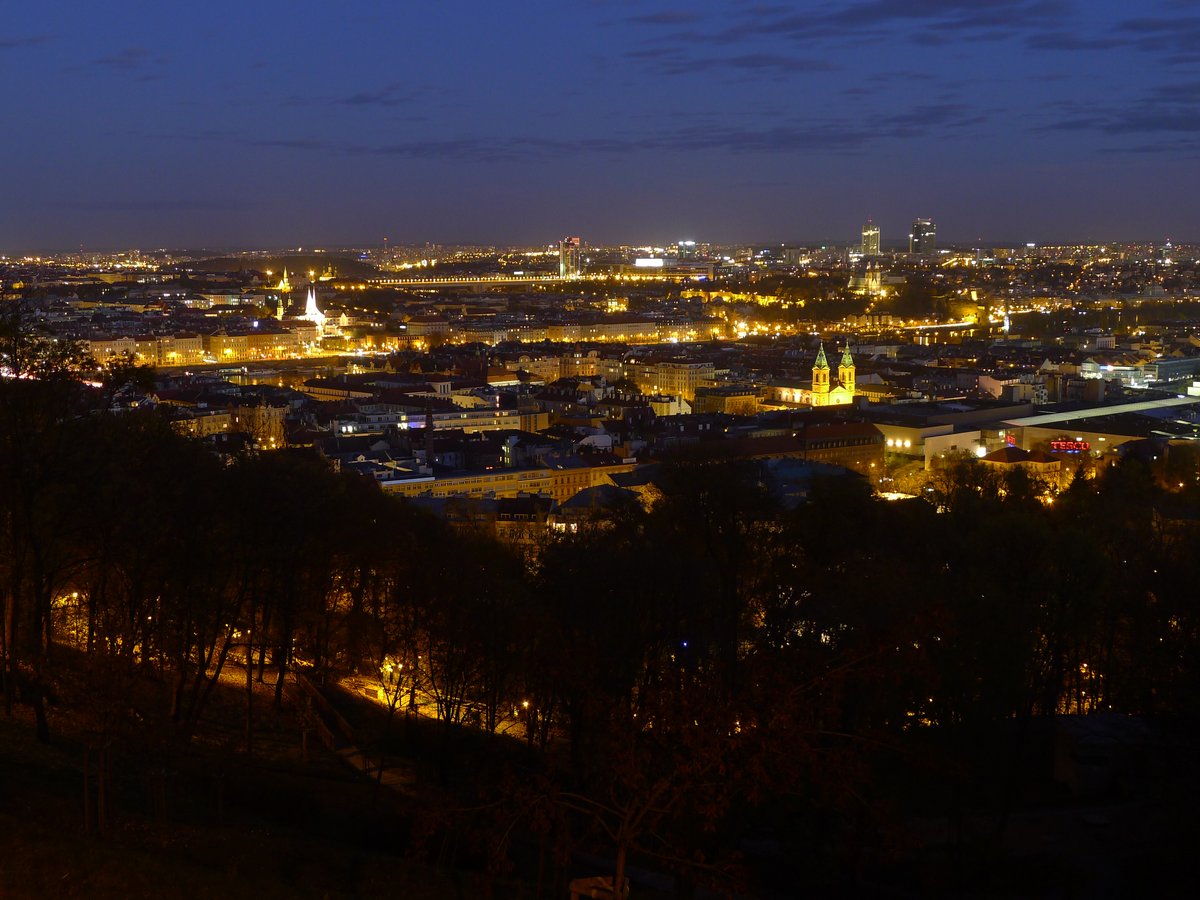
The Vltava bends create constant shifts of light, especially at dawn and blue hour when bridges and spires sharpen against the water. For breathing room, locals climb Letná, Petřín, or Vyšehrad for skyline views that reframe the city beyond postcard angles.
Beer Culture, Not Just Beer Volume
Prague nightlife is strongest when it stays local: tank Pilsner poured with obsessive foam care, cellar pubs, and neighborhood wine bars rather than themed tourist venues. The city also has a serious cocktail scene and late cultural programming, so a night out can move from opera to lager to jazz without forcing it.
Notable Figures
Charles IV
1316–1378 · Holy Roman Emperor and King of BohemiaCharles IV treated Prague like a capital of ideas, not just power: he founded Charles University in 1348 and drove the city’s medieval expansion. The bridge that bears his name still choreographs daily life centuries later. He would probably recognize the skyline instantly, then be stunned by how many languages now cross it.
Jan Hus
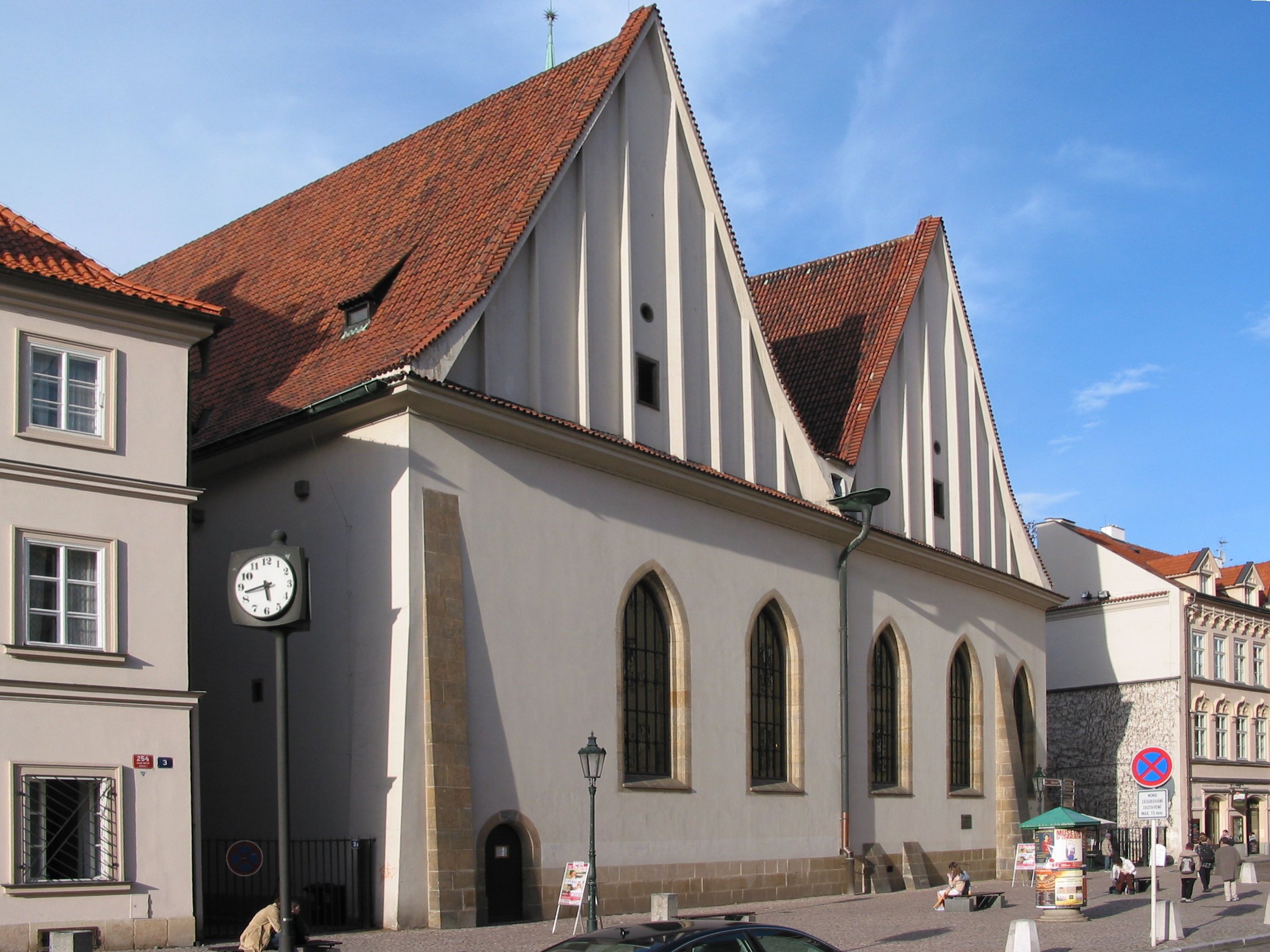
c. 1370–1415 · Religious reformerIn Prague, Hus moved from scholar to public moral voice, preaching at Bethlehem Chapel and challenging church corruption. His execution made him a martyr, but his arguments never really left the city. In Old Town Square, his monument still feels less like decoration and more like an unfinished conversation.
Johannes Kepler
1571–1630 · AstronomerKepler came to Prague to work with Tycho Brahe and, amid court politics and personal hardship, produced the work that became his laws of planetary motion. In this city, precise observation beat inherited certainty. He would likely love today’s night views from the embankments—still a place where people look up and ask better questions.
Wolfgang Amadeus Mozart
1756–1791 · ComposerPrague embraced Mozart with a warmth he didn’t always get in Vienna, and Don Giovanni premiered here in 1787 at the Estates Theatre. The city listened hard, not politely. If he returned, he’d probably head straight for that stage and grin at how alive his music still sounds in Prague halls.
Franz Kafka
1883–1924 · WriterKafka’s Prague was multilingual, bureaucratic, and psychologically dense—the perfect pressure chamber for his fiction. He walked streets that were beautiful and claustrophobic at once, and both moods still coexist here. Today’s café tables full of laptops and manuscripts would feel very familiar to him.
Alphonse Mucha
1860–1939 · Art Nouveau artistMucha returned from international fame to invest his art in Czech identity, from Municipal House interiors to the St. Vitus window’s glowing color. Prague lets you watch him shift from poster celebrity to civic artist. He would probably be pleased that people still stop, look up, and linger over ornament.
Antonín Dvořák
1841–1904 · ComposerDvořák built his career through Prague’s institutions before becoming a global name, carrying Czech melodic language onto the world stage. The city he knew was full of rehearsal rooms, church organs, and ambition. He would hear today’s festival season and recognize the same hunger for live music.
Václav Havel
1936–2011 · Playwright, dissident, presidentHavel moved between Prague theaters and prison cells before stepping onto the balcony moments of 1989 that reshaped the country. In this city, language became political action. He would likely remind visitors that Prague’s beauty matters most when it protects open civic life.
Plan your visit
Practical guides for Prague — pick the format that matches your trip.
Prague Money-Saving Passes & Cards
Prague pass guide for 2026: honest break-even math on the Visitor Pass, transport tickets, castle and museum bundles, plus when buying no pass saves more.
Prague First-Time Visitor Tips That Actually Save You Time
Prague first-time tips from a local point of view: smarter transport, real scam warnings, and monument hacks that save time, money, and pointless backtracking.
Photo Gallery
Explore Prague in Pictures
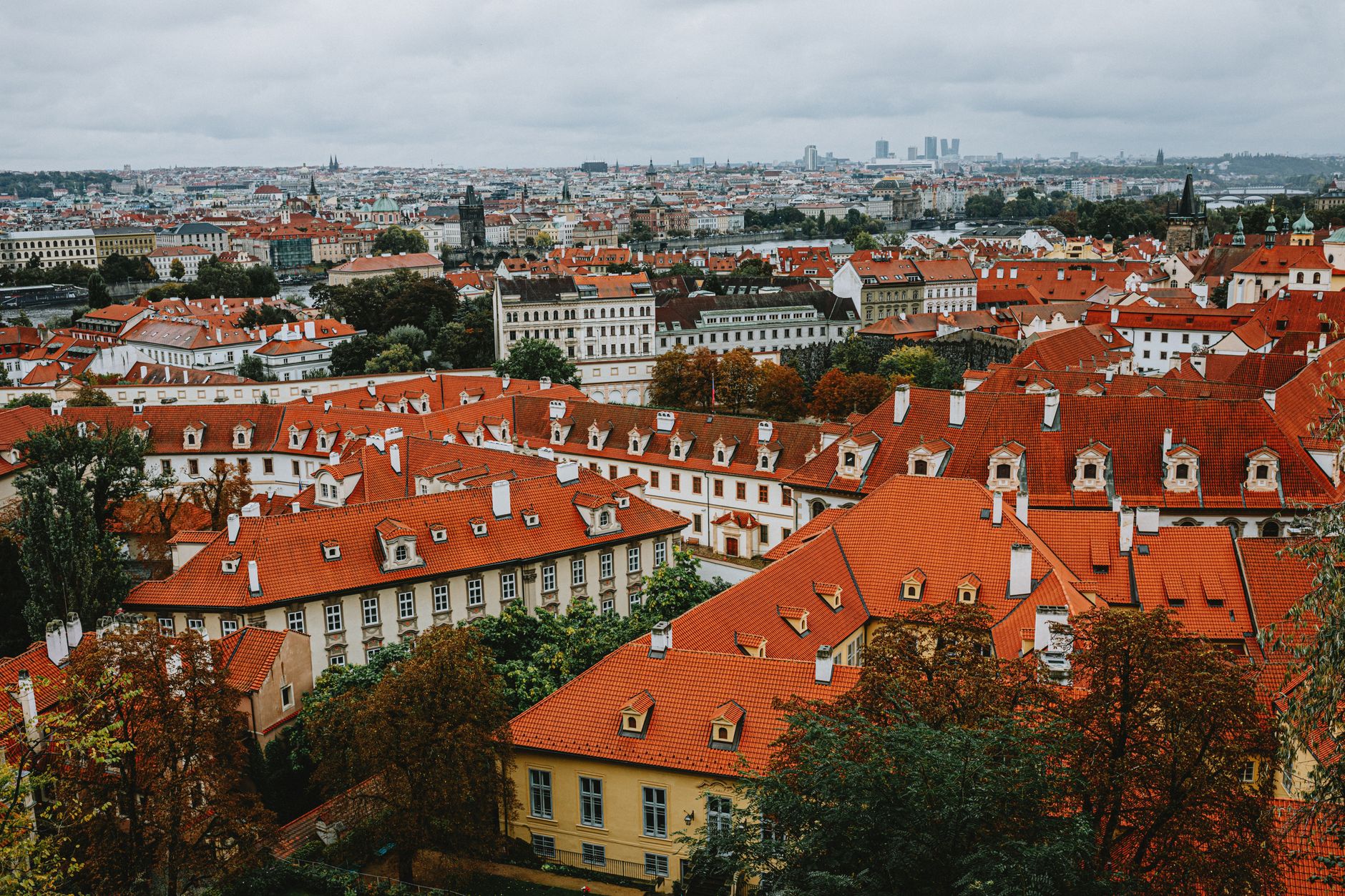
A stunning elevated perspective of Prague, Czech Republic, showcasing the iconic Prague Castle overlooking the city's historic red-tiled rooftops.
Miroslav Kaclík on Pexels · Pexels License
The charming, historic streets of Prague, Czech Republic, showcase stunning Baroque architecture and intricate building facades bathed in golden sunlight.
Arpan Bhatia on Pexels · Pexels License
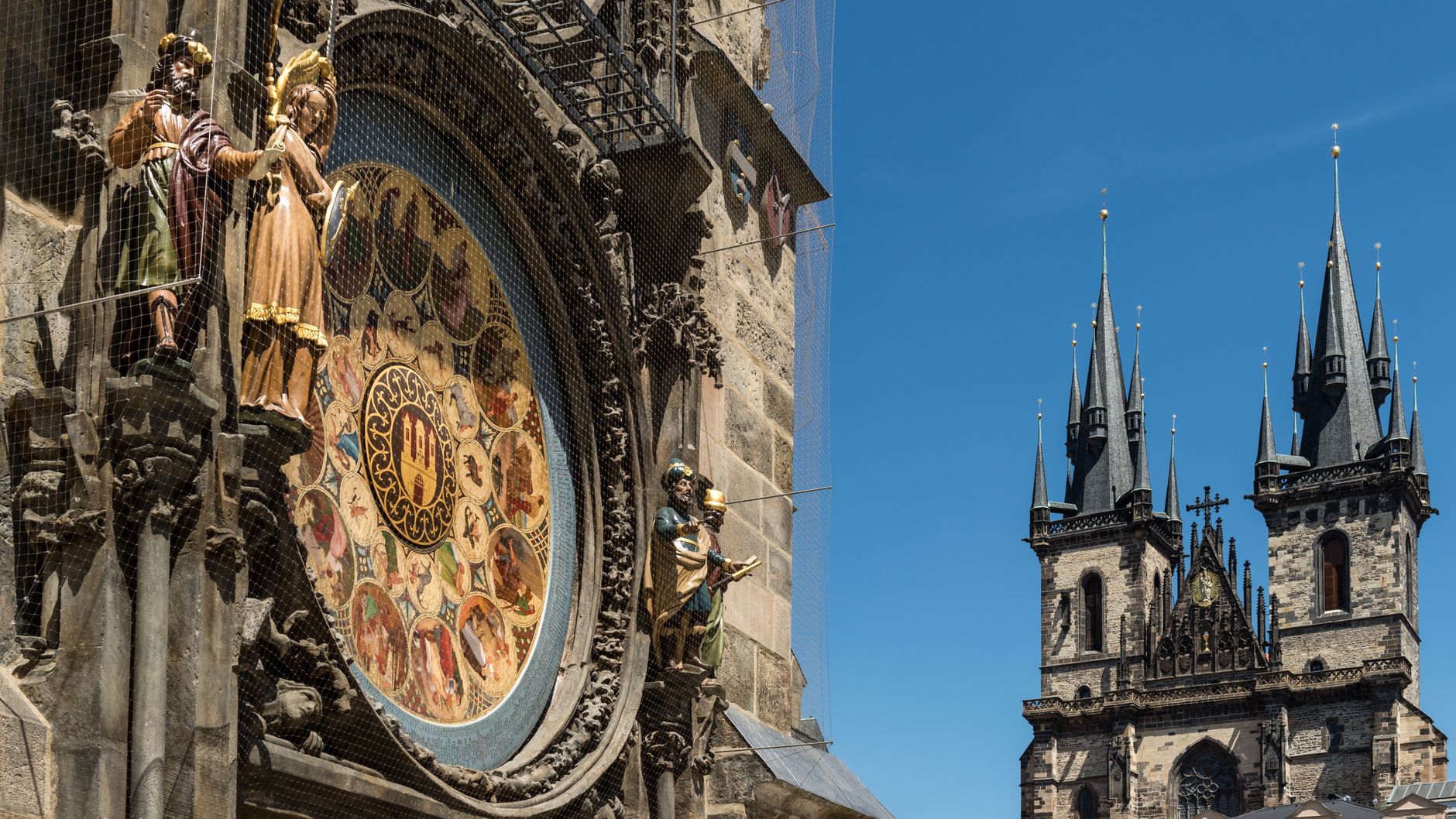
The intricate detail of the Prague Astronomical Clock stands in the foreground, framed by the striking Gothic towers of the Church of Our Lady before Týn.
Wolfgang Weiser on Pexels · Pexels License
The iconic Charles Bridge spans the Vltava River, showcasing the stunning historic architecture and timeless beauty of Prague, Czech Republic.
Stefche Lazovski on Pexels · Pexels License
A stunning elevated view of the iconic green-domed churches and historic red-tiled rooftops of Prague, Czech Republic.
Frank van Dijk on Pexels · Pexels License
The majestic St. Vitus Cathedral glows against the deep blue twilight sky, towering over the historic rooftops of Prague, Czech Republic.
Eddson Lens on Pexels · Pexels License
The iconic Charles Bridge stretches across the Vltava River, showcasing the stunning gothic architecture of Prague, Czech Republic.
l . kaplenig on Pexels · Pexels License
A stunning elevated view of the historic terracotta rooftops of Prague, Czech Republic, captured under a soft, overcast sky.
Helena Jankovičová Kováčová on Pexels · Pexels License
The iconic Charles Bridge spans the Vltava River in Prague, Czech Republic, under a dramatic, cloudy sky as seen from a river cruise boat.
Thomas Ronveaux on Pexels · Pexels License
A stunning elevated perspective of Prague's historic cityscape, showcasing its iconic red-tiled roofs and traditional architecture under the warm glow of the sun.
Diego F. Parra on Pexels · Pexels License
Practical Information
Getting There
Prague’s main gateway is Václav Havel Airport Prague (PRG), about 17 km from the center; long-haul options often connect via major hubs. Useful alternates are Vienna International Airport (VIE), Dresden Airport (DRS), and Brno Airport (BRQ) if fares align. Rail arrivals center on Praha hlavní nádraží (main station), with additional international services via Praha-Holešovice; major road links include D1 (Brno/Ostrava), D5 (Plzeň/Germany), D8 (Ústí nad Labem/Germany), D10 (Mladá Boleslav/Liberec), and D11 (Hradec Králové).
Getting Around
As of 2026, Prague’s integrated PID system is excellent: Metro (3 lines—A, B, C), dense tram coverage, city buses, and night routes that keep the center connected after midnight. Standard PID tickets (paper, app, or contactless validation) have commonly been around CZK 30 for 30 minutes, CZK 40 for 90 minutes, CZK 120 for 24 hours, and CZK 330 for 72 hours, though check current fares before travel. The historic core is best on foot, while bike movement is improving with riverside paths and expanding cycle infrastructure, but cobbles and hills still matter.
Climate & Best Time
Spring (Mar–May) is typically 8–18°C, summer (Jun–Aug) 17–28°C with occasional 30°C+ heat spells, autumn (Sep–Nov) 7–18°C, and winter (Dec–Feb) roughly -2 to 4°C. Rainfall is moderate year-round, with more frequent showers and storms from late spring into summer. Peak visitor pressure is usually May–June and December (markets), with July–August busy as well; the sweet spot for weather and manageable crowds is late April to June and September to mid-October.
Language & Currency
Czech is the official language, and English is widely spoken in hotels, restaurants, and transport hubs, though less so in outer districts. The currency is the Czech koruna (CZK), not the euro; cards are accepted almost everywhere in 2026, including most transit and cafés. Keep a little cash for small purchases, and tip about 5–10% in sit-down restaurants if service is not already included.
Safety
Prague is generally safe for visitors, with the most common issues being pickpocketing in packed zones (Old Town Square, Charles Bridge approaches, busy trams) and overcharging in tourist-targeted nightlife venues. Use licensed taxis or ride-hailing apps, and confirm prices before ordering extras in bars. Emergency numbers are 112 (EU-wide), 158 (police), and 155 (ambulance).
Where to Eat
Don't Leave Without Trying
Café Louvre
cafeOrder: Start with svíčková and finish with apple strudel or a classic Czech dessert with coffee.
This is one of Prague’s landmark cafes where you can do a proper long breakfast, coffee break, or late dinner in one room. It feels local and central at the same time, not just a postcard stop.
Lehká hlava - vegetarian restaurant
local favoriteOrder: Order the daily vegetarian Czech-inspired plate and one of their house lemonades.
Lehká hlava is the reliable meat-free pick in the center that locals still recommend to friends. The menu is broad enough for mixed groups, including vegan diners who want a real meal, not just salad.
U Fleků
local favoriteOrder: Get their dark lager with roast pork, dumplings, and sauerkraut.
This is one of Prague’s classic beer halls and still a core old-school experience. Come for the atmosphere and traditional pub rhythm: beer first, hearty Czech food second.
Café Savoy
cafeOrder: Order their breakfast basket with pastries, then add svíčková or another Czech classic at lunch.
Savoy is one of the best addresses for a polished all-day cafe meal with serious pastry work. It bridges old Prague elegance and modern city dining standards.
Pivovarský dům Benedict
local favoriteOrder: Try a beer tasting flight with beer cheese and goulash.
A fun stop if you want Czech pub food with house-brew energy, not a formal restaurant mood. It works especially well for a relaxed lunch before an afternoon walk.
Restaurace Malostranská beseda
local favoriteOrder: Go for svíčková with dumplings and a fresh Pilsner.
You get classic Czech plates in one of the most beautiful quarters of Prague without sacrificing authenticity. It’s a strong pick after castle-side sightseeing when you want a real meal.
U Zlatého tygra
local favoriteOrder: Order tank Pilsner with pickled cheese or a simple pub plate.
This is old-school Prague pub culture at full volume. Come for beer quality and atmosphere rather than menu complexity.
Pivovar U Medvídků
local favoriteOrder: Try house beer with roast duck or pork knuckle.
A historic brewery stop for travelers who want the old Prague tavern feel in a central location. Best for hearty food, big portions, and classic beer-hall atmosphere.
Bakeshop
quick biteOrder: Get a sourdough sandwich and one pastry to go with filter coffee.
An easy, high-quality breakfast or midday reset when you need a break from heavy Czech meals. Reliable baking and fast service make it ideal for a food crawl day.
Café Café
cafeOrder: Pick a brunch plate or pasta, then finish with cake and espresso.
A practical central cafe for long hours and mixed appetites, from brunch to evening drinks. Good fallback when your group wants a comfortable all-purpose spot.
The Pub Praha 1
local favoriteOrder: Order Pilsner at the table tap with fried cheese or schnitzel.
More playful than a traditional pub, but still a solid way to experience Prague’s beer-first dining culture. Great for casual groups and late lunches.
James Dean Prague
local favoriteOrder: Go for a burger and one of their signature cocktails.
Not Czech-traditional, but a long-running Prague nightlife-food crossover spot with huge hours. Useful when you need a late-night meal in the center.
Dining Tips
- check Tip around 10%; in casual spots, rounding up is normal.
- check Tell the server the total amount you want to pay before they run your card.
- check Cards are common in Prague, but keep some cash for old pubs and small purchases.
- check Book ahead for popular dinner spots, especially Friday-Saturday.
- check Lunch menus (polední menu) are best value, usually served roughly 11:00 AM-2:00 PM.
- check Dinner starts earlier than in southern Europe; 6:30-8:00 PM is prime time.
- check In beer halls, pace yourself and order food early if kitchens close before bar hours.
- check Ask for tap/tank beer (čepované/tankové) for the best pour quality.
Restaurant data powered by Google
Tips for Visitors
Cross Bridge Early
Go to Charles Bridge before 7:00 a.m. for clear views and photos; by midday it can feel shoulder-to-shoulder. Sunset is beautiful, but expect heavy crowds.
Castle Entry Hack
At Prague Castle, enter from the west side (Hradčany Square) or via the quieter Jiřská gate to avoid the biggest lines. The St. Vitus nave is free, but full circuit tickets usually run about CZK 250–350.
Lunch Menu Savings
On weekdays, look for polední menu (lunch specials), often your best-value hot meal in quality local restaurants. It’s a reliable way to eat well without paying dinner prices.
Tip Like Locals
In Prague, tipping is usually moderate: round up or leave around 5–10% for good service. You generally don’t need U.S.-style 20% tips.
Skip Trdelník Traps
Many locals see trdelník as a tourist-focused snack, not a core Czech classic. For a more local taste, order svíčková, vepřo knedlo zelo, or pastries like koláče in real cafés and bakeries.
Book Popular Tables
Reserve ahead for high-demand spots like Lokál, U Kroka, Field, and La Degustation, especially for dinner and weekends. Walk-ins are possible but often involve long waits.
Choose Night Areas
Wenceslas Square changes character after dark: the upper end near the National Museum is calmer, while the lower end is seedier. For evenings, many travelers prefer Vinohrady, Karlín, Holešovice, or Žižkov.
Explore the city with a personal guide in your pocket
Your Personal Curator, in Your Pocket.
Audio guides for 1,100+ cities across 96 countries. History, stories, and local insight — offline ready.
Audiala App
Available on iOS & Android
Join 50k+ Curators
Frequently Asked
Is prague worth visiting? add
Yes—Prague is one of Europe’s most rewarding city breaks if you balance the historic core with local neighborhoods. You get major landmarks like Prague Castle and Charles Bridge, plus strong café, beer, and contemporary food scenes. It works equally well for architecture lovers, music fans, and travelers who just want to wander.
How many days in prague? add
Three to four days is the sweet spot for most travelers. That gives you time for the Old Town, Castle District, Josefov, and at least one slower day in areas like Vinohrady or Holešovice. With 5+ days, you can add museums, concerts, and a more local food itinerary.
Is Prague safe for tourists at night? add
Prague is generally safe, including for evening walks in central areas. The main issues are petty theft in crowded zones and late-night hassle in heavily touristed strips, especially parts of lower Wenceslas Square. Use normal big-city awareness, keep valuables secure, and choose licensed transport late at night.
How expensive is Prague in 2026? add
Prague can be moderate or pricey depending on where you eat and sleep. You can save significantly with weekday lunch menus, public transport, and neighborhood restaurants outside the most touristed streets. Landmark entries vary, with major-ticket examples like Prague Castle circuits around CZK 250–350.
How do I get around Prague without taxis? add
Use Prague’s integrated public transport network—metro, trams, and buses are the default local choice. The center is walkable, but trams are especially useful for crossing districts quickly and avoiding surge-priced rides. For most visitors, a transit pass plus walking covers nearly everything.
What should I eat in Prague besides trdelník? add
Start with svíčková, vepřo knedlo zelo, roast duck, and goulash in a good pub, then add modern Czech tasting menus if you want contrast. For sweets, target koláče and proper café desserts rather than street-trdelník stands. Prague’s food identity is strongest when you mix old-school beer halls with newer bakery and coffee culture.
Do I need to book restaurants and attractions in advance in Prague? add
Yes for popular restaurants and key heritage sites in peak periods. Places like Lokál, U Kroka, Field, and La Degustation are much easier with reservations, and Jewish Quarter sites can have capacity limits. For Charles Bridge and Old Town Square, timing matters more than tickets—go early.
Sources
- verified Prague City Tourism (Official) – Prague Castle, markets, venues, and neighborhood listings — Used for attraction details, seasonal events, market calendars, and venue context across districts.
- verified Encyclopaedia Britannica – Prague History and Key Figures — Used to validate historical framing and biographies tied to Prague (Charles IV, Jan Hus, Havel, etc.).
- verified Michelin Guide – Prague restaurants (Field, La Degustation, U Matěje) — Used for current reputation and positioning of modern Czech fine-dining options.
- verified Lokál Dlouhááá (Ambiente) — Used for Czech beer-pour terminology and practical pub-culture references.
- verified Radio Prague International – Trdelník context — Used to support the local perspective that trdelník is largely a tourist-focused product in Prague.
Last reviewed: