Mariánské Lázně
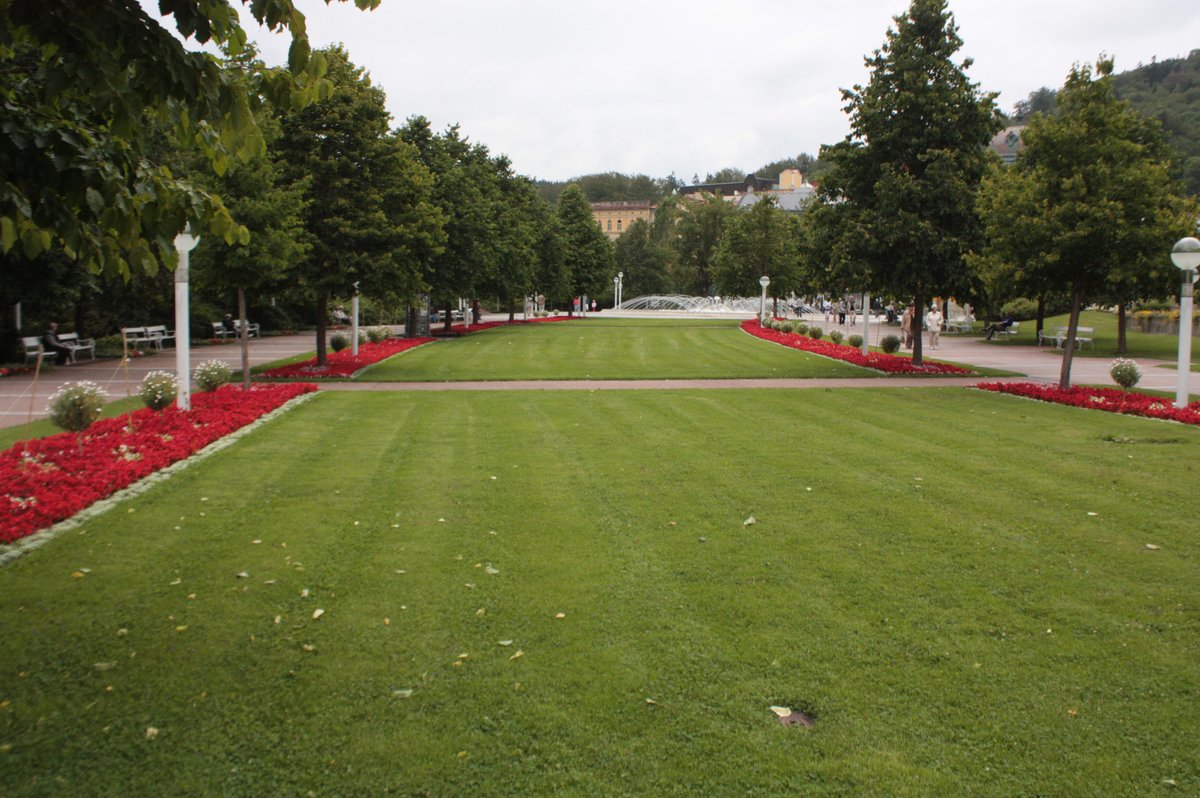
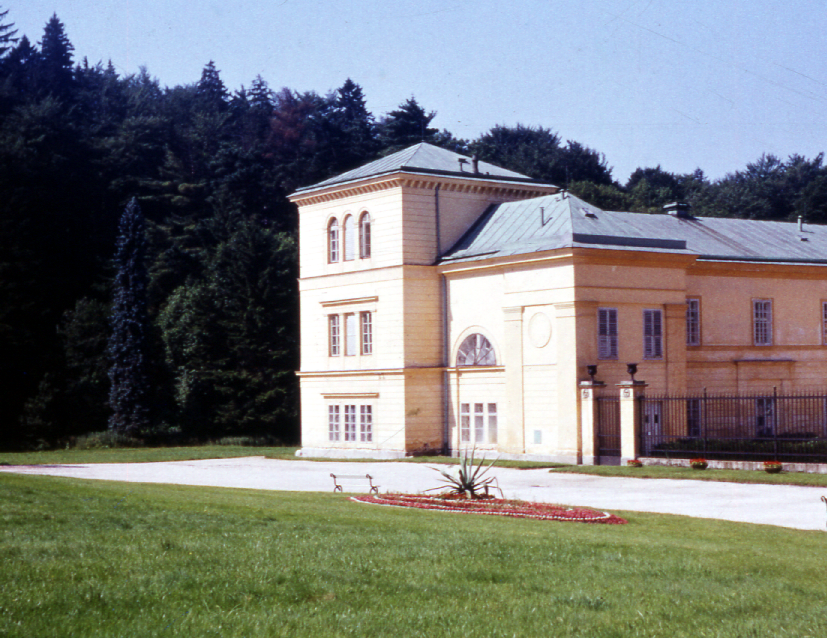
Mariánské Lázně, also known as Marienbad, is a spa town in the Karlovy Vary Region of the Czech Republic. Renowned for its mineral springs, wellness facilities and grand architecture, it has been a spa destination since the early 19th century. Its parks, colonnades and pavilions reflect the town’s history and the development of European spa culture.
History
The area’s mineral springs were known long before the town developed as a spa destination. They were first recorded in the 13th century. In 1808, Dr. Josef Nehr, a physician from the nearby Teplá Monastery, began analysing the springs and recognised their potential for therapeutic use. His work led to the establishment of the first spa facilities in 1818, the year generally given as the town’s official founding. The town was named after the Virgin Mary, reflecting its religious and monastic origins. More on the town’s past is available in Discover the Rich History of Mariánské Lázně.
During the 19th century, Mariánské Lázně grew in popularity among European aristocracy and intellectuals. Johann Wolfgang von Goethe visited several times between 1820 and 1823, Frédéric Chopin visited in 1836, and Richard Wagner was also among the town’s notable visitors. Their presence helped draw guests and encouraged the construction of grand hotels, colonnades and landscaped parks.
The Neo-Baroque Main Colonnade, also known as the Maxim Gorky Colonnade, was built between 1888 and 1889. The town continued to thrive in the early 20th century, but faced challenges during the two World Wars and the political changes that followed. After World War II, it became part of Czechoslovakia, and the spa industry was nationalized under the communist regime. Following the Velvet Revolution in 1989 and the fall of communism, privatization of spa facilities and restoration of historic buildings helped revive the town as a spa destination.
Mariánské Lázně, together with other Great Spa Towns of Europe, was inscribed on the UNESCO World Heritage List in 2021. Its cultural heritage is reflected in architectural styles including Neo-Classical, Neo-Baroque and Art Nouveau. Preservation efforts include restoration projects to maintain historic buildings and the town’s character. Further information is available in Discover the Rich History of Mariánské Lázně.
What to see
Richard Spring
Richard Spring is one of Mariánské Lázně’s best-known mineral springs. It is named after Abbot Karl Kaspar Reitenberger, also known as Richard, who played a pivotal role in establishing the town as a spa destination. The spring is known for its high mineral content, particularly bicarbonate, calcium and magnesium. These minerals are believed to aid digestion and metabolic functions and to alleviate symptoms of various chronic illnesses. The water is used for drinking cures, in which visitors drink mineral water over a period to detoxify and rejuvenate the body. Read more in Visiting Richard Spring in Mariánské Lázně.
The spring pavilion, constructed in the early 20th century, features intricate designs in the Art Nouveau style. It shelters the spring and contributes to the town’s architectural heritage. Richard Spring and its surroundings have hosted concerts, art exhibitions and literary gatherings. Seasonal festivals, musical performances and art showcases are also held there. Guided tours provide information about the spring’s history and significance, and there are photographic spots around the pavilion.
Colonnades, springs and fountain
The Main Colonnade is a Neo-Baroque structure with intricate ironwork and frescoes. It houses several mineral springs, including the Cross Spring, Rudolph Spring and Caroline Spring. The town has over 40 mineral springs, each with its own chemical composition and purported health properties. Visitors can sample spring waters directly; mineral water sampling at the Main Colonnade may have a small fee. More details are available at Colonnades and mineral springs.
The springs are used for drinking cures, baths and inhalations. The Cross Spring, Ferdinand Spring and Rudolph Spring are among the best known. Their waters contain minerals including iron, calcium and magnesium, which are believed to help with digestive disorders, respiratory issues and musculoskeletal problems.
The Singing Fountain, in front of the colonnade, synchronizes water jets with classical music. It operates from May to October, with performances every odd hour from 7 AM to 10 PM. Evening performances include a light show. See the official website.
Other landmarks and activities
The Forest Spring Pavilion is in a forest setting and houses the Forest Spring, known for its high iron content. The pavilion features intricate woodwork and can be reached by several walking trails. See Forest Spring Pavilion.
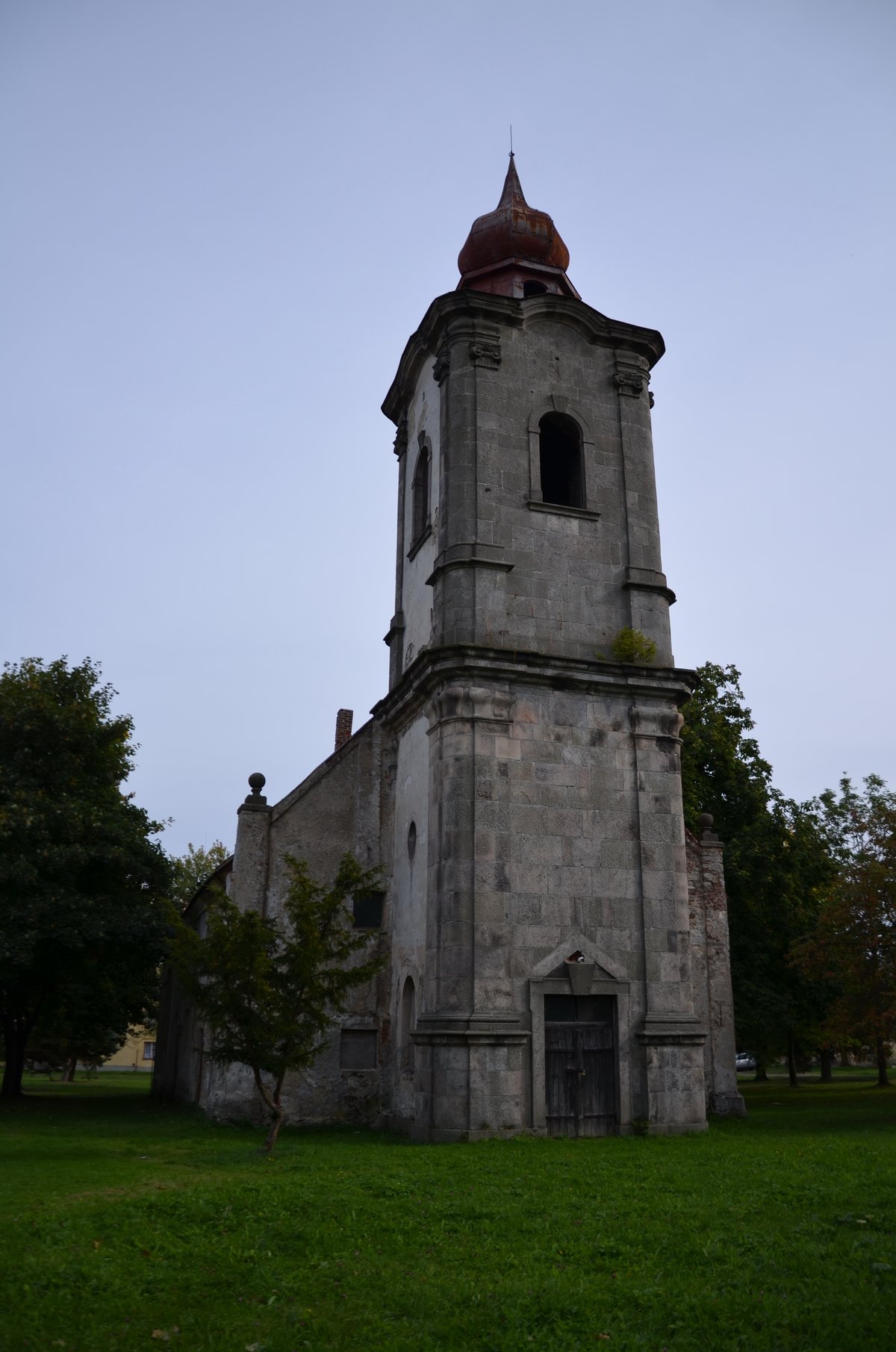
Other architectural landmarks include the Church of the Assumption of the Virgin Mary, built in the Neo-Gothic style, and the Casino, an elegant building that now serves as a cultural center. The Municipal Museum covers the town’s history, local geology, famous visitors and architectural heritage. The Hamelika Lookout Tower, reached by a short hike, offers panoramic views of the town and surrounding area. Find out more at the Municipal Museum website.
Boheminium Park, on the outskirts of town, features miniature models of well-known Czech castles, chateaux and other historic buildings, as well as guided tours and interactive exhibits. Details are on the Boheminium Park website.
The surrounding forests and hills offer hiking trails for different fitness levels. The Slavkov Forest Nature Reserve has trails to scenic viewpoints, historical sites and natural springs, and is home to diverse flora and fauna. It is also a location for bird watching and nature photography. Trail information is available at the Slavkov Forest Nature Reserve website.
The Royal Golf Club Mariánské Lázně, established in 1905, has an 18-hole course and is one of the oldest golf courses in the Czech Republic. It has a clubhouse with dining facilities and a pro shop. See the Royal Golf Club website.
Spa treatments and culture
Wellness centers and spa hotels offer treatments ranging from traditional mineral baths to modern wellness therapies. The Nové Lázně Spa Hotel offers treatments in a luxurious setting. Spa treatments use local resources such as mineral water, peat and natural gas. Visit the Nové Lázně Spa Hotel website for booking and details.
Cultural events include the Mariánské Lázně Music Festival, with performances by musicians and orchestras at venues around town, including the Casino Hall. The annual Chopin Festival commemorates Frédéric Chopin’s visit and attracts classical music enthusiasts. The Spa Season Opening marks the beginning of the spa season with a parade, concerts and other festivities. Event information is on the Mariánské Lázně cultural events page.
Dining and shopping
The town has restaurants serving traditional Czech cuisine and international fare. Local spa wafers are thin, crispy and available in various flavors at many cafés and shops. Traditional dishes include svíčková, marinated beef with creamy sauce, and knedlíky, or dumplings. Many restaurants also offer vegetarian and vegan options. See the Mariánské Lázně dining guide.
Shops sell local products including spa cosmetics, handmade crafts and traditional Czech glassware. Hlavní třída, the town’s main shopping street, has shops and cafés. Local markets offer artisanal goods and fresh produce. More information is in the Mariánské Lázně shopping guide.
Practical visiting information
Hours and tickets
- Most spa facilities and historical sites are open daily from 8:00 AM to 6:00 PM, though individual attractions may have different hours; check in advance.
- Richard Spring is open daily from 8:00 AM to 6:00 PM. Entry is free; guided tours are available for a fee.
- The Singing Fountain operates from May to October, with performances every odd hour from 7 AM to 10 PM. Admission is free.
- The Main Colonnade is open year-round and admission is free. Mineral water sampling may have a small fee.
- Nové Lázně Spa Hotel is open year-round; treatments require booking and fees vary.
- Boheminium Park is open year-round. Ticket prices are available on the Boheminium Park website.
- Prices vary by attraction. Spa treatments can range from 200 to 1000 CZK.
Getting there and accessibility
Mariánské Lázně is accessible by train from Prague, with a journey time of approximately 2.5 hours. Bus services and car rental options are also available. The nearest international airport is in Prague, approximately 2 hours away by car.
Many town attractions, including the Main Colonnade and spa facilities, have accessibility features such as ramps and elevators. Richard Spring is wheelchair accessible, with ramps and paved paths. Check specific accessibility information with each venue before visiting.
Tips
The best time to visit is described as both April to September, when the weather is pleasant and parks and gardens are in full bloom, and May to October, when the weather is pleasant and most attractions are fully operational.
Wear comfortable shoes when visiting Richard Spring, where the area involves walking. A water bottle can be brought for sampling spring water. Accommodation ranges from luxury spa hotels to budget-friendly guesthouses; early booking is recommended, especially during peak season.
Nearby places
- Karlovy Vary Another famous spa town, known for its hot springs and the annual Karlovy Vary International Film Festival.
- Teplá Monastery A historic monastery with beautiful architecture and a rich history, a short drive from Mariánské Lázně.
- Františkovy Lázně A picturesque spa town with well-preserved 19th-century architecture and numerous spa facilities.
FAQ
What are the visiting hours for Mariánské Lázně attractions?
Hours vary. Most spa facilities and historical sites are open daily from 8:00 AM to 6:00 PM; the Singing Fountain operates from May to October, with performances every odd hour from 7 AM to 10 PM, and the Main Colonnade is open year-round.
What are Richard Spring’s visiting hours, and is there an entrance fee?
Richard Spring is open daily from 8:00 AM to 6:00 PM. Entrance is free, but guided tours are available for a fee.
What should I bring when visiting Richard Spring?
Comfortable shoes and a water bottle for sampling the spring water are recommended.
Is Richard Spring wheelchair accessible?
Yes. The site has ramps and paved paths.
How much do attractions cost?
Prices vary. The Main Colonnade and Singing Fountain are free, and spa treatments range from 200 to 1000 CZK. Boheminium Park has ticket fees; check individual attraction websites for details.
When is the best time to visit Mariánské Lázně?
Suggested periods are April to September, when the weather is pleasant and parks and gardens are in full bloom, and May to October, when the weather is pleasant and most attractions are fully operational.