History and Formation of Hluboké Jezero
Hluboké Jezero is one of several artificial lakes in the Hradec Králové region, created through the extraction of sand and gravel primarily during the 19th and 20th centuries. As the pits were abandoned, groundwater and river inflows gradually filled the depressions, giving rise to a string of interconnected lakes and oxbow formations along the Orlice and Elbe rivers (najdirevir.cz). These water bodies—alongside Hluboké Jezero, lakes like Pekelská, Kašparovo, and Černé jezero—are now integral to the region’s landscape and ecology.
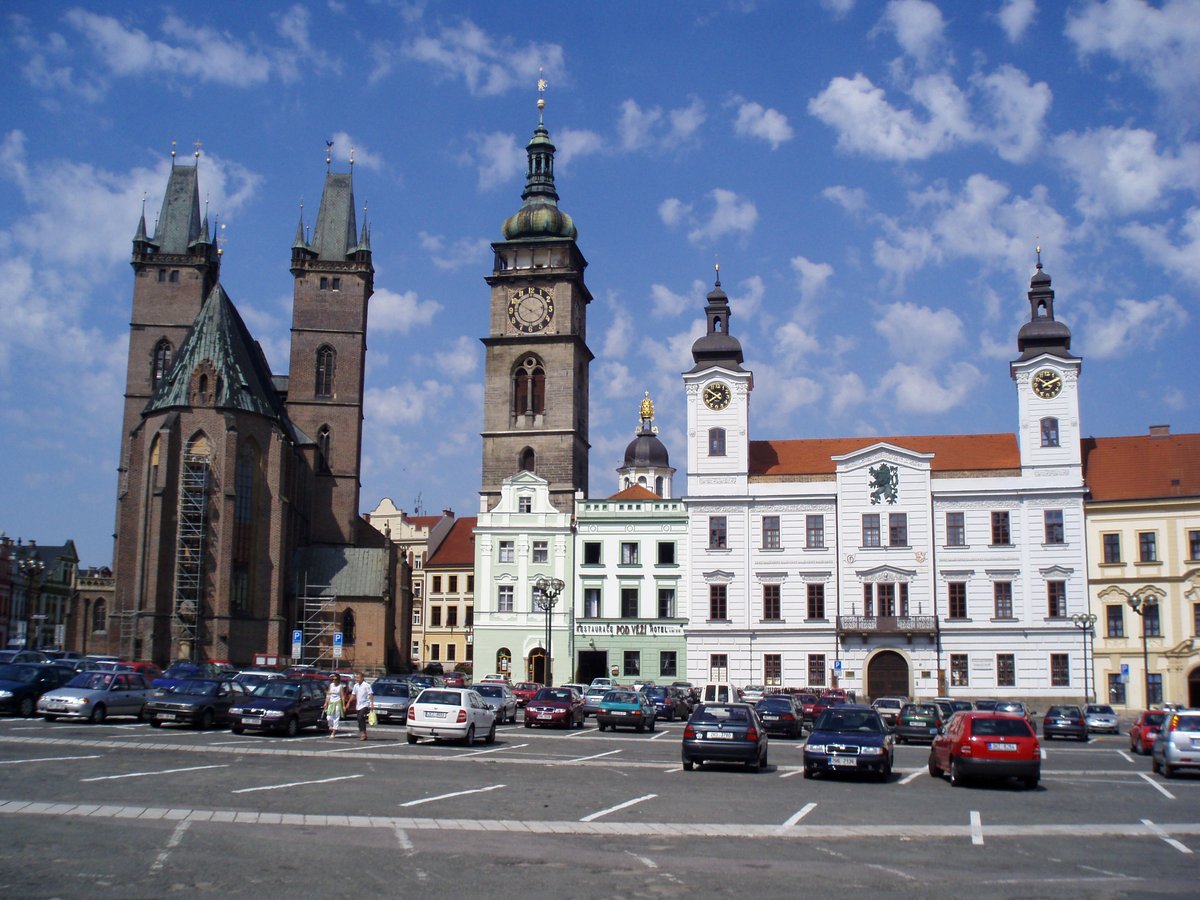
Hradec Králové’s urban growth and cultural identity have long been shaped by its proximity to these waterways, reflected in its blend of historical architecture and abundant green spaces (amazingczechia.com).
Ecological Importance and Conservation
Hluboké Jezero plays a vital ecological role as a refuge for fish, amphibians, birds, and riparian plants. The lake and its surroundings are managed with a focus on biodiversity:
- Fish Habitat Protected zones help sustain native fish species, while fishing regulations preserve ecological balance (najdirevir.cz).
- Flood Mitigation The lakes act as natural reservoirs, reducing flood risks during periods of heavy rain.
- Water Quality Regular monitoring and the maintenance of surrounding vegetation ensure high water standards.
Conservation efforts, coordinated by local authorities and the Czech Fishing Union (Český rybářský svaz, ČRS), include designated fishing areas, habitat protection, and educational outreach (mestske-lesy.cz).
Visiting Information
Hours and Entry
Hluboké Jezero is open to the public year-round during daylight hours—typically sunrise to sunset. There are no entrance gates or ticket requirements, making visits flexible and accessible (venkazdyden.cz).
Fishing Regulations
- Shore Fishing Only Anglers must possess a valid fishing permit from the Czech Fishing Union, available online or at local vendors.
- Prohibited Boats, bait boats, and floating markers are not allowed to protect the ecosystem.
- Zones Some sections are designated as protected habitats with no fishing allowed (najdirevir.cz).
Swimming and Boating
- Swimming Generally discouraged and not officially supervised at Hluboké Jezero. For safe swimming, nearby Stříbrný rybník is recommended.
- Boating Motorized boats are prohibited; non-motorized boating is typically restricted.
Accessibility
- Trails and Access Reachable by local roads, cycling paths, and forest trails. The terrain is natural and may be uneven or muddy, especially after rain.
- For Visitors with Disabilities Accessibility is limited; contact local tourist information centers for the latest details.
Facilities and Safety
- Amenities Minimal—no restrooms, changing rooms, or food services at the lake itself. Waste bins and benches are available.
- Parking Limited parking in nearby villages such as Pamětník and Štít; early arrival is suggested in busy periods.
- Safety No lifeguards; caution is advised, especially with children. In emergencies, dial 112.
Activities and Nearby Attractions
Nature and Recreation
- Walking & Cycling Well-marked trails circle the lake and connect to the Městské lesy (City Forests) of Hradec Králové, offering excellent opportunities for hiking, cycling, and wildlife observation (mestske-lesy.cz).
- Birdwatching & Photography The area is a haven for herons, ducks, grebes, and seasonal migratory birds. Bring binoculars and a camera for nature photography.
- Picnicking The peaceful lakeshore is ideal for picnics—bring all necessary supplies and ensure you leave no litter.
Historical and Cultural Sites
- City Center of Hradec Králové Explore the Gothic Cathedral of the Holy Spirit, the Renaissance White Tower, and numerous museums and galleries (czechiatravelguide.com).
- Stříbrný rybník A larger recreational lake with facilities for swimming, boating, and camping.
- Nearby Day Trips Biopark Štít, Chlumec nad Cidlinou (Karlova Koruna Chateau), and the UNESCO-listed National Stud Farm in Kladruby nad Labem (venkazdyden.cz).
Visitor Tips and Practical Information
- Best Time to Visit May to September offers pleasant temperatures (15–25°C) and vibrant landscapes. Early autumn brings quieter surroundings and beautiful foliage (best-time.to).
- What to Bring Sturdy shoes, weather-appropriate clothing, swimwear, picnic supplies, insect repellent, and a camera.
- Transport Use public transport or bicycles to reduce environmental impact. Local buses connect Hradec Králové to nearby villages.
- Etiquette Keep noise to a minimum, leash dogs, and respect posted rules for wildlife and recreation. Open fires and camping are prohibited.
Frequently Asked Questions (FAQ)
Q: Are there entrance fees or visiting hours?
A: No entrance fees; open year-round during daylight hours.
Q: Is fishing permitted?
A: Yes, with a valid permit; shore fishing only.
Q: Can I swim at Hluboké Jezero?
A: Swimming is discouraged; use Stříbrný rybník for supervised swimming.
Q: Is the lake accessible for people with disabilities?
A: Terrain may be challenging; contact local centers for advice.
Q: Are dogs allowed?
A: Yes, but they must be leashed.
Q: Are there facilities at the lake?
A: Facilities are minimal; the nearest amenities are in surrounding villages or Hradec Králové.
Summary and Visitor Recommendations
Hluboké Jezero is a sterling example of ecological restoration, offering rich biodiversity, peaceful recreation, and seamless integration with the urban and cultural fabric of Hradec Králové. The lake’s management ensures the protection of its habitats while allowing public enjoyment. Whether you’re fishing, hiking, or uncovering the region’s historical treasures, Hluboké Jezero offers a rewarding and responsible travel experience.
For the best visit, check local regulations, prepare for minimal facilities, and explore nearby attractions. Download the Audiala app for up-to-date information and interactive guides, and respect all conservation practices to help preserve this natural treasure.