What Vinohrádky is
Vinohrádky is a district of Brno, the Czech Republic’s second-largest city. It combines historical depth, Moravian culture and urban life, with residential streets and access to city landmarks including Špilberk Castle and the UNESCO-listed Villa Tugendhat (Exploring Vinohrádky).
The district’s name reflects its vineyard heritage and its origins as a rural settlement established in the late 18th century. Brno’s metropolitan planning strategy aims to support sustainable urban development while maintaining the character of neighborhoods such as Vinohrádky (Brno Metropolitan Strategy).
History
Vinohrádky began during the Habsburg Empire’s “raabization” land reforms, as a cluster of family farmsteads along the road between Žabovřesky and Brno, now Horova Street. The name derives from Antonín Kaschnitz von Weinberg; “Weinberg” means “vineyard.” In 1790, the settlement had around 160 residents in 30 dwellings, centered on Burianovo náměstí and the Chapel of St. Wenceslas, built in 1826.
In 1843, Vinohrádky became part of Žabovřesky. Workers’ cottages followed, as did the Lucerna cinema in 1915. The district was incorporated into Brno in 1919, and a tram line introduced in 1927 further connected it to the city center.
As the area urbanized, rural cottages gave way to a mix of neo-Renaissance and modernist architecture. Schools, cinemas and other public amenities reflected its transformation into an urban neighborhood.
Brno’s growth, including the incorporation of Vinohrádky, was shaped by industrialization and population growth. Today, the Integrated Development Strategy of the Brno Metropolitan Area (BMA) 21+ guides growth with a focus on public transport, quality services, environmental sustainability and coordinated urban development. Over 125 projects between 2014 and 2020 fostered integration with support from EU and national funding programs. The strategy emphasizes collaboration among municipalities, open data practices and community participation.
What to see
Vinohrádky
Horova Street, the Chapel of St. Wenceslas and Lucerna cinema offer opportunities to see the district’s history and architecture. Local parks provide scenic backdrops, and guided walks focused on local history and architecture are available through local operators.
Moravian traditions, hospitality and folk culture are part of local life. Student and expat populations contribute to the district’s cultural exchange. Wine bars celebrate Vinohrádky’s vineyard heritage with tastings of Moravian varietals, especially during autumn festivals.
Špilberk Castle
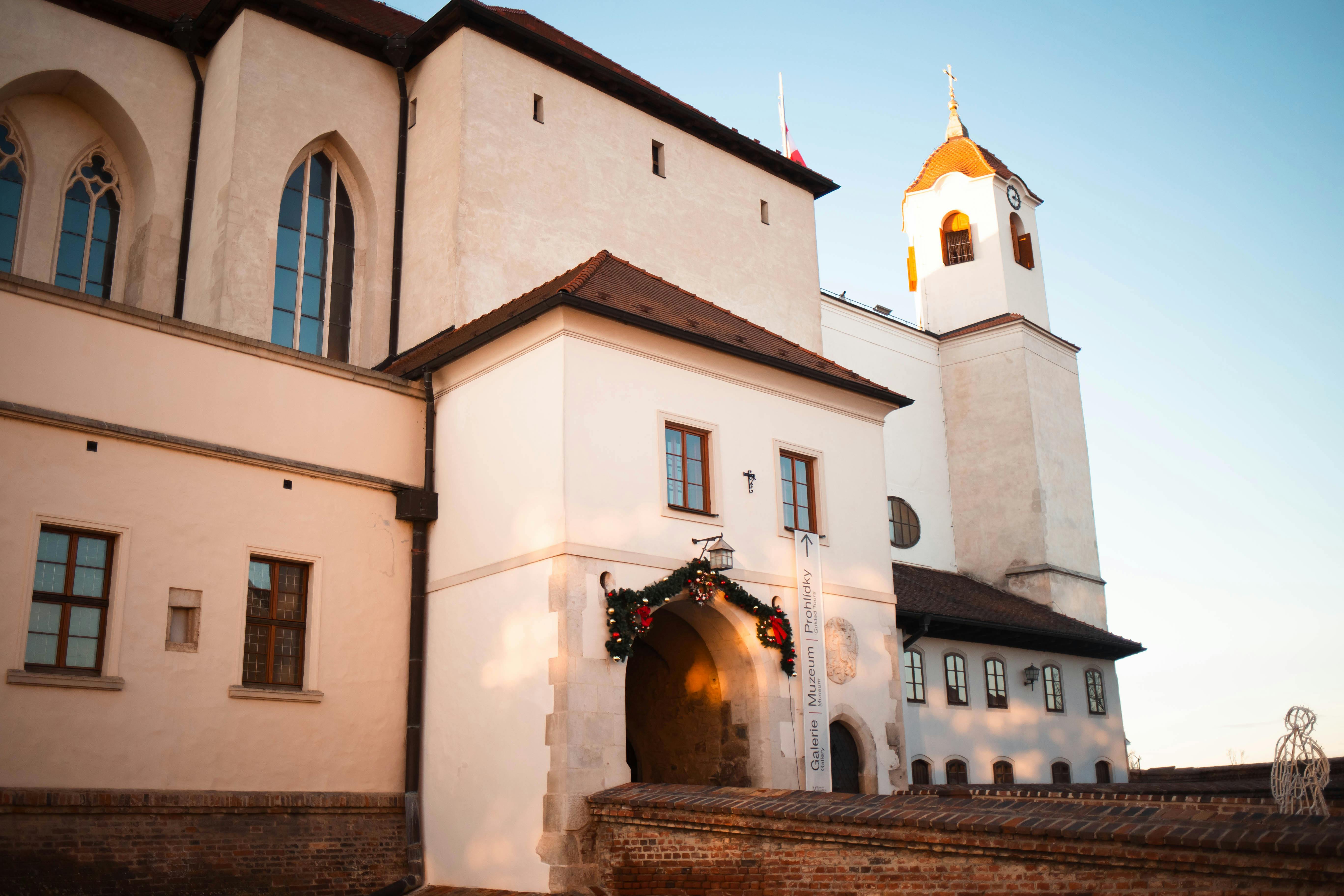
Dating to the 13th century, Špilberk Castle was built by King Přemysl Otakar II and served as a royal residence, military fortress and notorious prison. Now home to the Brno City Museum, it has exhibitions on local history, weaponry, art and Brno’s evolving identity. Its highlights include historical dungeons, casemates, museum exhibitions and panoramic ramparts with views over the city. Photography is welcome in most areas, though indoor restrictions may apply.
Villa Tugendhat
Designed by Ludwig Mies van der Rohe, Villa Tugendhat is a UNESCO World Heritage Site and a landmark of modernist architecture. Guided tours explore the villa’s design and history. Photography inside is limited.
Other Brno sights
The Brno Underground offers guided tours of medieval cellars and tunnels beneath the city center. Denisovy Sady is a Baroque garden with views of the Cathedral of St. Peter and Paul.
Practical visiting information
Vinohrádky
- District Open year-round; no entry fee.
- Lucerna cinema Check its official website for screening times and prices.
- Chapel of St. Wenceslas Accessible during daylight; some events may require a ticket.
- Accessibility Accessible trams and buses serve Vinohrádky. Streets are largely walkable, though some historic areas have uneven surfaces.
- Guided walks and events Local-history and architecture walks are available through local operators. Cultural and seasonal events take place in Vinohrádky and adjacent districts.
Špilberk Castle
Opening hours are given as daily, 9:00 AM–6:00 PM, with last admission at 5:30 PM; check the official site for updates (Špilberk Castle Official). A seasonal schedule is also listed: April–October, Tuesday–Sunday, 10:00–18:00; November–March, Tuesday–Sunday, 10:00–16:00; closed Mondays and major holidays.
Adult tickets are 150 CZK. Discounts are available for students, seniors and families; a separate ticket listing gives students and seniors a price of 100 CZK, children under 6 free admission, and a family ticket at 350 CZK. Guided tours are available in multiple languages, with advance booking recommended.
The castle is partially accessible; contact the museum for specific information. It can be reached by tram lines 1, 4 and 6 to Špilberk stop, by a 20-minute uphill walk from the center, or by car, with limited parking nearby.
Villa Tugendhat
The villa is open Tuesday–Sunday, 10:00 AM–6:00 PM. Guided tours depart every 30 minutes, with the last tour at 5:00 PM. Advance online ticket purchase is required. Tickets are approximately 150 CZK for adults, with concessions available. See the Villa Tugendhat Official Website for current information.
Public transport and getting around
Brno’s public transport network includes trams, buses, trolleybuses and boats on the Brno Reservoir (Brno Public Transport). Tickets are time-based—15, 60 or 90 minutes, or all-day—and can be bought at kiosks or via app. Validate tickets upon boarding. A 24-hour ticket is approximately 90 CZK.
Night buses operate hourly from the main railway station. Most vehicles are low-floor, and stops are announced digitally. Bolt and Uber are widely used. Brno has bike lanes and sharing schemes, and Vinohrádky is notably walkable.
Accommodation and amenities
Staying in Brno’s city center provides easy access, with options ranging from hostels to boutique apartments (Sommertage, The Travel Tinker, Booking.com). Vinohrádky has local shops, bakeries and pharmacies. Dining options include classic Moravian fare and cafes such as SKØG Urban Hub.
Safety, connectivity and healthcare
Vinohrádky is described as safe and family-friendly, with parks and playgrounds; crime is low, though standard travel precautions apply. Free Wi-Fi is common in public spaces, and SIM cards are sold at airports and shops. Seniors over 70 ride free on public transport with ID. English-speaking clinics and pharmacies are accessible citywide.
Tips
Check official schedules and ticket availability before visiting. For Špilberk Castle, arriving early can help avoid crowds; wear comfortable shoes. Golden hour is a good time for photographs from the ramparts, and visitors should check indoor photography restrictions. Consider combining a castle visit with a stroll through Vinohrádky. Guided tours can provide more detail about the sites.
For photographs in Vinohrádky, consider Horova Street, the neo-Renaissance chapel, Lucerna cinema and local parks. Follow local tourism sources for updates on opening hours, tickets and events. The original visitor recommendations also refer to Visiting Vinohrádky, Exploring Špilberk Castle and the Villa Tugendhat Official, and suggest downloading the Audiala app for self-guided tours.
Nearby places
- Cathedral of St. Peter and Paul A Gothic landmark (visitor info).
- Cabbage Market (Zelný trh) A daily farmers’ market and historic market with fresh produce and Moravian specialties; it is also a gateway to the Brno Underground.
- Lužánky Park Open year-round, with courts, playgrounds and summer festivals.
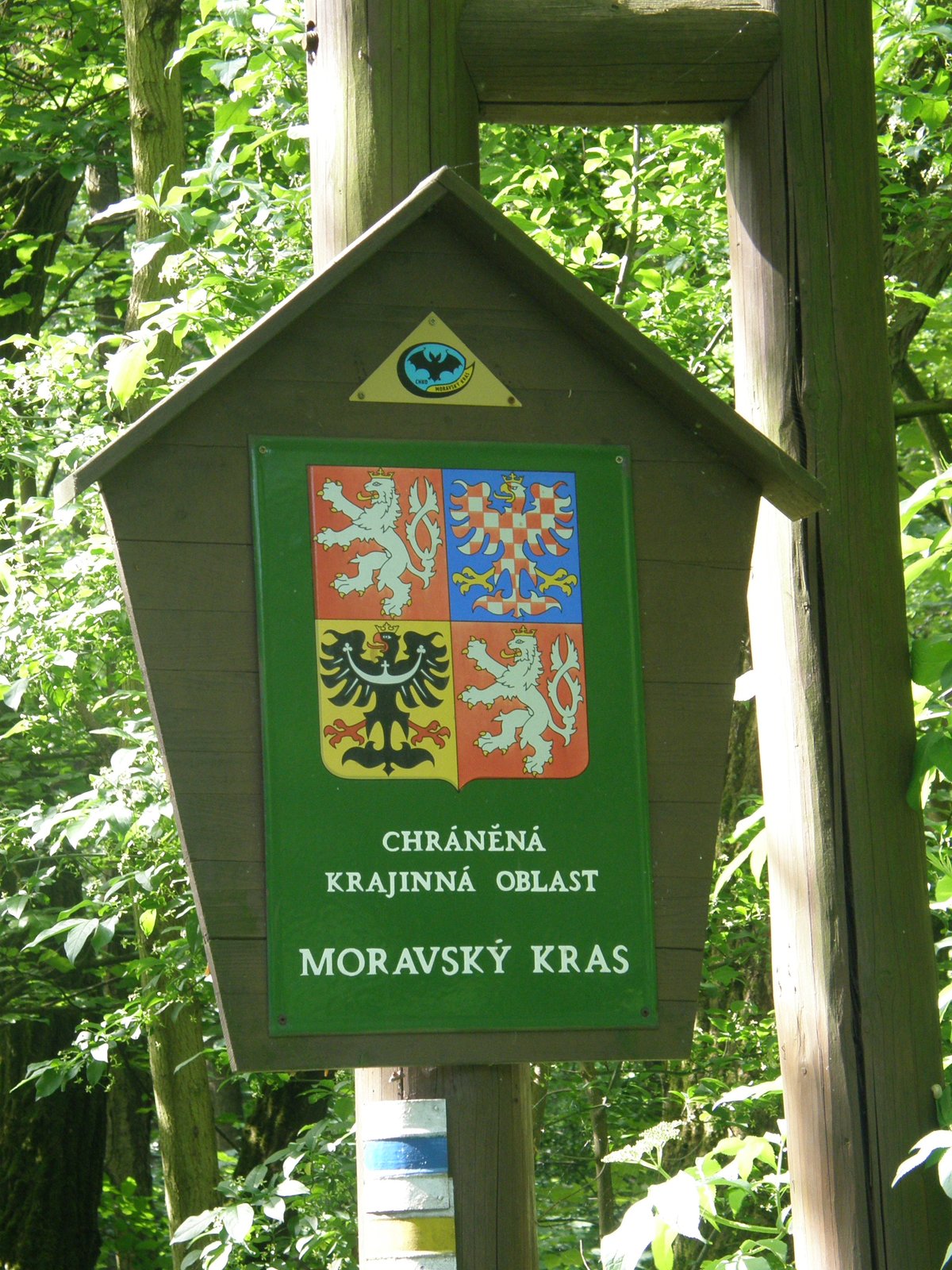
- Regional day trips Brno’s integrated transport system connects to Lednice-Valtice, Mikulov, Moravian Karst and the Austerlitz Battlefield (Wild Trips).