Introduction to Juliánov Brno: History, Culture, and Visitor Essentials
Juliánov, an intriguing neighborhood in the eastern part of Brno, Czech Republic, offers a unique blend of history, architecture, and vibrant community life. Originally established in the late 18th century on former monastic lands, Juliánov has developed from a modest, independent municipality into a dynamic urban district. Its story is woven into Brno’s broader narrative, marked by monastic roots, socialist-era housing, and ongoing modern development (Exploring Juliánov: History, Landmarks, and Visitor Guide).
This detailed guide explores Juliánov’s transformation, key landmarks, urban integration, and practical information for visitors. Whether you’re a history buff, architecture enthusiast, or simply seeking authentic Moravian culture, Juliánov invites exploration beyond Brno’s main tourist track. Here, you’ll find everything from the Jewish Cemetery and Bílá hora forest park to pioneering panel housing estates, along with visiting hours, ticketing, and travel tips (Juliánov Visiting Guide).
Accessible by tram and bus, Juliánov is conveniently linked to Brno’s center and near top attractions like Špilberk Castle, Villa Tugendhat, and the Cathedral of St. Peter and Paul (Key Attractions and Points of Interest in and Around Juliánov). Alongside rich history and architecture, Juliánov offers green spaces, local festivals, gastronomy, and a welcoming community—making it a must-visit for those eager to experience Brno’s authentic side (Exploring Juliánov: A Visitor’s Guide).
Juliánov’s Historical Evolution
Foundations and Early Development
Founded in 1786 on the former lands of the Zábrdovice monastery, Juliánov quickly became an independent municipality. Despite its autonomy, it remained tied to the cadastral territory of Židenice for many decades. The settlement retained a rural character throughout the 19th century, marked by gradual growth and close connections with neighboring districts.
Urban Expansion and Socialist Transformation
With the incorporation into Brno city in 1919, Juliánov began a new chapter. The interwar period saw the introduction of electrification, water supply, and road infrastructure. The most significant transformation occurred in the mid-20th century, when architect Pavel Krchňák designed Brno’s first panel housing estate here. This socialist-era development, built between the 1950s and 1960s, provided over 1,300 apartments and became a blueprint for modern urban living. The 1980s brought further urbanization, with the demolition of the old village core and the construction of new infrastructure, including roads and public amenities.
Geography, Urban Character, and Demographics
Juliánov is nestled in Brno-Židenice’s southeastern sector, transitioning from flatlands to the Bílá hora hills. Its location offers easy access to major transport routes, making it attractive for commuters, families, and urban explorers. The area features a mix of panel housing estates, preserved older buildings, and new developments, reflecting its layered history.
Demographically, Juliánov is diverse, with a steadily growing population that includes a significant share of foreign residents. The social fabric is shaped by both long-term locals and newer arrivals, contributing to a vibrant community spirit.
Key Landmarks and Attractions
Jewish Cemetery
One of the Czech Republic’s largest and most significant Jewish burial sites, the cemetery is located just south of Juliánov and offers insight into the region’s Jewish heritage. Accessible via tram line 8.
Bílá hora Forest Park
This popular green space atop the district’s hills is ideal for outdoor activities, offering hiking trails and panoramic city views.
Panel Housing Estate
Juliánov’s signature panelák blocks, designed by Pavel Krchňák, are a testament to socialist-era urban planning. The estate features integrated green areas, civic amenities, and public art—most notably, concrete sculptures by Zdeněk Macháček.
Dělnický dům (Workers’ House)
Established in 1896, this cultural center remains a focal point for community events, concerts, and exhibitions (delnickydumbrno.cz).
Visiting Juliánov: Hours, Tickets, and Guided Tours
- Public Spaces: Juliánov’s parks, housing estates, and most landmarks are freely accessible year-round.
- Jewish Cemetery: Open during set hours; check official signage or the site for current times.
- Dělnický dům: Typically open 9 AM–6 PM; visit the official website for event schedules and ticket information.
- Guided Tours: The Brno Architecture Manual and House of Arts offer regular tours focusing on Juliánov’s architecture and urban history. Reservations can be made online (bam.brno.cz).
Transport, Accessibility, and Connectivity
Juliánov is seamlessly connected to Brno’s center by tram line 8 and several bus routes (44, 45, 58, 74, 75, 78, 97), with Gajdošova as a main hub. The district is walkable, with accessible public transport. While most public areas are accessible for visitors with disabilities, some older buildings may have limited facilities (Brno Public Transport Accessibility).
Outdoor Activities and Green Spaces
Bílá hora forest park stands out for its trails, views, and the Monument of Worker Demonstrations by Ladislav Martínek. The park and surrounding green areas are perfect for relaxation, photography, and cultural exploration.
Contemporary Developments
Recent projects like Rezidence Juliana II (completed 2023) have brought sustainable, family-friendly housing with direct access to parks and amenities (rezidence-juliana.cz). The expansion of resident parking zones and infrastructure upgrades continue to enhance Juliánov’s residential appeal.
Architectural Heritage and Art
Juliánov’s panel housing estate is recognized for its thoughtful urban layout and preserved public art. Guided walks and educational programs highlight its significance in Czech urbanism (dum-umeni.cz).
Culture, Gastronomy, and Community Life
Juliánov’s cultural calendar features festivals like Čarodějnice (Burning of Witches), Pomlázka (Easter), and city-wide events such as Brno Day. Local restaurants serve classic Moravian dishes and regional wines, while community centers host music, arts, and dance events (gotobrno.cz).
Practical Visitor Information
- Language: Czech is official; English is commonly spoken in services (expatexchange.com).
- Safety: Low crime rates; standard precautions recommended.
- Best Time to Visit: Spring and early autumn for festivals and pleasant weather (iloveczechia.com).
- Etiquette: Use “Dobrý den” (Good day) in shops and restaurants.
Key Attractions in Brno—A Juliánov Visitor’s Guide
Špilberk Castle
Brno’s iconic fortress, home to the City Museum.
- Hours: Daily 10:00 AM–6:00 PM.
- Tickets: ~150 CZK; discounts for students/seniors.
- Website: https://www.spilberk.cz
Cathedral of St. Peter and Paul
Famous for its twin spires and Baroque interior.
- Hours: Daily 9:00 AM–5:00 PM.
- Entry: Free; tours available for a fee.
Villa Tugendhat
UNESCO-listed modernist masterpiece.
- Hours: Tours daily; closed Mondays.
- Tickets: Advance booking required; ~300 CZK.
- Website: https://www.tugendhat.eu
Moravian Museum
Czech Republic’s second-largest museum.
- Hours: Tues–Sun, 9:00 AM–5:00 PM.
- Tickets: ~120 CZK.
- Website: https://www.mzm.cz
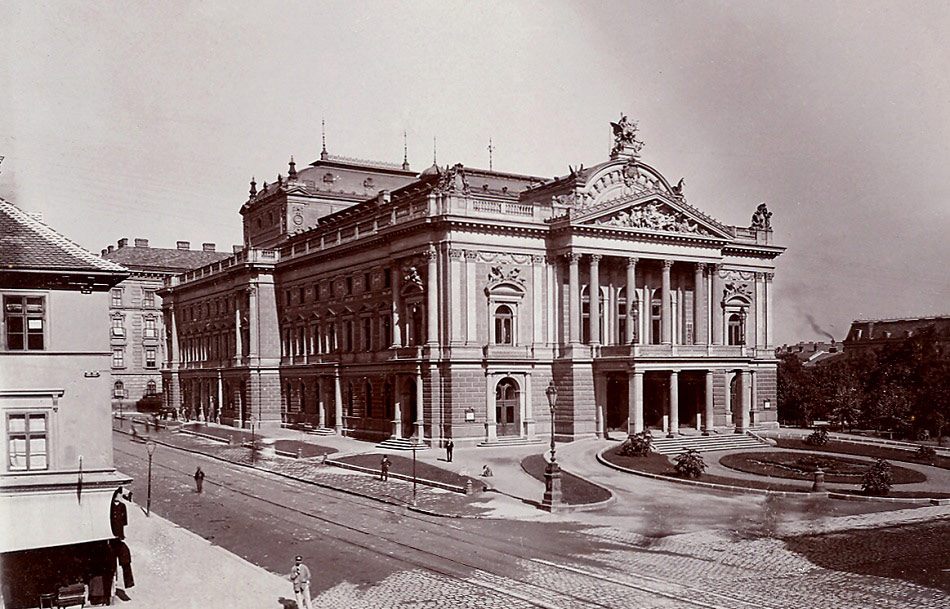
National Theater Brno
Top venue for opera, ballet, and drama.
- Tickets: Vary by performance.
- Website: https://www.ndbrno.cz
Other Notable Sites
- Old Town Hall: Panoramic tower views, Brno Dragon.
- Villa Stiassni: Elegant 1920s villa; tours available.
- Labyrinth under the Cabbage Market: Medieval tunnels.
- Ossuary at St. James: Europe’s second-largest ossuary.
- Brno Zoo, BRuNO Family Park, Brno Dam, Svratka River, and vibrant squares like Freedom Square.
FAQs
Q: Are Juliánov’s public spaces free?
A: Yes, most parks and outdoor areas are freely accessible. Some cultural events may require tickets.
Q: How do I reach Juliánov from Brno center?
A: Take tram line 8 or use buses 44, 45, 58, 74, 75, 78, or 97.
Q: Are guided tours available?
A: Yes, especially through the Brno Architecture Manual and House of Arts. Some tours are available in English.
Q: Is Juliánov accessible for families and people with disabilities?
A: Yes, with accessible transport and family-friendly amenities, though some older buildings may have limitations.
Q: What is the best season to visit?
A: Spring and autumn for festivals, mild weather, and outdoor activities.
Listen to the full story in the app
Your Personal Curator, in Your Pocket.
Audio guides for 1,100+ cities across 96 countries. History, stories, and local insight — offline ready.
Audiala App
Available on iOS & Android
Join 50k+ Curators
Sources
- verified
- verified
- verified
- verified
Last reviewed: