Plan and listen to Zagreb Cathedral with Audiala.
Audio guide in your pocket, itinerary in your browser. Built for the way you actually visit.
Introduction
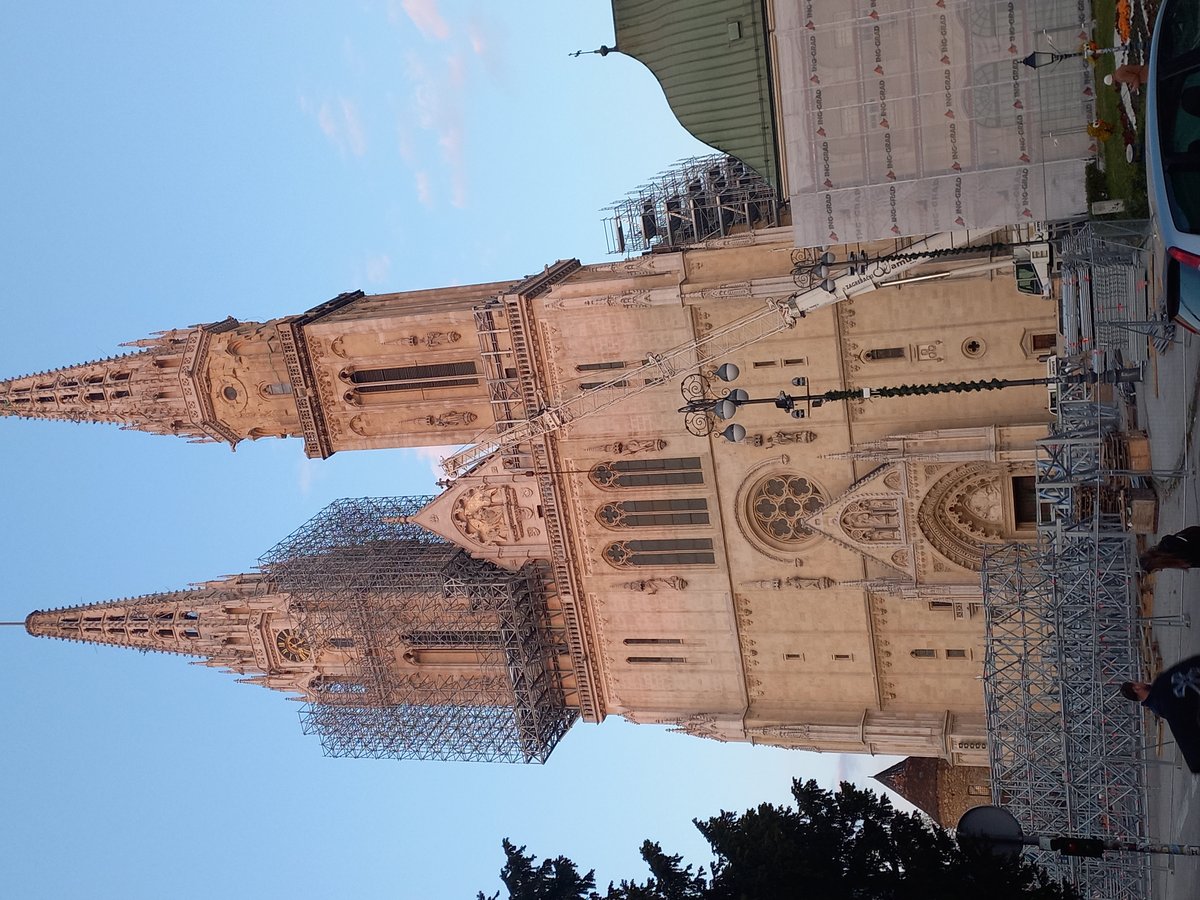
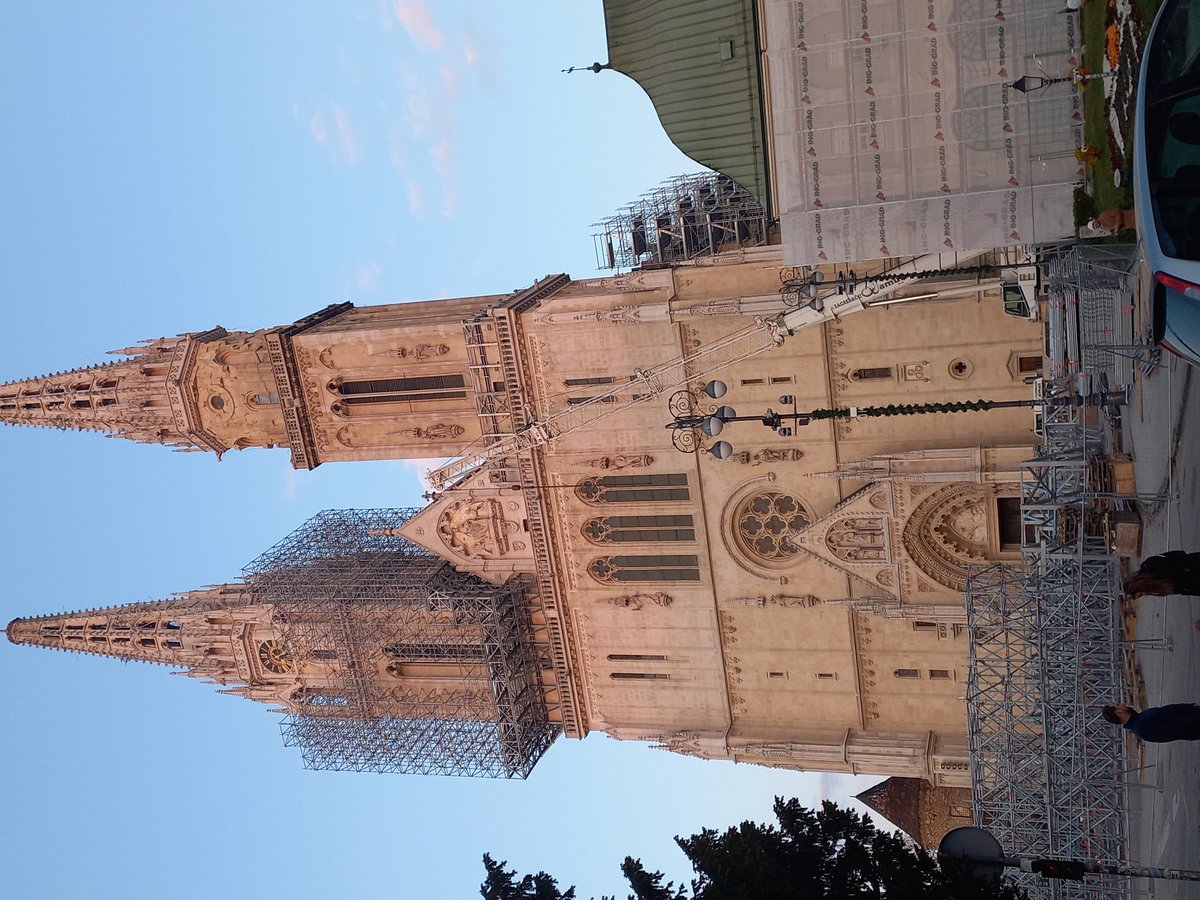
Zagreb Cathedral, officially named the Cathedral of the Assumption of the Blessed Virgin Mary, is not only the tallest building in Croatia but also a powerful symbol of the nation's cultural heritage, religious devotion, and architectural splendor. With its iconic twin spires soaring above the Kaptol district, the cathedral is both a spiritual center and a living museum, offering visitors a window into over nine centuries of Croatian history. Whether you are an architecture enthusiast, a history lover, or a spiritual seeker, this guide provides all the essential details on visiting hours, tickets, accessibility, notable features, and nearby attractions to help you make the most of your Zagreb experience (mexicohistorico.com; croatia2go.com; radiozagreb.com).

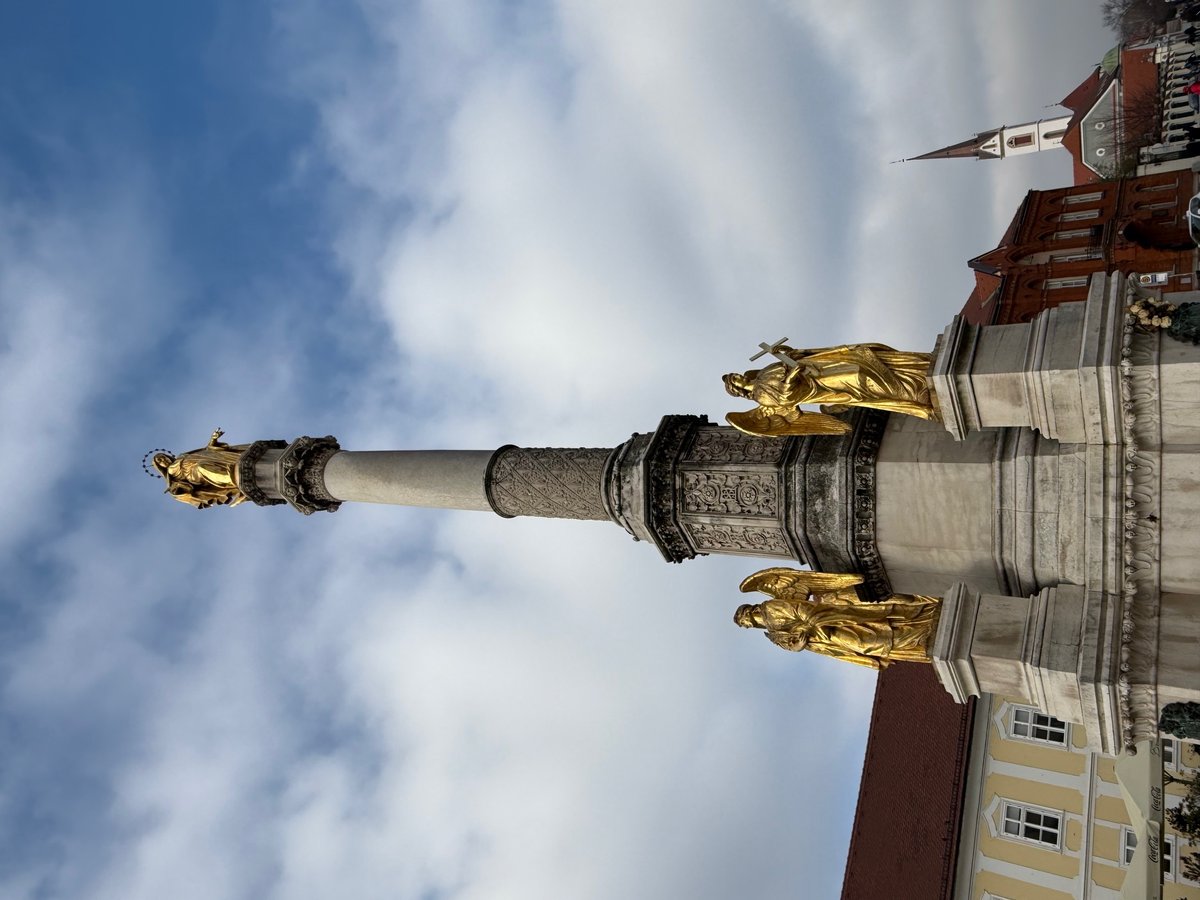
History and Architectural Evolution
Early Origins
Zagreb Cathedral’s origins trace back to 1093, when King Ladislaus I of Hungary established the Zagreb diocese and the first Romanesque basilica dedicated to St. Stephen, King of Hungary. Over the next centuries, the cathedral was repeatedly rebuilt and fortified in response to invasions, fires, and particularly the Mongol invasion of 1242, which left it in ruins. The subsequent reconstruction incorporated defensive features, underscoring the cathedral’s dual role as both spiritual sanctuary and fortress (mexicohistorico.com; radiozagreb.com).
Gothic and Neo-Gothic Transformation
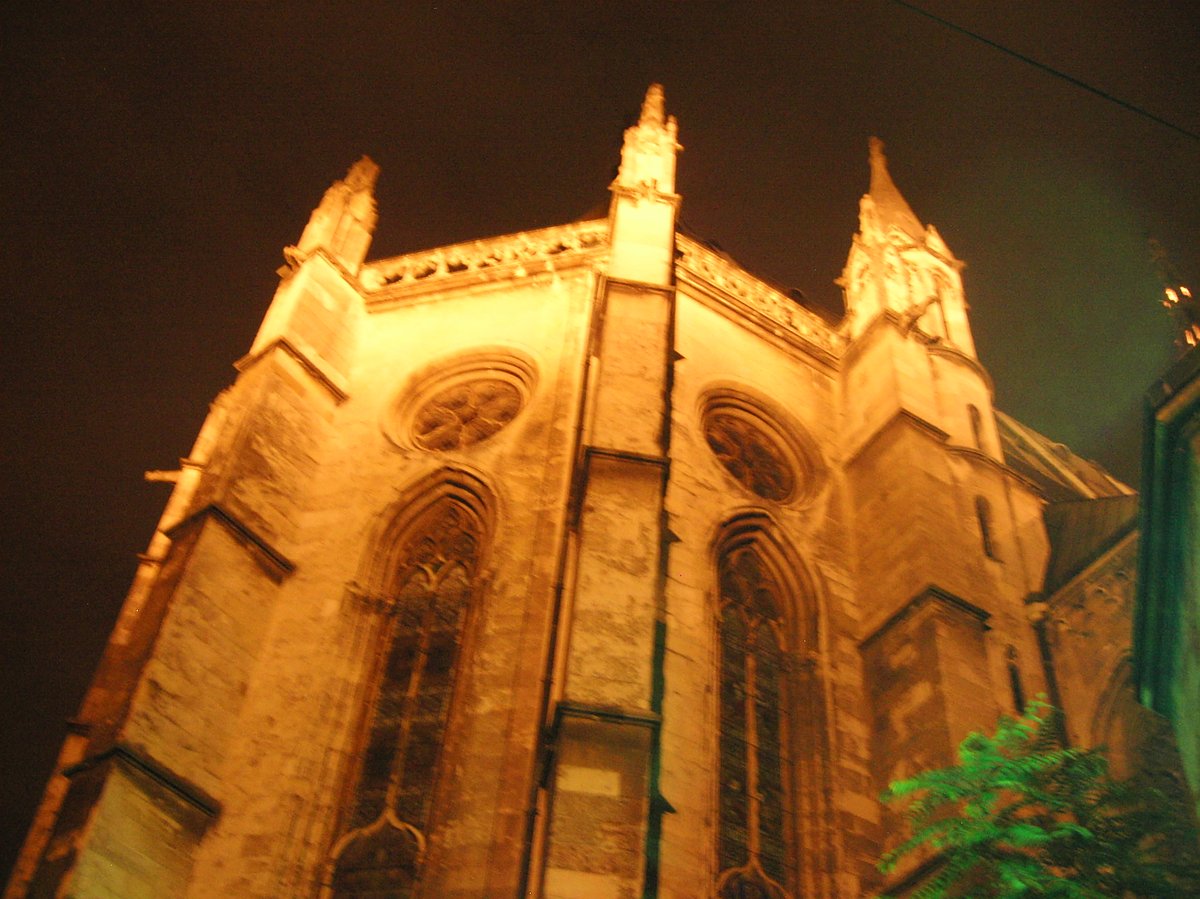
By the 13th and 14th centuries, the cathedral adopted its defining Gothic character—pointed arches, ribbed vaults, flying buttresses, and an expansive nave—reminiscent of the grand cathedrals of France and Germany. The construction and embellishment continued over centuries, culminating in the addition of the iconic spires.
The catastrophic earthquake of 1880 led to extensive damage, including the collapse of the original spires. The subsequent restoration, directed by architect Hermann Bollé, transformed the cathedral into a masterpiece of Neo-Gothic design, complete with towering spires and ornate stonework that define its present silhouette (radiozagreb.com).
Recent Restoration
The 2020 earthquake again caused significant damage, reducing the spires’ height and prompting ongoing restoration efforts. The commitment to preserving this national treasure is evident through scientific collaboration and innovative conservation techniques (croatiaweek.com).
Cultural and Religious Significance
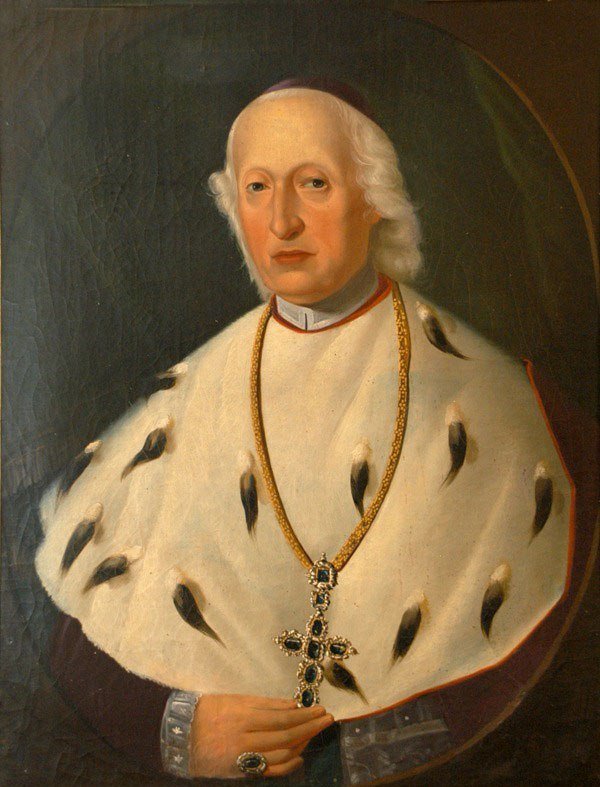
Zagreb Cathedral is the seat of the Archbishop of Zagreb and is regarded as the “mother of all Croatian churches.” It has hosted pivotal national and religious events—royal ceremonies, state funerals, and celebrations of independence—and remains a focal point for major Catholic festivals such as Christmas, Easter, and the Assumption of Mary (croatia2go.com; lovezagreb.hr).
The tomb of Cardinal Alojzije Stepinac, a revered figure in Croatian Catholicism, is a significant pilgrimage site, emphasizing the cathedral’s role as a guardian of national memory and spiritual life.
Architectural and Artistic Highlights
Exterior Features
- Twin Spires: At 108 meters high prior to recent restoration, these spires are the tallest in Croatia and a landmark visible throughout Zagreb (infozagreb.hr).
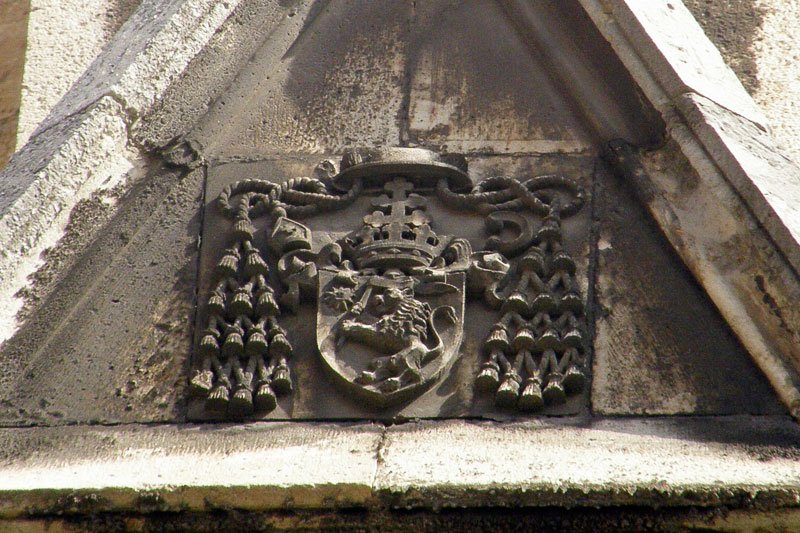
- Facade: Adorned with statues and intricate stone carvings, telling biblical and historical narratives.
- Fortifications: Remnants of 16th-century defensive walls and towers, integrated into the cathedral grounds (balkansontheroad.com).
Interior Features
- Nave and Vaults: Spacious and luminous, with cross-ribbed vaults and neo-Gothic pillars (zg-nadbiskupija.hr).
- Stained Glass: Some of Croatia’s oldest and most vibrant stained glass windows, depicting biblical scenes and national motifs.
- Altars: Thirty-two altars, predominantly in neo-Gothic style, with the main altar dedicated to the Assumption of Mary.
- Organ: One of the world’s largest, with over 6,000 pipes, central to the cathedral’s renowned music festivals (nomadicmatt.com).
- Crypt and Tombs: Burial site of Cardinal Stepinac and other notable Croatian figures.
Artistic Treasures
The treasury contains medieval manuscripts, liturgical vestments, reliquaries, and sacred artworks, representing centuries of religious and national heritage (croatia2go.com).
Visiting Hours, Tickets, and Accessibility
Visiting Hours (as of June 2025)
- Monday to Saturday: 10:00 AM – 5:00 PM
- Sunday: 1:00 PM – 5:00 PM
Hours may vary during religious services, special events, or ongoing restoration. Always verify the latest schedule on the official website (Charge the Globe; Holidify).
Tickets and Entry
- General Admission: Free
- Donations: Encouraged at on-site donation boxes to support preservation (Charge the Globe).
- Special Areas: Access to the treasury or crypt may require a ticket or participation in a guided tour (nomadicmatt.com).
- Guided Tours: Bookable through the cathedral or local agencies; recommended for a deeper experience.
Accessibility
- Wheelchair Access: Available at the main entrance; assistance can be arranged in advance.
- Facilities: No restrooms inside; nearby cafes and public facilities are available.
- Gift Shop: No dedicated shop, but religious souvenirs are sold nearby.
Visitor Etiquette and Practical Tips
- Dress Code: Modest attire required; cover shoulders and knees, and remove hats inside.
- Behavior: Maintain silence and respect, especially during services.
- Photography: Allowed without flash or tripods, except during worship or in sensitive areas (Charge the Globe).
- Best Time to Visit: Early mornings or late afternoons on weekdays to avoid crowds.
Duration: Most visitors spend 30–60 minutes; allow more time for guided tours or art appreciation (TripHobo).
Nearby Attractions and Suggested Itineraries
Located in the heart of Zagreb, the cathedral is a perfect starting point for exploring other historical and cultural landmarks:
- Dolac Market: Colorful farmers market ideal for tasting local produce (Treksplorer).
- Tkalčićeva Street: Lively area with cafes, bars, and boutiques.
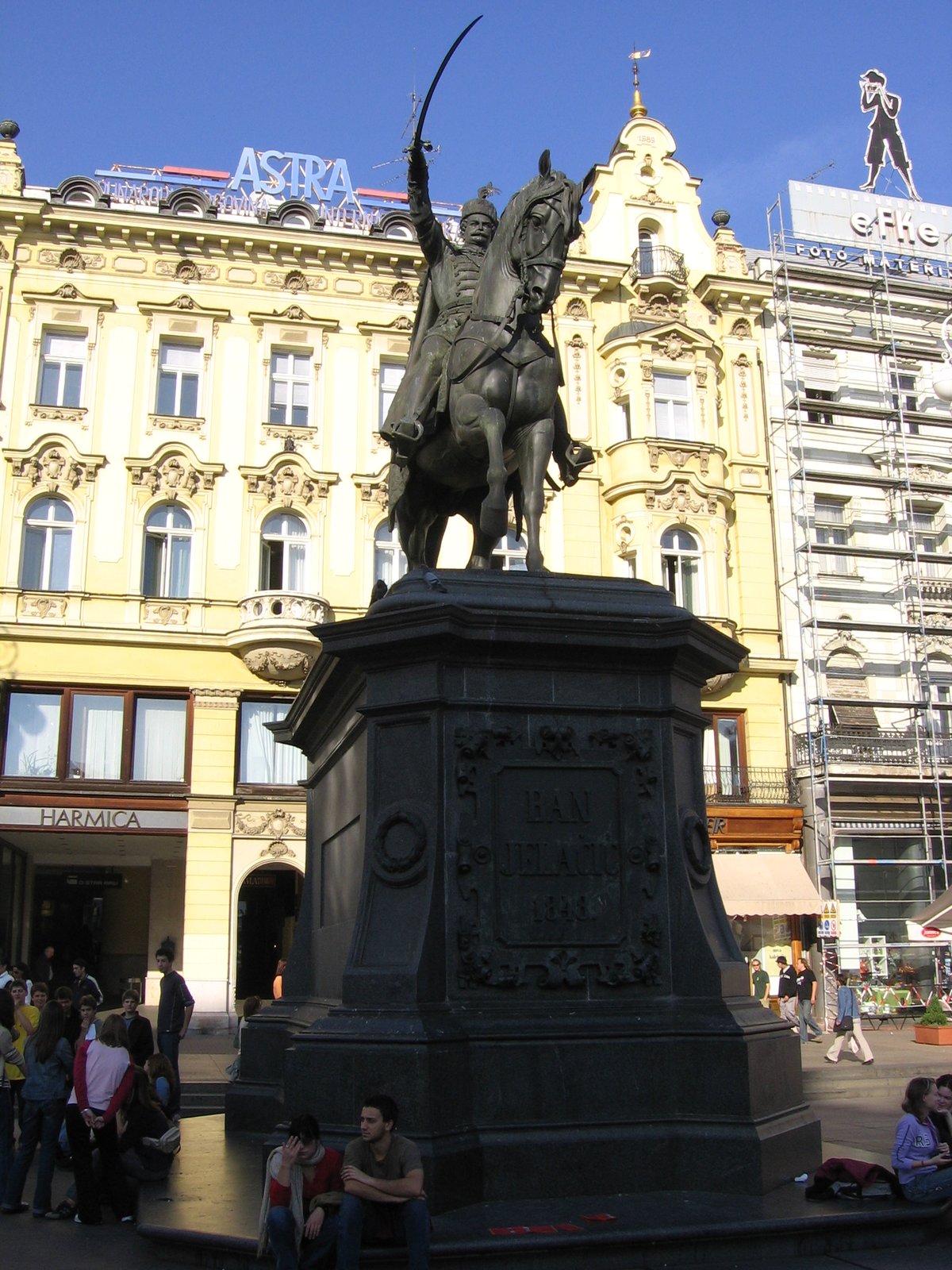
- Ban Jelačić Square: Central city hub and transport intersection.
- Stone Gate: Historic city gate and shrine.
- Kaptol Square & Archbishop’s Palace: Adjacent historical sites.
Suggested Half-Day Itinerary:
Morning visit to the cathedral → Stroll through Dolac Market → Lunch on Tkalčićeva Street → Explore Ban Jelačić Square and Stone Gate for a full Zagreb historical experience.
Frequently Asked Questions (FAQ)
Q: What are Zagreb Cathedral’s visiting hours?
A: Monday–Saturday 10:00 AM–5:00 PM; Sunday 1:00 PM–5:00 PM. Hours may change during special events or restoration.
Q: Is there an entrance fee?
A: Entry is free; donations are encouraged. Guided tours and special area access may require a ticket.
Q: Is the cathedral wheelchair accessible?
A: Yes, via the main entrance. Contact in advance for assistance.
Q: Can I take photos inside?
A: Yes, but without flash or tripods and not during religious services.
Q: Are guided tours available?
A: Yes, and highly recommended for historical and artistic insights.
Q: Are there restrooms or a gift shop inside?
A: No, but facilities and souvenir shops can be found nearby.
Listen to the full story in the app
The whole Zagreb Cathedral,
told well.
Listen to sourced travel stories with local history and practical context — ready offline.
Verified, and shown.
Researched and written by the Audiala editorial team from historical records, architectural archives, and local expertise.
Built from cited sources · see the method · How we make our guides →