Plan and listen to Strossmayer Gallery Of Old Masters with Audiala.
Audio guide in your pocket, itinerary in your browser. Built for the way you actually visit.
Introduction
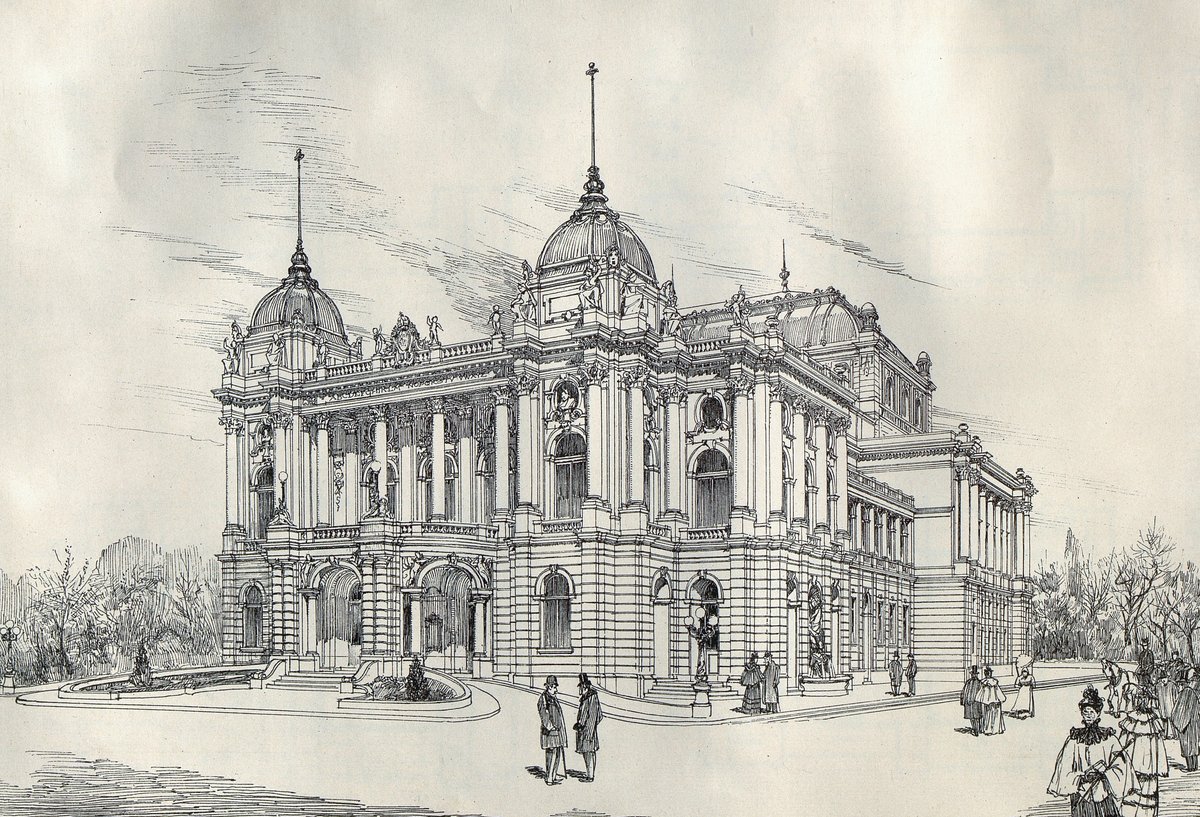
Nestled in the heart of Zagreb, Croatia, the Strossmayer Gallery of Old Masters stands as a monumental cultural landmark, offering a window into European art history. Founded in the late 19th century by Bishop Josip Juraj Strossmayer, the gallery was envisioned as both an educational institution and a treasury of artistic heritage. Its collection, spanning from the 10th to the 19th centuries, features masterpieces by Italian, Flemish, Dutch, Central European, and Croatian artists. Housed in the neo-Renaissance Croatian Academy of Sciences and Arts palace, the gallery continues to champion public education, cultural dialogue, and national pride. Though currently closed for restoration following earthquake damage, it remains central to any cultural itinerary in Zagreb, surrounded by other historical sites such as Ban Jelačić Square and Zrinjevac Park. For the latest information about tickets, accessibility, and visiting tips, consult the official gallery resources. (Strossmayer Gallery History, Croatian Academy of Sciences and Arts, HAZU Info)

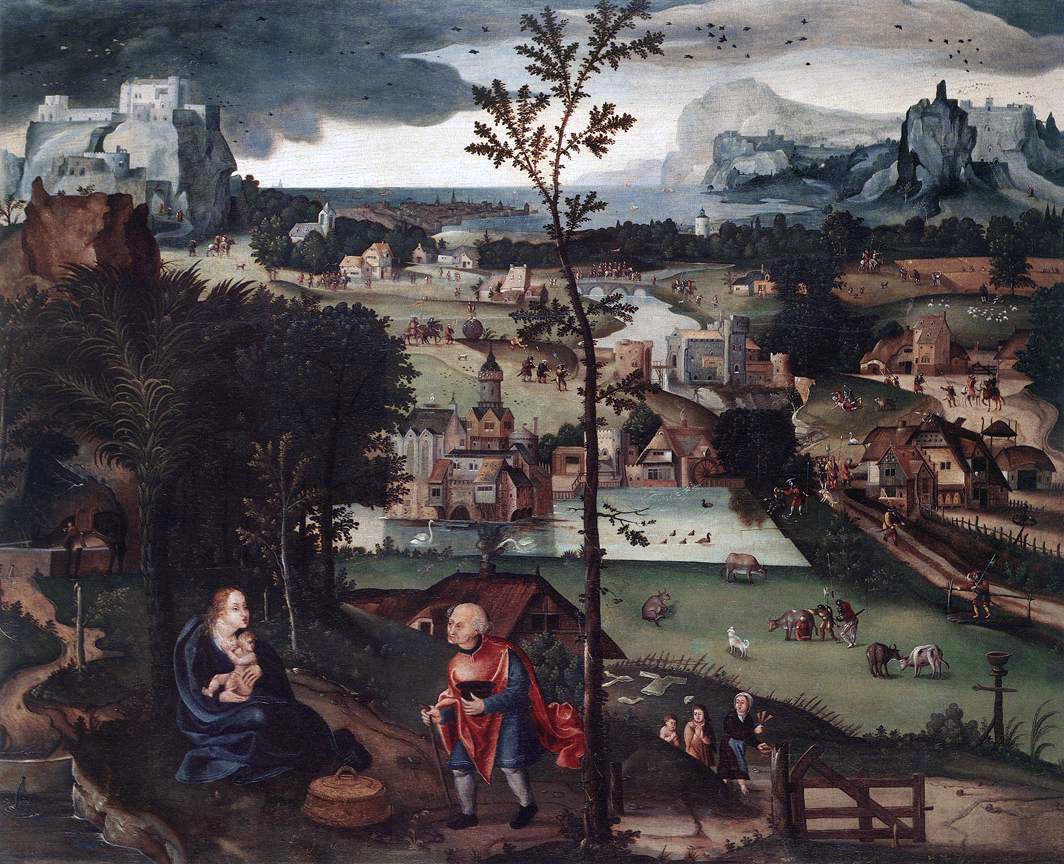
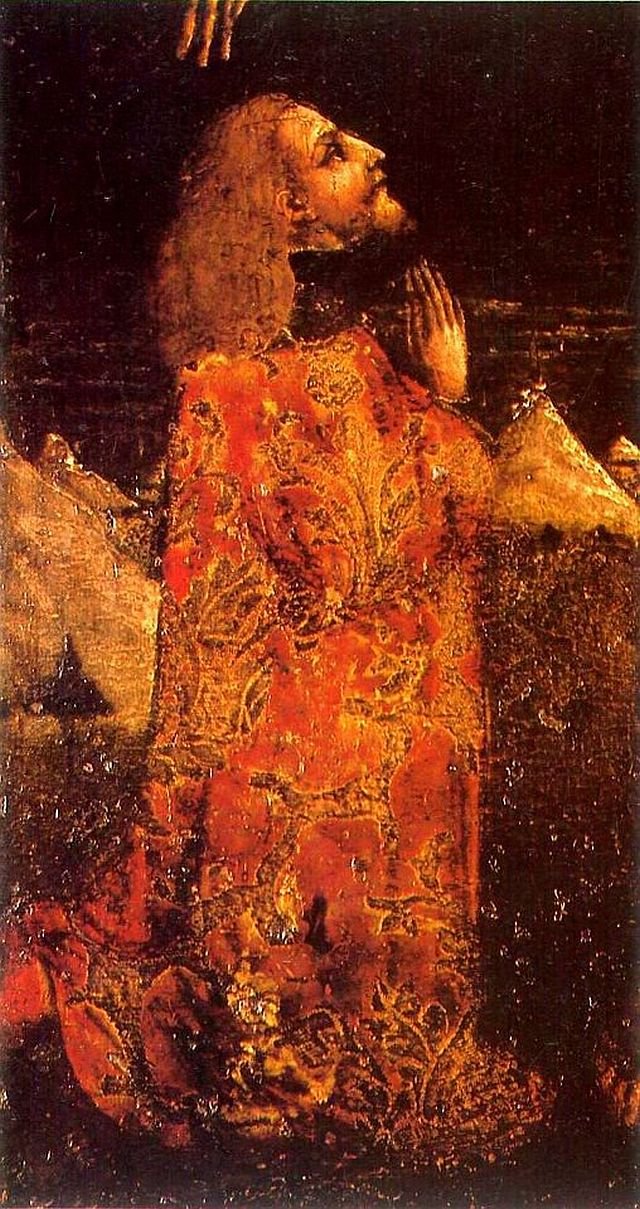
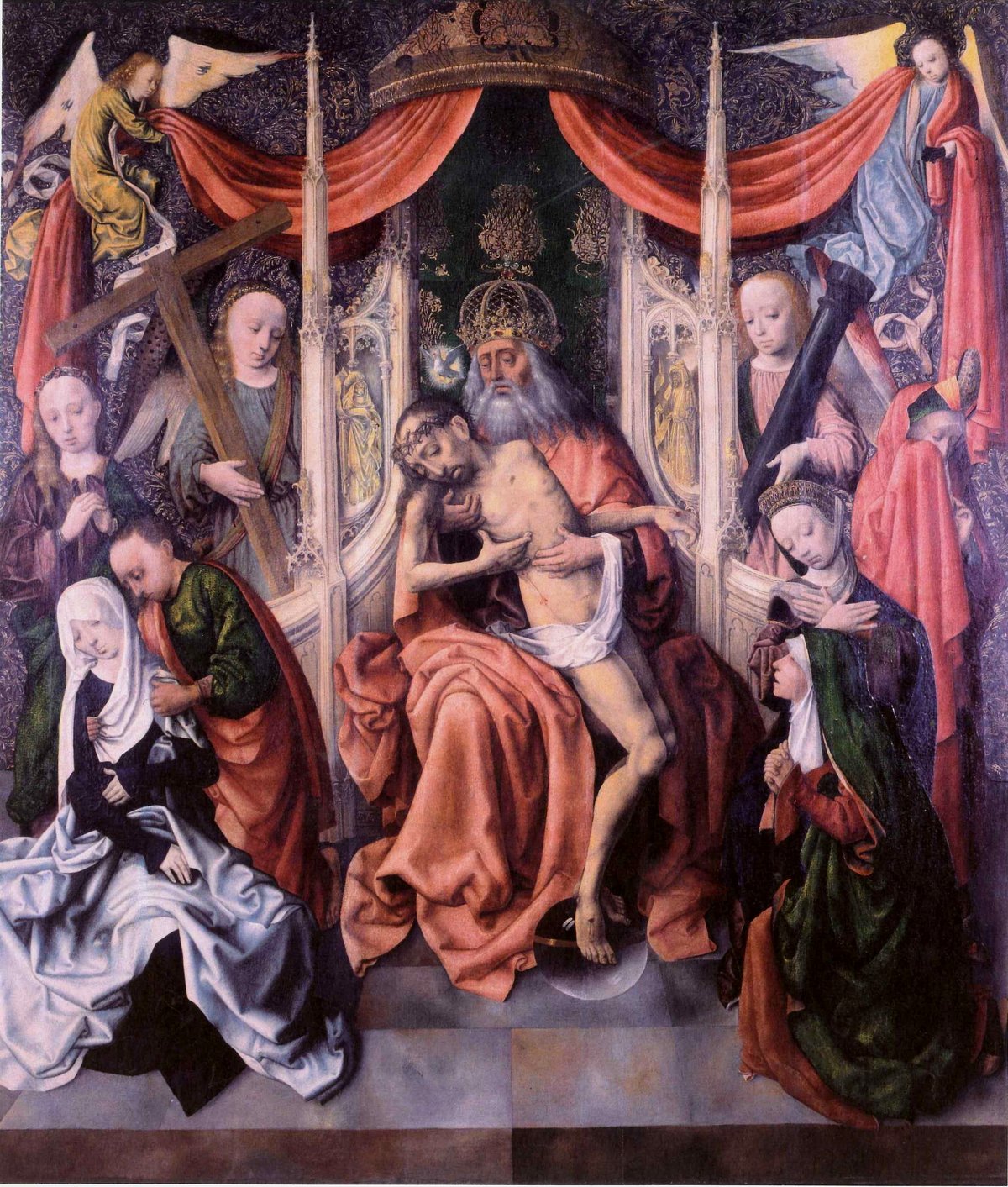
Bishop Josip Juraj Strossmayer’s Vision and the Gallery’s Educational Mission
The genesis of the Strossmayer Gallery lies in the 19th-century vision of Bishop Josip Juraj Strossmayer, a prominent Croatian cleric and arts patron. Recognizing art’s power to educate and inspire, Strossmayer began collecting works for his palace in Đakovo. His ambition soon outgrew personal interests—he aspired to offer his people a museum that would enrich their hearts and cultivate artistic taste (Strossmayer Gallery History).
On March 25, 1875, Strossmayer formalized the donation of his collection to the Academy of Sciences and Arts, hoping to inspire “friends of art and the widening of good taste among the public” and support academic pursuits, including art history scholarship. This mission—to instill new thought and appreciation for art—remains at the gallery’s core today.
Planning, Construction, and Organization
To house the growing collection, Strossmayer funded the construction of a new palace for both the gallery and the Academy. The collaborative design process, involving painter Ferd Quiquerez and scholars like Izidor Kršnjavi, produced an elegant neo-Renaissance building in central Zagreb (Gallery Construction).
Izidor Kršnjavi, Croatia’s first locally trained art historian, played a pivotal role as curator. He organized the paintings by school and period, creating thematic units with careful attention to lighting and visitor engagement (Founding Circle). His innovative gallery layout—assisted by his apprentice Ćiro Truhelka—traced the evolution of European painting from Byzantine icons to the threshold of modernity.
Transferring the collection from Đakovo to Zagreb involved logistical challenges, including transport delays and the need to prioritize particularly valuable works (Transfer Challenges). Strossmayer’s personal oversight ensured the collection’s safety and financial security for the Academy.
The Gallery’s Cultural Role in Croatia
The opening of the Strossmayer Gallery marked a turning point in Croatian cultural history. It established Zagreb as a center of art and scholarship and laid the foundation for art history as an academic discipline in Croatia. By making his collection public, Strossmayer reinforced national pride and continuity, positioning the gallery as a cornerstone of Croatian identity (Cultural Significance).
Collection Highlights: Italian, Flemish, Dutch, Central European, and Croatian Art
Origins and Development
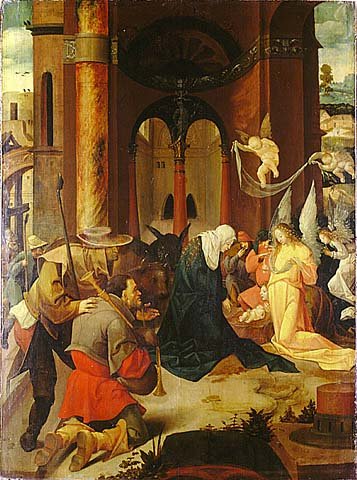
Since its founding in 1884, the gallery has grown from Strossmayer’s initial 250 works—primarily Italian Renaissance and Baroque masterpieces—to more than 600 pieces spanning the 14th to 19th centuries, thanks to further donations and acquisitions (Strossmayer Gallery, HAZU).
Italian Renaissance and Baroque
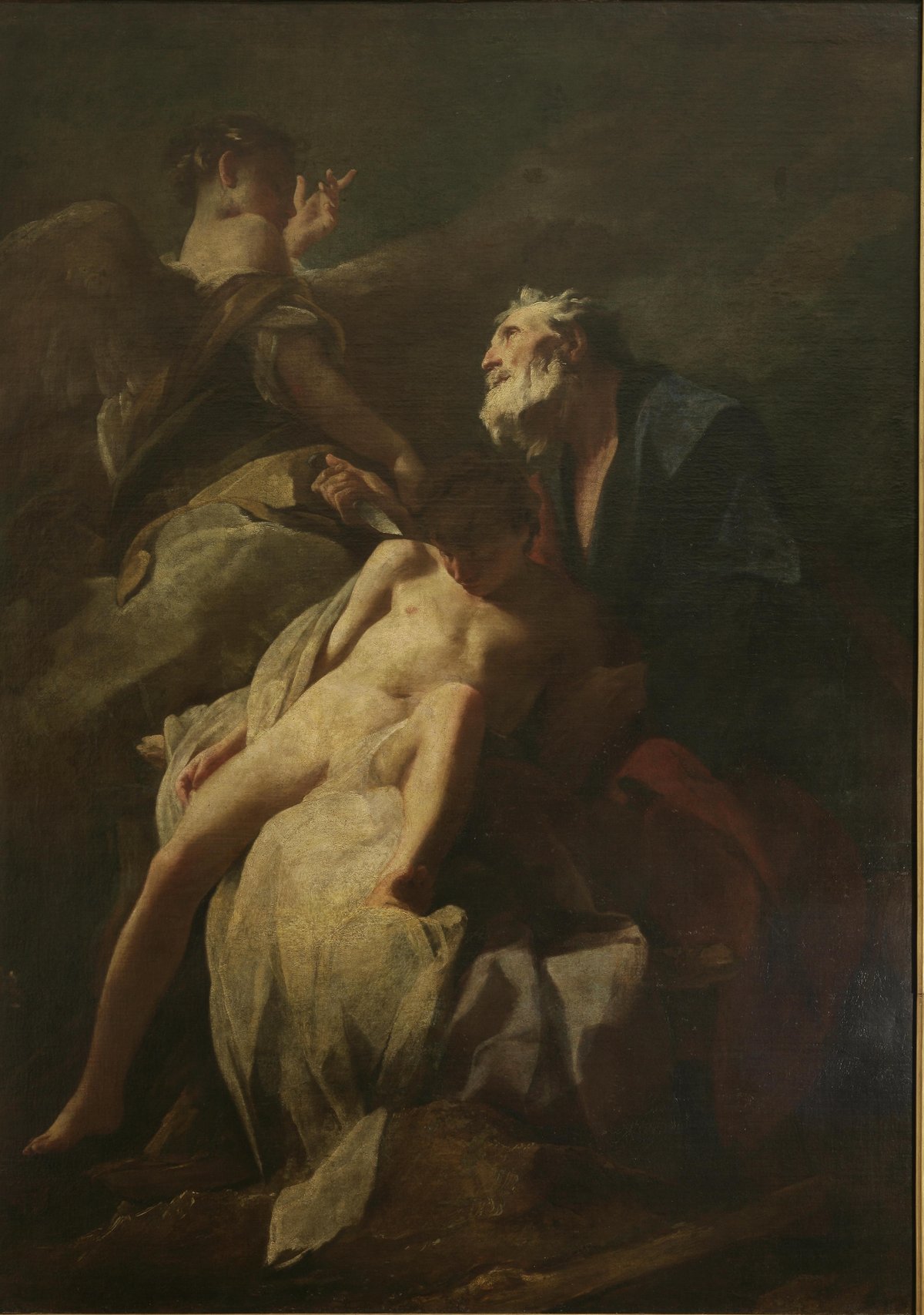
The Italian collection features the “Madonna and Child” by Lorenzo Lotto, works by Paolo Veneziano, Jacopo Palma il Giovane, and the emotionally charged “Ecce Homo” by Andrea del Sarto. Paintings by Barocci and Dolci showcase the transition from Renaissance harmony to Baroque drama (Lotto at Strossmayer Gallery).
Flemish and Dutch Schools
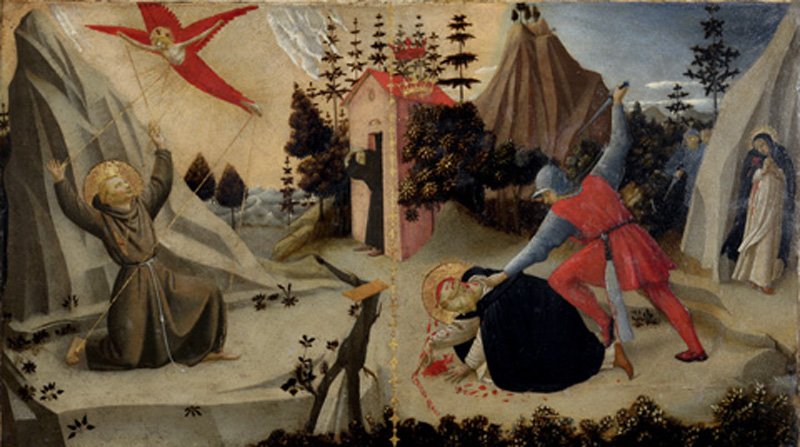
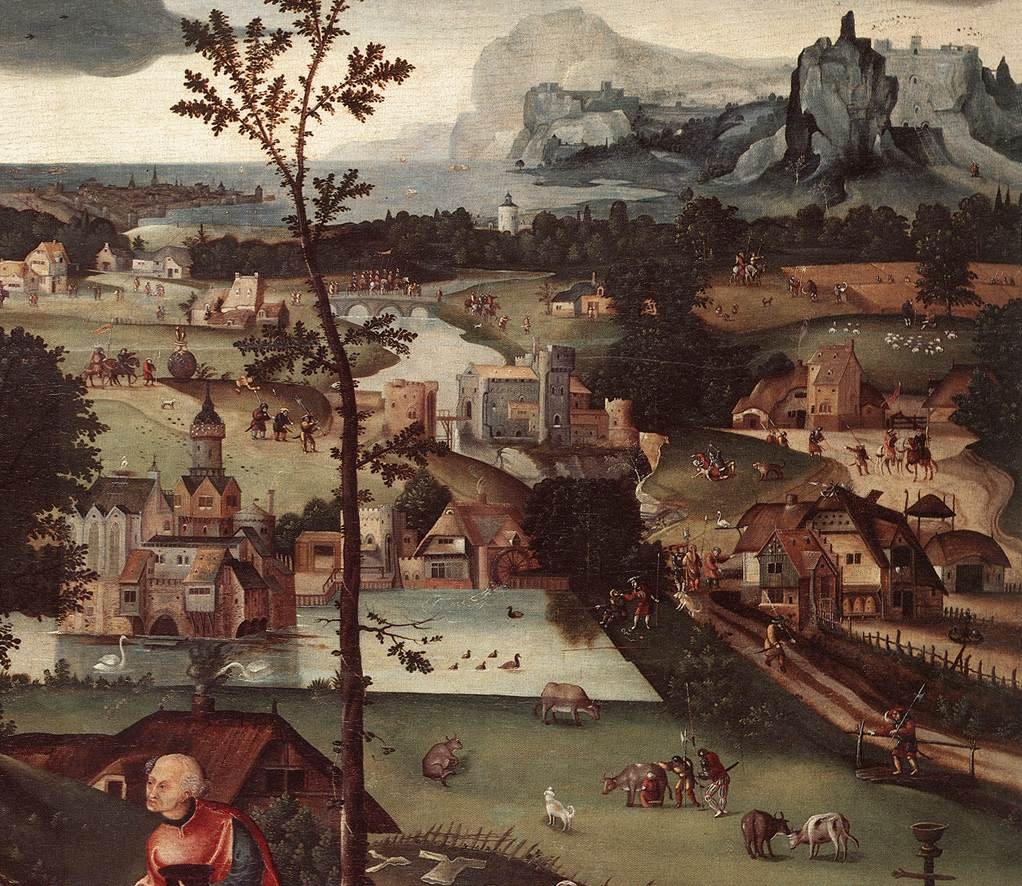
Flemish masterpieces include Peter Paul Rubens’ “Saint Francis Receiving the Stigmata” and landscapes by Jan Brueghel the Elder, exemplifying the vitality and inventiveness of 16th- and 17th-century Flemish art (Rubens at Strossmayer Gallery). Dutch Golden Age artists like Jan Steen and Nicolaes Maes offer genre scenes and portraits with keen realism and social detail.
Central European and Croatian Artists
Works by Lucas Cranach the Elder, such as “Portrait of a Woman,” display the finesse of German Renaissance painting (Cranach at Strossmayer Gallery). Croatian masters like Federiko Benković and Celestin Medović document the nation’s artistic heritage and dialogue with European styles.
Thematic and Stylistic Diversity
The gallery’s holdings span religious art, portraiture, genre scenes, landscapes, and still lifes, reflecting centuries of artistic innovation and the evolution of European visual culture.
Visitor Experience: Hours, Tickets, Accessibility, and Practical Tips
Current Status and Visiting Hours
As of June 2025, the gallery remains closed for restoration due to earthquake damage. Check the official gallery website for reopening updates.
Usual visiting hours prior to closure:
- Monday to Friday: 10:00 AM – 5:00 PM
- Saturday: 10:00 AM – 1:00 PM
- Sunday and public holidays: Closed
Tickets and Admission
- Adults: 30 HRK
- Students/Seniors: 15 HRK
- Children under 7: Free
Tickets are available at the entrance and often online. Always verify current prices and options on the official website or WhichMuseum.
Accessibility
- Wheelchair accessible entrance and gallery space
- Elevator availability may vary; contact the gallery for up-to-date accommodations
- Exhibit signage in Croatian, with English translations for key works
- Audio guides and guided tours available in multiple languages
Facilities and Services
- Cloakroom (limited space)
- Seating within galleries for rest
- Gift shop and catalogues (subject to availability)
- Photography permitted without flash, unless otherwise indicated
Getting There
- Address: Trg Nikole Šubića Zrinskog 11, Zagreb
- Public Transport: Tram lines 6, 11, 12, 13, and 14 stop near Zrinjevac Park
- Parking: Limited; public transport recommended
Nearby Attractions and Travel Advice
Located centrally, the gallery is within walking distance of:
- Archaeological Museum in Zagreb
- Art Pavilion (Umjetnički paviljon)
- Zagreb City Museum
- Museum of Broken Relationships
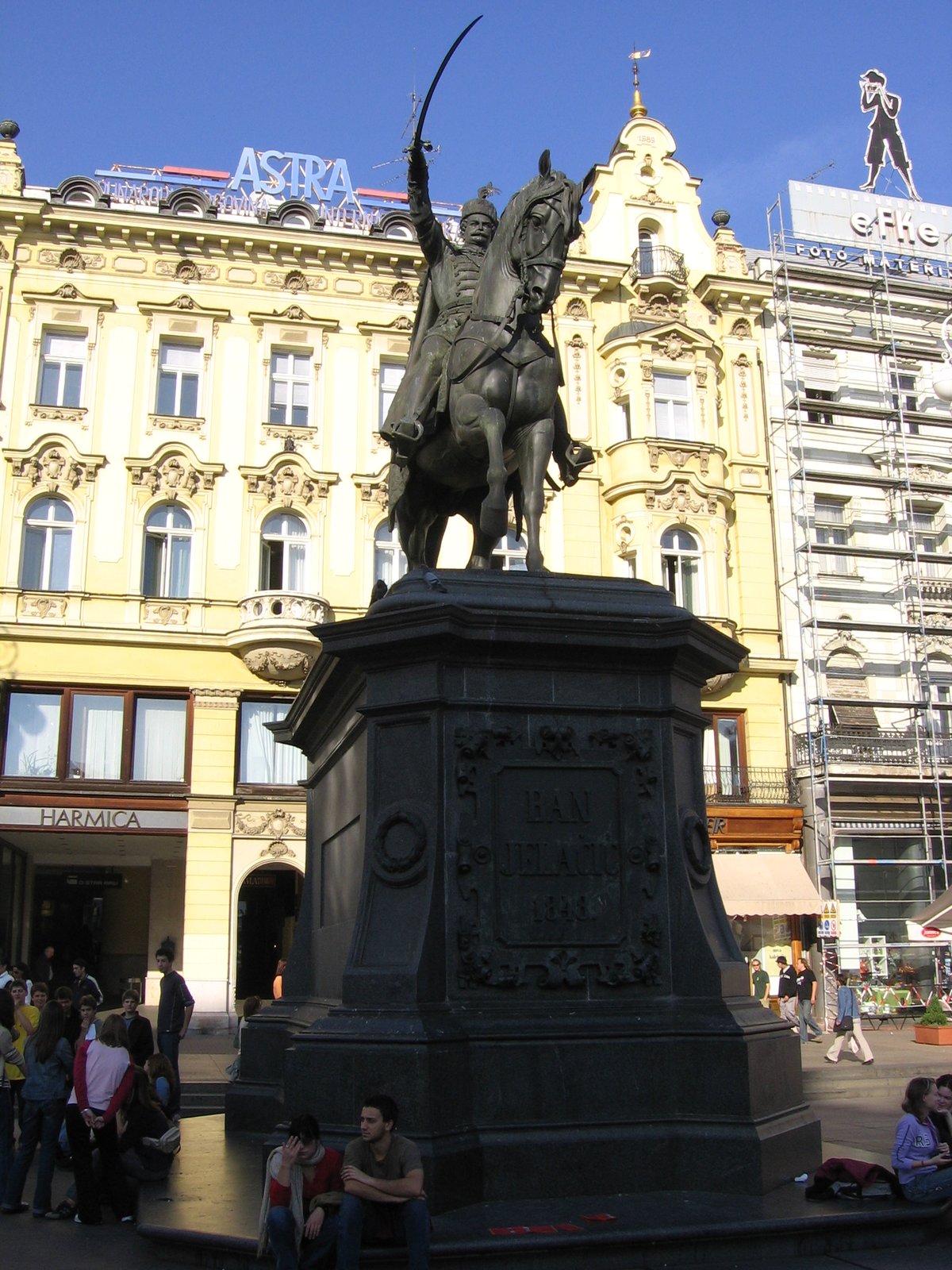
- Ban Jelačić Square and Zrinjevac Park
Combine your visit with these sites for a full day of cultural discovery.
Frequently Asked Questions (FAQ)
Q: Is the Strossmayer Gallery open?
A: No, it is closed for repairs as of June 2025. Check the official gallery website for updates.
Q: How can I buy tickets?
A: Tickets are typically available at the gallery and online. Confirm current purchasing methods before your visit.
Q: Is the gallery wheelchair accessible?
A: Most areas are accessible, but elevator access may be limited due to the historic nature of the building. Contact the gallery for details.
Q: Are guided tours and audio guides available?
A: Yes, guided tours (by appointment) and audio guides (Croatian, English, and other languages) are offered.
Q: Is photography allowed?
A: Non-flash photography is generally permitted, but some restrictions may apply.
Listen to the full story in the app
The whole Strossmayer Gallery Of Old Masters,
told well.
Listen to sourced travel stories with local history and practical context — ready offline.
Verified, and shown.
Researched and written by the Audiala editorial team from historical records, architectural archives, and local expertise.
Built from cited sources · see the method · How we make our guides →