Plan and listen to Sacred Heart Basilica with Audiala.
Audio guide in your pocket, itinerary in your browser. Built for the way you actually visit.
Introduction
The Basilica of the Sacred Heart of Jesus (Bazilika Srca Isusova) stands as a monumental symbol of Zagreb’s religious, cultural, and architectural heritage. As the second largest church in Zagreb and the largest Jesuit church in Croatia, it anchors the city’s Lower Town both spiritually and culturally. This comprehensive guide offers detailed insights into the basilica’s history, architecture, community role, current restoration efforts, and practical advice for visitors—including updated visiting hours, ticketing, accessibility, and tips for exploring nearby attractions.
For real-time updates on restoration and visitor information, consult official Jesuit and tourism websites (Spotting History, InfoZagreb, Jesuits.eu).

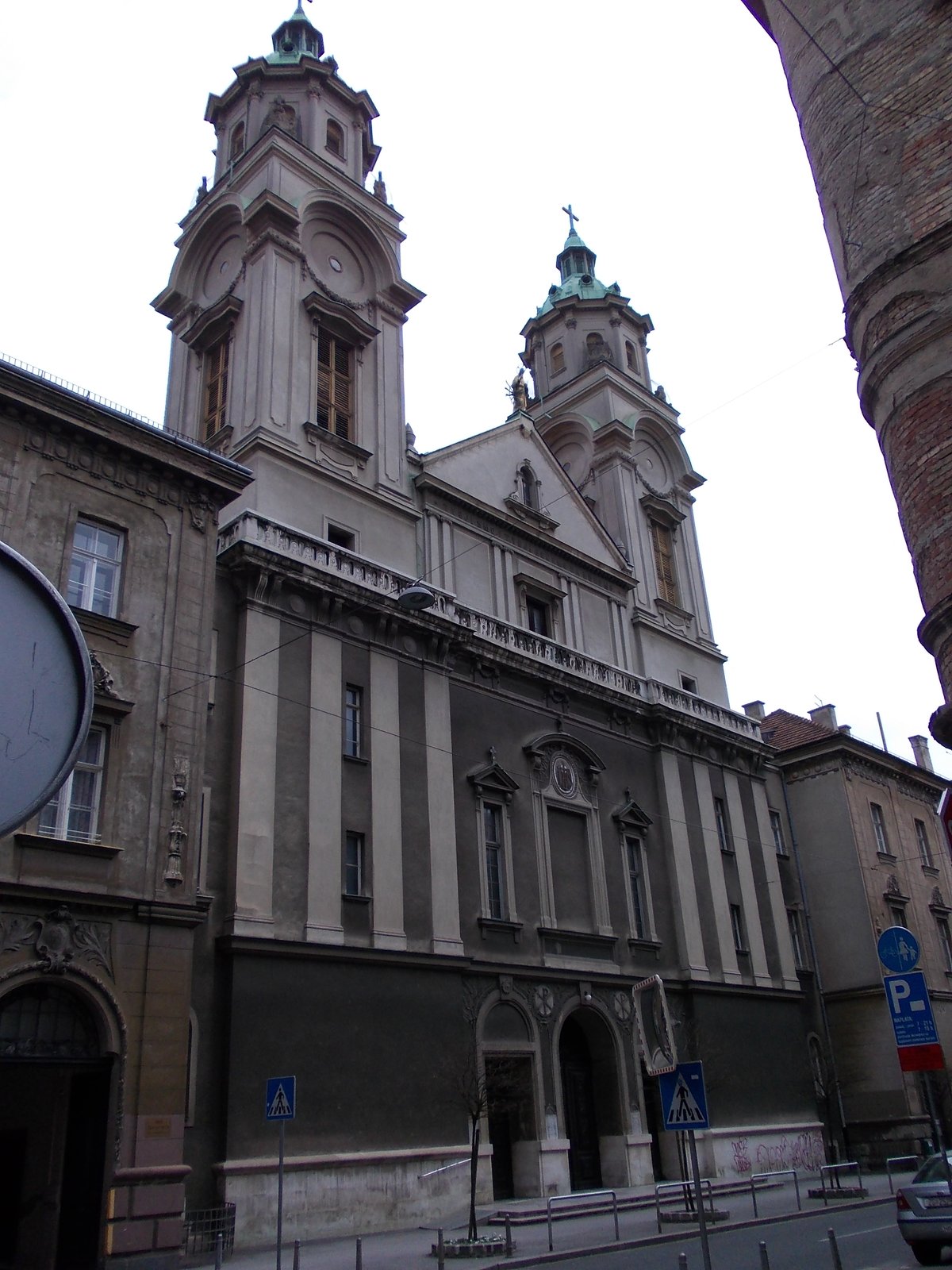
Historical Development and Architectural Features
Origins and Construction
The Jesuit order arrived in Zagreb in 1855, intent on establishing a significant center for worship and education. Initial plans for a grand church began in 1860 under Archbishop Juraj Haulik but were delayed due to political and financial challenges. The vision was revived in the late 19th century with renewed support from Archbishop Juraj Posilović and the acquisition of land on Palmotićeva Street. Architect Janko Holjac designed the basilica in a majestic neo-Baroque style, complemented by neo-Gothic detailing. Construction began in 1901 and was completed in 1902, with the basilica quickly becoming a focal point for both worship and community life (Spotting History, Interkonzalting).
Architectural Highlights
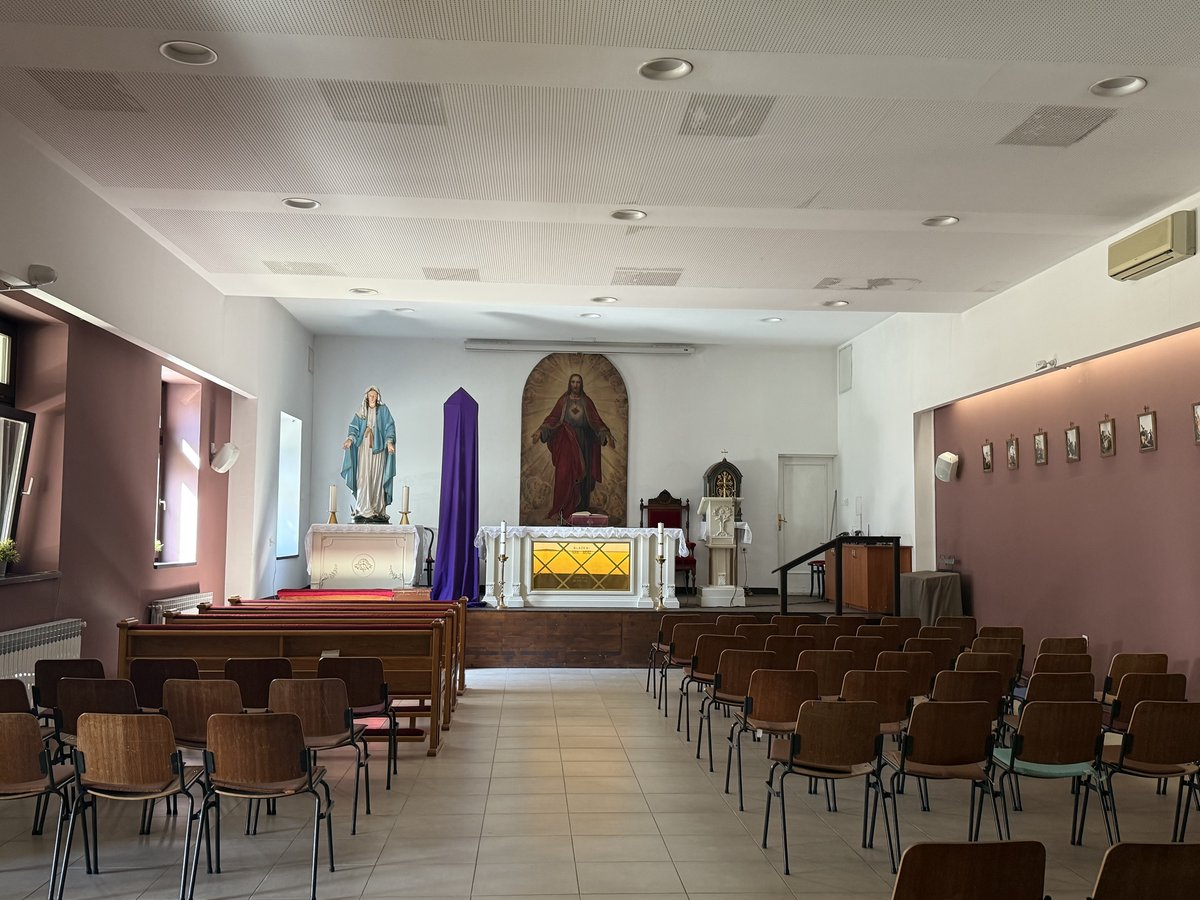
The basilica’s façade displays classic neo-Baroque grandeur—ornate pilasters, a pedimented entrance, and twin towers that rise above Lower Town. Neo-Gothic influences are present in the pointed arches and stained glass windows, which fill the interior with vibrant light. Inside, a spacious nave, vaulted ceilings, marble elements, and an altar dedicated to the Sacred Heart of Jesus create an atmosphere of spiritual elevation and artistic excellence. The main altar, crafted by Hermann Bollé, and the church’s early 20th-century organ are particular highlights (Wikiwand, Evendo).
Status and Community Role
In 1941, Pope Pius XII granted the basilica minor basilica status, recognizing its religious and architectural significance. It has since served as a hub for Jesuit-led spiritual retreats, educational initiatives, and cultural events, reinforcing its place at the heart of Zagreb’s Catholic and civic life (InfoZagreb).
Earthquake Damage and Restoration
The 2020 Earthquakes
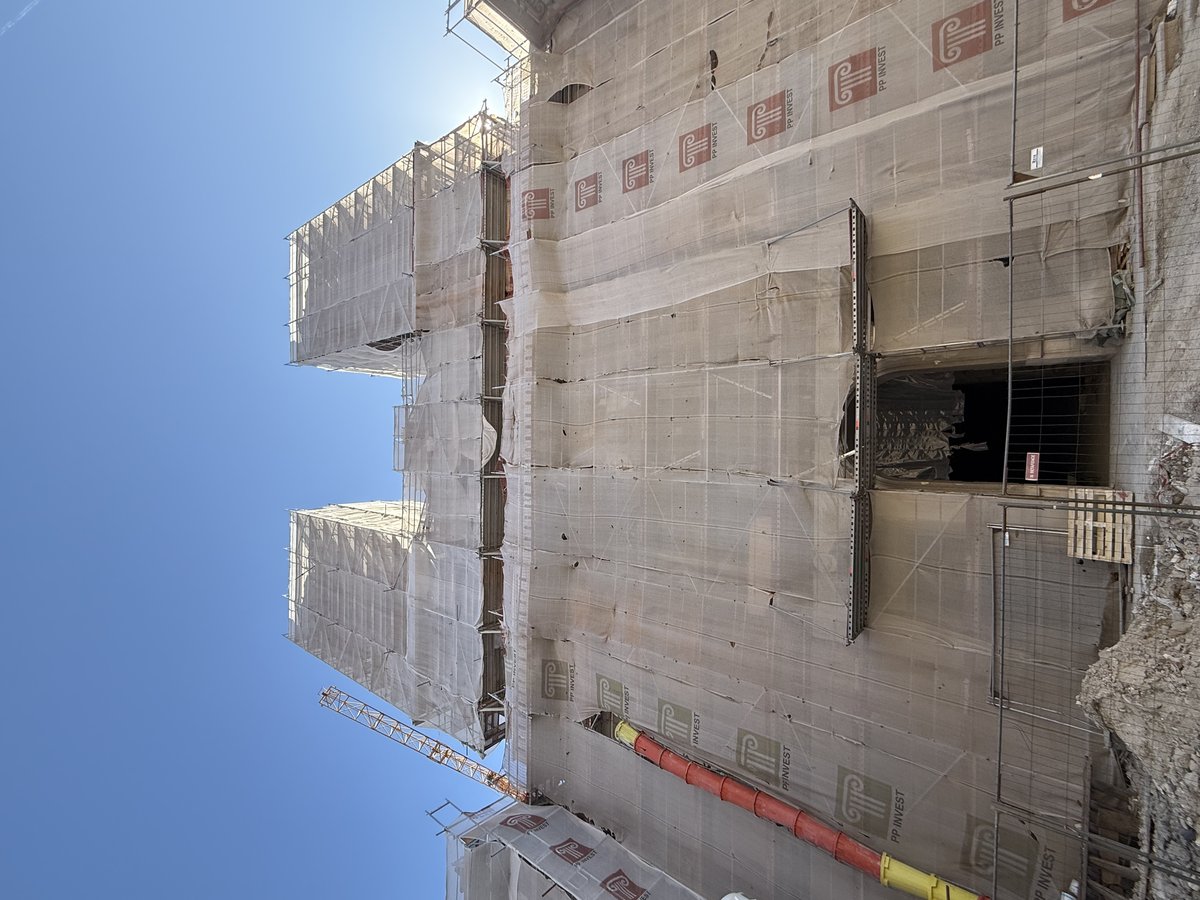
On March 22, 2020, a 5.5-magnitude earthquake struck Zagreb, inflicting severe damage on the Sacred Heart Basilica. The ceiling partially collapsed, damaging the choir, while cracks appeared in the nave, ceiling, and towers. A subsequent earthquake in December compounded the destruction. The broader Jesuit community also faced displacement due to damages in the Sacred Heart Residence and St. Joseph’s College (Jesuits.eu, Isusovci.hr).
Restoration Efforts
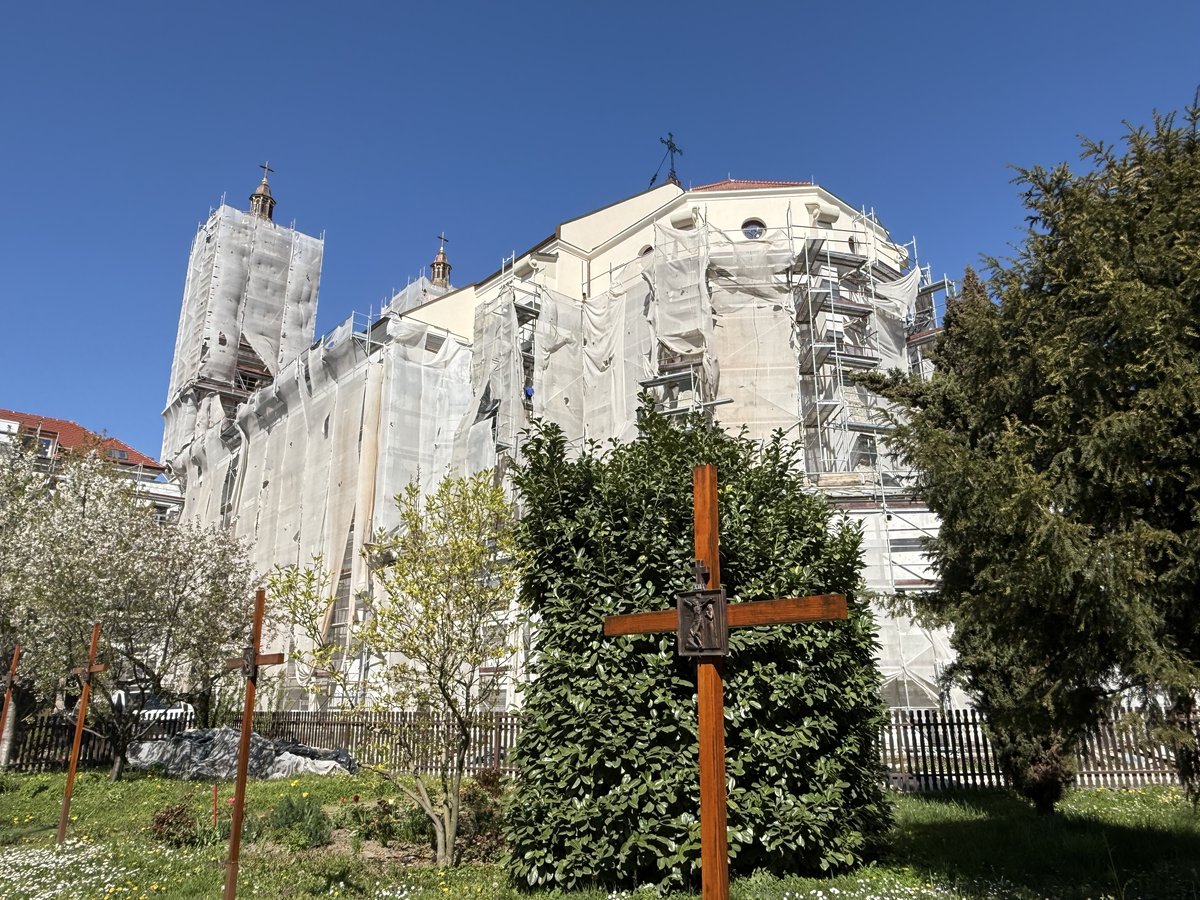
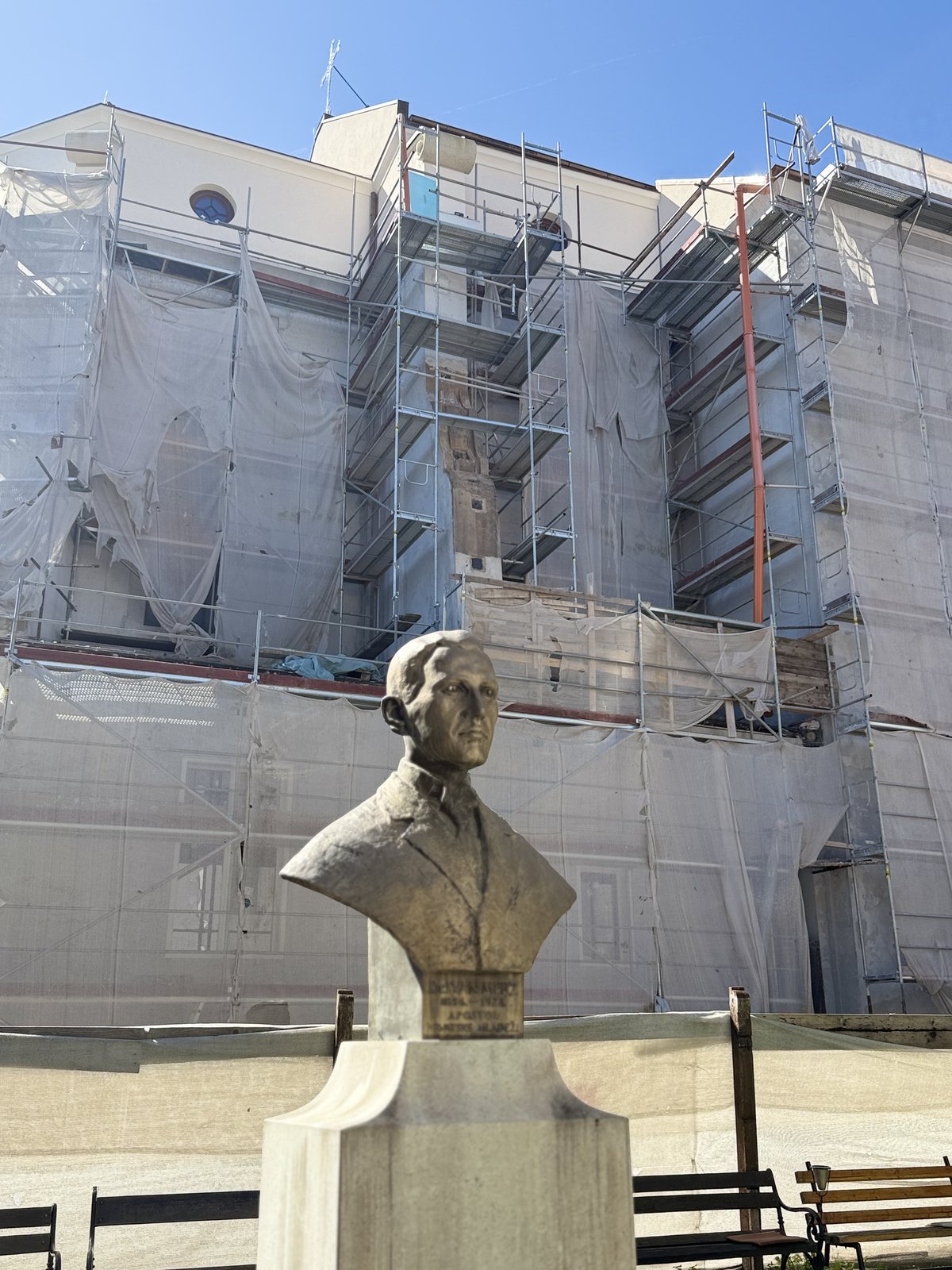
Despite the devastation, there were no injuries among clergy or parishioners. The Jesuit community, supported by local authorities and heritage experts, launched an ambitious restoration project in 2022. Efforts focus on structural stabilization, ceiling and façade reconstruction, stained glass conservation, and the eventual reinstallation of the historic organ. Advanced engineering and conservation techniques are employed to enhance seismic resilience while preserving authenticity (Interkonzalting).
Ongoing renovations mean certain areas may be inaccessible, but the basilica remains open for worship and visitation. Restoration updates are regularly provided on official platforms.
Visiting Information: Hours, Tickets, Accessibility
Visiting Hours
- Monday to Saturday: 7:00 AM – 7:00 PM
- Sundays and Public Holidays: 7:00 AM – 8:00 PM
- Tourist Visits: General access is available from 9:00 AM to 6:00 PM, with variations during special events or religious holidays.
Admission and Donations
- Entry is free. Donations are gratefully accepted, especially to support ongoing restoration.
Accessibility
- Wheelchair access with ramps at the main entrance and accessible restrooms.
- Flat, pedestrian-friendly streets around the basilica.
- For the latest updates on access, consult the official parish or Jesuit websites (InfoZagreb, Evendo).
Guided Tours, Special Events, and Visitor Etiquette
Guided Tours
- Group and individual tours are available by advance booking via the parish office ([email protected] or +385 1 1234 567).
- Informational signage and brochures are provided for self-guided visits.
- Tours offer insights into the basilica’s history, architecture, and Jesuit heritage.
Special Events
- Feast of the Sacred Heart (June): Major liturgical celebrations and processions.
- Advent and Christmas: Organ concerts, nativity displays, and festive services.
- Cultural Events: The basilica participates in citywide events, including the Night of the Museums (Visit Croatia).
Visitor Etiquette
- Dress modestly (shoulders and knees covered).
- Maintain silence, especially during worship.
- Photography: Permitted outside services; avoid flash and tripods.
Nearby Attractions and Travel Tips
Location
- Address: Palmotićeva ul. 31, Lower Town, Zagreb
- Access: Short walk from Ban Jelačić Square; served by tram lines 4, 7, and 11.
Nearby Sights
- Zagreb Cathedral: Iconic twin spires, rich Gothic architecture (Framey.io).
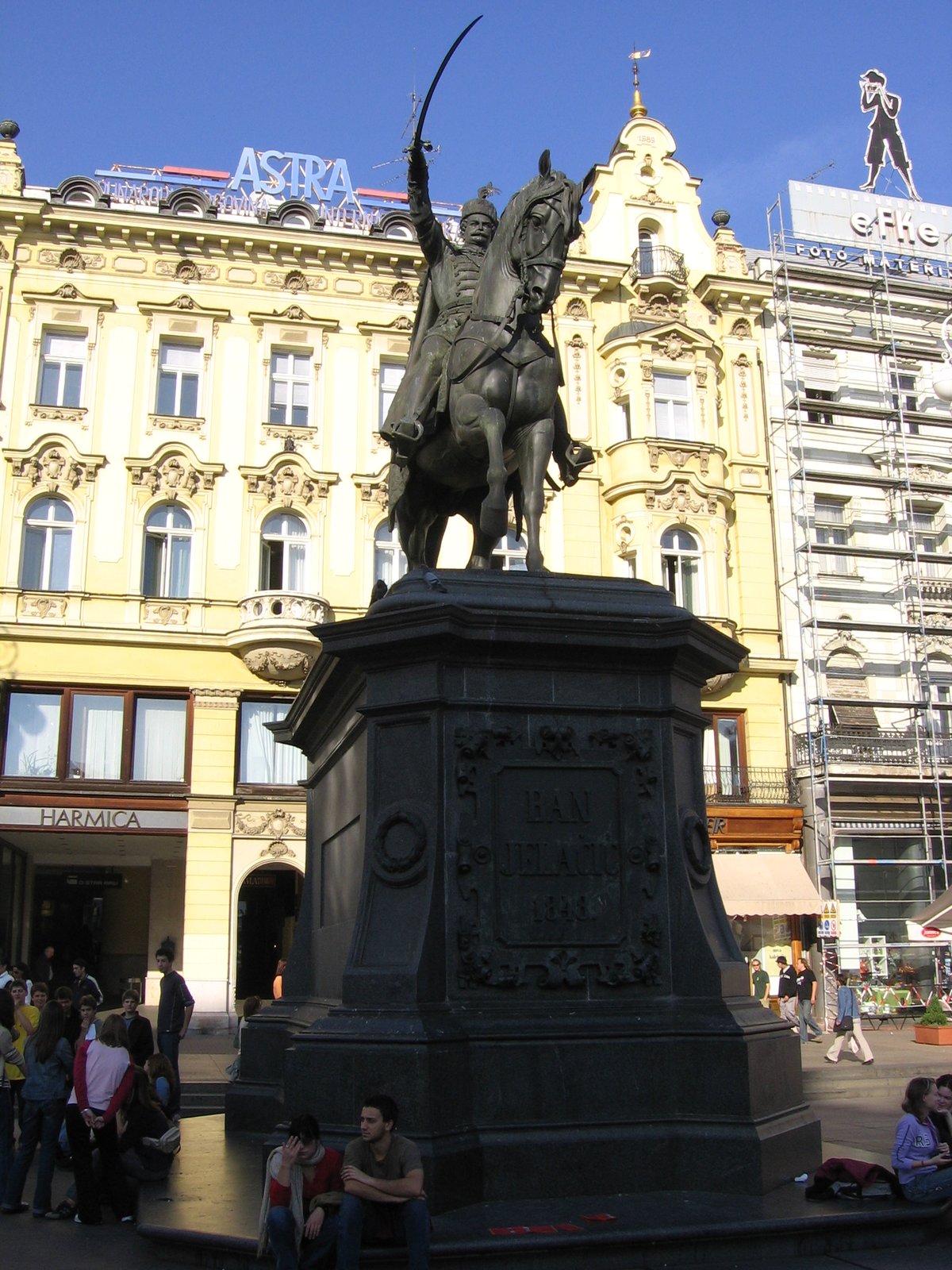
- Ban Jelačić Square: Main city square bustling with cafes and shops.
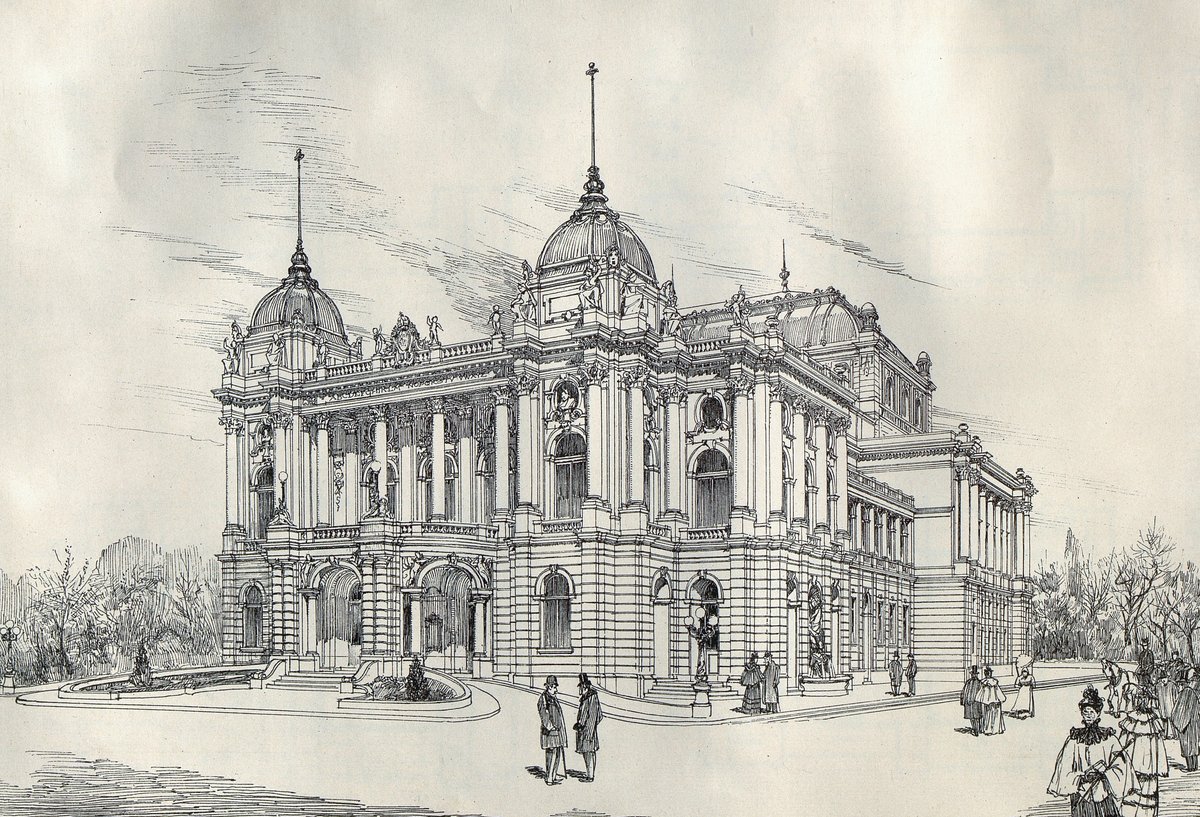
- Croatian National Theatre: Renowned for its neo-Baroque façade.
- Art Pavilion and Archaeological Museum: For art and history enthusiasts (The Crazy Tourist).
Dining
- Palmotićeva Street and surrounding areas offer a variety of cafes and restaurants serving Croatian specialties.
Seasonal Events
- Spring: Festival of Lights, blossoming city parks.
- Summer: Outdoor concerts, wine festivals.
- Autumn: Pleasant weather, fewer crowds.
- Winter: Renowned Advent markets and festive church services (Visit Croatia).
Visitor Experience: Photography and Cultural Etiquette
- Best Photography: Sunset for exterior shots; afternoon for stained glass interiors.
- Quiet Reflection: The basilica offers a peaceful ambiance ideal for contemplation.
- Accessibility: Well connected by public transit and pedestrian routes.
Preservation and Future Significance
The 2020 earthquakes highlighted the vulnerability of heritage sites. The ongoing restoration—combining advanced engineering, traditional craftsmanship, and community support—ensures the basilica’s continued role as a spiritual and cultural beacon. Community engagement and donations are vital to these preservation efforts (Jesuits Global).
Frequently Asked Questions (FAQ)
Q: What are the basilica’s visiting hours?
A: Monday–Saturday: 7:00 AM–7:00 PM; Sundays: 7:00 AM–8:00 PM. Tourist access usually 9:00 AM–6:00 PM.
Q: Is there an entrance fee?
A: No, entry is free. Donations are appreciated.
Q: Are guided tours available?
A: Yes, with advance booking. Self-guided materials available on-site.
Q: Is the basilica wheelchair accessible?
A: Yes, with ramps and accessible restrooms.
Q: Can I take photographs inside?
A: Yes, except during services and without flash or tripods.
Q: How has the earthquake affected visitor access?
A: Some areas may be temporarily closed; check for updates before your visit.
Q: How do I reach the basilica by public transport?
A: Accessible via tram lines 4, 7, and 11; closest stops at Vlaška or Draškovićeva.
Summary and Final Recommendations
The Basilica of the Sacred Heart of Jesus is a cornerstone of Zagreb’s religious, artistic, and social landscape. Its neo-Baroque and neo-Gothic architecture, active community life, and ongoing restoration efforts make it a must-visit for both spiritual seekers and cultural explorers. The basilica’s resilience in the face of natural disaster, and its role in uniting the community, underscore its profound significance.
For the best experience:
- Visit during quieter weekday mornings.
- Respect the sacred space and dress code.
- Check official websites for restoration updates and special events.
- Combine your visit with a walking tour of Zagreb’s Lower Town and nearby landmarks.
To enhance your journey, use interactive maps and audio guides via the Audiala app, and follow official social media channels for the latest news.
Listen to the full story in the app
The whole Sacred Heart Basilica,
told well.
Listen to sourced travel stories with local history and practical context — ready offline.
Verified, and shown.
Researched and written by the Audiala editorial team from historical records, architectural archives, and local expertise.
Built from cited sources · see the method · How we make our guides →