Plan and listen to Mimara Museum with Audiala.
Audio guide in your pocket, itinerary in your browser. Built for the way you actually visit.
Introduction
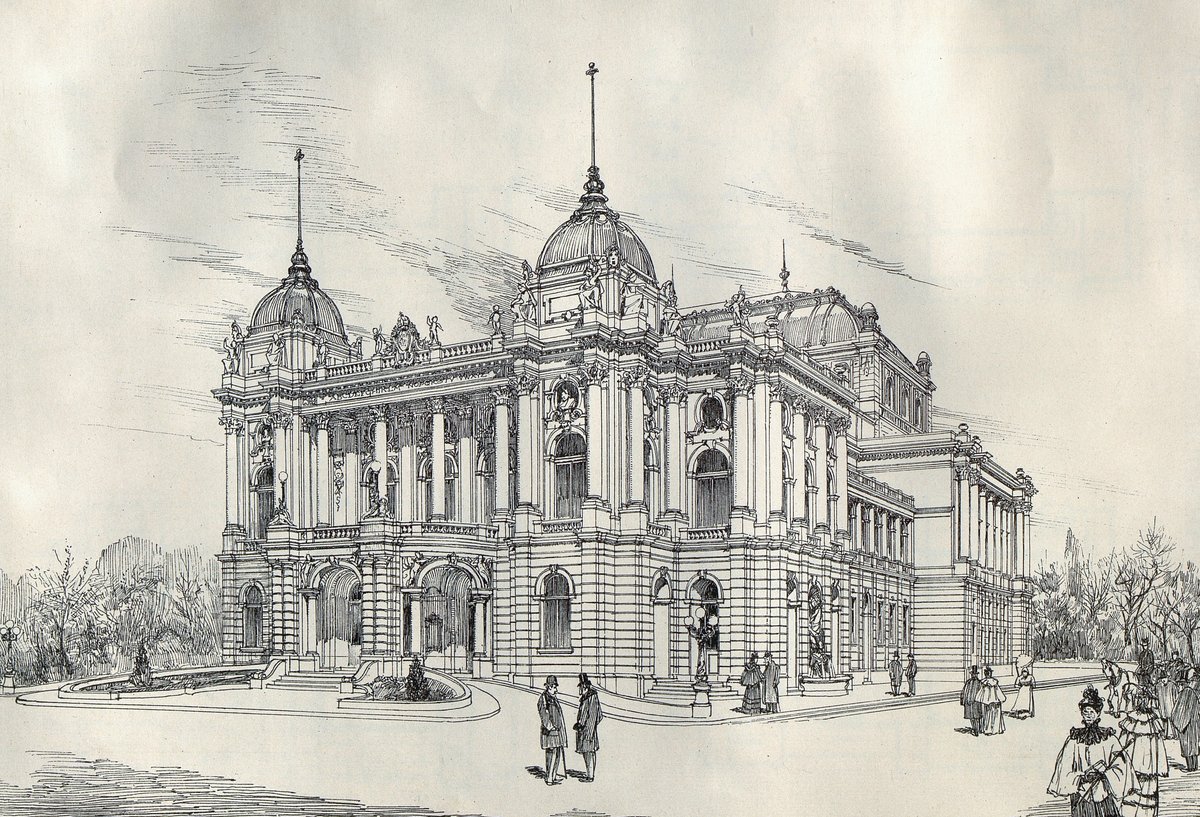
Nestled in the heart of Zagreb’s Lower Town, the Mimara Museum is one of Croatia’s foremost cultural landmarks. Renowned for its extensive and diverse art collection and striking neo-Renaissance architecture, the museum offers a unique journey through global art history. Established in 1987 after a generous donation from Ante "Mimara" Topić and his wife Wiltrud, the museum houses approximately 3,750 works spanning European Old Masters, ancient artifacts, and Far Eastern treasures. Located in a grand 19th-century palace on Roosevelt Square, the Mimara Museum not only preserves an impressive legacy but also reflects Zagreb’s cultural aspirations during the Austro-Hungarian era.
Visitor Notice: As of June 2025, the Mimara Museum is temporarily closed for renovation to enhance preservation and visitor experience. Always check for the latest updates before planning your visit (infozagreb.hr, TripXL, Nomadic Matt).

Origins and Founding
The Mimara Museum, officially known as the Art Collection of Ante and Wiltrud Topić Mimara, is a cornerstone of Zagreb’s cultural scene. Ante "Mimara" Topić (1898–1987) was a Croatian art collector and philanthropist who began assembling his vast collection in the early 20th century. His vision, together with his wife Wiltrud, was to create a public institution for the Croatian nation. Their donation—over 3,750 objects—was formalized in two major gifts (1973 and 1986), leading to the museum’s inauguration in 1987 (Wikipedia, infozagreb.hr).
Architectural Heritage
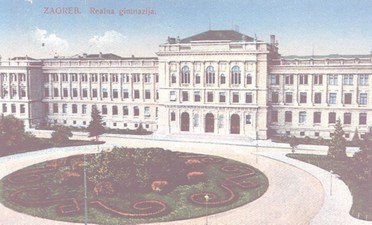
The museum is housed in a majestic neo-Renaissance palace built at the end of the 19th century. Originally constructed for educational purposes, its design reflects the grandeur and symmetry of the Renaissance revival, a style closely associated with Zagreb’s late 19th-century urban development (Touristlink, Wanderlog). The building features:
- A symmetrical façade with rusticated stonework and arched windows
- A grand entrance with a staircase and portico
- High ceilings, ornate moldings, and spacious galleries inside
Located on Roosevelt Square, the museum is a central landmark and part of Zagreb’s collection of historical and cultural institutions (Croatia Travel Guides).
Collection Highlights
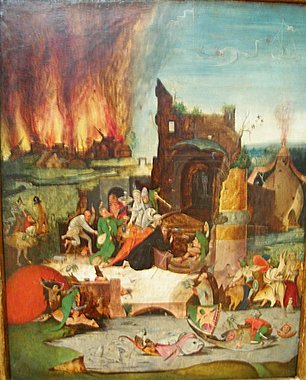
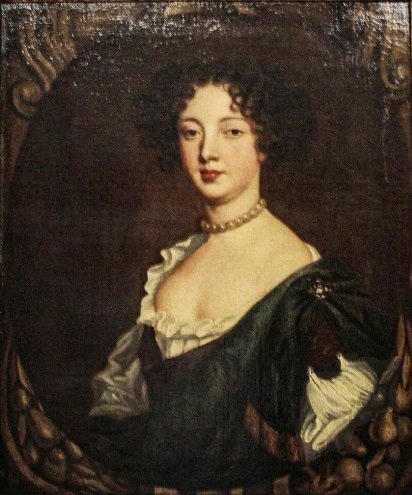
The Mimara Museum is often described as a “small Louvre” due to the breadth and diversity of its holdings (TripXL). The collection is organized chronologically and by region, offering visitors a structured journey through art history.
European Old Masters
- Italian Renaissance and Baroque: Works attributed to Raphael, Giorgione, Veronese, Canaletto
- Flemish and Dutch Schools: Rubens, Van Dyck, Bosch, Rembrandt
- French Masters: Delacroix, Corot, Manet, Renoir, Degas
- Spanish Artists: Velázquez, Murillo, Goya
- German and English Painters: Holbein, Turner, Gainsborough
Decorative and Applied Arts
- Glassware: Rare Ptolemaic glass from Alexandria
- Textiles and Carpets: Oriental carpets from the Middle East and Asia
- Furniture, Ivory, and Jade: European furniture and Qing-dynasty Chinese objects
Archaeological and Ancient Art
- Artifacts from ancient Egypt, Greece, Rome, and the Near East
- Medieval religious art, including ornate wooden crosses
Asian and Far Eastern Art
- Chinese porcelain
- Southeast Asian sculptures and ceramics
The museum also features a large art library supporting research and education (WhichMuseum, Time Out).
Visiting Information
Current Status:
The museum is temporarily closed for restoration following damage from the 2020 earthquake. Reopening is anticipated following renovations.
Typical Visiting Hours (when open):
- Tuesday to Sunday: 10:00 AM – 6:00 PM
- Closed on Mondays and public holidays (Official Website)
Ticket Prices:
- Adults: ~5–6 EUR
- Discounts for students, seniors, and groups; free for children under 7
- Tickets available at the entrance or via the official website
Accessibility:
- Wheelchair accessible with ramps and elevators
- Restrooms and cloakroom near the entrance
- Museum shop offers books, postcards, and souvenirs
Guided Tours and Events:
- Guided tours in several languages available on request
- Audio guides often available; check in advance
- Special exhibitions, workshops, and concerts are held throughout the year
Location:
Rooseveltov trg 5, Lower Town, Zagreb. Accessible by tram (lines 12, 13, 14, 17), taxi, or on foot from Ban Jelačić Square (Absolute Croatia).
Nearby Attractions
The museum’s central location makes it an ideal starting point for exploring:
- Croatian National Theatre
- Botanical Garden
- Zagreb City Museum
- Strossmayer Gallery of Old Masters
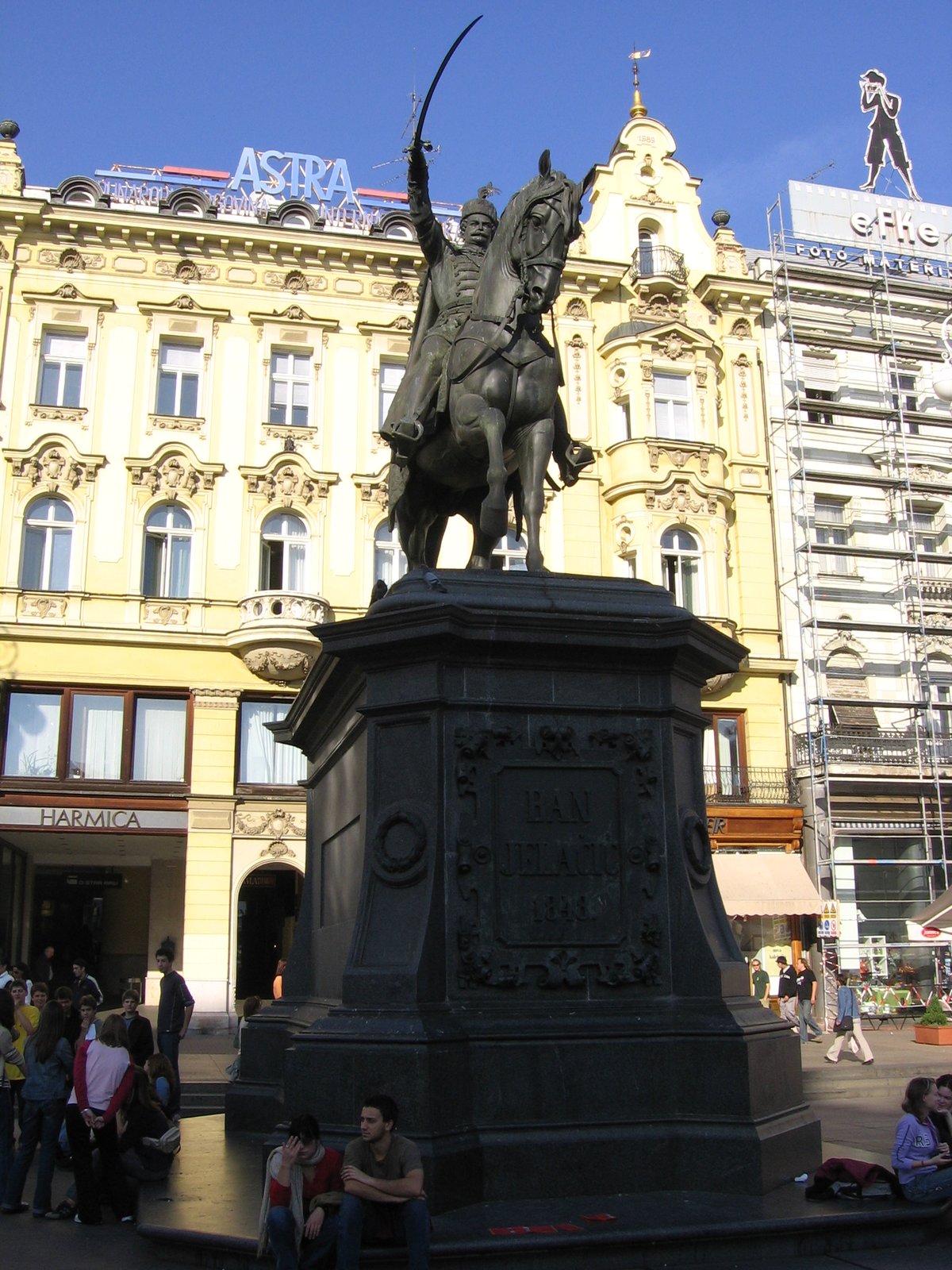
- Ban Jelačić Square
- Numerous nearby cafés and restaurants
For more on Zagreb historical sites, see Chasing the Donkey.
Recent Developments: Closure and Renovation
Following the 2020 earthquake, the Mimara Museum sustained structural damage, prompting extensive restoration efforts. Renovations are focused on preserving the building’s architectural integrity and restoring damaged artworks, with a “grand comeback” anticipated (Wikipedia, infozagreb.hr).
FAQs
Q: What are the Mimara Museum’s opening hours?
A: Typically Tuesday to Sunday, 10:00 AM to 6:00 PM. Closed on Mondays (always check current status).
Q: How much are tickets?
A: About 5–6 EUR for adults; discounts apply for students, seniors, and groups.
Q: Is the museum accessible to visitors with disabilities?
A: Yes, with ramps, elevators, and accessible restrooms.
Q: Are guided tours available?
A: Yes, tours and audio guides are usually available, especially for groups and during special exhibitions.
Q: How do I get there?
A: By tram (12, 13, 14, 17), taxi, or a short walk from Ban Jelačić Square.
Q: Is photography allowed?
A: Check for signs or ask staff; restrictions may apply in certain galleries.
Listen to the full story in the app
The whole Mimara Museum,
told well.
Listen to sourced travel stories with local history and practical context — ready offline.
Verified, and shown.
Researched and written by the Audiala editorial team from historical records, architectural archives, and local expertise.
Built from cited sources · see the method · How we make our guides →