Plan and listen to Kallina House with Audiala.
Audio guide in your pocket, itinerary in your browser. Built for the way you actually visit.
Introduction
Kallina House (Kuća Kallina) is a dazzling jewel in Zagreb’s architectural crown and stands as one of Croatia’s most celebrated Art Nouveau (Secessionist) masterpieces. Commissioned by Josip Kallina—a renowned industrialist and ceramic tile manufacturer—and realized by the visionary architect Vjekoslav Bastl, the house was completed in 1904. Its undulating forms, vibrant ceramic façades, and intricate details reflect both the artistic ambitions of early 20th-century Zagreb and the technical innovation of the Kallina family’s own ceramic factory.
Located at the intersection of Gundulićeva ulica 20 and Masarykova Street, Kallina House blends European modernist trends with local Croatian motifs and continues to captivate architecture enthusiasts, historians, and travelers. This comprehensive guide explores Kallina House’s historical significance, architectural features, practical visitor information (including hours, tickets, and accessibility), and tips for an enriching visit.
For up-to-date information and further exploration, consult the Zagreb Tourist Board and consider participating in special events like Open House Zagreb.
- Introduction
- Origins and Construction
- Architectural Significance and Style
- Role in Zagreb’s Urban and Cultural Development
- Notable Features and Symbolism
- Visiting Kallina House: Hours, Tickets, Accessibility
- Getting There
- Photography Tips
- Nearby Attractions
- Frequently Asked Questions (FAQ)
- Practical Tips for Visitors
- Visual Gallery
- Conclusion and Visitor Resources
- References

1. Origins and Construction
Kallina House was commissioned by Josip Kallina, a prominent entrepreneur best known for his ceramic tile factory. The architect, Vjekoslav Bastl, was a key figure in the Croatian Secession movement and drew inspiration from Vienna Secession and local motifs. The building was constructed between 1903 and 1904, serving both as a family residence and as a dazzling advertisement for Kallina’s ceramic craftsmanship (Evendo).
2. Architectural Significance and Style
Façade and Ornamentation
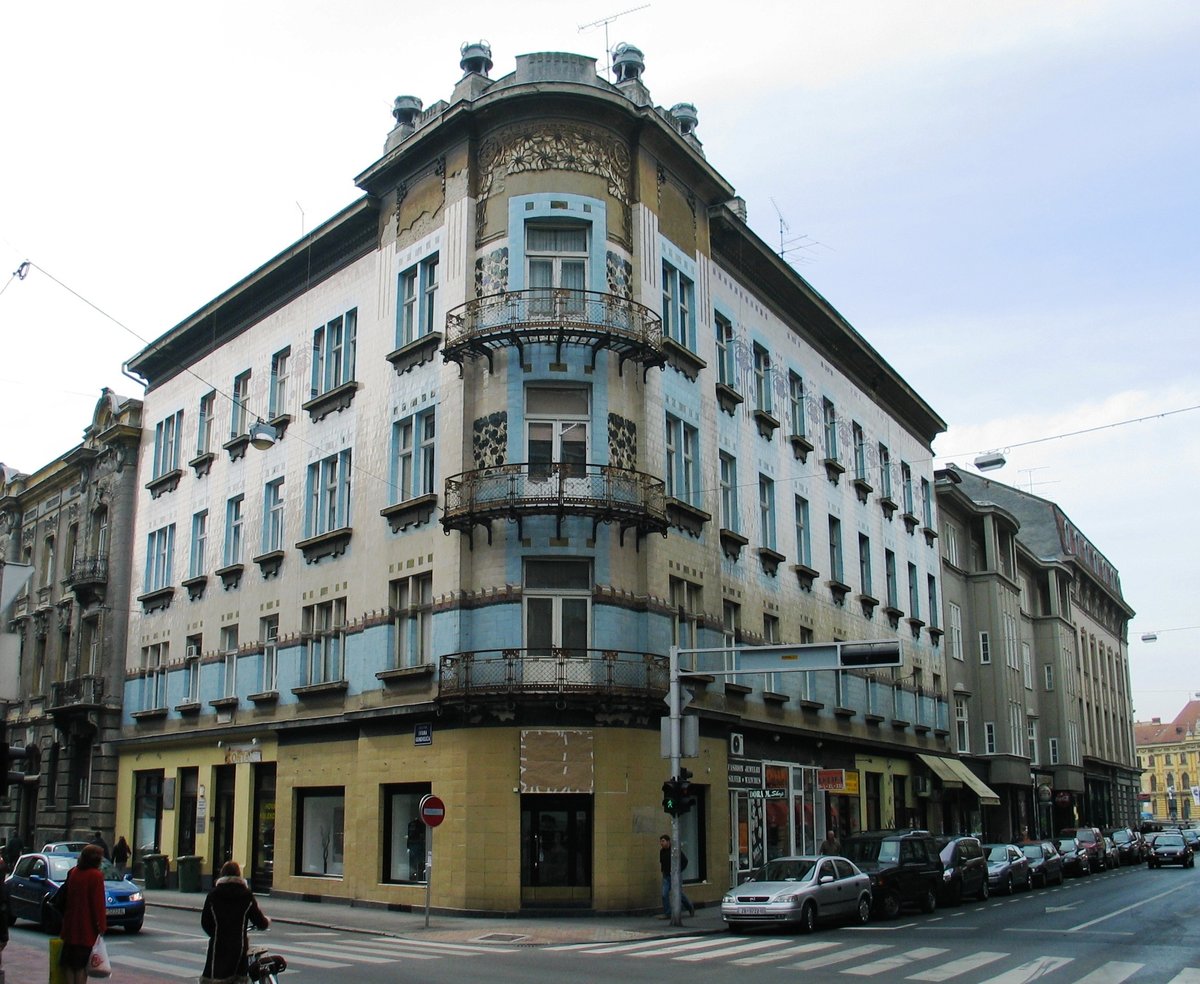
Kallina House is Croatia’s most famous Art Nouveau residence. Its façade is entirely clad in brightly colored, custom-made ceramic tiles—produced by the Kallina factory—which shimmer in sunlight and rain. The design features organic floral and geometric patterns, asymmetrical lines, and a distinctive frieze of bat motifs around the first floor (Museum of Arts and Crafts, Open House Zagreb).
Structural Features
- Wrought Ironwork: Balconies and staircases feature ornate iron railings in whiplash curves, a hallmark of Art Nouveau design.
- Windows and Doors: Large, asymmetrical windows and decorative doors complement the flowing lines of the façade.
- Color Palette: Dominant hues of blue and yellow, with accents of red and green, create a lively, polychrome effect.
Symbolism and Influences
Bastl’s design reflects influences from Otto Wagner’s Majolika Haus in Vienna but adapts Art Nouveau principles to local traditions. The bat frieze, rare in European architecture, adds a whimsical, mysterious touch and has led to the building’s nickname, “the bat house” (Like a Local Guide). The integration of ceramic tiles and folk-inspired motifs underscores the Gesamtkunstwerk ideal—architecture as a total work of art.
3. Role in Zagreb’s Urban and Cultural Development
Kallina House was built during a period of rapid modernization in Zagreb, when the city’s burgeoning bourgeoisie expressed their status and cosmopolitan outlook through innovative architecture. The house became a symbol of Zagreb’s embrace of artistic and technological progress, helping to define the character of Lower Town (Donji Grad) and influencing subsequent generations of architects (Time Out Croatia).
4. Notable Features and Symbolism
- Floral Motifs: Elaborate roses and lilies connect the windows and balconies, symbolizing harmony with nature.
- Bat Frieze: Encircling the first floor, the bat motif is both decorative and symbolic, often associated with transformation in Art Nouveau iconography.
- Ceramic Tiles: The use of Zsolnay ceramics and local craftsmanship makes Kallina House unique in Zagreb and rare in Europe.
5. Visiting Kallina House: Hours, Tickets, Accessibility
- Visiting Hours: The building’s exterior can be viewed at any time from the street. Interior access is generally not available, except during rare special events (such as Open House Zagreb), which require advance registration (Open House Zagreb).
- Tickets: No ticket is required to view the exterior. Special tours may have a fee.
- Guided Tours: Several walking tours of Zagreb’s architectural highlights include Kallina House. Book through local providers or the Zagreb Tourist Board.
- Accessibility: The site is centrally located, pedestrian-friendly, and accessible for visitors with mobility challenges. Interior access during special tours may vary.
6. Getting There
- Location: Gundulićeva 20 / Masarykova 19, 10000 Zagreb, Croatia (Open House Zagreb)
- Public Transport: Tram lines 6, 11, and 13 stop nearby; the Main Train Station is less than a 10-minute walk.
- On Foot: Easily reached from Ban Jelačić Square; the area is walkable and close to many other attractions (Nomad Epicureans).
7. Photography Tips
- Best Times: Morning and late afternoon provide the best lighting for capturing the building’s vibrant colors and intricate details.
- Angles: The corner location allows for excellent viewing points; bring a zoom lens for close-ups of upper-story motifs.
- Etiquette: Respect residents’ privacy and avoid photographing through windows.
8. Nearby Attractions
Combine your visit to Kallina House with these nearby landmarks:
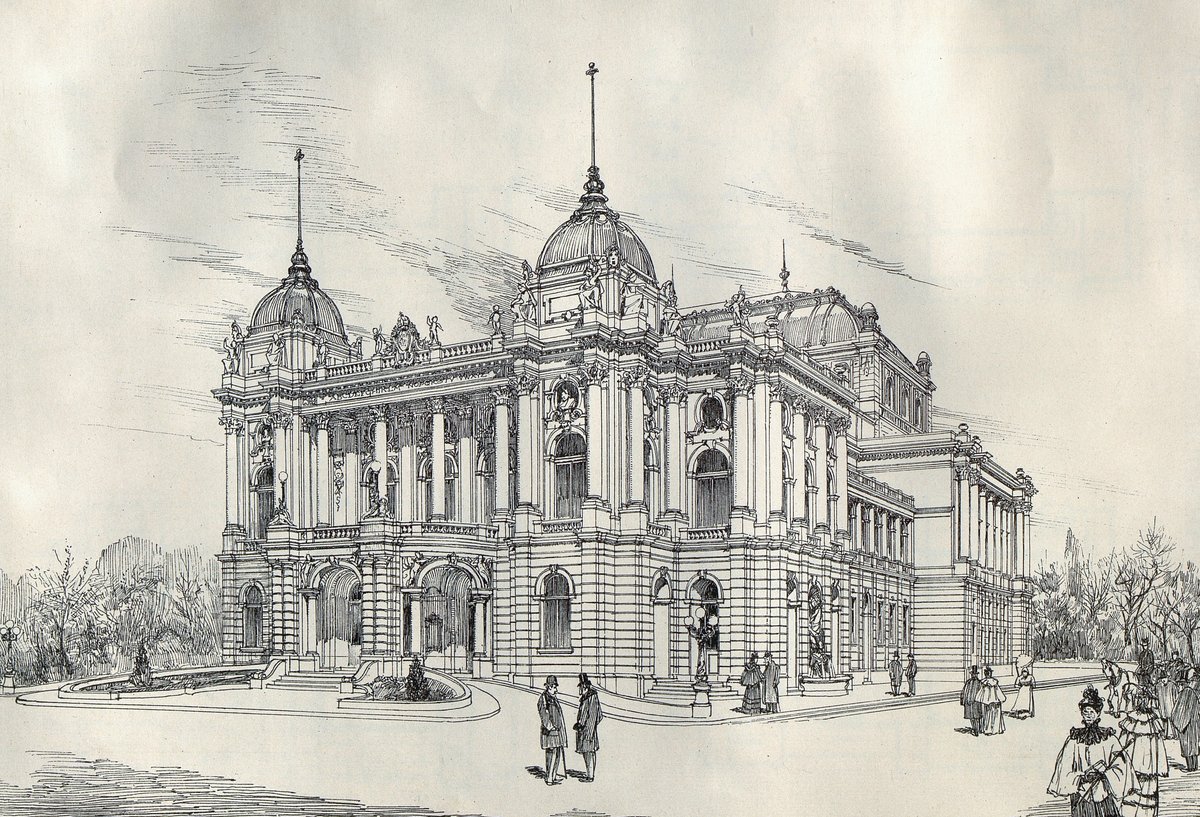
- Croatian National Theatre
- Art Pavilion
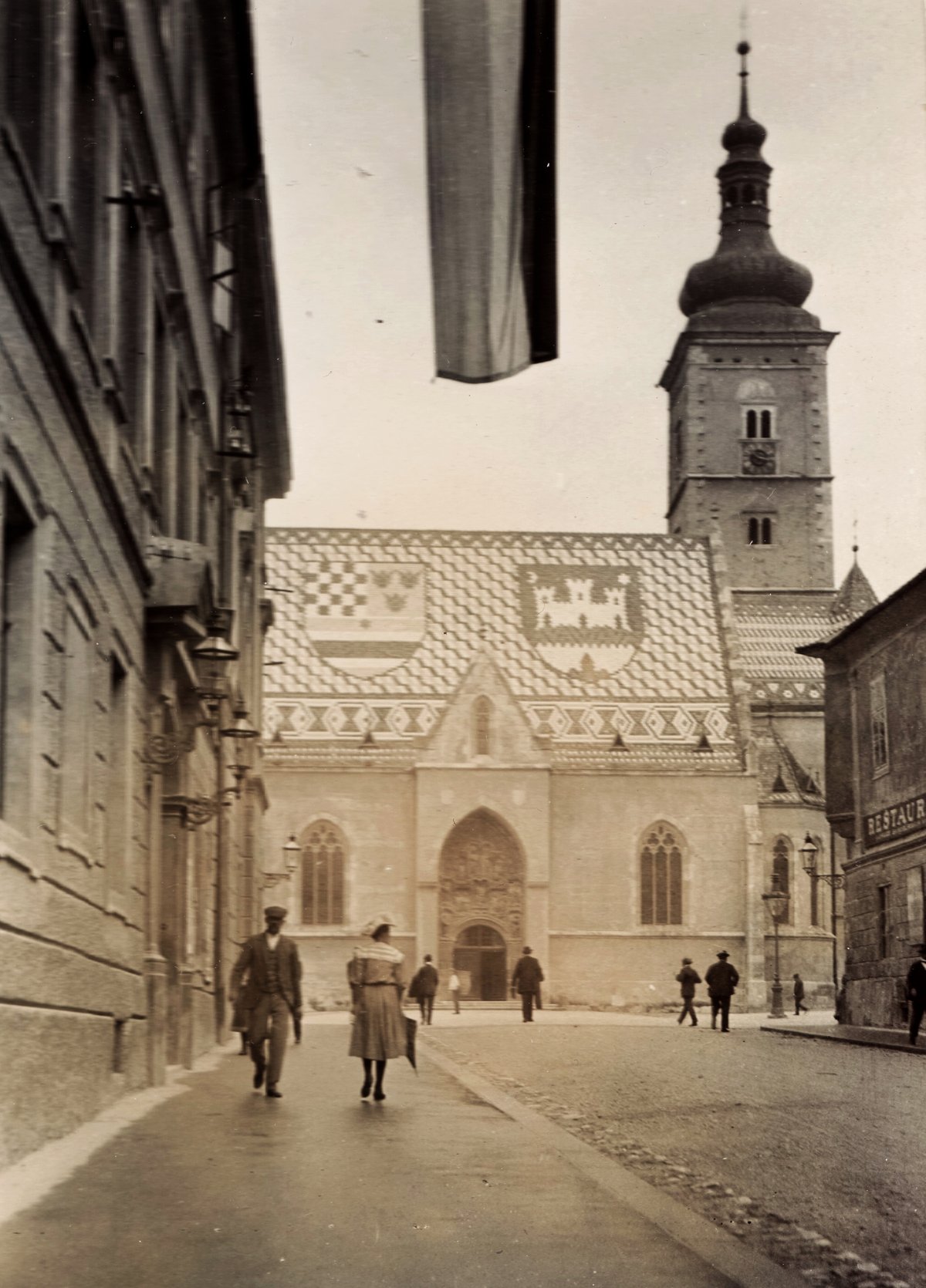
- St. Mark’s Church
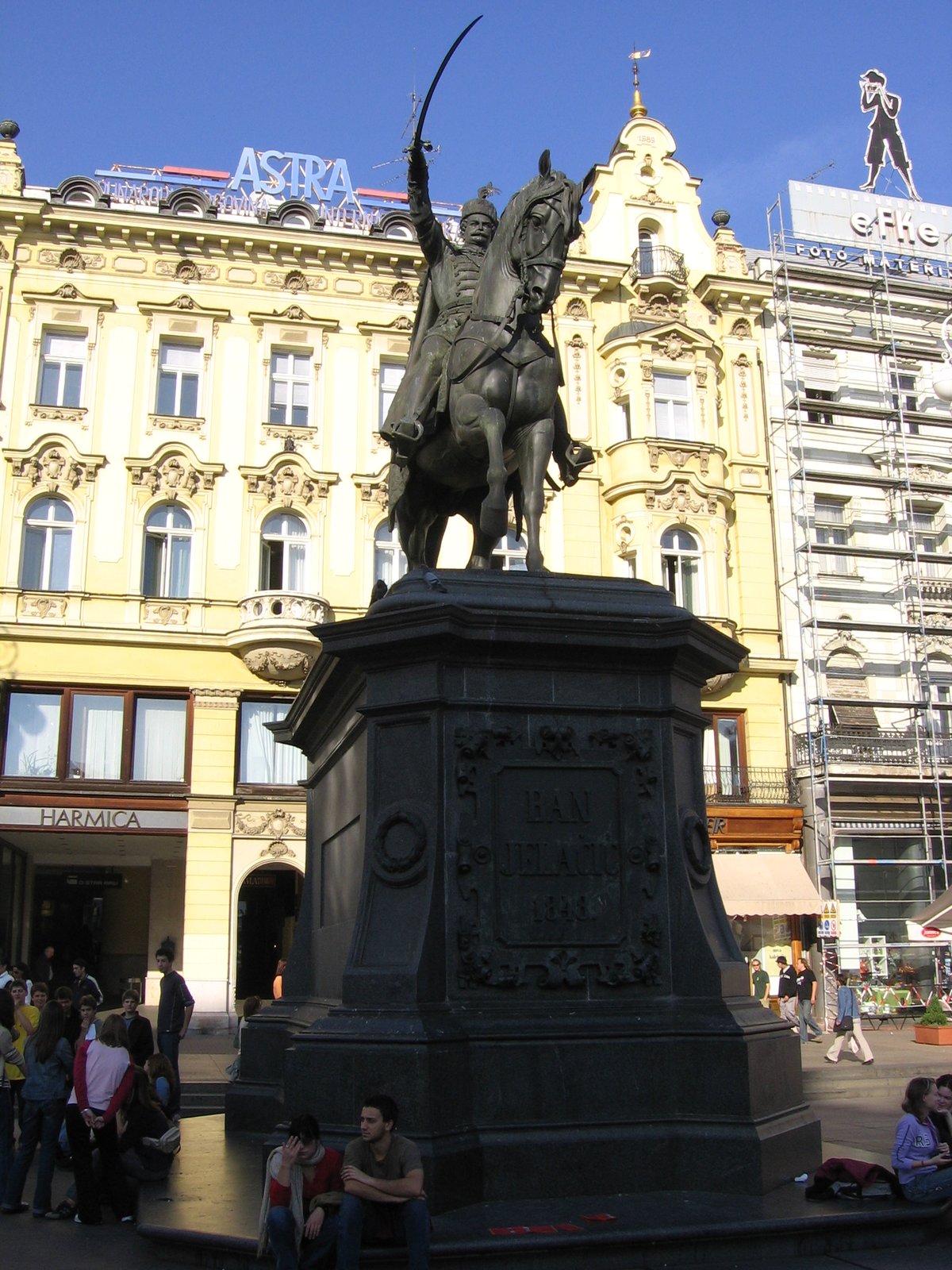
- Nikola Tesla Monument
All are within walking distance and featured in many self-guided or official walking tours (Travel Melodies).
9. Frequently Asked Questions (FAQ)
Q: Can I enter Kallina House?
A: The house is not open for regular interior visits. The exterior can be viewed from the street at any time.
Q: Is there a ticket or entry fee?
A: No ticket or fee is required to view the exterior; special tours may charge a fee.
Q: Are guided tours available?
A: Yes, Kallina House is a highlight of many architecture-focused walking tours in Zagreb. Check with the Zagreb Tourist Board or tour operators.
Q: Is the site accessible?
A: The area is pedestrian-friendly and accessible, but interior tour accessibility may vary.
Q: When is the best time to visit?
A: Spring and early summer offer pleasant weather; mornings and late afternoons are best for photography (Frank About Croatia).
10. Practical Tips for Visitors
- Respect Private Property: The building is used for residential and commercial purposes.
- Amenities: Cafés, restaurants, and shops abound nearby. Public toilets are available in local cafés and public buildings.
- Events: Check the Open House Zagreb program for rare opportunities to visit the interior.
11. Visual Gallery

Listen to the full story in the app
The whole Kallina House,
told well.
Listen to sourced travel stories with local history and practical context — ready offline.
Verified, and shown.
Researched and written by the Audiala editorial team from historical records, architectural archives, and local expertise.
Built from cited sources · see the method · How we make our guides →