Plan and listen to Eugen Kvaternik Square with Audiala.
Audio guide in your pocket, itinerary in your browser. Built for the way you actually visit.
Introduction to Eugen Kvaternik Square in Zagreb
Eugen Kvaternik Square—locally known as "Kvaternikov trg" or simply "Kvatrić"—is one of Zagreb’s most iconic and lively public spaces. Situated at a vital crossroads linking the Maksimir, Gornji Grad–Medveščak, and Donji Grad districts, this square has evolved from a 19th-century city boundary into a major transportation hub and a vibrant center of community life. With its open-air market, diverse architecture, and rich historical symbolism, Kvatrić is a place where Zagreb’s past and present coexist, offering visitors an authentic urban experience (Everything Explained Today; Discover Walks; Divan).
Named after Eugen Kvaternik (1825–1871), a Croatian nationalist and leader of the 1871 Rakovica Revolt, the square is imbued with deep national significance. This dedication reinforces the connection between Zagreb’s urban spaces and Croatia’s enduring pursuit of independence and civic pride (Total Croatia News; DBHZ.hr). Today, the square’s architectural landscape reflects both early 20th-century modernism and innovative adaptive reuse, such as the Urania cultural center, while its public transport links—including multiple tram and bus lines—make it an ideal base for exploring the city (Hostelworld; Trek Zone).
This guide provides detailed insights into Eugen Kvaternik Square’s history, cultural relevance, practical visiting details (hours, tickets, accessibility), transportation, and travel tips. Whether you are a history buff, a market enthusiast, or simply looking to immerse yourself in local Zagreb life, "Kvatrić" is a must-visit destination.
(Everything Explained Today; Discover Walks; Visit Croatia)

History & Development
Origins and Early Role
Eugen Kvaternik Square is located at the intersection of Vlaška, Dragutin Domjanić, Maksimirska, Vjekoslav Heinzel Avenue, and Šubićeva streets (Everything Explained Today; Wikipedia). Originally, this area marked the transition from urban Zagreb to the countryside, featuring a toll house and the city’s first horse-drawn tram terminal in 1891 (Divan). Its location as a gateway to the city shaped its identity as a place of commerce, transportation, and social exchange (Total Croatia News).
Naming and National Significance
The square’s namesake, Eugen Kvaternik, was a pivotal figure in the Croatian national movement, remembered for leading the 1871 Rakovica Revolt. His commemoration through the square’s name embeds a spirit of resistance and national pride in the heart of the city (Total Croatia News; DBHZ.hr). The square, once known as "Međašni trg" (boundary square), remains a symbol of transition and transformation.
20th-Century Evolution
By the early 20th century, Kvaternik Square developed into a commercial center, especially renowned for its open-air market (Love Zagreb). The Nama department store, built mid-century, became a landmark of socialist-era architecture (Total Croatia News). The square’s design and function continued to adapt, culminating in a major early 2000s renovation that added an underground parking garage and modernized its appearance (Wikipedia; Everything Explained Today).
Cultural and Social Life
Community Hub
Kvaternik Square is a focal point of daily life for residents of Zagreb’s eastern neighborhoods. Its open-air market, diverse shops, and lively cafés make it a popular gathering place for families, students, and professionals (Discover Walks). The surrounding green spaces and proximity to Maksimir Park add to its appeal as a place for both socializing and relaxation.
Market Culture
The market at Kvatrić, while less touristy than Dolac Market, is beloved for its fresh produce, flowers, and local specialties (WakaAbuja). It is busiest in the mornings and on weekends, drawing locals for their daily shopping and social interaction—a living tradition of Zagreb’s market culture.
Events and Gatherings
While large citywide events are typically held elsewhere, Kvaternik Square does host community markets, pop-up events, and neighborhood celebrations. Its open design also makes it a venue for public demonstrations and civic initiatives, reinforcing its role as a space for engagement and expression (Visit Croatia).
Architecture & Urban Design
Urban Landscape
Kvaternik Square is defined by early-to-mid 20th-century modernist buildings, post-war structures, and contemporary renovations. The 2000s redesign introduced wider sidewalks, improved lighting, and an underground parking facility, enhancing its accessibility and usability (Discover Walks).
Urania Cultural Center
A standout feature is Urania—a former cinema from 1939, transformed by the 3LHD architectural studio into a cultural and office center (3LHD Urania Project). The adaptive reuse blends preserved historic elements with modern materials like glass, exposed concrete, and wood. Urania now hosts cultural events, exhibitions, and houses a café-bar with a roof terrace.
Public Art & Surroundings
Although the square itself has few major monuments, nearby landmarks—including Maksimir Park and the city’s historic core—add to its cultural context (DBHZ.hr). The square’s design prioritizes openness, flexibility, and community use.
Visiting Information
Hours and Tickets
- Eugen Kvaternik Square: Open 24/7, with free public access.
- Flower Market: Operates daily, typically early morning to late afternoon; busiest on weekends.
- Urania Cultural Center: Generally open 10:00 AM–8:00 PM; event hours may differ. Some exhibitions require tickets, available online or at the venue; many events are free.
Accessibility
The square features step-free routes, ramps, and accessible public transport stops. Urania provides full wheelchair access, elevators, and accessible restrooms.
Transportation & Accessibility
Public Transport
Kvaternik Square is a major hub for Zagreb’s tram and bus networks:
- Tram Lines: 4, 5, 7, 11, 12, 13, and 17 serve the square (Everything Explained Today).
- Bus Lines: Connect the square to both city center and outer districts.
- Airport Bus: Bus 290 links the square directly to Franjo Tuđman Airport.
Trams and buses run from 4:00 AM to midnight, with night services available. Tickets are valid on both trams and buses, purchasable at kiosks, via the moj ZET app, or from drivers (Visit Croatia; CroatiaWise).
Taxi & Ride-Sharing
Taxis are available nearby; ride-sharing services such as Uber and Bolt operate citywide (Travel TripMasters).
Parking
An underground parking garage is located beneath the square; additional public garages are within walking distance, charging €1–€2 per hour.
Walking & Cycling
Wide sidewalks and pedestrian crossings make the area walkable and bicycle-friendly, with racks provided.
Nearby Attractions & Events
- Maksimir Park: Expansive park and green oasis, 15 minutes on foot or a short tram ride.
- Zagreb Zoo: Located within Maksimir Park, accessible by foot or tram.
- Urania Cultural Center: For exhibitions, workshops, and café relaxation.
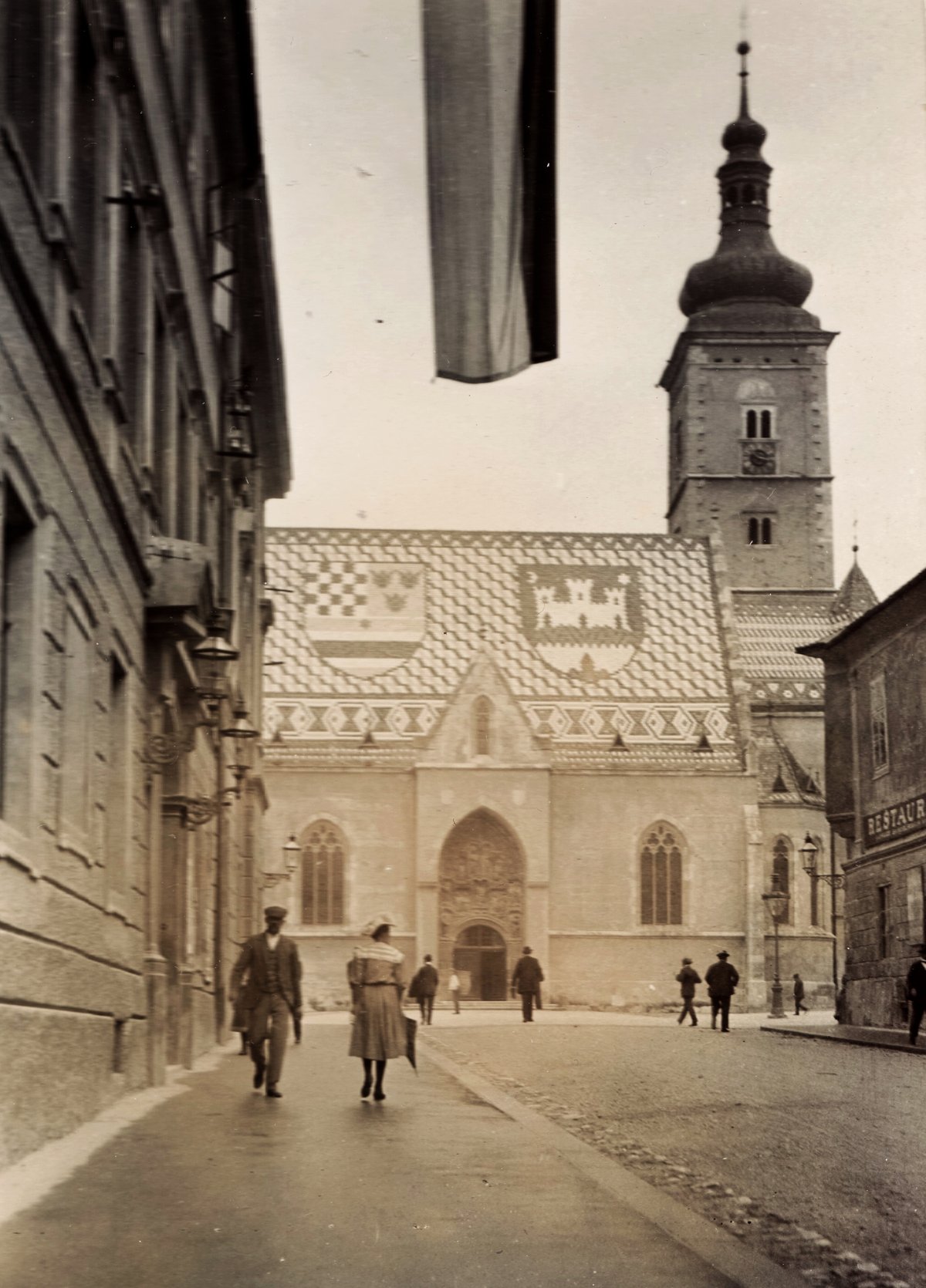
- Upper Town (Gornji Grad): Historic district accessible via tram or 30-minute walk, featuring St. Mark’s Church and panoramic views.
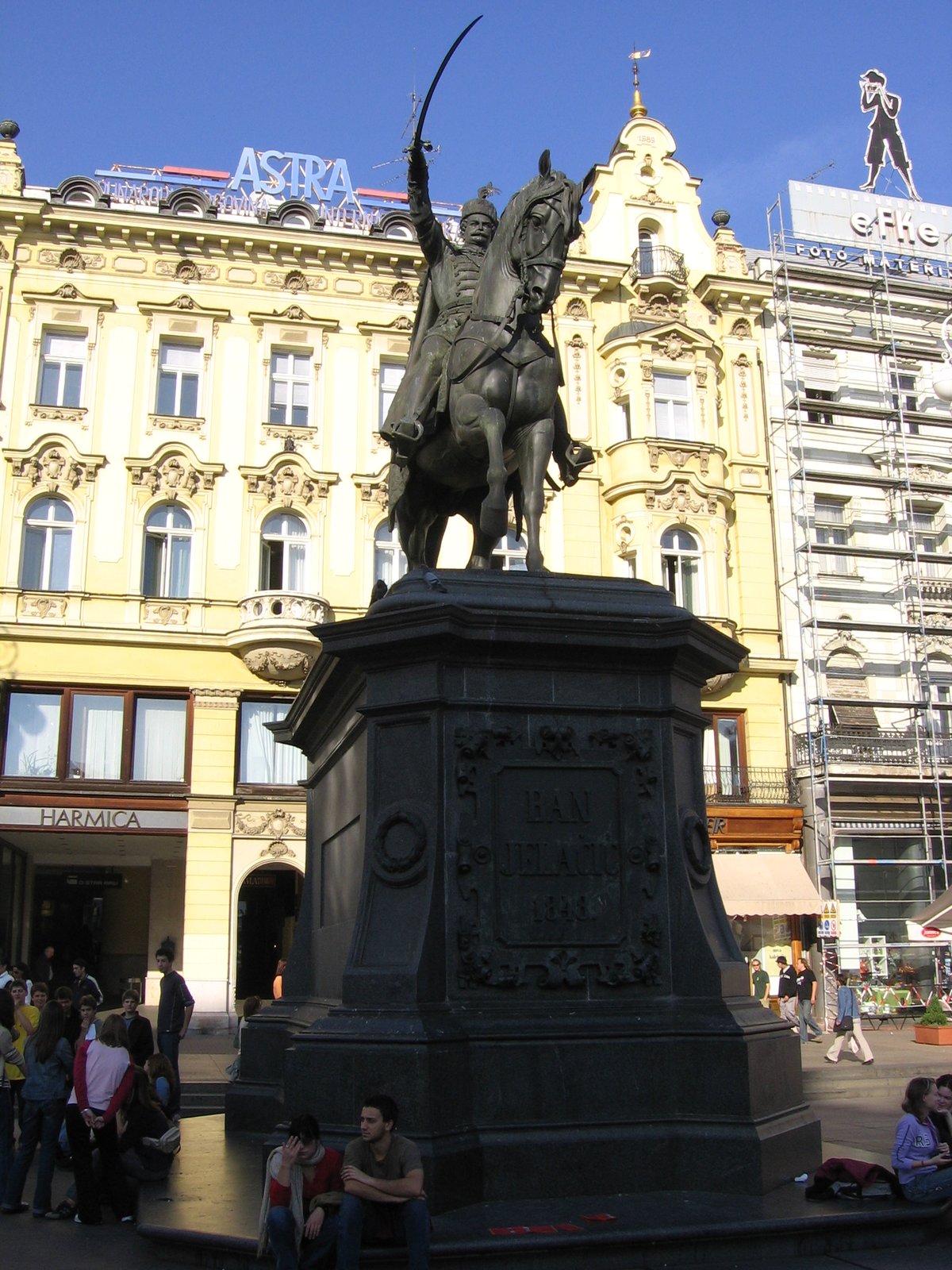
- Ban Jelačić Square: The city’s main square, easily reached by tram.
- Stadion Maksimir: Home to Dinamo Zagreb football club.
Special events, markets, and cultural gatherings are held throughout the year—check local event calendars for the latest information (Divan).
Visitor Tips & FAQs
Tips
- Visit the market in the morning for the freshest produce and most vibrant atmosphere.
- Download the moj ZET app for real-time public transport information and ticketing.
- Urania’s rooftop terrace is a great spot for scenic views and a coffee break.
- Take advantage of guided walking tours for deeper historical context.
- The area is safe, well-lit, and English is widely spoken among younger locals.
Frequently Asked Questions
Q: Is there an entrance fee for Eugen Kvaternik Square?
A: No, the square is a public space and free to visit.
Q: What are the market hours?
A: Early morning to late afternoon, with peak activity on weekends.
Q: Is the area accessible for visitors with disabilities?
A: Yes, the square and tram stops are wheelchair accessible; Urania has full access facilities.
Q: How can I get to the square from the train or bus station?
A: Tram lines 4, 5, 7, 9, 11, or 13 from the main station; journey takes about 10 minutes.
Q: Are guided tours available?
A: Yes, many local operators include the square in their city walking tours.
Listen to the full story in the app
The whole Eugen Kvaternik Square,
told well.
Listen to sourced travel stories with local history and practical context — ready offline.

Verified, and shown.
Researched and written by the Audiala editorial team from historical records, architectural archives, and local expertise.
Built from cited sources · see the method · How we make our guides →