Introduction
Located in the heart of Zagreb, the Croatian State Archives (Hrvatski državni arhiv) is a premier destination for history enthusiasts, researchers, architecture admirers, and cultural travelers. As the central repository for Croatia’s documentary heritage—from medieval times through the Austro-Hungarian era, Yugoslavia, and modern independence—the Archives offer visitors a unique blend of historical insight and architectural grandeur. Housed in a celebrated Art Nouveau (Croatian Secession) building designed by Rudolf Lubynski in 1913, the Archives are renowned not only for their collections but also for their symbolic stone owl sculptures and richly decorated interiors (Lonely Planet; ing-grad.hr).
The Importance of the Croatian State Archives
With over 29,000 linear meters of archival records, the Croatian State Archives safeguard invaluable documents such as medieval charters, governmental decrees, personal papers, maps, photographs, audiovisual materials, and rare manuscripts—including Glagolitic script texts. These resources offer unparalleled insights into Croatia’s development and are vital for historians, genealogists, and the general public alike (EHRI Project; arhiv.hr).
Visitor Information
Hours and Tickets
- Opening Hours: Monday to Friday, typically 9:00 AM to 4:00 or 5:00 PM (closed weekends and public holidays; confirm on the official website for any changes).
- Admission: Entry to the Archives and the Great Reading Room is free.
- Guided Tours: Available in Croatian and English, usually at 11:00 AM and 2:00 PM. Advance booking is recommended.
- Accessibility: The building is wheelchair accessible, with ramps and elevators. Visitors with special needs are encouraged to contact the Archives in advance (arhiv.hr; InfoZagreb).
Location and Getting There
- Address: 21 Marulić Square (Trg Marka Marulića 21), Zagreb
- By Tram: Lines 6 or 11 to ‘Trg Marka Marulića’ stop.
- On Foot: 10–15 minutes from the main square along Ilica Street.
- Nearby: The Archives are part of the “Green Horseshoe” and close to the Botanical Garden, Mimara Museum, and Ethnographic Museum, making it easy to plan a day of cultural sightseeing (InfoZagreb).
Architectural Significance
Art Nouveau Masterpiece
The Archives building is a leading example of Croatian Secession (Art Nouveau) architecture. Rudolf Lubynski’s design combines Viennese and German influences, with innovative reinforced concrete construction. The exterior is notable for its symbolic stone owls—emblems of wisdom—perched on the roof, and its harmonious integration into the landscape of Marulić Square (ing-grad.hr).
Interior Highlights
The interior features opulent stained glass, monumental chandeliers, and intricate murals. The Great Reading Room, adorned with Vlaho Bukovac’s painting "Development of Croatian Culture," is a highlight. High-quality materials, original furniture, and period details create a rich and immersive visitor experience (timeout.com).
Restoration and Preservation
Ongoing restoration has preserved the building’s historic character while updating its infrastructure for modern archival needs, including climate control and fire protection systems (ing-grad.hr).
Collections and Holdings
The Archives’ collections are divided into major departments:
- Medieval and Early Modern Documents: Charters and legal documents from the 13th century onward.
- Governmental and Administrative Records: Documents from Habsburg, Yugoslav, and modern Croatian institutions.
- Personal and Family Papers: Papers and correspondence from prominent individuals and families.
- Cartographic and Architectural Plans: Maps and city plans illustrating Croatia’s urban and rural evolution.
- Photographic and Audiovisual Materials: Visual documentation of everyday life and historic events since the 19th century (arhiv.hr).
The Archives also house over 2,000 registers of births, deaths, and marriages, Croatia’s second-largest cartographic collection, and more than two million photographs (arhiv.hr).
Notable Holdings
- Medieval Charters: Royal privileges and papal bulls.
- Parliamentary Archives: Croatian Sabor legislative acts and correspondence (Croatian Parliament).
- Rare Manuscripts: Glagolitic and Church Slavonic texts (Croatia Week).
Cultural Role and Community Engagement
Educational and Public Programs
The Archives host exhibitions, workshops, lectures, and film screenings to engage the public and foster appreciation for Croatia’s documentary heritage (infozagreb.hr). Participation in digitization projects, such as the Croatian Cultural Heritage project, broadens access to archival materials (kultura.hr).
National Identity and Continuity
Originating from a 1643 Croatian Parliament initiative to protect vital documents, the Archives have remained central to Croatia’s national narrative through centuries of political change (wikipedia). Their collections underpin research in history, genealogy, and cultural studies and symbolize the nation’s commitment to preserving its memory.
Practical Tips for Visitors
- Bring Photo ID: Required for some areas.
- Photography: Permitted in public areas (no flash); restrictions may apply in exhibitions.
- Language: Staff speak Croatian and English.
- Facilities: Cloakroom, restrooms, reading room, limited Wi-Fi.
Nearby Attractions
- Mimara Museum: Art and cultural history.
- Museum of Arts and Crafts
- Zagreb Botanical Garden
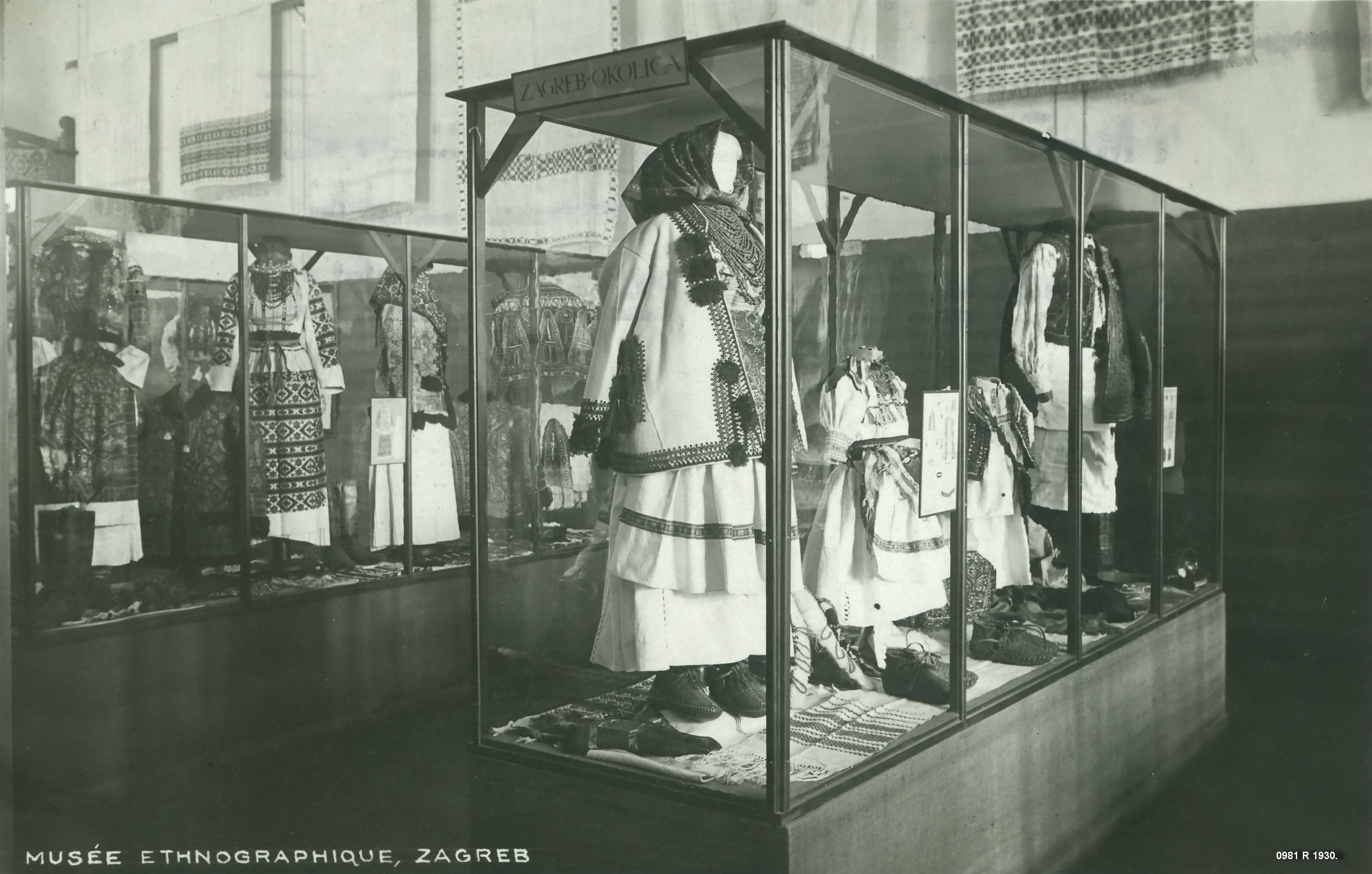
- Ethnographic Museum
All within walking distance, enhancing your cultural day out in Zagreb’s Green Horseshoe district.
Accessibility
The Archives are wheelchair accessible, with ramps and elevators. Some historic areas may have restrictions; contact the Archives to discuss individual needs (arhiv.hr).
FAQs
Q: What are the Croatian State Archives visiting hours?
A: Monday to Friday, generally 9:00 AM to 4:00 or 5:00 PM. Closed on weekends and public holidays.
Q: Is there an entry fee or ticket required?
A: Admission is free; guided tours may require advance booking.
Q: Are guided tours available in English?
A: Yes, tours are offered in English and Croatian.
Q: Is the building wheelchair accessible?
A: Yes, with ramps and elevators.
Q: Can I take photographs inside?
A: Photography is allowed in public spaces, but check with staff for specific exhibition areas.
Q: Are children welcome on tours?
A: Yes, the Archives are suitable for visitors of all ages.
Contact Information
- Address: 21 Marulić Square, 10000 Zagreb, Croatia
- Phone: +385 (0)1 4801 999 / +385 (0)1 4829 000
- Email: [email protected]
- Website: www.arhiv.hr
Summary and Recommendations
The Croatian State Archives exemplify the fusion of national heritage, architectural excellence, and public engagement. Free public entry, bilingual guided tours, and a central location make them accessible to all. Modernization and digitization projects ensure both preservation and wider access. To maximize your visit, check the official website for the latest information and consider using the Audiala app for guided audio tours. Whether you’re a historian, genealogist, architect, or traveler, the Archives offer a rewarding window into Croatia’s enduring story (arhiv.hr; Lonely Planet).
Listen to the full story in the app
Your Personal Curator, in Your Pocket.
Audio guides for 1,100+ cities across 96 countries. History, stories, and local insight — offline ready.
Audiala App
Available on iOS & Android
Join 50k+ Curators
Sources
- verified
- verified
- verified
- verified
- verified
- verified
- verified
Last reviewed: