Plan and listen to Croatian Museum Of Naïve Art with Audiala.
Audio guide in your pocket, itinerary in your browser. Built for the way you actually visit.
Introduction
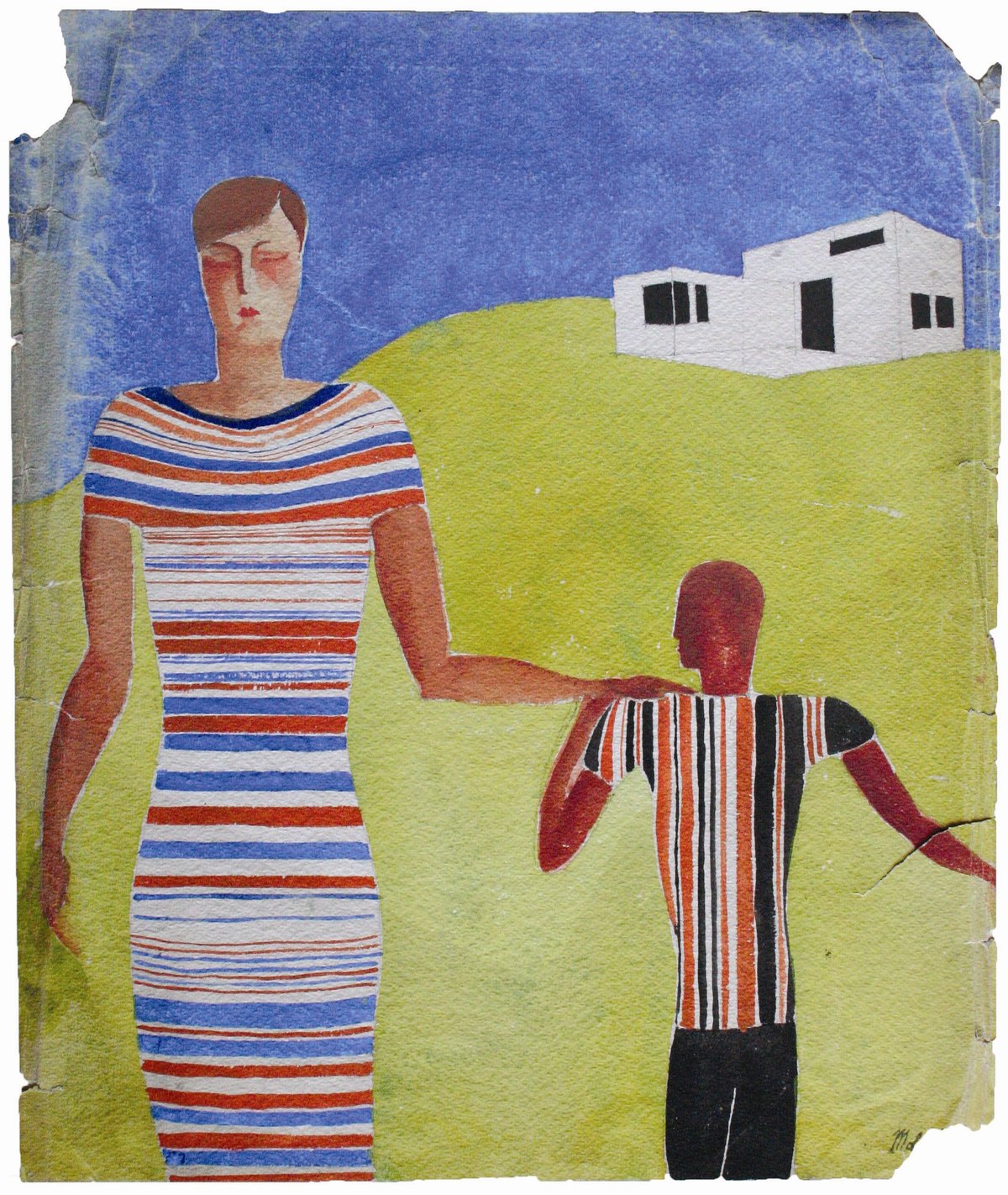
Nestled in the heart of Zagreb’s historic Upper Town, the Croatian Museum of Naïve Art is a unique cultural institution dedicated to a globally recognized genre—naïve art. Established in 1952 as the Peasant Art Gallery, it was the first museum in the world to focus exclusively on self-taught artists, primarily from Croatia’s rural communities. Today, the museum stands as a vital repository and promoter of Croatian naïve art, celebrated for its vibrant rural themes, imaginative landscapes, and signature use of bold colors and "strange perspective" that continues to enchant audiences worldwide.
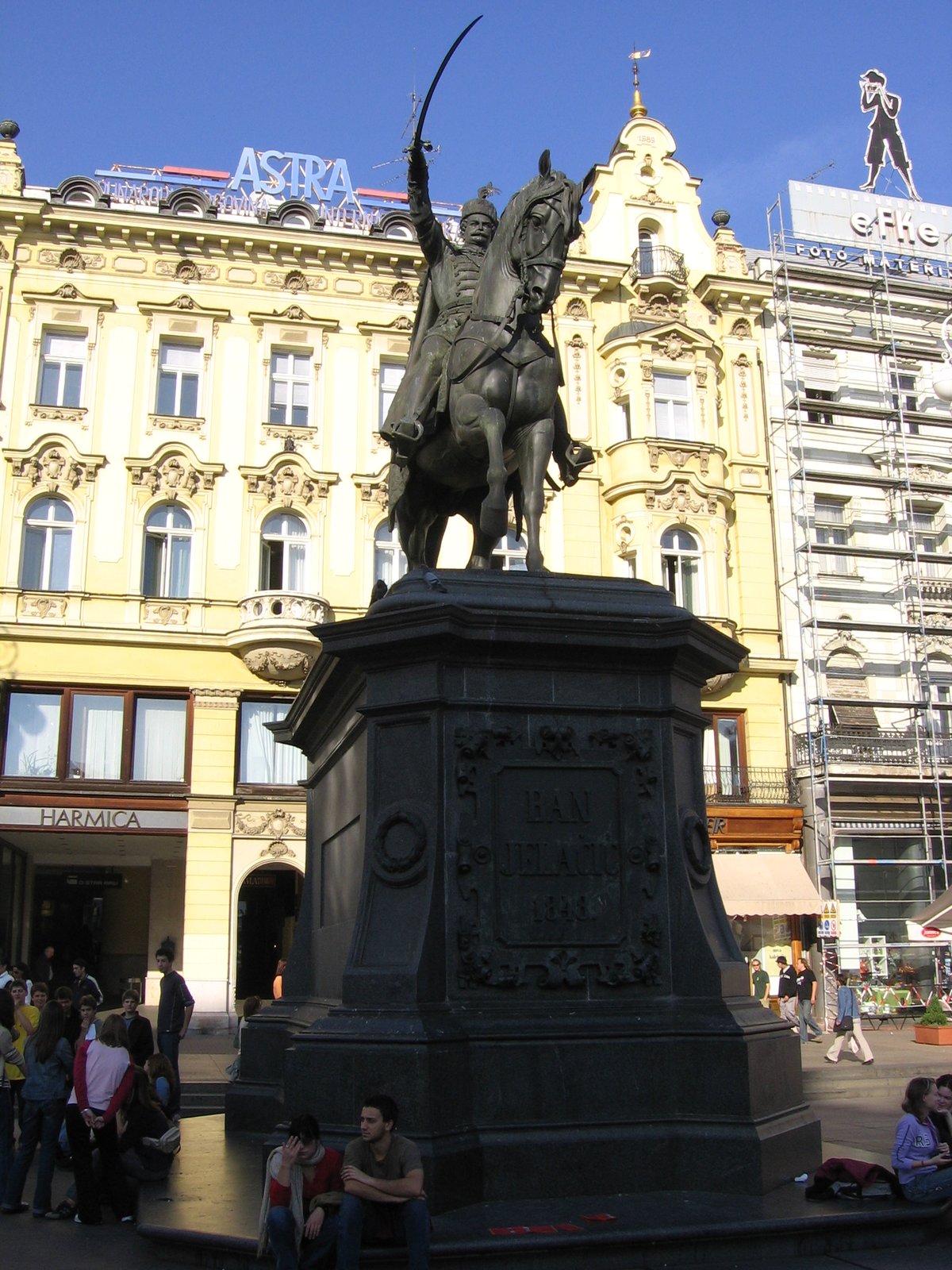
Visitors to the museum can expect an intimate encounter with the lives and creativity of artists such as Ivan Generalić, Franjo Mraz, and Mirko Virius—founders of the famed Hlebine School. Their pioneering works, characterized by oil-on-glass techniques and heartfelt depictions of village life, are cornerstones of the museum’s nearly 2,000-strong collection. In addition to its permanent exhibition, the museum offers educational workshops, guided tours, and rotating exhibitions, enriching public understanding of this movement’s cultural significance. Its central location—near landmarks like Ban Jelačić Square and Zagreb Cathedral—makes it a perfect stop for cultural explorers. For the latest information, visit the official museum website (hmnu.hr) or consult trusted cultural resources (Wikipedia; zagreb.com.hr).
History and Evolution
The Croatian Museum of Naïve Art was founded on November 1, 1952, as the Peasant Art Gallery (Wikipedia; museums.hr). Its original mission was to collect and exhibit works by self-taught rural artists—those working outside academic traditions. By 1956, the gallery was renamed the Gallery of Primitive Art, aligning with European movements that sought to legitimize the work of self-taught artists. To avoid the negative connotations of "primitive," the institution later adopted the term "naïve." In 1994, the Croatian Parliament officially renamed it the Croatian Museum of Naïve Art (CIMAM). The museum has maintained high professional standards in collecting, preserving, and presenting its holdings, which has earned it international acclaim (museums.hr).
The Naïve Art Movement in Croatia
Naïve art in Croatia refers to works by artists without formal academic training who developed distinctive, recognizable styles (CIMAM). The movement is deeply rooted in rural and folk traditions, often depicting vibrant scenes of everyday life, nature, and fantasy through vivid color palettes and imaginative landscapes (zagreb.com.hr). The movement gained momentum after the pivotal "Country" (Zemlja) exhibition in 1931, which brought attention to foundational figures such as Ivan Generalić and Franjo Mraz (Wikipedia).
The Hlebine School: Roots of Croatian Naïve Art
The Hlebine School, founded in the 1930s in the village of Hlebine, is the heart of Croatian naïve art. Pioneered by Ivan Generalić, Franjo Mraz, and Mirko Virius, the school is known for its detailed depictions of village life, unique use of perspective, and vibrant color (croatia4me.com; Wikipedia). Oil-on-glass painting—a technique that gives the work a luminous, almost ethereal quality—is a hallmark of the school (zagreb.com.hr). The movement also included influential sculptors such as Lavoslav Torti and Petar Smajić (Wikipedia).
Key Artists and Masterpieces
The museum’s collection features works by the Hlebine School’s founders:
- Ivan Generalić: Celebrated for masterpieces like “The Deer Wedding” and “Winter in Hlebine,” Generalić’s dreamlike landscapes are rich in detail and social commentary.
- Franjo Mraz: His dynamic paintings like “Ploughing” and “Spring” vividly capture the rhythms of rural life.
- Mirko Virius: Works such as “The Reapers” express deep empathy for the working class and a strong sense of social realism.
Later artists, such as Ivan Rabuzin, added poetic and stylized landscapes, while Emerik Feješ’s imaginative urban scenes expanded the movement’s reach (TripJive).
Thematic and Stylistic Features
Croatian naïve art is defined by:
- Distinctive Perspective: The "strange perspective effect" keeps color intensity and detail consistent, creating an intimate connection between viewer and subject (croatia4me.com).
- Vivid Colors: Bold, saturated hues dominate, often paired with striking patterns.
- Rural Themes: Village life, folklore, festivals, and nature are recurring subjects (zagreb.com.hr).
- Oil-on-Glass Technique: This method contributes to the luminous quality and occasional elements of fantasy and distortion.
Visitor Information
Location
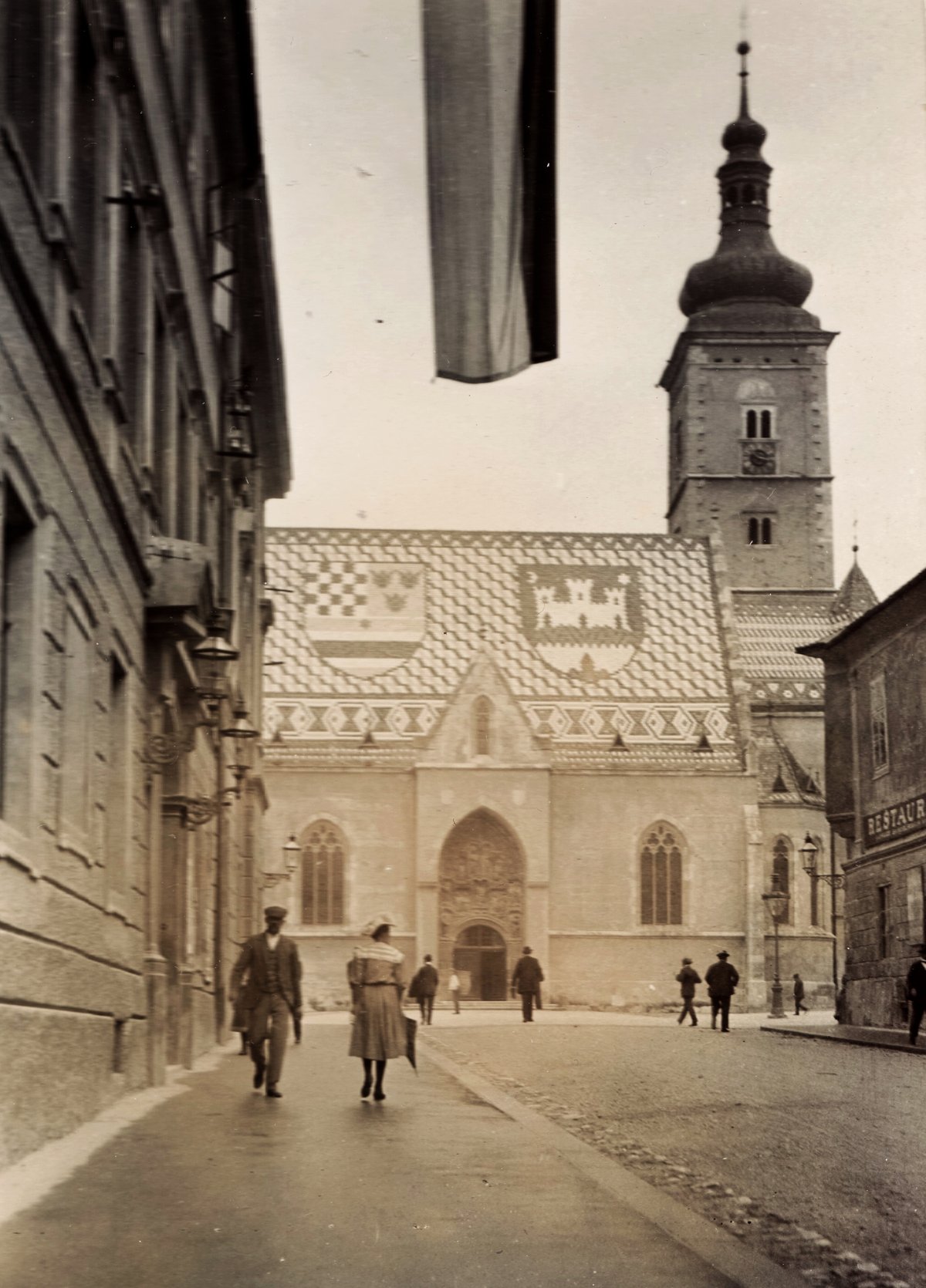
The museum is centrally situated at Ćirilometodska 3, Upper Town, Zagreb, in the elegant 18th-century Raffay Palace (InfoZagreb). Its proximity to landmarks such as St. Mark’s Church and the Stone Gate makes it easily accessible for tourists.
Opening Hours
- Monday to Friday: 10:00 AM – 6:00 PM
- Saturday: 10:00 AM – 1:00 PM
- Closed: Sundays and public holidays
Always verify current hours on the official website or WhichMuseum, as schedules may change for holidays or special events.
Tickets
- Adults: 40 HRK (~€5.50)
- Students/Seniors: 25 HRK (~€3.30)
- Children under 7 and Zagreb residents: Free
- Groups: Discounts available
Tickets can be purchased at the entrance or online (hmnu.hr).
Accessibility
While the museum strives for accessibility and offers free admission for retirees and visitors with disabilities, the historic building may pose some challenges. Contact the museum in advance regarding wheelchair access and accommodations.
Travel Tips
- Combine your visit with other Upper Town attractions, such as the Museum of Broken Relationships, Lotrščak Tower, and Ban Jelačić Square.
- Weekday mornings are typically quieter.
- Guided tours in English, Croatian, and other languages are available by prior arrangement.
Cultural and International Significance
The Croatian Museum of Naïve Art preserves a key chapter in the nation’s artistic history and promotes the legacy of self-taught creativity. With nearly 2,000 items in its collection, the museum regularly organizes educational workshops, community engagement programs, and international touring exhibitions (Wikipedia; Discover Walks). Its outreach has introduced Croatian naïve art to audiences in Japan, Italy, the USA, and beyond.
Educational Programs and Special Events
- Workshops: Hands-on sessions for adults and children, often featuring the signature reverse glass painting technique.
- Lectures and Screenings: Talks by art historians and film presentations delve into the cultural significance of naïve art.
- School and Family Programs: Interactive tours and art activities align with school curricula and encourage family participation.
- Temporary Exhibitions: Thematic shows introduce new acquisitions and explore international connections (Lonely Planet).
Nearby Attractions
Situated in Upper Town, the museum is within walking distance of many of Zagreb’s historical sites:
- St. Mark’s Church
- Stone Gate
- Museum of Broken Relationships
- Lotrščak Tower
- Ban Jelačić Square
Public transport is available to the base of Upper Town, with a short uphill walk to the museum.
Frequently Asked Questions (FAQ)
Q: What are the museum’s opening hours?
A: Monday to Friday, 10:00 AM–6:00 PM; Saturday, 10:00 AM–1:00 PM; closed Sundays and public holidays. Always confirm on the official website.
Q: How much are tickets?
A: Adults: 40 HRK (€5.50), students/seniors: 25 HRK (€3.30), free for children under 7 and Zagreb residents.
Q: Is the museum wheelchair accessible?
A: The historic building may pose challenges; contact the museum in advance to discuss accessibility.
Q: Are guided tours available?
A: Yes, in multiple languages by prior appointment.
Q: Is photography allowed?
A: Personal photography (without flash or tripods) is generally permitted; commercial use requires approval.
Q: Are there educational programs for children?
A: Yes, workshops and family-friendly activities are regularly organized.
Listen to the full story in the app
The whole Croatian Museum Of Naïve Art,
told well.
Listen to sourced travel stories with local history and practical context — ready offline.

Verified, and shown.
Researched and written by the Audiala editorial team from historical records, architectural archives, and local expertise.
Built from cited sources · see the method · How we make our guides →