Plan and listen to Croatian History Museum with Audiala.
Audio guide in your pocket, itinerary in your browser. Built for the way you actually visit.
Introduction
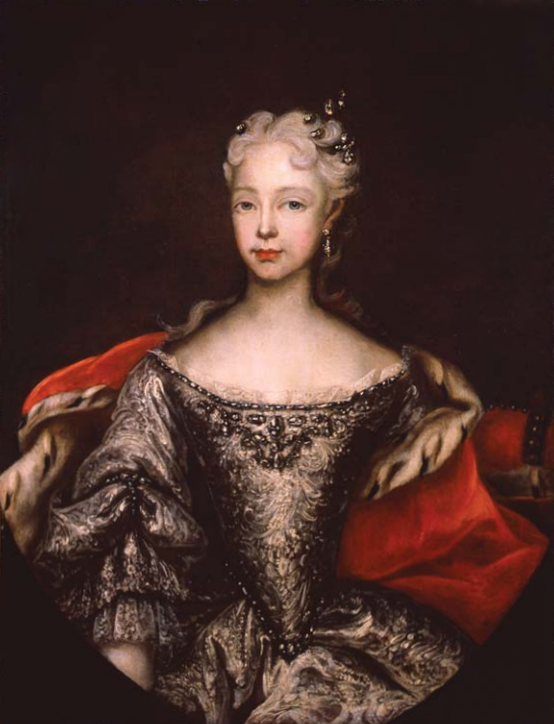
Nestled in Zagreb's historic Upper Town, the Croatian History Museum (Hrvatski povijesni muzej) is a central guardian of Croatia’s national story. Founded in 1846 amid the Croatian National Revival, the museum’s collection of nearly 300,000 artifacts spans from prehistoric times through Roman, medieval, Ottoman, Habsburg, and modern Croatian statehood. Housed in the elegant 18th-century Baroque Vojković Palace, the museum offers more than just artifacts—it immerses visitors in the architectural and cultural ambience of centuries past.
Although the main building is currently closed for renovations due to the 2020 Zagreb earthquake, the museum remains active through off-site exhibitions, digital content, and the Ivan Goran Kovačić Memorial Museum in Lukovdol. The Croatian History Museum’s dedication to preserving national memory, education, and cultural exchange makes it an essential destination for anyone interested in Croatia’s past and its role in the European context. For up-to-date information on hours, ticketing, and special events, consult the official Croatian History Museum website and reputable cultural platforms (whichmuseum.com, radiozagreb.com, Croatia Week).
Museum Origins and Development
The Croatian History Museum originated as the National Museum in 1846, reflecting the surge of Croatian national consciousness within the Austro-Hungarian Empire (official website). Its collection has evolved to include about 300,000 objects, making it one of the most comprehensive historical repositories in the region (whichmuseum.com). Today, the museum actively preserves, researches, and exhibits Croatian heritage across a broad range of themes and periods.
The Baroque Palace: Setting and Architecture
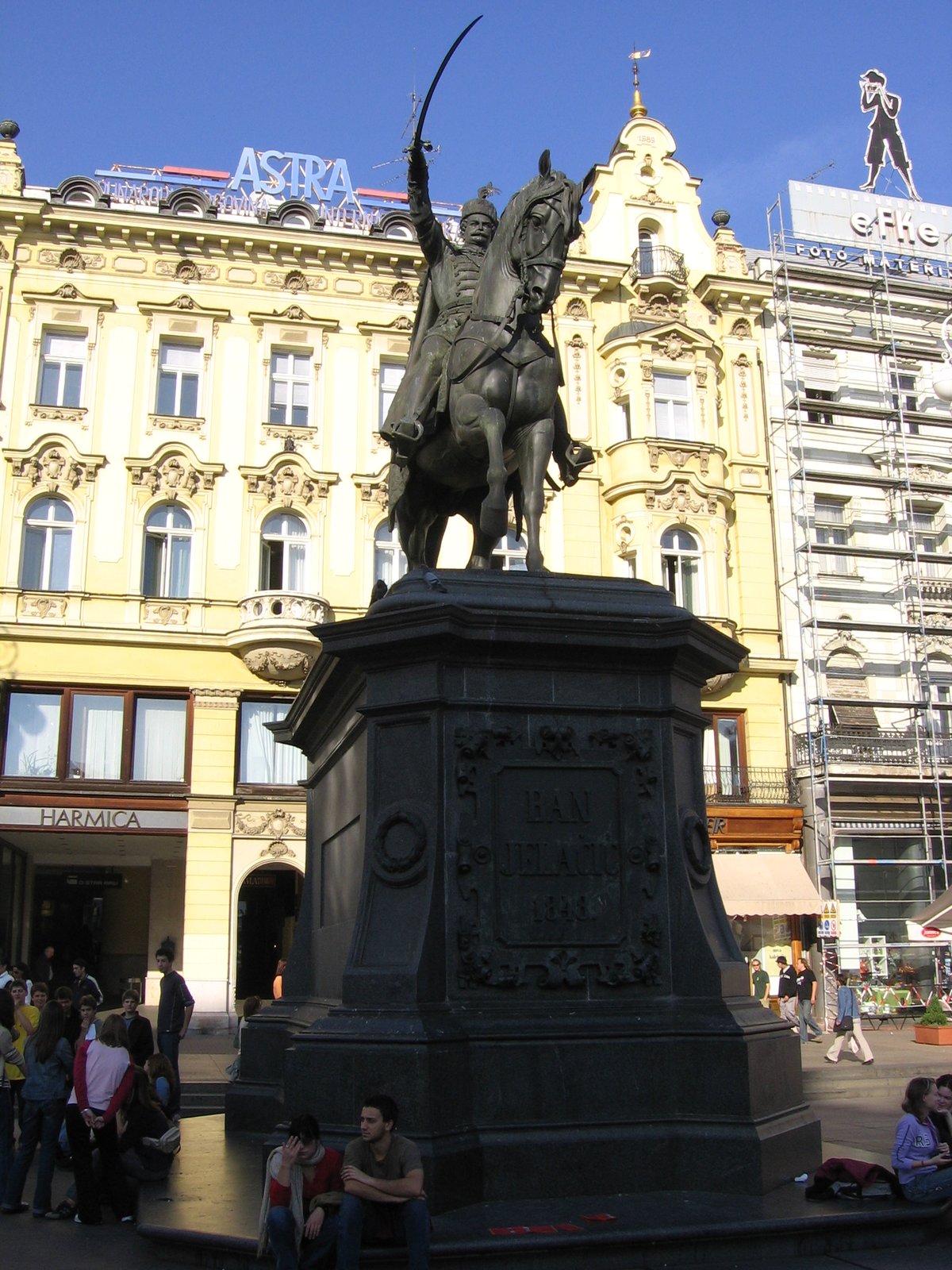
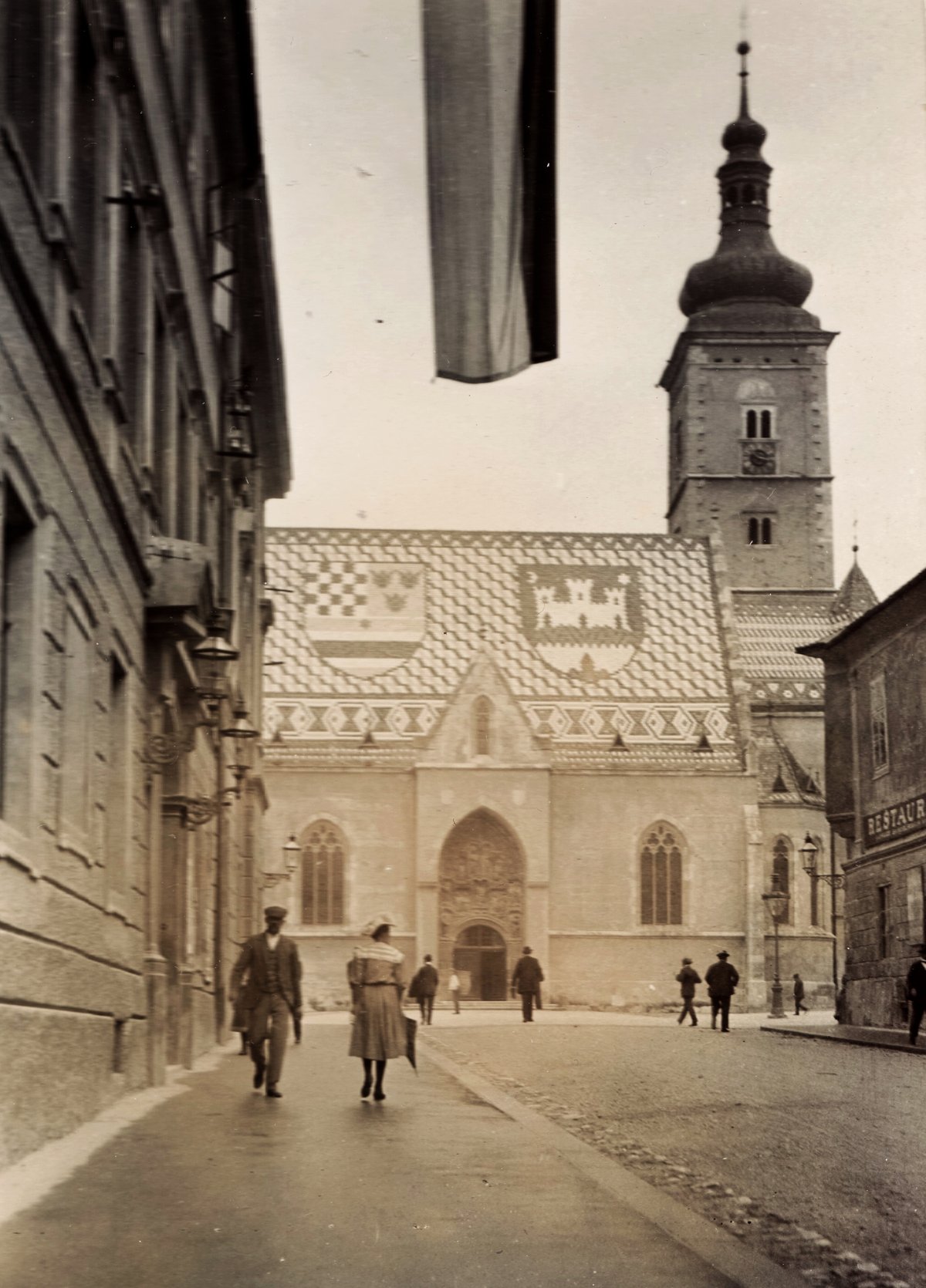
Located at Matoševa 9 in Zagreb’s Upper Town (Gornji Grad), the museum occupies the Vojković-Oršić-Rauch Palace, a striking example of 18th-century Baroque architecture. The palace’s ornate façade, grand interiors, and historic ballroom offer an evocative setting for the museum’s collections. Its position in Upper Town places it within walking distance of landmarks like St. Mark’s Church, Ban Jelačić Square, and the Stone Gate (radiozagreb.com).
Historical Periods and Thematic Collections
Prehistoric and Ancient Croatia
Archaeological finds from the Neolithic, Bronze, and Iron Ages, as well as Roman coins and everyday objects, reveal the deep roots of Croatian civilization (whichmuseum.com).
Medieval Croatia
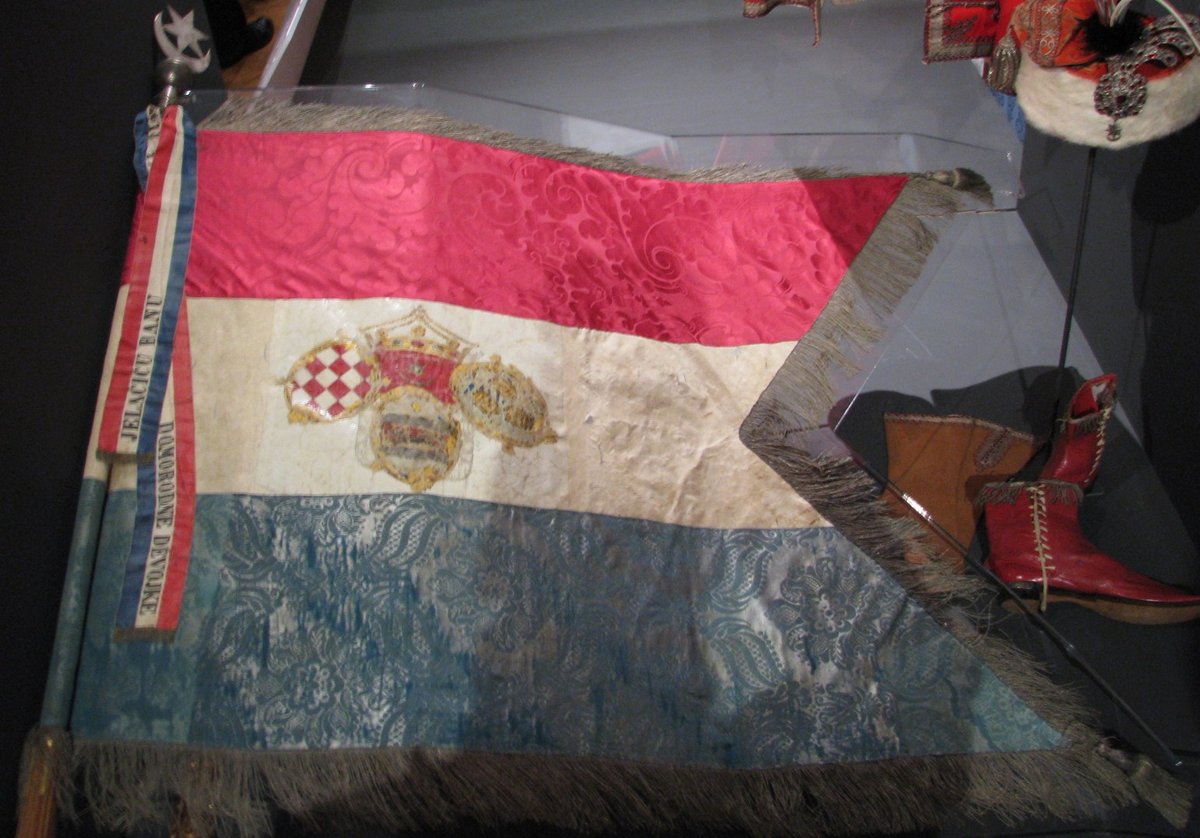
Manuscripts, religious artifacts, and heraldic emblems highlight the Kingdom of Croatia’s formation in the 10th century, subsequent unions with Hungary, and integration into the Habsburg Monarchy (radiozagreb.com).
Ottoman and Habsburg Eras
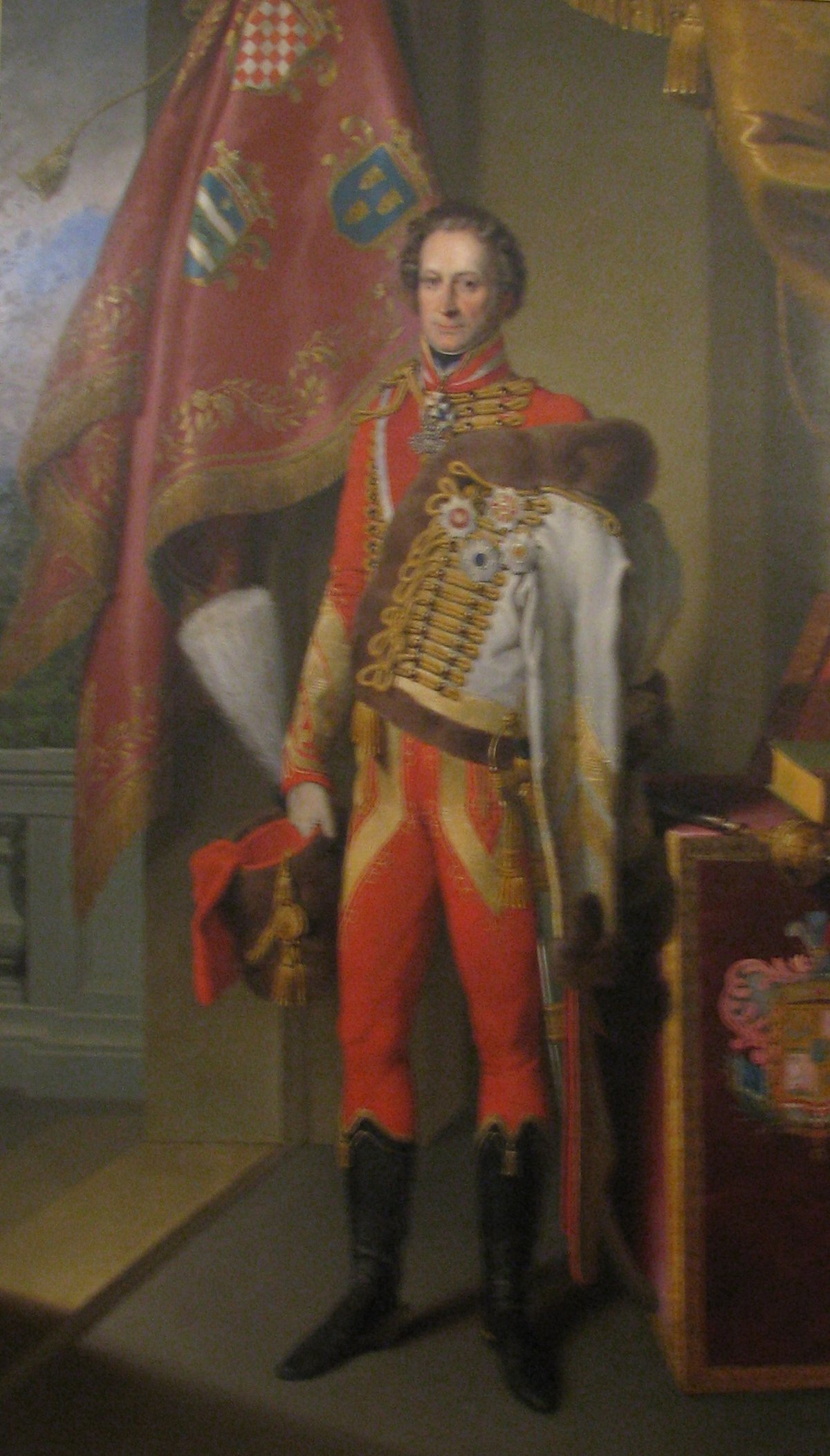
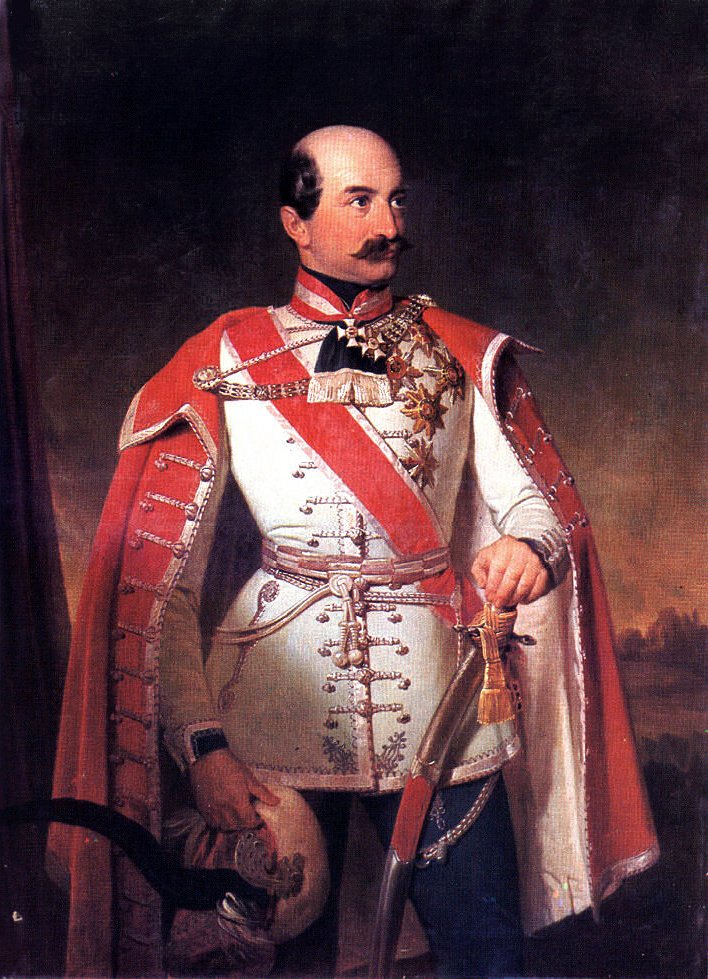
Displays of arms, armor, and uniforms illustrate Croatia’s role as a frontier society during the Ottoman invasions, while legal documents, portraits, and artifacts chart the modernization under Habsburg rule.
National Revival and Modern Statehood
Key artifacts include banners, medals, and documents from the 19th-century Illyrian Movement, the creation of Yugoslavia, WWII, and Croatia’s independence in 1991 (official website).
Thematic Collections
The museum’s 16–17 sub-collections encompass:
- Archaeology and Stone Monuments
- Numismatics (coins and currency)
- Religious Artifacts
- Heraldry and Sphragistics
- Arms and Armoury
- Everyday Life Objects
- Decorations, Medals, and Badges
- Flags and Uniforms
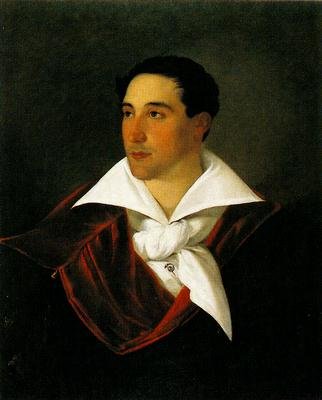
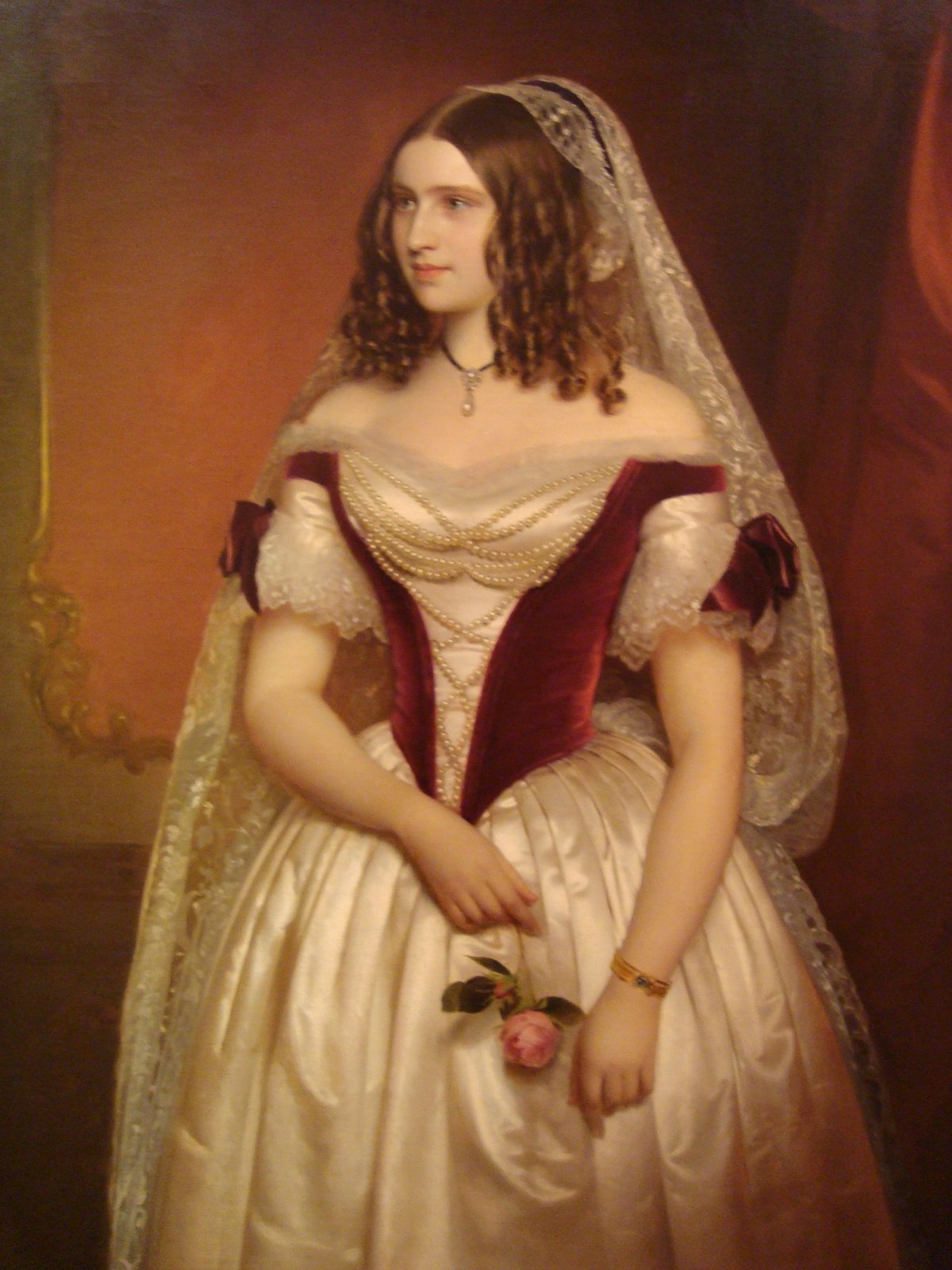
- Paintings, Prints, Sculptures
- Maps and Documents
- Photographs, Films, and Negatives
Noteworthy artifacts include medieval armor, royal charters, nationalist banners, and personal items belonging to influential Croatian figures (whichmuseum.com).
Visitor Information: Hours, Tickets, and Accessibility
Current Status (as of June 2025)
- Main Museum (Vojković Palace, Matoševa 9): Temporarily closed for renovations.
- Ivan Goran Kovačić Memorial Museum (Lukovdol): Open Tuesday–Saturday 10:00–17:00, Sunday 10:00–15:00, closed Mondays and holidays. Check official website for current details.
Ticket Prices
- Main Museum: Not applicable during closure.
- Ivan Goran Kovačić Memorial Museum: Refer to the official website for updated pricing.
- When operational, standard admission is typically:
- Adults: €3.00 (22.60 HRK)
- Pupils, students, retirees: €2.00 (15.07 HRK)
- Free: Children under 7, ICOM, and Croatian Museum Association members
Accessibility
While the palace’s historic nature imposes some limitations, the museum is generally wheelchair accessible, with assistance available by prior arrangement. The cobblestone streets and steep inclines of Upper Town may pose challenges—plan accordingly (museums.hr).
Getting There
The museum is a short walk from Ban Jelačić Square and accessible by tram lines 12, 14, or 17 (Frank About Croatia). The Zagreb funicular also connects Lower and Upper Town.
Facilities
Amenities typically include restrooms and a cloakroom (availability may be affected by renovations). No on-site café, but many options nearby in the Upper Town.
Travel Tips and Nearby Attractions
While the museum is closed, Upper Town remains a historical treasure trove. Consider visiting:
- Museum of Broken Relationships
- Zagreb City Museum
- St. Mark’s Church
- Stone Gate
- Lotrščak Tower
- Klovićevi Dvori Gallery (hosting special exhibitions, including the 1100th anniversary of the Croatian Kingdom in autumn 2025 (Croatia Week)))
Combine your museum visit with a walking tour of the area’s historic streets.
Frequently Asked Questions (FAQ)
Q: When will the Croatian History Museum reopen?
A: No confirmed date as of June 2025. Check the official website for updates.
Q: Can I visit the museum virtually?
A: Yes, some online content and virtual tours are available (official website).
Q: Are guided tours available?
A: Guided tours in Croatian and English are available when the museum is open; virtual or off-site tours may be scheduled during renovations.
Q: Is the museum accessible for wheelchair users?
A: Partially accessible; contact the museum for details.
Q: How do I buy tickets?
A: Tickets are sold at the venue or online for special exhibitions; check the official website for details.
Q: What are some other historical sites near the museum?
A: St. Mark’s Church, Zagreb City Museum, Stone Gate, Museum of Broken Relationships, Klovićevi Dvori Gallery.
Listen to the full story in the app
The whole Croatian History Museum,
told well.
Listen to sourced travel stories with local history and practical context — ready offline.

Verified, and shown.
Researched and written by the Audiala editorial team from historical records, architectural archives, and local expertise.
Built from cited sources · see the method · How we make our guides →