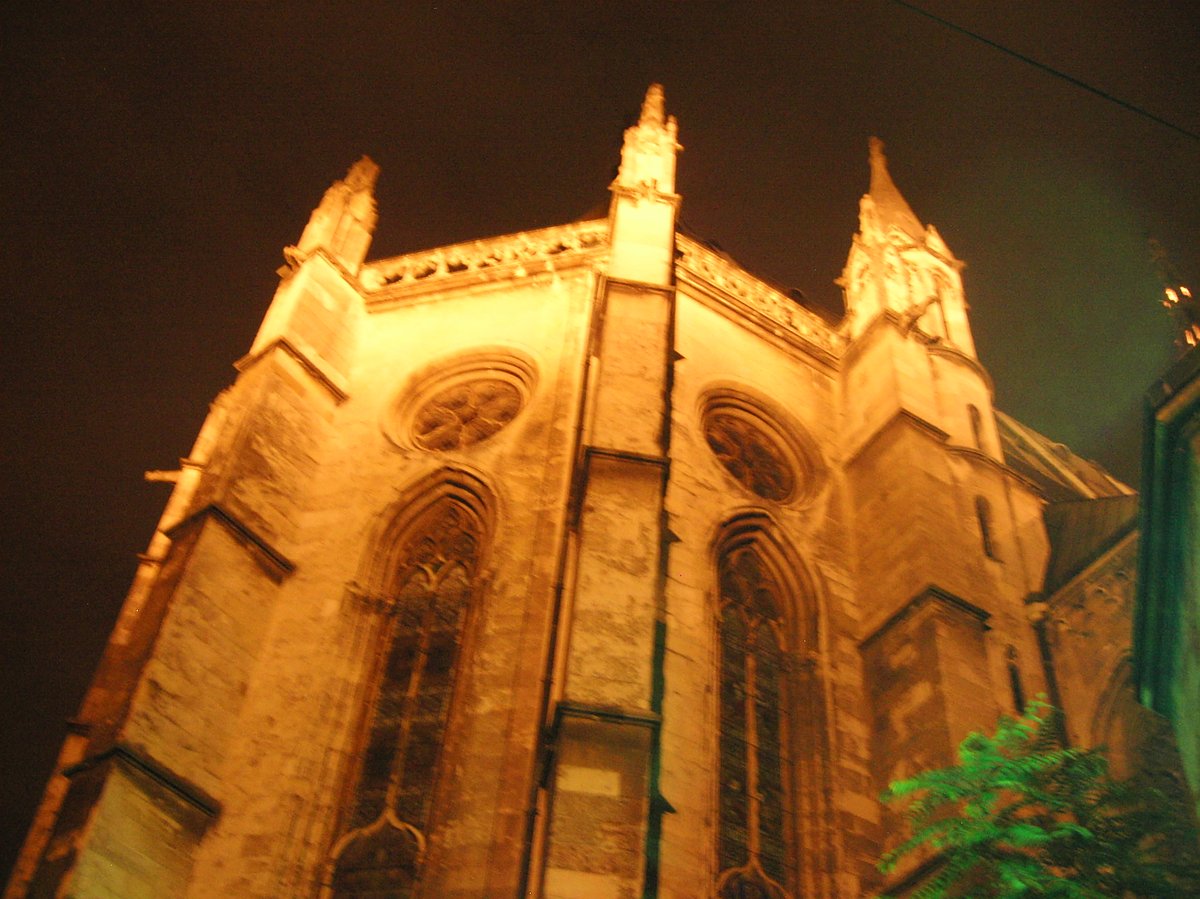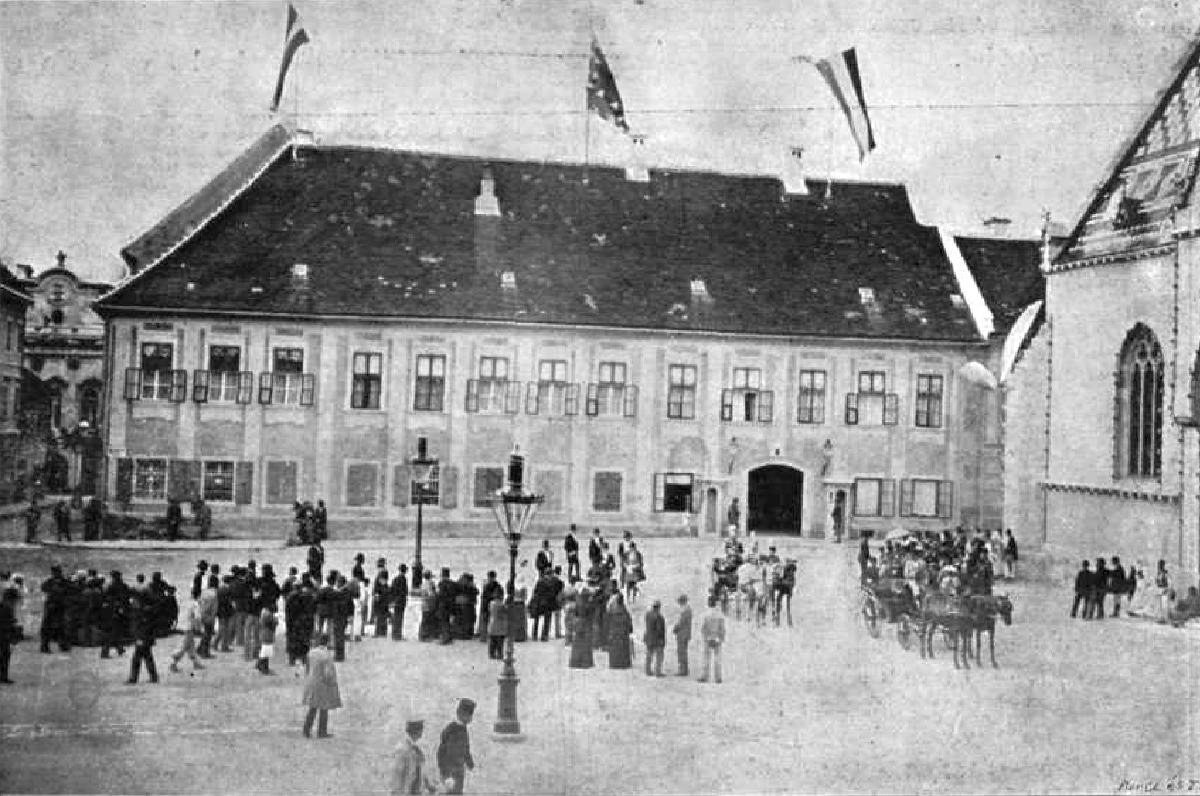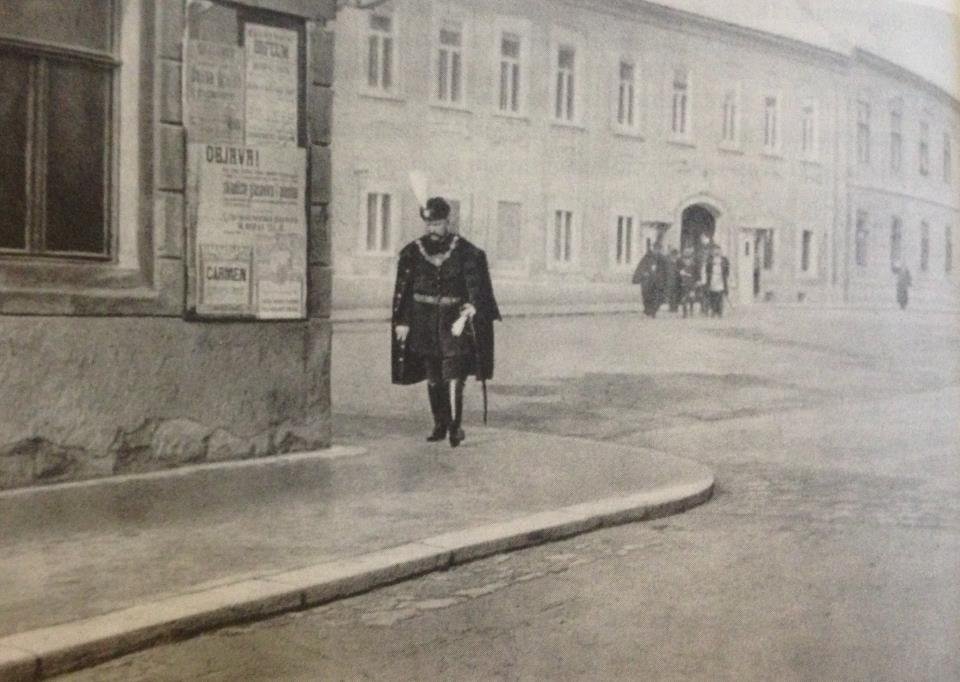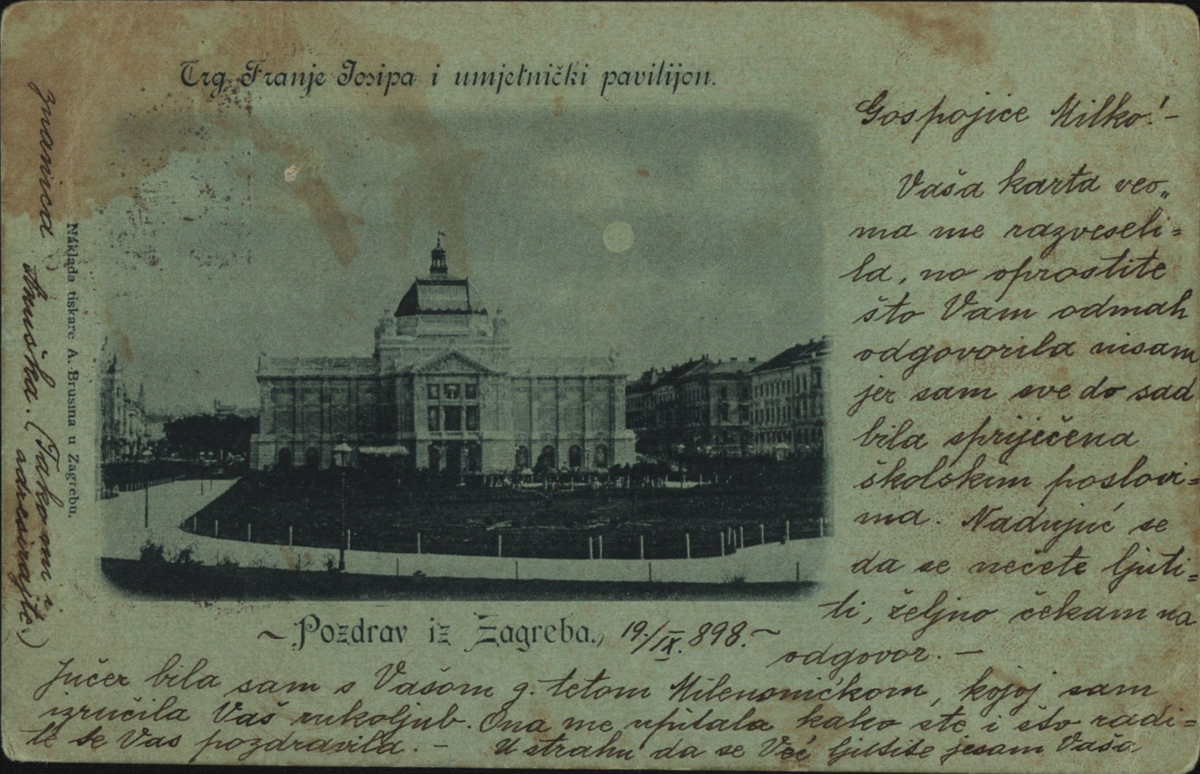
Zagreb
location_on 12 attractions
calendar_month May-June or September-October
schedule 3-4 days

Introduction

The cannon fires at noon and the entire city flinches — then smiles. In Zagreb, Croatia, a 19th-century artillery piece still dictates lunch plans, echoing off coffee-cup porcelain and Baroque facades like a municipal heartbeat. That single daily boom sums the place up: Central-European proper on the surface, quietly absurd underneath.

Between the mountain and the river, two medieval hilltop settlements — Gradec and Kaptol — spent centuries bickering until they merged into one capital. Their old rivalry survives in street names, in the tilt of rooflines, in the way locals still debate whether štrukli should be boiled or baked. Walk the cobbled lanes of the Upper Town at dusk and you’ll smell incense from the Stone Gate shrine mixing with wood smoke from a nearby tavern; the light turns the same color as the red tiles on St Mark’s Church and everything feels slightly staged, as if Zagreb is auditioning for a film about itself.

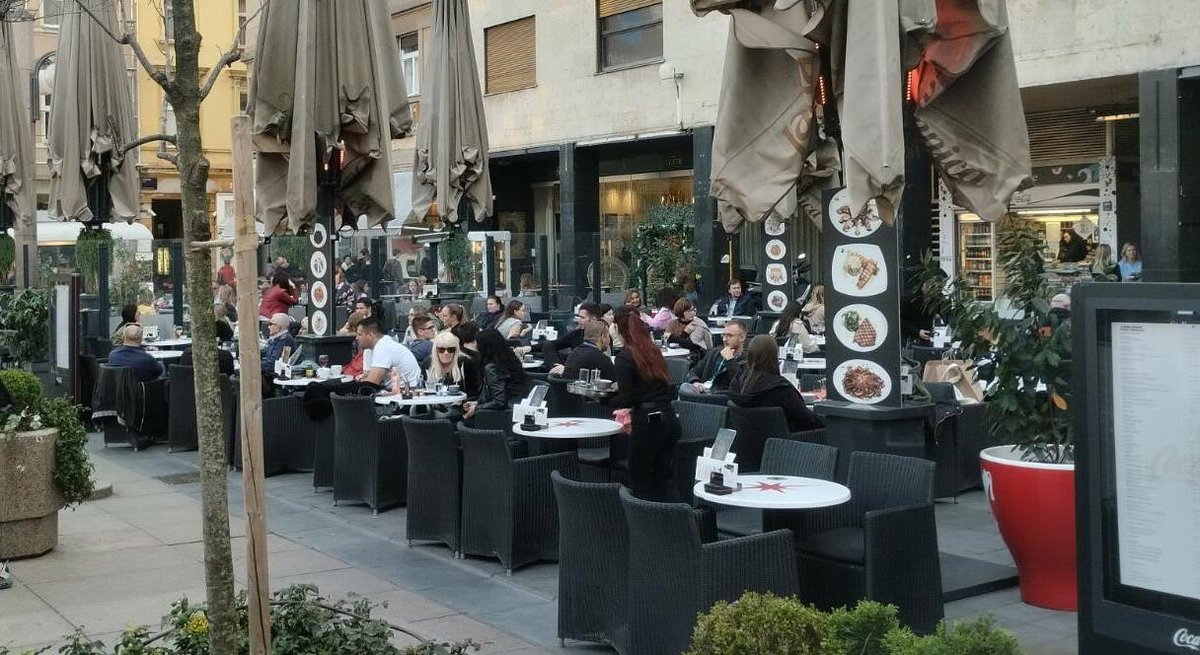
Down in the Lower Town, Austro-Hungarian arcades open onto parks laid out like green rooms. Here the city’s real talent shows up: the 11 a.m. espresso ritual called špica, when half of Zagreb poses on café terraces to see and be seen over a single thimble of coffee that lasts two hours. Zagreb doesn’t shout. It winks, invites you to sit, then tells you the story of how a Balkan city learned to keep time with a cannon and measure happiness in foam.

Places to Visit

The Most Interesting Places in Zagreb

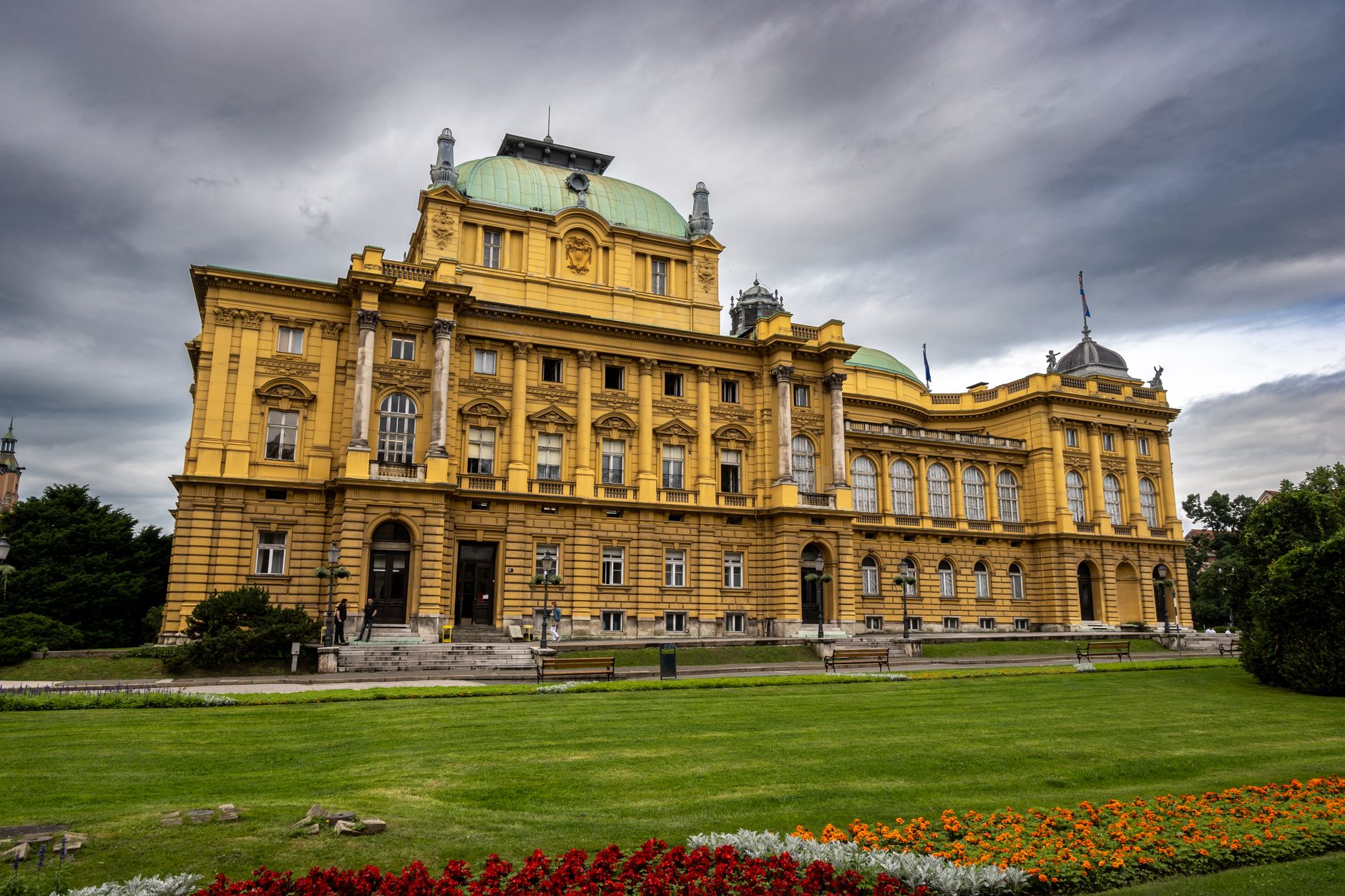
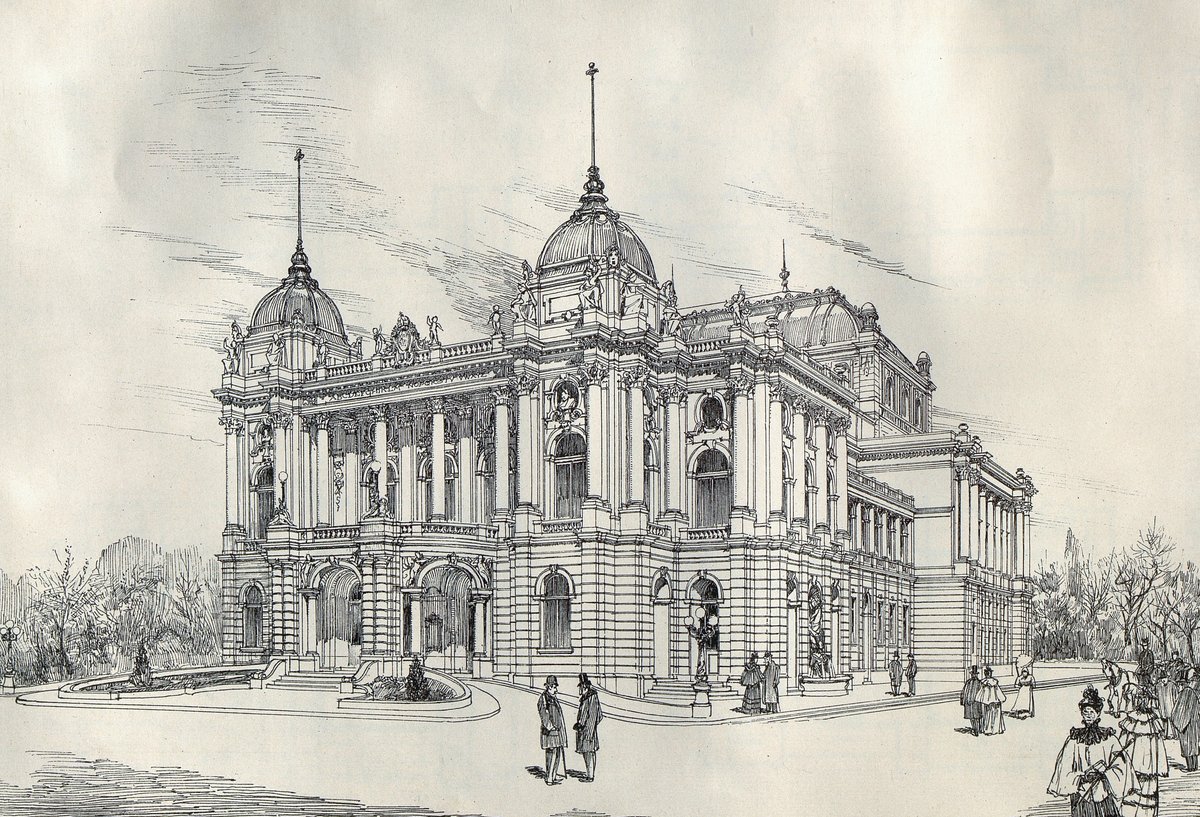
Croatian National Theatre in Zagreb

Croatian National Theatre in Zagreb

The Croatian National Theatre in Zagreb (Hrvatsko narodno kazalište u Zagrebu, or HNK Zagreb) stands as a cornerstone of Croatia’s rich cultural heritage and…

Ban Jelačić Square

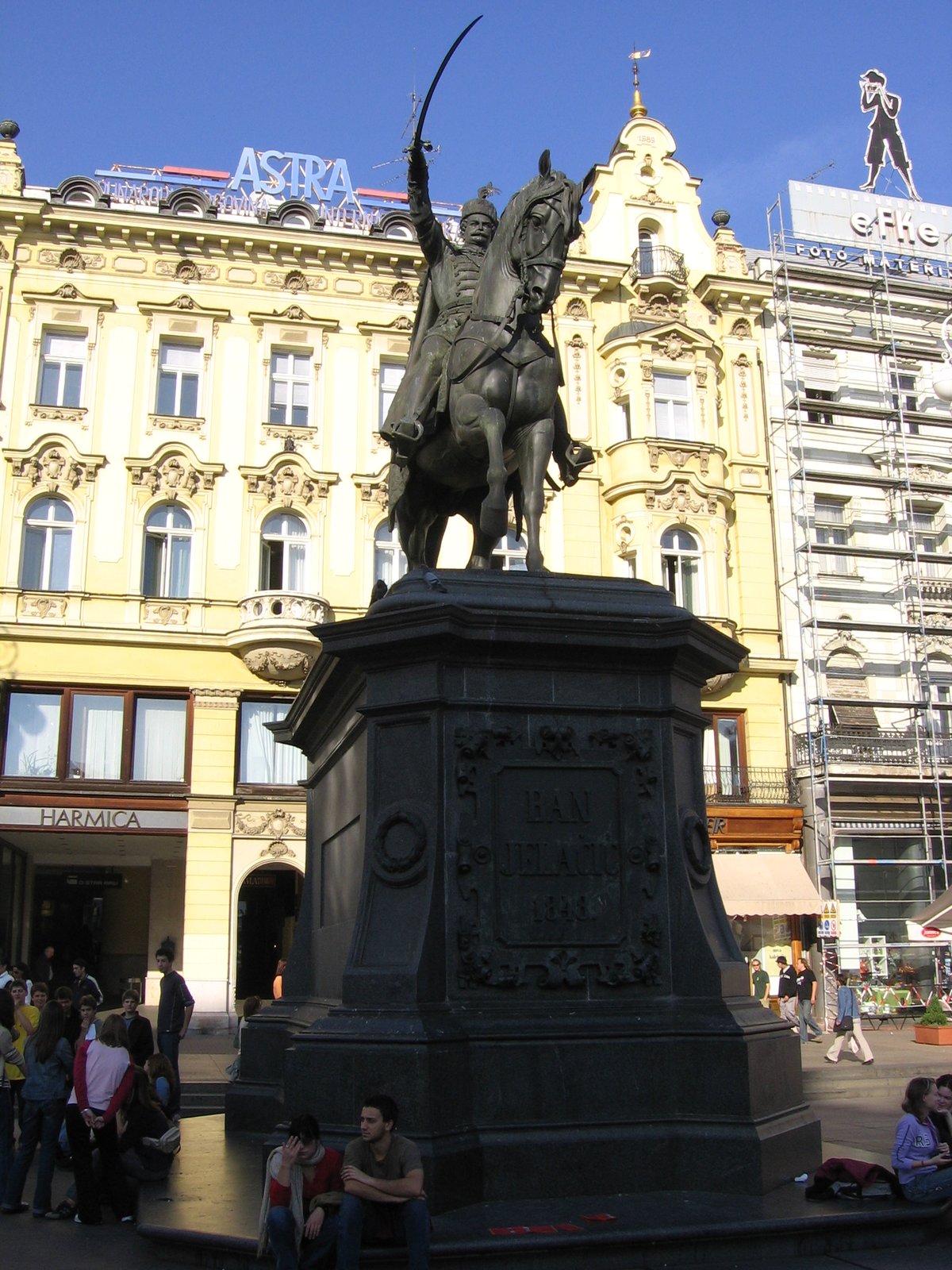
Ban Jelačić Square

Discover the heart of Zagreb through the lens of Ban Josip Jelačić Square, a historical and cultural landmark that stands as a testament to Croatia's rich…

St. Mark'S Church in Zagreb

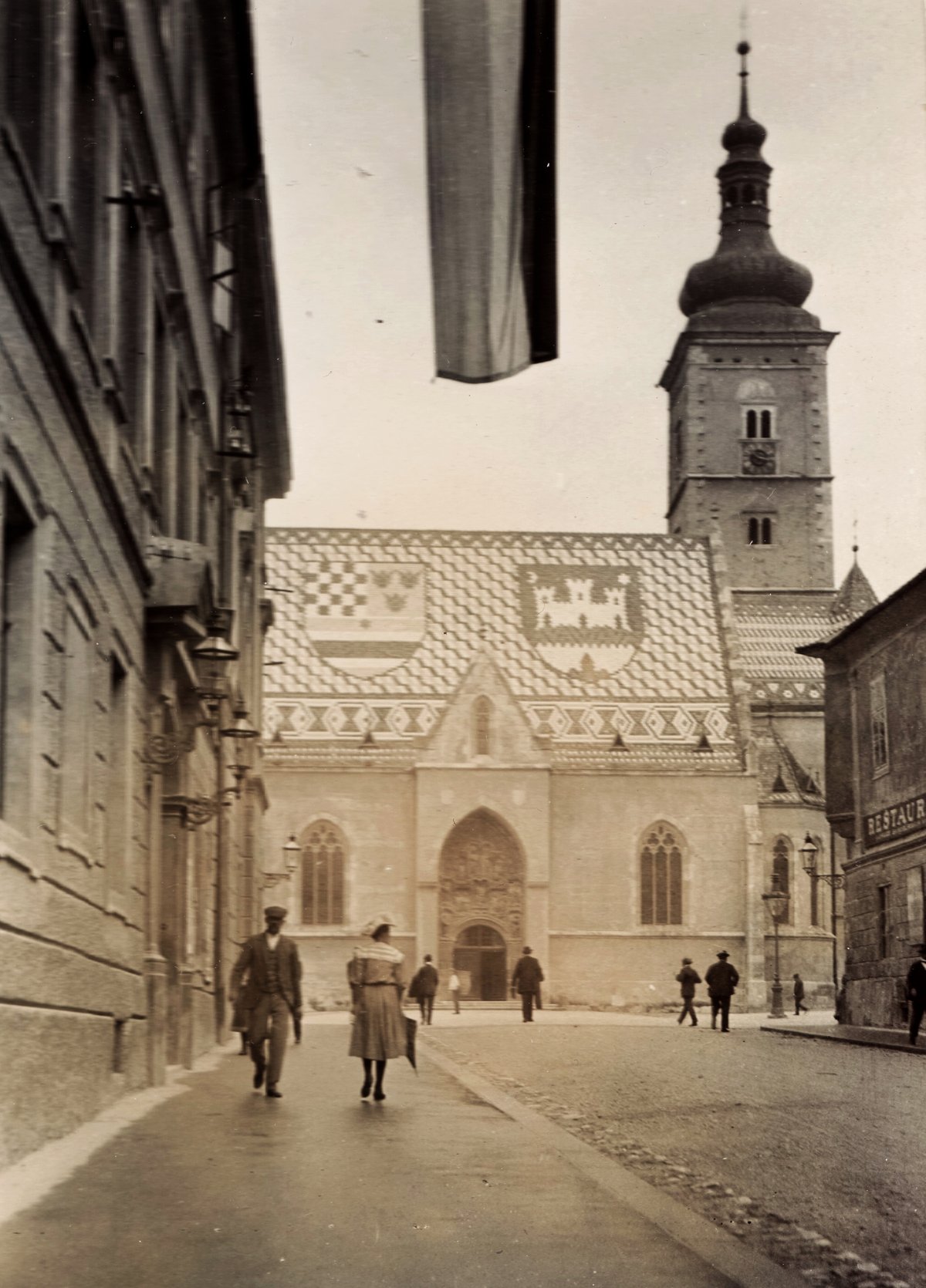
St. Mark'S Church in Zagreb

Nestled in the historic heart of Zagreb’s Upper Town, St.

Croatian Museum of Contemporary Art

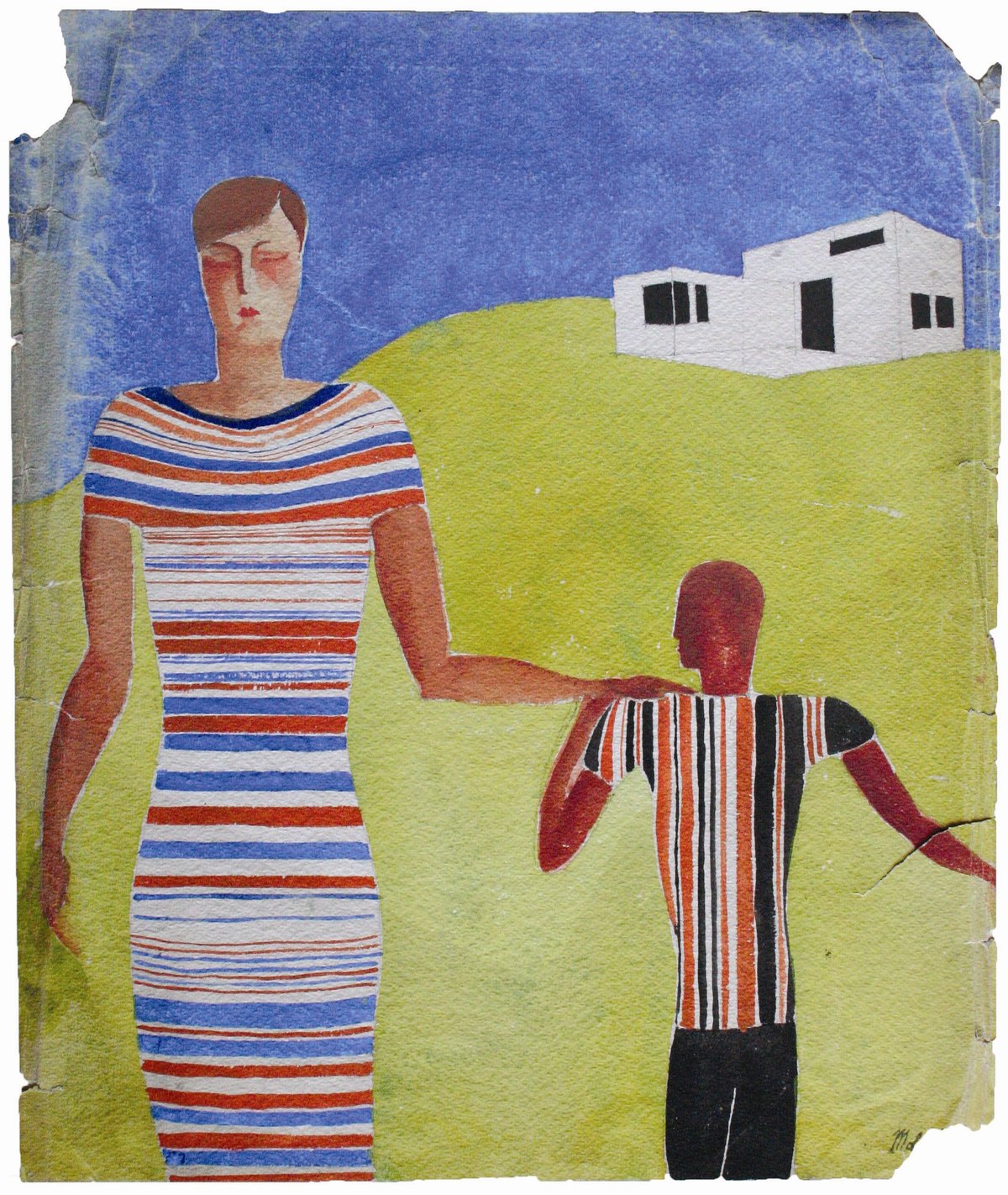
Croatian Museum of Contemporary Art

Nestled in the vibrant city of Zagreb, the Croatian Museum of Contemporary Art (Muzej suvremene umjetnosti, MSU) stands as Croatia’s foremost institution…

Mimara Museum

Mimara Museum

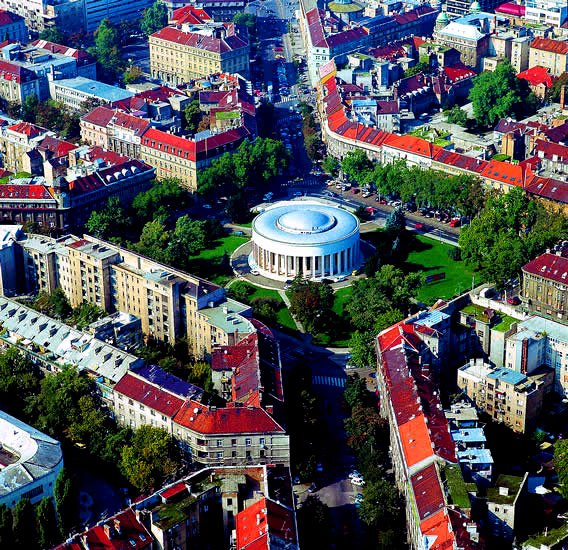
Nestled in the heart of Zagreb’s vibrant Lower Town, the Mimara Museum stands as one of Croatia’s premier cultural landmarks, renowned for its extensive and…

Nikola Šubić Zrinski Square

Nikola Šubić Zrinski Square

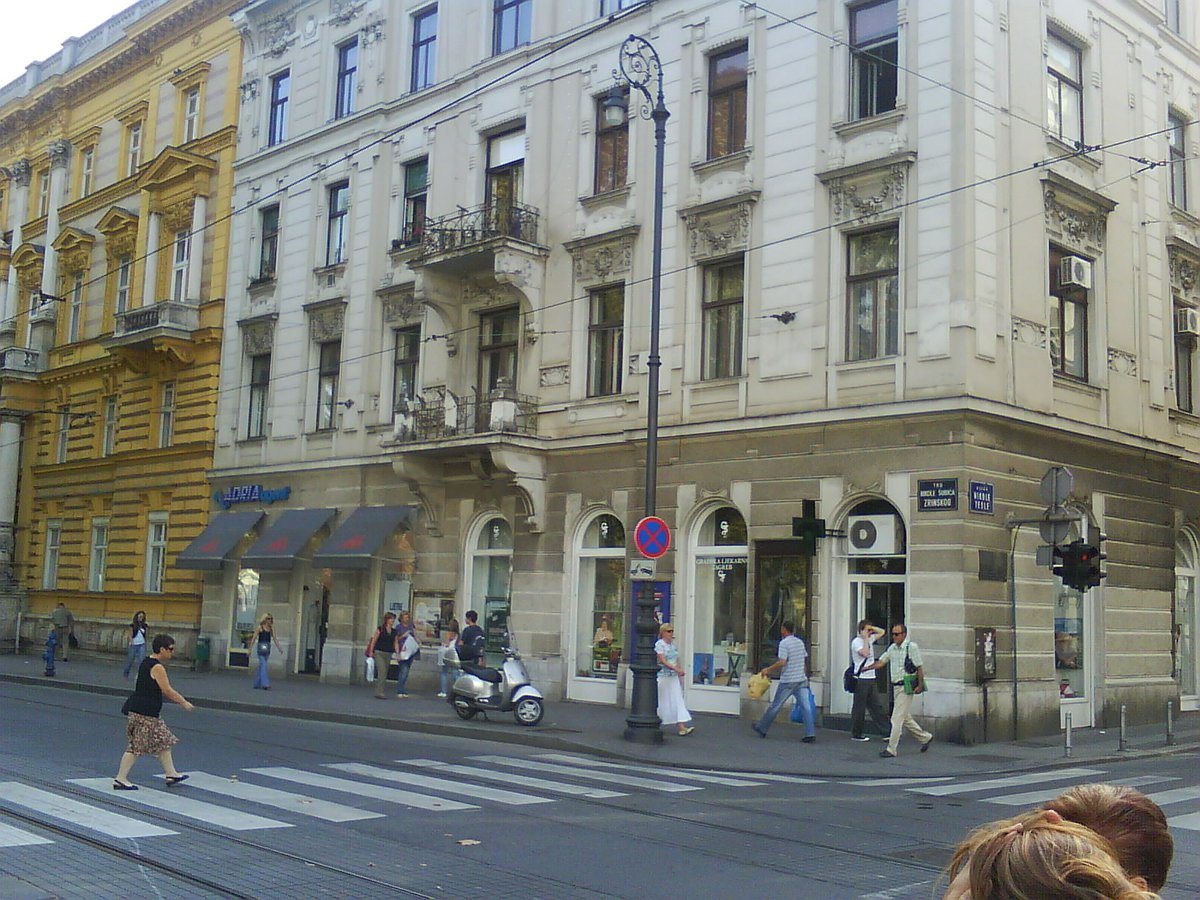
Nestled in the vibrant heart of Zagreb’s Lower Town, Nikola Šubić Zrinski Square, commonly known as Zrinjevac, stands as a captivating blend of history,…

landscape

Modern Gallery

Nestled in the heart of Zagreb, Croatia, the Modern Gallery—officially known since 2021 as the National Museum of Modern Art (Nacionalni muzej moderne…

Archaeological Museum of Zagreb

Archaeological Museum of Zagreb

The Archaeological Museum of Zagreb stands as one of Croatia's premier cultural institutions, offering an unparalleled glimpse into over 2.5 million years of…

landscape

Lotrščak Tower

Kula Lotršćak, also known as Lotrščak Tower, stands as one of Zagreb's most iconic historical and cultural landmarks.

landscape

Republic of Croatia Square

Republic of Croatia Square (Trg Republike Hrvatske) stands as one of Zagreb’s most emblematic and culturally rich landmarks, located in the heart of the…

landscape

Gavella Drama Theatre

Nestled in the vibrant heart of Zagreb, Croatia, the Gavella Drama Theatre (Gradsko dramsko kazalište Gavella) stands as a cultural beacon for theatre…

Croatian History Museum

Croatian History Museum

Nestled in the historic Upper Town of Zagreb, the Croatian History Museum (Hrvatski povijesni muzej) stands as a vital custodian of Croatia’s rich and…

What Makes This City Special

Upper Town Time-Capsule

St. Mark’s Church roof flashes the medieval coats-of-arms in red, white and blue tile—Croatia’s first flag, fired in 13th-century kilns. A 66-metre funicular hauls you up in 55 seconds, still priced at the 1890 fare (€0.70) and still accident-free since Queen Victoria was alive.

Museum of Broken Relationships

Inside a baroque palace on Radiceva Street, strangers have left an axe, a silicone breast implant, a glitter cannon—each tagged with the love story that ended. The concept began here in 2006 and now tours the world, but the original Zagreb exhibits still make visitors laugh out loud and then go very quiet.

Dolac Market Dawn

Stalls open at 6:30 under red umbrellas; the burek counter has flipped phyllo since 1967. Buy a wedge of štrukli pastry still warm from the oven, then watch cathedral spires emerge through the morning haze—three icons in one frame.

Medvednica Mountain Over the City

Bus 140 climbs 1,033 m to Sljeme peak in 45 minutes; the trail passes a 13th-century fortress with an eternal flame. In winter you can ski above the capital; in summer the view stretches to Slovenia.

Historical Timeline

Where Two Hills Became a Capital

From fortified villages to the city that fired cannons at noon

public
c. 125,000 BCE

Neanderthals Roam Krapina

Forty kilometers north of where Zagreb would rise, Neanderthals leave behind the richest collection of their bones ever found. The site at Krapina holds remains of at least seventy-five individuals—hunting mammoth in river valleys that still bear their footprints in the loess.

gavel
1094

King Ladislaus Names Zagreb

Hungarian King Ladislaus I plants his royal charter on Kaptol hill, founding a bishopric and giving the city its first written name. The document arrives during the War of Croatian Succession—politics carved in parchment that will echo for nine centuries.

church
1217

Cathedral Consecrated

Bishop Treguan raises the cross in a new Gothic cathedral whose twin spires will eventually pierce 108 meters of sky. The building crowns Kaptol hill like a stone exclamation mark—visible to shepherds driving flocks along the Sava River marshes below.

gavel
1242

Golden Bull Frees Gradec

King Béla IV flees Mongol horsemen and rewards Gradec hill with a royal charter that makes its citizens free. They gain the right to elect their own judge, hold markets, and answer only to the crown—privileges that turn a village into a city state overnight.

church
1263

Stone Gate Survives Fire

Flames consume most of Gradec's wooden houses but the eastern gate stands defiant. Locals discover a miraculously undamaged painting of the Virgin inside—transforming the gate into a shrine where candles have burned continuously for seven centuries.

palette
1499

St. Mark's Gets Its Coat of Arms

Stone-carvers chisel Zagreb's first city emblem into St. Mark's Church wall—three identical towers on a blue field. The carving survives today in the City Museum, proof that civic pride predated tourism by five hundred years.

gavel
1527

Habsburgs Take the Throne

After Hungary's catastrophic defeat at Mohács, Croatian nobles pledge loyalty to the Habsburg emperor. Zagreb awakens under Austrian rule that will last four centuries—its streets soon echoing with German commands and Italian architects' measurements.

castle
1621

Zagreb Becomes Ban's Seat

Nikola Frankopan moves the Croatian viceroy's residence to Zagreb, making the city the administrative capital. Government clerks replace bishops as power brokers—ink stains spread across the Upper Town like a new religion.

school
1669

Jesuits Found the University

The Society of Jesus opens an academy teaching philosophy, theology, and law—seed of what becomes the University of Zagreb. Lecture halls fill with students speaking Latin, Croatian, and German—creating Croatia's first true intellectual crossroads.

church
1669

St. Catherine's Rises in Baroque Glory

Jesuits complete St. Catherine's Church with soaring vaults and gilded altars that still make visitors gasp. The building brings Roman Baroque to the Balkans—proof that even Counter-Reformation propaganda could create beauty.

person
1801

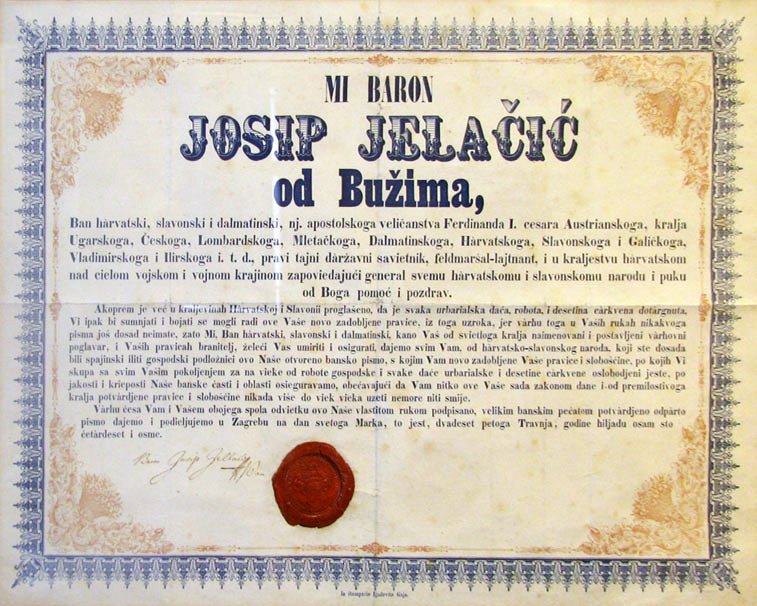
Josip Jelačić Born

The future Ban of Croatia enters the world in Petrovaradin—destined to become Zagreb's most famous horseman. His statue will dominate the main square, sword raised toward Hungary in permanent defiance.

gavel
1851

Kaptol and Gradec Unite

Centuries of rivalry end when the two hill settlements merge into one city under Mayor Janko Kamauf. The long-separated twins—one ecclesiastical, one secular—finally share a budget, a police force, and a future.

local_fire_department
1880

Earthquake Rebuilds the City

At 7:33 am, the ground convulses—destroying 1,800 buildings and toppling the cathedral's spires. The disaster becomes opportunity: architects rebuild in Neo-Gothic glory while urban planners finally tame the medieval street maze.

person
1883

Ivan Meštrović Born

Croatia's greatest sculptor enters the world in Slavonia—destined to carve masterpieces that will grace Zagreb's churches and squares. His wooden crucifix still hangs in St. Mark's, where candlelight makes the suffering Christ seem to breathe.

factory
1890s

Funicular Opens

The world's shortest funicular begins hauling passengers 66 meters up the hill in 55 seconds flat. At one kuna per ride, it becomes the city's first public transport—still running today with zero accidents on its century-old steel rails.

music_note
1895

National Theatre Opens

Viennese architects Helmer and Fellner unveil a yellow Neo-Baroque jewel that crowns Lenuci's Horseshoe. The curtain rises on a Croatian-language performance—finally, opera in the language of the market vendors outside.

factory
1926

Dolac Market Opens

City authorities demolish a tangle of medieval lanes to create Croatia's largest open-air market. Red umbrellas bloom above stalls where farmers still sell cheese wrapped in walnut leaves—commerce unchanged since the first Kaptol markets eight centuries earlier.

swords
1941

Zagreb Becomes Fascist Capital

The Independent State of Croatia proclaims Zagreb its capital under the Ustaše regime. Government buildings sprout swastikas while resistance cells form in the same cellars where 19th-century patriots once plotted against Hungary.

gavel
1945

Yugoslav Zagreb Rises

Partisan tanks roll into a city largely spared the destruction visited on other Yugoslav capitals. The red star replaces the checkerboard coat of arms—Zagreb becomes capital of a socialist republic within Tito's federal state.

factory
1956

Novi Zagreb Emerges

Cranes transform marshy land south of the Sava into a Modernist city of wide avenues and concrete apartment blocks. The expansion doubles Zagreb's size—creating a parallel city where factory workers live in flats with central heating and shared laundry rooms.

gavel
1991

Independence Declared

Croatia's parliament proclaims independence in Zagreb's baroque chambers—turning the city into capital of a sovereign nation for the first time in nine centuries. Tanks roll through suburban streets as the Yugoslav army retreats, but the medieval core survives intact.

local_fire_department
March 2020

Earthquake Shakes the Cathedral

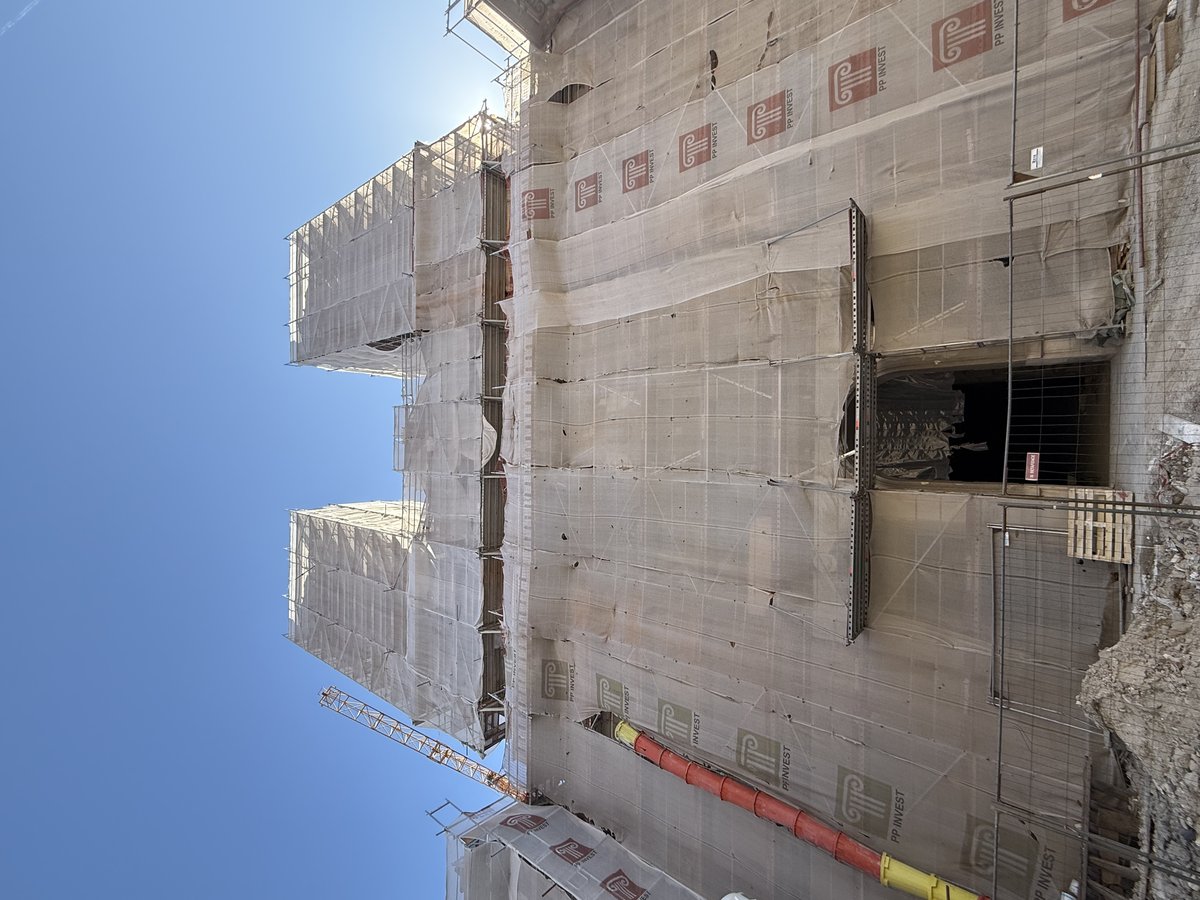
At 6:24 am, a 5.5 magnitude quake topples the cathedral's south spire and shatters the historic heart. Scaffolding already cloaked the building for renovations—now it becomes a symbol of resilience under reconstruction that will stretch past 2035.

schedule
Present Day

Notable Figures

Nikola Tesla

1856–1943 · Inventor
Attended high school here 1870-1873

The teenage Tesla walked these same Upper Town cobblestones, already dreaming of harnessing Niagara Falls. Today, the Technical Museum displays his original induction motor — he'd recognize the city's electric trams, though he'd probably suggest making them wireless.

Slavoljub Eduard Penkala

1871–1922 · Inventor
Lived and worked here 1906-1922

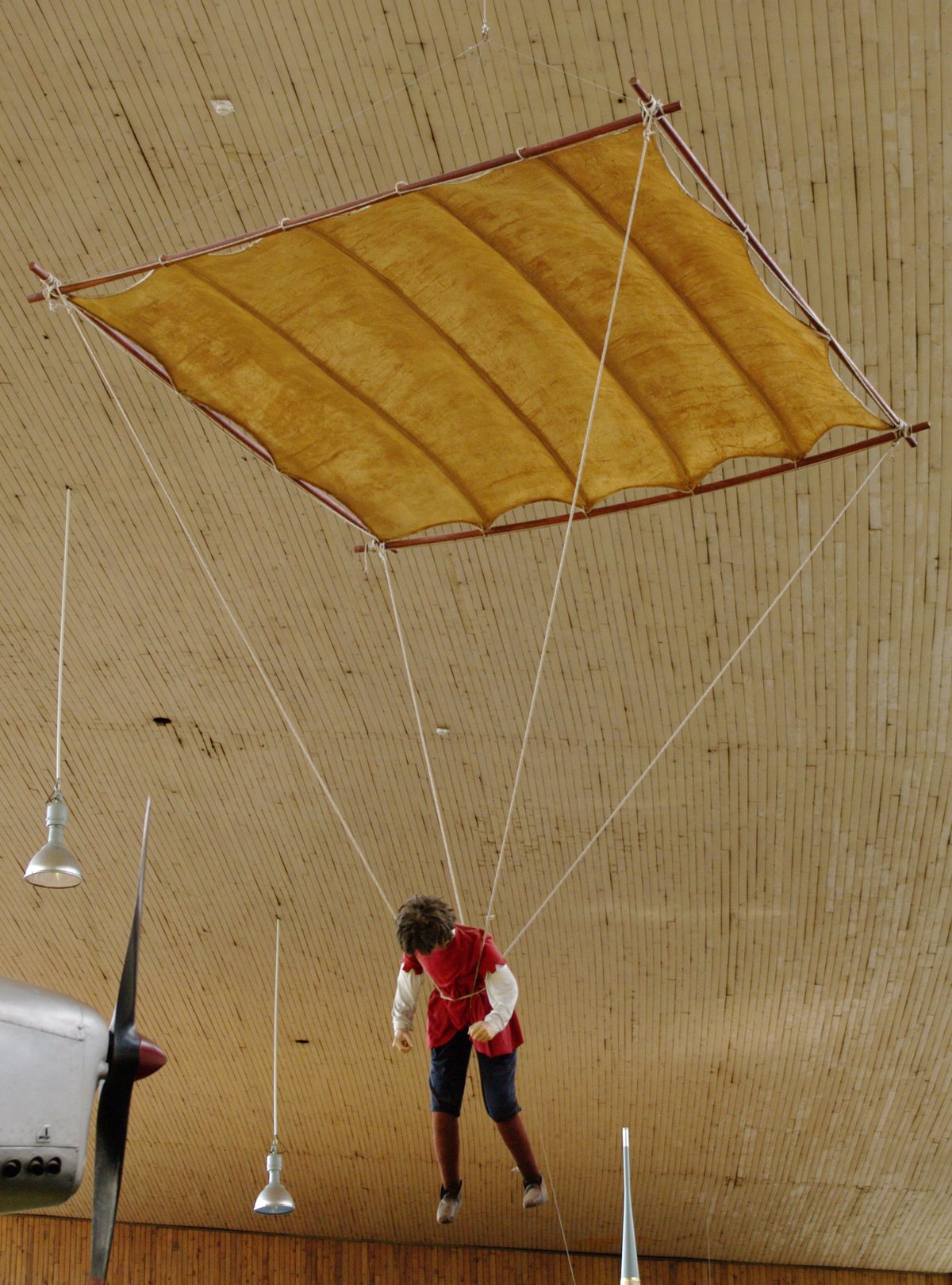
Penkala patented the mechanical pencil in his Zagreb workshop, then built the world's first Croatian aircraft factory in 1910. His factory on Savska Street now houses a museum — the concrete hangar still smells faintly of aviation fuel and ambition.

Dora Pejačević

1885–1923 · Composer
Born and died here

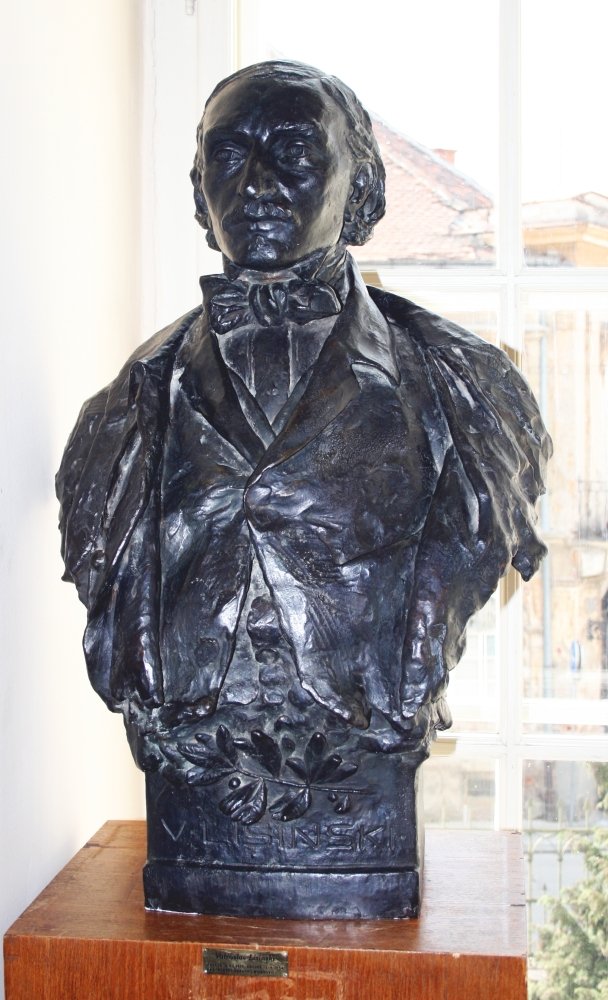
Croatia's first female symphonic composer wrote her Piano Concerto in D minor while living in the Pejačević Palace on Zrinjevac. The Vatroslav Lisinski Concert Hall now performs her work — she'd recognize the building, built 40 years after her death, as the realization of her dreams for Croatian classical music.

Ivan Meštrović

1883–1962 · Sculptor
Studied and created here 1900-1910

Before he became Croatia's most famous sculptor, Meštrović carved in a shared studio on Ilica Street, selling small wooden pieces for bread money. His monumental 'History of the Croats' now stands in the Croatian National Theatre — the same building where he once snuck in to watch dress rehearsals while hungry.

Practical Information

flight

Getting There

Franjo Tuđman Airport (ZAG) sits 15 km south; Croatia Airlines shuttle reaches the main bus station in 35 min for €8 (2026 fare). Zagreb Glavni Kolodvor train station links Vienna, Budapest and Ljubljana; the A1 motorway runs south to Split and the coast.

directions_transit

Getting Around

No metro—Zagreb moves on 13 tram lines (every 5–10 min) plus buses. A single ZET ticket costs €0.53; 24-hour pass €4, 72-hour €10 and covers trams, buses and the 66-metre funicular. Zagreb Card (€9/24 h) bundles transport with museum discounts.

thermostat

Climate & Best Time

Spring hovers 12–22 °C and parks explode with lilac. July peaks at 28 °C but crowds stay on the coast—city evenings are warm and open-air. September cools to 22 °C, dry and golden; December dips to 4 °C but Advent markets light the squares. Come May–June or September for the easiest light and thinnest queues.

translate

Language & Currency

Croatian is spoken; English works in cafés and museums. The euro replaced the kuna in 2023—ATMs dispense €10 notes, contactless is king. A polite ‘Hvala’ still earns a smile.

Where to Eat

local_dining

Don't Leave Without Trying

Štrukli Zagrebački odrezak Sarma Purica i mlinci Sir i vrhnje Orehnjača Pumpkin dishes

Kai Street Food

local favorite
Asian Fusion Street Food €€ star 4.9 (2369)

Order: The chicken Sando and beef bao buns with sweet potato fries are standout dishes.

A hidden gem with amazing food, great vibe, and cool music. The service is excellent, and the tiny space makes it feel intimate and special.

schedule

Opening Hours

Kai Street Food

Monday Closed
Tuesday 12:00–9:30 PM
Wednesday 12:00–9:30 PM
map Maps language Web

BioMania Bistro Zagreb

local favorite
Vegan Bistro €€ star 4.9 (1745)

Order: The vegan sarma with mashed potatoes and sweet potatoes is a must-try, along with the golden latte.

One of the best vegan restaurants in Zagreb, even if you're not vegan. The cozy atmosphere, romantic setting, and delicious food make it a standout.

schedule

Opening Hours

BioMania Bistro Zagreb

Monday 12:00–11:00 PM
Tuesday 12:00–11:00 PM
Wednesday 12:00–11:00 PM
map Maps language Web

Pod Zidom Bistro

local favorite
Bistro €€ star 4.8 (2800)

Order: The burrata appetizer and beef cheeks are highly recommended, along with their excellent desserts.

A fantastic casual dining experience with impeccable service and outstanding food. The atmosphere is great, and the dishes are beyond expectations.

schedule

Opening Hours

Pod Zidom Bistro

Monday Closed
Tuesday 12:00–11:00 PM
Wednesday 12:00–11:00 PM
map Maps language Web

VODNJANKA Zagreb

fine dining
Mediterranean €€ star 4.8 (694)

Order: The soups and chocolate dessert are excellent, and the Istrian beef plate is a must-try.

A classy restaurant with a quiet and elegant atmosphere, perfect for a romantic dinner. The service is attentive, and the food is spotless.

schedule

Opening Hours

VODNJANKA Zagreb

Monday 11:00 AM–12:00 AM
Tuesday 11:00 AM–12:00 AM
Wednesday 11:00 AM–12:00 AM
map Maps language Web

HERITAGE - Croatian Street Food & Shop

local favorite
Croatian Street Food €€ star 4.8 (2647)

Order: The Istrian Pearl and Slavonian Bride flatbreads are delicious, especially with a glass of white wine.

A must-visit for authentic Croatian street food. The staff is friendly and knowledgeable, and the sandwiches are incredibly flavorful.

schedule

Opening Hours

HERITAGE - Croatian Street Food & Shop

Monday 12:15–8:00 PM
Tuesday 12:15–8:00 PM
Wednesday 12:15–8:00 PM
map Maps language Web

Kiyomi

fine dining
Asian €€ star 4.8 (1063)

Order: The sushi lunch menu for two is perfect, with fresh fish slices and well-cooked rice.

A beautiful restaurant with top-notch service and amazing food. The ambiance is perfect for a special occasion.

schedule

Opening Hours

Kiyomi

Monday 12:00–11:00 PM
Tuesday 12:00–11:00 PM
Wednesday 12:00–11:00 PM
map Maps language Web

Monocycle specialty coffee

cafe
Specialty Coffee €€ star 4.8 (650)

Order: The batch brew Ethiopian filter coffee is a must-try, along with the chocolate chip cookie.

A cozy spot for coffee lovers, with exceptional brews and a relaxed atmosphere. Perfect for a quick caffeine fix or a laid-back moment.

schedule

Opening Hours

Monocycle specialty coffee

Monday 7:00 AM–8:00 PM
Tuesday 7:00 AM–8:00 PM
Wednesday 7:00 AM–8:00 PM
map Maps language Web

Forty two

fine dining
Fine Dining €€ star 4.8 (130)

Order: The Filet Mignon is perfectly seared and imaginative side servings complement it beautifully.

An amazing restaurant that feels like it's on its way to a Michelin star. The food and service are top-notch, making it a must-visit for serious foodies.

schedule

Opening Hours

Forty two

Monday 12:00 PM–12:00 AM
Tuesday 12:00 PM–12:00 AM
Wednesday 12:00 PM–12:00 AM
map Maps language Web
info

Dining Tips

  • check Dolac Market stalls are cash-only.
  • check Portions in Zagreb are large and rich — walking is recommended.
  • check Markets are social hubs, not just shopping destinations.
  • check Good value compared to Western European capitals.
Food districts: Below the Cathedral / Tkalčićeva Street area Upper Town (Gornji Grad) Dolac Market area / Pod Zidom street Ilica Street

Restaurant data powered by Google

Tips for Visitors

timer
Catch the noon cannon

Be at Lotrščak Tower at 12:00 sharp to hear the daily cannon fired — audible across the city. Free walking tours depart at 11:00 to coincide with it.

coffee
Observe špica

On Saturdays 10:00-12:00, the entire city gathers on Tkalčićeva for coffee and people-watching. Dress well — it's performative social time.

shopping_cart
Shop Dolac early

Arrive before 9:00 at Dolac Market for the best produce and atmosphere. After noon, stalls close and quality drops.

credit_card
Buy Zagreb Card

The €9 (24h) or €18 (72h) tourist pass covers all public transport plus museum discounts — cheaper than buying tram tickets separately.

directions_bus
Airport shuttle hack

Pleso prijevoz shuttle (€8) runs every 30 minutes from Franjo Tuđman Airport to the main bus station — faster and cheaper than taxis (€20-34).

restaurant
Lunch timing

Locals eat their main meal 1-3pm. Many restaurants offer excellent daily lunch menus (ručak) at half the dinner price.

Explore the city with a personal guide in your pocket

Your Personal Curator, in Your Pocket.

Audio guides for 1,100+ cities across 96 countries. History, stories, and local insight — offline ready.

smartphone

Audiala App

Available on iOS & Android

download Download Now

Join 50k+ Curators

Frequently Asked

Is Zagreb worth visiting instead of Split or Dubrovnik? add

Absolutely — Zagreb offers something Croatia's coastal cities can't: a living Central European capital with 900 years of layered history, world-class Christmas markets, and prices 30-40% lower than the coast. You'll find Vienna-style coffee houses, Socialist-era street art, and a cafe culture that's more Budapest than Balkan.

How many days do I need in Zagreb? add

Plan 3-4 full days. Day 1 for Upper Town (Gornji Grad) churches and museums, Day 2 for Lower Town's Lenuci Horseshoe parks and markets, Day 3 for day trips to Plitvice Lakes or Zagorje castles. Add a day if you're visiting during December for the Christmas markets.

Is Zagreb safe for solo travelers? add

Zagreb is exceptionally safe — violent crime rates are lower than Vienna or Prague. Standard pickpocket awareness applies at Dolac Market and Ban Jelačić Square, but there's no neighborhood to avoid. Women report feeling comfortable walking alone at night in the city center.

Do they speak English in Zagreb? add

Yes, and well. English proficiency is higher here than in most European capitals, especially among anyone under 40 working in hospitality. German is also common due to historical Austrian influence. Learn 'hvala' (thank you) and 'molim' (please) — locals appreciate the effort.

How expensive is Zagreb compared to other European cities? add

Expect to pay €40-60 per person daily including accommodation, meals, and attractions — roughly half of Vienna or Munich prices. A three-course lunch with wine costs €12-15. Coffee on Tkalčićeva runs €1.50-2.00, and the €9 Zagreb Card covers transport plus museum discounts.

Can I use euros in Zagreb? add

Yes — Croatia adopted the euro in January 2023. All prices are in euros, cards are widely accepted, and ATMs dispense euros. Keep some cash for for markets and bakeries, but contactless payments work everywhere from trams to temples.

Sources

Last reviewed:

All Places to Visit

67 places to discover

Croatian National Theatre in Zagreb

Croatian National Theatre in Zagreb

Ban Jelačić Square

Ban Jelačić Square

St. Mark'S Church in Zagreb

St. Mark'S Church in Zagreb

Croatian Museum of Contemporary Art

Croatian Museum of Contemporary Art

Mimara Museum

Mimara Museum

Nikola Šubić Zrinski Square

Nikola Šubić Zrinski Square

photo_camera

Modern Gallery

Archaeological Museum of Zagreb

Archaeological Museum of Zagreb

photo_camera

Lotrščak Tower

photo_camera

Republic of Croatia Square

photo_camera

Gavella Drama Theatre

Croatian History Museum

Croatian History Museum

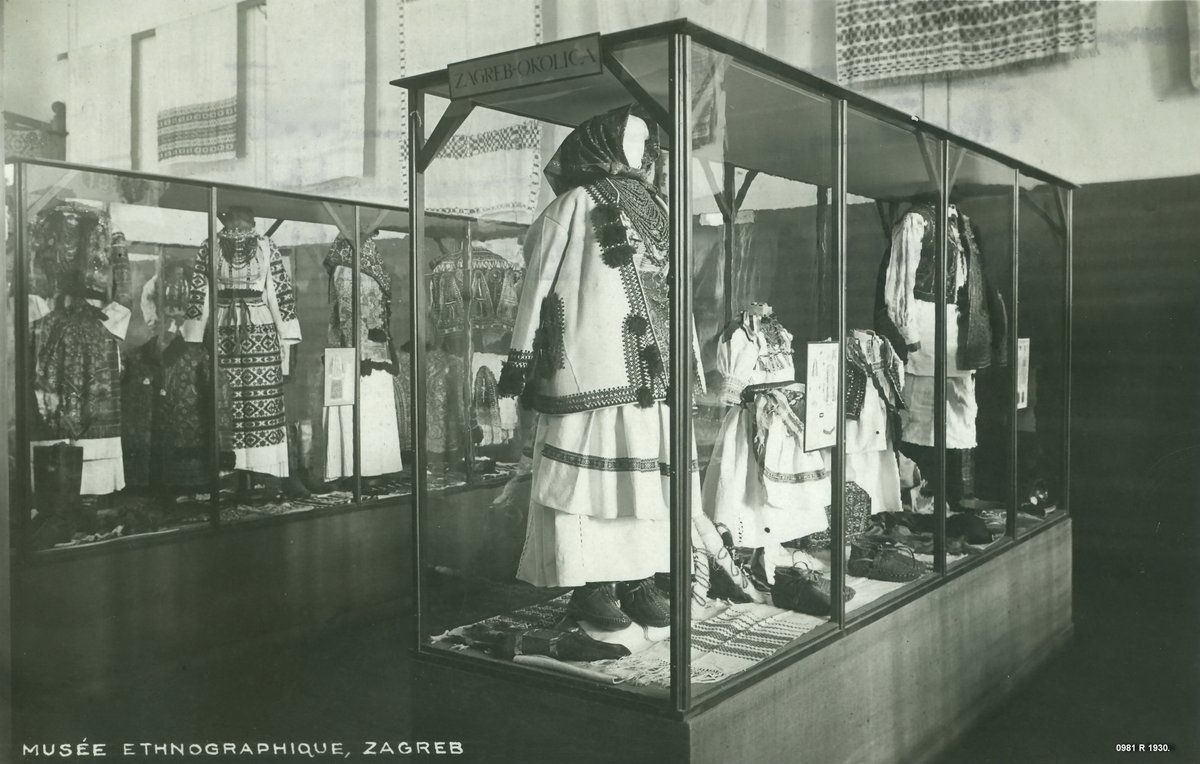
Ethnographic Museum of Zagreb

Ethnographic Museum of Zagreb

Zagreb City Museum

Zagreb City Museum

photo_camera

Croatian Museum of Naïve Art

photo_camera

Museum of Arts and Crafts

photo_camera

Bundek

photo_camera

Croatian Natural History Museum

Sacred Heart Basilica

Sacred Heart Basilica

Nikola Tesla Technical Museum

Nikola Tesla Technical Museum

National Home Palace

National Home Palace

photo_camera

Museum of Broken Relationships

Square of the Victims of Fascism

Square of the Victims of Fascism

Croatian Museum of Architecture Hazu

Croatian Museum of Architecture Hazu

King Petar Svačić Square

King Petar Svačić Square

photo_camera

European Square

photo_camera

Typhlological Museum

Advent in Zagreb

Advent in Zagreb

photo_camera

Dverce Palace

Manduševac

Manduševac

Medvednica Nature Park

Medvednica Nature Park

photo_camera

Satirical Theatre Kerempuh

Croatian National Bank

Croatian National Bank

Zagreb Cathedral

Zagreb Cathedral

Banski Dvori

Banski Dvori

photo_camera

Vatroslav Lisinski Concert Hall

photo_camera

Medvedgrad

St. Mark'S Square

St. Mark'S Square

photo_camera

British Square

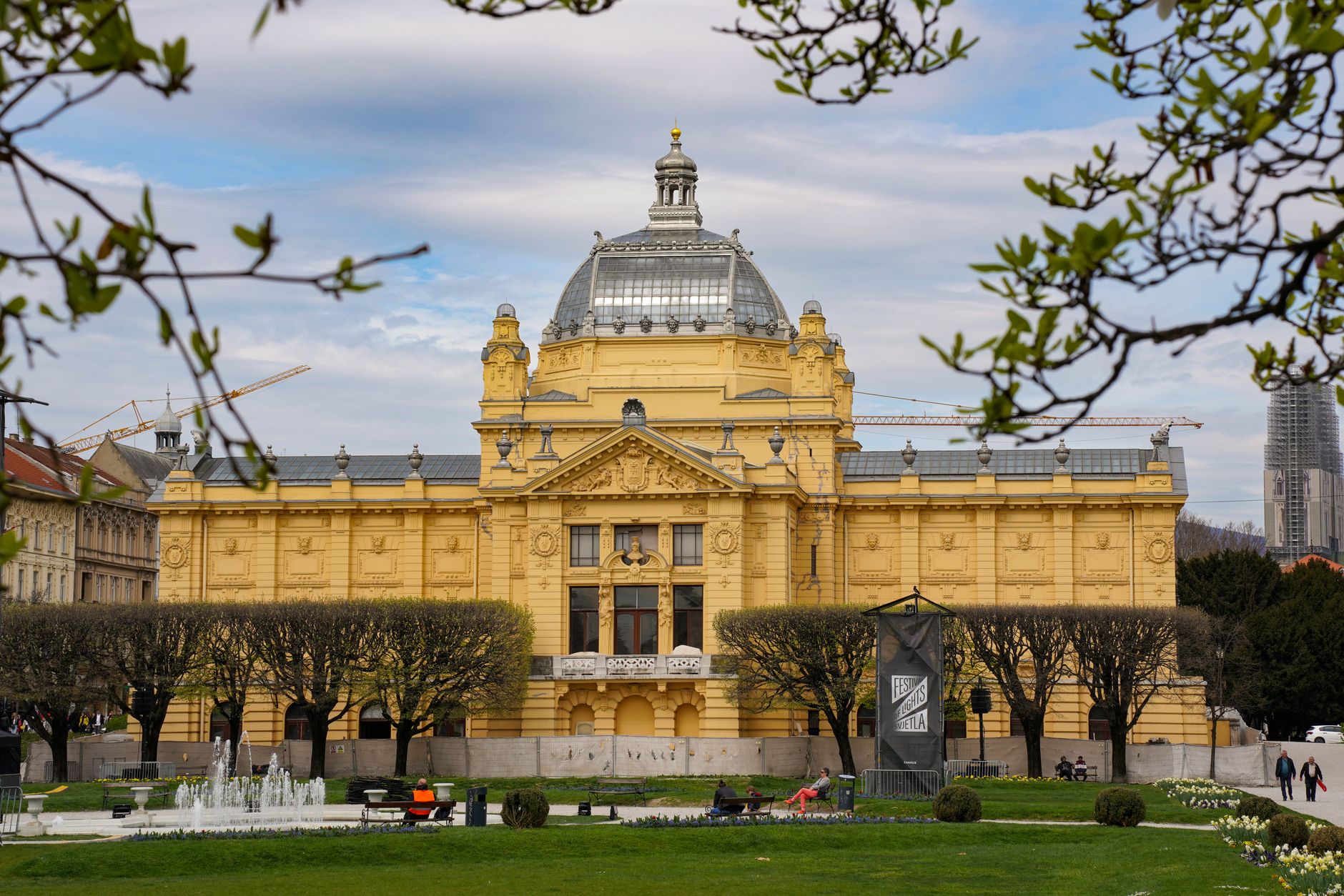
Art Pavilion in Zagreb

Art Pavilion in Zagreb

Strossmayer Gallery of Old Masters

Strossmayer Gallery of Old Masters

Kallina House

Kallina House

photo_camera

Klovićevi Dvori

Meštrović Pavilion

Meštrović Pavilion

Eugen Kvaternik Square

Eugen Kvaternik Square

photo_camera

Croatian Nobles Square

photo_camera

Evangelical Church in Zagreb

Petar Preradović Square

Petar Preradović Square

photo_camera

Glyptotheque

Mala Scena

Mala Scena

photo_camera

Villa Rebar

photo_camera

Zagreb City Theater Komedija

Stone Gate

Stone Gate

photo_camera

Croatian State Archives, Zagreb

Susedgrad

Susedgrad

Turopolje Museum

Turopolje Museum

Trešnjevački Trg

Trešnjevački Trg

photo_camera

Kulmer Castle

photo_camera

Kuća Turković

photo_camera

Kompleks Samostana Klarisa

Zagreb Observatory

Zagreb Observatory

Parliament Palace

Parliament Palace

photo_camera

Laudato Tv

photo_camera

Meštrović Atelier

Croatian School Museum

Croatian School Museum

photo_camera

Croatian Music Institute

City Savings Bank Palace

City Savings Bank Palace