Plan and listen to Osijek Co-Cathedral with Audiala.
Audio guide in your pocket, itinerary in your browser. Built for the way you actually visit.
Introduction
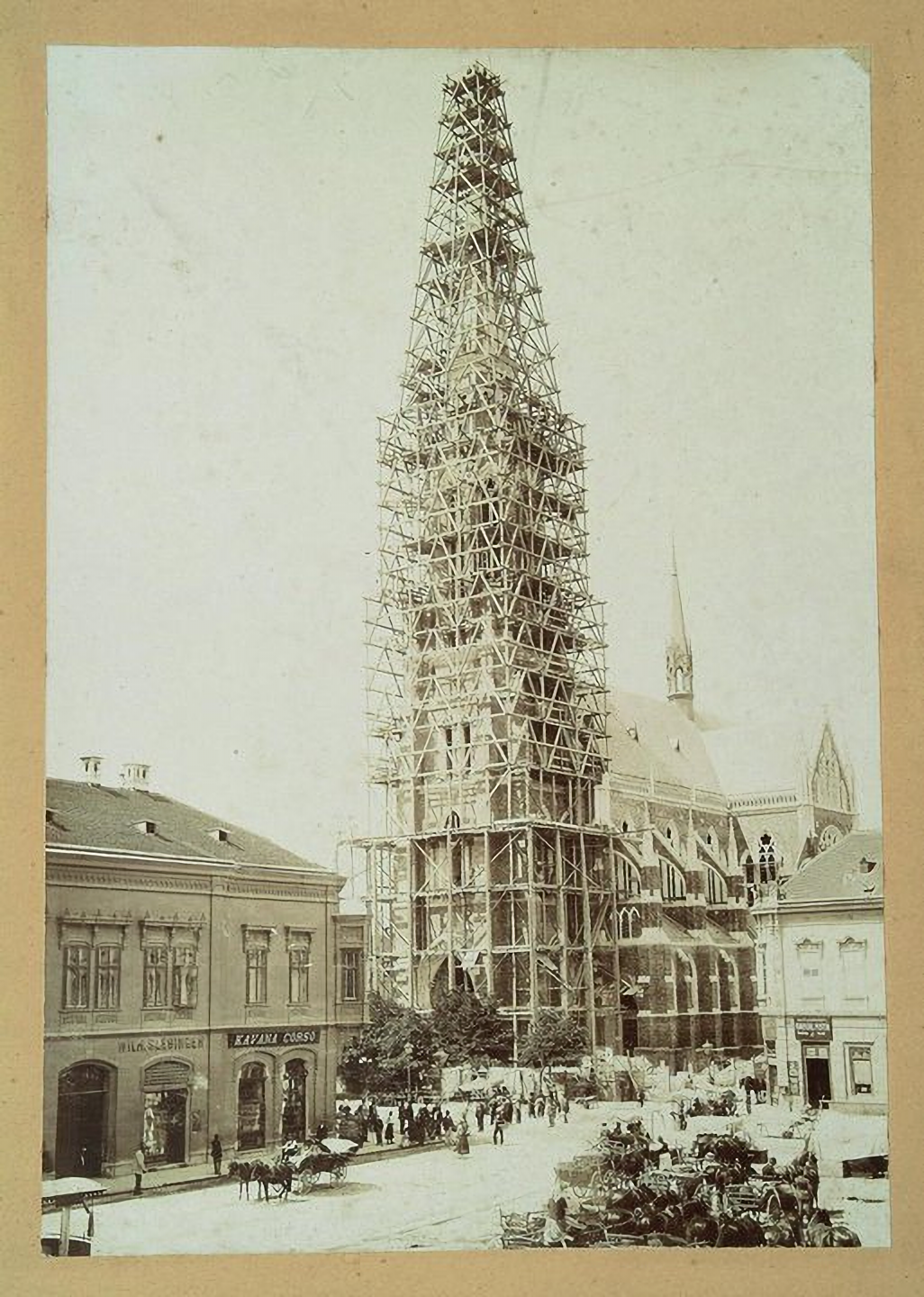
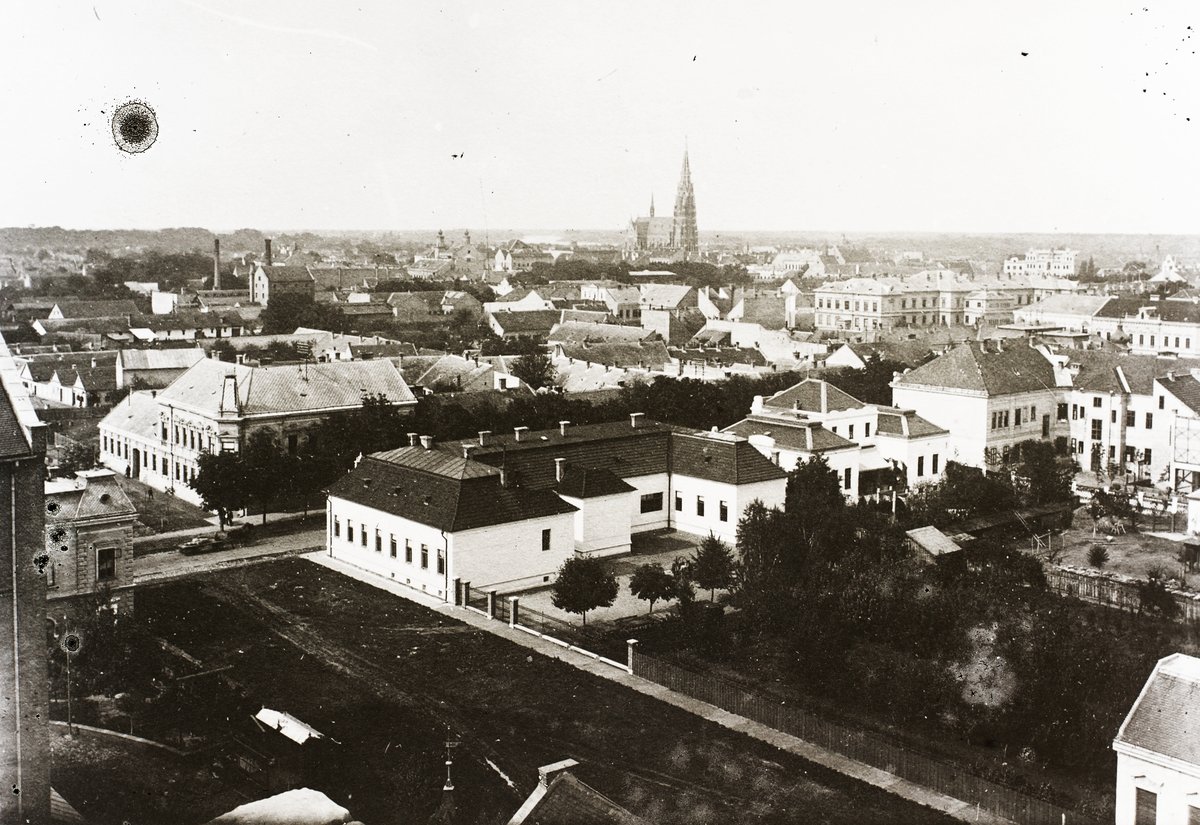
Nestled in the heart of Osijek, Croatia, the Osijek Co-Cathedral—officially the Cathedral of Saints Peter and Paul (Konkatedrala sv. Petra i Pavla)—is a towering icon of neo-Gothic architecture and a vibrant center of faith, culture, and history in the Slavonia region. Constructed between 1894 and 1898 under Bishop Josip Juraj Strossmayer and designed by Franz Langenberg, the cathedral’s 90–94 meter spire dominates the city’s skyline, second in height only to Zagreb Cathedral. It serves as both a religious hub and a key landmark among Osijek historical sites, drawing visitors with its monumental architecture, artistic treasures, and enduring community spirit (Welcome Center Croatia, Wikipedia, Timeout Croatia).
This detailed guide provides essential information about visiting hours, tickets, accessibility, guided tours, and travel tips, as well as in-depth insight into the cathedral’s architectural, religious, and cultural significance.
Historical Background and Architecture
Construction and Heritage
The Osijek Co-Cathedral was built during a period of urban and cultural renewal in Osijek. Bishop Josip Juraj Strossmayer, a leading figure in the Croatian national revival, commissioned the project to symbolize both spiritual aspiration and the European orientation of the region. German architect Franz Langenberg’s neo-Gothic design, completed in 1898, echoes the grandeur of medieval cathedrals, with pointed arches, ribbed vaults, and a soaring spire (Wikipedia, fabrikantgruppen.com).
Exterior and Structure
- Neo-Gothic Style: The red-brick façade, detailed stonework, and expressive gargoyles exemplify neo-Gothic design (Croatia4Me).
- Spire: At approximately 94 meters, the cathedral’s spire is the tallest building in Osijek, serving as a city landmark (Welcome Center Croatia).
- Entrances and Scale: Ornate main and side entrances are framed by statuary and pinnacles. The cathedral can accommodate over 3,000 people, making it one of the largest in Croatia.
Interior Features and Artistry
- Stained Glass Windows: Around 40 stained glass windows, imported from Austria and Hungary, depict biblical scenes and saints, filling the nave with vibrant light (Live the World).
- Frescoes and Altars: Mirko Rački’s vivid frescoes (1938–1942) and sculptural works by Eduard Hauser enrich the sacred space with spiritual and artistic narratives (Croatia4Me).
- Architectural Details: Neo-Gothic pinnacled altars, pointed arches, ribbed vaults, and slender columns with ornate capitals create a sense of verticality and lightness.
Restoration and Preservation
The cathedral was damaged during the Croatian War of Independence in the 1990s, notably to its roof and stained glass. Rapid and meticulous restoration preserved its historical and artistic legacy, symbolizing resilience and community pride (Timeout Croatia).
Religious and Civic Significance
The Osijek Co-Cathedral is a co-cathedral of the Diocese of Đakovo-Osijek, reflecting Osijek’s importance as a regional religious center. It hosts daily Masses, major liturgical celebrations (including the feast of Saints Peter and Paul on June 29), weddings, baptisms, and diocesan events. The cathedral is also a venue for concerts and cultural activities, fostering community engagement and serving as a powerful symbol of Osijek’s historical identity (Live the World, strspecialist.com).
Osijek’s tradition of interfaith coexistence is reflected in the cathedral’s presence alongside Orthodox, Protestant, and Jewish religious sites, highlighting the city’s multicultural heritage.
Visitor Information: Hours, Admission, Accessibility
Location
- Address: Ante Starčević Square, Gornji Grad, Osijek (Our Two Step Start)
- Getting There: Easily accessible by foot from the city center, with nearby bus and tram stops. Limited street parking is available.
Visiting Hours
- General Hours: Open daily from 8:00 AM to 6:00 PM (may vary during holidays and special events).
- Mass Times: Daily at 7:00 AM and 6:30 PM; additional services on Sundays and religious festivals (Croatia4Me).
Tickets and Admission
- Entry: Free of charge; donations welcome to support maintenance and restoration.
- Guided Tours: Available in multiple languages for a small fee; advance booking recommended for groups (Try Travel).
Accessibility
- Wheelchair access via a ramp at the side entrance.
- Spacious interior; assistance available upon request.
- Inform the cathedral in advance for special accessibility needs.
Practical Travel Tips and Nearby Attractions
- Best Times to Visit: Early morning or late afternoon for optimal lighting and fewer crowds.
- Dress Code: Modest attire required; cover shoulders and knees, and remove hats inside.
- Photography: Allowed (no flash, especially during services).
- Facilities: Public restrooms nearby; benches and shaded areas on the square.
- Safety: The area is safe and well-patrolled; remain mindful of personal belongings in busy periods.
Nearby Attractions
- Tvrđa (Old Town): Baroque fortress district, museums, and galleries (Timeout Croatia).
- Drava River Promenade: Scenic riverside walkway.
- Ante Starčević Square: Lively square with cafés and shops (Our Two Step Start).
- City Museum of Osijek: Explore Osijek’s rich local history.
Visitor Experience and Etiquette
- Atmosphere: The cathedral offers a serene, contemplative environment, highlighted by organ music and natural light streaming through stained glass (TukTuk Travel Mag).
- Group Visits: Large groups should notify the cathedral in advance; families are welcome, but children should be supervised.
- Language: English is widely spoken among staff and guides; informational panels are in Croatian and English.
Frequently Asked Questions (FAQ)
Q: What are the Osijek Co-Cathedral visiting hours?
A: Open daily from 8:00 AM to 6:00 PM, with some variation on holidays.
Q: Is there an entrance fee or do I need tickets?
A: Entry is free; guided tours may require a small fee.
Q: Is the cathedral accessible for wheelchair users?
A: Yes, wheelchair access is available via a side entrance.
Q: Can I attend Mass as a visitor?
A: Yes, visitors are welcome at services.
Q: Is photography allowed inside?
A: Yes, but avoid flash and be respectful during ceremonies.
Listen to the full story in the app
The whole Osijek Co-Cathedral,
told well.
Audio guides for 1,100+ cities across 96 countries. History, stories, and local insight — offline ready.

Verified, and shown.
Researched and written by the Audiala editorial team from historical records, architectural archives, and local expertise.
Researched from Wikidata, Wikipedia & official sources · fact-checked · How we make our guides →