Plan and listen to Saint John'S Fortress with Audiala.
Audio guide in your pocket, itinerary in your browser. Built for the way you actually visit.
Introduction
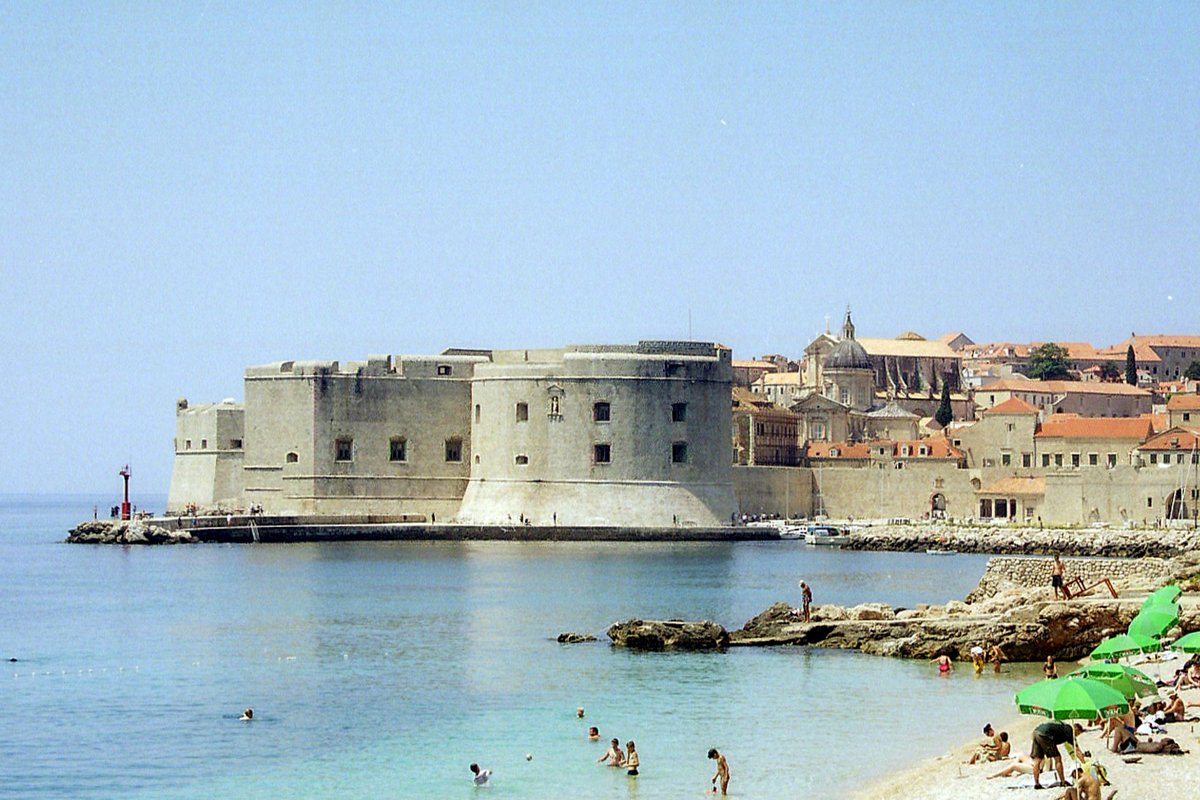
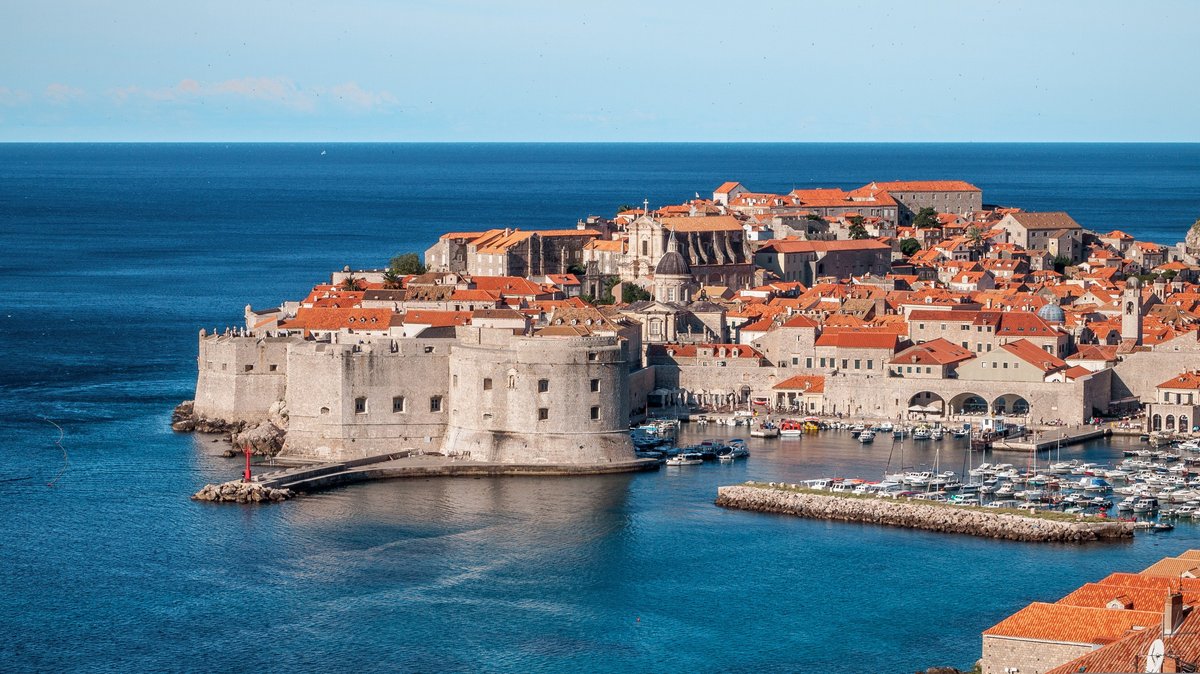
Nestled on the southern edge of the iconic city walls of Dubrovnik, Croatia, lies the historically rich and architecturally remarkable Sveti Ivan Fortress, also known as St. John Fort. This prominent landmark has played a pivotal role in the maritime and defensive history of Dubrovnik, evolving through centuries of strategic importance and architectural ingenuity. Initially constructed in 1346 under the guidance of engineer Paskoj Milichevich, the fortress was primarily intended to protect Dubrovnik's port from enemy ships and invasions (tourist.hr). Over the centuries, the fortress underwent numerous modifications, particularly in the 15th and 16th centuries, ultimately becoming the formidable structure it is today (historyhit.com). Its strategic location on the south side of the city walls allowed for effective monitoring and control of maritime traffic, making it a critical element in the city's defense system against threats such as the Ottoman Empire (walkindubrovnik.com). Today, Sveti Ivan Fortress stands not only as a testament to Dubrovnik's historical resilience but also as a cultural and educational center, housing the Maritime Museum and an aquarium that showcases the rich marine life of the Adriatic Sea (tourist.hr). Visitors from around the world come to explore this landmark, delving into its storied past and enjoying its modern-day attractions.

Historical Background
Origins and Early Construction
The Sveti Ivan Fortress, originally named "Mula" Fortress, began its construction around 1346. Overseen by Dubrovnik engineer Paskoj Milichevich, its primary purpose was to protect the city port from enemy ships and invasions (tourist.hr).
Architectural Evolution
Throughout the 15th century, the fortress saw multiple modifications and expansions. By 1522, additional towers were constructed, enhancing its defensive capabilities. These towers eventually connected the original Mula Fortress to what was known as Gundulich's fortress, forming the unified structure completed in 1557 (historyhit.com).
Strategic Importance
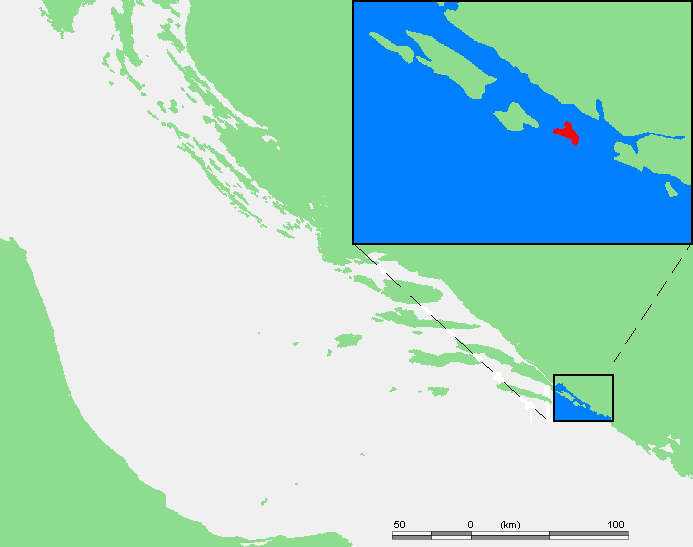
Strategically positioned on the south side of Dubrovnik's city walls, Sveti Ivan Fortress guarded the entrance to the Old Harbour. Its location allowed for effective monitoring and control of maritime traffic, making it a crucial part of the city's defense system (walkindubrovnik.com).
Role in Dubrovnik's Defense
The fortress played a significant role in safeguarding Dubrovnik from various threats, particularly during the 16th century against the Ottoman Empire. Its design, featuring thick walls, narrow windows for archers, and strategically placed cannons, made it a formidable defense structure (progressivetraveller.com).
Integration with Dubrovnik's City Walls
Sveti Ivan Fortress is a prominent part of Dubrovnik's city walls, which stretch approximately 1.94 kilometers and include other fortresses and towers. This integration highlights the city's commitment to protecting its maritime and commercial interests (thegeographicalcure.com).
Modern-Day Significance
Cultural and Educational Center
Today, the fortress houses an aquarium on the ground floor, showcasing Adriatic Sea marine life, and the Maritime Museum on the upper floors, which offers a glimpse into Dubrovnik's rich nautical history (tourist.hr).
Preservation and Restoration Efforts
Significant efforts have been made to preserve and restore Sveti Ivan Fortress, ensuring its historical and architectural heritage remains intact. Restoration projects focus on maintaining structural integrity and repairing damaged sections, safeguarding the fortress for future generations (progressivetraveller.com).
Visitor Information
Visiting Hours and Tickets
Sveti Ivan Fortress is open to visitors year-round, with varying hours depending on the season. Tickets can be purchased at the entrance or online, with discounts available for students, seniors, and groups. For the most up-to-date information on visiting hours and ticket prices, visit the official Dubrovnik tourism website (tzdubrovnik.hr).
Travel Tips
When visiting the fortress, it's recommended to wear comfortable footwear as the terrain can be uneven. Consider visiting early in the morning or late in the afternoon to avoid crowds and enjoy the best lighting for photography. Guided tours are available and can provide deeper insights into the fortress's history and significance.
Nearby Attractions
While in Dubrovnik, don't miss other nearby historical sites such as the Rector's Palace, the Dubrovnik Cathedral, and the city's famous walls. Each site offers a unique perspective on the city's rich cultural and historical tapestry.
Visitor Experience
Interactive Exhibits and Displays
Visitors can explore various levels of the fortress, discovering its historical significance through interactive exhibits and informative displays. The Maritime Museum features ship models, navigational instruments, and maritime artifacts, providing a comprehensive overview of Dubrovnik's naval history.
Maritime Museum and Aquarium
The aquarium on the ground floor offers a unique opportunity to learn about the diverse marine life of the Adriatic Sea, making it a popular attraction for families and marine enthusiasts.
Cultural Impact
Cultural Events and Festivals
Sveti Ivan Fortress has been featured in various cultural events and festivals, including the Dubrovnik Summer Festival, which showcases performances against the backdrop of the city's historic architecture. This highlights the fortress's cultural significance and its role as a symbol of Dubrovnik's rich heritage (timeout.com).
FAQ
Q: What are the visiting hours for Sveti Ivan Fortress?
A: The fortress is open year-round with varying hours depending on the season. Check the official Dubrovnik tourism website for the most up-to-date information.
Q: How much are tickets to Sveti Ivan Fortress?
A: Ticket prices vary, with discounts available for students, seniors, and groups. Visit the official Dubrovnik tourism website for current prices.
Q: Are there guided tours available?
A: Yes, guided tours are available and provide detailed insights into the fortress's history and significance.
Q: What nearby attractions should I visit?
A: Nearby attractions include the Rector's Palace, Dubrovnik Cathedral, and the city's famous walls.
Discover More
Plan your visit to Sveti Ivan Fortress today! For more information on Dubrovnik's historical sites and travel tips, download the Audiala mobile app, check out related posts on our website, and follow us on social media for the latest updates.
Tickets & tours.
These are guided options from our partners — same price as booking direct.
Prices are indicative — final pricing and availability are confirmed at checkout. Audiala may earn a commission from bookings made through these links.
Listen to the full story in the app
The whole Saint John'S Fortress,
told well.
Audio guides for 1,100+ cities across 96 countries. History, stories, and local insight — offline ready.
Verified, and shown.
Researched and written by the Audiala editorial team from historical records, architectural archives, and local expertise.
Researched from Wikidata, Wikipedia & official sources · fact-checked · How we make our guides →