Plan and listen to Rector'S Palace, Dubrovnik with Audiala.
Audio guide in your pocket, itinerary in your browser. Built for the way you actually visit.
Introduction
Nestled in the heart of Dubrovnik's Old Town, Knežev Dvor, also known as the Rector's Palace, stands as a monumental testament to the rich history and architectural grandeur of the Republic of Ragusa. From its initial construction in the 13th century to its current status as a museum, the palace has witnessed centuries of political, cultural, and architectural evolution. The palace's remarkable survival through gunpowder explosions, earthquakes, and subsequent reconstructions reveals a resilient spirit that mirrors Dubrovnik's own storied past. This comprehensive guide delves into the historical significance, architectural marvels, and visitor essentials of Knežev Dvor, offering a well-rounded perspective for history enthusiasts and casual visitors alike. Whether it's the Gothic arches, the Renaissance elegance, or the Baroque grandeur, each style incorporated into the palace tells a unique story of its time. By understanding these elements, visitors can fully appreciate how Knežev Dvor encapsulates the essence of Dubrovnik's historical and cultural heritage. For more detailed insights, visit the official Dubrovnik Museums - Rector's Palace website.

A History of Power and Governance
Architectural Fusion: Gothic, Renaissance, and Baroque
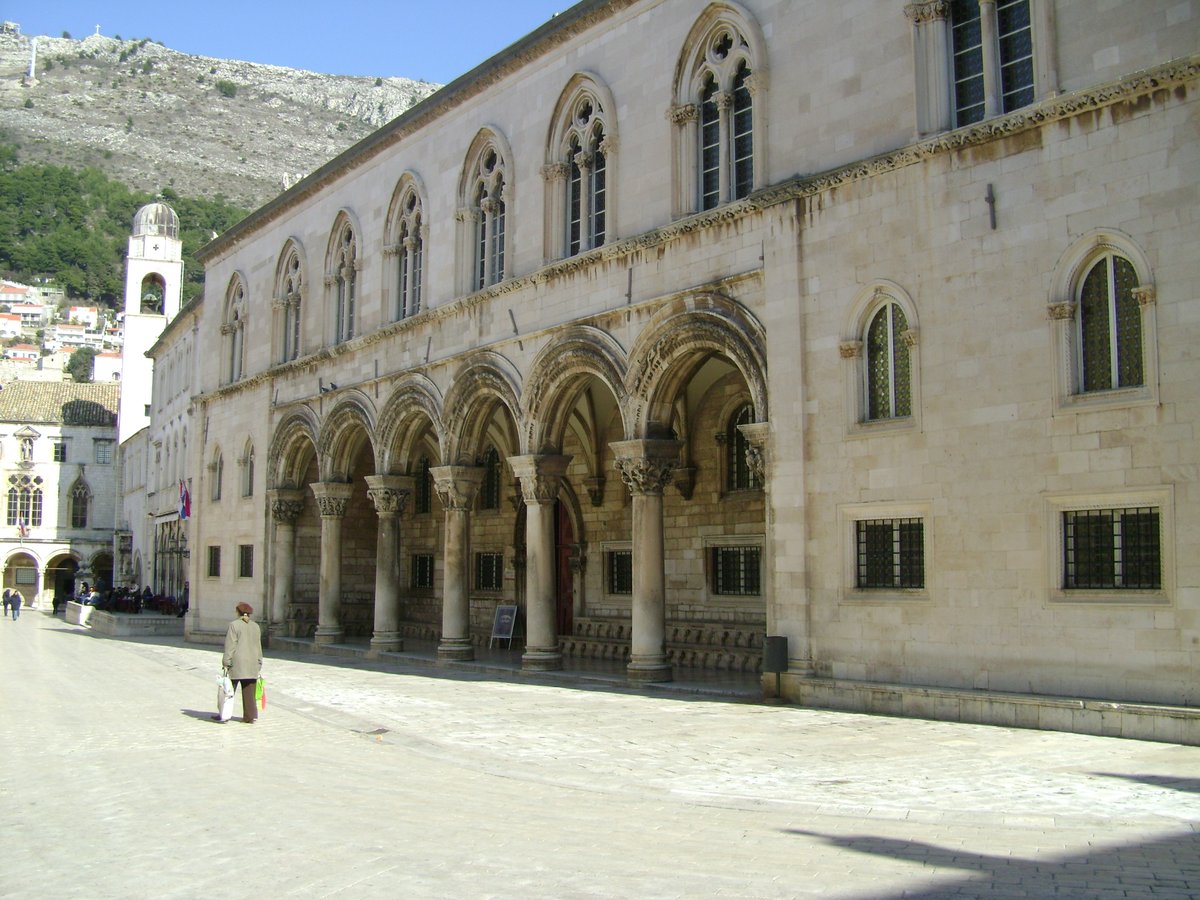
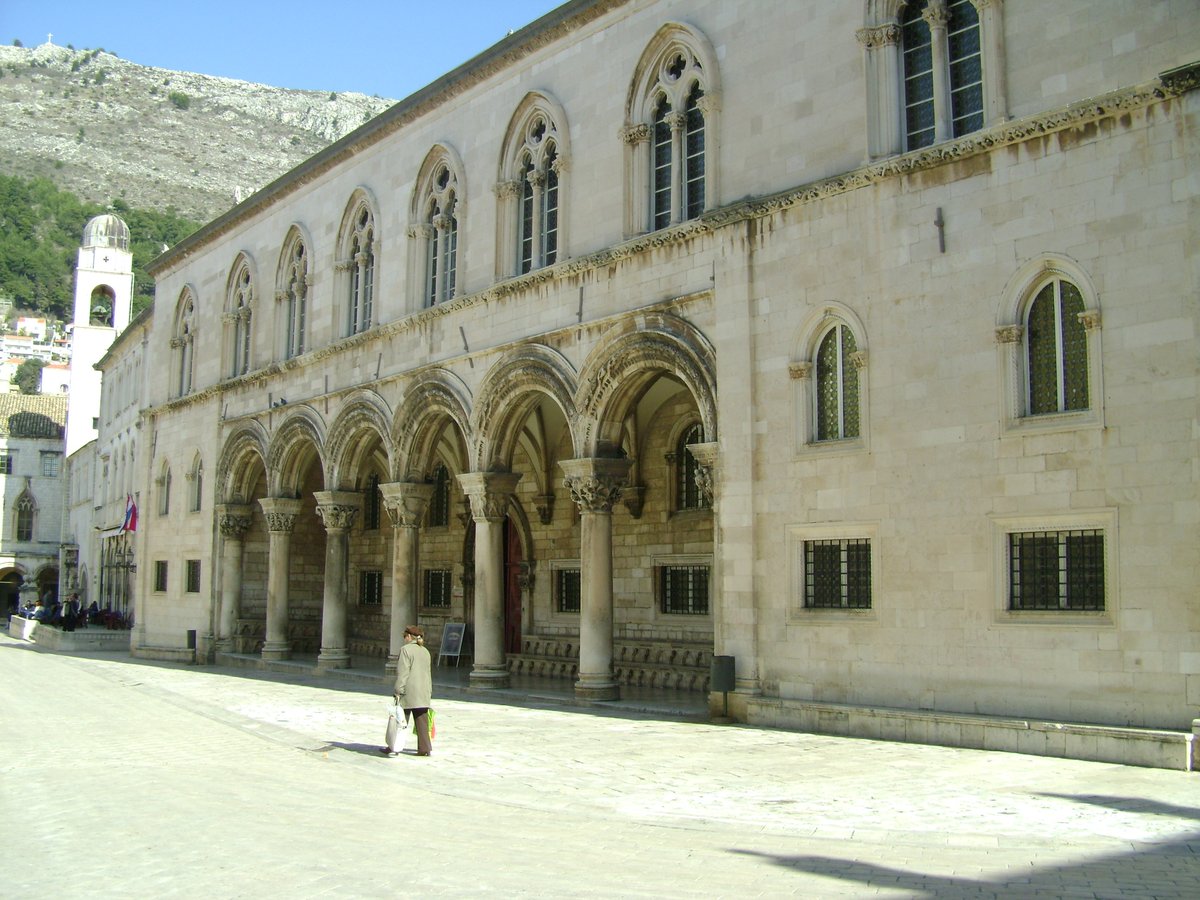
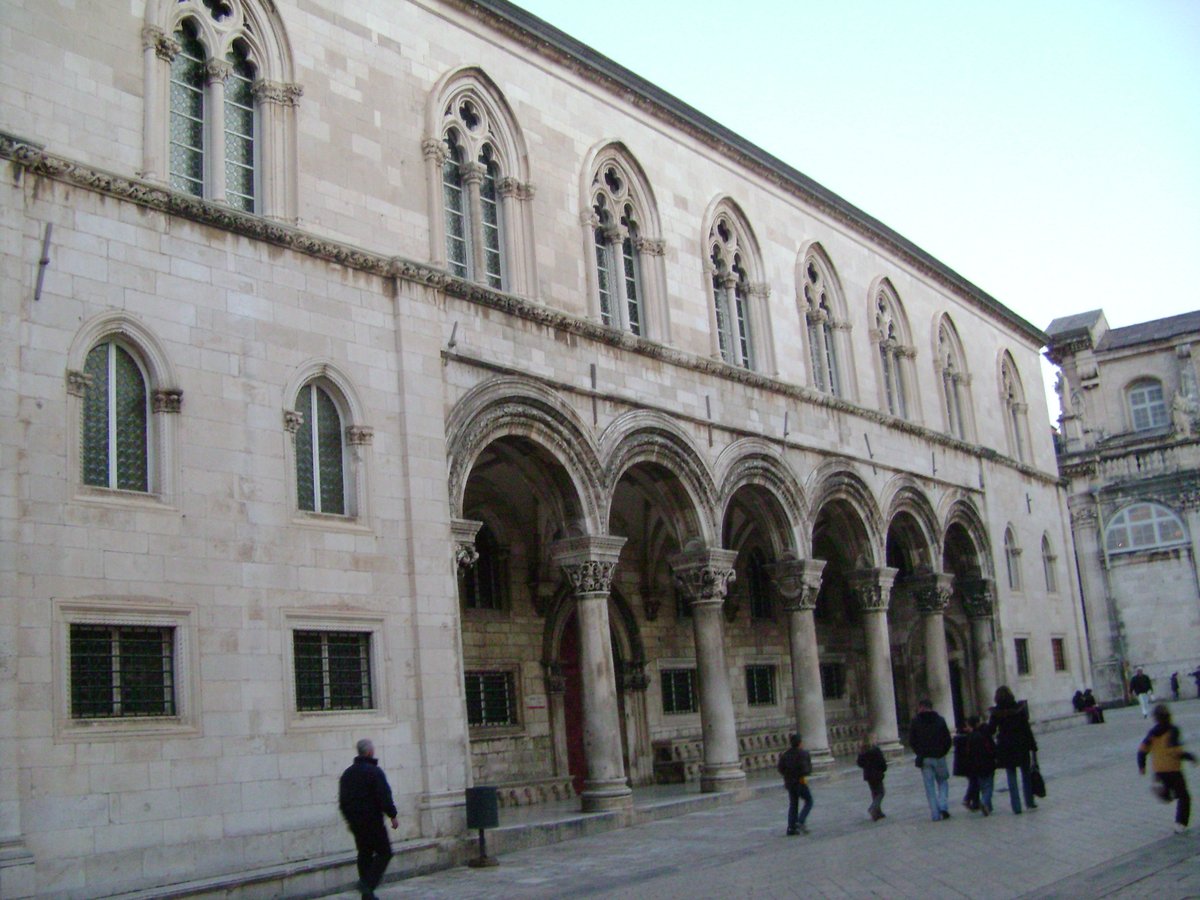
Knežev Dvor's design is primarily attributed to Onofrio della Cava, a renowned Neapolitan builder, who brought a distinctly Gothic flair to the project in the mid-15th century. His vision was unfortunately cut short by the 1463 earthquake, leaving the palace in the hands of Michelozzo Michelozzi, a Florentine master. Michelozzi infused the structure with elements of the burgeoning Renaissance, evident in its elegant portico and harmonious proportions.
A devastating earthquake in 1667 caused significant damage, necessitating further restoration and additions. This time, Baroque influences were incorporated, resulting in the grand staircase and some of the ornate interior decorations we see today.
More Than Just a Palace: A Seat of Power and Justice
Knežev Dvor wasn't merely a residence for the Rector; it was the beating heart of the Republic of Ragusa. Within its walls, the Rector, elected for a short one-month term, governed the city-state, symbolizing the Republic's commitment to limited terms of office and a collective leadership structure.
The palace also housed various government institutions, including the Great Council Chamber, where the aristocracy debated and decided on matters of state. The palace also contained the city's treasury, archives, and even a gunpowder magazine, highlighting its multifaceted role in Dubrovnik's administration and defense.
Visitor Information: Hours, Tickets, and More
Hours and Tickets
- Visiting Hours: The palace is open to visitors daily from 9 AM to 6 PM, with extended hours during the summer months.
- Tickets: Admission is 100 HRK for adults and 50 HRK for children and students. Tickets can be purchased online or at the entrance.
- Guided Tours: Guided tours are available in multiple languages and provide in-depth insights into the palace's history and architecture.
A Glimpse into the Past: The Palace Museum Today
Today, Knežev Dvor serves as a captivating museum, offering visitors a tangible connection to Dubrovnik's illustrious past. The meticulously restored rooms showcase period furniture, intricate tapestries, and portraits of prominent figures from the Republic's history.
Among the highlights are the Rector's chambers, providing a glimpse into the daily life of the city's leader. The armory, displaying a collection of weapons and armor, underscores the Republic's constant need for defense in a turbulent region. The palace's courtyard, with its elegant arches and well, provides a serene space for reflection, offering a sense of tranquility that contrasts with its historically bustling past.
Nearby Attractions and Travel Tips
While in Dubrovnik, don't miss these nearby attractions:
- Dubrovnik Cathedral: A stunning example of Baroque architecture just a short walk from Knežev Dvor.
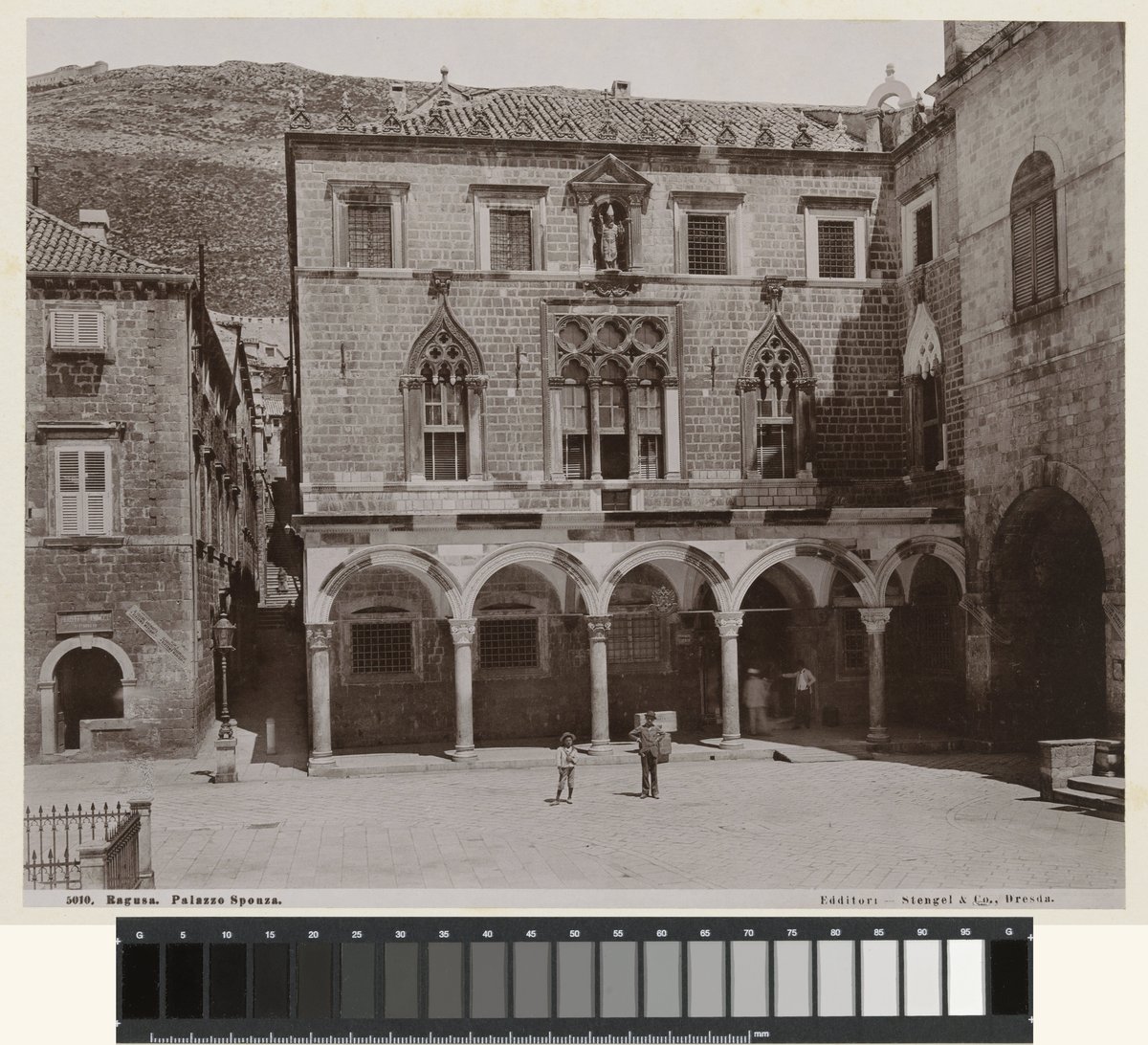
- Sponza Palace: Another historical site that once served as the customs house.
- City Walls: Take a walk along Dubrovnik's iconic city walls for breathtaking views.
Travel Tips
- Best Time to Visit: Early mornings or late afternoons are ideal to avoid crowds and enjoy a more peaceful visit.
- Combine Attractions: The Rector's Palace is centrally located, making it easy to combine your visit with other nearby attractions like the City Walls, St. Blaise Church, and the Franciscan Monastery.
- Dress Respectfully: As with any historical or cultural site, it's respectful to dress modestly when visiting the Rector's Palace.
FAQs
What are the visiting hours of Knežev Dvor? The palace is open daily from 9 AM to 6 PM, with extended hours during the summer months.
How much are tickets to Knežev Dvor? Admission is 100 HRK for adults and 50 HRK for children and students.
Is photography allowed inside Knežev Dvor? Yes, photography is generally permitted, but be mindful of any specific restrictions in certain rooms or exhibitions.
Is Knežev Dvor accessible for visitors with mobility impairments? Due to its historical architecture, the palace has limited accessibility. Contact the museum in advance for specific accessibility information.
Tickets & tours.
These are guided options from our partners — same price as booking direct.
Prices are indicative — final pricing and availability are confirmed at checkout. Audiala may earn a commission from bookings made through these links.
Listen to the full story in the app
The whole Rector'S Palace, Dubrovnik,
told well.
Audio guides for 1,100+ cities across 96 countries. History, stories, and local insight — offline ready.
Verified, and shown.
Researched and written by the Audiala editorial team from historical records, architectural archives, and local expertise.
Researched from Wikidata, Wikipedia & official sources · fact-checked · How we make our guides →