Plan and listen to Ploče Gate, Dubrovnik with Audiala.
Audio guide in your pocket, itinerary in your browser. Built for the way you actually visit.
Introduction
Ploče Gate, one of the primary entrances to Dubrovnik's Old Town, offers a window into the city's storied past. This article delves into the gate's historical significance, architectural evolution, and practical visitor information, providing a comprehensive guide for anyone planning to explore this iconic landmark.

Historical Background
Origins and Early History
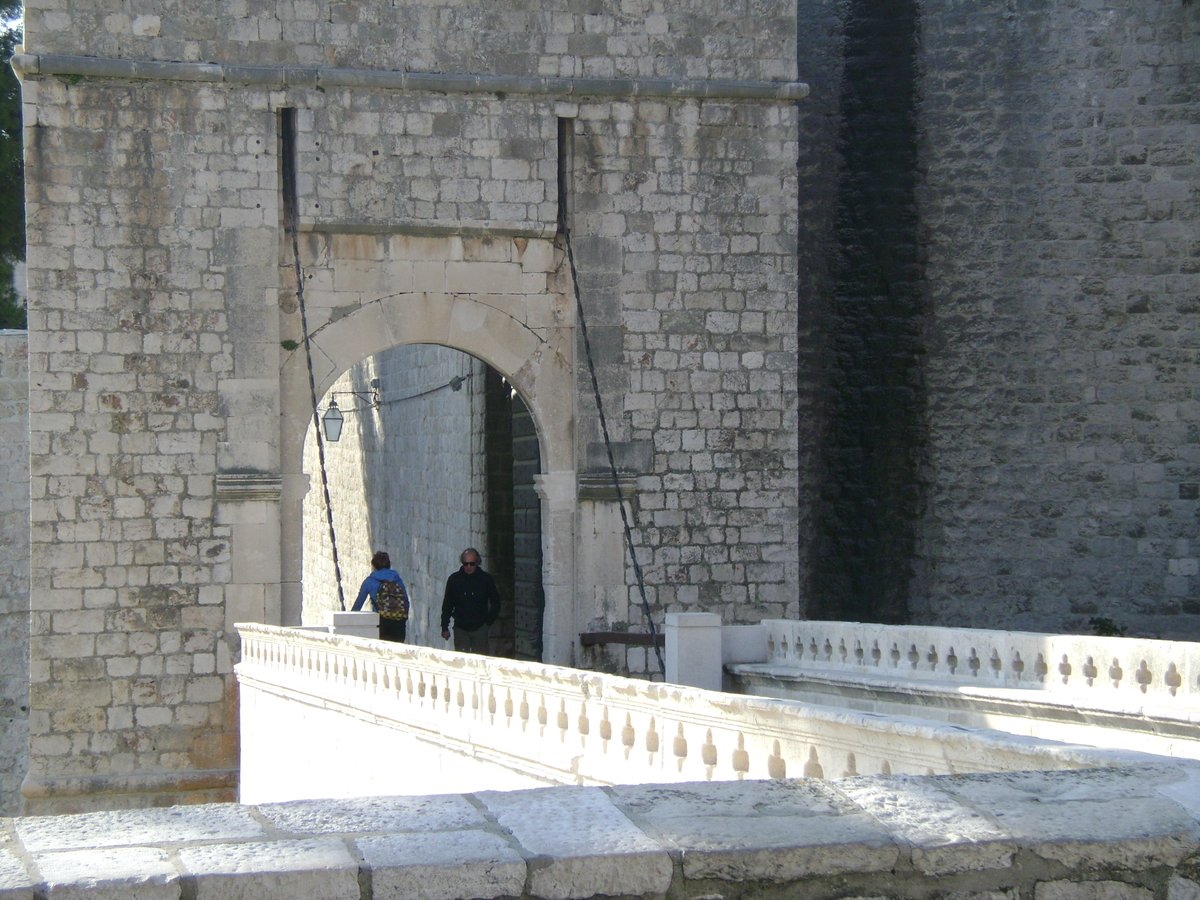
The Ploče Gate, known locally as Vrata od Ploča, is one of the two main entrances to Dubrovnik's Old Town. This eastern gate has a rich history that dates back to the medieval period. The construction of the gate and the surrounding fortifications began in the 14th century, a time when Dubrovnik was establishing itself as a significant maritime republic.
Architectural Evolution
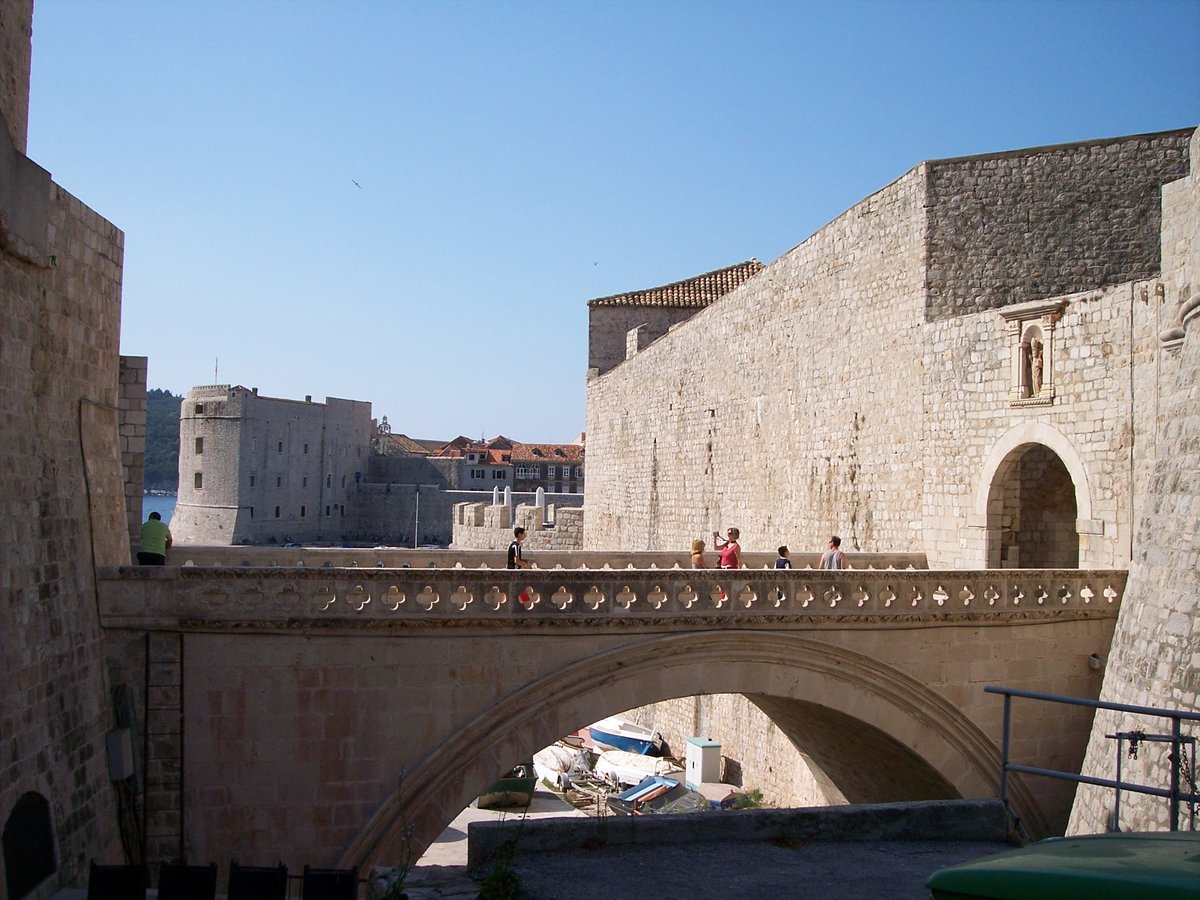
The Ploče Gate has undergone several modifications over the centuries, mirroring the city's evolving defensive needs and architectural styles. Initially, the gate was a simple structure, but it was later enhanced with additional fortifications. One of the most significant changes occurred in the 15th century when the outer gate and the stone bridge were added. This period also saw the construction of the Fort Revelin, which was built to protect the eastern approach to the city. The fort sits separately from the city walls, overlooking the Old Harbour and the eastern entrance to the old town (Lonely Planet).
The Earthquake of 1667
The catastrophic earthquake of 1667, which devastated much of Dubrovnik, also impacted the Ploče Gate. The earthquake necessitated extensive rebuilding efforts across the city, including the gate. The reconstruction aimed to restore the gate's defensive capabilities while also incorporating elements of the Baroque architectural style that was prevalent at the time. Despite these changes, the gate retained its medieval character, blending old and new architectural elements.
The Statue of St. Blaise
One of the most notable features of the Ploče Gate is the statue of St. Blaise, the patron saint of Dubrovnik, installed above the inner gate. St. Blaise has been venerated in Dubrovnik since the 10th century, and his statue symbolizes his role as the protector of the city. The statue depicts St. Blaise holding a model of Dubrovnik, signifying his guardianship over the city (Lonely Planet).
The Role of Ploče Gate in Dubrovnik's Defense
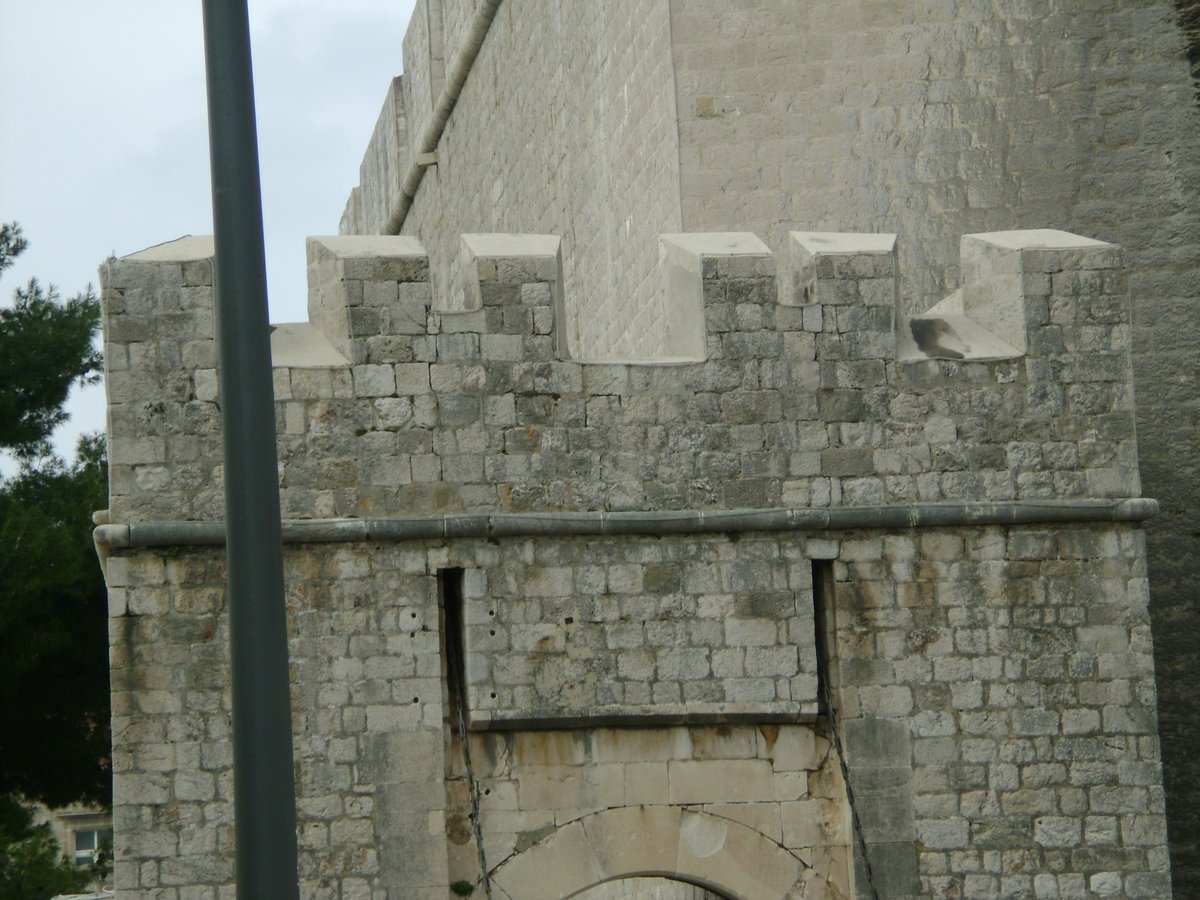
The Ploče Gate was a crucial component of Dubrovnik's defensive system. The gate's design included a series of fortifications that made it difficult for invaders to penetrate the city. The outer gate was approached by a stone bridge followed by a wooden drawbridge, which was historically lifted at sunset and opened at sunrise. This mechanism added an extra layer of security, ensuring that the gate could be sealed off quickly in case of an attack (Lonely Planet).
The Fortifications of Dubrovnik
The Ploče Gate is part of the larger network of fortifications that encircle Dubrovnik's historic core. These walls, among the finest in the world, were constructed over several centuries, starting in the 7th century. The walls have witnessed the city's evolution, with significant additions and fortifications made after the 17th-century earthquake (Old Town Explorer). The walls and gates, including the Ploče Gate, played a vital role in protecting Dubrovnik from various threats, ranging from pirate attacks to military sieges.
The Modern Era
In the modern era, the Ploče Gate has transitioned from a defensive structure to a historical monument and a popular tourist attraction. The gate and the surrounding fortifications have been meticulously preserved, allowing visitors to experience a piece of Dubrovnik's medieval history. The gate's strategic location, offering access to the eastern part of the Old Town, makes it a starting point for many tourists exploring the city's historic sites.
Cultural Significance
The Ploče Gate is not just a historical landmark but also a symbol of Dubrovnik's resilience and cultural heritage. The gate and the statue of St. Blaise are integral to the city's identity, representing its rich history and the enduring spirit of its people. The annual Feast of St. Blaise, celebrated on February 3rd, includes a procession that passes through the Ploče Gate, highlighting its cultural and religious significance (History Hit).
Visitor Experience
Practical Information for Visitors
- Visiting Hours: Ploče Gate is open to visitors daily from 8:00 AM to 7:00 PM. Hours may vary during holidays and special events.
- Ticket Prices: Entrance to the Ploče Gate is included in the Dubrovnik City Walls ticket, which costs approximately 200 HRK for adults and 50 HRK for children.
- Accessibility: The gate is accessible to pedestrians, but some areas may be challenging for visitors with mobility issues.
- Travel Tips: Arrive early to avoid crowds, and consider hiring a local guide for a more in-depth experience.
Nearby Attractions
- Fort Revelin: Located just outside the Ploče Gate, this fort offers stunning views and insights into Dubrovnik's military history.
- Rector's Palace: A short walk from the gate, this historical building now serves as a museum showcasing Dubrovnik's cultural heritage.
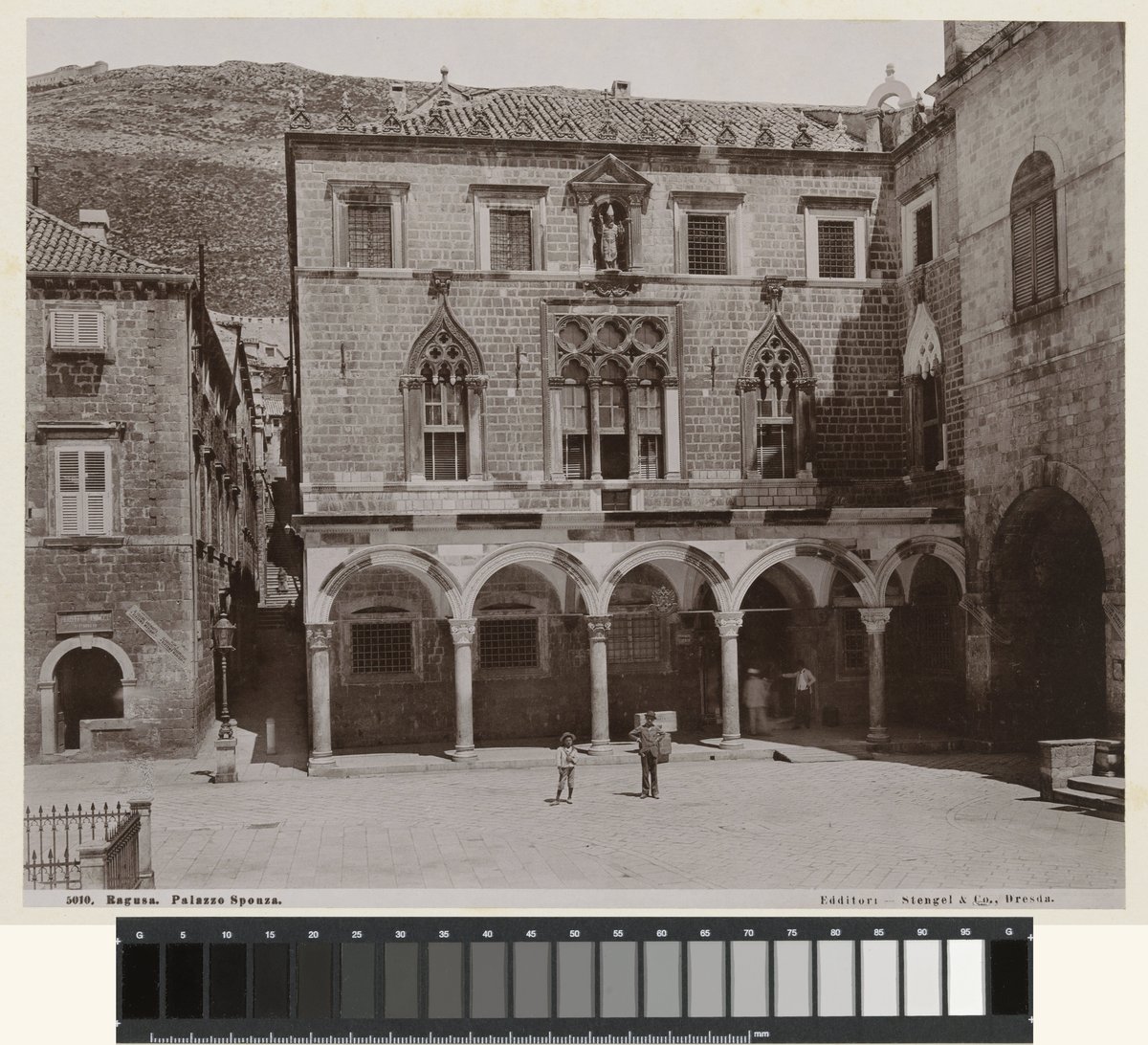
- Sponza Palace: Another nearby attraction, this palace is known for its beautiful architecture and historical exhibits.
Preservation Efforts
Preserving the Ploče Gate and the surrounding fortifications is a priority for Dubrovnik's heritage conservation efforts. The gate has been maintained and restored over the years to ensure its structural integrity and historical authenticity. These efforts are crucial in safeguarding the gate for future generations, allowing them to appreciate Dubrovnik's rich history and architectural heritage.
FAQ
- What are the visiting hours for Ploče Gate? Ploče Gate is open daily from 8:00 AM to 7:00 PM, but hours may vary on holidays and special events.
- How much are tickets to enter the Ploče Gate? Tickets for Ploče Gate are included in the Dubrovnik City Walls ticket, costing approximately 200 HRK for adults and 50 HRK for children.
- Is Ploče Gate accessible for visitors with mobility issues? While the gate is accessible to pedestrians, some areas may be challenging for visitors with mobility issues.
Tickets & tours.
These are guided options from our partners — same price as booking direct.
Prices are indicative — final pricing and availability are confirmed at checkout. Audiala may earn a commission from bookings made through these links.
Listen to the full story in the app
The whole Ploče Gate, Dubrovnik,
told well.
Audio guides for 1,100+ cities across 96 countries. History, stories, and local insight — offline ready.
Verified, and shown.
Researched and written by the Audiala editorial team from historical records, architectural archives, and local expertise.
Researched from Wikidata, Wikipedia & official sources · fact-checked · How we make our guides →