Plan and listen to Dubrovnik Synagogue with Audiala.
Audio guide in your pocket, itinerary in your browser. Built for the way you actually visit.
Introduction
Nestled within the storied walls of Dubrovnik’s Old Town, the Dubrovnik Synagogue is a profound symbol of Jewish resilience and cultural interchange. As one of the oldest Sephardic synagogues in continuous use in Europe, it embodies centuries of history shaped by migration, coexistence, and survival amidst shifting tides. Visitors to this remarkable site encounter not only unique Baroque architecture and rare religious artifacts but also the enduring legacy of a community instrumental to Dubrovnik’s intellectual and commercial life.
This comprehensive guide covers everything you need to know about visiting the Dubrovnik Synagogue, including opening hours, ticketing, accessibility, guided tours, etiquette, and nearby attractions. Whether you’re a history enthusiast, cultural traveler, or spiritual seeker, a visit to this synagogue offers deep insight into Dubrovnik’s multicultural heritage.

History and Development
Medieval Origins and Early Jewish Presence
The Jewish presence in Dubrovnik dates to at least the 14th century, with some accounts suggesting Roman era origins. By 1408, documentary evidence confirms the use of a building on Žudioska ulica (Jewish Street) as a synagogue (jguideeurope.org). The city, then known as the Republic of Ragusa, was notable for a relatively tolerant climate, allowing Jews to settle and participate in trade, medicine, and scholarship.
Sephardic Immigration and Flourishing Community
The expulsion of Jews from Spain and Portugal in the late 15th century brought waves of Sephardic immigrants to Dubrovnik. The growing community was officially recognized as the Univeritas Haebroru (Hebrew University) in 1538. The Jewish ghetto, established in 1546 on Žudioska ulica, became the heart of Jewish social and religious life (tzdubrovnik.hr).
Architectural Evolution
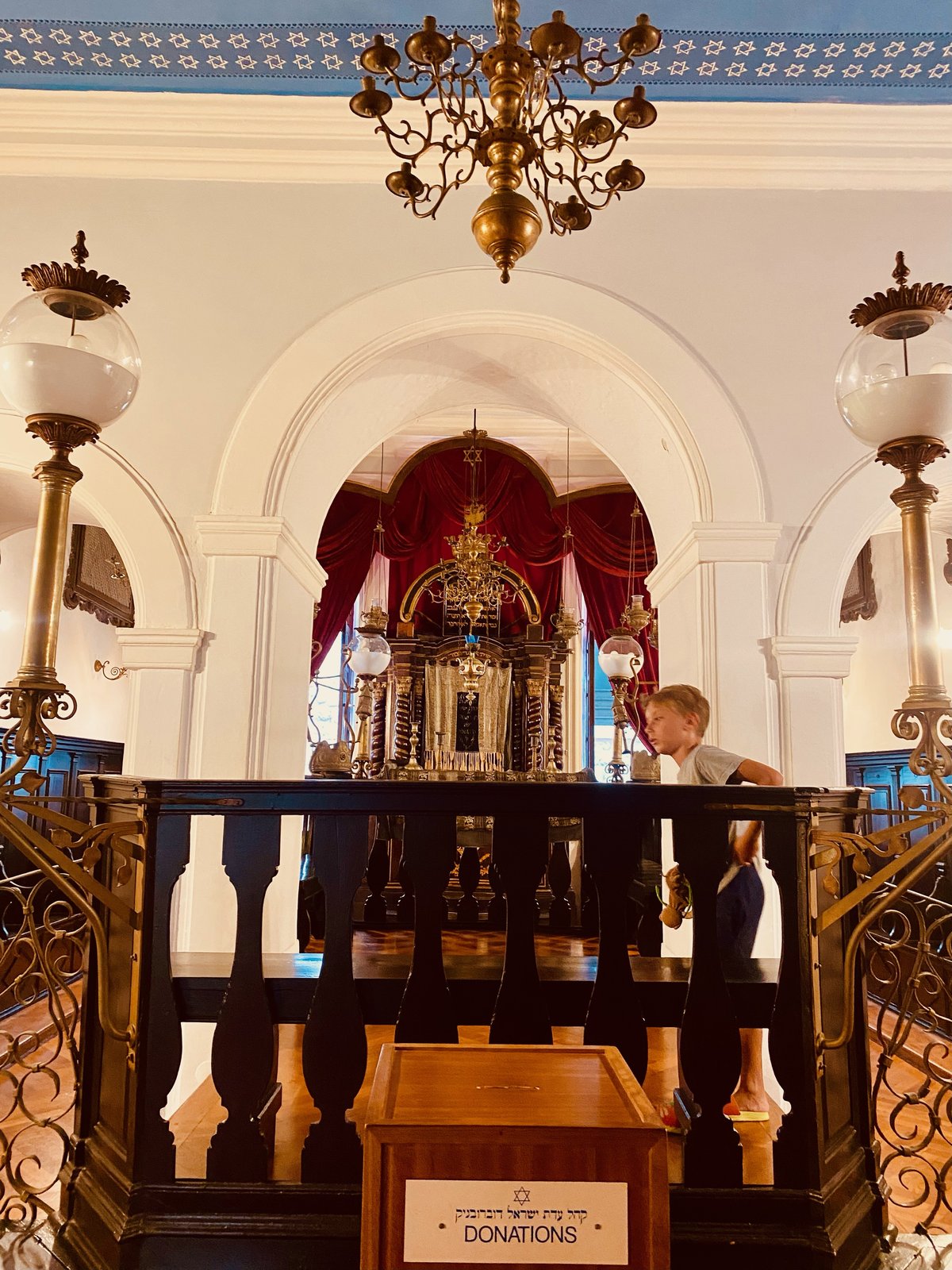
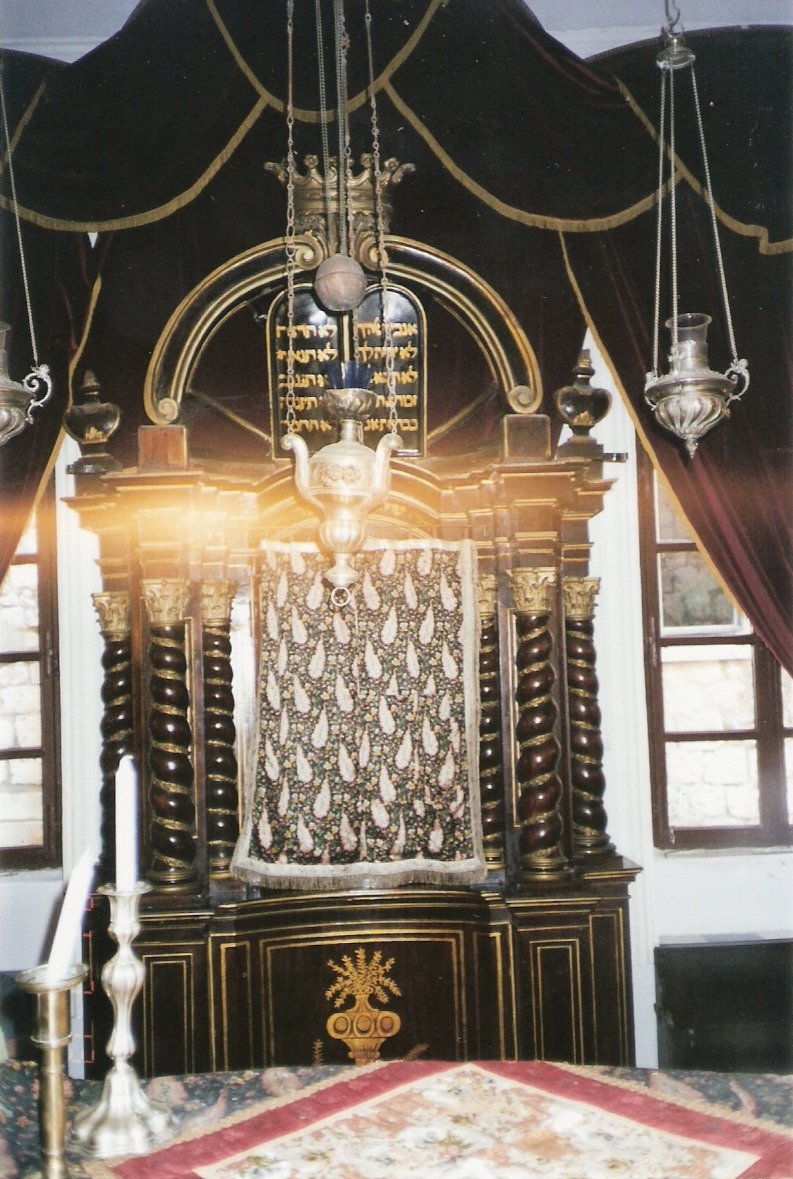
The synagogue’s modest exterior reflects historical limitations on Jewish places of worship. Its sanctuary, redesigned in Baroque style after the 1667 earthquake, features a celestial blue ceiling spangled with golden stars—evocative of Sephardic tradition. The ornate Torah ark (Aron Kodesh), original bimah, and wooden benches testify to the community’s artistic sensibility (inyourpocket.com). The upper floor houses a museum with ancient Torah scrolls, ritual objects, and community archives.
Catastrophe, Decline, and Resilience
The 1667 earthquake devastated much of Dubrovnik, including the synagogue. Despite subsequent hardships—including the Holocaust and the Yugoslav Wars—the Jewish community preserved its heritage. Many artifacts were hidden or smuggled for safekeeping, later restored and returned (jewish-heritage-europe.eu).
The Synagogue Today: Cultural and Spiritual Significance
The Dubrovnik Synagogue remains an active place of worship, especially during major Jewish holidays, while also serving as a museum and educational center. Its existence is a testament to the city’s history of religious tolerance and multiculturalism, with the synagogue situated near Catholic and Orthodox landmarks. The community, though small today, continues to welcome locals and visitors, fostering interfaith dialogue and cultural events (chasingthedonkey.com).
Visiting Hours, Tickets, and Accessibility
Opening Hours
- May 1 – November 1: Daily, 10:00 AM – 8:00 PM
- November 1 – May 1: 10:00 AM – 3:00 PM
- Closed: Saturdays, Sundays, and Jewish holidays (tzdubrovnik.hr)
Hours may vary seasonally and around holidays. Always check the official website or local tourism portals for the most current information.
Tickets
- Adult admission: Approximately 40–50 HRK (about €5–7)
- Discounts: Available for students, seniors, and children
- Purchase: On-site at the entrance or online via official channels
- Dubrovnik Card: The synagogue is included in some sightseeing passes, offering added value for visitors (chasingthedonkey.com)
Accessibility
Due to its historic structure, access to the prayer hall and museum is via a narrow, steep staircase, and there is no elevator. Mobility-impaired visitors may find access challenging. Advance contact with the synagogue or tourist office is recommended for assistance.
Guided Tours and Interpretation
Guided tours are highly recommended for a deeper understanding of the synagogue’s layered history and cultural context. Tours, available in English and other languages, can be arranged on-site or in advance. They typically include:
- The sanctuary and museum, showcasing religious artifacts and community records
- A walk through Žudioska ulica and the former ghetto
- Visits to the Jewish cemetery at Boninovo (by special arrangement)
- Personal stories and historical anecdotes from local guides (newyorkjewishtravelguide.com)
Visitor Etiquette, Dress Code, and Photography
- Dress modestly: Shoulders and knees covered; kippot provided at the entrance
- Behavior: Maintain silence or speak softly, especially in the sanctuary
- Photography: Permitted in museum areas unless otherwise posted; no flash or photography during services
- Respect: The synagogue is both a sacred space and a museum; please act accordingly
Additional Travel Tips and Nearby Attractions
- Best Times: Early mornings and late afternoons are quieter; summer months are busiest (travellersworldwide.com)
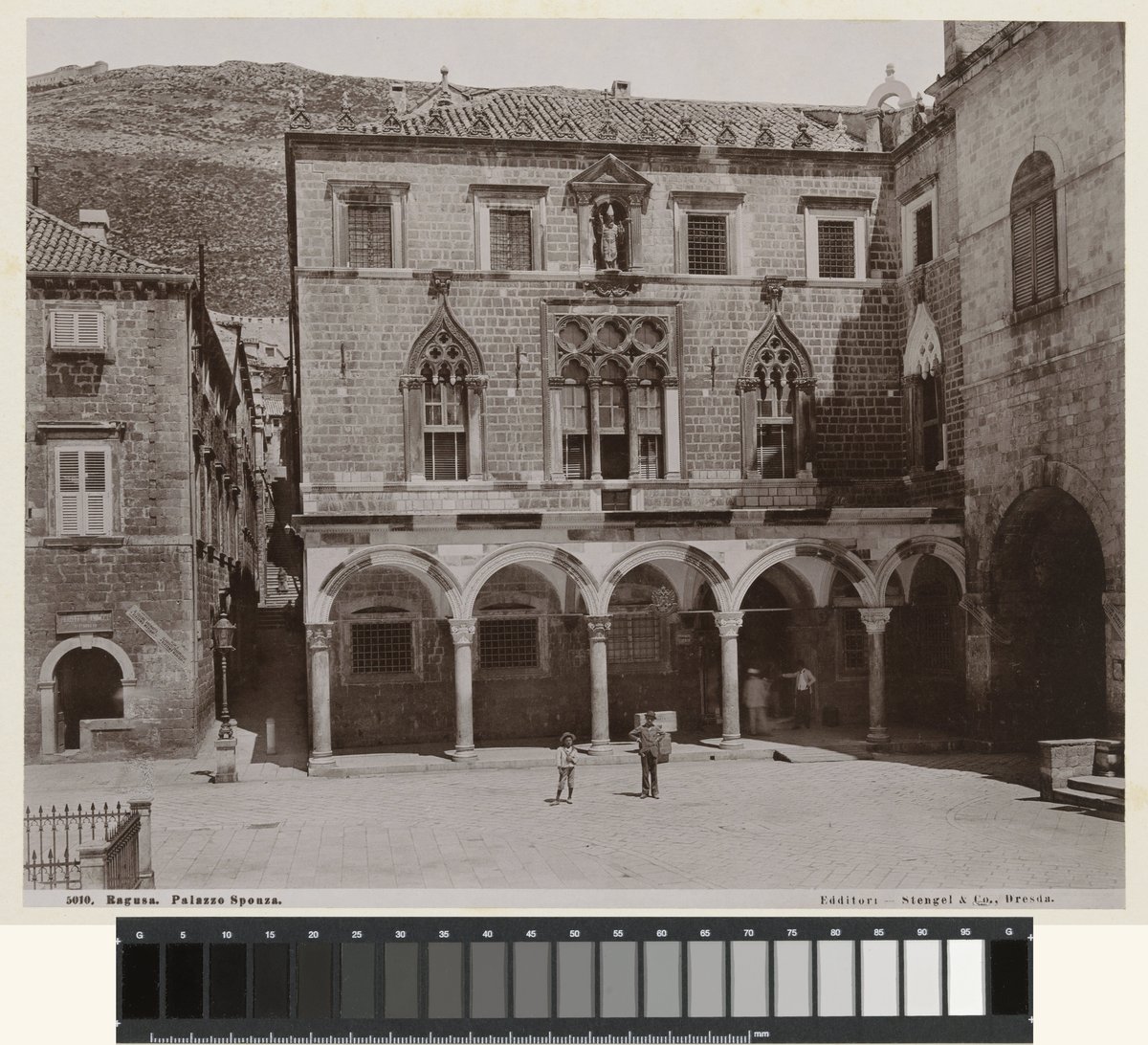
- Combine with other sites: Rector’s Palace, Sponza Palace, Dubrovnik city walls, Franciscan Monastery, and the Jewish Cemetery at Boninovo
- Jewish Heritage Walks: Specialized tours are available for those interested in deeper exploration
- Kosher Food: While there is no dedicated kosher restaurant, some local establishments can accommodate requests; contact Rabbi Pinchas Zacklos ([email protected]) for guidance
Frequently Asked Questions (FAQ)
Q: What are the Dubrovnik Synagogue’s opening hours?
A: May–October: 10:00 AM–8:00 PM; November–April: 10:00 AM–3:00 PM; closed Saturdays, Sundays, and Jewish holidays.
Q: How much are tickets?
A: 40–50 HRK for adults, with discounts for students and seniors.
Q: Are guided tours available?
A: Yes, in multiple languages; book on-site or in advance.
Q: Is the synagogue accessible for people with disabilities?
A: The entrance and museum are only accessible by stairs; limited access for visitors with mobility challenges.
Q: Can I attend religious services?
A: Services are held mainly during High Holy Days or special occasions; tourists may be allowed to observe at certain times.
Q: Can I take photographs?
A: Generally allowed in museum areas, but not during worship or of sensitive artifacts.
Preservation and Contemporary Role
The synagogue is protected as a cultural monument, with ongoing restoration supported by local and international organizations. Artifacts such as ancient Torah scrolls, ritual objects, and archival documents are carefully conserved. The synagogue also hosts cultural events, educational programs, and interfaith initiatives, affirming its place in Dubrovnik’s living heritage (tzdubrovnik.hr).
The Jewish Cemetery and Wider Heritage
Located in Boninovo, the historic Jewish cemetery dates to the 16th century and features gravestones with Hebrew, Italian, and Austro-Hungarian inscriptions. It is accessible by arrangement and serves as a poignant reminder of centuries of Jewish presence in Dubrovnik (jguideeurope.org).
Visuals and Media Suggestions
- Exterior and interior photos: Highlighting the Baroque ceiling, Torah ark, and sanctuary
- Historical documents: Images of archival records and ritual objects
- Map: Indicating Žudioska ulica, the synagogue, and nearby attractions
- Virtual tour: (If available) for remote visitors
Listen to the full story in the app
The whole Dubrovnik Synagogue,
told well.
Audio guides for 1,100+ cities across 96 countries. History, stories, and local insight — offline ready.
Verified, and shown.
Researched and written by the Audiala editorial team from historical records, architectural archives, and local expertise.
Researched from Wikidata, Wikipedia & official sources · fact-checked · How we make our guides →