Plan and listen to Dubrovnik Cathedral with Audiala.
Audio guide in your pocket, itinerary in your browser. Built for the way you actually visit.
Introduction: The Significance of Dubrovnik Cathedral
Nestled in the heart of Dubrovnik’s Old Town, the Cathedral of the Assumption of the Virgin Mary—commonly known as Dubrovnik Cathedral—stands as a testament to the city’s enduring cultural, spiritual, and architectural legacy. This Baroque masterpiece, completed in the early 18th century after the catastrophic 1667 earthquake, is not only the seat of the Diocese of Dubrovnik but also a vibrant repository of priceless artworks, such as Titian’s renowned polyptych "The Assumption of the Virgin Mary." Visitors are invited to explore a landmark that has symbolized Dubrovnik’s cosmopolitan spirit and resilience for centuries.
This detailed guide offers up-to-date information on visiting hours, tickets, accessibility, guided tours, and travel tips—ensuring every visitor can fully appreciate Dubrovnik Cathedral’s extraordinary heritage. For the most current details, consult the Dubrovnik Tourist Board and the cathedral’s official website. (source 1, source 2, source 3)

Early Origins and Archaeological Discoveries
Dubrovnik Cathedral is built atop centuries of Christian worship, with archaeological excavations revealing remnants of earlier basilicas from as early as the 7th century. Restoration work following the 1979 earthquake unearthed ancient mosaics, walls, and liturgical artifacts, confirming Dubrovnik’s long-standing religious significance. (tzdubrovnik.hr)
The Romanesque Cathedral and the Legend of Richard the Lionheart
Between the 12th and 14th centuries, a Romanesque basilica stood on this site, reputedly funded in part by King Richard the Lionheart after surviving a shipwreck near Dubrovnik in 1192. While this story blends legend and history, it underscores Dubrovnik’s deep-rooted connections with broader European traditions. (tzdubrovnik.hr)
The 1667 Earthquake and Baroque Rebirth
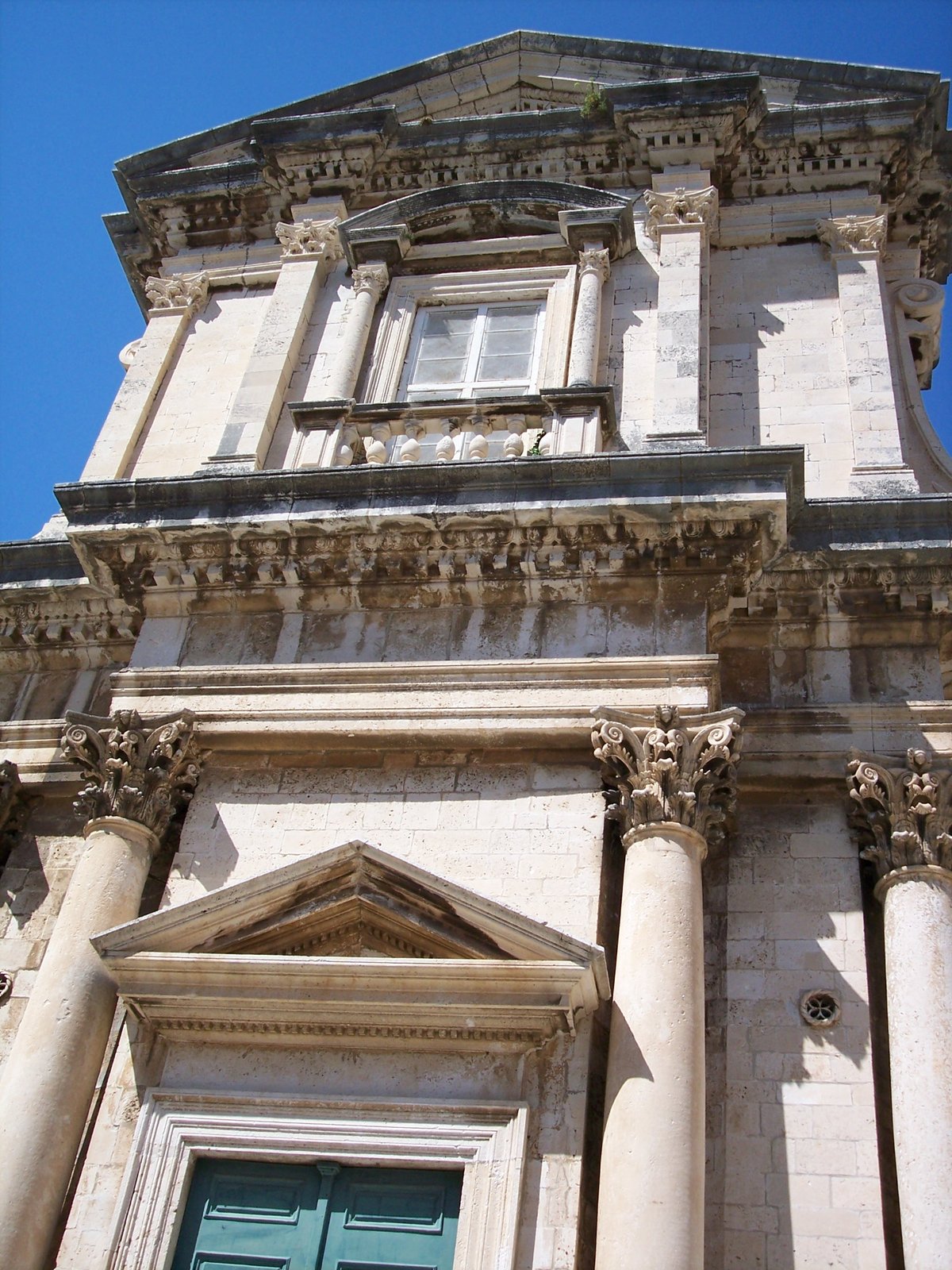
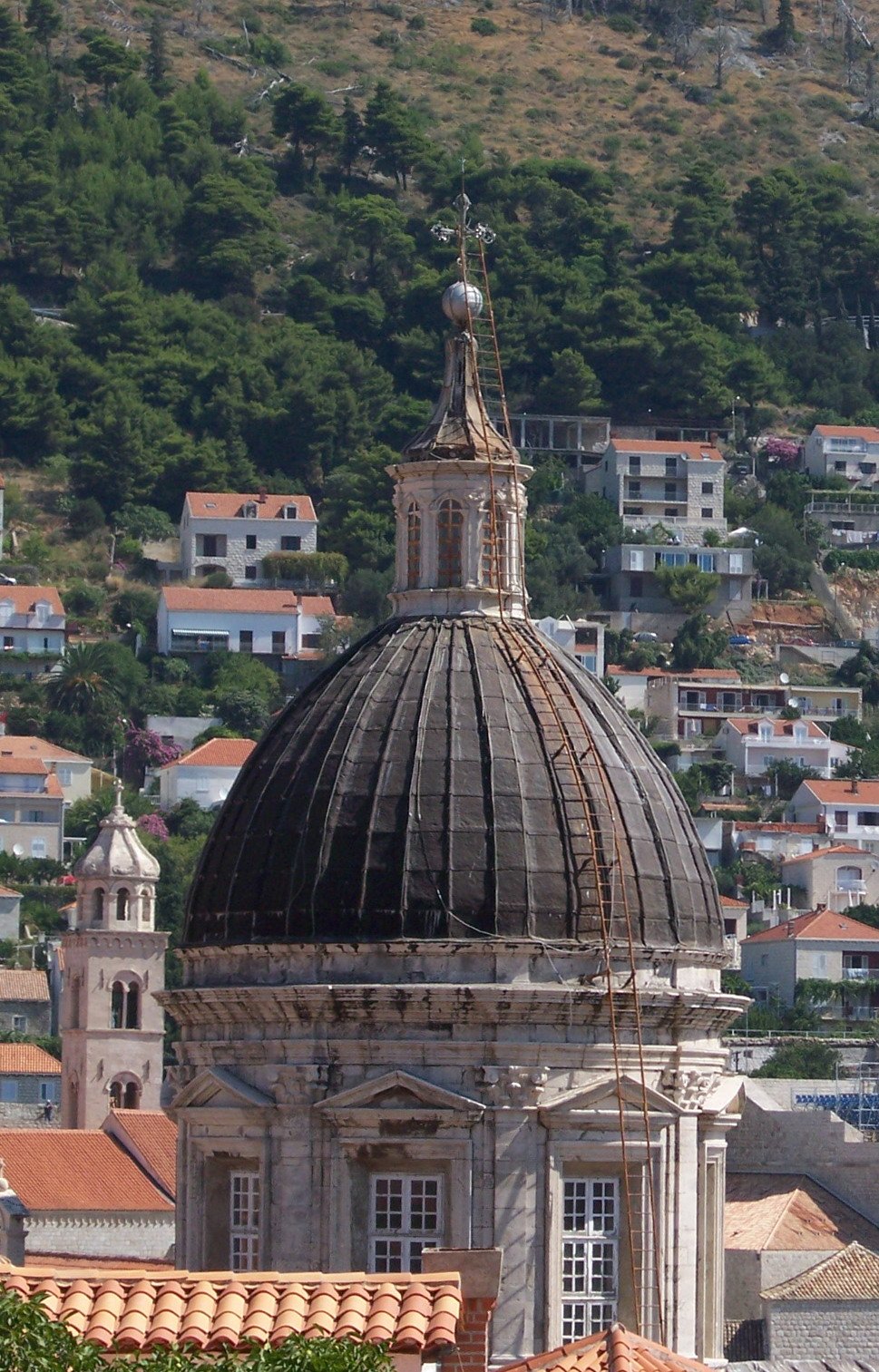
The devastating earthquake of 1667 destroyed much of Dubrovnik, including its Romanesque cathedral. Reconstruction began in 1672, led by Italian architect Andrea Buffalini and completed by local master Ilija Katičić in 1713. The resulting Baroque edifice, crowned with a grand dome, is a symbol of the city’s resilience and cultural rebirth. (tzdubrovnik.hr)
Architectural and Artistic Highlights
Exterior and Layout
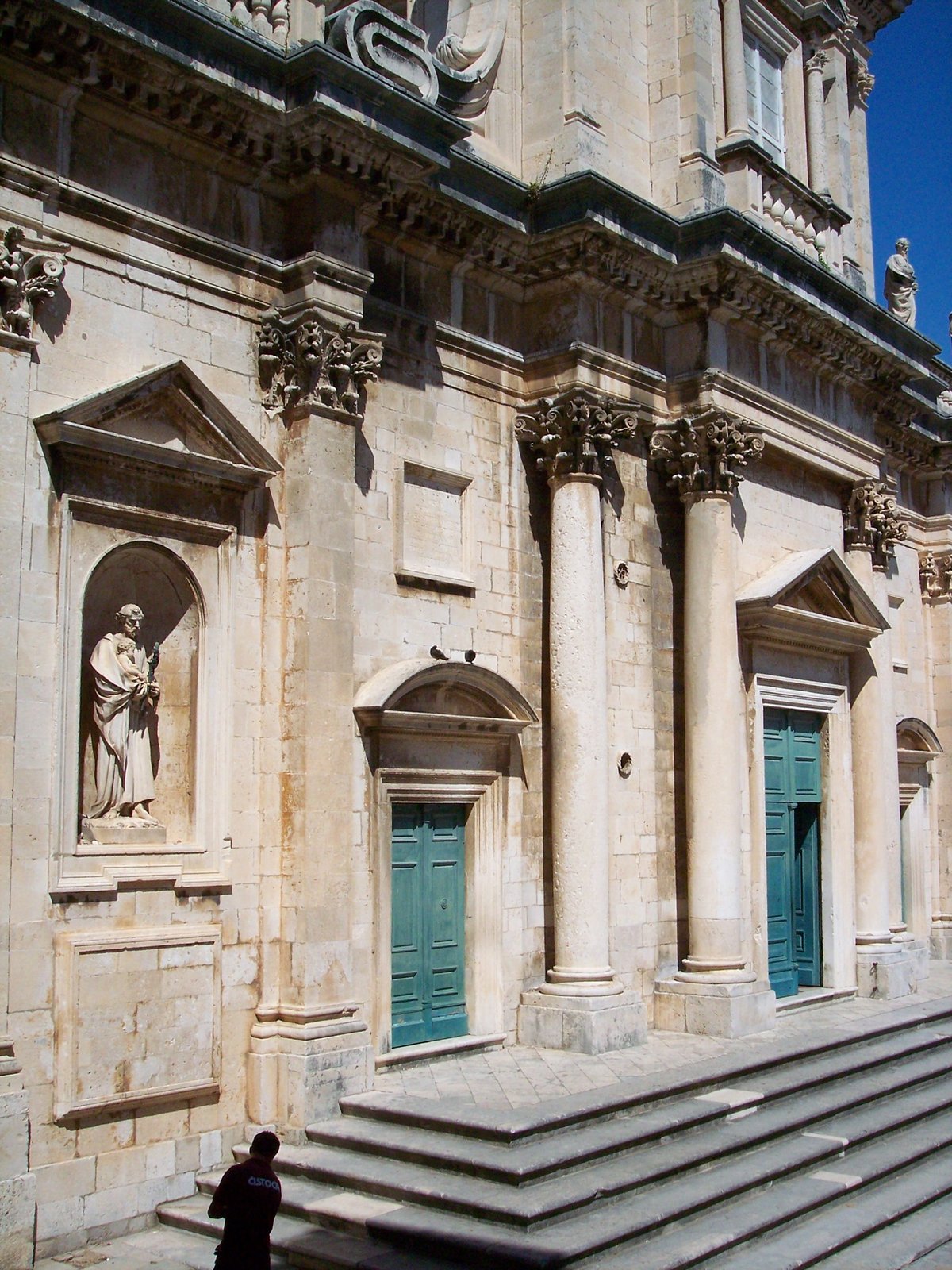
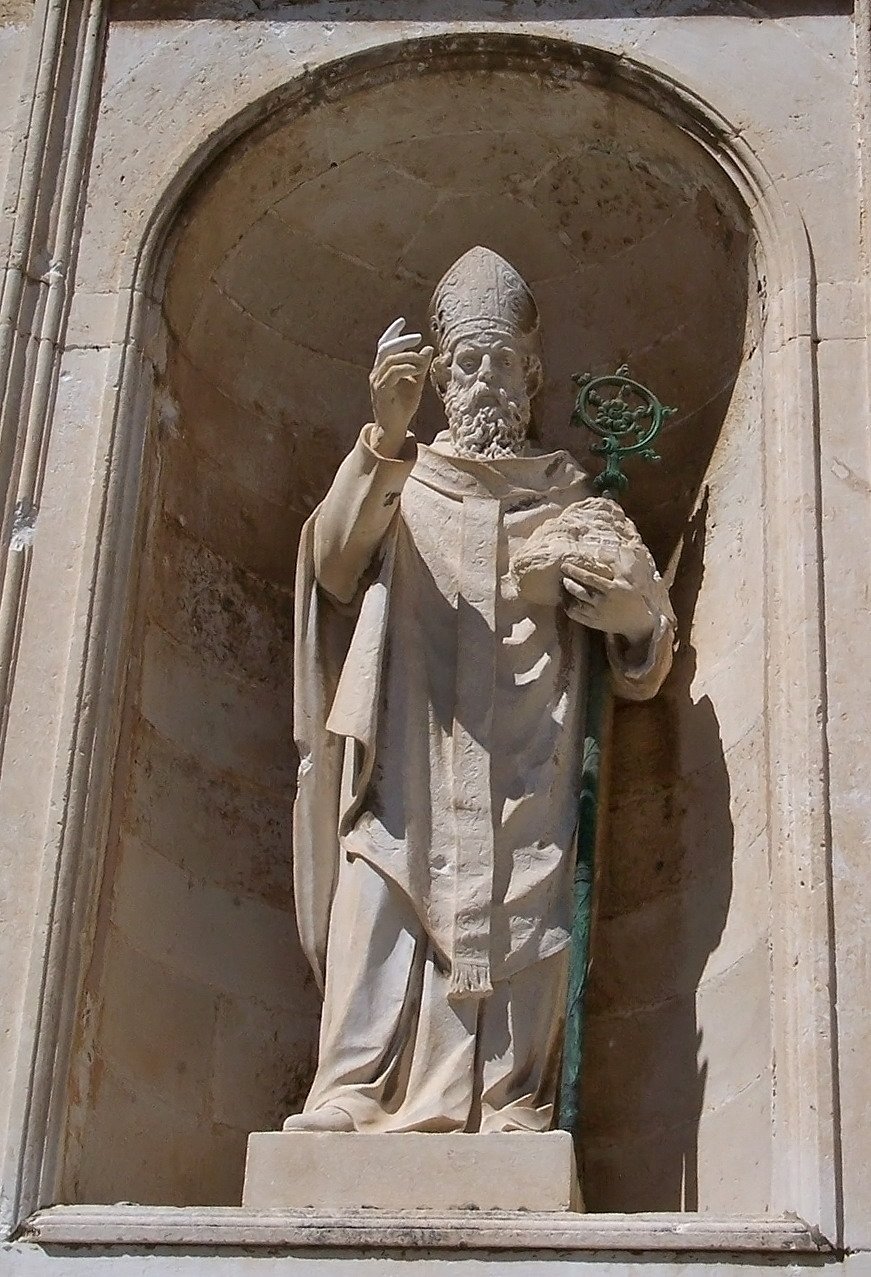
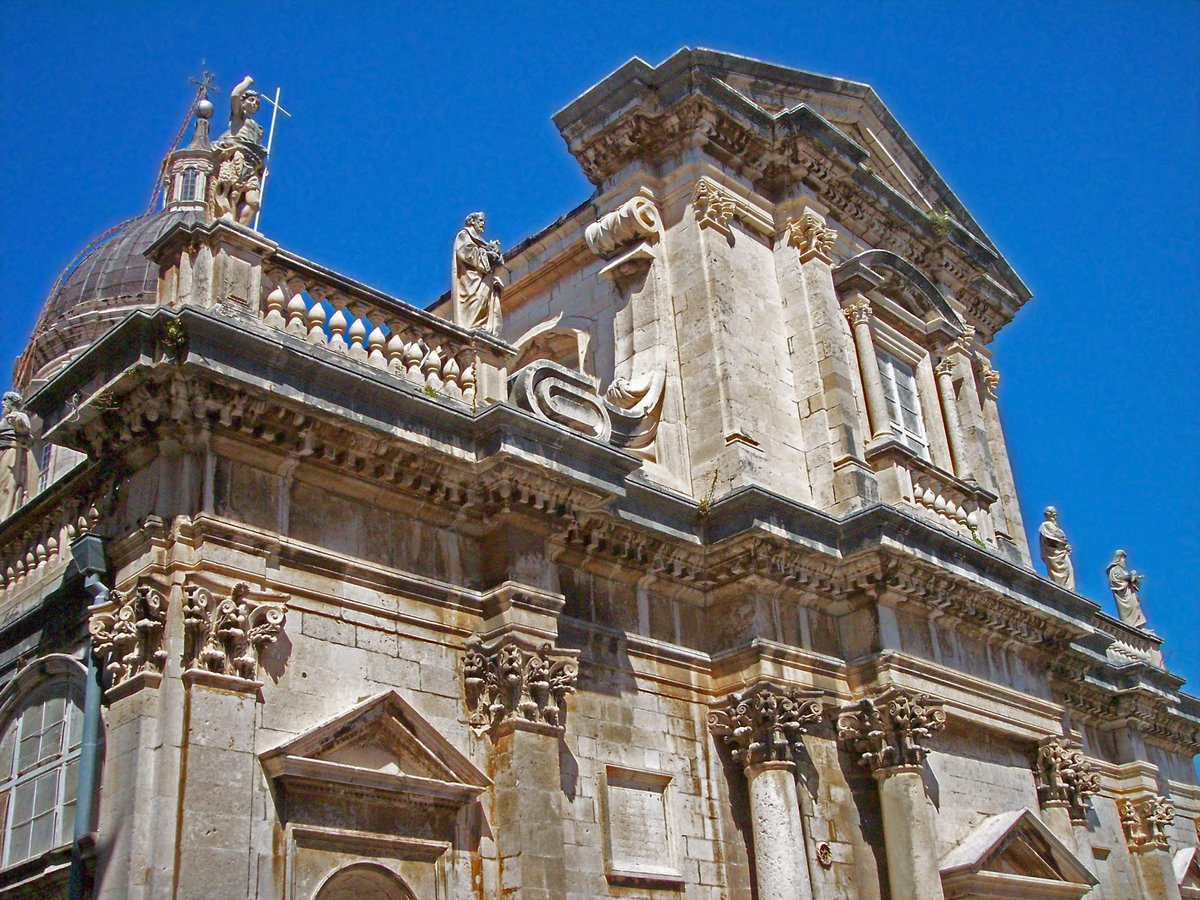
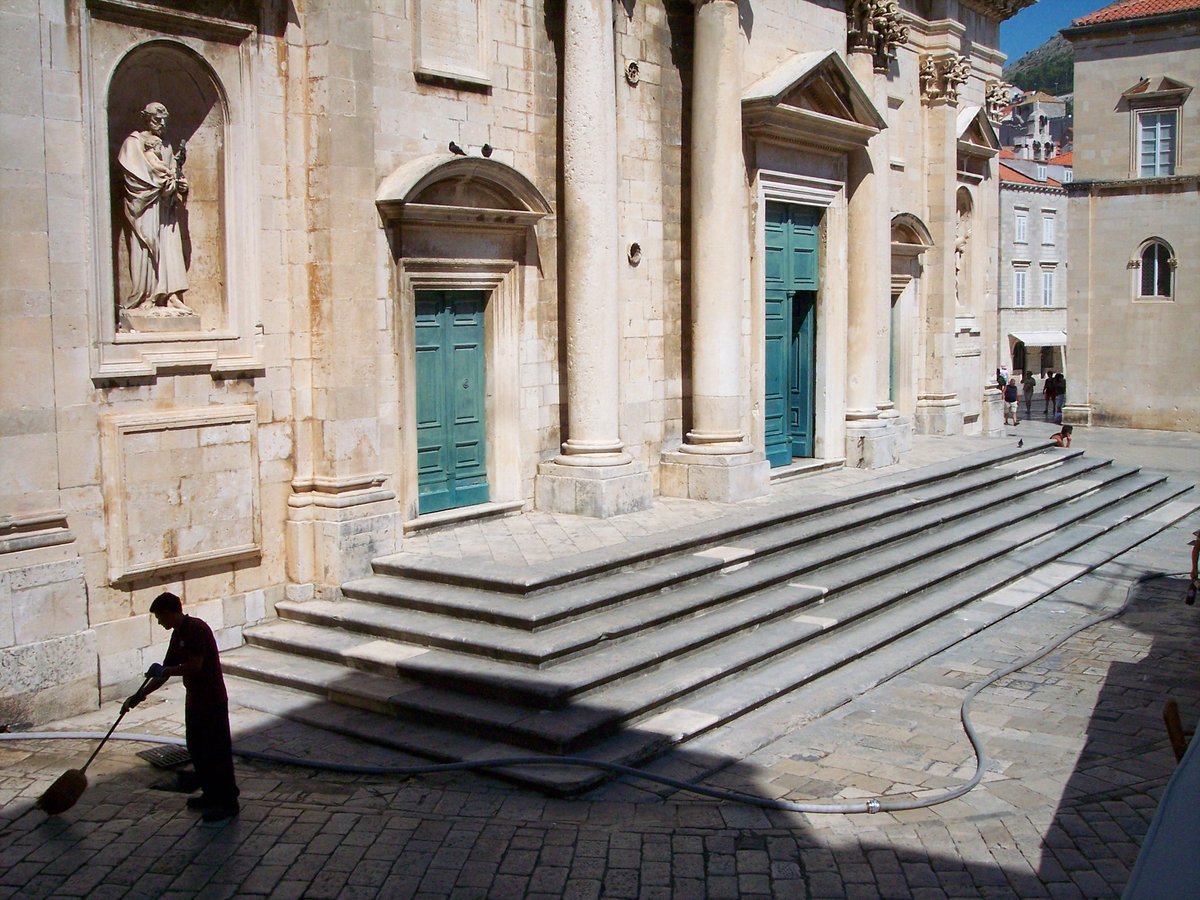
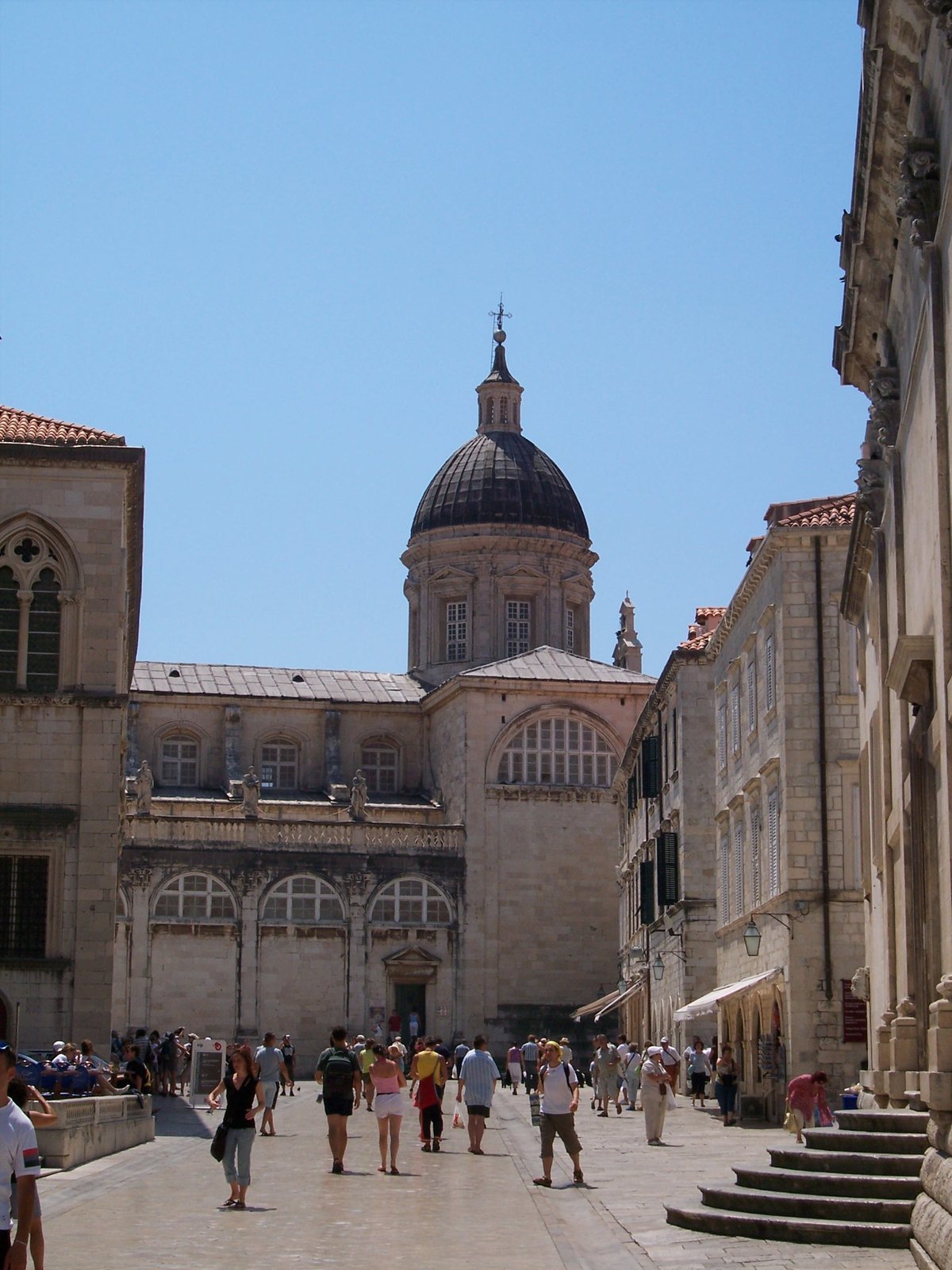
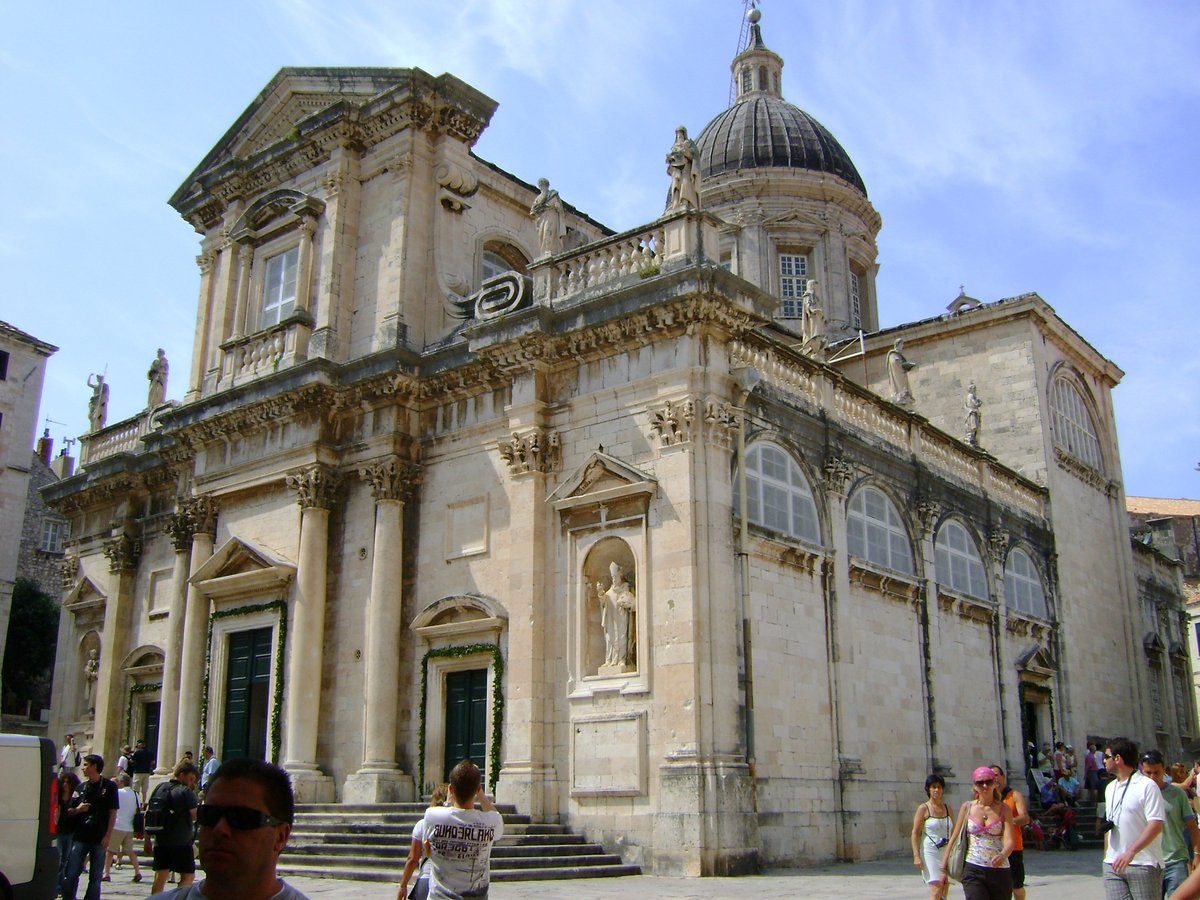
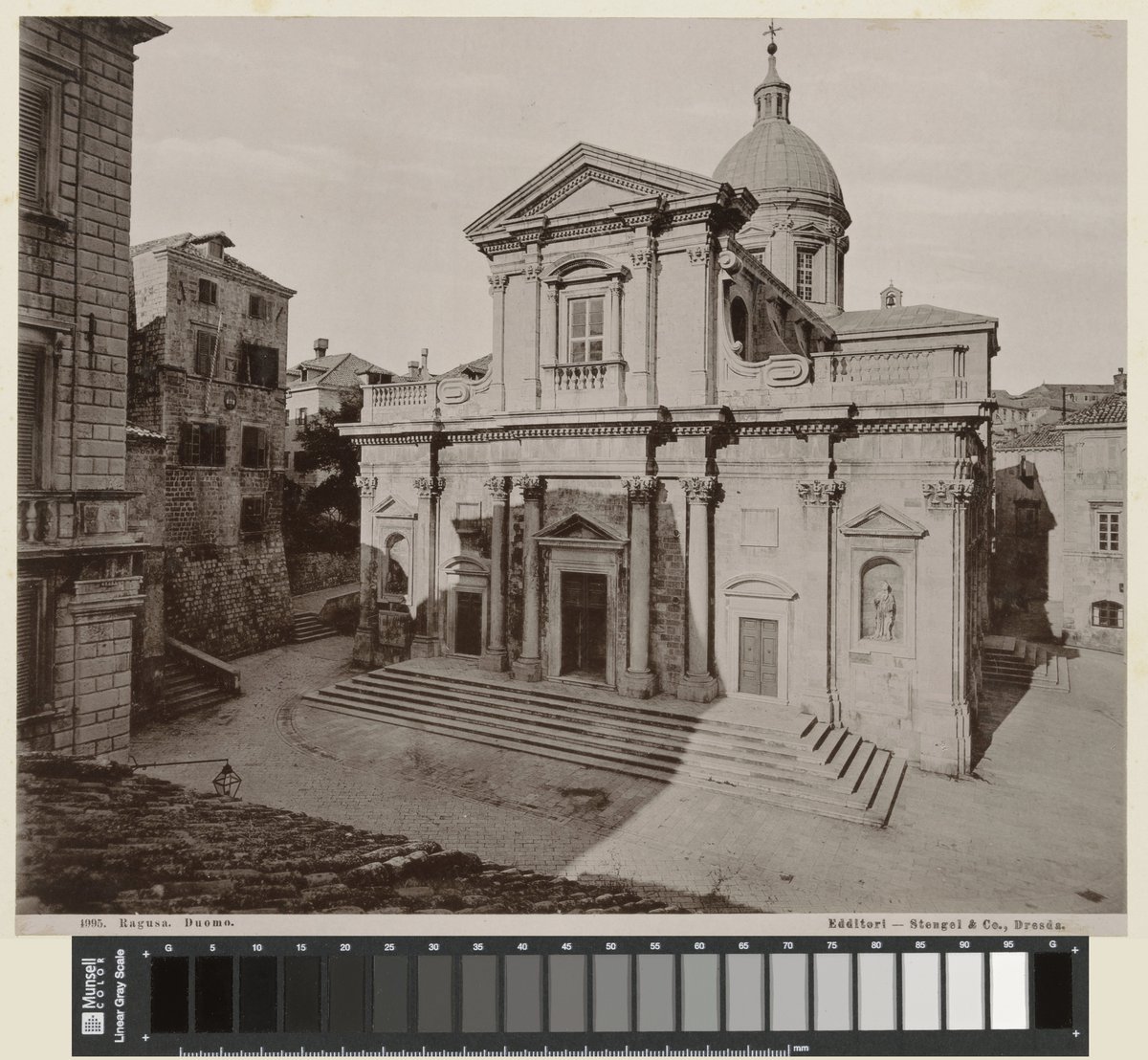
The cathedral’s imposing Baroque façade is framed by Corinthian columns and crowned by a triangular pediment, with statues of saints—most notably St. Blaise, Dubrovnik’s patron. Its dome is a defining element of the Old Town skyline.
Interior and Artworks
Inside, the cathedral features a luminous three-nave basilica plan with a majestic dome and ornate altars. The main altar hosts Titian’s masterpiece "The Assumption of the Virgin Mary." Side altars display works by Italian and Dalmatian artists, including Padovanino and Savoldo, while the choir and nave contain sculptures and stuccowork by Marino Gropelli and others.
The Treasury and Relics
The treasury of Dubrovnik Cathedral is among the richest in the Adriatic. It houses 182 reliquaries from the 11th to 18th centuries, including gold-plated remains of St. Blaise, a relic of the True Cross, and Romanesque-Byzantine icons. The head reliquary of St. Blaise, adorned with precious stones, is especially revered. The collection reflects Dubrovnik’s role as a crossroads of East and West during the Middle Ages and Renaissance.
Cultural and Religious Significance
As the seat of the Diocese of Dubrovnik, the cathedral is integral to the city’s religious life. It hosts regular Masses, major feasts—including the Assumption and the Festival of St. Blaise—and ceremonies such as weddings and baptisms. Annual processions for St. Blaise are recognized as intangible cultural heritage, reinforcing Dubrovnik’s historic identity. (visit-croatia.co.uk)
Dubrovnik’s religious landscape is diverse, with Catholic, Orthodox, Muslim, and Jewish communities coexisting—making the cathedral a symbol of both Catholic devotion and interfaith harmony.
Visiting Information
Location and Accessibility
- Address: Ul. kneza Damjana Jude 1, 20000 Dubrovnik, Croatia
- Easily reached on foot within the Old Town; vehicles remain outside city walls.
Visiting Hours
- April–October: 9:00 AM – 6:00 PM
- November–March: 9:00 AM – 4:00 PM
- Sundays & Holidays: May open later or close for services (10:00 AM – 1:00 PM typical)
- Note: Check the official website before your visit for the most current hours.
Tickets and Entry
- Main nave: Free admission
- Treasury: ~€3 (approx. 30 HRK); pay at entrance or online
- Guided Tours: Available daily (often included in broader Old Town tours); book in advance, especially during peak season
Accessibility
- Ramps and accessible entrances for wheelchairs
- Accessible restrooms available nearby in Old Town
- Assistance available upon request
Dress Code and Etiquette
- Modest attire: Cover shoulders and knees
- Silence requested during services
- Remove hats upon entry
- Photography allowed without flash; no tripods
Facilities
- No restrooms inside the cathedral; public facilities are close by
- No on-site gift shop; religious souvenirs available in nearby shops
Duration and Tour Tips
- Main nave: 10–20 minutes
- Treasury: Allow 20–30 minutes
- Attend Mass for authentic cultural experience; service times posted at entrance
Guided Tours
- Deepen your understanding with a guided tour focusing on history, art, and architecture
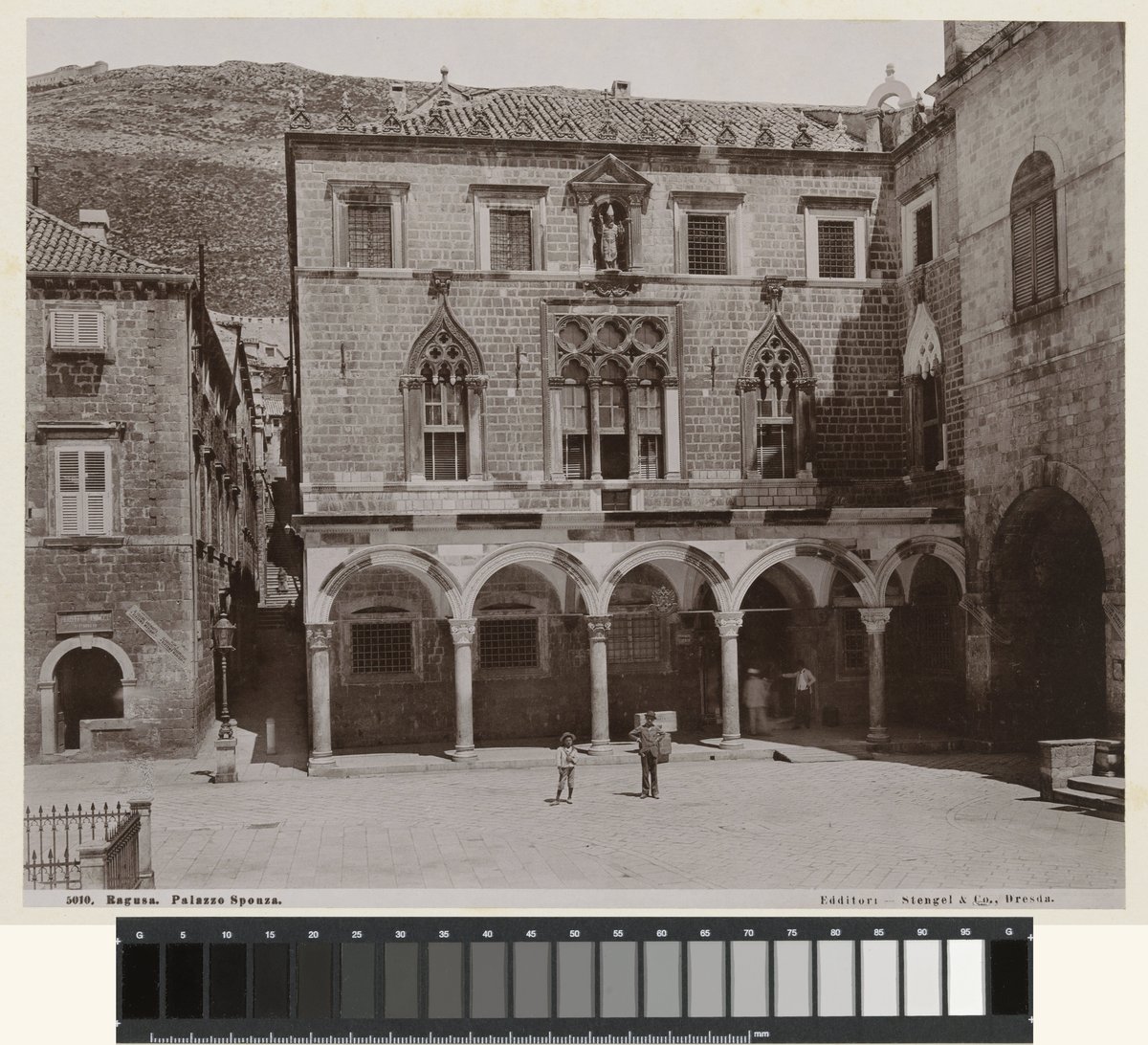
- Combine with other sites (Rector’s Palace, Church of St. Blaise, Sponza Palace)
Photography
- The best exterior shots are from the square or city walls, especially during golden hour
- Inside, natural light mid-morning or early afternoon is ideal
Nearby Attractions
- Rector’s Palace
- Sponza Palace
- Church of St. Blaise
- Stradun (main street)
- City walls
Special Events
- Religious festivals: Easter, Christmas, and the Feast of St. Blaise
- Dubrovnik Summer Festival concerts: Attend for a unique blend of music and history
Restoration and Conservation
Dubrovnik Cathedral has survived earthquakes (notably 1667 and 1979) and the 1991 Siege of Dubrovnik. Ongoing restoration protects its architecture, artworks, and treasury, ensuring future generations can experience this living monument.
Frequently Asked Questions (FAQ)
Q: What are Dubrovnik Cathedral’s visiting hours?
A: Generally 9:00 AM – 6:00 PM (April–October), 9:00 AM – 4:00 PM (November–March), with variations for services and holidays. Always check the official website for up-to-date hours.
Q: Are tickets required?
A: Entry to the main cathedral is free; treasury admission costs ~€3.
Q: Is the cathedral accessible?
A: Yes, with ramps and accessible facilities.
Q: Are guided tours available?
A: Yes, daily tours can be booked in advance and often include other nearby sites.
Q: Can I take photographs inside?
A: Yes, but without flash and with respect for worshippers and services.
Q: Is there a dress code?
A: Yes, shoulders and knees must be covered; hats should be removed.
Q: Can visitors attend Mass?
A: Yes, service times are posted at the door; all are welcome.
Listen to the full story in the app
The whole Dubrovnik Cathedral,
told well.
Audio guides for 1,100+ cities across 96 countries. History, stories, and local insight — offline ready.
Verified, and shown.
Researched and written by the Audiala editorial team from historical records, architectural archives, and local expertise.
Researched from Wikidata, Wikipedia & official sources · fact-checked · How we make our guides →