Plan and listen to Clock Tower with Audiala.
Audio guide in your pocket, itinerary in your browser. Built for the way you actually visit.
Introduction
The Dubrovnik Clock Tower, an iconic sentinel at the eastern end of Stradun in Dubrovnik’s UNESCO-listed Old Town, is a must-visit for anyone interested in history, architecture, or culture. Originally built in 1444, this 31-meter structure has witnessed the city’s medieval prosperity, endured earthquakes, and survived wars—emerging each time as a proud symbol of Dubrovnik’s resilience and civic spirit. With its legendary “Green Men” figures, Maro and Baro, striking the bell every hour, and its location surrounded by other historic gems, the Clock Tower offers a vivid connection to the city’s rich maritime and cultural heritage (Visit Dubrovnik; The Dubrovnik Times; Kasadoo).
History and Origins
The construction of the Dubrovnik Clock Tower in 1444 marked a pivotal moment in the Republic of Ragusa’s development. Built on the foundations of a previous structure, its Gothic-Renaissance design reflected both artistic ambition and civic pride. The tower was designed as a public clock and a marker of the city’s autonomy—a technological marvel for its time, when cities across Europe were vying to showcase their advancement through public works (Visit Dubrovnik).
The original mechanism, crafted by Luka Mihocin, featured a moon dial and wooden striking figures. In 1506, the monumental bell—cast by famed bell maker Ivan (Ivo) Rabljanin—was installed, further embedding the tower into the rhythms of Dubrovnik’s daily and civic life (The Dubrovnik Times).
Architectural Features
The Clock Tower’s slender, elegant profile is constructed from locally quarried white limestone, and its design is a blend of Renaissance and Baroque influences (Dubrovnik Guide; Trip Aim). Topped with a green-patinated bronze dome, the tower is distinguished by its ornate clock face and a bronze sphere that displays the lunar phases—a nod to Dubrovnik’s maritime tradition (The Dubrovnik Times). Subtle carved stone details and sculptural flourishes complete its distinctive silhouette.
The clock mechanism has been carefully maintained and updated over the centuries, with significant upgrades in the 18th and 20th centuries to preserve both function and authenticity (Dubrovnik Bell Tower - Wikipedia).
The Zelenci: Maro and Baro
One of the Clock Tower’s most beloved features is the pair of bronze jacquemarts, Maro and Baro, locally known as “Zelenci” or “Green Men” due to their verdigris hue (Dubrovnik Travel). Originally wooden, these mechanical figures were replaced with bronze versions in the 16th century and are now central to the tower’s identity. Every hour, they strike the bell—an enduring spectacle that has delighted generations.
The original statues are preserved at the Cultural History Museum in the Rector’s Palace, while replicas continue their ritual atop the tower (Kasadoo; Trip Aim). The noon performance is particularly popular.
Timekeeping and Civic Life
Before the advent of the mechanical clock, Dubrovnik’s timekeeping relied on imprecise, seasonal cycles. The tower’s arrival allowed for accurate regulation of trade, city gates, and public events. Its hourly chimes not only marked time but summoned citizens for announcements, emergencies, and celebrations (Kasadoo).
The tower’s bell and moon dial were especially important for the city’s seafaring community, reflecting the tides and lunar phases crucial for navigation.
Restoration and Resilience
The Clock Tower has endured significant challenges, including the catastrophic earthquake of 1667, which left it dangerously leaning, and subsequent seismic events in the 19th and 20th centuries (Dubrovnik Bell Tower - Wikipedia). In 1929, the tower was completely rebuilt to its original specifications, with restoration efforts led by benefactor Pasko Buburica. The original bell was re-installed, and the tower’s Renaissance-Gothic profile was preserved.
Ongoing maintenance and restoration efforts—especially after the 1979 Montenegro earthquake and the Homeland War in the 1990s—demonstrate Dubrovnik’s commitment to heritage preservation (boatingdubrovnik.com).
Visiting Information: Hours, Tickets, and Accessibility
Location: Luža Square, eastern end of Stradun, Dubrovnik Old Town.
Viewing Hours: The Clock Tower is an outdoor monument; its exterior can be admired 24/7 from Luža Square and surrounding areas. The hourly bell-striking by Maro and Baro occurs from morning until evening, with the noon chime being the most popular (saltinourhair.com).
Tickets: There is no admission fee to view the tower from outside, and the interior is not open to the public. To see the original Maro and Baro figures, purchase a ticket to the Rector’s Palace, included in the Dubrovnik Pass (boatingdubrovnik.com).
Accessibility: The area around the tower is flat and wheelchair accessible, though the tower’s interior is closed. The Old Town is pedestrian-only, so comfortable footwear is recommended.
Guided Tours: Many Dubrovnik walking tours feature the Clock Tower, and private guides can offer in-depth historical context. Consider using audio guides or apps such as Audiala for a richer experience.
Nearby Attractions and Special Events
The Clock Tower is situated amid some of Dubrovnik’s most important landmarks:
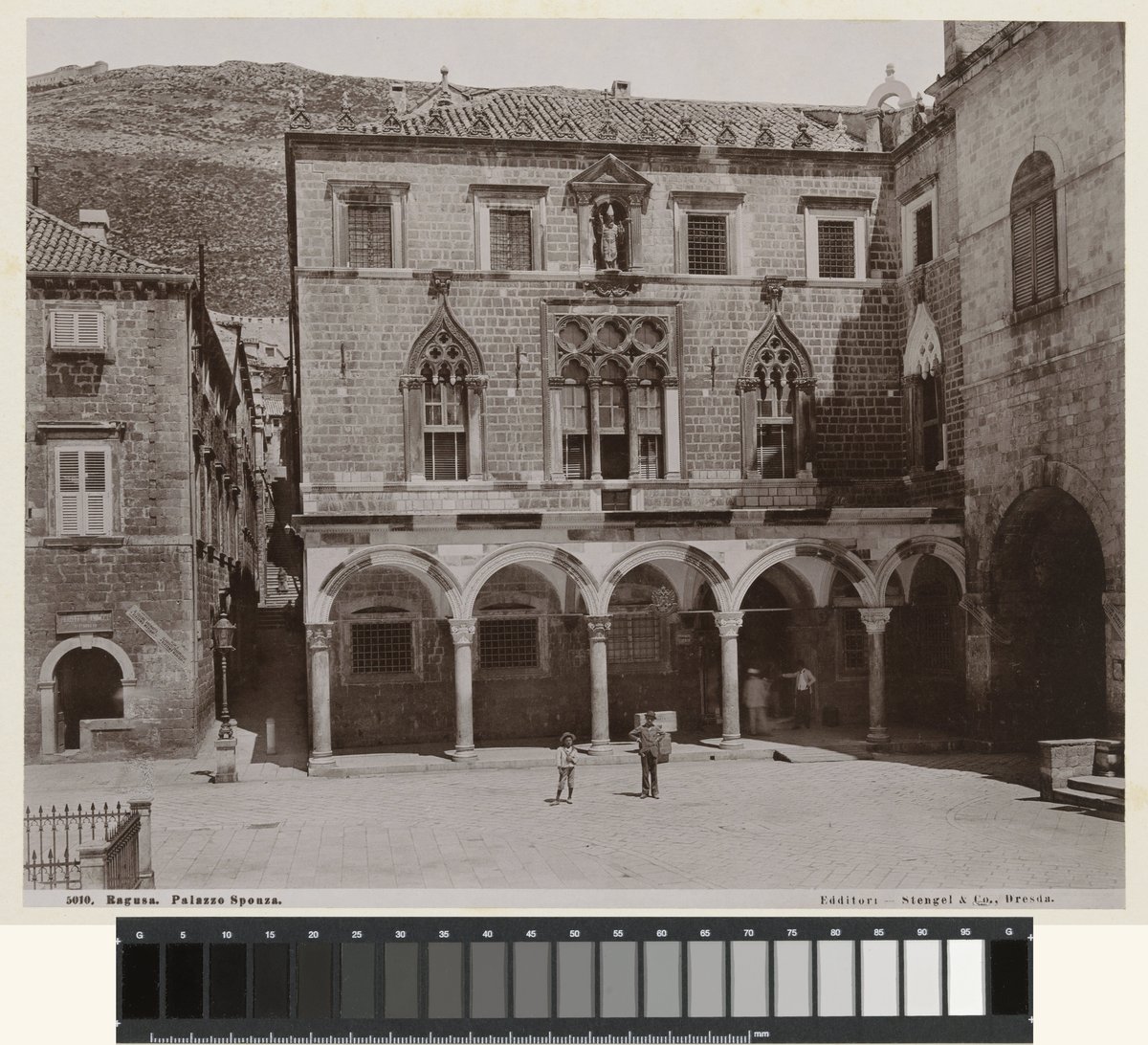
- Sponza Palace: A stunning Renaissance building housing the city’s archives.
- Rector’s Palace: A museum of Dubrovnik’s political history and the original home of Maro and Baro.
- St. Blaise’s Church: Central to the annual St. Blaise’s Day procession, a highlight of the city’s calendar (thecrazytourist.com).
During festivals like the Dubrovnik Summer Festival and St. Blaise’s Day (February 3rd), the tower is a focal point for public gatherings, processions, and cultural performances (chasingthedonkey.com).
Visitor Experience and Tips
- Best Time to Visit: Noon for the full Maro and Baro bell-striking spectacle; early morning or late afternoon for a quieter experience.
- Photography: The tower’s silhouette is striking from Luža Square or Stradun. For city panoramas, consider the city walls or Mount Srd cable car (saltinourhair.com).
- Facilities: The Luža Center beneath the tower houses a cinema, exhibition space, and theater (boatingdubrovnik.com).
- Crowds: Peak times are 9:30 AM–3:00 PM, especially during cruise ship visits. Plan accordingly for a more relaxed experience.
- Local Customs: The tower is a popular meeting point for locals and a symbol of civic pride. During religious or civic events, maintain a respectful and quiet presence.
Frequently Asked Questions (FAQ)
Q: What are the Dubrovnik Clock Tower visiting hours?
A: The tower’s exterior is viewable at all times; the bell-striking occurs hourly from morning to evening.
Q: Is there an admission fee to visit the Clock Tower?
A: No, viewing the exterior and bell performance is free. The interior is not open to visitors.
Q: Can I enter the Clock Tower?
A: The interior is closed to the public. The original figures are viewable at the Rector’s Palace.
Q: Are guided tours available?
A: Yes, many walking tours include the Clock Tower. Check with local operators or the Dubrovnik tourist office.
Q: Is the area accessible for those with mobility challenges?
A: The surrounding square is accessible, though Old Town’s cobblestones may be uneven.
Q: What are nearby attractions I shouldn’t miss?
A: Visit Sponza Palace, Rector’s Palace, St. Blaise’s Church, and enjoy the cafes and shops of Stradun.
Listen to the full story in the app
The whole Clock Tower,
told well.
Audio guides for 1,100+ cities across 96 countries. History, stories, and local insight — offline ready.

Verified, and shown.
Researched and written by the Audiala editorial team from historical records, architectural archives, and local expertise.
Researched from Wikidata, Wikipedia & official sources · fact-checked · How we make our guides →