San José
Costa Rica Verified Apr 2026
The first thing that hits you in San José is the smell of coffee drifting from doorways at 7 a.m.—not the perfume of souvenir beans, but the real, slightly burnt aroma of a city that runs on caffeine and still-roasted tarrazú. Between the honking buses and the sudden green glimpse of a cloud-forest ridge at the end of Avenida Central, Costa Rica’s capital feels like someone parked a mountain village inside a traffic jam.
 Photo: Edgar Arroyo / Pexels
- Attractions
- 11
- Trip length
- 2–3 days
- Best season
- mid-Dec–Apr (dry)
Why San José
Built from cited sources · see the method · How we make our guides →
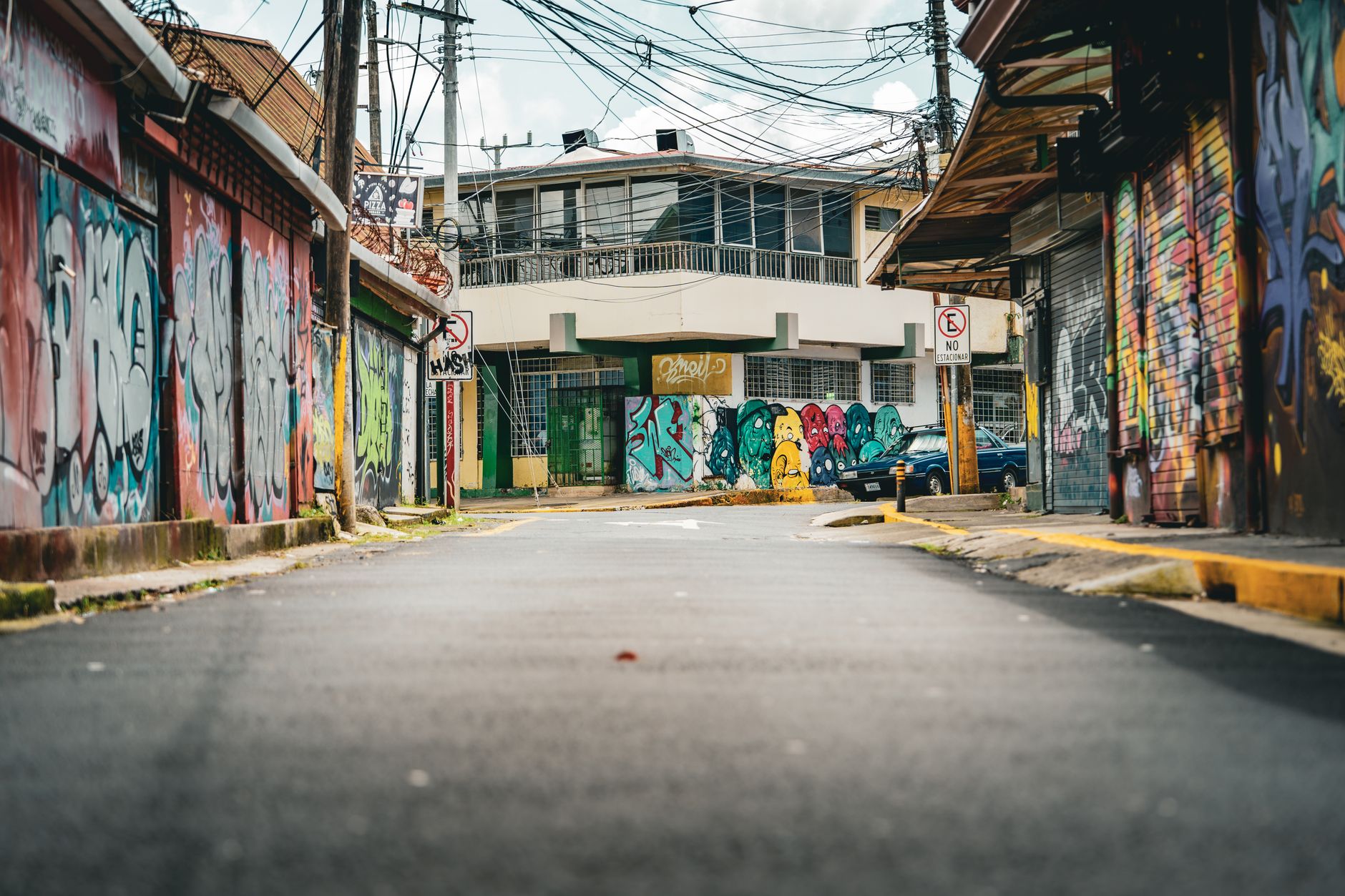
San José doesn’t bother with postcard perfection. Its charm is cumulative: a 1897 opera house paid for by coffee growers who taxed themselves into temporary ruin, a pre-Columbian gold jaguar that fits in your palm, a soda where the waitress already knows you want your gallo pinto with extra Lizano before you sit. The city’s concrete may crack, but the murals underneath keep peeling back layers—indigenous sym bols, 1948 civil-war bullet holes, stencil art that appeared overnight.
Walk three blocks and the altitude reminds you you’re 1,170 m above sea level; the night air carries a chill that makes the street-side ceviche taste sharper. Locals call themselves ticos with the same shrug they use for afternoon rain—expected, endured, ultimately loved. San José won’t flatter you, but if you accept its rhythm—early coffee, long lunch, late thunderstorm—it starts to feel like insider knowledge rather than tourism.
Teatro Nacional
Opened in 1897 and funded by a coffee tax, the National Theatre’s ceiling fresco of coffee pickers once appeared on the five-colón bill. Sit in the gilded café and listen for the echo—acoustics so precise you can whisper across the marble lobby.Underground Gold Vault
Beneath Plaza de la Cultura, the Pre-Columbian Gold Museum drops you 8 m below street level into a climate-controlled vault of 1,600 gleaming pieces—nose rings that marked rank, jaguar-shaped pendants for shamans. The elevator doors open like a bank heist scene, only the loot stays behind glass.Barrio Amón Architecture Walk
Coffee barons shipped entire cast-iron schools from Belgium in 1892; you can still see the bolt heads on Escuela Metálica. Loop north through Parque Morazán’s 1920s Temple of Music into streets lined with Victorian mansions painted mango-yellow and blood-orange.Paseo Gastronómico La Luz
Calle 33 in Barrio Escalante closes to traffic on weekends, turning into a pedestrian strip of craft-beer porches and Sikwa’s indigenous tasting menu—think fermented chicha sorbet beside smoked pejibaye. The air smells of wood-fired cassava and citra hops.
Neighborhoods
Where to wander, by quarter — each with its own rhythm.
Barrio Amón
Coffee-baron mansions turned art galleries and boutique hotels line the sloping streets. The 1892 prefab Escuela Metálica still glints gun-metal blue, and Friday nights spill jazz from the converted Victorian that houses Café de los Deseos. Walk east at dusk; the scent of gardenias drifts over cracked sidewalks where armadillos sometimes shuffle after garbage trucks.Barrio Escalante
Calle 33 closes to traffic most weekends, morphing into a pedestrian strip of ramen labs, sourdough bakeries, and mezcal bars squeezed into 1920s houses. Locals debate whether the craft-beer pint at Apotecario pairs better with experimental ramen or chorreadas from the sidewalk grill. The neighborhood smells of fermentation—coffee, hops, and ambition.Barrio Otoya
Quiet, residential, and suddenly hip: the old National Liquor Factory is now CENAC, a free-admission arts complex where brick chimneys rise above contemporary sculpture. Buy hand-thrown ceramics inside, then cross the street to eÑe Shop for strictly Costa Rican-designed shirts that avoid the sloth-in-a-sombrero cliché.Barrio Chino
One dragon-gate arch, two short blocks, zero tourist shows. Chinese-Costa Rican families run dim-sum counters and herb shops that have supplied the city since railroad crews stayed on in 1900. Wong’s stays open past midnight; the pork-belly buns taste like history folded into steamed dough.San Pedro
University turf—students in flip-flops argue politics over ₡1,000 chifrijo bowls on Calle de la Amargura. Campus museums are free and surprisingly good: cases of iridescent beetles, pre-Columbian metates, and the first microscope used in Central America. Thursday nights mean live ska in the park and beer served in plastic bags with straws.Escazú
Twenty minutes west, altitude climbs and traffic thins. Whitewashed church plaza, weekend feria, and Mirador Tiquicia’s open-air stage where dancers in polka-dot skirts twirl against a valley carpeted with city lights. Pick up cocobolo bowls at Biesanz Woodworks; the scent of sanded tropical hardwood lingers on your hands longer than perfume.Santa Ana / Lindora
Suburban strip malls hide serious kitchens—Argentine grills aging porterhouse 45 days, Afro-Costa Rican chefs ladling coconut rondon stew. Office workers flee the capital at 5 p.m.; by 7 the sidewalks smell of charcoal and chimichurri. Sunday brunch spots pour single-estate coffee while kids chase iguanas across manicured lawns.
Plan your trip
Before you go
- Getting There
- Juan Santamaría International Airport (SJO) sits 20 km northwest in Alajuela; fixed-rate orange taxis charge ~$30 USD to downtown, Uber ~$18. No passenger trains serve the city—buses roll in from Terminal 7-10 (Coca-Cola) and Gran Terminal del Caribe.
- Getting Around
- San José has zero metro or tram lines; mobility is 100% bus. Tuasa and other companies crisscross the city for ₡300-500 (≈ $0.60-1). No reloadable tourist pass exists—pay the driver in colones, exact change appreciated. Sidewalks are obstacle courses; allow extra time.
- Climate & Best Time
- Dry season (Dec–Apr) brings 26-32°C days and cloudless volcano views—book early. Green season (May–Nov) peaks at 3,381 mm of rain; mornings hit 24°C before afternoon downpours. For fewer crowds plus sunshine, target the first two weeks of December 2026.
- Safety
- Daytime downtown is generally safe, but keep phones out of sight on Av. Central between Calles 4–8. Avoid Calle 6 and Barrio Cristo Rey after dark. Orange-vest parking ‘guards’ are unofficial—use paid lots with cameras or risk complicit break-ins.
From Tobacco Village to Peace Capital
How a forgotten Central Valley settlement became the city that abolished its army
- c. 2000 BCE
Huetar Chiefdoms Settle Valley
The Huetar people establish complex societies across the Central Valley. Their goldsmiths create intricate ornaments that will later fill museum cases. Trade networks stretch from Mexico to Colombia. The valley's fertile volcanic soil supports dense populations.
- 1502
Columbus Names Costa Rica
Christopher Columbus glimpses indigenous gold ornaments and dubs the coast 'Rich Coast.' The name sticks, though the gold proves elusive. Indigenous resistance keeps Spanish forces at bay for decades. San José's future site remains untouched.
- c. 1737
Tobacco Village Founded
Spanish settlers establish Villa de San José de la Boca del Monte around a Catholic chapel. The tobacco factory becomes the colony's economic engine. Locals call it 'Chepe' - the nickname that endures today. Just 200 inhabitants.
- 1755
Forced Settlement Decree
Cartago's governor orders families to populate San José or face house-burning. The harsh decree works. Population triples within five years. The village begins its rise from backwater to regional power.
- 1814
Juan Rafael Mora Born
Future president who'll lead Costa Rica against William Walker's filibusters. Born in San José's emerging merchant class. His victory in 1856 makes him national hero. The war costs more lives to cholera than bullets.
- September 1821
Independence Arrives Late
Costa Rica declares independence from Spain - a month after the fact due to slow communications. San José's coffee growers suddenly control their own destiny. No one knows what independence actually means yet. The village holds its breath.
Show the full timeline (18 moments)
- 1823
Civil War Makes Capital
San José defeats Cartago in the League War. The victory transforms the tobacco town into Costa Rica's capital. Cartago had ruled since 1563. San José has been capital three separate times since - a record.
- 1856
Walker War Victory
San José troops march north to defeat American filibuster William Walker. The campaign establishes Costa Rica's sovereignty. But returning soldiers bring cholera. The epidemic kills more than the war itself.
- 1890
Atlantic Railroad Completed
The railroad to Caribbean Puerto Limón opens. Coffee reaches Atlantic ports in days, not weeks. San José's architecture explodes with European styles. The city finally connects to the world.
- 1897
National Theatre Opens
Coffee barons fund a Parisian-style opera house. The Teatro Nacional rises in white marble and gold leaf. Its mural 'Allegory of Coffee and Banana' becomes iconic. Costa Rica finally has a proper stage for culture.
- 1906
José Figueres Born
The man who'll abolish Costa Rica's army enters the world. Born to Catalan immigrants in San José. He'll lead the 1948 revolution. Then dismantle the military with a sledgehammer.
- May 4, 1910
Cartago Earthquake Reshapes City
Cartago's devastating earthquake kills 700. San José survives almost intact. New building codes ban adobe forever. The disaster cements San José's capital dominance permanently.
- April 1948
Civil War Ends in Museum
José Figueres' forces capture Bellavista Fortress after 44 days. The bullets scar its walls still. Two thousand die. The victors convert the fortress into the National Museum.
- December 1, 1948
Army Abolished Forever
Figueres smashes the military barracks with a sledgehammer. Costa Rica becomes the first country to abolish its army by constitution. The budget shifts to education and health. San José becomes a city without soldiers.
- 1950
Franklin Chang Díaz Born
San José produces Central America's first astronaut. He'll fly seven Space Shuttle missions. A physicist who helps build the International Space Station. Born in the city that chose books over bullets.
- 1987
Nobel Peace Prize for San José
President Óscar Arias wins for the Esquipulas Peace Plan. The agreement ends Central America's civil wars. Drafted in San José's presidential palace. The city becomes synonymous with peace.
- April 22, 1991
Limón Earthquake Damages Capital
The 7.6 magnitude quake rocks San José. Buildings sway like palm trees. Power grids collapse. The disaster accelerates earthquake preparedness reforms nationwide.
- 2023
Culture Capital Again
San José earns its second Ibero-American Capital of Culture title. Only a handful of cities achieve this twice. The designation recognizes its transformation from coffee hub to cultural beacon. Street art covers walls where soldiers once marched.
Who lived here
-
President · born 1959
Laura Chinchilla
Born here
She grew up debating politics in a city where taxi drivers still quote her speeches. Today she’d recognize the same morning-coffee gossip circles in Barrio Escalante, now just served with oat-milk cortados.
-
NASA Astronaut · born 1950
Franklin Chang Díaz
Born here
The boy who stared at the Central Valley sky from Pico Blanco went on to log seven shuttle missions. He’d still hike that ridge for the city-wide view, only now he’d check the launch schedule on his phone first.
-
Painter & Printmaker · 1907–1998
Francisco Amighetti
Born here
He carved Costa Rica’s daily street life into woodblocks while sitting in downtown cafés. Walk Avenida Central today and you’ll see the same lottery vendors and shoeshine chairs that appear in his prints—just with added LED signs.
-
UN Climate Chief · born 1956
Christiana Figueres
Born here
Daughter of a three-time president, she brokered the Paris Agreement after learning diplomacy at family dinner tables that overlooked the volcanic skyline. She’d tell you the city’s real power sits in its coffee-scented living rooms, not the presidential palace.
Where to Eat
Where locals actually book dinner — not the tourist menus.
-
Casado
The national lunch plate: rice, beans, salad, fried plantain and your choice of protein, all for ₡3,500 at Mercado Central sodas. It’s what Tico grandmothers insist you eat before catching a bus.
-
Chifrijo
Invented in San José bar Cordero during the 1960s—rice, beans, chicharrón cubes and pico de gallo served in a bowl with lime-drenched tortillas. Best paired with an Imperial beer at happy hour.
-
Henry Blend at La Mancha
Cold brew shaken with mandarin-lime peel tea, created inside the 1921 Steinvorth Building. One sip tastes like Tarrazú sunrise and smells like citrus peel left on a wooden drying rack.
-
Sikwa Tasting Menu
Barrio Escalante’s reservation-only restaurant revives pre-Columbian recipes: fermented chicha, smoked pejibaye, and cacao-dusted venison. Eight courses, $55, served in a century-old Victorian living room.
-
Ceviche at Marisquería Buen Gusto
Hidden inside Mercado Central, the stainless-stall serves corvina marinated in lime and ginger, topped with cilantro and soda crackers. Ask for ‘extra leche de tigre’—the citrus cure doubles as a hangover remedy.
-
Tres Leches Cake
Sponge soaked in evaporated, condensed and whole milk until it weighs twice its original mass. Order it chilled at Soda Tapia (open since 1950, 24 hrs) to taste why locals call it ‘the cake that cries.’
Insider tips
Small things that change how the city treats you.
Red Zone Alert
Skip Calle 6 and Barrio Cristo Rey after dark; locals call the downtown crime cluster "zona roja" for a reason.Soda Savings
Eat lunch at a soda—family diners where a full casado plate costs ₡3,000–4,000 ($6–8) and tastes like someone’s grandmother is in charge.First-Week December
Land in the first two weeks of December: dry-season skies, holiday lights going up, and hotels still at green-season prices.No Subway City
San José has zero metro; buses rule. Buy long-distance tickets the day before if a holiday weekend looms.Tip Already Included
Restaurants add 10 % service + 13 % tax by law—check the bill before you add another tip.Orange-Vest Scam
Guys in orange vests offering "parking security" have no authority; use paid lots or risk a broken window.
Gallery
The city, as it actually looks.




Frequently asked
Is San José Costa Rica worth visiting or should I skip straight to the beach?
Worth one full day. The neoclassical National Theatre, Pre-Columbian Gold Museum, and Barrio Escalante’s food strip give you a cultural hit you can’t get on the coast. Tack on a morning at Mercado Central for the city’s loudest, tastiest breakfast.
How many days do you need in San José?
Two days covers the core: downtown museums, Central Market lunch, Escalante dinner, plus a coffee-farm half-day in nearby Escazú. Add a third if you want to hike Pico Blanco or take the Poás volcano trip.
What’s the cheapest way from San José airport to downtown?
Tuasa public bus costs under $1 but won’t store luggage. Uber runs $15–20; official orange airport taxis charge a fixed $30. Traffic swings the ride anywhere from 25 min at dawn to 60 min at rush hour.
Is San José safe to walk around?
Daytime in the museum grid—Plaza de la Cultura to Mercado Central—is fine; keep phones in pockets. After sunset take registered taxis even for five blocks; the red-zone assault stats spike when offices empty out.
Can I use US dollars in San José?
Yes, but colones save you money. Taxis, buses, and sodas price in CRC; supermarkets accept USD yet give change in colones at the daily rate. Bring small bills—$50s and $100s are refused almost everywhere.
Pick up where you left off
Saved and recently read places — kept on this device only.
Photo credits (7)
- Edgar Arroyo — Pexels License (https://www.pexels.com/license/) — Source: https://www.pexels.com/photo/15778523/
- Luis Alberto Arias — Pexels License (https://www.pexels.com/license/) — Source: https://www.pexels.com/photo/8414300/
- Mario Spencer — Pexels License (https://www.pexels.com/license/) — Source: https://www.pexels.com/photo/29083066/
- Diego Lopez — Pexels License (https://www.pexels.com/license/) — Source: https://www.pexels.com/photo/36692265/
- Mario Spencer — Pexels License (https://www.pexels.com/license/) — Source: https://www.pexels.com/photo/29083048/
- Diego Lopez — Pexels License (https://www.pexels.com/license/) — Source: https://www.pexels.com/photo/36692267/
- Diego Lopez — Pexels License (https://www.pexels.com/license/) — Source: https://www.pexels.com/photo/36692268/
Photos may have been resized or cropped.