Plan and listen to National Capitol with Audiala.
Audio guide in your pocket, itinerary in your browser. Built for the way you actually visit.
Introduction
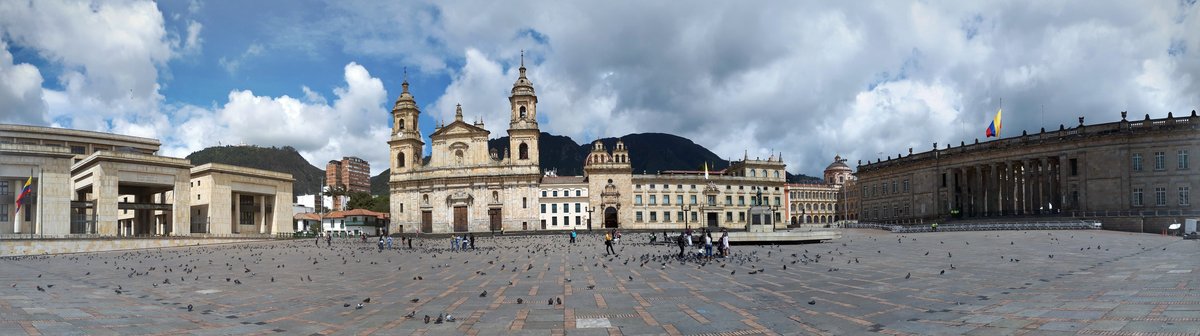
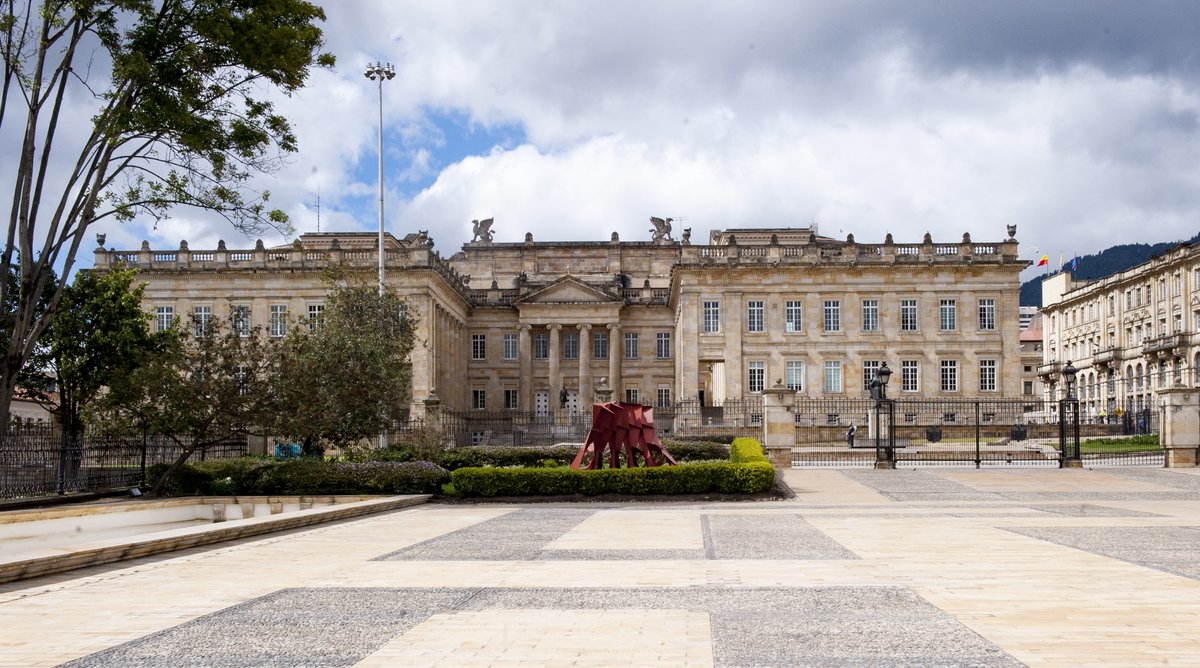
The National Capitol (Capitolio Nacional) is a cornerstone of Colombia’s political, cultural, and architectural heritage, standing prominently on Plaza de Bolívar in the heart of Bogotá’s historic district. This neoclassical landmark is not only the seat of the Colombian Congress but also a living testament to the nation’s journey from pre-Columbian times through colonial rule to modern democracy. For visitors eager to understand Colombia’s history and experience its vibrant civic life, the National Capitol is an essential destination (Calendario de Colombia; Evendo).
This guide provides comprehensive information on visiting hours, ticketing, accessibility, security, and nearby attractions, ensuring you are equipped to explore one of Bogotá’s most emblematic landmarks. Whether you are a history enthusiast, architecture lover, or cultural traveler, the National Capitol offers an immersive experience into Colombia’s past and present.


Historical Foundations: From Indigenous Roots to Colonial Bogotá
Long before the Capitol’s construction, the area was the center of the Muisca civilization, whose capital, Bacatá, lay atop the Cundiboyacense plateau (Calendario de Colombia). The arrival of Spanish conquistador Gonzalo Jiménez de Quesada in 1538 marked the founding of Santa Fe de Bogotá, which quickly became a prominent administrative hub for the Spanish Empire (LAC Geographic).
By the mid-16th century, Bogotá was established as a Royal Audience and, in 1717, became the capital of the Viceroyalty of New Granada (ThoughtCo). Plaza de Bolívar, where the National Capitol now stands, has remained the nucleus of political and religious authority through the centuries.
Architectural and Political Symbolism
Design and Construction
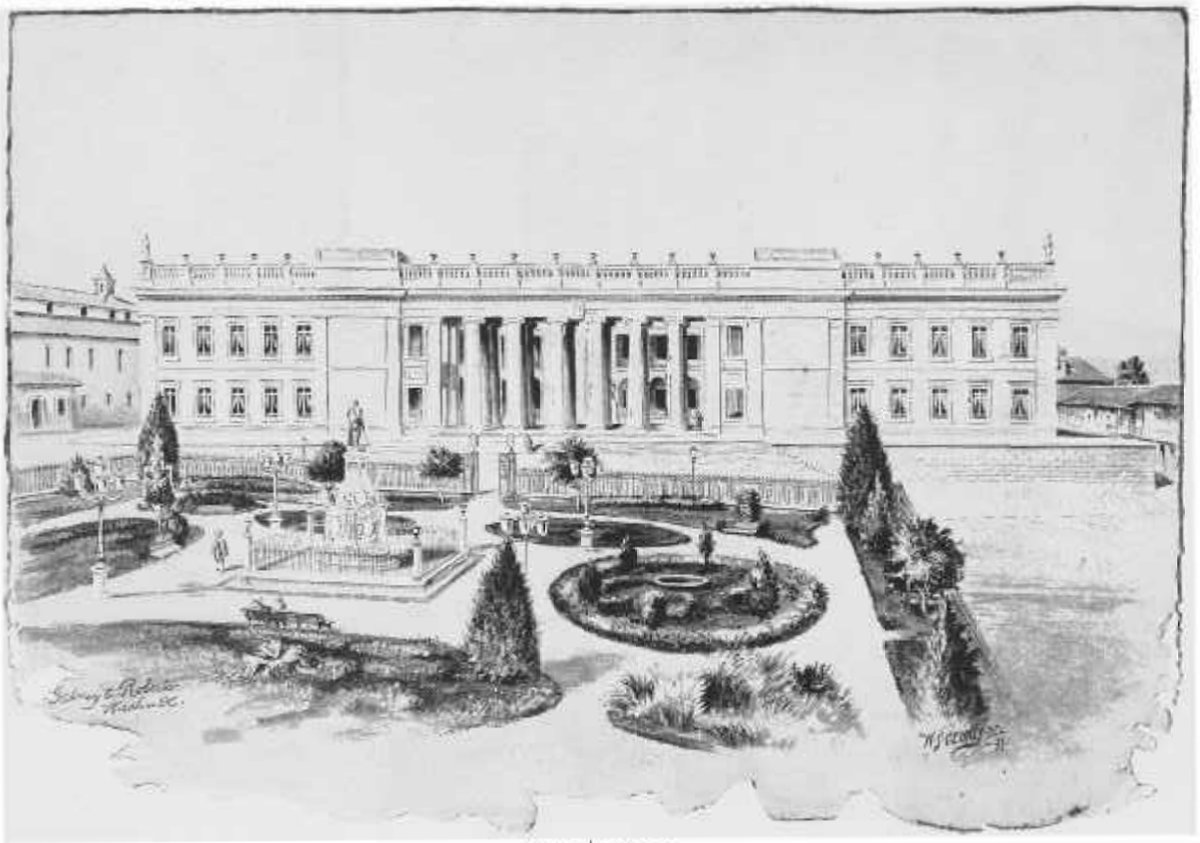
Construction of the National Capitol began in 1847 and concluded in 1926, spanning nearly eight decades due to political and financial challenges (Evendo). The original design by English architect Thomas Reed was later completed by Colombian architects, resulting in a harmonious blend of neoclassical and republican styles (blog.kurby.ai).
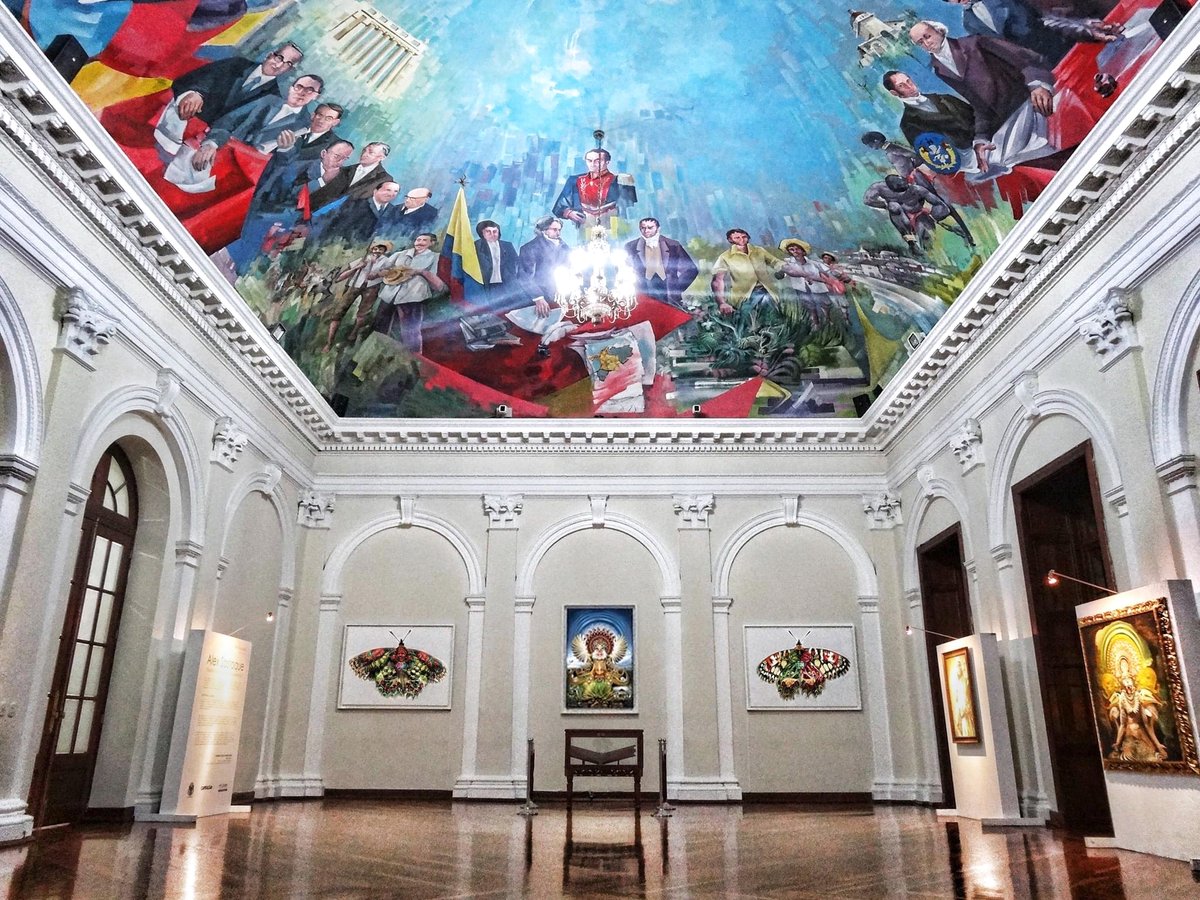
The building’s facade features grand Corinthian columns, a prominent dome, and symmetrical wings, all symbolizing the aspirations of a republic emerging from colonial rule. Inside, artistic elements—including murals, sculptures, and neoclassical details—celebrate Colombia’s independence, democratic milestones, and national heroes (archdaily.com).
The Capitol’s Role in Republican Colombia
The Capitol stands as a witness to Colombia’s struggle for independence and republican consolidation. Leaders like Simón Bolívar and Francisco de Paula Santander staged revolutionary efforts from Bogotá, culminating in events such as the Battle of Boyacá (1819), a decisive step towards national liberation (Calendario de Colombia). The Capitol continues to serve as the venue for crucial legislative decisions and debates shaping the nation’s future.
Visitor Information: Hours, Tickets, and Tours
Visiting Hours
- Days Open: Monday to Friday
- Hours: 8:00 AM to 5:00 PM
- Closed: Weekends, public holidays, and during special legislative sessions or state events
Tickets and Booking
- Entry: Free of charge
- Access: Only possible via advance-booked guided tours
- Booking: Reserve tours through the official National Capitol website or Bogotá’s tourism platforms (VisitBogota.co)
- Identification: Passport or national ID required for entry
Guided Tours
- Languages: Primarily Spanish; English tours may be available upon request
- Duration: Approximately 1 hour
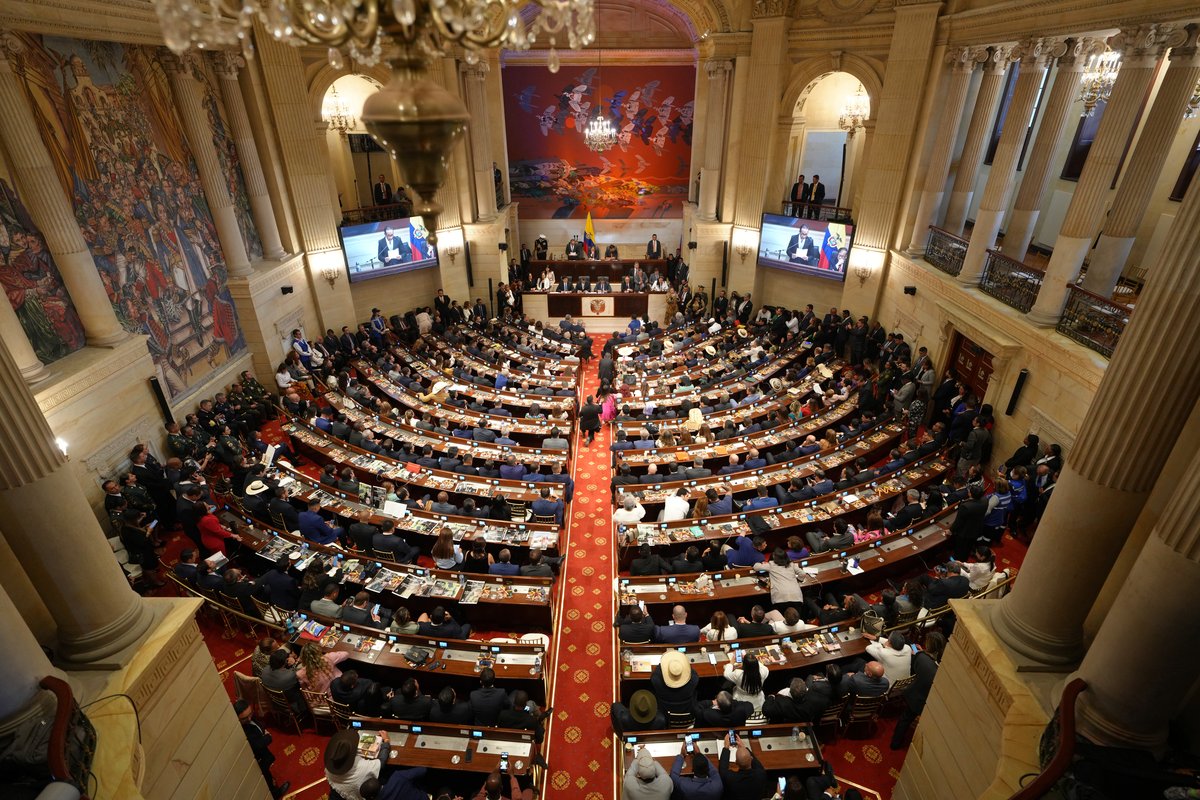
- Highlights: Senate and House chambers, Hall of the Constitution, Elliptical Hall with murals, and corridors featuring portraits and sculptures
Accessibility and Security
- Wheelchair Accessibility: Ramps and elevators are available in some areas; not all rooms are fully accessible due to the building’s historic nature. Notify the visitor office in advance for special accommodations.
- Security Protocols: Expect metal detector screening and bag checks. Large bags and certain items are restricted. Photography is limited in sensitive areas, especially during legislative sessions.
- Dress Code: Business casual recommended; hats should be removed inside.
Exploring the Capitol: What to Expect
Your guided tour will reveal:
- Neoclassical Architecture: Admire the Capitol’s stone construction, grand columns, domes, and marble staircases.
- Legislative Chambers: See where Colombia’s laws are debated and enacted.
- Artistic Highlights: View murals by Ignacio Gómez Jaramillo, sculptures, busts, and paintings of national heroes.
- Historical Artifacts: Some tours feature displays of original legislative documents and ceremonial objects.
- Symbolism: The building is adorned with republican iconography—laurel wreaths, condors, fasces—symbolizing liberty and sovereignty.
Nearby Attractions
The National Capitol’s prime location in La Candelaria places it within walking distance of Bogotá’s top historical and cultural landmarks:
| Attraction | Type | Distance from Capitol | Notable Features |
|---|---|---|---|
| Plaza de Bolívar | Historic Square | Adjacent | Civic events, protests, celebrations |
| Catedral Primada de Colombia | Religious Landmark | Adjacent | Bogotá’s largest cathedral |
| Museo del Oro | Museum | ~500m (6 min walk) | Pre-Columbian gold artifacts |
| Museo Botero | Museum | ~700m (8 min walk) | Works by Fernando Botero and international artists |
| Museo Nacional de Colombia | Museum | ~2.5km (30 min walk) | National history and art |
| La Candelaria | Neighborhood | Surrounding | Colonial architecture, street art, cafés |
For broader exploration, consider day trips to the Salt Cathedral of Zipaquirá or the colonial town of Villa de Leyva.
Practical Tips and Etiquette
- Book tours several days in advance—especially during peak seasons or when Congress is in session.
- Arrive early to allow time for security checks.
- Dress respectfully and maintain silence during sessions.
- Bring a light jacket and umbrella—Bogotá’s high altitude brings cool temperatures and sudden rain.
- Wear comfortable shoes for walking on stone floors and historic streets.
- Respect photography rules—always ask your guide before taking photos.
FAQs
What are the National Capitol visiting hours?
Monday to Friday, 8:00 AM to 5:00 PM; closed weekends and public holidays.
Is there an entry fee?
No; entry is free, but tours must be booked in advance.
Are guided tours available in English?
Primarily in Spanish; English tours may be available upon request.
Is the National Capitol accessible for people with disabilities?
Some areas have ramps and elevators, but not all rooms are fully accessible. Notify staff in advance for accommodations.
Are security checks required?
Yes; all visitors must pass through metal detectors and bag checks.
Can I take photos inside?
Photography is permitted in most public areas, but restricted in certain chambers and during official sessions.
Summary & Recommendations
The National Capitol of Bogotá is much more than a seat of government—it is a powerful symbol of Colombia’s democratic spirit, cultural complexity, and architectural grandeur. The building’s neoclassical style, artistic treasures, and central role in political life make it a highlight of any visit to Bogotá. Advance planning, respect for security and etiquette, and combining your visit with nearby attractions will ensure a rewarding experience. For those unable to visit in person, virtual tours and official mobile applications such as Audiala provide immersive alternatives.
Listen to the full story in the app
The whole National Capitol,
told well.
Audio guides for 1,100+ cities across 96 countries. History, stories, and local insight — offline ready.
Verified, and shown.
Researched and written by the Audiala editorial team from historical records, architectural archives, and local expertise.
Why is Bogotá the Capital of Colombia? Retrieved June 14, 2025, from
National Capitol Bogotá. Retrieved June 14, 2025, from
From Past to Present: The Evolution of Bogotá, Colombia’s Architecture. Retrieved June 14, 2025, from
Bogotá Architecture Guide: 30 Places to Discover in Colombia’s Capital City. Retrieved June 14, 2025, from
National Capitol (Capitolio Nacional). Retrieved June 14, 2025, from
Researched from Wikidata, Wikipedia & official sources · fact-checked · How we make our guides →