Plan and listen to Museo De La Independencia Casa Del Florero with Audiala.
Audio guide in your pocket, itinerary in your browser. Built for the way you actually visit.
Introduction
The Museo de la Independencia – Casa del Florero, located in the heart of Bogotá’s historic district, is a cornerstone of Colombian heritage. This colonial mansion, dating back to the late 16th and early 17th centuries, stands as the symbolic birthplace of Colombia’s independence. It was here, on July 20, 1810, that the “Florero de Llorente” incident ignited a movement for sovereignty and freedom, shaping the nation’s trajectory (museoindependencia.gov.co; visitbogota.co).
This guide provides comprehensive information on the museum’s history, collections, visiting hours, ticketing, accessibility, and travel tips. Whether you are a history enthusiast, a curious traveler, or a family seeking an educational outing, the Casa del Florero offers a deep and engaging exploration of Colombia’s path to nationhood.
Historical Context and Transformation
Colonial Foundations and Early History
The Casa del Florero is one of Bogotá’s oldest surviving colonial structures, built in the late 1500s and early 1600s. It originally formed part of the city’s urban fabric established by Spanish settlers, later passing through the hands of prominent families and reflecting the evolving social landscape of colonial Bogotá (visitbogota.co).
The Flower Vase Incident of 1810
On July 20, 1810, the house became the epicenter of Colombia’s independence movement. A planned confrontation involving the Spanish merchant José González Llorente and the refusal to lend a flower vase led to public unrest. This orchestrated event—known as the “Florero de Llorente” incident—ignited a popular uprising and is now celebrated as the start of Colombia’s move toward independence (colombia.co; colombia.travel; Lonely Planet).
Evolution into a National Museum
By the 20th century, the building’s historical importance was recognized, and it was transformed into a museum in 1960 to commemorate the 150th anniversary of independence. The museum, originally named “Museo del 20 de Julio de 1810,” was conceived as a living testament to the country’s struggle for autonomy, housing over 2,300 artifacts spanning colonial to modern times (museoindependencia.gov.co).
Architectural Significance
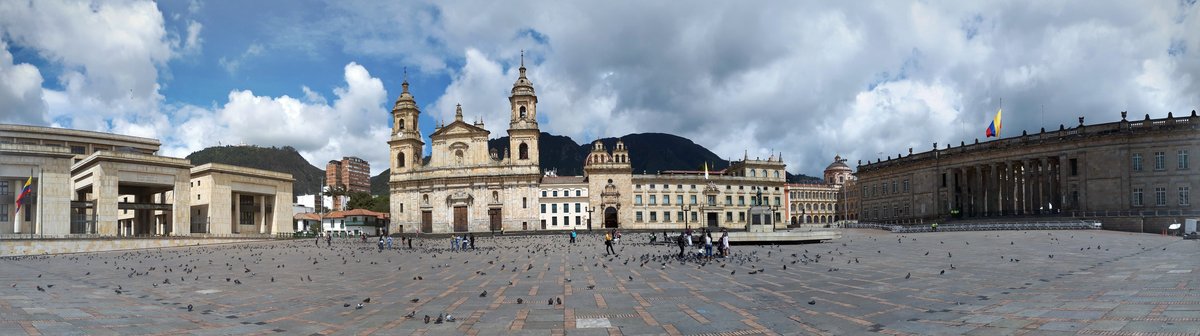
The Casa del Florero preserves its original colonial architecture, with thick adobe walls, wooden beams, internal courtyards, and period furnishings. Its location at Plaza de Bolívar places it among Bogotá’s most important historical landmarks (Lonely Planet).
Visitor Information
Hours and Admission
- Opening Hours: Tuesday to Sunday, 9:00 a.m. to 5:00 p.m. Closed Mondays and public holidays (Museo Independencia).
- Tickets: Affordable rates for Colombian citizens and a suggested donation for foreigners. Children under 12 and seniors often enter free.
- Free Admission: Wednesdays from 3:00 p.m. to 5:00 p.m., and the last Sunday of each month (museoindependencia.gov.co).
- Purchase: Tickets can be bought onsite or online via the museum’s official website.
Accessibility
The museum is committed to accessibility, offering ramps, accessible restrooms, and support for visitors with mobility needs. Due to the colonial design, some areas have uneven floors or stairs; visitors should contact the museum in advance to discuss accommodations (Museo Independencia).
Guided Tours and Educational Programs
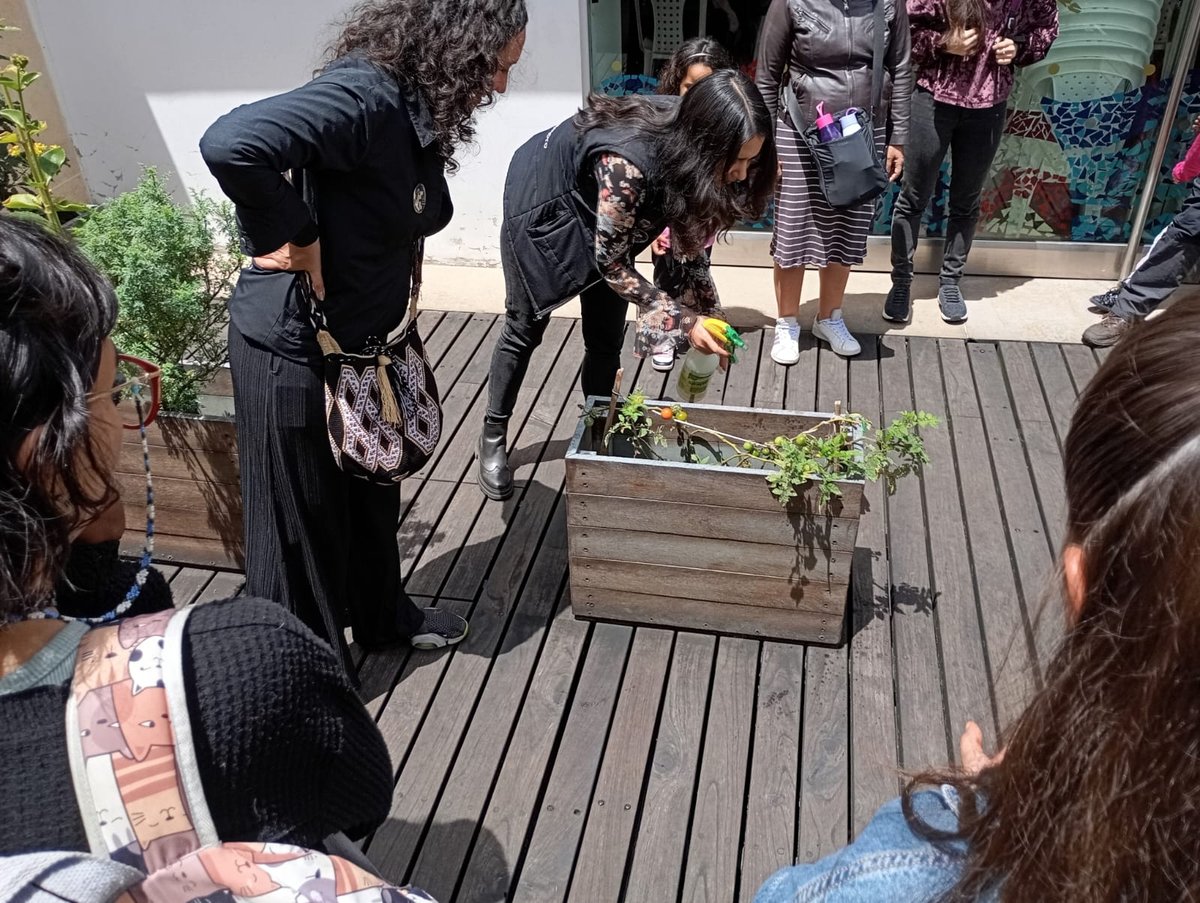
Guided tours (primarily in Spanish) provide context on Colombia’s independence and the museum’s collections. Group tours and school programs are available by reservation. Some English support and materials may be requested, though English-language tours are limited (Vango).
Travel Tips and Nearby Attractions
- Location: Carrera 7 No. 11-28, La Candelaria, Bogotá D.C., Colombia.
- Getting There: Accessible via TransMilenio (Museo del Oro and Las Aguas stations), taxi, or ride-share. Parking in La Candelaria is limited.
- Nearby Sights: Plaza de Bolívar, Catedral Primada, Gold Museum, and Capitolio Nacional are within walking distance.
- Visitor Facilities: Restrooms and a cloakroom are available; dining options are plentiful nearby.
Collections and Exhibitions
Permanent and Temporary Exhibitions
The museum’s collection features approximately 2,360 artifacts, including:
- Florero de Llorente (Llorente’s Vase): The symbolic centerpiece of the independence movement (Google Arts & Culture).
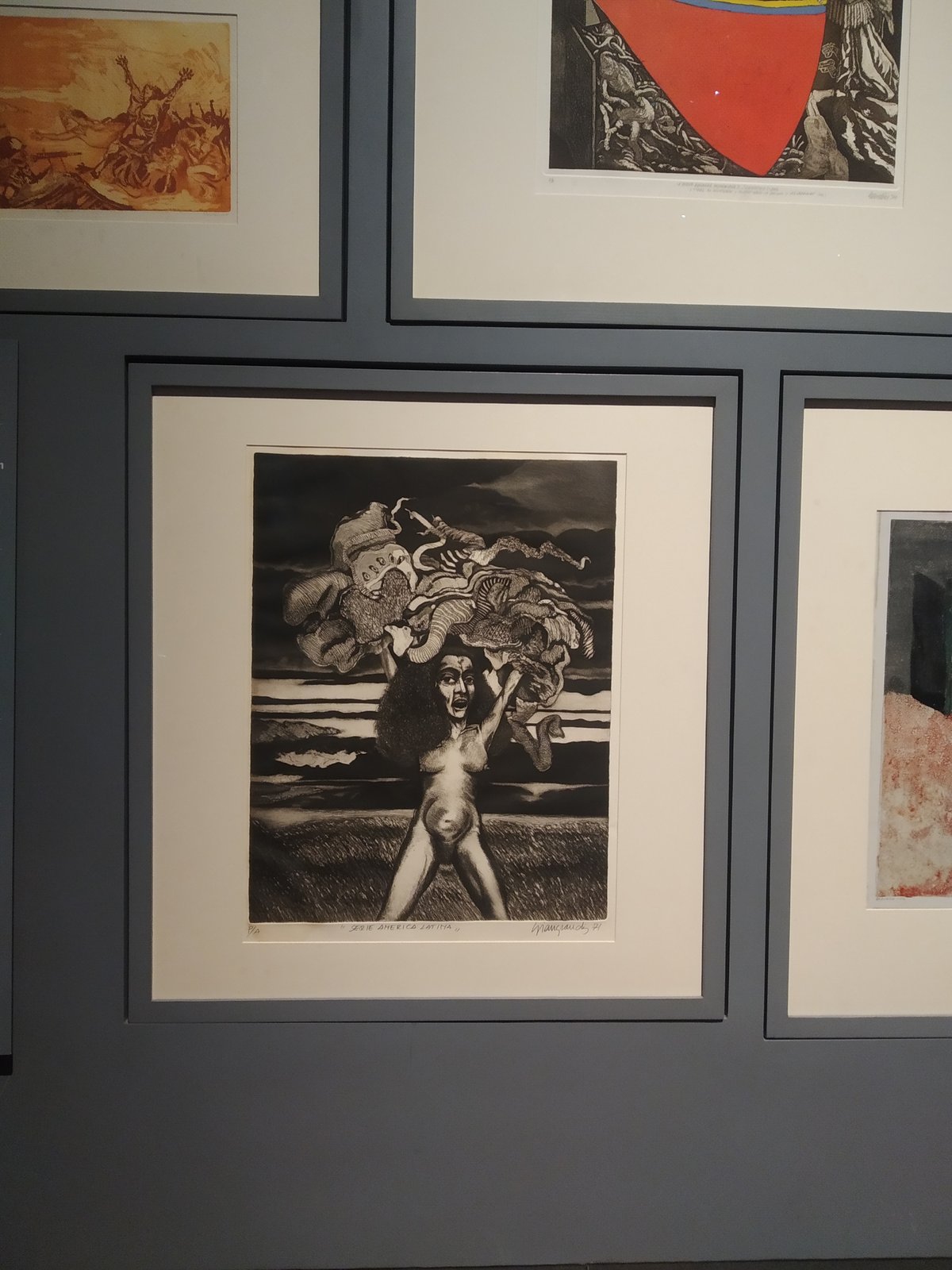
- Paintings and Graphic Works: Depicting historical moments and figures, such as “The Indian of Liberty” and “July 20, 1810, Riot.”
- Historical Documents: Manuscripts, decrees, and rare books.
- Photographs and Miniatures: Chronicling Colombia’s transformation.
- Arms, Clothing, and Personal Effects: Belonging to independence leaders and citizens.
- Furniture and Everyday Items: Recreating the ambiance of colonial Bogotá.
Interactive and Thematic Displays
Permanent exhibitions are arranged around thematic routes exploring the road to independence and the evolution of citizenship. Immersive spaces, such as recreations of the July 20, 1810 proclamation, bring history to life with multimedia and scenography (Mochiliante; History Hit).
Frequently Asked Questions (FAQ)
Q: What are the visiting hours?
A: Tuesday to Sunday, 9:00 a.m. to 5:00 p.m. Closed Mondays and public holidays.
Q: How much is admission?
A: Affordable for locals; suggested donation for foreigners. Free on Wednesdays (3:00–5:00 p.m.) and the last Sunday of each month.
Q: Is the museum accessible?
A: Yes, with some limitations due to the colonial building—contact in advance for specific needs.
Q: Are guided tours available?
A: Yes, in Spanish; some English materials may be available upon request.
Q: Can I take photos?
A: Photography is permitted without flash, except in designated areas.
Q: Are there educational programs?
A: Yes, including workshops, guided tours, and school partnerships.
Q: What are the best days to visit?
A: Weekdays outside free admission times are quieter.
Discover More
A visit to the Museo de la Independencia – Casa del Florero is an essential experience for anyone interested in Colombia’s history and cultural identity. Its rich collections, engaging exhibitions, and thoughtful educational programs offer a window into the nation’s struggle for independence and the values that continue to shape its society. Plan your visit during free admission periods, combine it with other historical sites in La Candelaria, and use official resources for the latest information.
Enhance your experience by downloading the Audiala app for audio guides and updates, and follow the museum’s social channels for the latest news and events. For more details, visit the official museum website and Vango’s guide.
Listen to the full story in the app
The whole Museo De La Independencia Casa Del Florero,
told well.
Audio guides for 1,100+ cities across 96 countries. History, stories, and local insight — offline ready.

Verified, and shown.
Researched and written by the Audiala editorial team from historical records, architectural archives, and local expertise.
Researched from Wikidata, Wikipedia & official sources · fact-checked · How we make our guides →