Plan and listen to Monserrate Sanctuary with Audiala.
Audio guide in your pocket, itinerary in your browser. Built for the way you actually visit.
Introduction: Monserrate Sanctuary’s History and Cultural Significance
Rising majestically above Bogotá at 3,152 meters (10,341 feet), Monserrate Sanctuary is one of Colombia’s most iconic landmarks. Its imposing silhouette dominates the city’s skyline, serving as both a spiritual beacon and a symbol of Bogotá’s cultural identity. The mountain has been revered since pre-Columbian times when the indigenous Muisca considered it sacred. During the colonial era, Monserrate became a pivotal Christian pilgrimage site with the construction of the original chapel in the 17th century. Today, the sanctuary draws countless visitors each year for religious observance, panoramic views, and immersion in vibrant Andean traditions. This guide provides detailed information on visiting hours, tickets, transportation, sustainability, and practical tips to help you make the most of your Monserrate experience (Official Monserrate Sanctuary Website, Bogotá Tourism - Monserrate).
- Introduction
- History and Cultural Significance
- Pilgrimage Traditions and Cultural Identity
- Visiting Hours and Ticket Information
- How to Get There: Transportation Options
- Sustainability and Conservation Efforts
- On-Site Facilities and Amenities
- Practical Travel Tips
- Best Times to Visit and Special Events
- Nearby Attractions
- Frequently Asked Questions (FAQ)
- Conclusion and Call to Action
- References

History and Cultural Significance
Origins and Early Development
Monserrate’s spiritual roots stretch back to the Muisca civilization, who regarded the mountain as a place of worship. In 1640, Pedro Solís de Valenzuela, authorized by Juan de Borja, began construction of a chapel dedicated to the “Virgen Morena de Montserrat,” inspired by the sanctuary in Barcelona, Spain. The site quickly became a focal point for Catholic pilgrimage in the region, culminating in the completion of the current church in 1657.
Architectural and Artistic Heritage
The sanctuary features a striking white neoclassical façade and houses the venerated statue of “El Señor Caído” (The Fallen Lord), a central figure in local devotion. The gardens, fountains, and surrounding Andean cloud forests enhance the sanctuary’s mystical atmosphere and offer extraordinary views over Bogotá.
Pilgrimage Traditions and Cultural Identity
Monserrate remains a major pilgrimage destination, especially during Holy Week when thousands ascend the mountain, often on foot, as an act of faith and penance. Myths and legends—such as the statue mysteriously gaining weight when attempts are made to remove it—add to the site’s aura. The mountain’s omnipresence in Bogotá’s urban landscape cements its role as a unifying symbol for residents, featuring in photographs, art, and city planning.
Visiting Hours and Ticket Information
- Sanctuary and Trail Visiting Hours:
- Hiking trail: Open daily from 5:00 AM to 1:00 PM for ascents and until 4:00 PM for descents.
- Religious sanctuary: Typically open from 6:00 AM to 11:00 PM; hours may vary during special events.
- Cable Car and Funicular Hours: Operate from approximately 6:30 AM to 11:30 PM, with extended hours on weekends and holidays (travelonthereg.com, monserrate.co).
- Ticket Prices:
- Entrance to the sanctuary is free.
- Cable car and funicular: COP 25,000–35,000 (USD 6–9) round trip for adults; discounts for children, seniors, and locals.
- Tickets available at the base station or online; purchase in advance during peak seasons to avoid long lines (samplerplattertravel.com).
How to Get There: Transportation Options
- Cable Car (Teleférico): Offers panoramic city views; lower station accessible from La Candelaria.
- Funicular Railway: Ascends through a tunnel on a unique route.
- Hiking Trail: 2.4 km (1.5 miles), approximately 1,500 steps; moderately challenging and best for physically fit visitors. Open for ascents until 1:00 PM.
- Taxi/Rideshare: Recommended for convenience, especially in the evening or for those unfamiliar with the city (mytriptocolombia.com).
- Public Transport: Use Bogotá’s TransMilenio or bike lanes to reach the base station for an eco-friendly journey.
Sustainability and Conservation Efforts
Monserrate is part of Bogotá’s Eastern Forest Reserve, protecting vital high Andean, sub-páramo, and páramo ecosystems. Conservation challenges include urban encroachment, trail erosion, visitor impact, and invasive species. The sanctuary and city authorities address these issues through:
- Restricted Trail Access: Limited hours and ongoing maintenance to prevent erosion (travelonthereg.com).
- Alternative Transportation: Cable car and funicular reduce foot traffic and environmental impact.
- Waste Management: Recycling programs and encouragement of biodegradable packaging.
- Tree Planting: Over 80,000 trees planted since 2008 to restore and protect native vegetation (colombia.travel).
- Environmental Education: Signage and guided tours promote awareness of the sanctuary’s ecology and cultural value.
On-Site Facilities and Amenities
- Religious Sanctuary: The historic church is active with daily Masses and special religious services (visitbogota.co).
- Restaurants and Cafés: Casa San Isidro and Casa Santa Clara offer fine dining with city views, while casual eateries serve Colombian snacks such as arepas and tamales.
- Souvenir Shops: Handicrafts, religious items, and local products are available at shops along the ascent and at the summit (catholicshare.com).
- Restrooms and Accessibility: Facilities at the base and summit. Cable car and funicular are accessible; the hiking trail is not recommended for those with mobility challenges.
Practical Travel Tips
- Dress in layers; summit temperatures are 5–10°C (41–50°F) cooler than the city, with frequent rain and mists.
- Wear sturdy shoes suitable for cobblestones and steep inclines.
- Bring a refillable water bottle and limit single-use plastics.
- Acclimate to the altitude in Bogotá before ascending; monitor for symptoms of altitude sickness.
- Carry cash for small purchases, though many vendors accept cards.
- Photography is highly recommended—sunrise and sunset provide the best lighting.
- Respect wildlife and stay on marked trails to protect fragile vegetation.
Best Times to Visit and Special Events
- Best Times: Early morning for sunrise views and fewer crowds; late afternoon for sunset. Weekdays are less crowded than weekends.
- Special Events: Holy Week and Christmas feature processions and special services, attracting large crowds and offering unique cultural experiences (thetouristchecklist.com).
- Festivals: Year-round concerts, art exhibits, and educational activities are often hosted at the sanctuary and gardens.
Nearby Attractions
- La Candelaria: Historic district with colonial architecture, cafes, and museums.
- Gold Museum (Museo del Oro): Houses a world-renowned collection of pre-Hispanic gold artifacts.
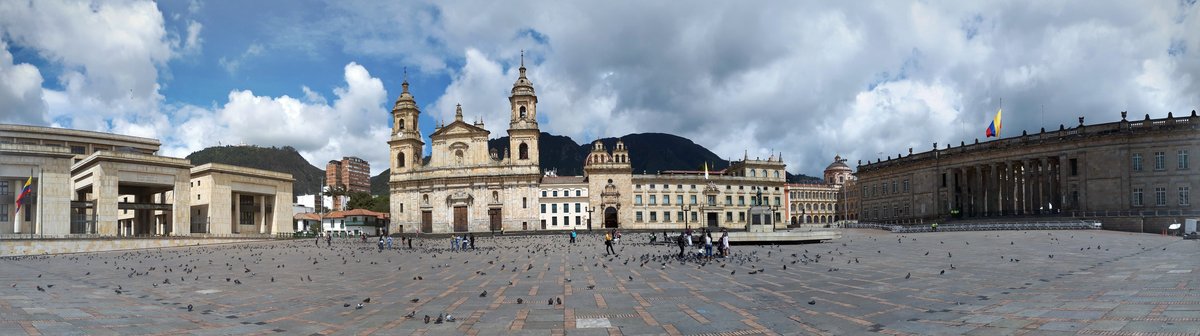
- Plaza de Bolívar: Bogotá’s main square, surrounded by important government and religious buildings.
- Botanical Garden: Features Colombia’s diverse flora.
For a comprehensive experience, combine your Monserrate visit with these significant Bogotá historical sites (monserrate.co).
Frequently Asked Questions (FAQ)
Q: What are Monserrate’s visiting hours?
A: Hiking trail: 5:00 AM–1:00 PM (ascents), 4:00 PM (descents). Cable car/funicular: approx. 6:30 AM–11:30 PM. Sanctuary: 6:00 AM–11:00 PM. Hours may vary for events or weather (monserrate.co).
Q: How much do tickets cost?
A: Cable car/funicular round trip: COP 25,000–35,000 for adults, with discounts for children, seniors, and locals.
Q: Is Monserrate accessible for people with disabilities?
A: Yes, via cable car and funicular. The hiking trail is not recommended for those with mobility challenges.
Q: Are there restaurants at the summit?
A: Yes, including Casa San Isidro and Casa Santa Clara, plus casual food stalls.
Q: Is the hike challenging?
A: The trail is steep, ascending nearly 2,800 feet over 2.4 km with about 1,500 steps. Suitable for physically fit visitors.
Q: Are guided tours available?
A: Yes, bookable at the base or through official and local tour agencies for historical and ecological insights.
Discover More
Monserrate Sanctuary is a must-visit destination that captures Bogotá’s spiritual depth, cultural richness, and natural beauty. Whether you seek pilgrimage, adventure, or breathtaking vistas, Monserrate offers a remarkable experience. By following sustainable travel practices and respecting conservation efforts, visitors contribute to preserving this treasured site for future generations.
Plan your visit by consulting the official Monserrate website for current hours, ticketing, and event information. Download the Audiala app for personalized travel guides, and explore our related articles for more insight into Bogotá’s historical and natural wonders.
Tickets & tours.
These are guided options from our partners — same price as booking direct.
Prices are indicative — final pricing and availability are confirmed at checkout. Audiala may earn a commission from bookings made through these links.
Listen to the full story in the app
The whole Monserrate Sanctuary,
told well.
Audio guides for 1,100+ cities across 96 countries. History, stories, and local insight — offline ready.
Verified, and shown.
Researched and written by the Audiala editorial team from historical records, architectural archives, and local expertise.
Researched from Wikidata, Wikipedia & official sources · fact-checked · How we make our guides →