Plan and listen to Luis Ángel Arango Library with Audiala.
Audio guide in your pocket, itinerary in your browser. Built for the way you actually visit.
Introduction
Nestled in the heart of Bogotá’s historic La Candelaria district, the Luis Ángel Arango Library (Biblioteca Luis Ángel Arango, BLAA) is a beacon of Colombian culture, knowledge, and architectural innovation. Since its establishment in 1958, the library has grown from a modest collection into one of Latin America’s most significant cultural institutions. With its impressive holdings, dynamic cultural programming, and central location near Bogotá’s top historical sites, the BLAA serves academics, students, locals, and travelers alike. This guide provides detailed information on visiting hours, tickets, accessibility, architectural highlights, and travel tips, ensuring you make the most of your visit to this iconic landmark.


History and Evolution
Origins and Institutional Role
The Luis Ángel Arango Library was founded as part of an initiative by the Banco de la República to promote public access to knowledge and culture in Colombia. Named after the influential banker Luis Ángel Arango, the BLAA was envisioned as a modern, accessible repository for both academic communities and the broader public (official website). Over decades, it expanded from a small collection to becoming one of the continent’s largest libraries, with more than 2 million volumes, including rare manuscripts, archives, and multimedia resources.
Growth and Modernization
The library’s evolution has been marked by multiple expansions. Notably, Colombian architect Germán Samper led a significant extension in the 1980s, enlarging the complex to accommodate growing collections and increasing public demand. This transformation included the addition of new reading rooms, exhibition spaces, and a world-class concert hall, positioning the BLAA as a multifaceted cultural hub (source).
Architectural Highlights
Design Philosophy and Integration
Samper’s design harmonizes modern architecture with Bogotá’s colonial heritage, utilizing materials like wood and marble to echo the historic context of La Candelaria. The complex is a blend of restored colonial buildings and contemporary spaces, with interconnected reading rooms, bridges, and open plazas that encourage exploration and community engagement.
Signature Features
- Concert Hall: The elliptical wooden concert hall is celebrated for its acoustics and atmospheric design, frequently hosting national and international artists (source).
- Innovative Use of Light: Extensive glasswork allows natural light to permeate the interiors, creating a welcoming environment for reading and study.
- Urban Integration: The building’s volumetric composition and floating appearance create sheltered spaces and a fluid transition between the city and the library (source).
- Material Excellence: Lattice concrete roofs, marble, and fine woodwork reflect both durability and aesthetic refinement.
Continuous Adaptation
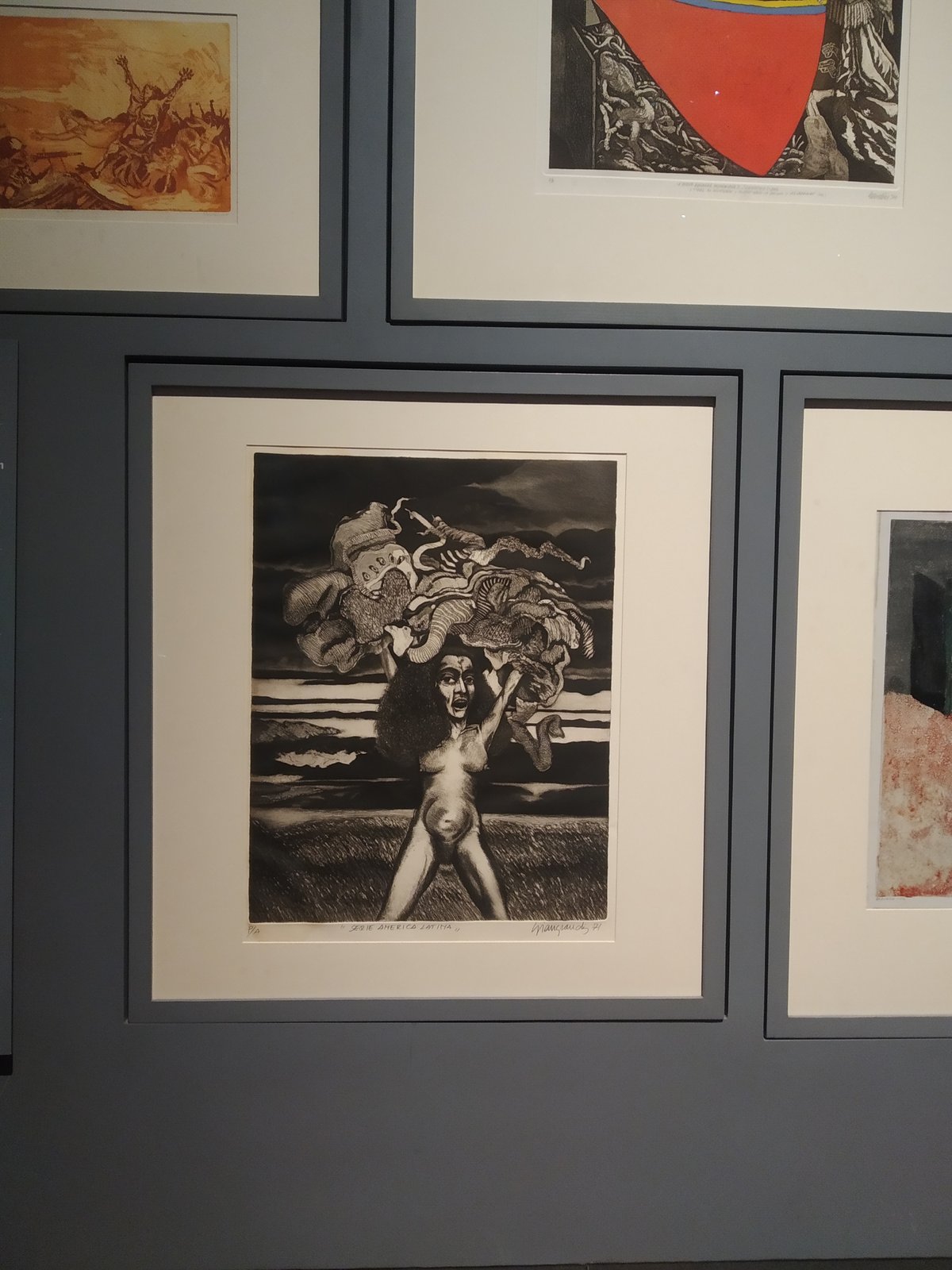
The BLAA adapts to the city’s evolving needs, integrating public art, offering updated visitor amenities, and maintaining architectural integrity in all renovations (source; ArchDaily).
Visitor Information
Hours and Admission
- Monday–Saturday: 8:00 AM – 8:00 PM
- Sunday: 10:00 AM – 4:00 PM
- Holidays: Hours may vary; always check the official website before your visit.
Admission: General entry is free. Some special events, concerts, or guided tours may require advance registration or a nominal fee.
Accessibility
The BLAA is fully accessible, with ramps, elevators, and accessible restrooms throughout the complex. Staff are available to assist visitors with disabilities at information points.
Guided Tours
Guided tours—available in Spanish and occasionally in English—offer deeper insights into the library’s architecture, collections, and history. Group and individual bookings can be made via the official website.
Travel Tips and Nearby Attractions
- Getting There: Located at Calle 11 No. 4–14, La Candelaria, the library is easily accessible via TransMilenio (Museo del Oro station) and city buses (TransMilenio).
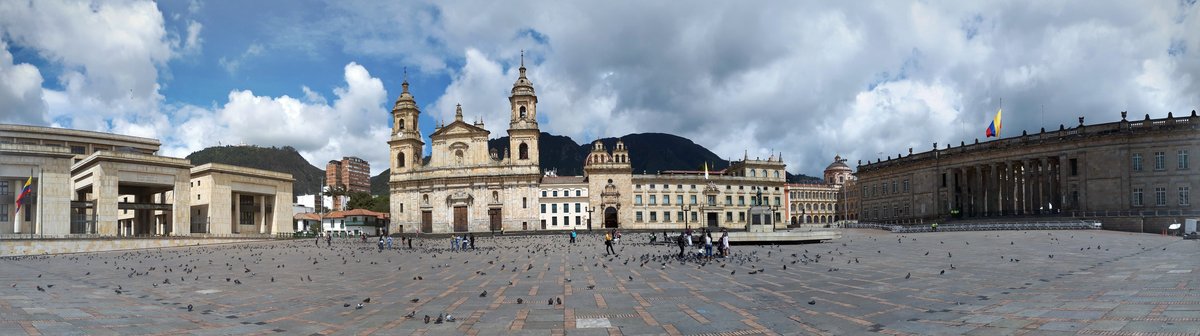
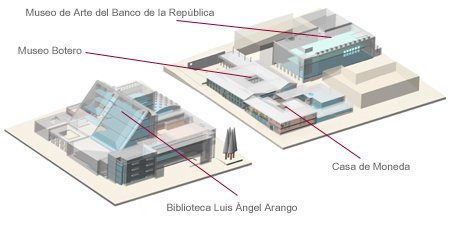
- Nearby Sites: Within walking distance are Plaza de Bolívar, the Gold Museum, the Botero Museum, and Casa de la Moneda. These attractions can be combined for a rich cultural itinerary.
- Best Time to Visit: Weekday mornings are quieter, while weekends feature more events.
- Visitor Services: Secure lockers, cafeterias, free Wi-Fi, and information desks are available.
- Photography: Permitted in most areas; restrictions may apply for special exhibitions.
Cultural Programming and Community Impact
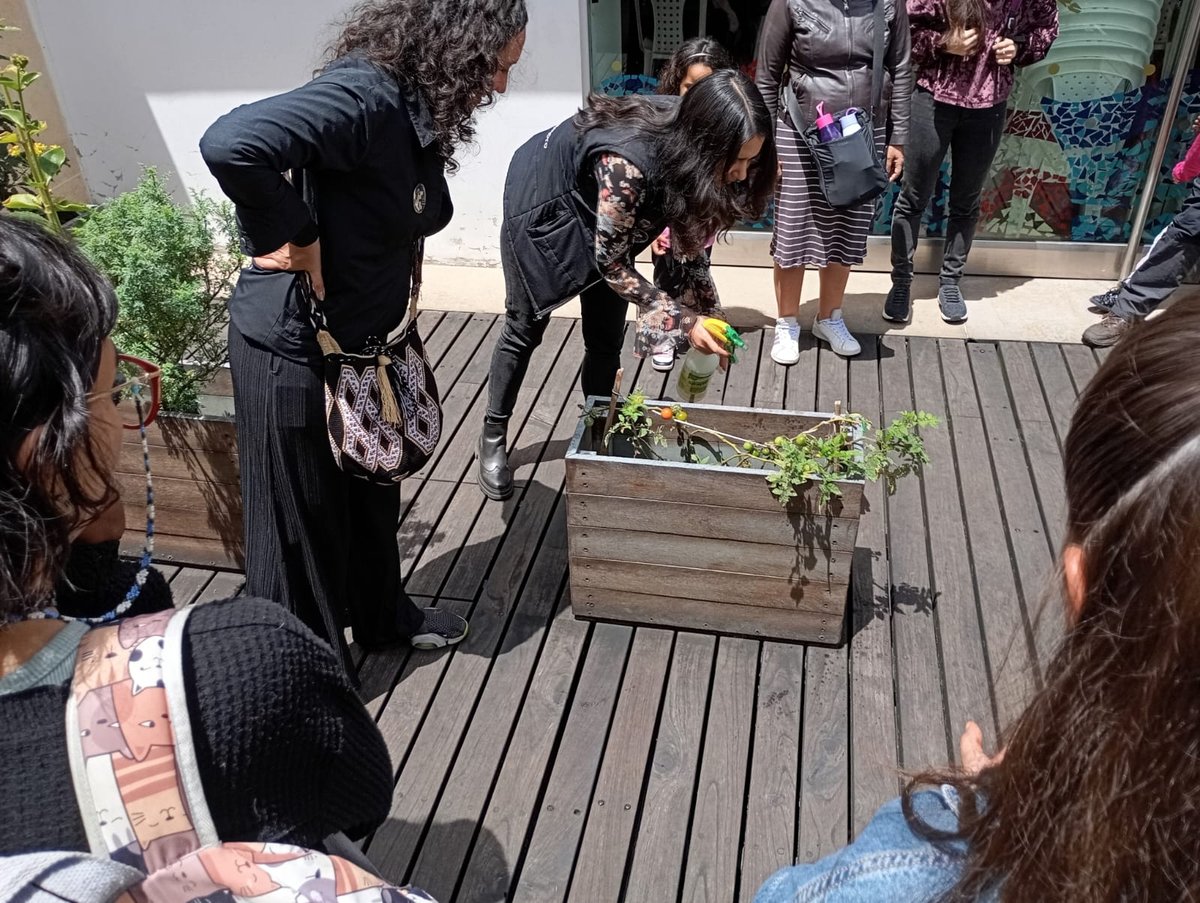
The BLAA hosts over 1,500 cultural events annually, including concerts, lectures, workshops, and art exhibitions (Banco de la República). The León de Greiff Auditorium is renowned for chamber music and classical concerts, contributing to Bogotá’s reputation as a UNESCO City of Music (UNESCO). The library’s outreach programs foster literacy and inclusion, while its digital platforms provide virtual access to exhibitions and resources (El Tiempo).
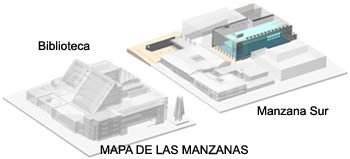
As part of the Banco de la República’s cultural network, the BLAA is physically and thematically linked with the Botero Museum, Casa de Moneda, and Museo de Arte Miguel Urrutia (MAMU), offering visitors a cohesive experience of Bogotá’s art and history (Banco de la República).
Frequently Asked Questions (FAQ)
Q: What are the Luis Ángel Arango Library’s visiting hours?
A: Monday to Saturday, 8:00 AM–8:00 PM; Sunday, 10:00 AM–4:00 PM. Check the official website for updates.
Q: Is there an entry fee?
A: General entry is free. Some events or tours may require tickets.
Q: Are guided tours available?
A: Yes, in Spanish and occasionally in English. Book in advance via the official website.
Q: Is the library accessible for visitors with disabilities?
A: Yes, with ramps, elevators, and accessible restrooms.
Q: Can I visit nearby museums with the same entry process?
A: Many museums in the Banco de la República network are interconnected for a seamless visitor experience.
Q: Are photographs allowed inside the library?
A: Yes, in most public areas; check signage for restrictions.
Summary and Visitor Recommendations
The Luis Ángel Arango Library is a cornerstone of Bogotá’s intellectual and cultural life. Its vast collections, innovative architecture, and lively programming make it an essential destination for anyone interested in Colombian history and the arts. By offering free general admission, accessible facilities, and integration with nearby museums, the BLAA ensures a welcoming experience for all. Make the most of your visit by using public transportation, exploring the surrounding La Candelaria district, and attending a concert or exhibition. For the latest information, download the Audiala app, follow the library’s social media channels, and regularly visit the official BLAA website.
Listen to the full story in the app
The whole Luis Ángel Arango Library,
told well.
Audio guides for 1,100+ cities across 96 countries. History, stories, and local insight — offline ready.
Verified, and shown.
Researched and written by the Audiala editorial team from historical records, architectural archives, and local expertise.
Researched from Wikidata, Wikipedia & official sources · fact-checked · How we make our guides →