Plan and listen to Central Cemetery Of Bogotá with Audiala.
Audio guide in your pocket, itinerary in your browser. Built for the way you actually visit.
Introduction
Nestled in the heart of Colombia’s capital, the Central Cemetery of Bogotá (Cementerio Central de Bogotá) stands as a profound testament to the nation’s historical, cultural, and artistic heritage. Established in 1836, it marked a turning point in burial traditions, shifting from churchyard interments to a secular, public necropolis—a reflection of Colombia’s early republican ideals. Today, the cemetery is much more than a burial ground; it’s an open-air museum, a site of memory, and a living space where history, art, and tradition converge (Visit Bogotá; dbpedia.org).
This guide provides everything you need to know before visiting the Central Cemetery: its historical background, practical visitor information, architectural highlights, notable burials, and nearby attractions. Whether you are a history enthusiast, art admirer, or a traveler seeking to understand Bogotá’s past, the Central Cemetery offers a unique and memorable experience.

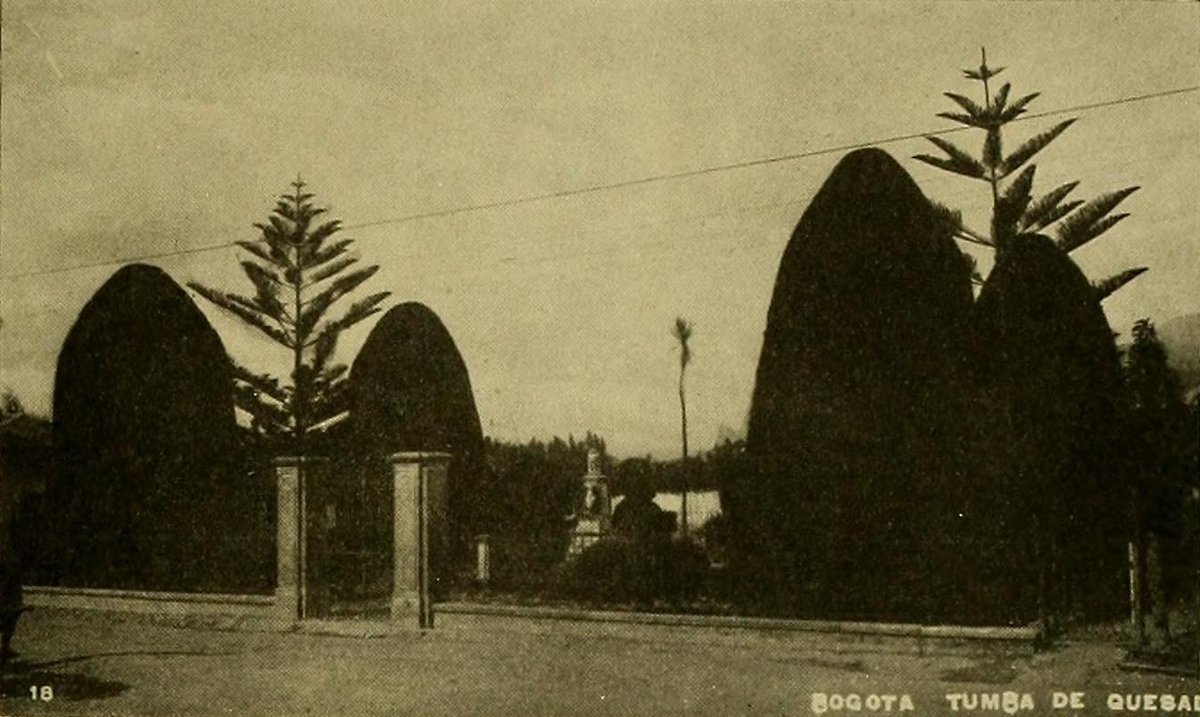
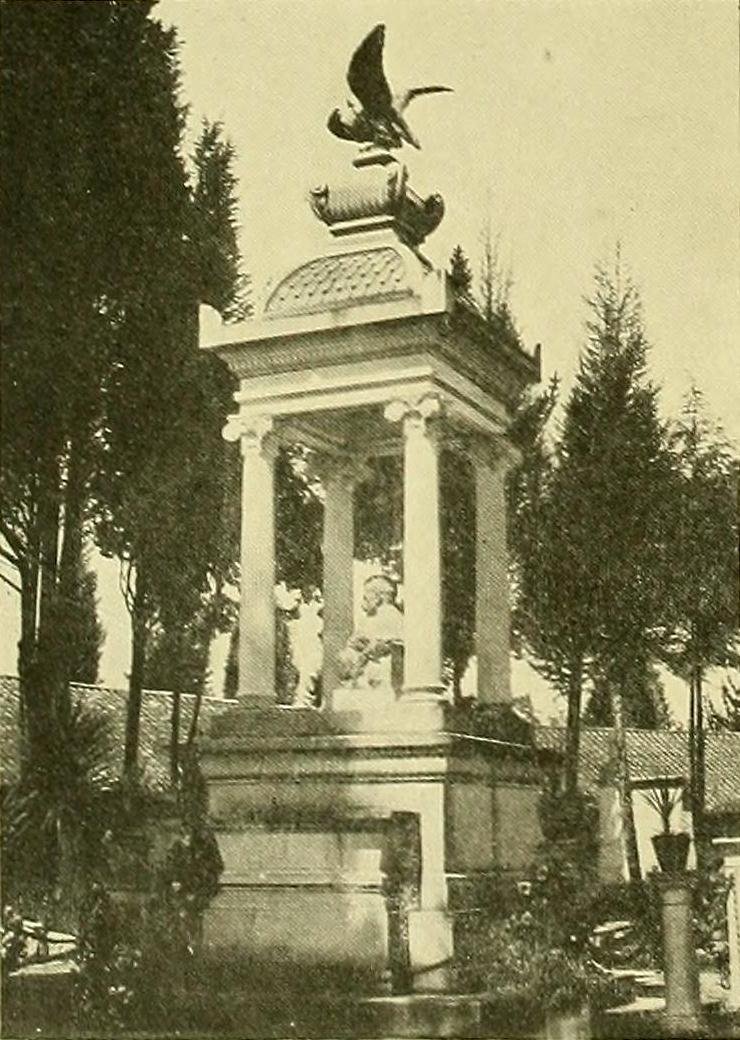
From Colonial Burials to a National Monument
During colonial times, Bogotá’s deceased were buried within church grounds, causing overcrowding and health hazards. Despite an 18th-century royal decree to move burials outside churches, compliance lagged until the early 19th century. The first public cemetery, “La Pepita,” opened in 1793 but was not widely accepted by the elite (Colombia Reports; es.wikipedia).
It wasn’t until after Colombia’s independence that plans for a central cemetery gained traction. Construction began in 1832, and the cemetery was officially inaugurated in 1836 under President Francisco de Paula Santander, initially named “Cementerio Universal” (Visit Bogotá). Over time, its administration alternated between secular and church authorities, mirroring Colombia’s evolving church-state relations.
Architectural and Urban Development
Covering nearly 20 hectares, the cemetery is divided into three main zones:
- Zone A: The oldest sector, rich in mausoleums and the resting places of national icons.
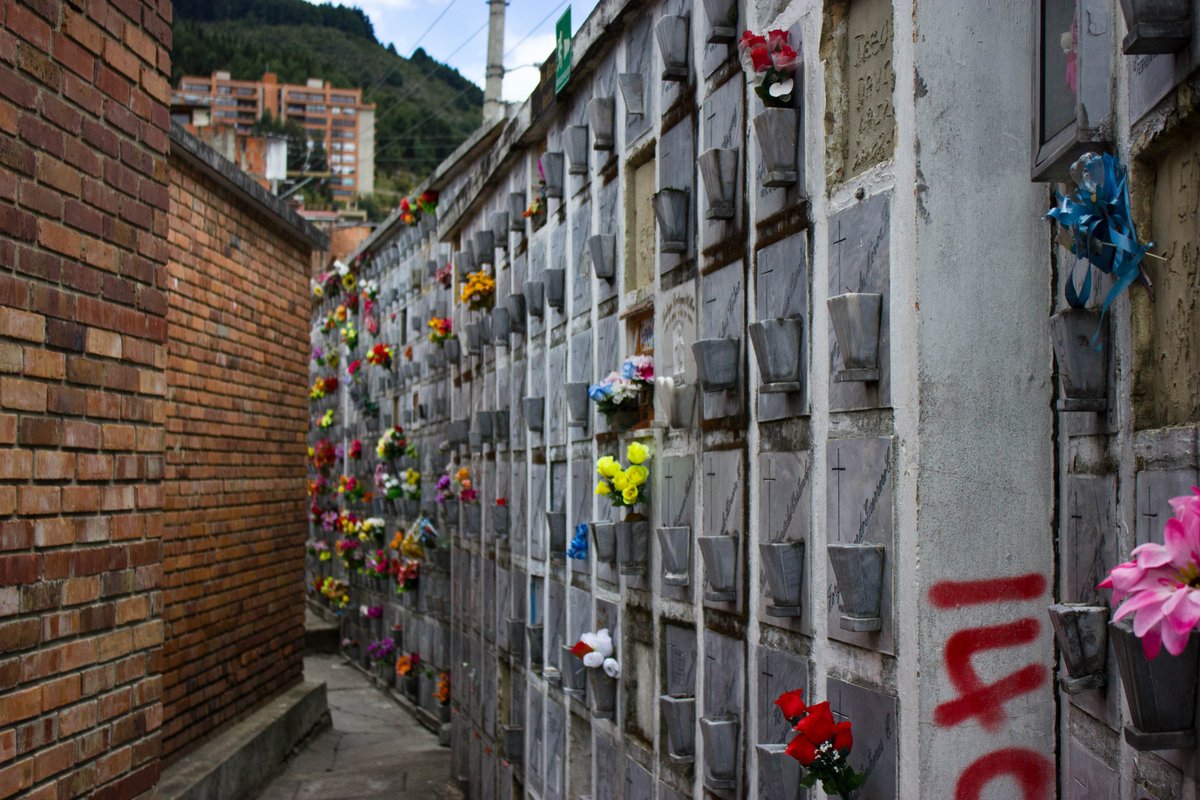
- Zone B: Known as the “Cemetery of the Poor,” housing vaults and more modest graves.
- Zone C (Parque El Renacimiento): Formerly a section for common graves, now a green memorial park established in 2000 (baquianos.com).
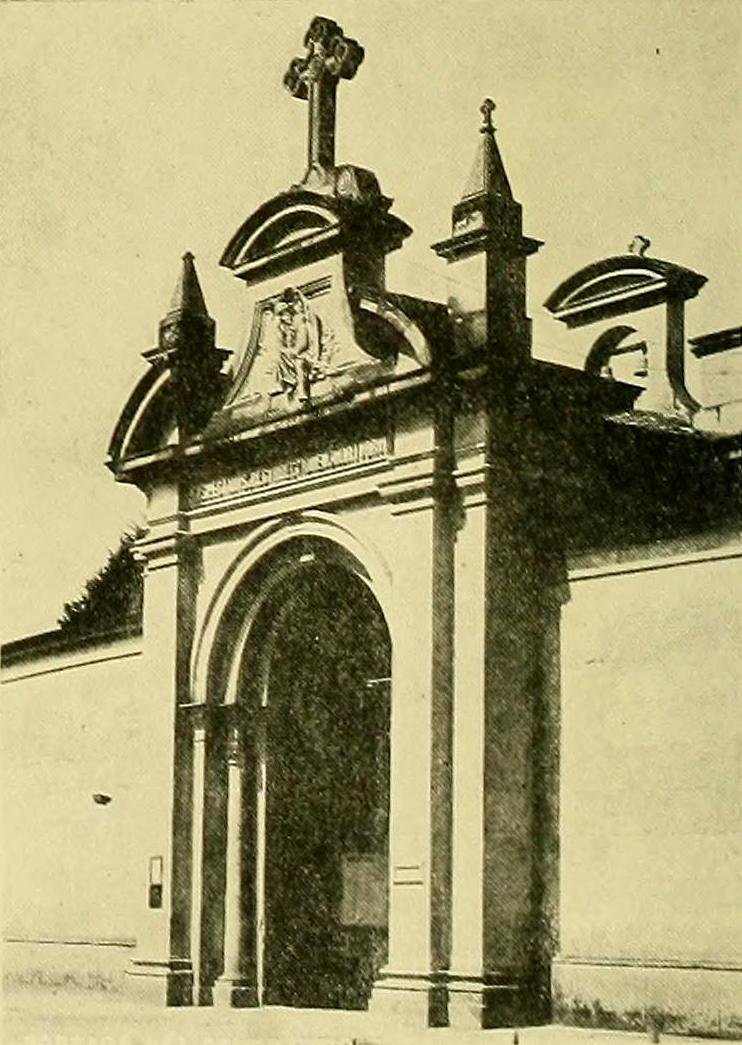
The main entrance, designed in 1905 by Julián Lombana, and funerary art by Italian sculptors like Pietro Tenerani and Cesare Sighinolfi, create a landscape of neoclassical, neo-Gothic, art deco, and modernist styles (Bogota Travel Guide; trek.zone).
Role in National Memory
The cemetery is the final resting place of presidents, poets, generals, and artists. The “Pavilion of the Presidents and First Ladies” and “Rotonda de los Hombres Ilustres” (Rotunda of Illustrious Men) are focal points for visitors and commemorations (en.wikipedia; Atlas Obscura).
It also hosts mass graves from tragic events, such as those following the 1948 “El Bogotazo” uprising, now commemorated by the Parque de Renacimiento (es.wikipedia).
Cultural Significance and Living Traditions
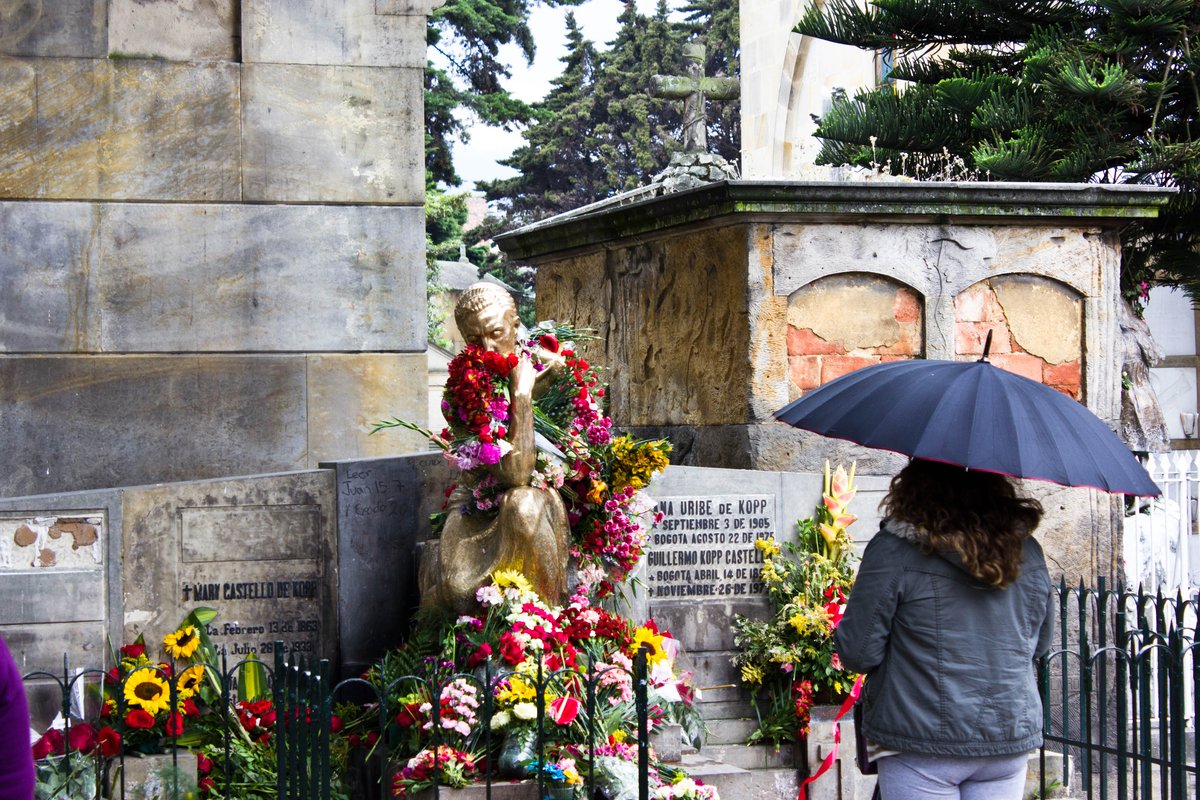
The Central Cemetery is a site of collective memory and cultural expression. Local legends—like the tomb of “Dolores” (Tomb 666) and the statue of Leo Siegfried Kopp—add a layer of folklore to the site, attracting pilgrims and the curious (The City Paper Bogotá).
Declared a National Monument in 1984, it is now managed by the Unidad Administrativa Especial de Servicios Públicos (UAESP). Recent urban projects, including the TransMilenio line along Calle 26, have improved its accessibility (es.wikipedia).
Architectural and Artistic Highlights
Mausoleums and Monuments
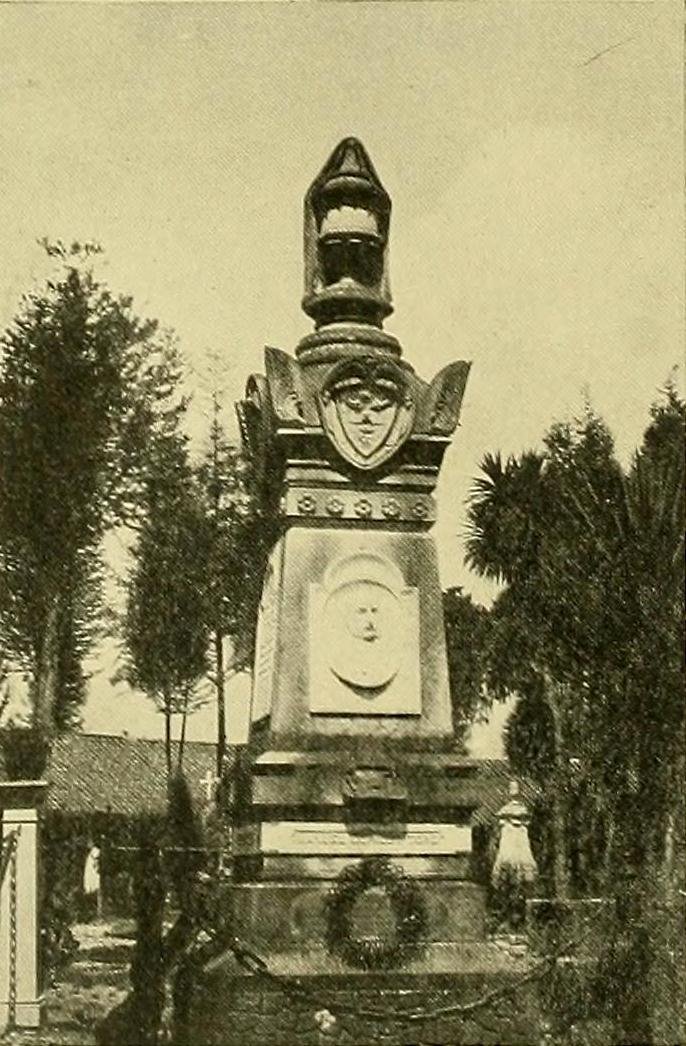
- Neoclassical and Republican Designs: Early 20th-century tombs display classical columns, marble, and intricate reliefs.
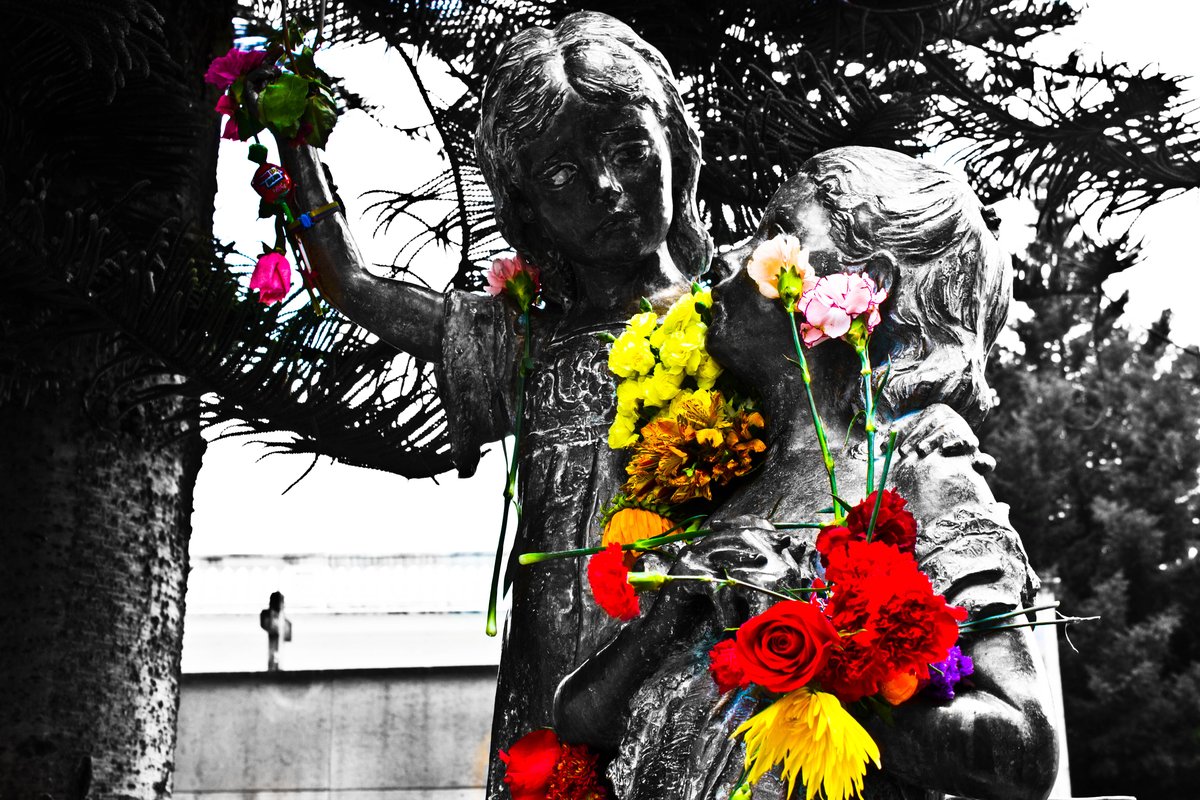
- Angelic and Allegorical Statues: Symbolizing grief, hope, and the afterlife, these adorn many graves.
- Freemason Symbols: Several tombs feature Masonic emblems, including Leo Kopp’s.
Notable Sections
- Presidential Pavilion: The “Pabellón de los Presidentes” contains the tombs of national leaders like Francisco de Paula Santander and Alfonso López Pumarejo.
- Rotunda of Illustrious Men: Dedicated to celebrated writers and intellectuals.
- British Cemetery: Honors foreign volunteers who fought in Colombia’s independence.
Modern Memorials
- Memory, Peace, and Reconciliation Center: Inaugurated in 2009, this concrete monolith with 20 stratified layers commemorates victims of violence and fosters public dialogue (ArchDaily; Architectural Review).
Notable Burials and Legends
- Francisco de Paula Santander: Colombia’s “Man of the Laws.” His mausoleum is a national pilgrimage site.
- Miguel Antonio Caro & Alfonso López Pumarejo: Key presidents with ornate tombs.
- José Asunción Silva & Rafael Pombo: Renowned poets whose graves attract literary admirers.
- Leo Siegfried Kopp: Founder of Bavaria Brewery; his tomb, topped by a replica of Rodin’s “The Thinker,” is a site of folkloric rituals (Atlas Obscura).
- El Niño de la Suerte: The anonymous “Lucky Child” whose grave is adorned with toys and offerings.
The cemetery also contains graves of the unnamed and marginalized, reflecting Bogotá’s social stratification.
Living Traditions and Cultural Events
- Day of the Dead (November 2): Families gather for ceremonies, music, and remembrance.
- Guided Historical Tours: Thematic tours in Spanish (and occasionally English) explore art, legends, and history.
- Artistic Performances: Events like "Atardeceres en el Cementerio" (Sunsets in the Cemetery) feature music and storytelling (impulsetravel.co).
Practical Visitor Information
Hours and Entry
- Open: Tuesday to Sunday, 8:00 a.m. – 5:00 p.m. (closed Mondays). Hours may vary on public holidays.
- Entry Fee: General admission is free; guided tours may require a fee.
Guided Tours
Available through the Instituto Distrital de Turismo (IDT) and authorized tour operators. Tours are recommended for deeper insights into history and architecture.
Accessibility
Main pathways are wheelchair accessible, but some older sections have uneven terrain. It is advisable to contact the administration for specific needs.
Travel Tips
- Wear comfortable shoes; bring water.
- Visit in the morning for a quieter experience.
- Photography is allowed in most areas, but respect requests during ceremonies.
Etiquette
Dress respectfully, maintain quiet, and avoid disrupting ceremonies or mourners.
Nearby Attractions
- Museo Nacional de Colombia: The country’s oldest museum, a short walk away.
- La Candelaria: Bogotá’s historic district, rich in colonial architecture and culture.
- Parque Los Mártires: A nearby green space ideal for relaxation.
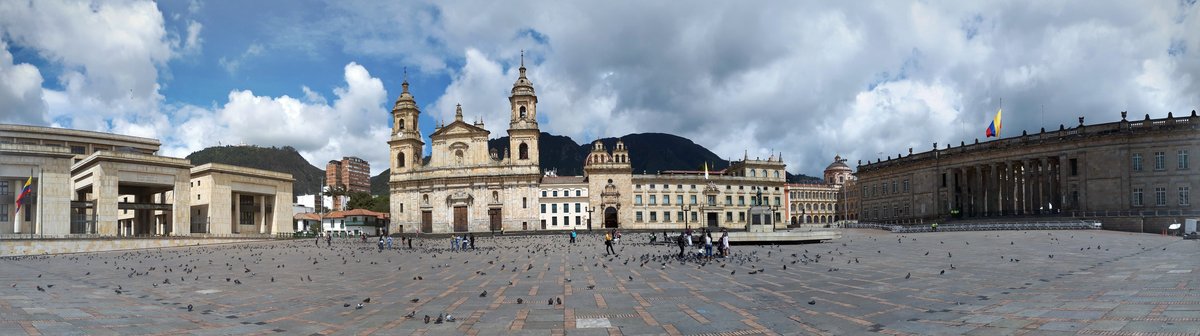
- Plaza de Bolívar: The city’s central square, surrounded by historic buildings.
- Museo del Oro: World-renowned collection of pre-Columbian gold artifacts (The Culture Map).
Special Events and Visuals
- All Saints’ Day: Special cultural activities and larger crowds.
- Commemorative Exhibitions: Hosted at the Memory, Peace, and Reconciliation Center.
- Virtual Tours and Maps: Available via the Audiala app and official tourism websites for remote exploration and on-site orientation.
Frequently Asked Questions (FAQs)
Q: What are the visiting hours?
A: Tuesday–Sunday, 8:00 a.m. to 5:00 p.m. Closed Mondays; check for holiday changes.
Q: Is there an entrance fee?
A: General entry is free; guided tours may charge a fee.
Q: Are guided tours available?
A: Yes, in Spanish and occasionally English. Booking ahead is recommended.
Q: Is the cemetery accessible for people with disabilities?
A: Main areas are accessible, but contact the administration for specific needs.
Q: Is photography permitted?
A: Yes, for personal use—please respect mourners and signage.
Q: What are the best times to visit?
A: Mornings and weekdays offer a quieter, more reflective atmosphere.
Plan Your Visit
For the best experience:
- Download the Audiala app for interactive maps and audio guides.
- Book guided tours through official tourism channels.
- Explore nearby historical sites and cultural landmarks.
- Attend commemorative events for a deeper cultural immersion.
Summary
The Central Cemetery of Bogotá is a vital link to Colombia’s past and present. Its mausoleums, monuments, and memorials narrate the nation’s journey through independence, social change, and reconciliation. The site welcomes all—historians, artists, families, and the simply curious—to explore, reflect, and participate in Colombia’s living memory (Visit Bogotá; trek.zone; ArchDaily).
Listen to the full story in the app
The whole Central Cemetery Of Bogotá,
told well.
Audio guides for 1,100+ cities across 96 countries. History, stories, and local insight — offline ready.
Verified, and shown.
Researched and written by the Audiala editorial team from historical records, architectural archives, and local expertise.
Researched from Wikidata, Wikipedia & official sources · fact-checked · How we make our guides →