Plan and listen to Casa De Nariño with Audiala.
Audio guide in your pocket, itinerary in your browser. Built for the way you actually visit.
Introduction
Casa de Nariño, nestled in Bogotá’s historic La Candelaria district, is the official residence and primary workplace of the President of Colombia. More than a seat of executive power, it stands as a monument to Colombia’s political evolution, architectural grandeur, and cultural legacy. Originally part of the Nariño family estate—birthplace of independence leader Antonio Nariño—the palace has been at the heart of pivotal national events, from independence struggles to modern-day ceremonies, making it one of the most significant historical sites in Bogotá (Presidencia de la República).
This guide details Casa de Nariño’s visiting hours, ticketing procedures, accessibility, and highlights, while offering practical tips for exploring surrounding Bogotá historical sites. Whether you’re captivated by its neoclassical architecture, its artistic treasures, or events like the changing of the guard, this resource will help you plan a memorable visit (El Tiempo, Bogotá Travel Guide, History Tools, Infobae).



Origins and Early History
Casa de Nariño’s history traces back to colonial times, as part of the estate owned by the Nariño family. Antonio Nariño, a key figure in Colombia’s independence movement, was born on this site in 1765. The connection to Nariño and the ideals of liberty shaped the decision to transform the property into the presidential residence after independence, embedding it with lasting symbolic value (Presidencia de la República).
After independence, the estate changed hands multiple times. By the late 19th century, the Colombian government selected the property as the site for a dedicated presidential palace, linking the new republic’s leadership to the legacy of its founding figures.
Architectural Evolution
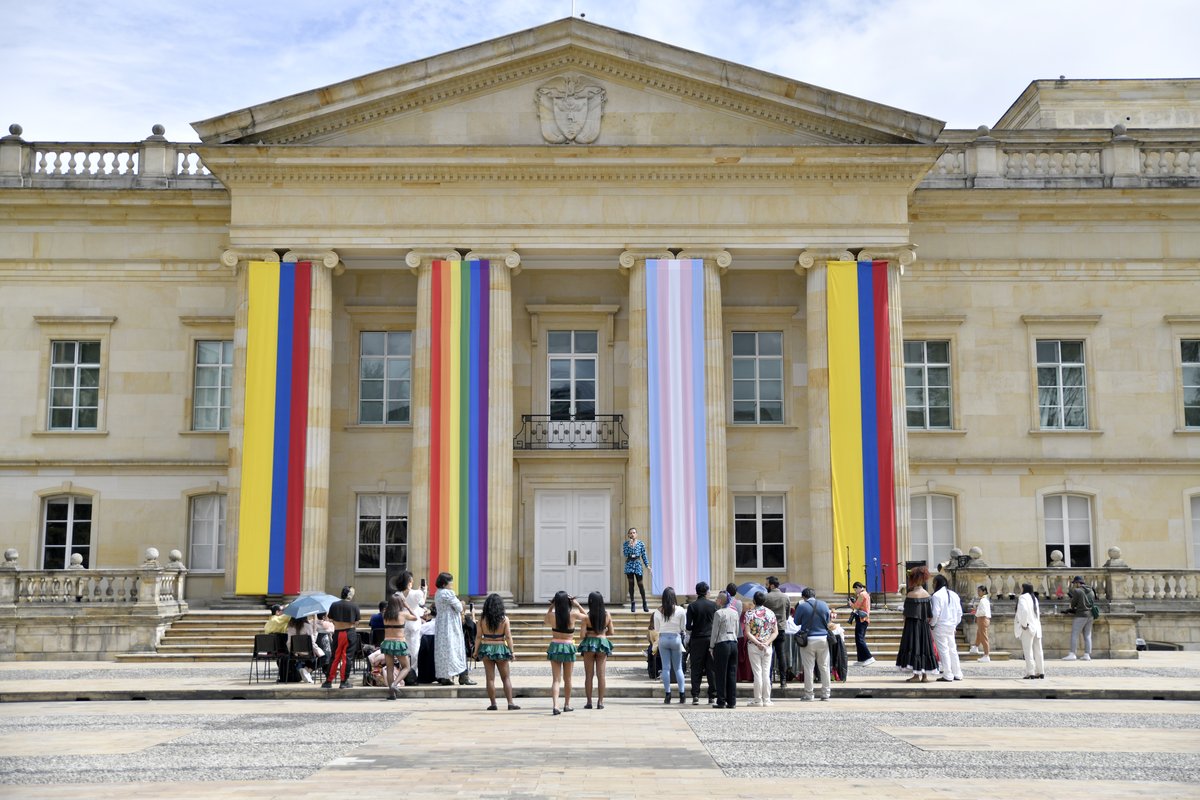
The modern Casa de Nariño emerged in the early 20th century. In 1908, under President Rafael Reyes, work began to create a palace that would reflect the nation’s status and aspirations. French architect Gaston Lelarge, in collaboration with Colombian architect Julián Lombana, designed the neoclassical structure, featuring a symmetrical façade, Corinthian columns, and ornate interiors (El Tiempo, History Tools).
The palace was inaugurated in 1908. Notable features include white stone exteriors, marble floors, crystal chandeliers, and intricate woodwork. The 1930s brought further enhancements, such as a French Renaissance-inspired mansard roof. Restoration followed the 1948 Bogotazo riots. Today, Casa de Nariño’s architecture remains a testament to Colombia’s resilience and evolving identity (Semana).
Political Significance
Casa de Nariño is the epicenter of executive power in Colombia. It has hosted every Colombian president since its inauguration, serving as the venue for cabinet meetings, diplomatic receptions, and state events. Its proximity to Plaza de Bolívar and other government institutions underscores its central role in governance (Bogotá Travel Guide).
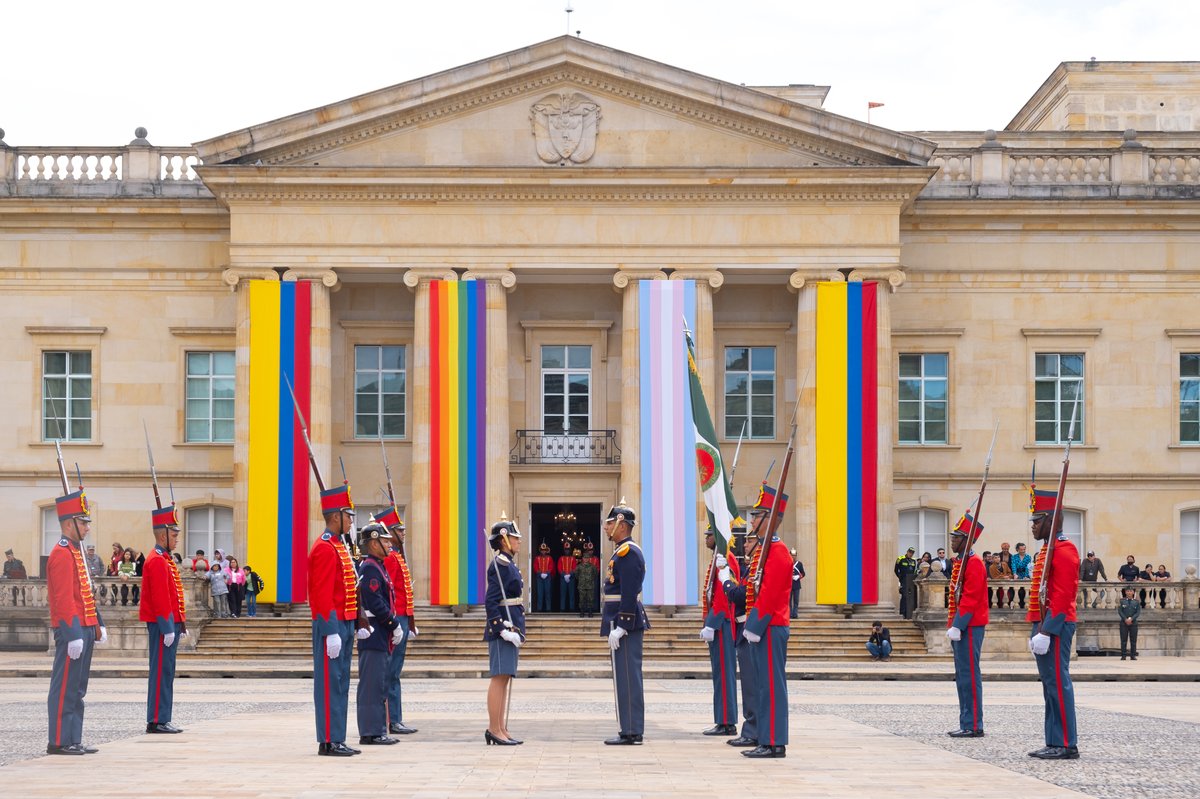
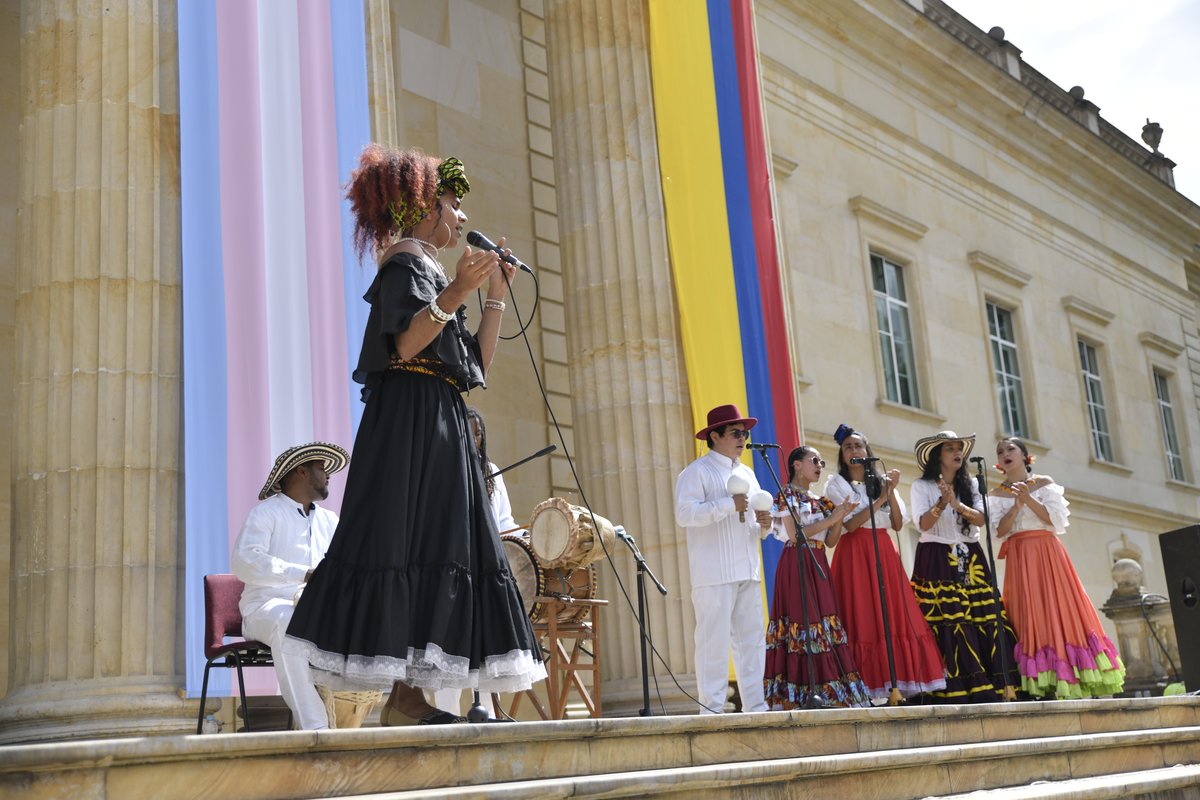
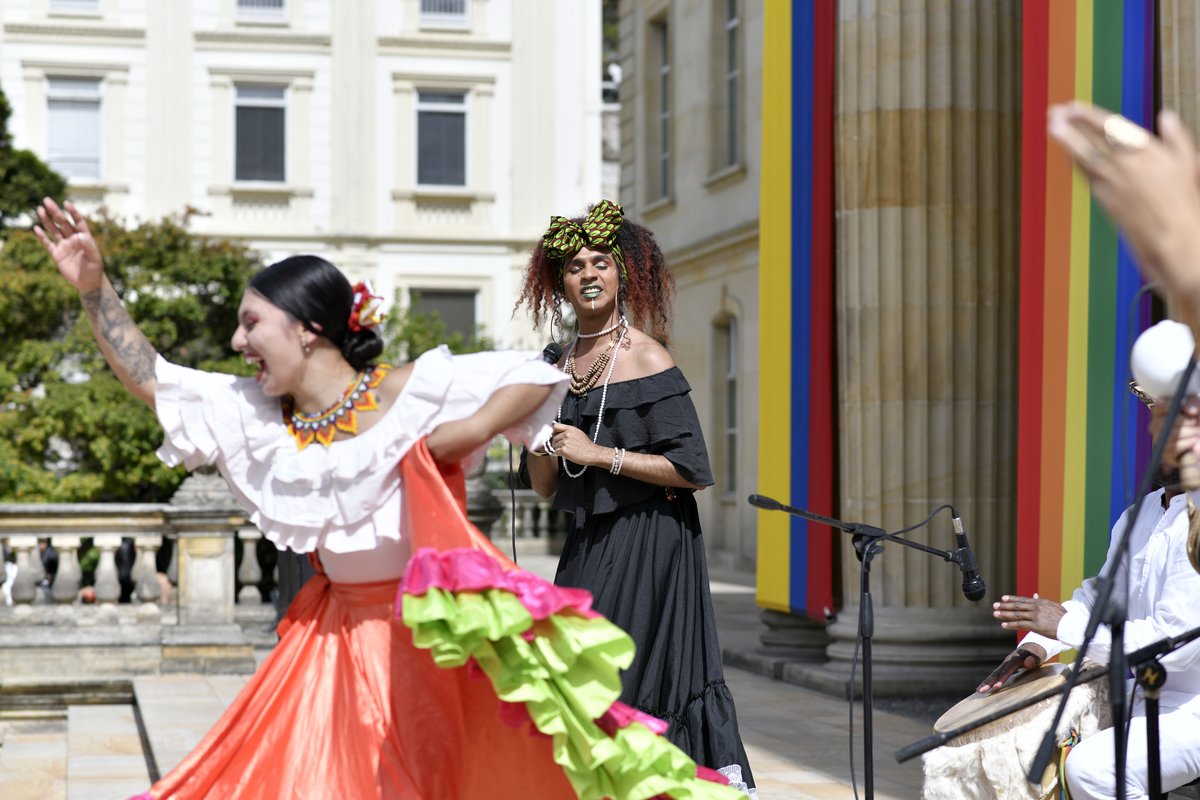
The palace is also a symbol of Colombia’s republican ideals and is often the focal point for national celebrations and public demonstrations. The regular changing of the guard ceremony at its gates is a visible expression of state continuity.
Notable Events and Historical Episodes
Throughout its history, Casa de Nariño has witnessed events that have shaped Colombia’s trajectory. The assassination of President Rafael Uribe Uribe in 1914 and the Bogotazo riots of 1948, which besieged the palace, are among the most significant. In more recent decades, it has hosted peace negotiations, state visits by global leaders, and the inauguration of presidents (El Espectador, History Tools).
Interior Spaces: Art, Memory, and National Identity
Casa de Nariño’s interior is a showcase of Colombian history and culture. Highlights include:
- Hall of Flags: Displaying the 32 departmental flags and the capital’s flag, with a geometric floor from the Reyes era.
- Presidential Portrait Gallery: Featuring portraits of all presidents, including works by Fernando Botero.
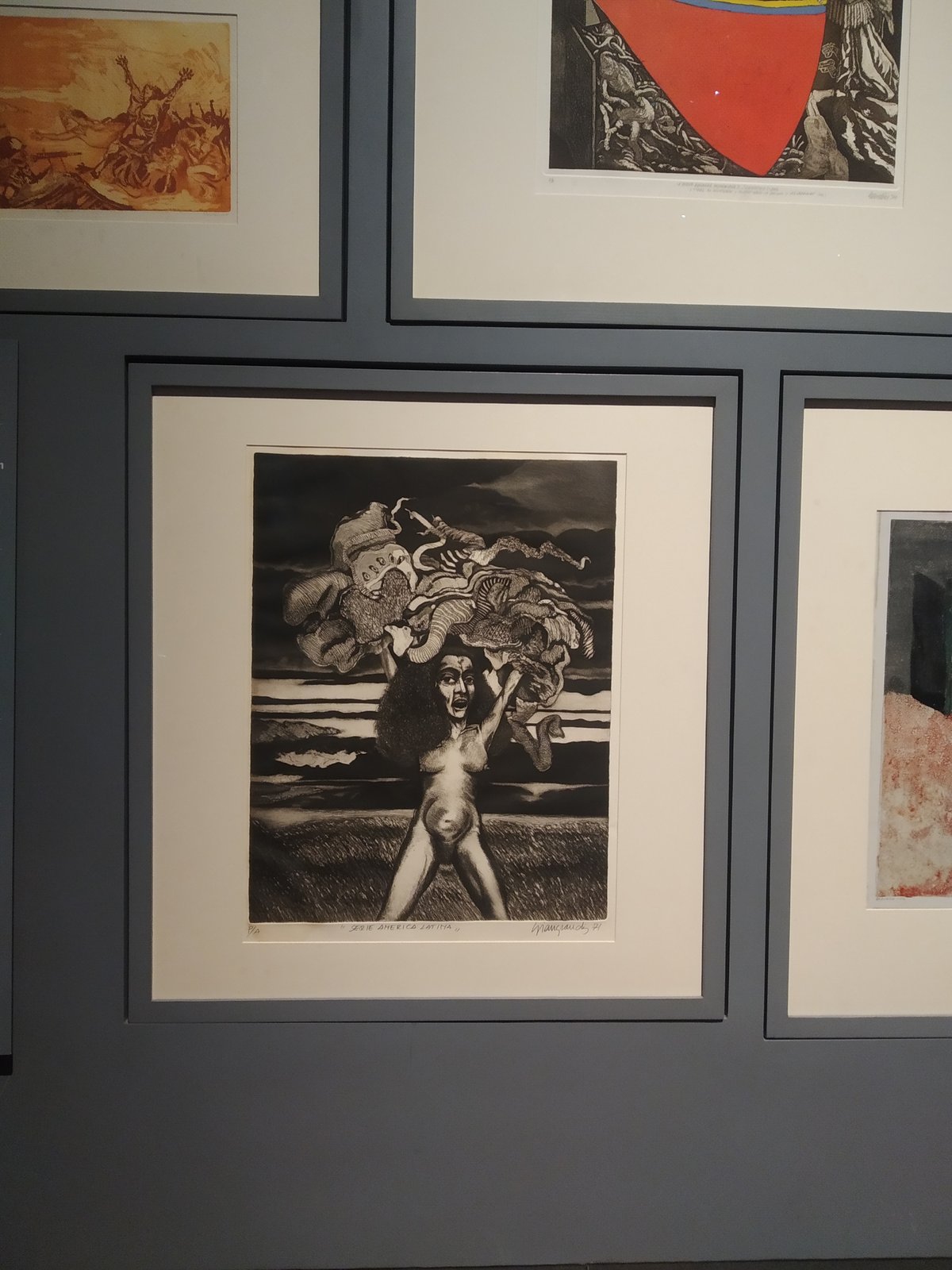
- Art Collection: Includes works by Alejandro Obregón and international gifts like a Baccarat crystal chandelier (Colombia One, History Tools).
Symbolic Artifacts: Bolívar’s Sword
The sword of Simón Bolívar, Colombia’s liberator, is displayed at the palace entrance. Guarded by sentinels, it is a potent symbol of independence. Its dramatic history includes theft by the M-19 guerrilla group and its eventual return, reflecting Colombia’s turbulent path toward unity (Latin American Post).
Visiting Casa de Nariño: Hours, Tickets, and Tours
- Visiting Hours: Public guided tours are available Tuesday to Sunday, 9:00 AM to 4:00 PM, with last entry at 3:00 PM. The palace is closed on Mondays and national holidays.
- Tickets: Admission is free but requires advance reservation via the official portal. Book at least five days ahead; walk-ins are not permitted.
- Tour Duration: Tours last about 45 minutes and are available in Spanish and English (upon request).
- Identification: Bring valid ID (passport for foreigners, national ID for Colombians).
- Dress Code: Formal attire is required; no shorts, sandals, or sportswear.
- Photography: Prohibited inside the palace; permitted in designated outdoor spaces.
- Security: Arrive at least 20 minutes before your tour, bring only essential items, and prepare for security screening (Infobae, Fodor’s).
Accessibility and Visitor Tips
Casa de Nariño offers partial accessibility for visitors with reduced mobility. Contact the administration in advance to arrange accommodations. Service animals are permitted. There are no storage facilities or public restrooms inside; plan accordingly.
Tips:
- Reserve tickets early, especially during peak seasons.
- Arrive on time for security and check-in procedures.
- Dress appropriately to avoid denied entry.
- Combine your visit with nearby sites for a comprehensive experience.
Changing of the Guard Ceremony
The changing of the guard is a public spectacle held in the main courtyard:
- Wednesdays and Fridays: 2:30 PM
- Sundays: 3:00 PM
No ticket is required to attend. The ceremony features the Presidential Guard in full regalia, accompanied by a military band—a vibrant display of Colombian tradition (Fodor’s).
Nearby Attractions and Photographic Spots
Casa de Nariño’s gardens offer elegant French-style landscaping and native flora, perfect for photography. Nearby attractions within walking distance include:
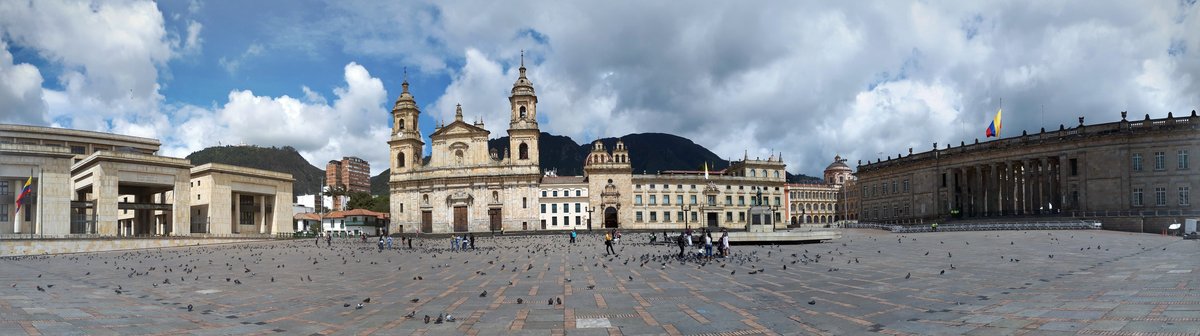
- Plaza de Bolívar: Bogotá’s main square.
- Museo del Oro: Pre-Columbian gold artifacts.
- Museo Botero: Works by Fernando Botero and international artists.
- La Candelaria: Colonial architecture and vibrant street life (Destinationless Travel, Wanderlog).
Preservation and Public Access
Casa de Nariño is a designated national monument, with ongoing preservation and restoration efforts to safeguard its architectural and historical integrity. Despite its function as a government building, it remains accessible to the public through guided tours and ceremonial events (Ministerio de Cultura).
Legacy and Contemporary Role
As both a seat of power and a custodian of Colombia’s national memory, Casa de Nariño continues to evolve. It embodies the country’s journey from colonial past to modern republic, symbolizing resilience and renewal for Colombians and visitors alike (Presidencia de la República).
Frequently Asked Questions (FAQ)
Q: What are the Casa de Nariño visiting hours?
A: Tuesday to Sunday, 9:00 AM–4:00 PM; closed Mondays and national holidays.
Q: Do I need tickets to visit Casa de Nariño?
A: Yes, tickets are free but must be reserved online in advance.
Q: Is Casa de Nariño wheelchair accessible?
A: The palace offers partial accessibility; contact in advance for arrangements.
Q: Can I take photos inside Casa de Nariño?
A: Photography is restricted inside; allowed in designated outdoor areas.
Q: Are tours available in English?
A: Yes, upon request during registration.
Q: Can I watch the changing of the guard without a ticket?
A: Yes, the ceremony is open to the public.
Essential Travel Tips
- Book early: Secure your spot via the official website.
- Bring only essentials: Leave bags and electronics behind.
- Dress formally: Adhere to the dress code for entry.
- Respect protocols: Follow all security and conduct guidelines.
- Check for updates: Consult the official website before your visit.
Listen to the full story in the app
The whole Casa De Nariño,
told well.
Audio guides for 1,100+ cities across 96 countries. History, stories, and local insight — offline ready.
Verified, and shown.
Researched and written by the Audiala editorial team from historical records, architectural archives, and local expertise.
Researched from Wikidata, Wikipedia & official sources · fact-checked · How we make our guides →