Plan and listen to Casa De Moneda De Colombia with Audiala.
Audio guide in your pocket, itinerary in your browser. Built for the way you actually visit.
Introduction
Nestled in Bogotá’s historic La Candelaria district, the Casa de Moneda de Colombia stands as one of the continent’s most significant cultural and historical landmarks. Established in 1621, it was the first mint in South America, serving as the heart of Colombia’s colonial and republican monetary history. Today, the Casa de Moneda is a dynamic museum, offering visitors a comprehensive journey through four centuries of currency, art, technology, and Colombian identity. This detailed guide covers its origins, collections, architectural significance, visiting hours, ticketing, accessibility, travel tips, and connections to Bogotá’s broader cultural scene (History Tools; basadoenhechosreales.com.ar; Mochiliante; colombia.travel).


Historical Foundations and Evolution
Colonial Beginnings
Founded in 1621 under the authorization of King Philip III of Spain and constructed by engineer Alonso Turrillo de Yebra, the Casa de Moneda played an essential role in the colonial administration of currency in the New Kingdom of Granada. The mint’s establishment was a turning point for Spain’s economic control in South America, producing gold and silver coins that facilitated trade and consolidated imperial influence (History Tools; Nomadic Niko).
The original building, with its thick stone walls, arched corridors, and serene courtyard, is a remarkable example of colonial architecture. Its carefully preserved spaces allow visitors to experience the atmosphere of a functioning mint from centuries past (Mochiliante).
From Independence to Republic
The Casa de Moneda was at the heart of Colombia’s transition from colony to republic in the 19th century. Coins produced at the mint began to bear republican symbols, reflecting national values and independence. The mint was responsible for the first “condor” coins, a symbol of freedom, and the earliest paper currency of the Banco de la República, Colombia’s central bank (Visit Bogotá; History Tools).
Coin production at the Casa de Moneda continued until 1987, after which operations moved to Ibagué. The original building was declared a National Monument in 1975, preserving its historical and cultural importance (basadoenhechosreales.com.ar).
Architectural and Institutional Legacy
The Casa de Moneda’s architecture is a living chronicle of Bogotá’s colonial and republican eras. With stone arches, wooden beams, and internal courtyards, it reflects the craftsmanship and aesthetics of the 17th and 18th centuries. Over time, the building has served as a university, garrison, and, since 1985, a museum housing the Banco de la República’s numismatic and art collections (Mochiliante; WhichMuseum).
Collections and Exhibitions
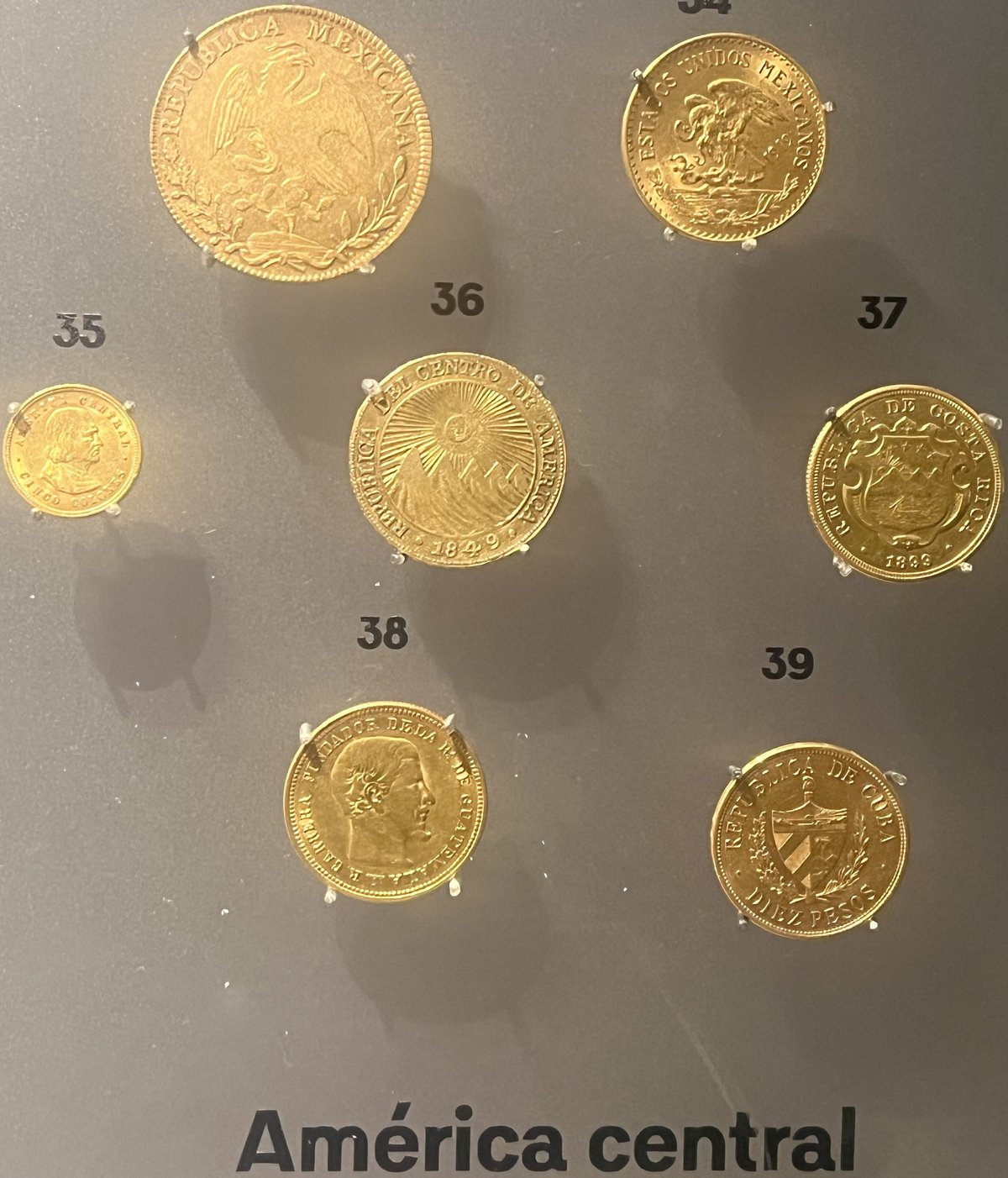
The museum boasts one of Latin America’s most comprehensive numismatic collections, spanning four centuries:
- Pre-Columbian Exchange: Gold and copper artifacts and ceremonial objects illustrate early indigenous trade (museosnacionales.com).
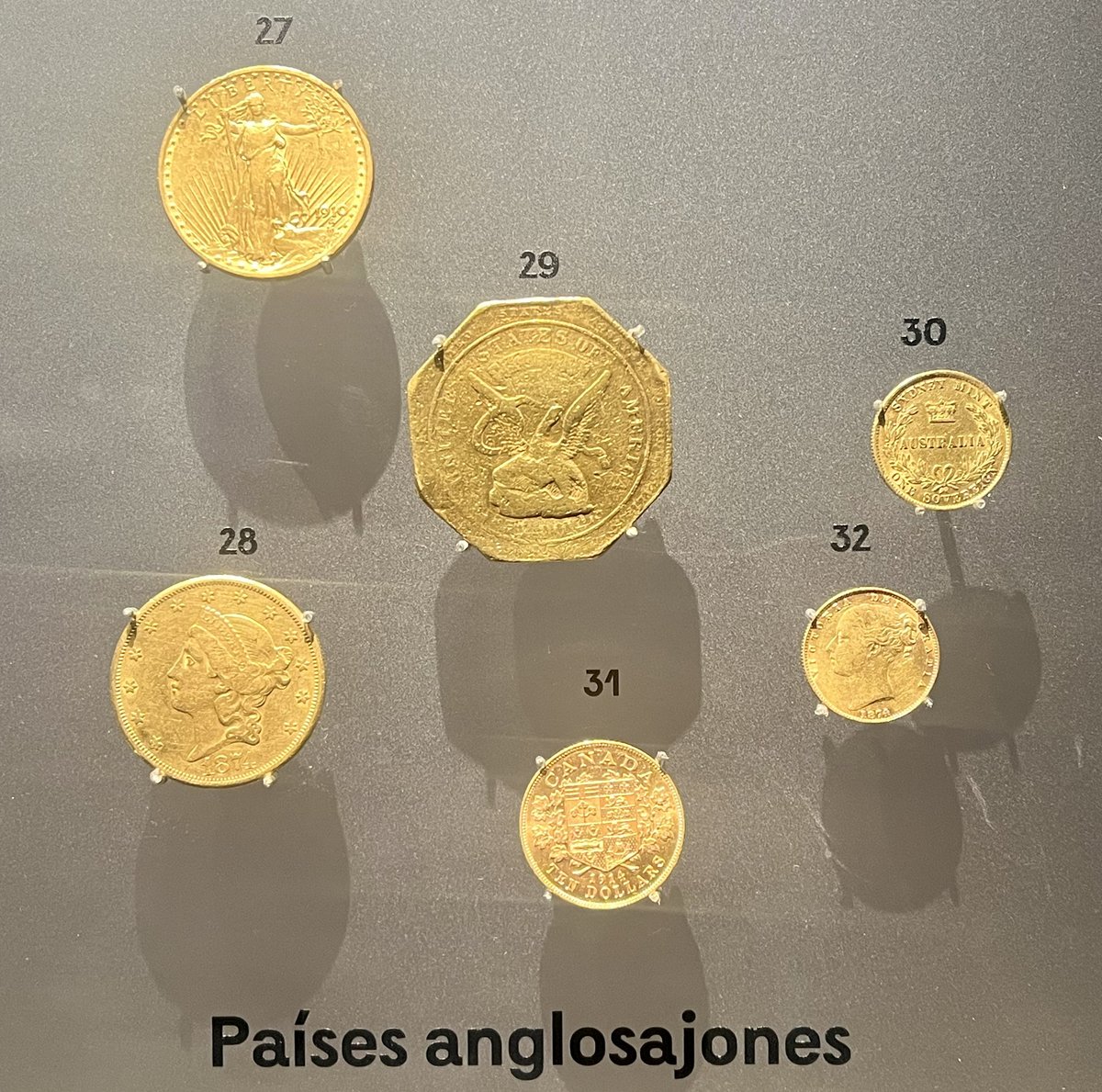
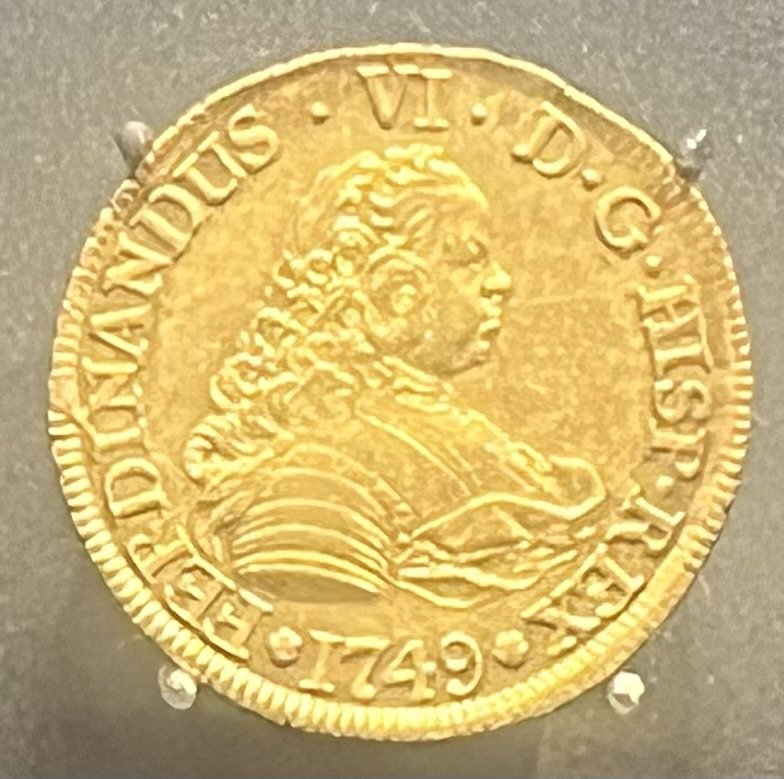
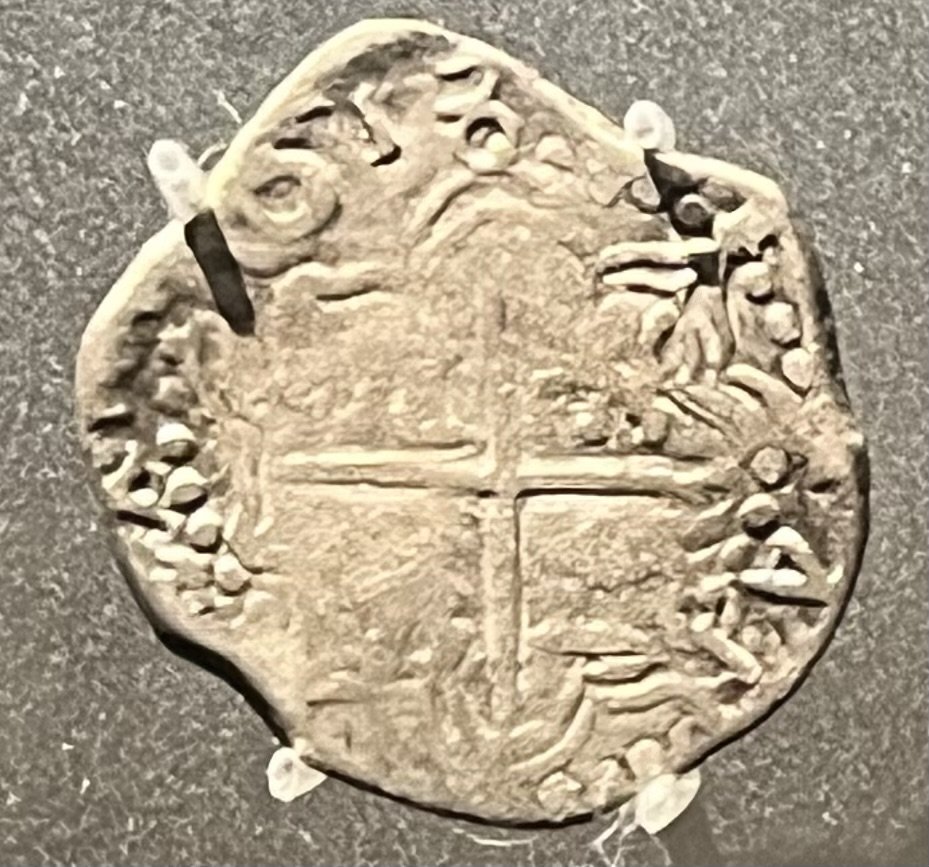
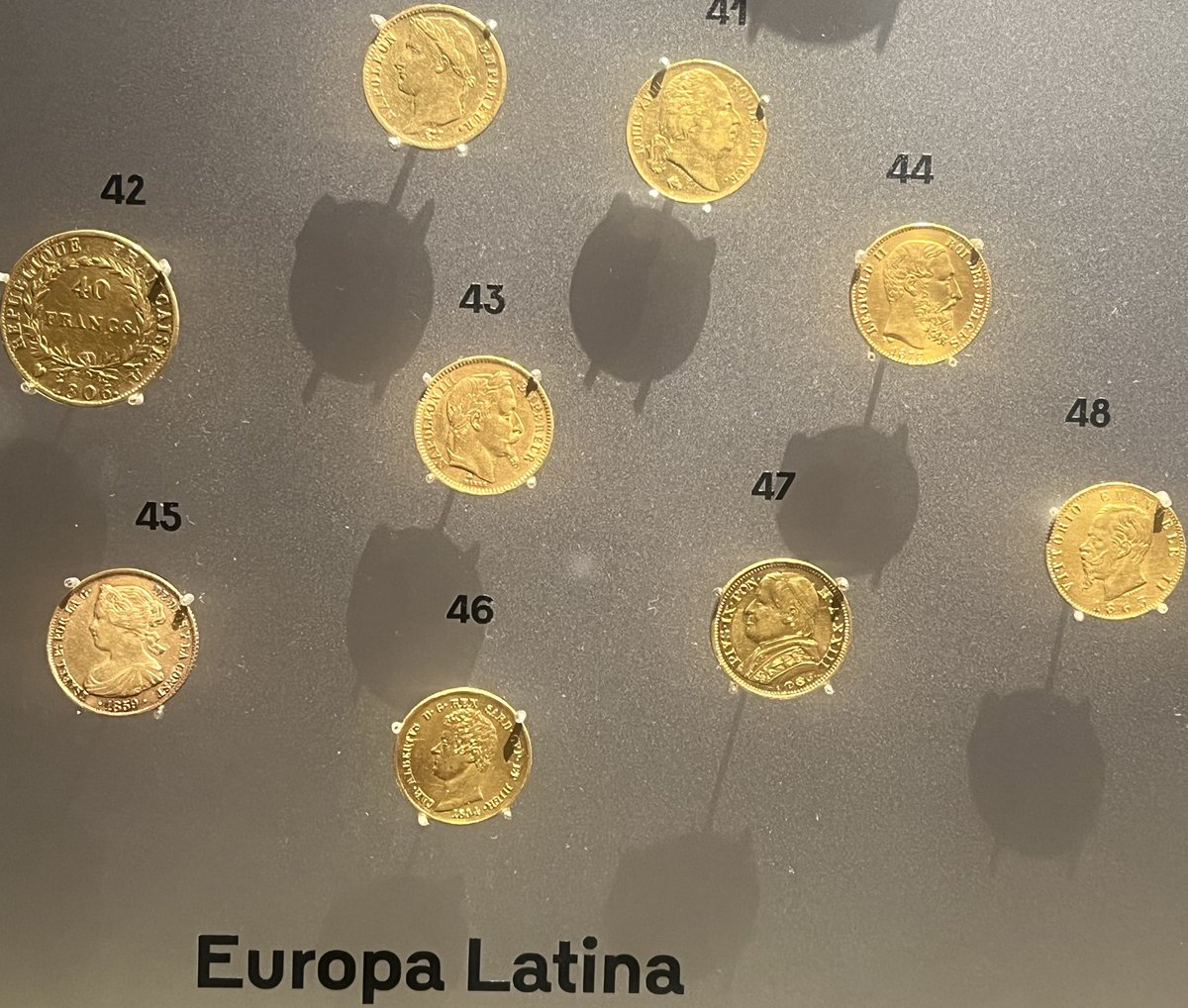
- Colonial Coins: Gold and silver coins minted under Spanish rule, including the famed “escudo de oro.”
- Republican and Modern Currency: Coins and banknotes from independence onward, highlighting changes in national symbols and monetary technology.
- Rare and Experimental Pieces: Prototypes and limited-issue coins and notes, some never circulated, provide insight into currency design (The City Paper).
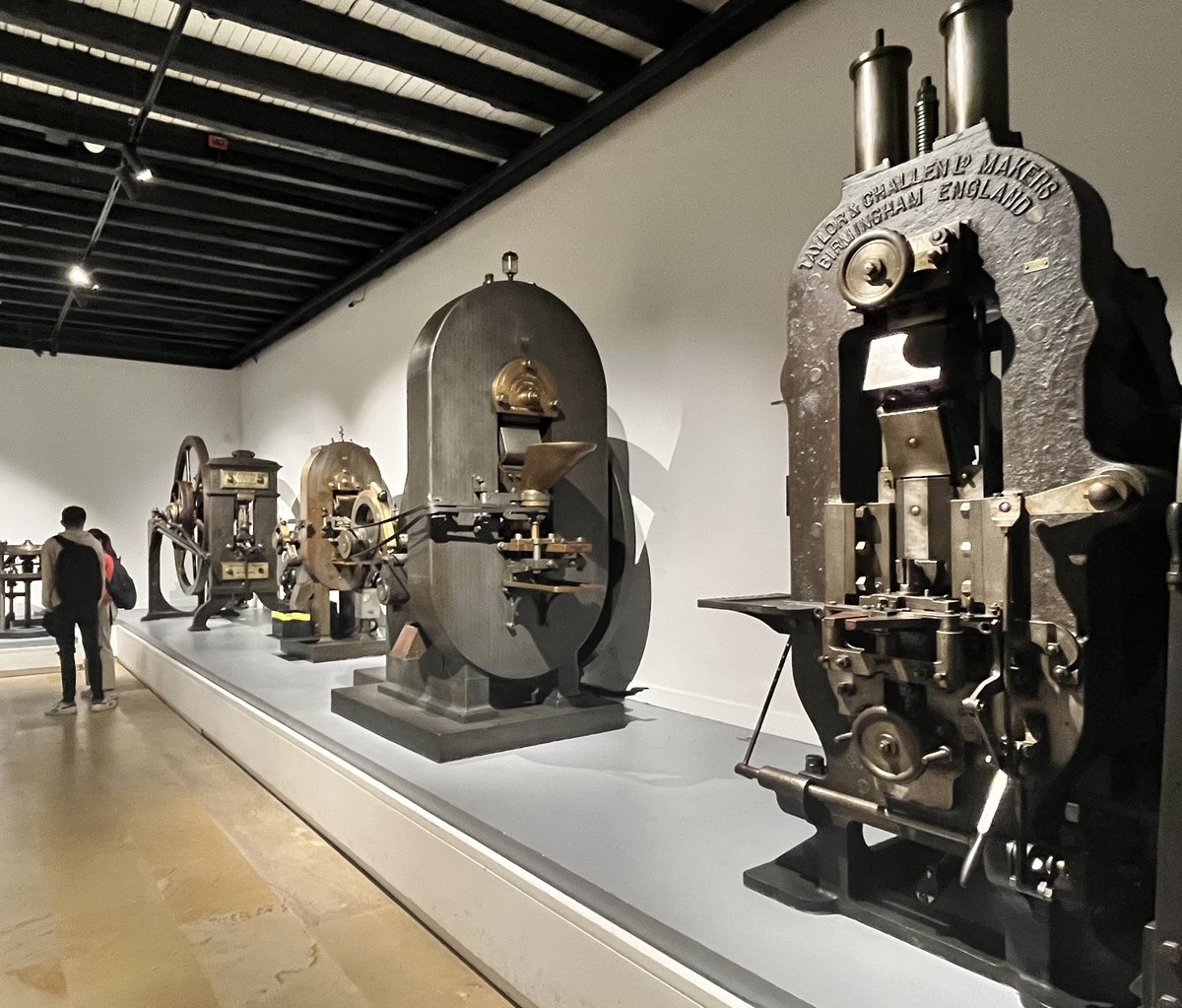
- Minting Machinery: Antique presses and a 19th-century steam-powered minting machine showcase technological progress (Mochiliante).
Thematic galleries chronologically guide visitors through Colombia’s monetary past, while interactive displays and multimedia presentations enhance the learning experience (museosnacionales.com).
Currency as a Mirror of Colombian Identity
The Casa de Moneda’s collection illustrates how currency has reflected Colombia’s evolving identity. Colonial coins emphasized Spanish authority, while post-independence designs highlighted national heroes and indigenous motifs. Since the 1991 Constitution, currency increasingly features diverse figures, landscapes, and ecological themes, mirroring Colombia’s multicultural and environmental values (The City Paper).
The museum’s “21st Century: A Country Changing Its Image” exhibition delves into these shifts, including virtual payment methods and credit cards as part of the nation’s modern monetary story.
Visitor Information
Visiting Hours and Tickets
As of June 2025, the museum operates on the following schedule (Bogotá.gov.co; Banrepcultural):
- Tuesday to Saturday: 9:00 AM – 5:00 PM (last entry at 4:00 PM)
- Sunday and Holidays: 10:00 AM – 4:00 PM
- Closed: Mondays and select holidays
Admission: Entry is generally free or requires a nominal fee (approx. COP $10,000–$15,000). Discounts may apply for students, seniors, and groups. Special exhibitions may have separate charges (Colombia Descubre).
Ticketing: Tickets can be purchased at the museum or online via the official website. Advance booking is recommended for guided tours, workshops, and group visits.
Accessibility and Facilities
- Wheelchair Access: Ramps and elevators ensure accessibility throughout the museum (colombia.travel).
- Restrooms: Accessible and well-maintained.
- Cloakroom: Available for coats and bags.
- Gift Shop: Numismatic souvenirs and books.
- Photography: Non-flash photography is permitted in most areas; some restrictions may apply.
Guided Tours and Educational Programs
- Guided Tours: Offered in Spanish and English by prior arrangement.
- Workshops and Lectures: Regular programs for all ages; advance booking required.
- Self-Guided Options: Informational panels (Spanish and English), brochures, and visitor apps (GPSmyCity).
Location and Directions
- Address: Calle 11 #4-93, La Candelaria, Bogotá, Colombia
- Transport: Easily reached by TransMilenio (Las Aguas station), city buses, taxi/rideshare, or by foot from nearby attractions (Colombia Descubre).
- Parking: Limited; public transport or walking is recommended.
Nearby Attractions and Itineraries
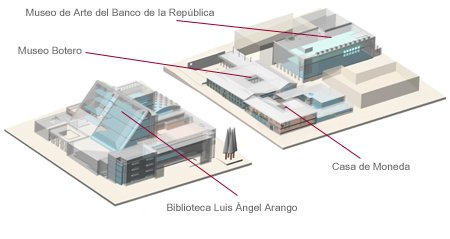
- Museo Botero: Renowned collection of works by Fernando Botero and international artists.
- Museo del Oro (Gold Museum): Pre-Columbian gold artifacts.
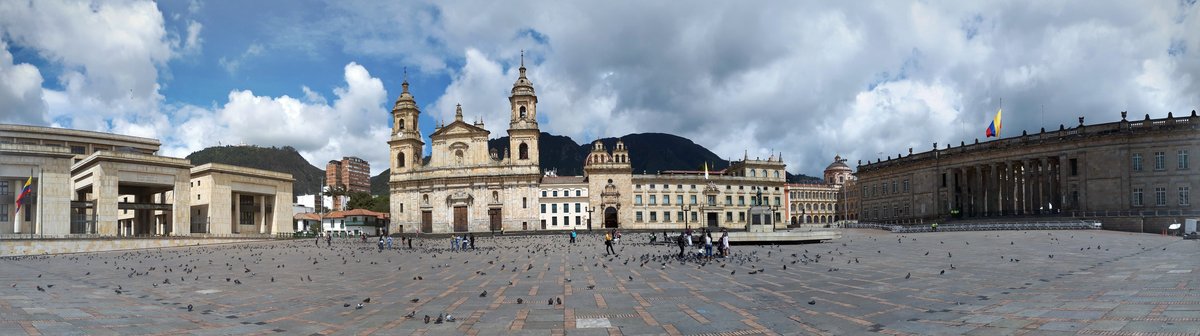
- Plaza Bolívar: Historic main square surrounded by key government and religious sites.
- Luis Ángel Arango Library, Miguel Urrutia Art Museum, and Colonial Art Museum: All within walking distance, perfect for a cultural day itinerary (Wikipedia; colombia.travel).
Visuals and Interactive Features
- Permanent Displays: Over 1,700 coins, banknotes, medals, and minting tools with detailed descriptions.
- Interactive Exhibits: Touchscreens, multimedia presentations, and hands-on activities.
- Virtual Tours: Available via the official museum website.
- Photography Tips: Early mornings offer the best lighting for the colonial courtyard and galleries.
Frequently Asked Questions (FAQ)
Q: What are the Casa de Moneda de Colombia visiting hours?
A: Tuesday to Saturday, 9:00 AM–5:00 PM; Sunday and holidays, 10:00 AM–4:00 PM; closed Mondays.
Q: How much does admission cost?
A: Usually free or a nominal fee (COP $10,000–$15,000); discounts for students and groups.
Q: Are guided tours available in English?
A: Yes, by advance request.
Q: Is the museum accessible for visitors with disabilities?
A: Yes, with ramps, elevators, and accessible facilities.
Q: Can I take photos?
A: Non-flash photography is generally allowed; check for restrictions.
Q: How do I get there?
A: Located in La Candelaria, accessible by public transport, taxi, or on foot.
Discover More
The Casa de Moneda de Colombia is a must-visit for anyone seeking to understand the economic, artistic, and national evolution of Colombia. Its extensive collections, interactive displays, and prime location make it an essential part of Bogotá’s cultural landscape. For the latest updates on exhibitions, visiting hours, and events, check the official website and consider downloading the Audiala app for guided tours and enhanced experiences.
Plan your visit today, and don’t forget to complement it with nearby museums and historic sites for a truly immersive exploration of Bogotá’s rich heritage.
Listen to the full story in the app
The whole Casa De Moneda De Colombia,
told well.
Audio guides for 1,100+ cities across 96 countries. History, stories, and local insight — offline ready.
Verified, and shown.
Researched and written by the Audiala editorial team from historical records, architectural archives, and local expertise.
Researched from Wikidata, Wikipedia & official sources · fact-checked · How we make our guides →