Discover Xingjiao Temple: Why Visit?
Nestled at the foot of Zhongnan Mountain and bordered by the Fanchuan River, Xingjiao Temple is not only a sacred resting place for Xuanzang but also a vibrant hub of historical and cultural exploration. As the final resting place of a pivotal figure in Buddhist history, the temple invites visitors to experience the enduring legacy of the Silk Road, marvel at ancient architecture, and enjoy tranquil gardens—all within easy reach of downtown Xi’an.
Historical Background
Foundation and Origins
Xingjiao Temple was commissioned in 669 AD, shortly after Xuanzang’s death, by Empress Wu Zetian. It was built on the Shaoling Plain to house his relics and honor his monumental contributions to Buddhism. The temple’s full historical name, "Datang Huguo Xingjiao Si" (Great Tang National Guardian and Flourishing Buddhism Temple), reflects its stature during the Tang era as a center for the flourishing of Buddhism (Xian Private Tour).
Xuanzang’s Life and Legacy
Xuanzang (602–664) is famed for his arduous journey to India, where he studied Buddhist doctrine and brought back invaluable scriptures, relics, and cultural insights. His work, including the “Great Tang Records on the Western Regions,” not only advanced Chinese Buddhism but also inspired the classic novel Journey to the West. The temple preserves his grave tower and the tombs of his principal disciples, Kuiji and Yuance, highlighting his enduring influence (WindhorseTour).
Architectural and Cultural Significance
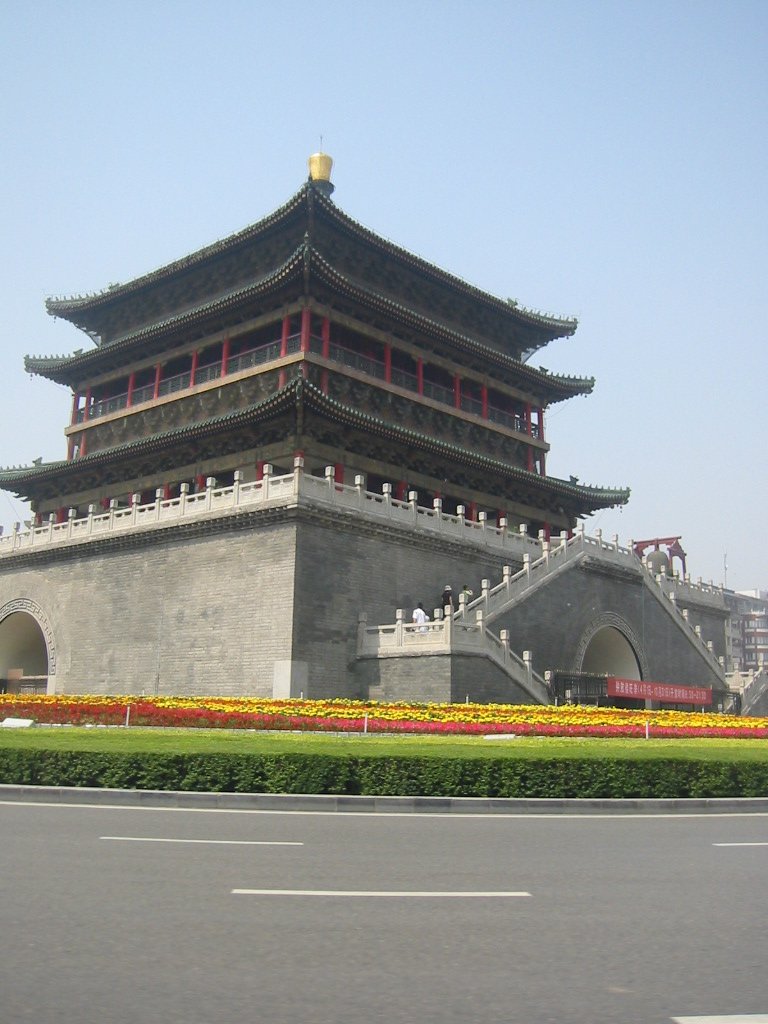
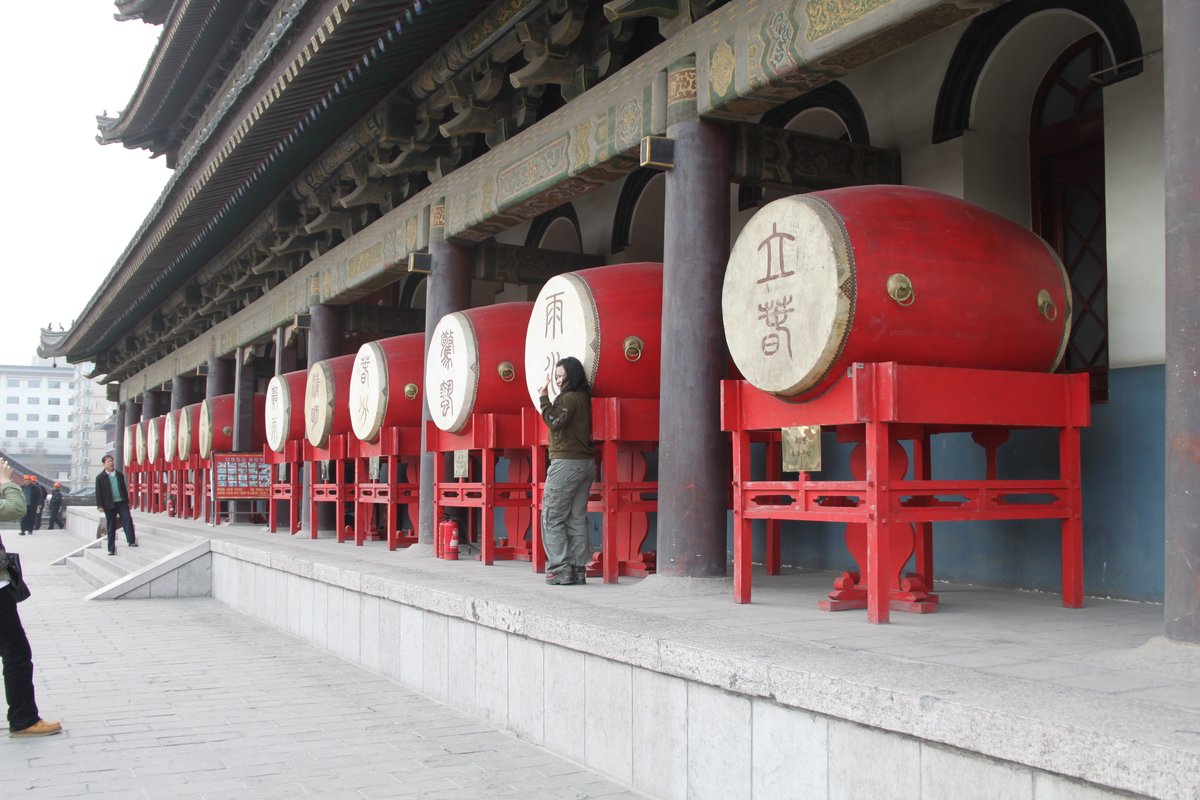
The temple complex features a five-story pagoda housing Xuanzang’s relics, flanked by the grave towers of his disciples. The Mahavira Hall, bell and drum towers, and a propylaeum exemplify Tang Dynasty architecture, while a Ming Dynasty mural wall offers rare artistic treasures from 1417. The Sutra Hall preserves thousands of Buddhist texts, including palm leaf manuscripts from India, making Xingjiao Temple a vital center for Buddhist scholarship and art (Xian Private Tour).
Silk Road Connections
As a pivotal monument on the ancient Silk Road, Xingjiao Temple symbolizes the intercultural exchange between China and India. Its role as a repository for sacred texts and as a hub for Buddhist learning underscores its historical significance in facilitating the spread of Buddhism across East Asia.
Visiting Xingjiao Temple: Practical Information
Visiting Hours
- Standard Hours 8:00 AM – 5:00/5:30 PM daily
- Note Hours may extend during peak seasons or special events; check ahead for festival or maintenance closures.
Tickets and Admission
- Standard Ticket Price 25–40 RMB per adult (price varies by season and source)
- Discounts Available for students, seniors, and children with valid ID (Adequate Travel)
- Purchase On-site or via authorized travel platforms
Accessibility
- Wheelchair Access Paved paths allow for wheelchair movement across much of the site; some historical structures may have steps or limited access
- Assistance Visitor help available at main entrance
Guided Tours and Visitor Tips
- Tours Professional guides (multilingual) and audio guides recommended for deeper historical and cultural understanding
- Photography Permitted outdoors and in most areas; flash, tripods, and photography of monks or during ceremonies may be restricted
- Crowd Tips Early morning and weekday visits provide a more tranquil experience
Dress Code and Etiquette
- Dress Modest clothing covering shoulders and knees is required
- Conduct Maintain quiet, respectful behavior; incense offerings permitted at designated spots
Facilities and Amenities
- Restrooms Available near entrance and within temple grounds
- Shops/Souvenirs Small stalls sell Buddhist artifacts, incense, and local souvenirs
- Refreshments Limited on-site; local restaurants and teahouses nearby
- Parking On-site parking for a nominal fee
Best Times to Visit
- Seasons Spring (March–May) and autumn (September–November) offer mild weather and picturesque gardens
- Festivals Buddhist events such as Vesak offer unique experiences but may draw larger crowds
Safety and Security
- Security Checks Bag inspections may occur at the entrance
- Personal Belongings Keep valuables secure, especially during festivals and crowded events
Nearby Attractions
- Giant Wild Goose Pagoda (Da Ci’en Temple)
- Shaanxi History Museum
- Xi’an Ancient City Wall
- Qinling Mountains for nature trails and scenic views
- Famen Temple—another major Buddhist site in the region
Key Highlights and Experiences
Xuanzang’s Grave Tower
The five-story brick pagoda, standing 21 meters tall, enshrines Xuanzang’s relics and serves as a pilgrimage site. The first floor is open to visitors, where you can pay respects at his statue. Flanking the main tower are the tombs of disciples Kuiji and Yuance (WindhorseTour).
Ming Dynasty Murals
The temple’s wall murals, dating to 1417, depict Buddhist iconography and scenes from Xuanzang’s journey. These rare works provide insight into Ming Dynasty religious art (WindhorseTour).
Monastic Life and Worship
Xingjiao Temple is an active monastery. Visitors can observe monks’ chanting and meditation, and respectfully join incense offerings. Major Buddhist festivals feature public ceremonies and cultural events.
Tranquil Gardens
Ancient cypress and pine trees, traditional gardens, and peaceful courtyards offer a serene environment for contemplation and photography. The gardens are particularly beautiful in spring and autumn.
Sutra Hall
Home to thousands of Buddhist scriptures, including rare palm leaf texts and stone tablets inscribed with the Diamond Sutra, the Sutra Hall is a testament to the temple’s scholarly heritage (Xian Private Tour).
Frequently Asked Questions (FAQ)
Q: What are the opening hours of Xingjiao Temple?
A: 8:00 AM to 5:00/5:30 PM daily; check for variations during festivals.
Q: How much are the tickets?
A: 25–40 RMB per adult; discounts available for students, seniors, and children.
Q: Is the temple wheelchair accessible?
A: Most areas are accessible via paved paths, though some historic buildings have steps.
Q: Are guided tours available?
A: Yes, through local operators or audio guides—recommended for historical context.
Q: Can I participate in worship rituals?
A: Visitors may respectfully join incense offerings and observe ceremonies.
Q: Is photography allowed?
A: Permitted in most areas; restrictions apply inside certain halls and during ceremonies.
Q: How do I get to Xingjiao Temple from Xi’an city center?
A: By taxi (40–50 minutes; approx. 60–80 RMB), metro plus bus, or organized tour groups.