


Visiting Hours and Campus Tours
Visiting Hours
The campus welcomes visitors daily from 8:00 AM to 6:00 PM. Some facilities—such as academic buildings and student residences—may have restricted access outside official hours. For the most accurate information, it is best to consult the university’s website or contact the international office before your visit.
Guided Campus Tours
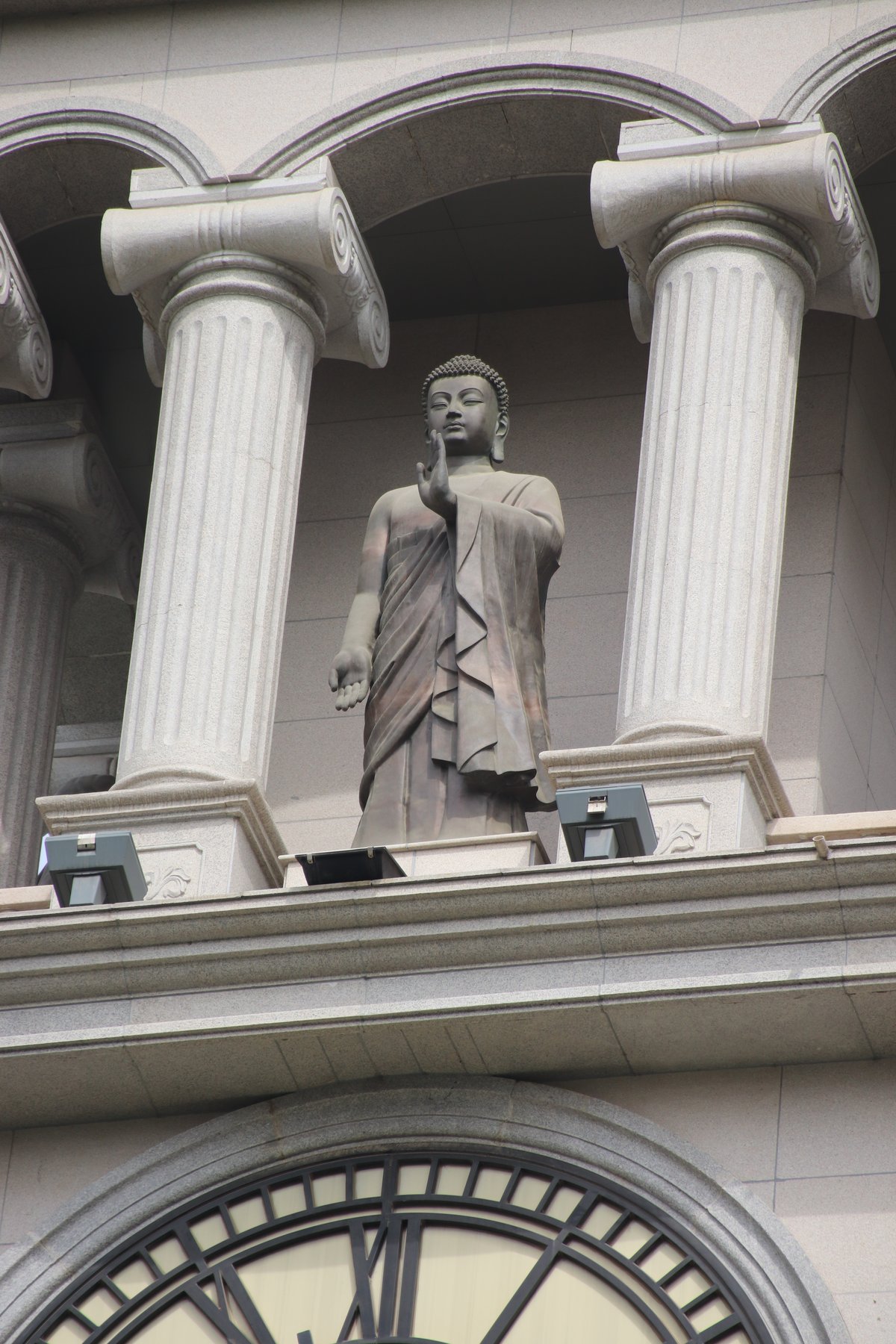
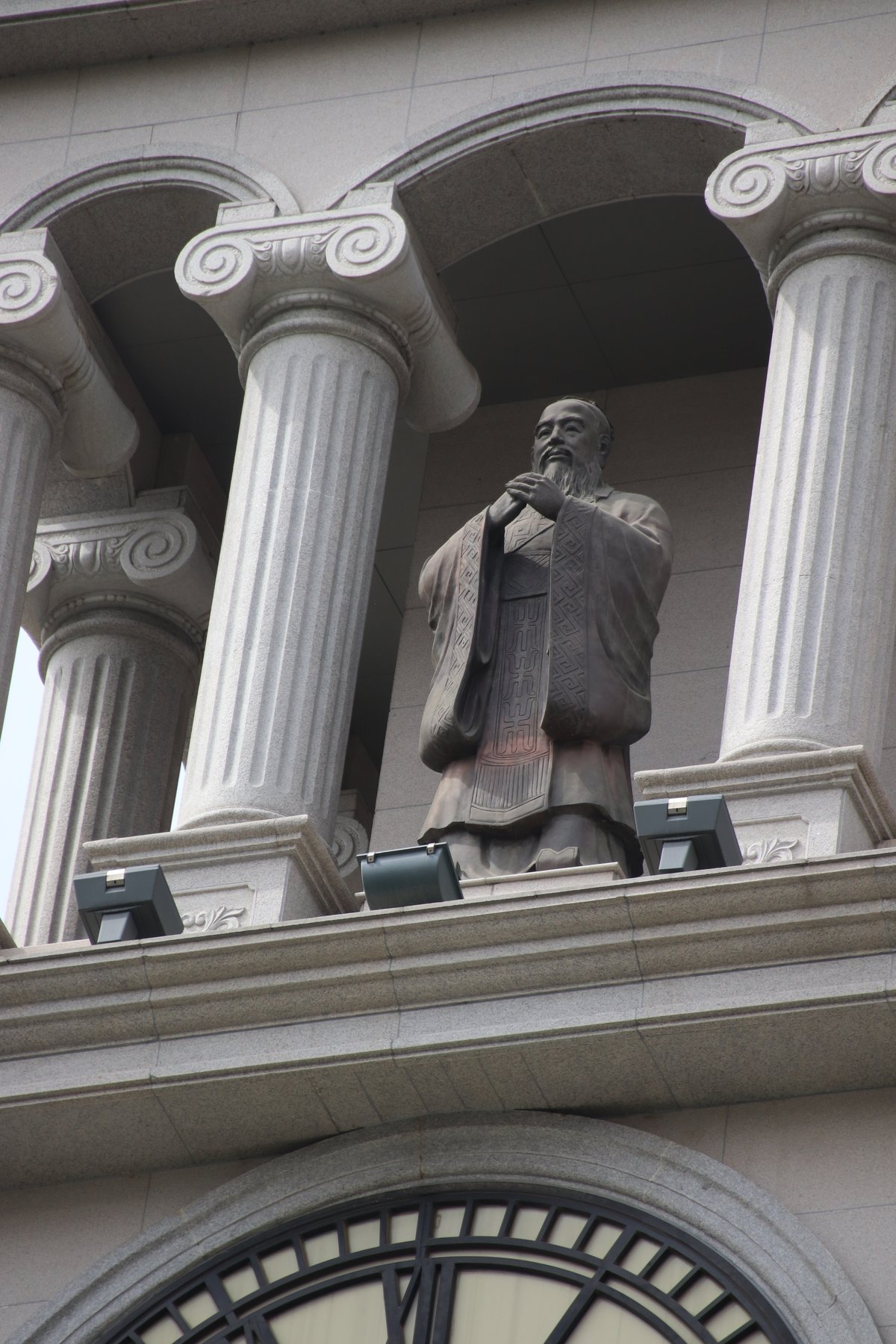
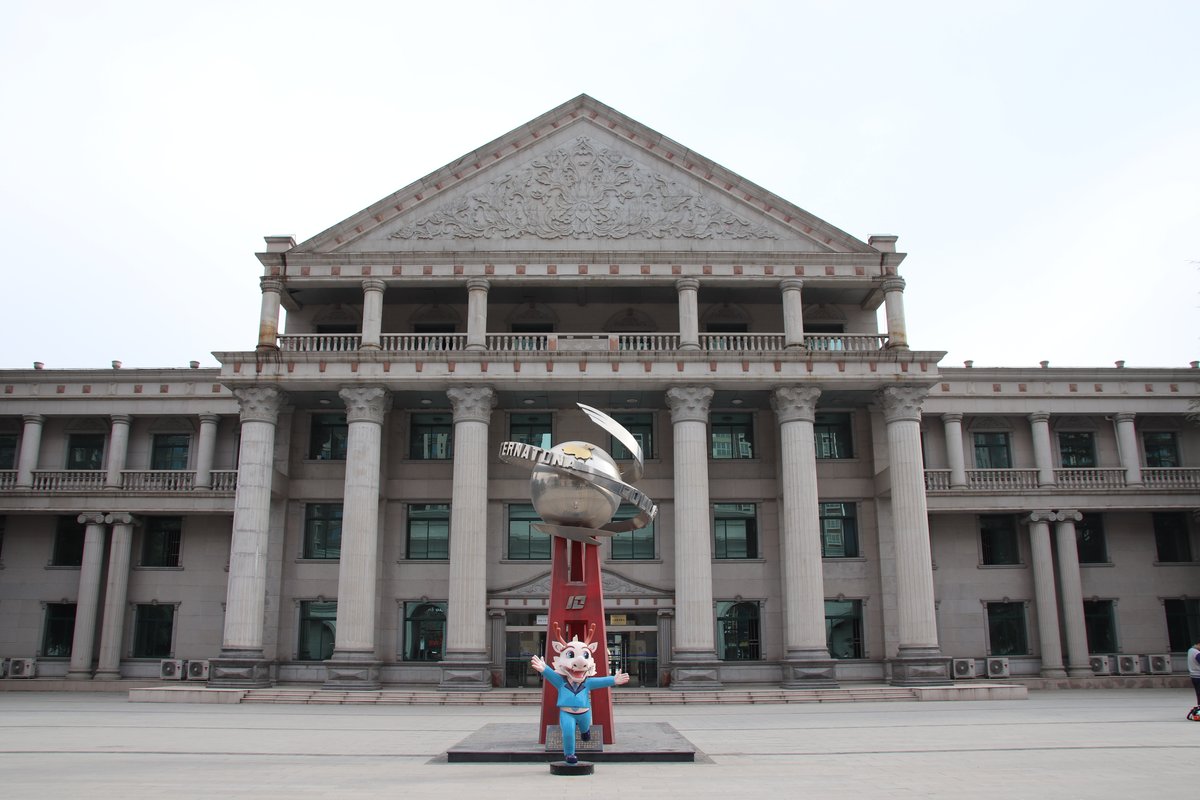
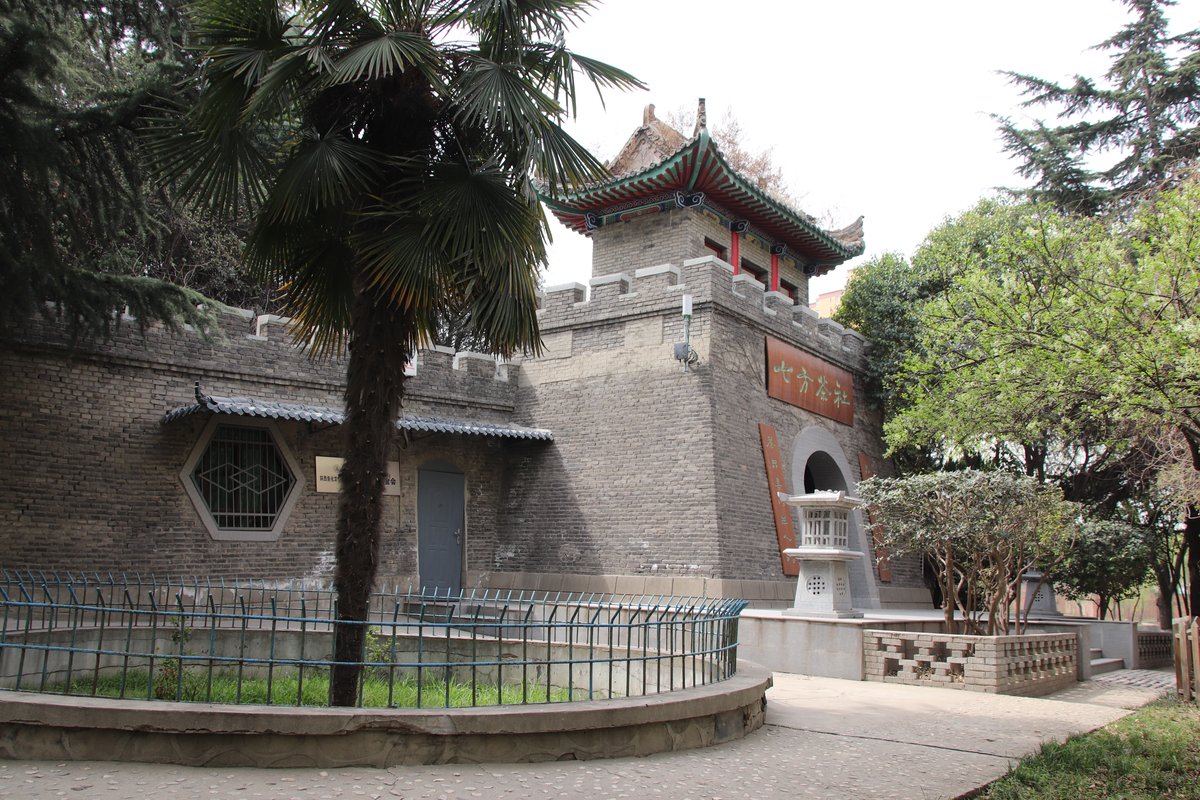
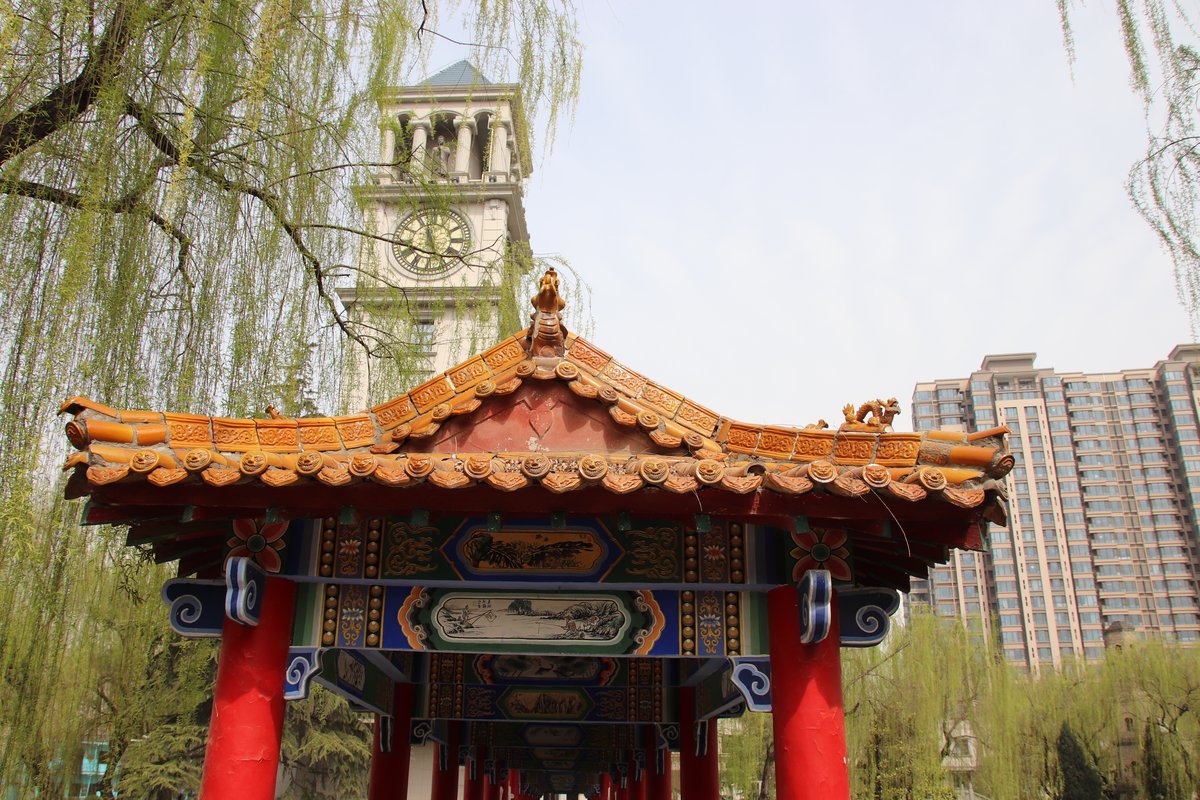
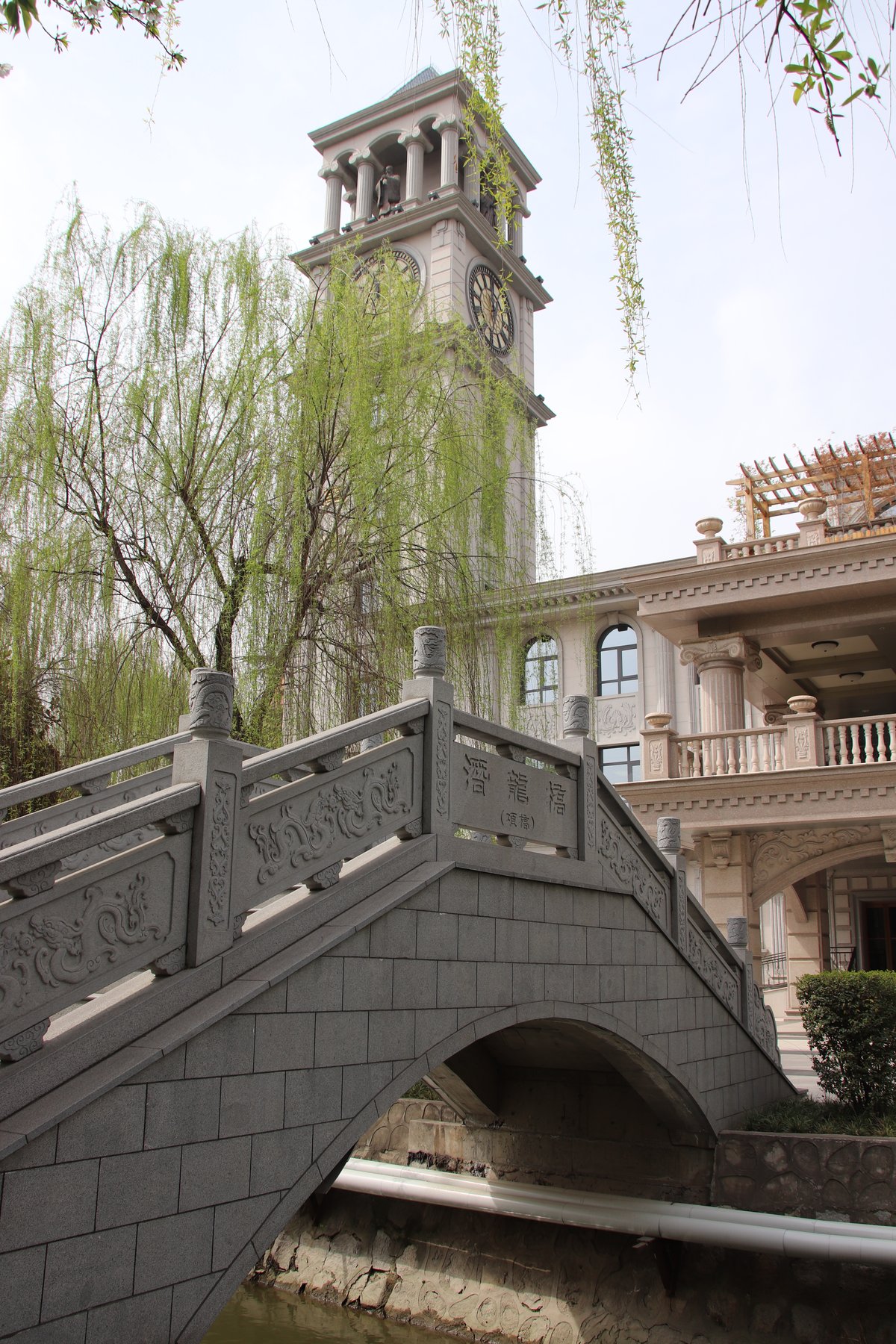
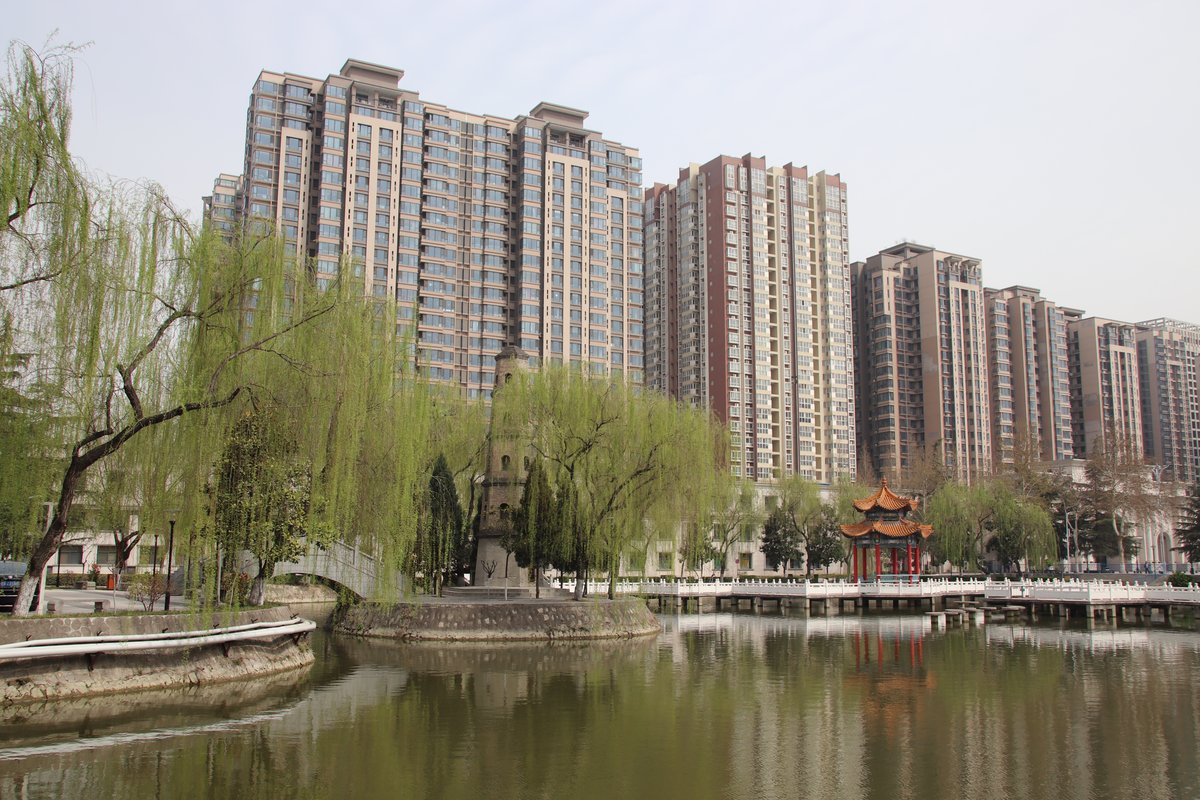
XAIU provides guided campus tours for prospective students, academic guests, and tourists. These tours are available by appointment and should be booked in advance through the international office. The tours offer insights into academic programs, campus architecture, student life, and cultural activities. Group visits or special arrangements require prior coordination (XAIU Official).
Getting There and Transportation
By Air
The nearest airport is Xi’an Xianyang International Airport, located about 40 kilometers from the city center. The airport is well-connected to domestic and international destinations. To reach XAIU, visitors can use taxis, airport shuttles, or the metro, with a typical taxi ride taking 45–60 minutes depending on traffic (Trip.com).
By Train
Xi’an serves as a major rail hub with high-speed connections to cities such as Beijing, Shanghai, and Chengdu. From Xi’an Railway Station or Xi’an North Railway Station, the university can be reached by taxi or via the metro system.
By Metro and Bus
Xi’an’s metro features English signage and convenient routes to the university. Several public bus lines also serve the campus area. For real-time schedules and routes, consult local transit apps or Travel China Guide.
Campus Facilities and Visitor Access
Entry and Security
All visitors are required to check in at the main gate with valid identification. Access to certain facilities, such as academic buildings and dormitories, may be limited to authorized personnel or arranged groups.
Facilities
- Academic Buildings State-of-the-art classrooms, lecture halls, and language labs.
- Libraries Open to visitors for on-site reading and research.
- Dining Multiple cafeterias and cafes serving Chinese and international cuisine, including vegetarian options.
- Recreational Areas Sports fields, fitness centers, and lush green spaces, some requiring a guest pass.
- Wi-Fi Complimentary Wi-Fi is available across campus (Travel China Guide).
Practical Visitor Information
Language
English is used in international departments, but Mandarin predominates elsewhere. A translation app or basic Mandarin phrases will be helpful.
Safety
The campus and city are generally safe. Campus security operates 24/7, but visitors are encouraged to watch their belongings, particularly in busy areas.
Toilets
Public toilets are mostly squat-style, with some western-style options in main buildings. Carry personal tissues as they are not always provided.
Accessibility
Most buildings have ramps and elevators. Visitors with specific accessibility needs should inform the university in advance.
Cultural and Academic Highlights
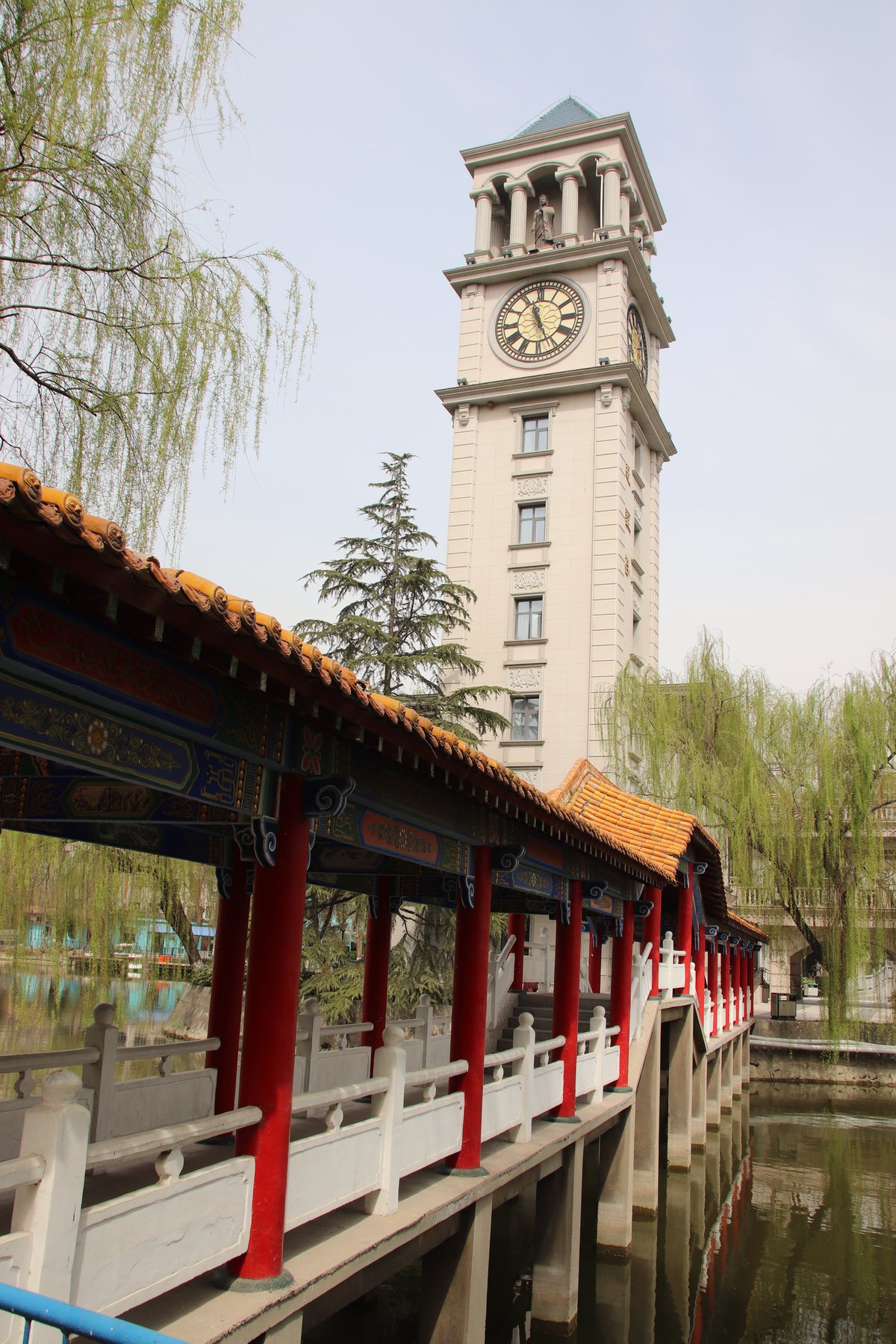
XAIU is known for its commitment to internationalization, creativity, and entrepreneurship. The campus frequently hosts cultural festivals, academic conferences, and student performances. Its innovative educational model has attracted national recognition and international academic interest.
Dining and Accommodation
On-Campus Dining
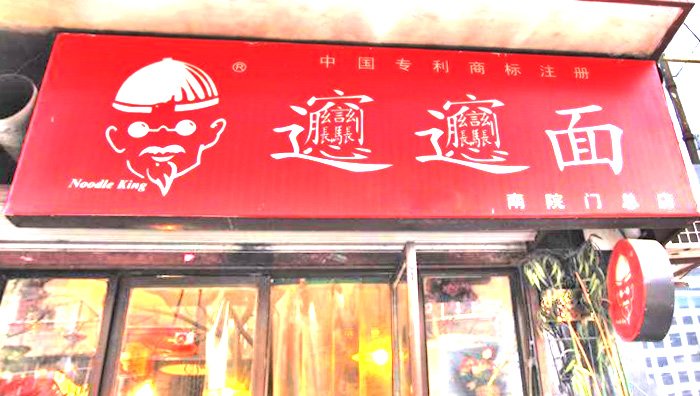
Sample authentic Shaanxi dishes such as biangbiang noodles and roujiamo at campus cafeterias, which cater to various dietary preferences.
Nearby Accommodation
While short-term accommodations are not typically available on campus, a range of hotels and guesthouses can be found nearby. Advance booking is recommended, especially during peak travel seasons (Trip.com).
Health and Emergency Services
Major hospitals such as Shaanxi Provincial People’s Hospital and the Second Affiliated Hospital of Xi’an Jiaotong University are located nearby. For emergencies, dial 110 (police), 120 (ambulance), or 119 (fire).
Connectivity and Communication
Free Wi-Fi is available campus-wide. Local SIM cards can be purchased at the airport or city stores. The nearest post office is the Bell Tower Post Office in downtown Xi’an.
Visa and Entry Requirements
Travelers from 54 countries can benefit from Xi’an’s 144-hour visa-free transit policy. For longer stays or academic visits, the appropriate visa is necessary (China Discovery).
Nearby Historical Sites and Attractions
XAIU’s location offers easy access to many of Xi’an’s top attractions:
- Terracotta Army Approximately 40 km away, reachable by tourist bus or taxi.
- Ancient City Wall Ideal for walking or cycling.
- Muslim Quarter Famous for its vibrant street food and cultural ambiance.
- Giant Wild Goose Pagoda A renowned Buddhist landmark.
- Shaanxi History Museum Exhibiting local artifacts (Ruqin Travel).
Etiquette and Local Customs
Dress modestly and respect campus rules. Smoking is prohibited indoors. Tipping is not customary in China, but small gestures are appreciated for exceptional service.
Frequently Asked Questions (FAQ)
Q: What are the campus visiting hours?
A: 8:00 AM to 6:00 PM daily; some buildings may have restricted access.
Q: Is there an entrance fee?
A: No, visiting the campus is free of charge.
Q: Are guided tours available?
A: Yes, but advance booking with the international office is required.
Q: How do I get to XAIU from the airport?
A: By taxi, airport shuttle, or metro; taxi travel time is 45–60 minutes.
Q: Are accommodations available on campus?
A: Short-term accommodation is not typically available; nearby hotels are recommended.
Quick Summary and Tips
- Plan ahead Check visiting hours and arrange tours in advance.
- Transportation Utilize metro, bus, or taxi for easy access.
- Nearby attractions Combine your campus visit with trips to the Terracotta Army, Ancient City Wall, and Muslim Quarter.
- Dining Enjoy local Shaanxi cuisine on campus or nearby.
- Safety and convenience Campus and city are safe; emergency services are easily accessible.
- Stay informed Use the XAIU website and trusted travel platforms for the latest details.