

Origins and Construction of Epang Palace
Commissioned in 212 BCE by Qin Shi Huang, Epang Palace (also known as E-pang or Afang Palace) was conceived as the administrative and ceremonial heart of the Qin Dynasty (Wikipedia; xianprivatetour.com). Ancient records, such as Sima Qian’s Records of the Grand Historian, describe the project as unparalleled in both scale and ambition. Estimates suggest over 700,000 laborers participated in its construction, underscoring the vast resources marshaled for this monumental undertaking (xianprivatetour.com).
Epang Palace was not merely a residence but a symbol of unified imperial authority, designed to impress and intimidate. Its construction was among the “Four Great Projects of Qin Shi Huang,” alongside the Great Wall, his mausoleum, and the Lingqu Canal (chinatripedia.com).
Architectural Scale and Layout
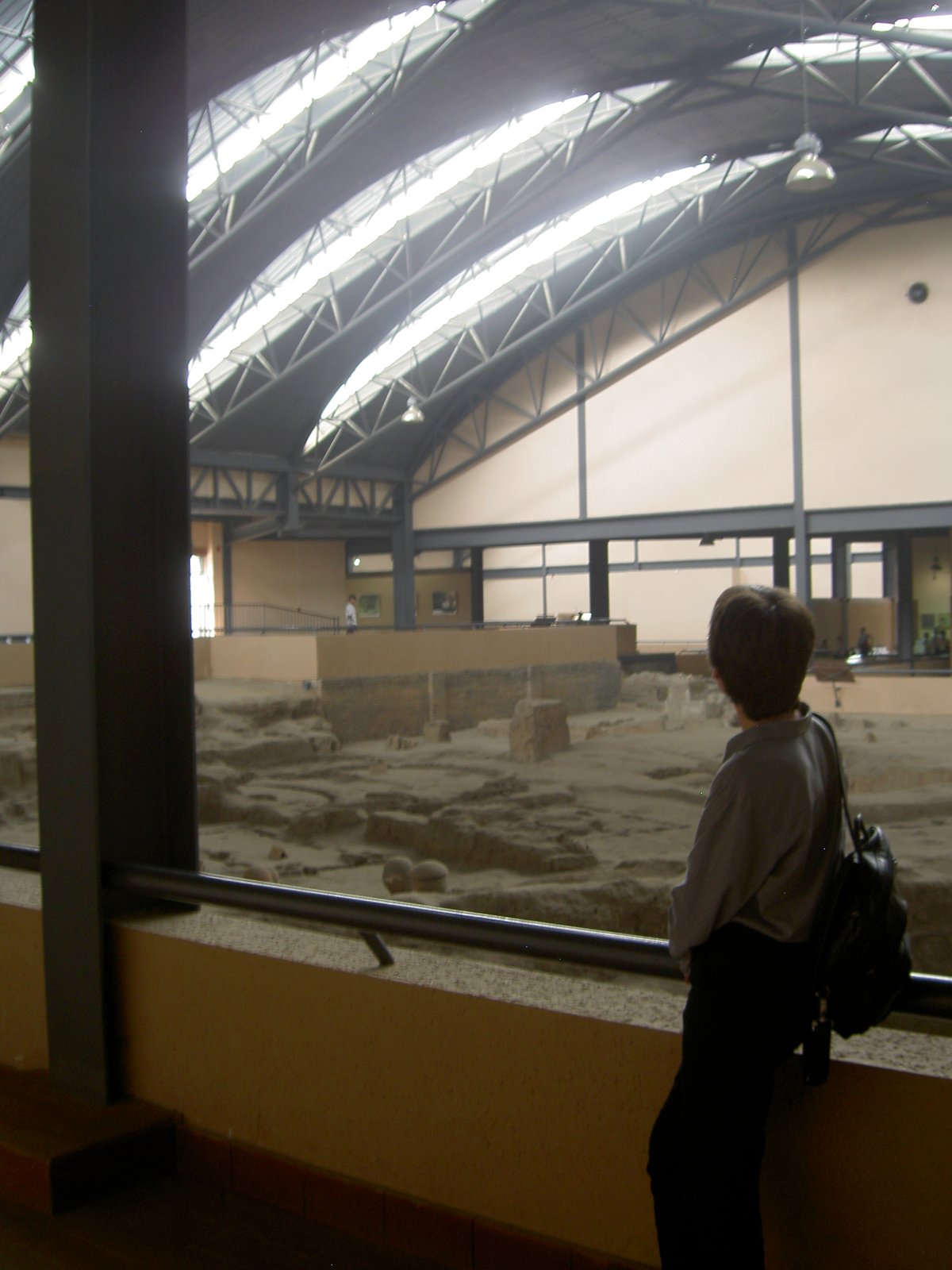
The palace’s scale was extraordinary. The front hall alone stretched approximately 690 meters in length and over 115 meters wide, covering around 80,000 square meters—large enough to accommodate up to 10,000 people (factsanddetails.com). The rammed earth foundation still visible today measures 1,320 meters by 420 meters and rises about 8 meters high, testifying to the project’s ambition (factsanddetails.com).
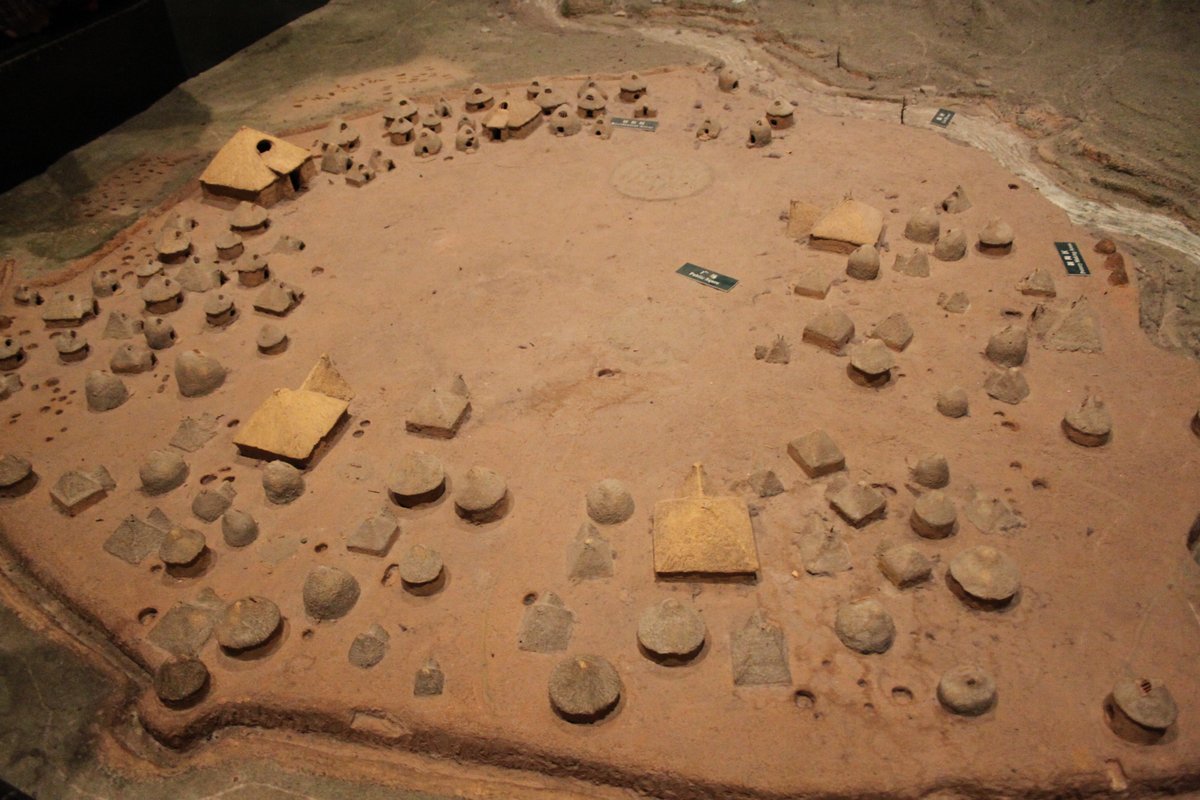
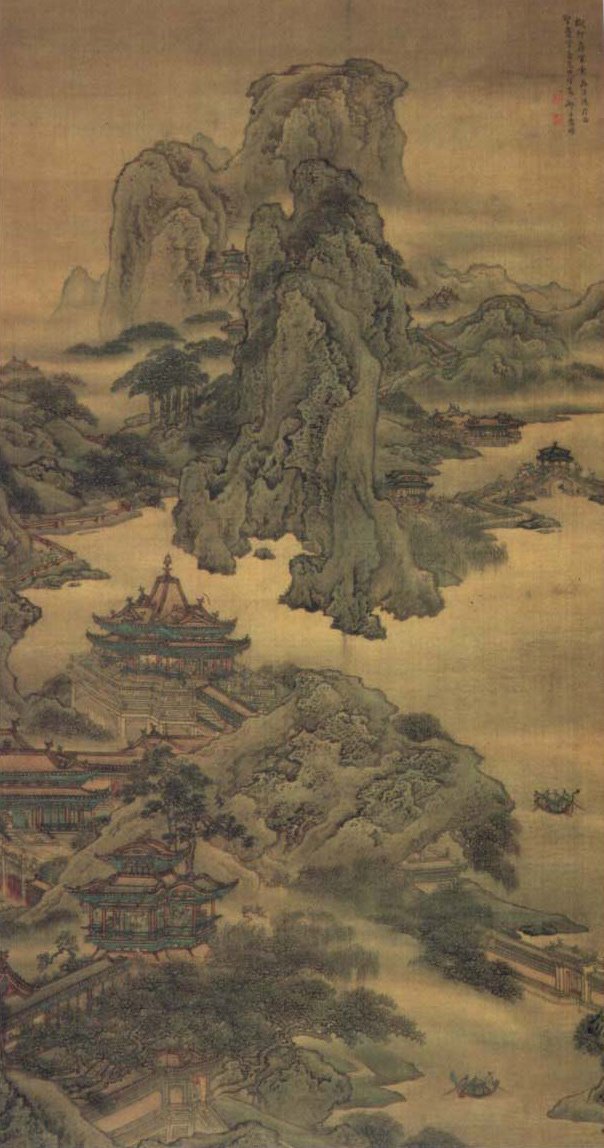
The palace complex was designed to consist of more than 700 interconnected palaces of varying sizes, stretching from Xianyang City in the west to Lintong City in the east. Roads and channels were built to connect the palace with surrounding regions and natural features, further demonstrating the Qin Dynasty’s organizational prowess (xianprivatetour.com).
Historical Events and Incompletion
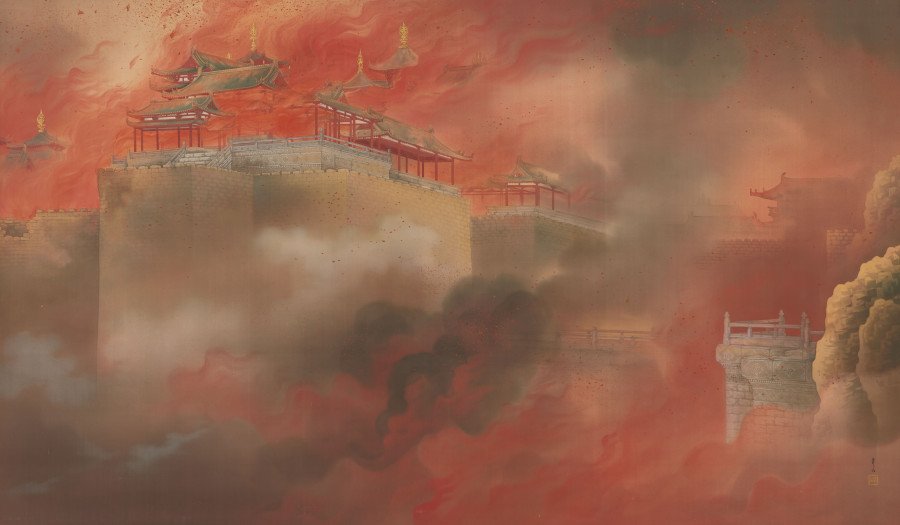
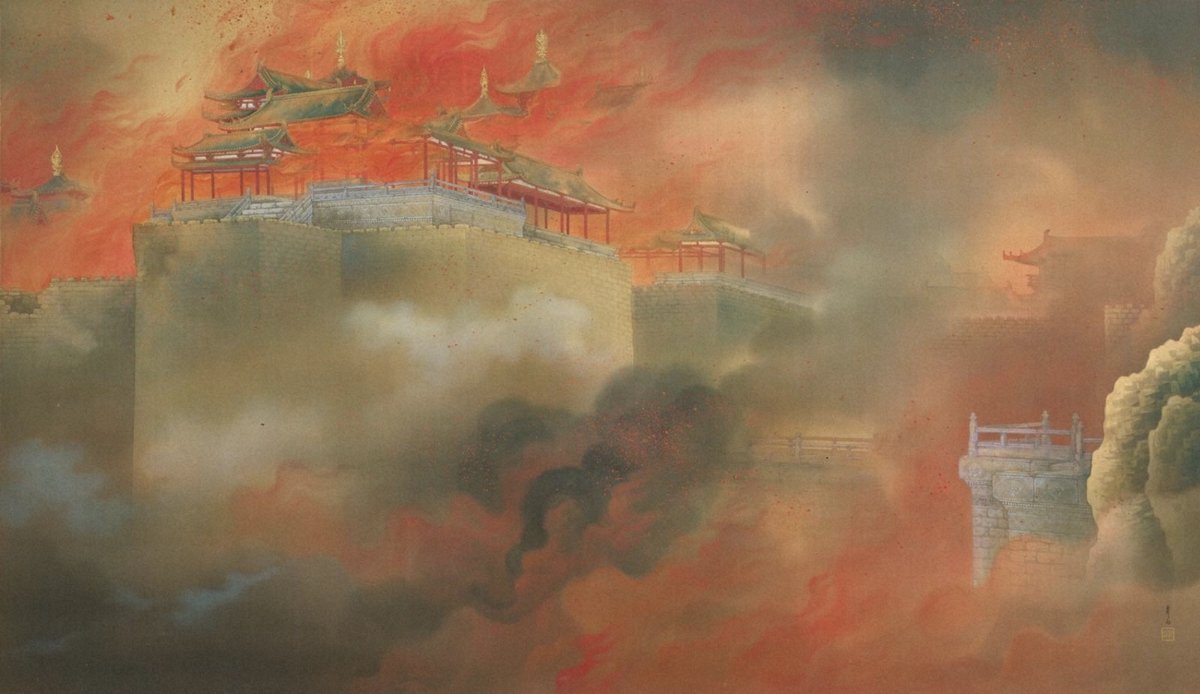
Despite its ambitious design, only the front hall and some foundational structures were completed during the Qin era. The death of Qin Shi Huang in 210 BCE and subsequent political turmoil halted construction. The palace was further devastated during the rebellion led by Xiang Yu, who captured Xianyang and set Epang Palace ablaze—an event that cemented the palace’s place in Chinese cultural memory as a symbol of both imperial glory and excess (Wikipedia; trek.zone).
Archaeological Discoveries and Preservation
The precise location of Epang Palace was identified in the 20th century, with major excavations confirming the vast rammed earth foundations. Archaeological investigations have revealed that only parts of the palace were completed, differing from some ancient literary descriptions (Wikipedia; factsanddetails.com). Since 1961, the site has been protected as a national key cultural relic. In 1994, UNESCO recognized Epang Palace as the world’s largest and most intact ancient palace foundation (xianprivatetour.com).
Cultural Significance and Legacy
Epang Palace stands as a symbol of the Qin Dynasty’s centralized power, architectural innovation, and the emperor’s far-reaching ambition. Its layout and scale influenced later palatial architecture in China, such as the Han Dynasty’s Weiyang Palace and the Tang Dynasty’s Daming Palace (chinatripedia.com).
The site’s cultural impact is reflected in literature, especially in Du Mu’s Tang Dynasty poem “Epang Gong Fu,” which uses the ruins as a metaphor for the fleeting nature of power and the perils of extravagance (xianprivatetour.com).
Modern Developments and Tourism
Extensive restoration and development in recent decades have transformed Epang Palace into a major tourist site. The Epang Palace Archaeological Site Park, opened in 2000, features reconstructed displays, museums, and landscaped gardens. Though only a fraction of the original palace’s scale is visible today, the park provides a comprehensive visitor experience (factsanddetails.com; chinaeducationaltours.com).
Visitor Information: Hours, Tickets & Travel Tips
Visiting Hours
- General Hours 8:00 AM – 6:00 PM daily (last entry at 5:30 PM)
- Note Hours may change seasonally or on public holidays; check the official website for current information.
Ticket Prices
- Standard Adult CNY 60
- Discounts Available for students, seniors, and children
- Special Exhibitions May require additional fees
- Purchase Onsite or online via official platforms and major travel sites (Trip.com)
Accessibility and Getting There
- Location Epang Palace Road, western suburbs of Xi’an, Shaanxi Province, about 15–20 km from city center
- By Taxi 30–40 minutes from downtown, CNY 40–60
- By Public Bus Routes 301, 324, 720 to “Epang Palace Ruins” stop
- By Tour Included in many Xi’an heritage tours (Trip.com)
Facilities and Amenities
- Visitor Center Information, brochures (English/Chinese), and interactive displays
- Restrooms Modern and accessible throughout the park
- Shops & Cafés Souvenirs, books, local crafts, and refreshments available
- Accessibility Main paths are paved and wheelchair-friendly; ramps and handrails in archaeological zones
- Parking Ample spaces for private vehicles and tour buses
Exploring Epang Palace: Site Layout and Navigation
- Ruins of Main Hall Foundations with detailed signage and 3D reconstructions
- Exhibition Hall Artifacts, models, and multimedia on Qin architecture and history
- Niche Flower Sea Seasonal garden, famous for purple leaf plum blossoms in spring
- Walking Trails Shaded paths, benches, and scenic viewpoints
- Audio Guides Available in multiple languages for a small fee
- Guided Tours Daily departures in Chinese and English from the visitor center
Best Times to Visit
- Spring (March–May) & Autumn (September–November) Pleasant weather and vibrant gardens
- Summer Hot, limited shade—bring sun protection and water
- Winter Cold, dress in layers
Visitor Tips and Etiquette
- Wear comfortable shoes; the park is large with varied terrain
- Bring sun protection for summer and dress warmly for winter
- Photography is allowed except where prohibited in exhibits
- Remain on marked paths and avoid touching ruins
- Use basic Mandarin phrases or translation apps for communication
- Carry toilet paper and hand sanitizer, as public restrooms may not provide them (China Highlights)
Guided Tours and Special Experiences
- Guided Tours Mandarin and English tours provide historical context
- Interactive Exhibits Virtual reconstructions and children’s activities
- Seasonal Events Flower festivals, cultural workshops—check the visitor center or official site for schedules
Nearby Attractions and Suggested Itineraries
- Terracotta Army Iconic archaeological site, often paired with Epang Palace (Asia Odyssey Travel)
- Huaqing Palace Known for hot springs and Tang Dynasty history
- Xi’an City Wall Walking and cycling experiences in the city center
- Suggested Itinerary Morning at Epang Palace, lunch in Xi’an, afternoon at Terracotta Warriors or Big Wild Goose Pagoda
Sustainability and Responsible Tourism
- Use recycling bins and avoid littering
- Respect archaeological features by staying on marked paths
- Support local crafts and cultural initiatives
Frequently Asked Questions (FAQ)
Q: What are the Epang Palace visiting hours?
A: Generally 8:00 AM–6:00 PM, with seasonal adjustments. Confirm on the official site.
Q: How much do tickets cost?
A: Standard adult tickets are CNY 60; discounts available for eligible groups.
Q: Are guided tours available in English?
A: Yes, with daily departures from the visitor center.
Q: Is Epang Palace wheelchair accessible?
A: Main paths are paved and accessible; some archaeological areas have ramps.
Q: Can I buy tickets online?
A: Yes, via official platforms or at the entrance.
Q: What are the best months to visit?
A: Spring and autumn for mild weather and fewer crowds.
Summary and Recommendations
Epang Palace stands as a testament to the architectural and political achievements of the Qin Dynasty. Despite its incomplete state, the site continues to inspire awe and curiosity, drawing visitors to learn about the rise and fall of China’s first empire. With well-developed visitor services, convenient transportation, and proximity to other major attractions, Epang Palace is an essential stop for any exploration of Xi’an’s rich historical landscape.