
1. Historical Background
Origins and Construction
Daming Palace was initially conceived as a summer retreat for Emperor Gaozu, founder of the Tang Dynasty. Construction began in 634 AD under Emperor Taizong and was completed a year later, when it was renamed “Daming Palace” (“Great Brightness Palace”). The site spanned over 3.2 square kilometers and featured 11 gates, numerous halls, pavilions, and gardens, all embodying classical Chinese architectural principles (chinatravel.com).
Political and Cultural Significance
Daming Palace served as the main imperial residence and administrative center for most Tang emperors, replacing the older Taiji Palace. It was not only the locus of political power and state ceremonies but also a vibrant hub for cultural exchange, welcoming foreign envoys and artists from across Eurasia. Its position as a terminus of the Silk Road fueled the cosmopolitan spirit that defined the Tang era (davidpublisher.com; chinatripedia.com).
Architectural Features and Layout
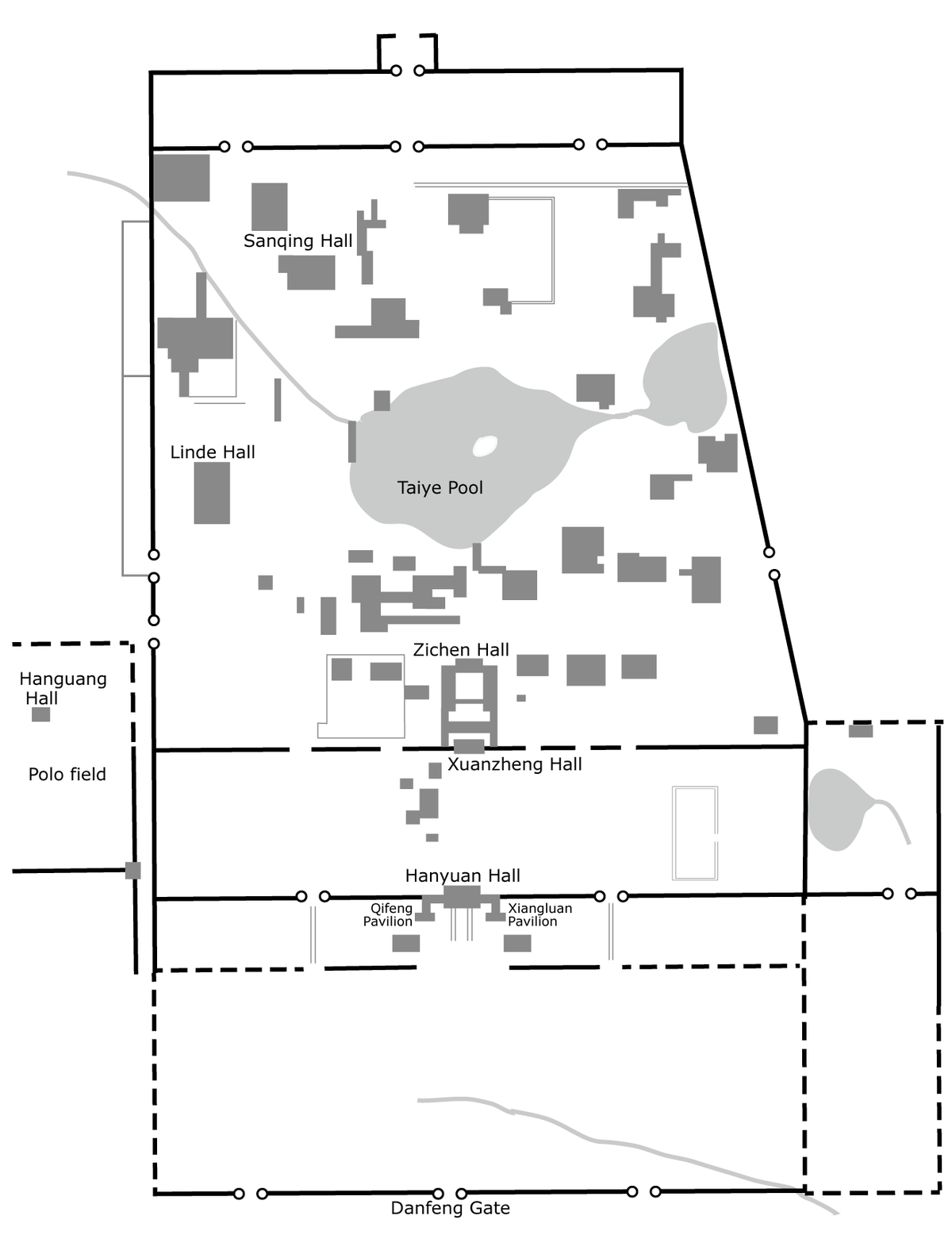
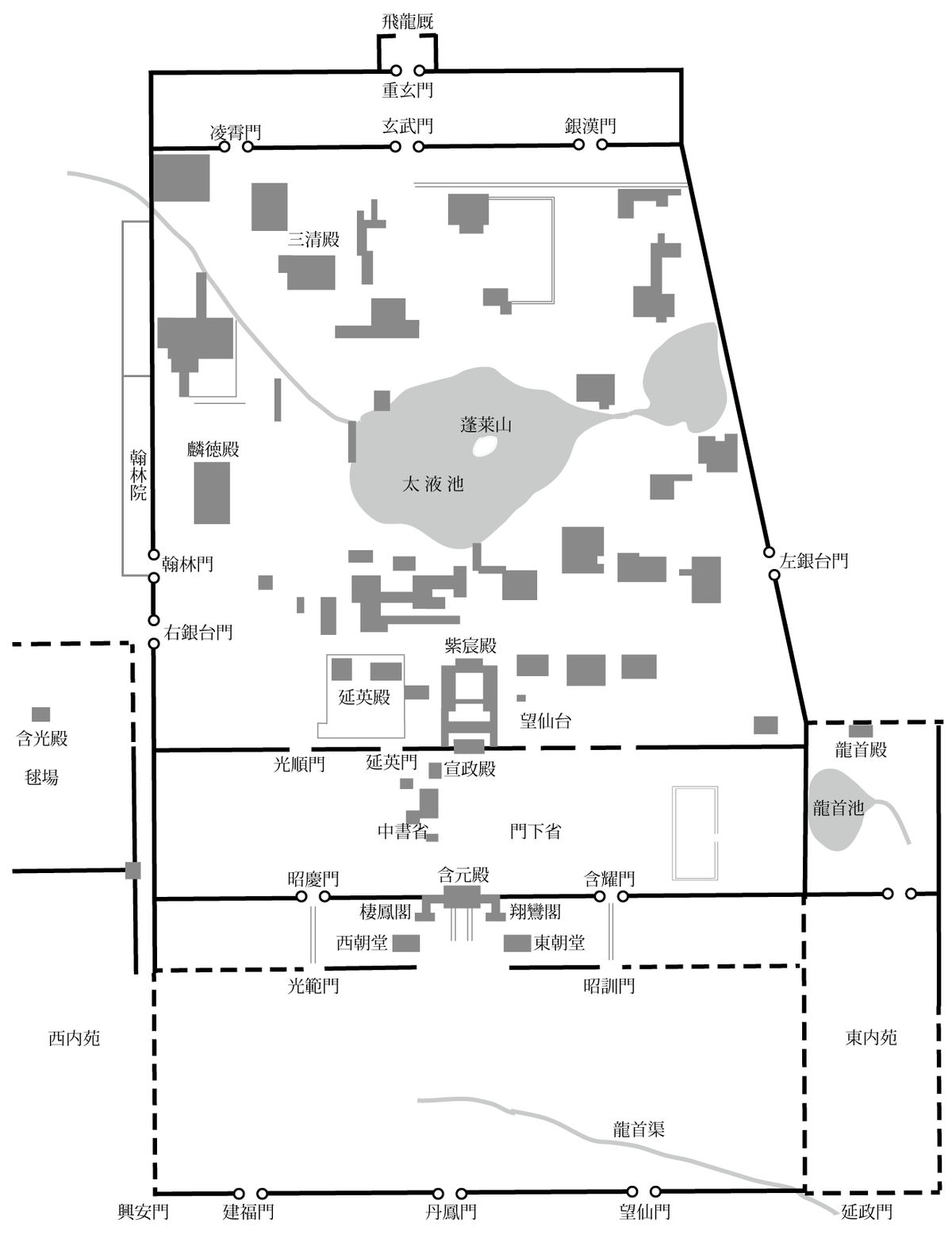
The palace complex was organized along a central north-south axis, with significant structures including:
- Danyang (South) Gate Main ceremonial entrance.
- Hanyuan Hall Grand audience hall, renowned for its elevated platform and imposing scale.
- Xuanzheng Hall and Linde Hall Administrative and ceremonial spaces.
- Taiye Pool and Imperial Gardens Reflecting the integration of nature and architecture.
The design set the standard for later Chinese palaces, influencing structures such as Beijing’s Forbidden City (chinatripedia.com).
Decline and Rediscovery
The palace was severely damaged by fire during the late Tang period amid civil unrest. Over time, its structures fell into ruin, and the site was gradually reclaimed by nature and settlements. Archaeological excavations in the 20th and 21st centuries have revealed the foundations of major halls, city walls, and relics, leading to the creation of Daming Palace National Heritage Park in 2010 (chinadragontours.com).
Legacy and Influence
Daming Palace is celebrated as a pinnacle of Tang Dynasty achievement, shaping later palatial architecture and remaining a potent symbol of Chinese cultural identity. Its legacy endures through literature, art, and ongoing research (Wikipedia; China Highlights).
2. Visiting Daming Palace: Essential Information
Visiting Hours
- March–October 08:30–18:00
- November–February 09:00–18:00
- Last admission is typically 30 minutes before closing. Hours may vary for special events and during holidays. Always check the official park website before visiting (chinadragontours.com).
Ticket Information
- Park Entry Most of the park grounds and reconstructed structures are free to enter.
- Core Zone/Museums (e.g., Hanyuan Hall, Relics Museum) Adult tickets: 60 RMB; children and seniors: discounts available with ID.
- IMAX Theater 60 RMB per ticket.
- Special exhibitions/VR Experiences Additional fees may apply.
- Tickets can be purchased at the South Gate ticket office or online via official platforms (chinadragontours.com; ruqintravel.com).
Accessibility
- The park is wheelchair-friendly, with ramps and accessible restrooms at key locations.
- Shuttle buses, vintage sightseeing trains, and bicycle rentals provide convenient transportation within the expansive grounds.
- Visitor centers offer maps and multilingual information (expatstraveltogether.com).
Guided Tours and Interpretation
- Audio guides in several languages are available for rent.
- Guided tours (group or private) can be arranged in advance or at the visitor center.
- Bilingual interpretive panels enrich the visitor experience at major sites (chinadragontours.com).
Travel Tips
- Best Seasons Spring (March–May) and autumn (September–November) offer mild weather and beautiful scenery.
- Recommended Duration Plan for 2–4 hours; allocate more time for special exhibitions or events.
- Dress Comfortably Wear walking shoes and bring sun protection.
- Photography The park is highly photogenic, especially at sunrise and sunset; tripods are allowed outdoors.
- Language English signage is available, but staff language skills may vary; translation apps recommended.
Onsite Transportation and Facilities
- Main Entrances South (Danfeng Gate), East, and West gates.
- Facilities Restrooms, cafés, souvenir shops, bicycle rentals, IMAX theater, exhibition halls, and children’s play areas.
- Security Standard checks at entrances; lockers are available for valuables.
3. Main Attractions and Activities
- Danfeng Gate (South Gate) Striking reconstructed entrance often used for cultural performances.
- Hanyuan Hall Ruins Explore the heart of the Tang Dynasty palace through restored foundations and immersive exhibits.
- Xuanzheng Hall Administrative center, partially restored for exploration.
- Daming Palace Relics Museum Semi-underground museum with artifacts and multimedia displays (chinadragontours.com).
- Imperial Gardens Landscaped gardens, lakes, and Tang-style pavilions perfect for relaxation and photography.
- Archaeological Discovery Center Hands-on activities and rotating exhibitions.
- IMAX Theater Watch “The Palace of a Thousand Palaces” documentary for an introduction to Tang history.
4. Special Events and Best Times to Visit
- Lantern Festival Lantern displays and performances in early spring (trip.com).
- Spring Flower Festivals Cherry blossoms and peonies.
- Cultural Performances Music, dance, and historical reenactments during Chinese holidays.
5. Nearby Attractions, Accommodation, and Dining
- Xi’an City Wall Well-preserved fortification ideal for cycling and walking tours.
- Big Wild Goose Pagoda Iconic Buddhist landmark.
- Shaanxi History Museum Home to ancient regional artifacts.
- Tang Paradise, Muslim Quarter Additional options for culture and cuisine.
- Hotels Numerous choices within 2–3 km; some offer package deals with park tickets.
- Dining Nearby restaurants serve Shaanxi and international cuisine (ruqintravel.com; trip.com).
6. Frequently Asked Questions (FAQ)
Q: What are the Daming Palace visiting hours?
A: March–October: 08:30–18:00; November–February: 09:00–18:00.
Q: How do I buy tickets?
A: Purchase onsite at the South Gate or online via official platforms and authorized travel agencies.
Q: Are guided tours available?
A: Yes, both audio guides and guided tours (in English and Chinese) are available.
Q: When is the best time to visit?
A: Spring and autumn for mild weather and beautiful gardens.
Q: Is the park accessible?
A: Yes, with wheelchair-friendly paths, shuttle buses, and accessible restrooms.
Q: How long should I plan to spend at the park?
A: 2–4 hours for a comprehensive visit; longer for events or in-depth museum exploration.
7. Visual Gallery
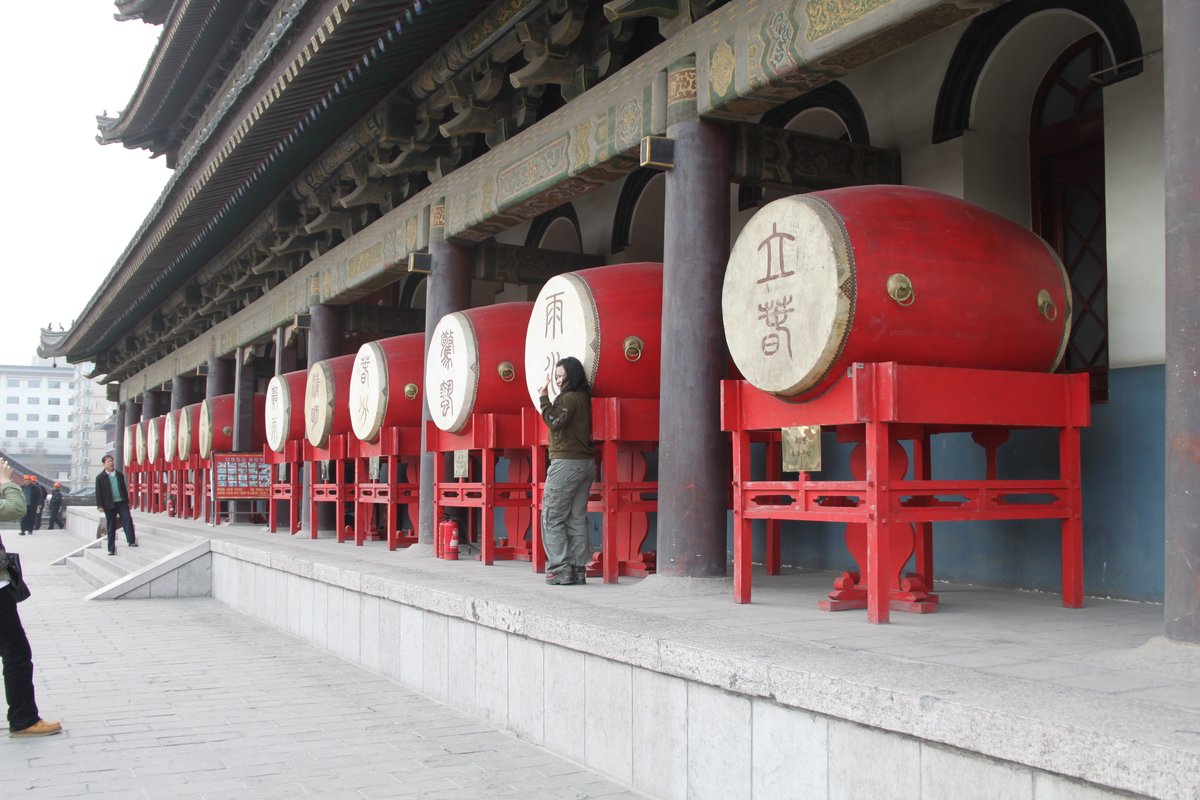
Danyang Gate, the ceremonial main entrance.
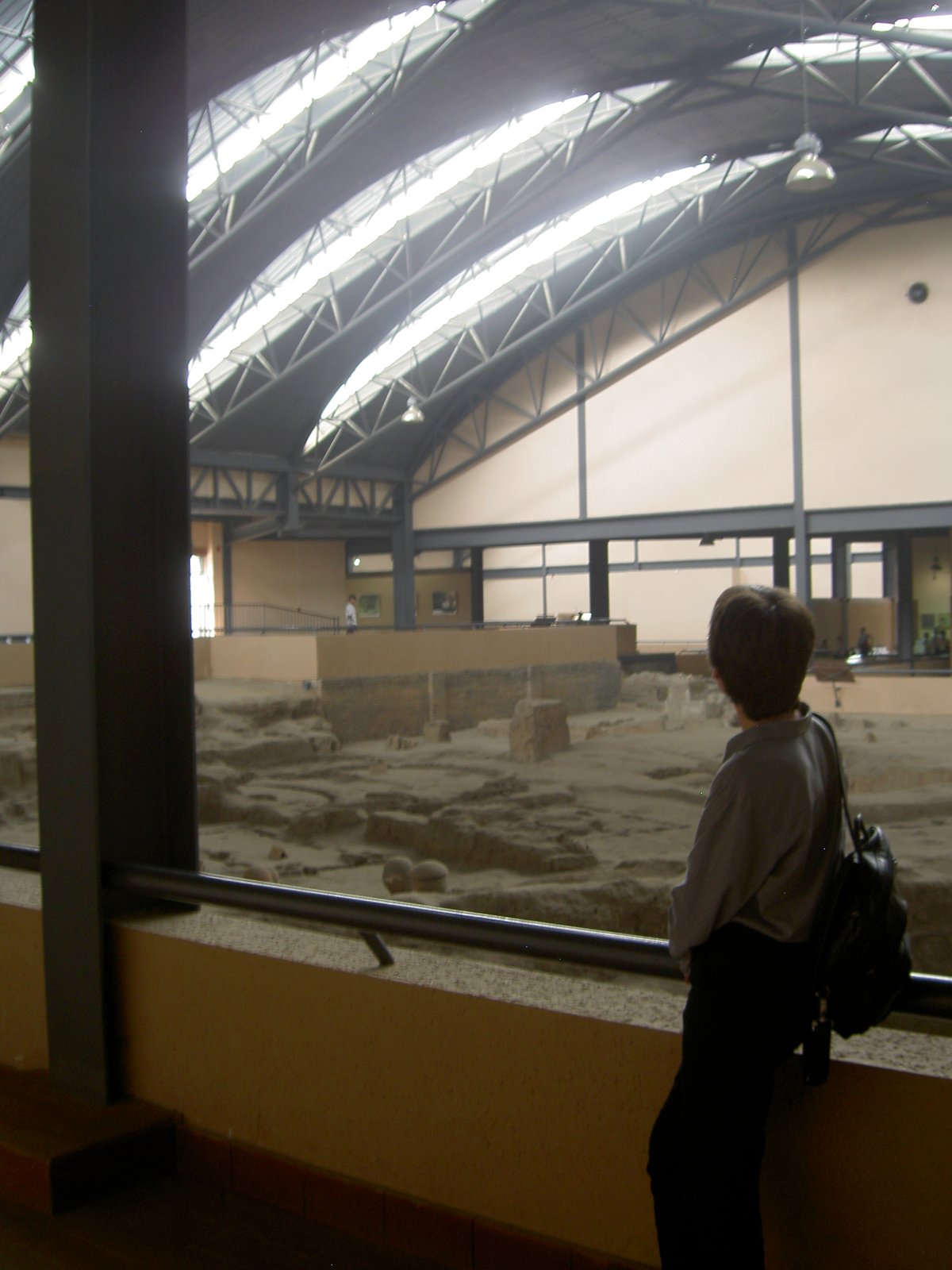
Restored foundation of Hanyuan Hall.
Map of the park's main attractions.
For a virtual tour, visit Daming Palace Virtual Experience.
Discover More
Daming Palace National Heritage Park offers visitors a rare opportunity to experience the grandeur of the Tang Dynasty through impressive ruins, reconstructed halls, immersive exhibitions, and tranquil gardens. Its rich history, cultural significance, and modern visitor amenities make it an essential stop for anyone exploring Xi’an.
For the latest information on visiting hours, ticketing, and upcoming events, check the official park website. Enhance your visit by downloading the Audiala app for audio guides and exclusive content, and connect with us on social media for travel tips and event updates. Embark on your journey today and immerse yourself in the legacy of China’s Tang Dynasty at Daming Palace!