Plan and listen to Chang'An with Audiala.
Audio guide in your pocket, itinerary in your browser. Built for the way you actually visit.
Introduction
Steeped in over three millennia of continuous history, Xi’an—formerly known as Chang’an—stands as one of China’s, and the world’s, most influential ancient capitals. For centuries, it served as the seat of power for thirteen dynasties, including the Zhou, Qin, Han, Sui, and Tang, each leaving an indelible mark on the city’s urban fabric and cultural landscape. As the eastern terminus of the Silk Road, Chang’an was a cosmopolitan metropolis where goods, beliefs, and people converged, shaping the course of Eurasian civilization (Xi'an Deep Tour, Travel China Guide, China Tripedia).
This guide not only traces the historical evolution of Xi’an but also provides essential, up-to-date details on visiting hours, ticketing, accessibility, and travel strategies for exploring its world-renowned attractions—including the Terracotta Army, Ancient City Wall, Big Wild Goose Pagoda, and the vibrant Muslim Quarter. Whether you’re passionate about archaeology, architecture, or culinary traditions, this resource will ensure your journey through Xi’an is both insightful and seamless.
Xi’an’s Historical Evolution: From Ancient Capitals to Modern Metropolis
Early Foundations: Western Zhou to Qin
The roots of Chang’an trace back to the Western Zhou Dynasty (c. 1111–770 BCE), with the capitals Fengjing and Haojing established in the fertile Guanzhong Plain (Xi'an Deep Tour). The region’s strategic location near the Yellow River catalyzed its growth as a political and cultural hub.
The Qin Dynasty (221–206 BCE) elevated the area’s stature further as China unified under Qin Shi Huang. His mausoleum, famously guarded by the Terracotta Army, is a testament to Qin ambitions and artistry (Tourist Places Guide). The Qin capital, Xianyang, set urban planning precedents for future dynasties.
Han Dynasty: Birth of Imperial Chang’an
Under the Han Dynasty (206 BCE–220 CE), Chang’an emerged as an imperial metropolis covering 36 square kilometers—four times the size of Rome at the time (Xi'an Deep Tour). With grand palace complexes, twelve city gates, and a grid layout, Han Chang’an was the launchpad of the Silk Road, attracting envoys, merchants, and scholars from across Eurasia (China Silk Museum).
Sui and Tang Dynasties: The Cosmopolitan Zenith
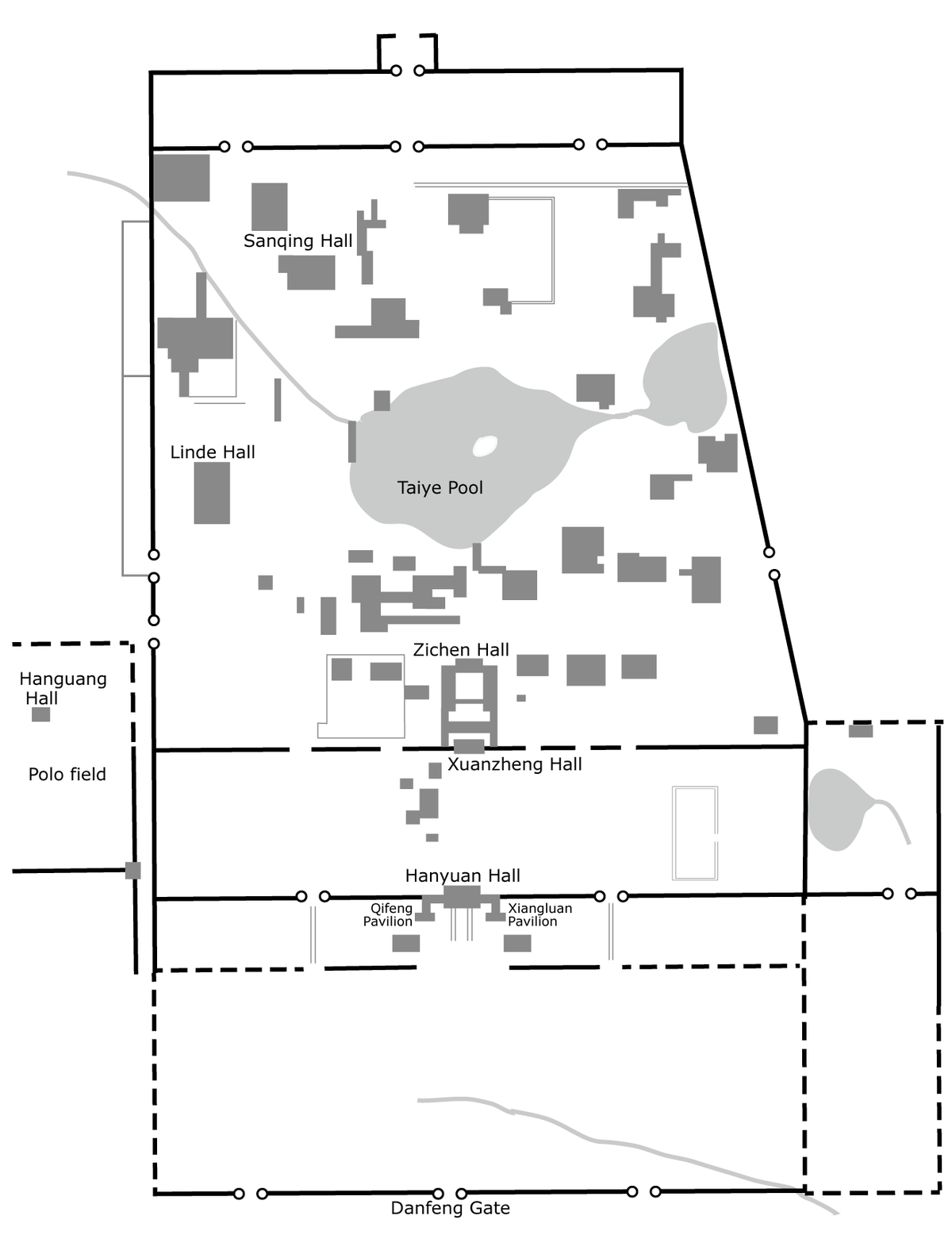
The Sui (581–618 CE) and Tang (618–907 CE) dynasties witnessed Chang’an’s golden era. Planned with wide avenues and distinct wards, Tang Chang’an boasted a population over one million—the world’s largest city at the time (UNESCO Silk Road). Cosmopolitan markets, foreign quarters, and a climate of religious tolerance fostered an unprecedented cultural vibrancy (Human Progress). Landmarks such as the Daming Palace, Great Mosque of Xi’an, and the Big Wild Goose Pagoda underscore the city’s diversity and dynamism.
Post-Tang Transformations and Ming Restoration
After the Tang, Chang’an’s prominence declined as the capital shifted elsewhere. However, the Ming Dynasty (1368–1644 CE) revitalized the city, reconstructing it as Xi’an and erecting the formidable city walls that endure to this day (Tourist Places Guide). These walls, among China’s best-preserved, symbolize Xi’an’s enduring legacy.
Essential Visitor Information
Key Historical Sites: Visiting Hours and Ticket Information
| Site | Visiting Hours | Ticket Price (CNY) | Tips/Notes |
|---|---|---|---|
| Terracotta Army & Mausoleum | 8:30 AM – 5:30 PM (last entry 5:00 PM) | 150–200 | Book online in advance for peak seasons |
| Xi’an City Wall | 8:00 AM – 10:00 PM | 54 (walk), ~90 (bike rental) | Night visit for illumination |
| Big Wild Goose Pagoda | 8:00 AM – 6:30 PM | 50 (pagoda) | Evening music fountain show is free |
| Shaanxi History Museum | 9:00 AM – 5:00 PM (closed Mondays) | Free (reservation) | Book online early; visitor cap enforced |
| Great Mosque of Xi’an | 8:00 AM – 6:00 PM | 50 | Located in the Muslim Quarter |
| Bell & Drum Towers | Bell: 8:00 AM – 10:00 PM (seasonal) | 30 (Bell), 50 (combo) | Night views & musical performances |
| Huaqing Hot Springs | 7:00 AM – 7:00 PM (seasonal) | 120 | Combine with Terracotta Army trip |
| Tang Paradise | 9:00 AM – 9:00 PM | 120 | Evening water & light shows |
(China Discovery, Travel China Guide)
Accessibility and Insider Tips
- Best Seasons: Spring (April–June) and autumn (September–November) offer comfortable weather and lively festivals.
- Accessibility: Major sites—including the Terracotta Army and City Wall—feature ramps, elevators, and shuttle services. Some ancient ruins may have uneven terrain, so check details in advance.
- Guided Tours: Available at most major sites; enhance your understanding and are especially helpful for visitors with mobility needs.
- Nearby Attractions: Consider side trips to Mount Hua, Banpo Museum, and Han Yang Ling Mausoleum.
Getting Around Xi’an
- Public Transport: Extensive bus and metro networks link most attractions.
- Biking: Bike rentals on the City Wall offer a unique panoramic experience.
- Taxis & Metro: Xi’an’s metro has English signage; taxis are affordable—carry your destination written in Chinese.
Photography and Media
- Photography: Permitted at most sites, but drones/tripods may require permission.
- Digital Tools: Download the Audiala app for interactive maps, offline guides, and ticket booking.
- Visual Media: Enhance your trip with virtual tours and high-quality images of Terracotta Army, City Wall, and Muslim Quarter.
Cultural Highlights: Arts, Festivals, and Food
Arts, Literature, and Performing Traditions
During the Tang Dynasty, Xi’an was a beacon of poetry, art, and scholarship. The Giant Wild Goose Pagoda, built to house Buddhist scriptures by Xuanzang, highlights the city’s religious and cultural exchange (Travel China Guide). Tang Dynasty Music and Dance Shows, shadow puppetry, and Qinqiang opera are still performed, reflecting centuries of artistic heritage (Roaming China).
Festivals and Living Traditions
Xi’an hosts temple fairs and folk performances, especially during spring and autumn. Early mornings in city parks reveal locals practicing tai chi and calligraphy, while crafts like clay sculpture and lantern-making thrive.
Culinary Heritage
Xi’an’s cuisine fuses Silk Road influences: try biangbiang noodles, yangrou paomo (mutton soup with flatbread), roujiamo (Chinese burger), and a myriad of halal snacks in the Muslim Quarter (Afar).
FAQs: Your Xi’an Travel Questions Answered
Q1: What are the Terracotta Army’s opening hours?
A: 8:30 AM–5:30 PM daily; last entry at 5:00 PM.
Q2: How do I buy tickets for major sites?
A: Purchase online or at entrances. Advance booking is highly recommended for the Terracotta Army and Shaanxi History Museum.
Q3: Is Xi’an accessible for visitors with disabilities?
A: Most key sites are wheelchair accessible; check specific amenities in advance.
Q4: When is the best time to visit?
A: Spring and autumn for mild weather and cultural events.
Q5: Are guided tours available?
A: Yes—many in English and other languages, enriching your visit with historical context.
Q6: What should I pack for my trip?
A: Bring essentials like toilet paper, sanitizer, power adapters, and a VPN for internet access.
Listen to the full story in the app
The whole Chang'An,
told well.
Listen to sourced travel stories with local history and practical context — ready offline.

Verified, and shown.
Researched and written by the Audiala editorial team from historical records, architectural archives, and local expertise.
Built from cited sources · see the method · How we make our guides →