Plan and listen to Banpo with Audiala.
Audio guide in your pocket, itinerary in your browser. Built for the way you actually visit.
Introduction to Banpo Historical Site in Xi’an
Nestled in the eastern suburbs of Xi’an, the Banpo Neolithic Village Museum provides an extraordinary gateway into Neolithic China, dating back over 6,000 years (c. 4500–3750 BCE). Recognized as China’s first prehistoric settlement site museum, Banpo stands as a cornerstone for understanding early agricultural society, social organization, and artistic achievements within the Yangshao culture. The museum preserves semi-subterranean dwellings, pottery kilns, burial grounds, and a remarkable array of over 18,000 artifacts, including painted pottery, stone and bone tools, and burial relics. These collectively illuminate the daily lives and spiritual beliefs of one of the Yellow River basin’s earliest farming communities (Banpo Museum Official; World History Encyclopedia).
Visitors can explore the expansive archaeological site and well-curated exhibition halls, taking in interactive displays, multimedia presentations, and hands-on workshops such as pottery-making. The museum’s accessibility, engaging exhibits, and strategic location—just 6 to 8 kilometers from downtown Xi’an—make it a must-see for history enthusiasts, archaeology students, families, and cultural explorers (TravelChinaGuide; Xi’an Private Tour).

Origins and Discovery of Banpo
Banpo (半坡, Bánpō) is a Neolithic archaeological site discovered in 1953 near Xi’an, Shaanxi Province. Dating from roughly 4500 BCE to 3750 BCE, Banpo is a key site of the Yangshao culture. Covering about 50,000 square meters, it offers invaluable insights into early agricultural village life, social organization, and artistic expression (Wikipedia; Britannica).
Visiting Banpo: Hours, Tickets, and Accessibility
Visiting Hours
- March–November: 8:00 AM – 6:00 PM (last entry 5:30 PM)
- December–February: 8:00 AM – 5:30 PM (last entry 5:00 PM)
- Closed Days: Generally open year-round; occasional closures for maintenance or major holidays. Confirm via the official site or Trip.com.
Ticket Prices
- Standard Admission: 35–65 CNY (check latest rates online)
- Discounts: Students (with valid ID), seniors (over 60), children under 1.2 meters, and military personnel may qualify for discounted or free entry.
- Free Admission Days: Occasionally offered on public holidays or cultural heritage days—check official announcements.
- Ticket Purchase: On-site and online via the museum’s official website and major Chinese travel platforms. Booking in advance is recommended during peak seasons.
Accessibility
- Fully wheelchair-accessible, with paved paths, ramps, and accessible restrooms.
- Wheelchairs available for loan at the information desk.
- Guided tours and audio guides in multiple languages available (advance reservation recommended for English tours).
Getting There and Travel Tips
Location
- Address: No. 155 Banpo Road, Dongjiao District, Xi’an, Shaanxi, China
Transport Options
- Metro: Xi’an Metro Line 1 to Banpo Station (Exit A), then a 10-minute walk.
- Bus: Routes 105, 406, 913, and 42 stop at Banpo Museum.
- Taxi/Ride-hailing: About 20–30 minutes from downtown Xi’an, depending on traffic.
Travel Tips
- Wear comfortable walking shoes; the site is large and partially outdoors.
- Bring water and sun protection, especially in summer.
- Consider hiring a guide or joining a tour for a deeper understanding.
- Visit on weekday mornings or midday for fewer crowds.
Highlights of Banpo Archaeological Site
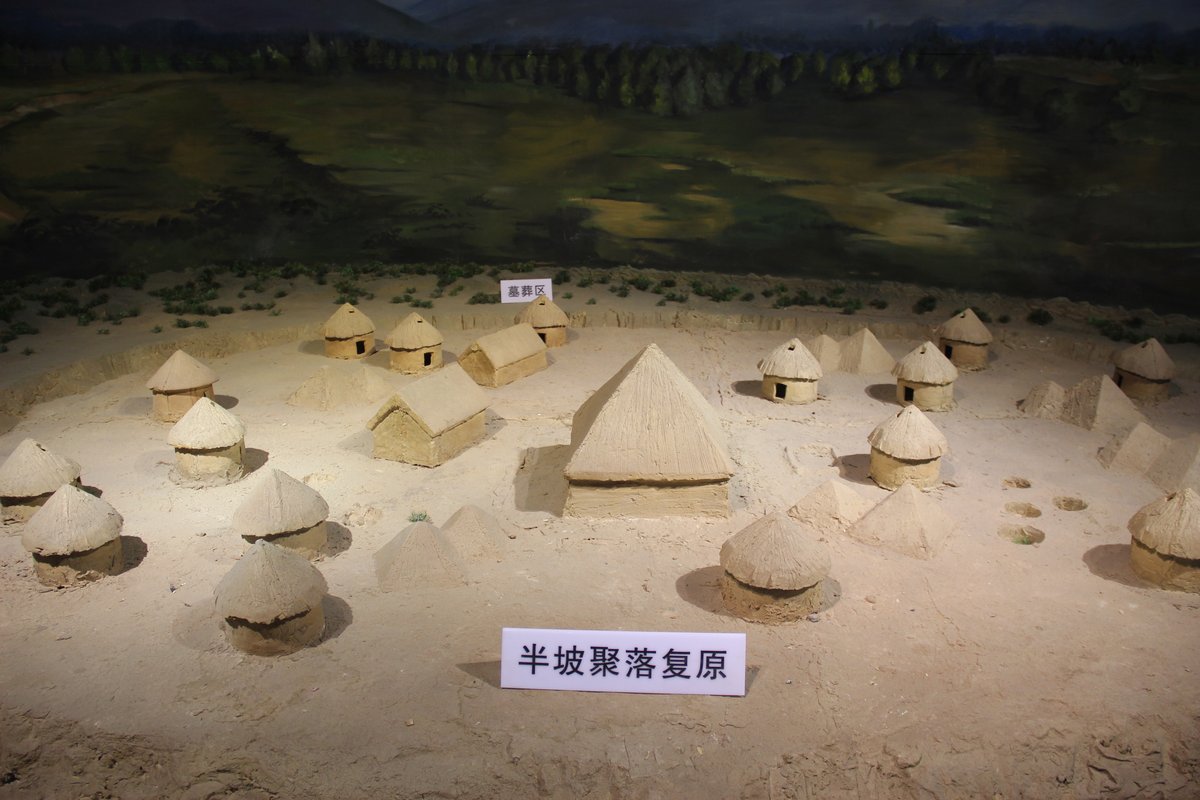
- Settlement Structure: Remnants of 45 houses, communal storage pits, pottery kilns, and a defensive moat.
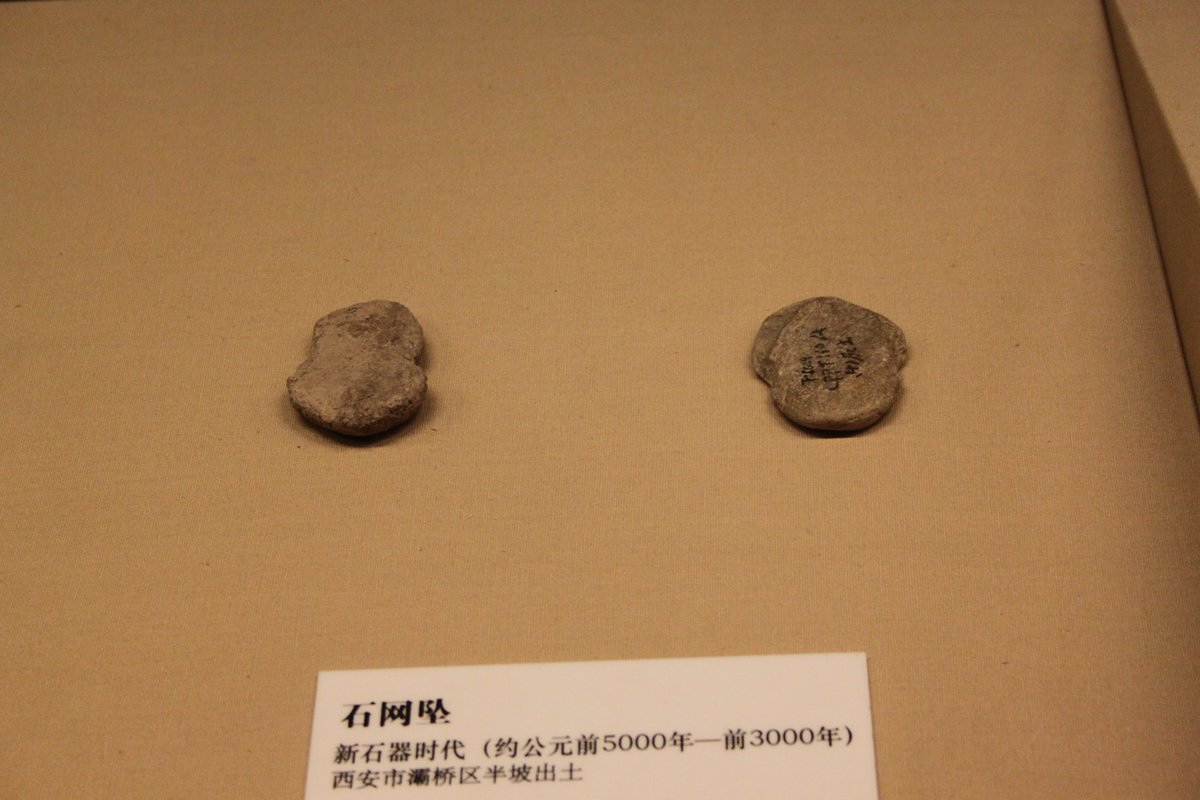
- Material Culture: Finely crafted painted pottery with geometric and symbolic designs; stone and bone tools.
- Burial Grounds: Adult cemeteries and urn burials for children, offering insight into Neolithic spiritual beliefs.
- Artistic Achievements: Notable artifacts include the human face fish-patterned basin, a symbol of good fortune.
Banpo Museum: Layout and Features
Established in 1958, the Banpo Museum is divided into:
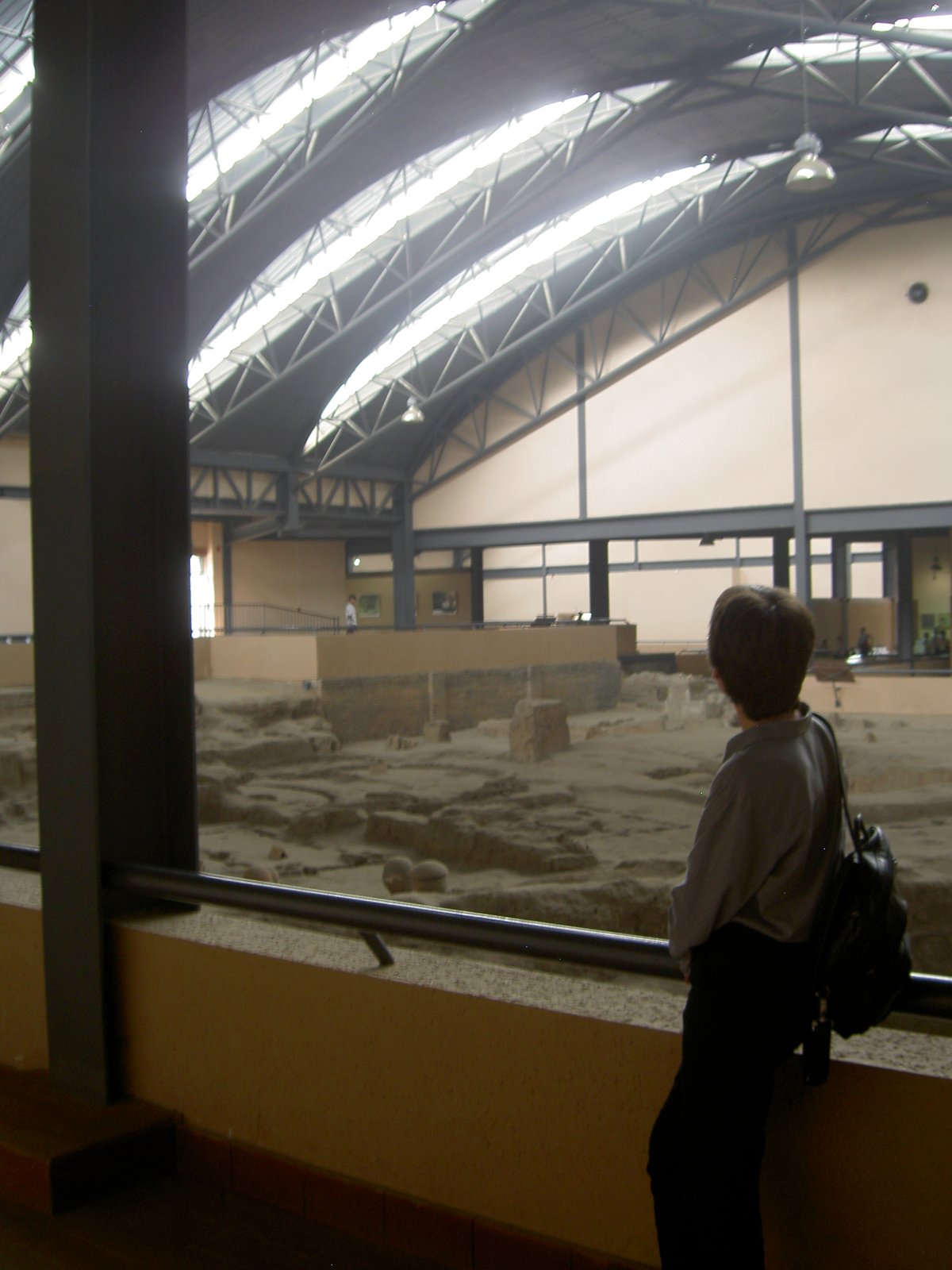
1. Main Site Hall (Ruins Protection Hall)
- Covers 3,000 square meters over the original excavation.
- Showcases semi-subterranean dwellings, pottery kilns, storage pits, and over 200 tombs.
2. Exhibition Halls
- Entrance Hall: Overview of Banpo civilization, with murals and introductory displays.
- Production Tools Exhibit: Stone axes, bone needles, and fishing implements.
- Daily Life and Ceramics Exhibit: Utensils, pottery, and decorative artifacts.
- Temporary Exhibition Rooms: Rotating displays on prehistoric life and art.
3. Supplementary Areas
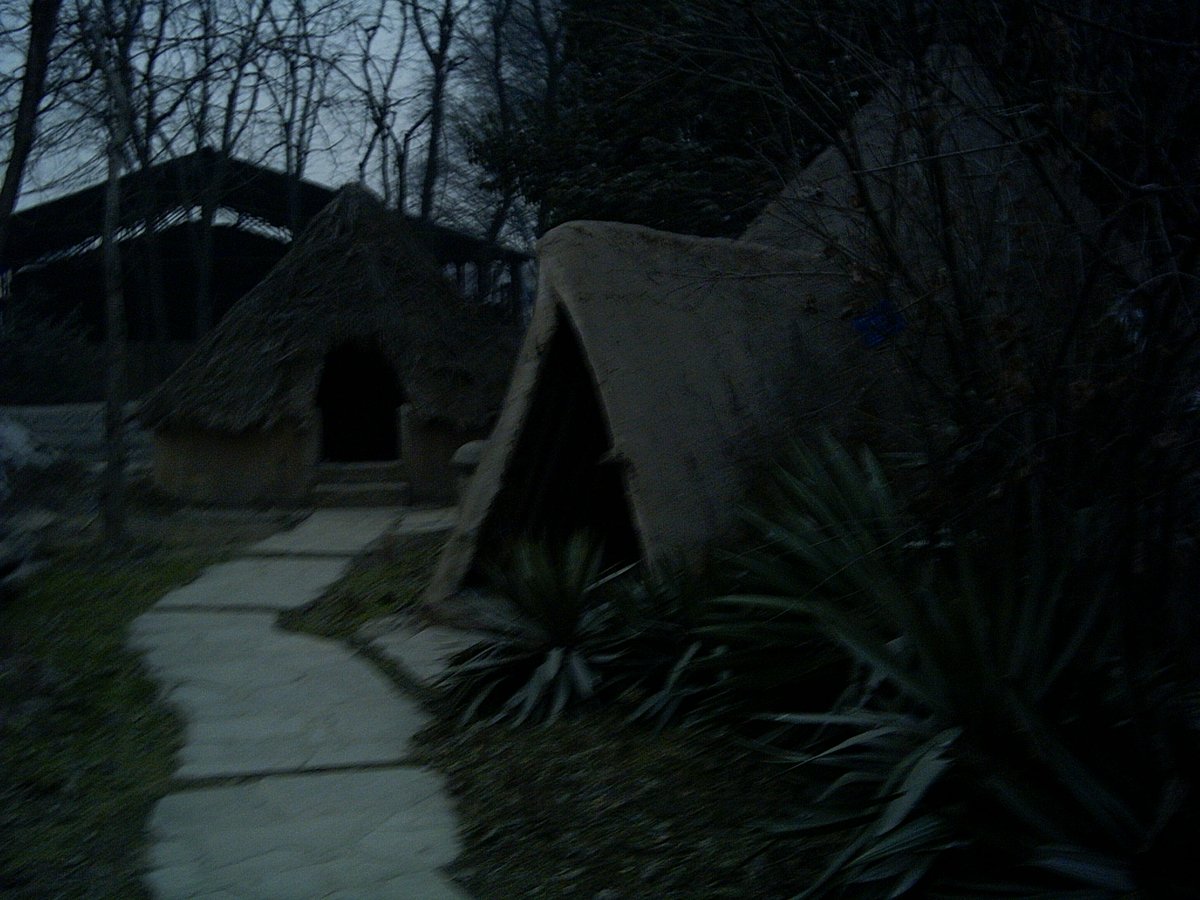
- Village Reconstruction: Outdoor models of Banpo dwellings and workshops.
- Matriarchal Clan Village: Educational space recreating clan society.
Multimedia and Interactive Exhibits
- 3D virtual tours, touchscreen displays, and audio-visual presentations.
- Hands-on activities: Pottery-making and prehistoric fire-drilling workshops—popular with families and school groups (Xi’an Private Tour).
Visitor Experience and Practical Information
Facilities
- Restrooms: Clean and accessible.
- Lockers: Secure storage available.
- Cafeteria & Gift Shop: Light snacks and Banpo-themed souvenirs.
- Dining: Numerous nearby restaurants serving local Shaanxi cuisine.
Visitor Tips
- Photography is allowed (no flash or tripods in some areas).
- Strollers are permitted in most sections but may be restricted in the main site hall during busy periods.
- Bags may be inspected at security.
- Lost and found services at the information desk.
Notable Features
- Entrance marked by a stone sculpture of a Banpo girl and the inscription “半坡遗址” by Guo Moruo.
- Recognized nationally for educational programming and preservation efforts.
Thematic Organization and Cultural Insights
Museum exhibits are organized thematically: “Daily Life,” “Ceramics,” “Bone and Stone Tools,” and “Burial Customs.” These themes offer a comprehensive look at Neolithic innovation, social organization, and artistic expression in the Yellow River basin.
Cultural Significance of Banpo in Neolithic China
Social Structure & Daily Life
Banpo’s village layout, including nearly 100 semi-subterranean houses and communal storage pits, reveals a communal, resource-sharing society (Britannica; World History Encyclopedia).
Gender Roles & Organization
While once thought matriarchal, current research suggests Banpo’s social organization was shaped by kinship, age, and skills (Wikipedia).
Artistry & Pottery
Banpo is renowned for painted pottery with geometric and animal motifs—early evidence of the potter’s wheel in China (TravelChinaGuide; Wikipedia).
Burial Customs
Distinct burial practices—urns for children, cemeteries for adults—reflect complex spiritual beliefs and social customs (TravelChinaGuide).
Contemporary Interpretations and Academic Insights
Banpo is seen as a model Neolithic community, significant for technological innovation and artistic expression. Theories about its abandonment around 3750 BCE include possible environmental factors such as flooding (World History Encyclopedia).
Banpo’s Role in Modern Culture and Tourism
As a core part of Xi’an’s cultural heritage, Banpo attracts tens of thousands of visitors each year and features interactive exhibits, workshops, and educational programming. Banpo’s distinctive pottery motifs influence contemporary Chinese art and design (TravelChinaGuide).
Practical Tips for Visitors
- Language: Most signage is bilingual (Chinese/English); audio guides available.
- Photography: Allowed in most areas, but no flash or tripods; observe restrictions.
- Dress: Comfortable attire and shoes recommended.
- Food/Drink: No eating in exhibition halls; water bottles permitted.
- Children/Families: Interactive exhibits and workshops cater to all ages.
- Safety: Security checks at entrance; lost-and-found available.
Cultural Etiquette and Responsible Tourism
- Do not touch artifacts or cross barriers.
- Maintain a quiet atmosphere, especially in the main site hall.
- Support preservation by purchasing souvenirs or making a donation.
Nearby Attractions and Suggested Itineraries
- Terracotta Army: About 30 km northeast; often paired with Banpo for a full-day archaeology tour.
- Xi’an City Wall: Accessible by metro, showcasing later historical periods.
- Huaqing Palace & Mount Li: For further cultural exploration.
Essential Contacts
- Museum Phone: +86 29 6281 4000 (Trip.com)
- Emergency: Dial 110 (police), 120 (medical).
Sustainability and Visitor Impact
- The museum promotes eco-friendly practices, encourages public transport, and may stagger entry during peak times to preserve the site.
Frequently Asked Questions (FAQs)
Q: What are Banpo Museum’s opening hours?
A: March–November: 8:00 AM – 6:00 PM; December–February: 8:00 AM – 5:30 PM.
Q: How much are Banpo Museum tickets?
A: 35–65 CNY, with discounts for students, seniors, and children.
Q: Is the museum wheelchair accessible?
A: Yes, with ramps, accessible restrooms, and loaner wheelchairs.
Q: Are guided tours available in English?
A: Yes, but advance booking is required.
Q: Can I take photos inside the museum?
A: Photography is allowed in most areas; flash and tripods are restricted.
Q: How long should I plan for my visit?
A: 2–4 hours is recommended for a thorough experience.
Discover More
The Banpo Museum is a vital destination for anyone interested in the origins of Chinese civilization. Its well-preserved ruins, rich artifact collections, and interactive educational programs offer a vivid window into Neolithic life. When visiting Xi’an, don’t miss the chance to explore Banpo alongside other iconic sites like the Terracotta Army and City Wall.
Plan your visit by checking ticket availability and opening hours, and book guided tours in advance for a deeper understanding. For added convenience, download the Audiala app for updated visitor information, self-guided tours, and exclusive content. Follow our social media channels for the latest news and tips on exploring Banpo and other Xi’an attractions!
Listen to the full story in the app
The whole Banpo,
told well.
Listen to sourced travel stories with local history and practical context — ready offline.
Verified, and shown.
Researched and written by the Audiala editorial team from historical records, architectural archives, and local expertise.
Built from cited sources · see the method · How we make our guides →