Place
China Updated Apr 2026
The first thing that hits you in Xi'an is the smell of cumin and lamb smoke drifting from a Muslim Quarter alley at dusk, while 2,200-year-old clay warriors stand in perfect formation just outside the city. This former capital of 13 Chinese dynasties doesn't whisper its history. It serves it for breakfast in a bowl of yang rou pao mo.
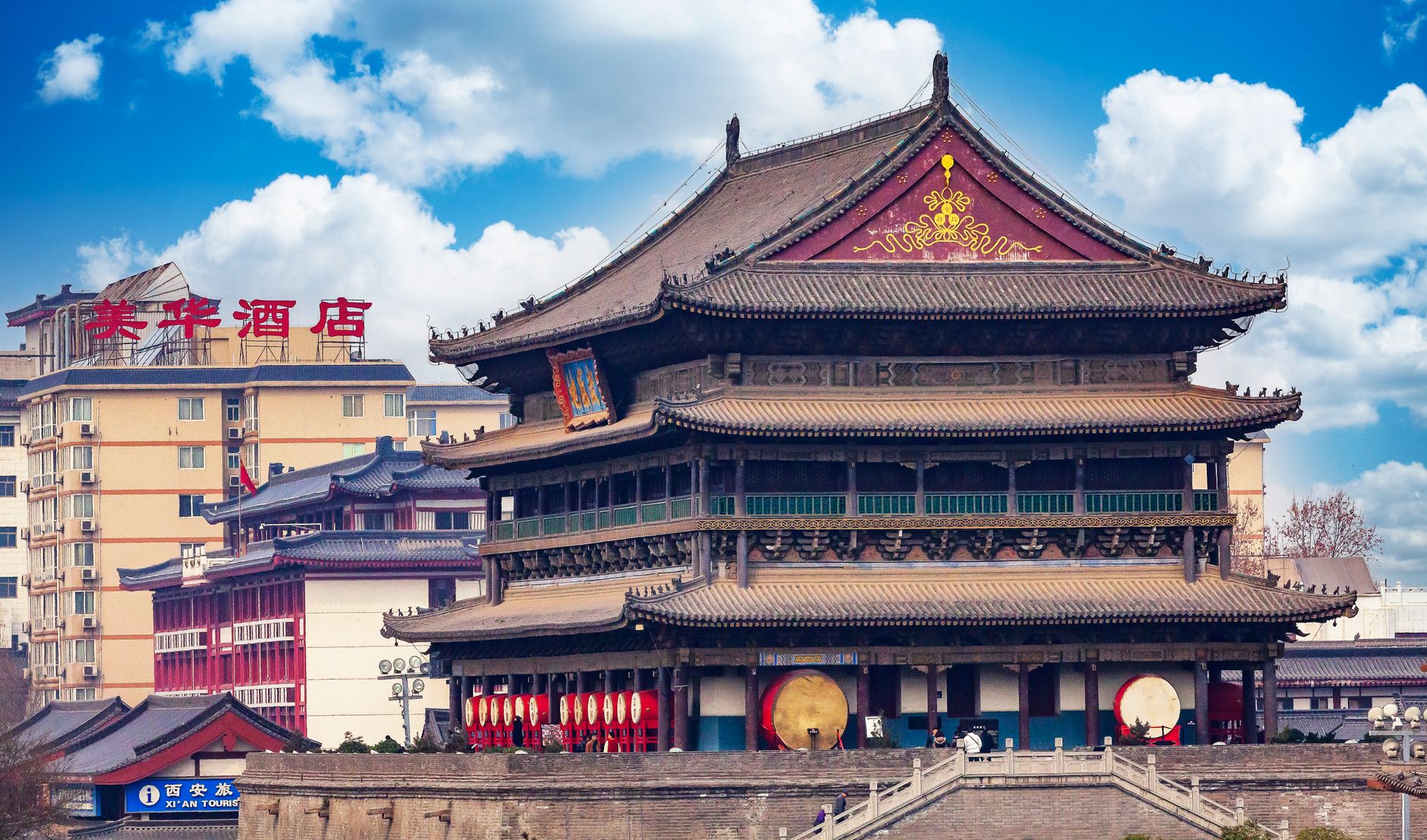 Photo: Robert Stokoe / Pexels
Built from cited sources · see the method · How we make our guides →
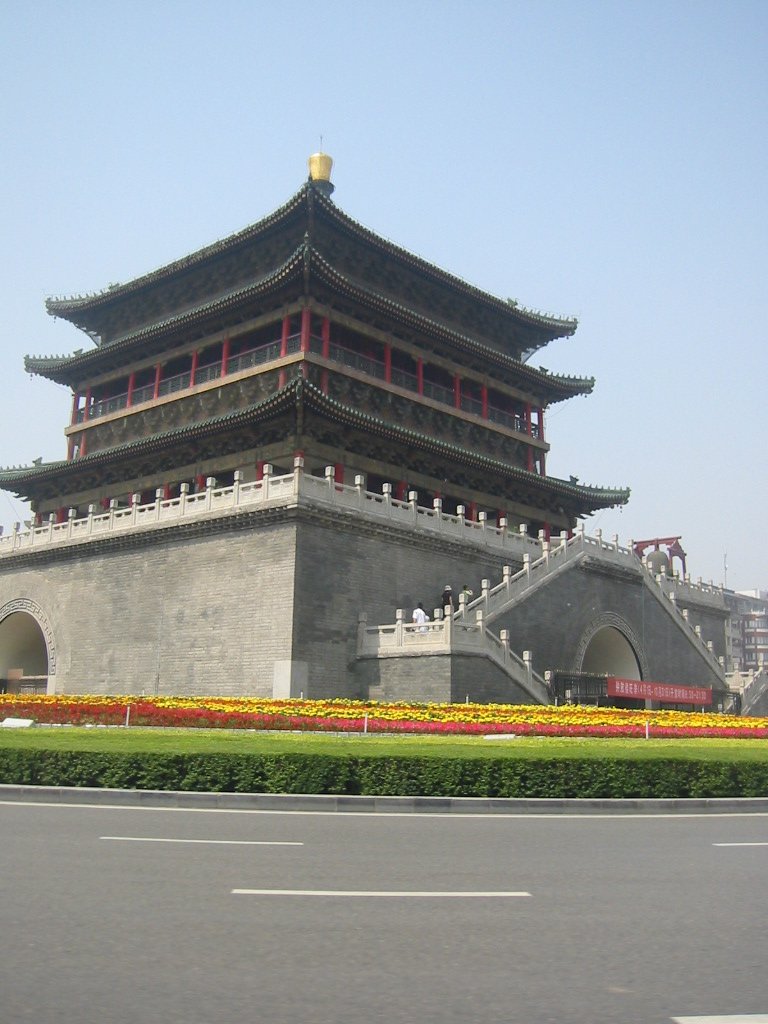
The 14-kilometre Ming city wall still encircles the old town like a stone belt. Rent a bike at any gate and you can ride the entire circuit in about two hours, passing grandmas doing tai chi beneath 600-year-old ramparts. The contrast between that ancient silhouette and the neon signs of late-night barbecue stalls below is pure Xi'an.
Qinqiang opera wails from the Yi Su She Culture Block most evenings, a high-pitched, clapper-driven sound that locals call the soul of Shaanxi. Stand near the outdoor stage long enough and someone will hand you a microphone for the traditional "shout" challenge. Refuse at your peril.
Yet the real surprise isn't the famous sights. It's how the city feels less frantic than Beijing or Shanghai. People here still take afternoon naps, argue loudly over the best rou jia mo, and seem genuinely happy to point you toward the side alleys where the food actually tastes better.
Not every monument, just the ones we'd walk you past ourselves.


Where to wander, by quarter — each with its own rhythm.
Before you go
Curated from places in this city. Same price as official sites.


Prices shown are indicative — final pricing and availability are confirmed at checkout. Audiala may receive a commission from bookings made via these links.
From Neolithic whispers to the Terracotta silence
Deep in the loess hills east of the Wei River, early humans chipped stone tools that still bear the scars of their grip. The finds surprise because they push human presence here back farther than almost anywhere else in northern China. Those same hills would later cradle emperors.
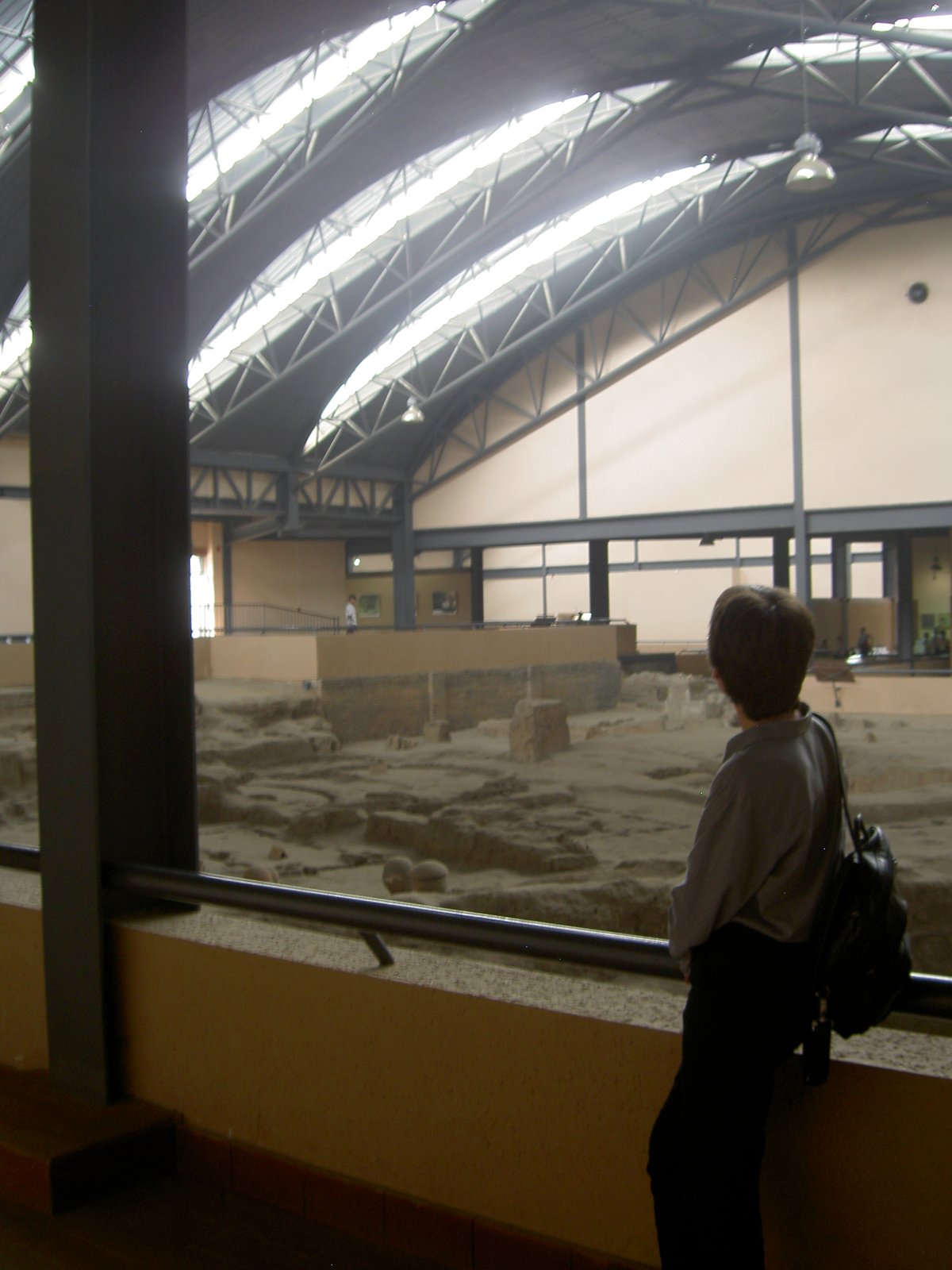
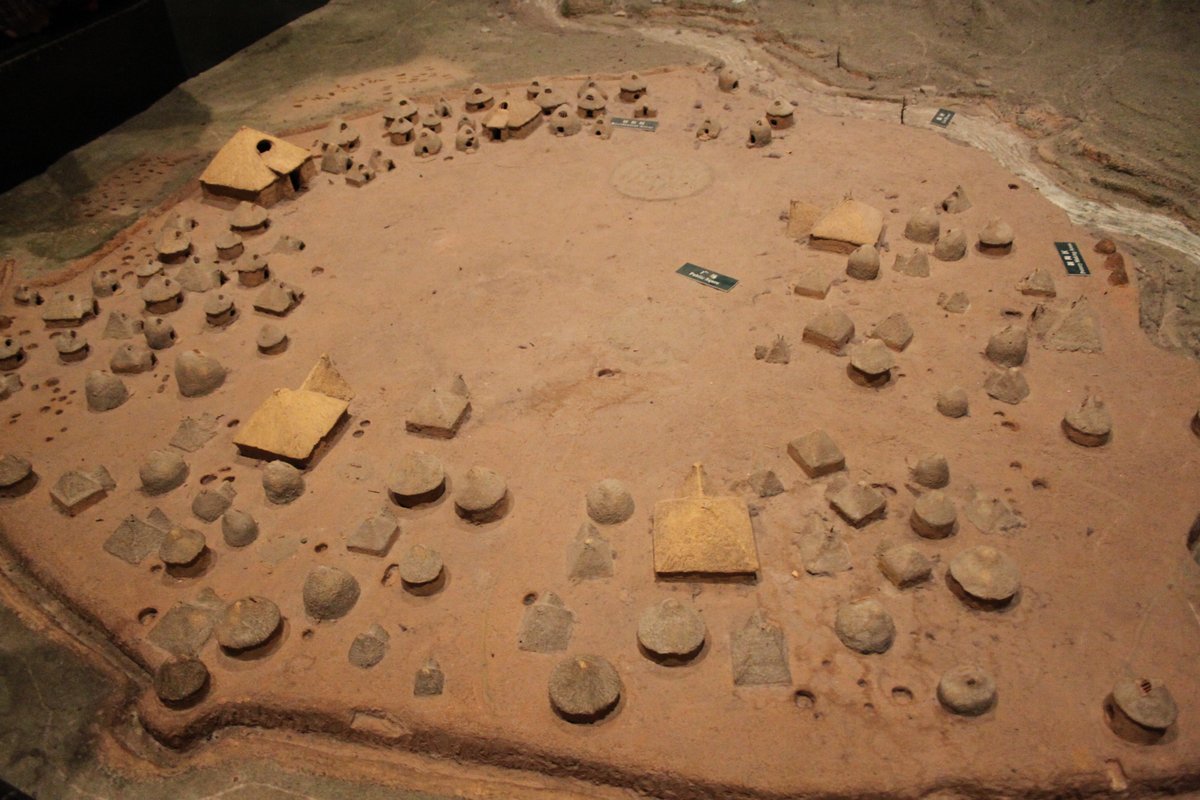
Yangshao farmers built sturdy pit houses and kilns whose red pottery still carries fingerprints. They buried their dead with millet and tools, already hinting at the rituals that would define later Chinese culture. The village lies under modern Xi’an like a quiet heartbeat.
The Zhou established twin capitals of Fengjing and Haojing on the southern bank of the Wei. Bronze vessels cast here still echo with ritual chants. The decision to rule from this river plain set the geographic template every later dynasty would follow.
From his base at Xianyang, just north of the future Xi’an, the First Emperor standardized script, axle widths, and coinage across conquered lands. The weight of his ambition pressed down so hard that his dynasty barely outlived him. Yet the centralised state he invented still shapes China.
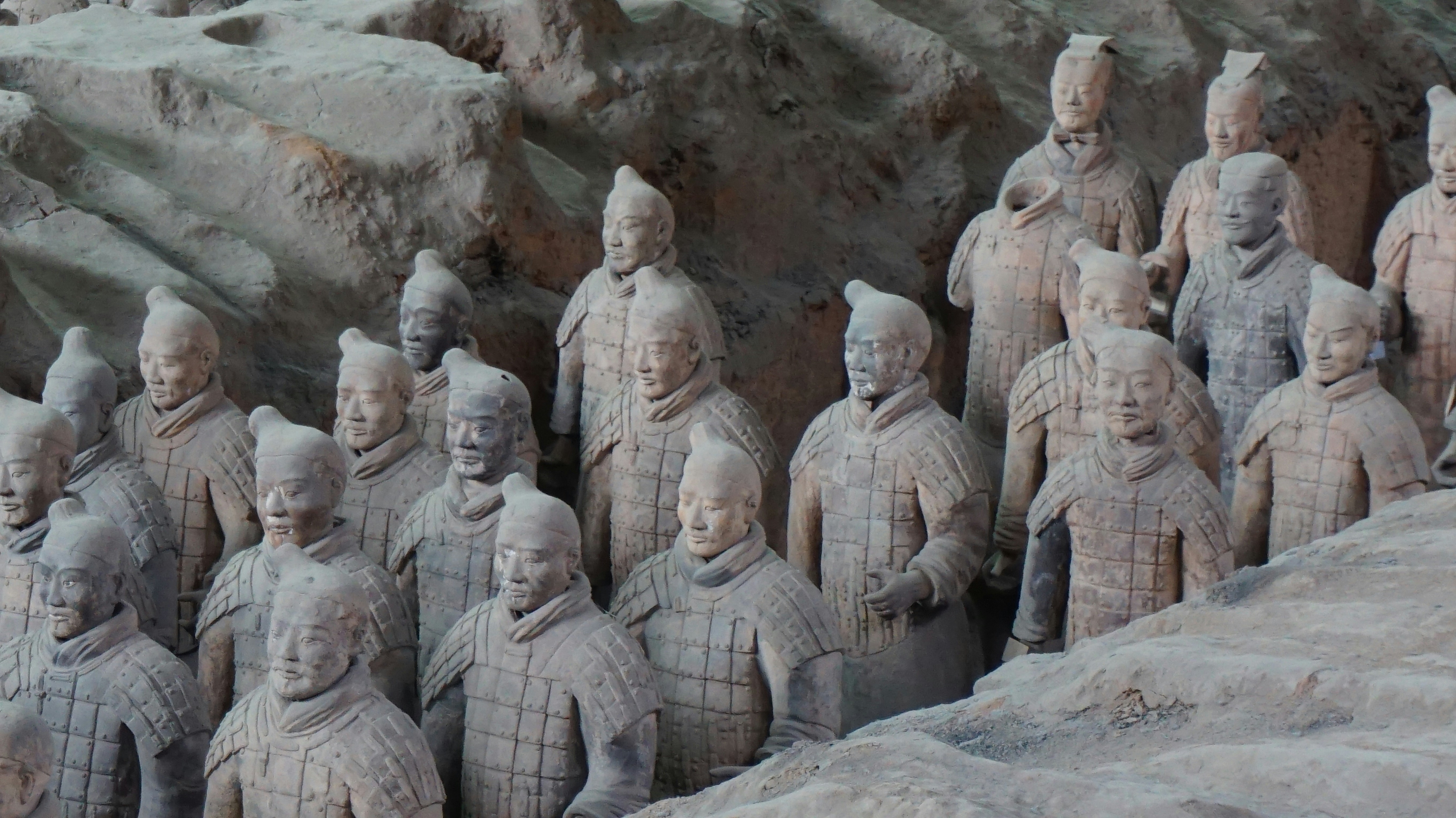
In the mausoleum pit 35 km east, 8,000 life-sized warriors stood at attention, each face modelled on a living soldier. The emperor believed they would guard him through eternity. Their discovery in 1974 would rewrite everything we thought we knew about Qin craftsmanship.
The Han founder laid out a new capital south of the Wei, naming it Chang’an—Everlasting Peace. Its grid plan and twelve gates would become the blueprint for imperial cities for the next two millennia. The smell of fresh rammed earth must have been overwhelming that first spring.
Labourers packed 14 kilometres of earthen ramparts using layered loess. The wall stood 12 metres high, wide enough for two chariots to pass. Every dynasty that followed would rebuild on these same lines, as if the city refused to forget its first shape.
Warlord Dong Zhuo dragged the court to Chang’an then torched Luoyang to deny it to rivals. The smoke hung for weeks. When the fires finally died, the surviving population huddled inside the old Han walls and wondered whether the empire itself had ended.
Li Yuan’s forces entered through the same gates the Han had used. They renamed the city again but kept its streets. Within decades it became the largest, most cosmopolitan settlement on earth, with quarters for Persians, Sogdians, and Turks.
The future empress entered the palace as a low-ranking concubine at fourteen. The city’s poetry salons and Buddhist temples sharpened her mind. She would later rule from these streets as China’s only female emperor, rewriting laws between incense and silk.
Monk Xuanzang needed a safe place for the Sanskrit texts he had carried 16,000 kilometres from India. The emperor ordered a 64-metre tower of grey brick. On clear days its shadow still slices across the southern suburbs exactly as it did then.
Another tower, slightly smaller, went up to house more scriptures. Its thirteen storeys survived an earthquake in 1556 that sheared off the top two levels. The remaining stump still leans a few degrees, as if listening for aftershocks.
Christian monks from Persia raised a black limestone tablet praising a faith that had reached Chang’an along the Silk Road. The inscription mixes Syriac and Chinese. It stood for two centuries before being buried to protect it from persecution.
Warlord Zhu Wen forced the court east and ordered Chang’an dismantled. Soldiers tore down palaces for timber. What had been the world’s greatest city became a quarry. Only the pagodas and a few stubborn walls refused to disappear.
Hongwu’s generals captured the ruined city and promptly renamed it Western Peace. They began building the massive brick wall that still encircles the centre today. The new name stuck; the old Tang glory became memory and tourist slogan.
Labourers laid 14 kilometres of grey brick, 12 metres high and wide enough for five horses abreast. The Ming engineers widened the Han foundations by several metres. Walk it at dusk and the echoes of their hammers still seem to linger in the crenellations.
The deadliest earthquake in recorded history killed 830,000 across the province. In Xi’an the Small Wild Goose Pagoda lost its top storeys in seconds. Survivors spoke of the ground roaring like a thousand oxen before the city folded.
On a cold December night General Zhang Xueliang’s troops seized Chiang Kai-shek at the Huaqing Hot Springs. They forced him to ally with the Communists against Japan. The negotiations that followed happened inside the old city walls and changed the course of the twentieth century.
Troops marched through the North Gate on 20 May. The old Republican banners came down. Within months the city began its slow transformation from imperial relic to industrial centre, though the wall and the pagodas refused to be modernised.
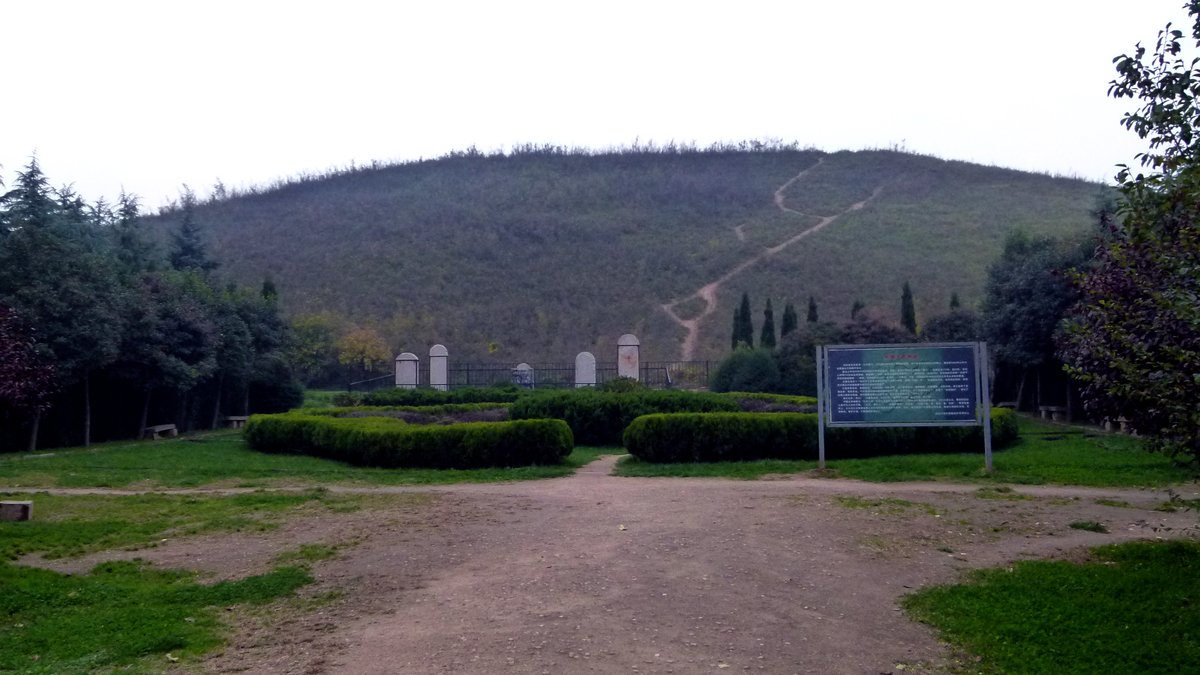
Farmers drilling a well near Lintong struck hard clay at four metres. Archaeologists uncovered the first warrior’s head and then thousands more. The find forced historians to rewrite the scale of Qin ambition. The faces still stare with unnerving individuality.
UNESCO inscribed the Chang’an-Tianshan corridor, recognising Xi’an’s ancient role as the eastern anchor. The city suddenly found itself on every new Belt and Road map. Tourists now arrive by high-speed rail where once caravans left by camel.
First Emperor · 259–210 BC
Built his mausoleum and capital nearby
He spent his final years obsessed with immortality while ordering the construction of what would become the Terracotta Army 35km east of modern Xi'an. The scale still feels like a man trying to bully death itself. Today he would probably be annoyed that we keep digging up his secrets.
Buddhist Monk · 602–664 AD
Lived and studied in Chang'an
After 17 years walking to India and back, Xuanzang returned to Chang'an in 645 with 657 Sanskrit texts. The Giant Wild Goose Pagoda was built specifically to house them. He would recognise the building immediately but might be startled by the light shows now projected onto it every night.
Empress Regnant · 624–705 AD
Ruled from Chang'an
The only woman to rule China in her own name made Chang'an her capital and rewrote court protocol from inside its palaces. Her Tang-era city is gone but the pagodas she would have seen remain. She would likely approve of the continuing fascination with her story in local theater.
Warlord · 1901–2001
Orchestrated the Xi'an Incident here
In December 1936 he kidnapped Chiang Kai-shek in Xi'an to force an alliance against Japan. The house where it happened still stands. He spent the next 50 years under house arrest for that single calculated gamble. Locals still argue whether it was treason or patriotism.
Where locals actually book dinner — not the tourist menus.
Small things that change how the city treats you.
The city, as it actually looks.

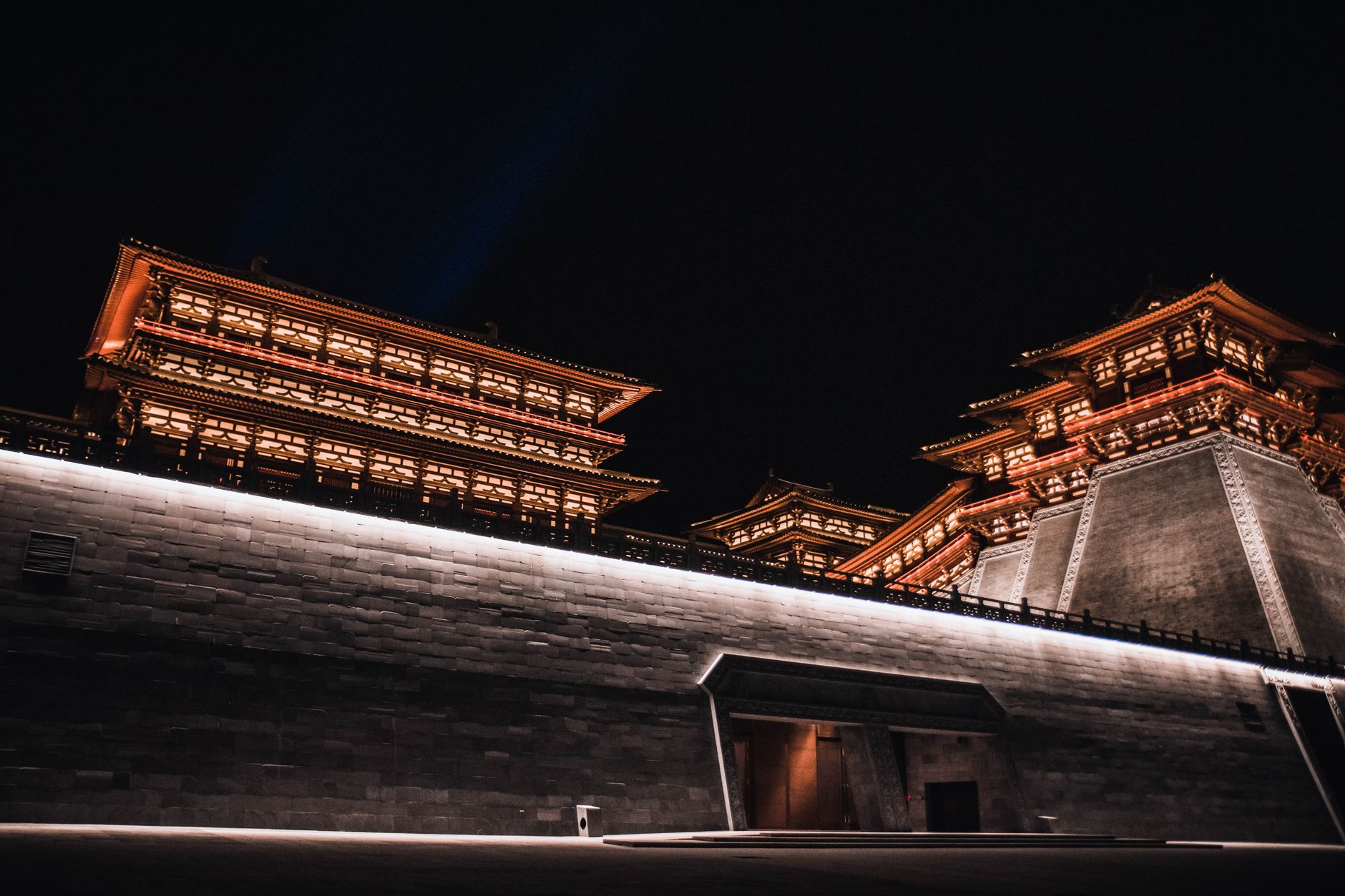

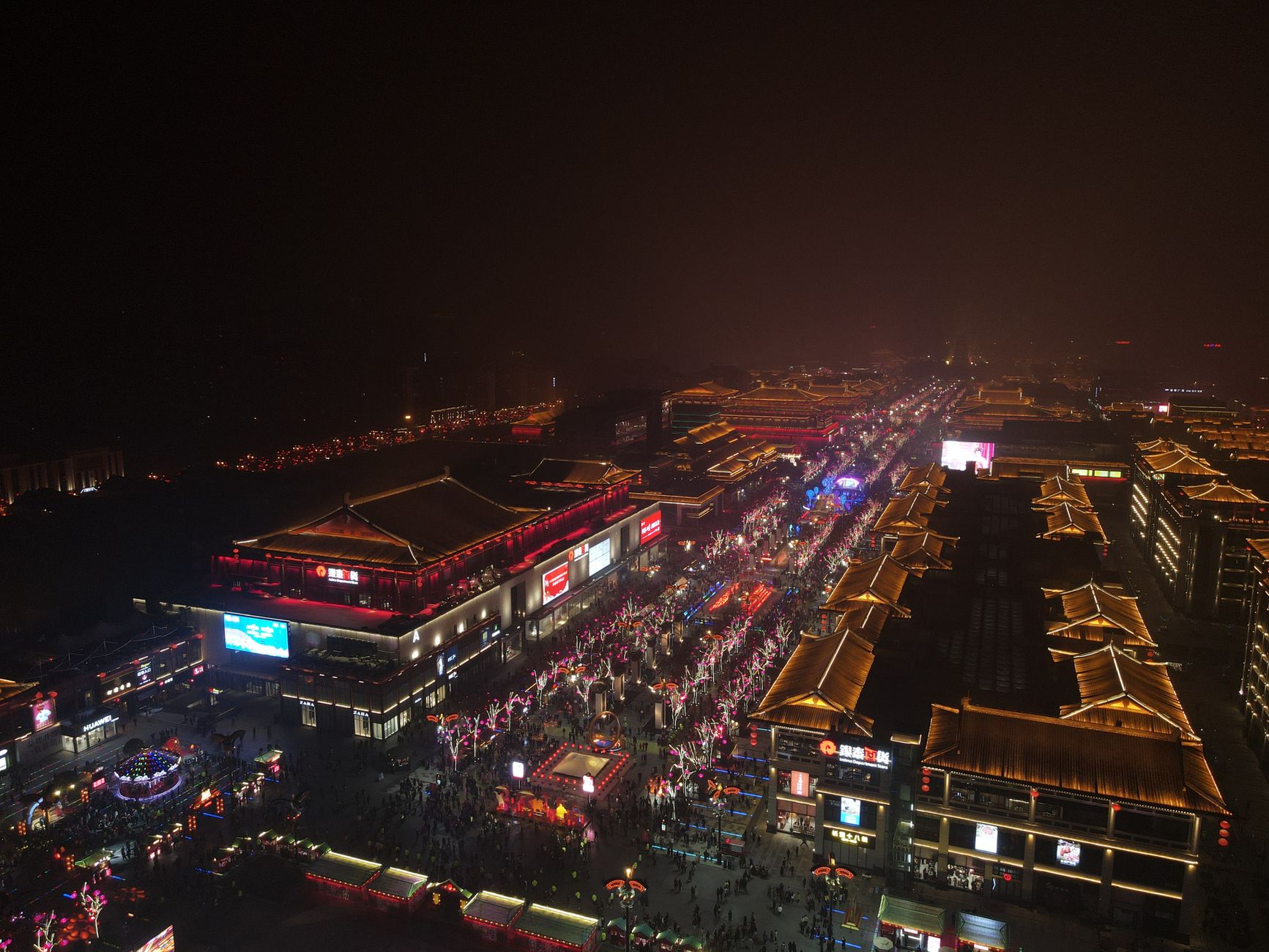


Yes, if you care about the physical remains of China’s imperial past. The Terracotta Army still surprises even after seeing every photograph, and walking the 14km Ming city wall at dusk changes how you see the modern city. Three days is enough to feel the weight of thirteen dynasties without exhaustion.
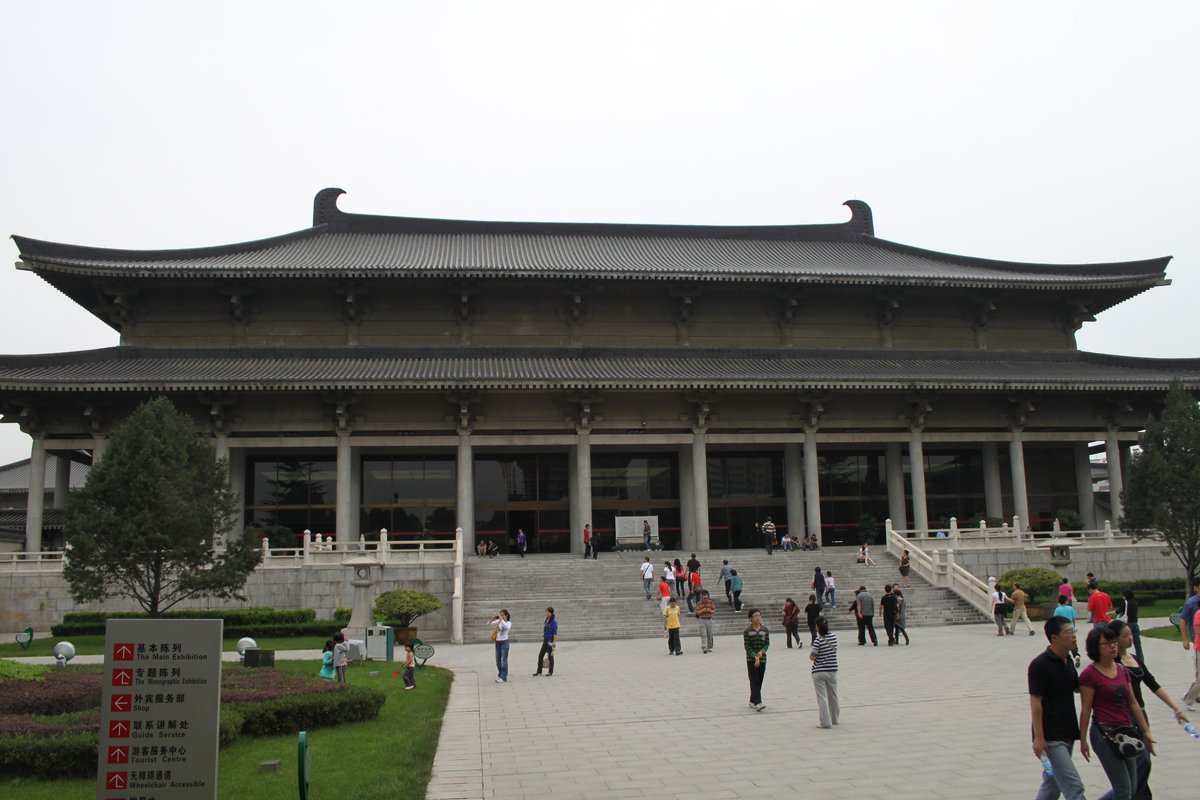
Three full days works for most people. One for the Terracotta Army and Shaanxi History Museum, one inside the city walls for the Muslim Quarter and cycling, and one for the pagodas or a day trip to Mount Huashan. Four days lets you slow down in the Yi Su She district.
Take Metro Line 14 directly from the airport. The journey costs between 2 and 9 CNY and takes around 50 minutes to Bell Tower. Airport shuttle buses cost 25 CNY and drop at major hotels but get stuck in traffic.
Extremely safe by international standards. The main risk is overcharging by unlicensed taxis near the railway station. Women walking alone in the Muslim Quarter at night report no issues, though the crowds can feel intense.
April–May or September–October. Temperatures are mild and the air is clearer. Summers hit 35°C with high humidity while winters are dry and cold. Avoid all Chinese public holidays.
Entry is 150 CNY March–November and 120 CNY December–February. Book exactly 3–7 days ahead through the official site. The XR exhibition is included. A taxi from the city costs around 150 CNY each way.
68 places to discover







Showing 1–48 of 68 places
Saved and recently read places — kept on this device only.
Photos may have been resized or cropped.