
History and Significance
Founding and Development
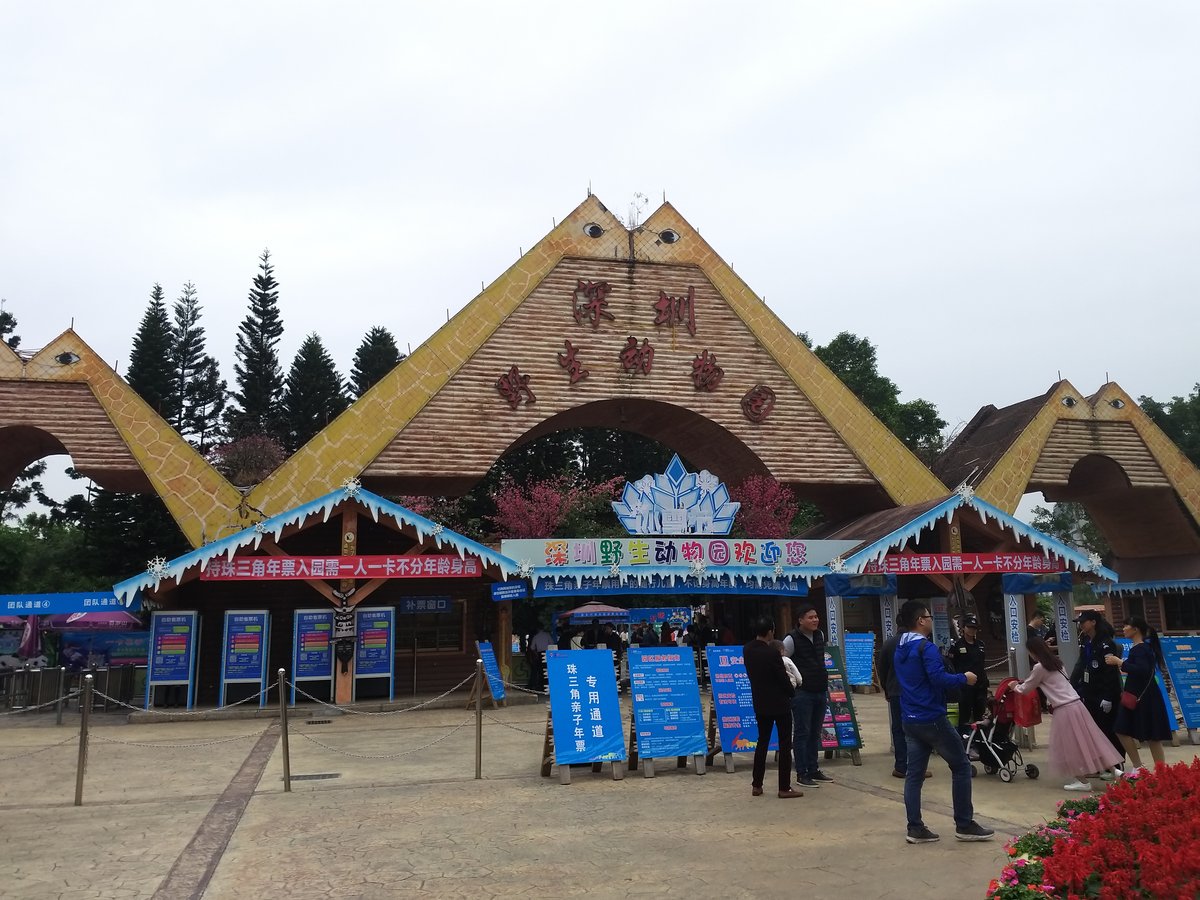
Shenzhen Safari Park opened in 1993 as China’s first uncaged, free-range wildlife park, marking a shift from traditional caged exhibits to naturalistic, open habitats. Developed with a 250 million yuan investment, it is strategically situated near Xili Lake and Shenzhen University Town, forming a critical “green pearl” within the rapidly modernizing city (chinawiki.net).
Initially state-owned, the park transitioned to a joint-stock company in 2007 to improve efficiency and reflect broader economic reforms. Its establishment set a benchmark for modern zoo design in China (chinawiki.net).
Milestones and Recognition
- 1995 Named “Best in China” by the State Council Market Economy Research Institute.
- 2004/2008 Awarded “Shenzhen Civilization Demonstration Unit” and “Shenzhen Green Scenic Spot.”
- 2009 Launch of Ocean World.
- 2010 World’s first 5D zoo cinema opened.
- 2013 Arrival of a giant panda, further boosting its appeal (chinawiki.net).
Park Layout and Main Attractions
The park spans approximately 1.2 million square meters and is organized into thematic zones that mimic natural ecosystems:
1. Herbivore Zone
- Home to giraffes, zebras, Asian elephants, sika deer, kangaroos, camels, and more.
- Swan Lake, the largest in China, offers scenic boat rides among black and white swans (EastChinaTrip).
- Supervised feeding stations allow safe animal interactions, especially popular with families (ChinaTravel.com).
2. Predator (Beast Valley) Zone
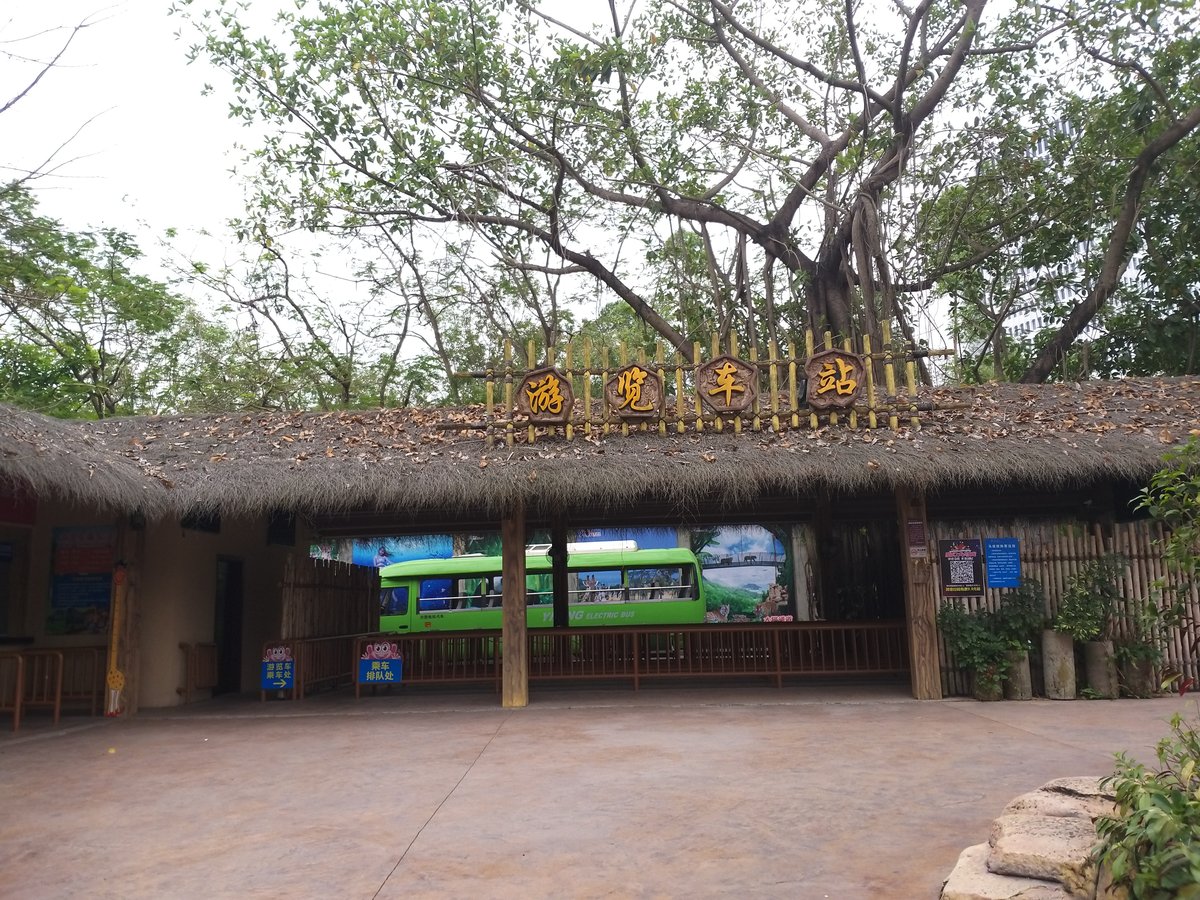
- Safari-style bus tours traverse large, open enclosures housing lions, tigers (including white Bengal and Siberian varieties), ligers, tiglons, wolves, and bears.
- Unique feeding experiences let visitors offer meat to the big cats from protected vehicles (EastChinaTrip).
3. Walking and Performance Zones
- Walking areas feature primate islands, aviaries, reptile houses, and accessible gardens.
- Performance halls host daily animal shows: sea lions, birds, tigers, elephants, and a circus.
- The grand animal parade features over 1,000 animals and 300 performers (ChinaTravel.com).
4. Aquarium and Marine Life Section
- Ocean World features marine mammals, lemon sharks, dolphins, and educational exhibits on aquatic ecosystems (skyticket.com).
Visitor Information
Visiting Hours
- Regular Hours 9:00 AM – 6:00 PM daily (last entry at 5:00 PM)
- Peak Periods Hours may extend during holidays—check official announcements.
Ticket Prices
- Adults ~CNY 150
- Children & Seniors Discounts available; children under 1.2m enter free
- Special Attractions Ocean World/Marine Pavilion requires an additional ticket (ChinaTravel.com)
- Where to Buy Online (recommended for convenience), or at park entrance (Trip.com)
Getting There
- Metro Line 7 to Xili Lake Station (Exit D), then short taxi/bus ride.
- Bus Several public buses stop near the main entrance.
- Car Onsite parking available (DeepChinaTravel).
Accessibility
- Wheelchair and stroller rentals available at the entrance.
- Paved paths, ramps, and shuttle buses provide easy access throughout the park.
Facilities and Amenities
- Rest Areas & Picnic Spots Shaded benches and tables throughout the park.
- Food Outlets A variety of restaurants and snack stands, including vegetarian and kid-friendly options.
- Restrooms Modern, clean facilities at major zones.
- Souvenir Shops Animal-themed merchandise and educational materials.
- First Aid Stations Staffed for emergencies at key locations.
Conservation Initiatives
Species Protection and Breeding
- Over 10,000 animals from 300+ species, focusing on endangered species such as the South China tiger, golden snub-nosed monkey, and giant panda.
- Advanced breeding programs for rare animals and genetic research, including work with hybrids (ligers/tiglons), though these practices are debated (Tripways).
Habitat Simulation
- Open-range enclosures and specialized habitats for primates, pandas, and marine species mimic natural environments, promoting animal welfare (EastChinaTrip).
Marine and Aquatic Conservation
- Ocean World educates the public on marine ecosystems, though use of marine mammals in performances is controversial (Tripways).
Educational Value and Public Engagement
- Zoological Center China’s largest, with interactive exhibits and animal specimens.
- School Partnerships Workshops, field trips, and educational events for local students.
- Public Programs Guided tours, animal feeding, behind-the-scenes experiences, and nature walks.
- Research The park collaborates on animal behavior and conservation studies, sharing findings nationally and internationally (Wikipedia).
Controversies and Challenges
- Animal Performances Shows featuring tigers, elephants, sea lions, and birds raise welfare concerns about training and animal stress (TravelChinaGuide).
- Hybrid Breeding Creation of ligers/tiglons attracts visitors but is ethically debated.
- Conservation vs. Entertainment Balancing educational goals with commercial attractions is an ongoing challenge.
- Environmental Management High visitor numbers require effective crowd and waste management; shuttle services and designated paths help minimize impact (EastChinaTrip).
- Transparency Calls for greater public reporting on animal welfare and adherence to international zoo standards.
Practical Travel Tips and Nearby Attractions
- Best Times Weekdays, early mornings, and spring/autumn provide a comfortable and less crowded experience.
- Bring Comfortable shoes, sun protection, a camera, and water.
- Nearby Sights
- Window of the World Miniature global landmarks.
- Splendid China Folk Village Cultural exhibits.
- Dapeng Fortress & Shenzhen Museum For cultural and historical exploration.
Frequently Asked Questions (FAQ)
Q: What are Shenzhen Safari Park’s visiting hours?
A: 9:00 AM–6:00 PM daily (last entry 5:00 PM).
Q: How much are tickets?
A: Adults ~CNY 150; discounts for children/seniors; free for children under 1.2m. Buy online or onsite (Trip.com).
Q: Is the park wheelchair accessible?
A: Yes, with paved paths, ramps, and rental services.
Q: Are guided tours available?
A: Yes, bookable on site or online.
Q: Can I bring my own snacks?
A: Yes, outside snacks are permitted.
Q: Are there educational programs?
A: Many, including animal feeding, workshops, and interactive exhibits.
Q: What is the best way to avoid crowds?
A: Visit on weekdays and early mornings.
Discover More
Shenzhen Safari Park is a model of modern conservation and immersive wildlife tourism, offering visitors a rare chance to see endangered species in expansive, naturalistic settings. Its blend of adventure, education, and family fun makes it a must-visit for anyone in southern China.
Plan your visit today:
- Purchase tickets online for convenience.
- Arrive early for the best animal activity and to avoid crowds.
- Download the Audiala app for real-time updates, interactive maps, and exclusive offers.
Share your experiences using #ShenzhenSafariPark and follow us for the latest tips, events, and travel inspiration!