Introduction
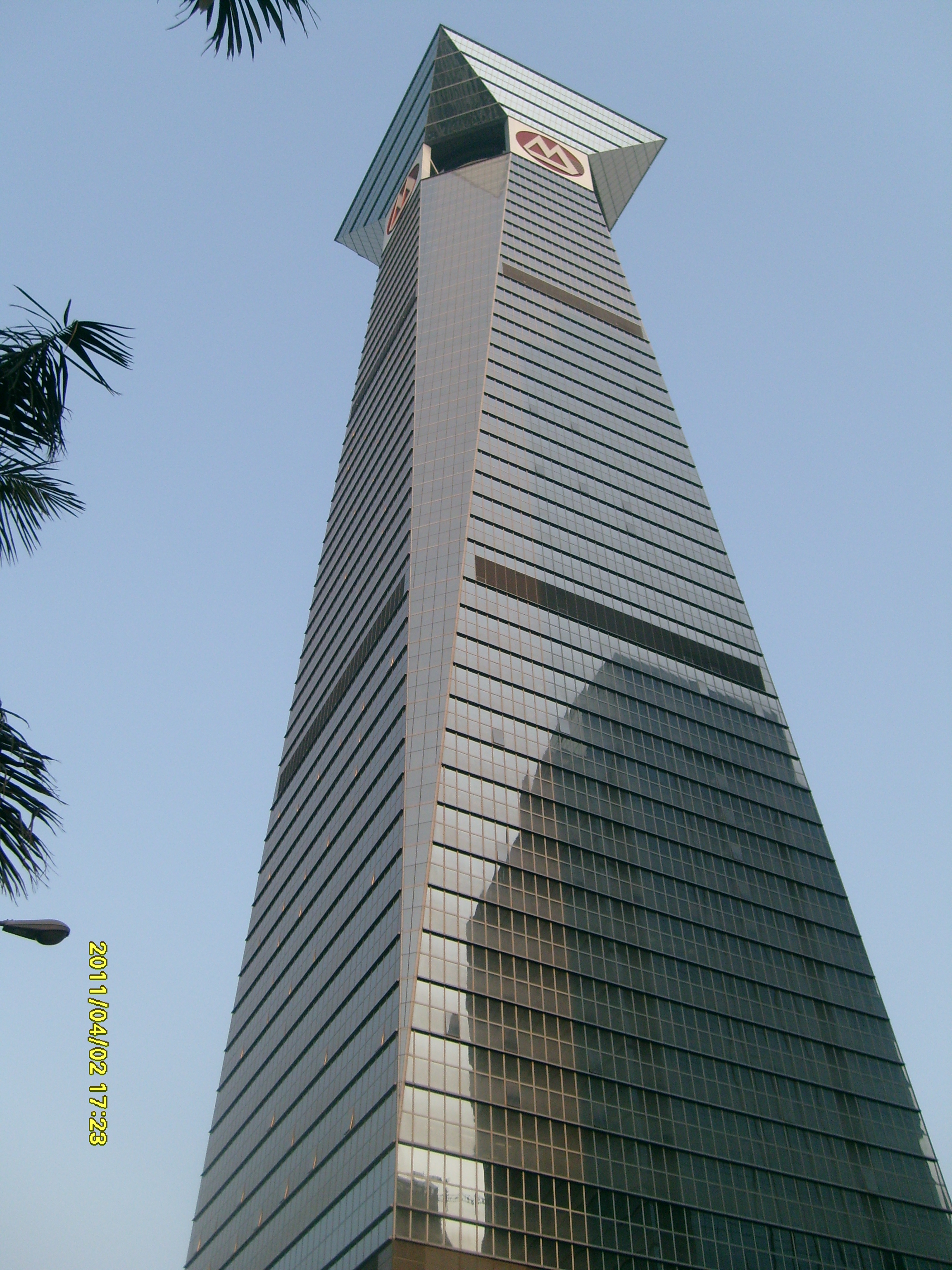
The Shenzhen Broadcasting Center Building is a defining symbol of Shenzhen’s transformation from a humble fishing village into a world-class metropolis. Located in the heart of the Futian District, the building serves as a pivotal hub for media and telecommunications. Its architectural prominence, strategic location, and historical context make it a key landmark for both visitors and residents. This comprehensive guide details everything you need to know about the Shenzhen Broadcasting Center: its historical significance, architecture, visiting hours, ticket information, accessibility, and nearby attractions. Whether you are an architecture enthusiast, a media professional, or a curious traveler, this article will help you plan an insightful visit to one of Shenzhen’s most notable landmarks (e-a-a.com; archdaily.com; CTBUH).
Historical Evolution of Shenzhen and Landmark Architecture
Shenzhen’s metamorphosis began in 1979 with its designation as one of China’s first Special Economic Zones (SEZs), propelling it into an era of rapid urbanization and economic expansion (e-a-a.com). The city’s population grew from around 30,000 to over 13 million by 2025, fueled by ambitious policies and a global influx of talent and investment (archdaily.com). This developmental surge produced a striking skyline, blending international architectural trends with local innovation.
Broadcasting Center’s Role in Urban Identity
The Shenzhen Broadcasting Center Building epitomizes the city’s drive to become a media and technology powerhouse. Completed in 2001, the 240.7-meter-tall structure houses advanced studios and serves as headquarters for radio and television broadcasting (CTBUH; Wikipedia). Its presence in Futian District—Shenzhen’s administrative and financial heart—underscores the centrality of information and culture in the city’s identity (Archinect).
Urban Villages and Modernization Contrasts
Shenzhen’s urban landscape is shaped by the coexistence of sleek skyscrapers and “urban villages” (城中村, chengzhongcun), which historically housed migrant workers and fostered vibrant, informal economies (archdaily.com). Many of these villages have given way to commercial developments, exemplifying the city’s balancing act between preserving local character and embracing modernization.
Architectural Significance and Urban Planning
The Broadcasting Center’s late-modernist design features a sleek glass-and-steel façade optimized for Shenzhen’s subtropical climate. Its functional, vertical form reflects the city’s pragmatic yet ambitious approach to architecture (e-a-a.com). As a mid-tier skyscraper, it provides visual continuity amid a dense cluster of high-rises, standing near icons like the Ping An Finance Centre and the KK100 (Wikipedia; China Highlights; Shenzhen Shopper). The building’s integration of advanced technological infrastructure makes it a model for subsequent developments.
Visiting Information: Hours, Tickets, and Tours
Visiting Hours:
- The building’s exterior and plaza are open to the public daily from 8:00 AM to 8:00 PM.
- Interior access is generally restricted as it is an active media facility.
Tickets:
- No tickets are required to visit the exterior or public plaza.
- Interior tours are rare and usually limited to media professionals or special events. Check the official website or contact administration for updates.
Special Events:
- Occasionally, the center hosts exhibitions or cultural events announced via official channels. These may require registration or tickets.
Visitor Experience & Nearby Attractions
Positioned in the bustling Futian District, the Broadcasting Center is easily accessible by Shenzhen Metro (Futian Station, Lines 2 and 3; Civic Center Station, Line 4) and bus. The pedestrian-friendly surroundings make it ideal for urban exploration and photography. Notable attractions within walking distance include:
- Ping An Finance Centre: One of the world’s tallest buildings with an observation deck.
- Huaqiangbei Electronics Market: The largest electronics market globally.
- Shenzhen Civic Center: Government offices and an art museum.
- Lianhuashan Park: Scenic urban park with panoramic skyline views.
The area also features a vibrant array of restaurants, shops, and cultural venues (chinahighlights.com; shenzhenshopper.com; GoNOMAD).
Accessibility & Practical Tips
- Public Transport:
- Metro: Futian and Civic Center stations are within a 10-minute walk.
- Buses and taxis are readily available.
- For International Visitors:
- From the airport: Metro Line 11 to Futian, then transfer to Line 4, or take a taxi.
- From Hong Kong: Cross via Futian Checkpoint or Lok Ma Chau, then use the metro.
- Wheelchair Accessibility:
- Plazas and surrounding areas are wheelchair-friendly.
- Best Time to Visit:
- October to March for pleasant weather (sg.trip.com; Mind the Travel).
- Safety:
- Futian District is safe with low crime rates; standard urban precautions apply.
- Connectivity:
- Free Wi-Fi in malls/cafes; a VPN is recommended.
- Language:
- Basic Mandarin is helpful; English is increasingly common in tourist areas.
Frequently Asked Questions (FAQ)
Q: Can I enter the Shenzhen Broadcasting Center?
A: Interior access is restricted. Occasionally, special tours or events are available; confirm via the official website.
Q: What are the exterior visiting hours?
A: The plaza and surroundings are open daily from 8:00 AM to 8:00 PM.
Q: Are there entrance fees?
A: No fees for exterior/public areas. Some exhibitions or guided tours may require tickets.
Q: Is the building accessible for people with disabilities?
A: Yes, public areas are wheelchair accessible.
Q: What’s the best way to get there?
A: Via metro (Futian or Civic Center stations) or bus. Taxis and ride-hailing apps are also convenient.
Q: Can I take photos?
A: Exterior photography is allowed. Interior photography may be restricted.
Q: What nearby attractions should I visit?
A: Ping An Finance Centre, Civic Center, Lianhuashan Park, Huaqiangbei Market, Window of the World, and Splendid China.
Listen to the full story in the app
Your Personal Curator, in Your Pocket.
Audio guides for 1,100+ cities across 96 countries. History, stories, and local insight — offline ready.
Audiala App
Available on iOS & Android
Join 50k+ Curators
Sources
- verified
- verified
- verified
- verified
- verified
- verified
- verified
- verified
Last reviewed: