Place
China Updated Apr 2026
The first time the scent of coconut chicken hot pot drifts past you on a Shenzhen street at 11 p.m., you realize this city never really sleeps. In a place once known only for fishing villages, glass towers now pierce the sky while 1,700-year-old walls still stand in Nantou. Shenzhen doesn't ease you in. It dares you to keep up.
 Photo: Xu Liang / Pexels
Built from cited sources · see the method · How we make our guides →
What surprises most isn't the speed of its transformation but the layers that survived it. Walk five minutes from Ping An Finance Centre's free observation deck, where the city spreads out like a circuit board at night, and you'll reach streets where incense still curls from Chiwan Tianhou Temple, built during the Song Dynasty. The contrast isn't jarring. It's the point.
This is China's Silicon Valley with opinions. DJI's headquarters doesn't just manufacture drones. It reshapes how the world sees aerial space. Yet the same energy pulses through OCT Loft, where former factories now house galleries and cafes, and through Gankeng Hakka Town, where locals still wear traditional Hanfu for photos against centuries-old homes. The tech doesn't erase the past. It funds its revival.
Come for the futuristic skyline if you must. Stay for how the light hits the mirror installations at C Future City at dusk, or the particular quiet that falls over Enshang Wetland Park when the port lights flicker on. Shenzhen won't charm you politely. It will change how you understand what a Chinese city can become.
Not every monument, just the ones we'd walk you past ourselves.
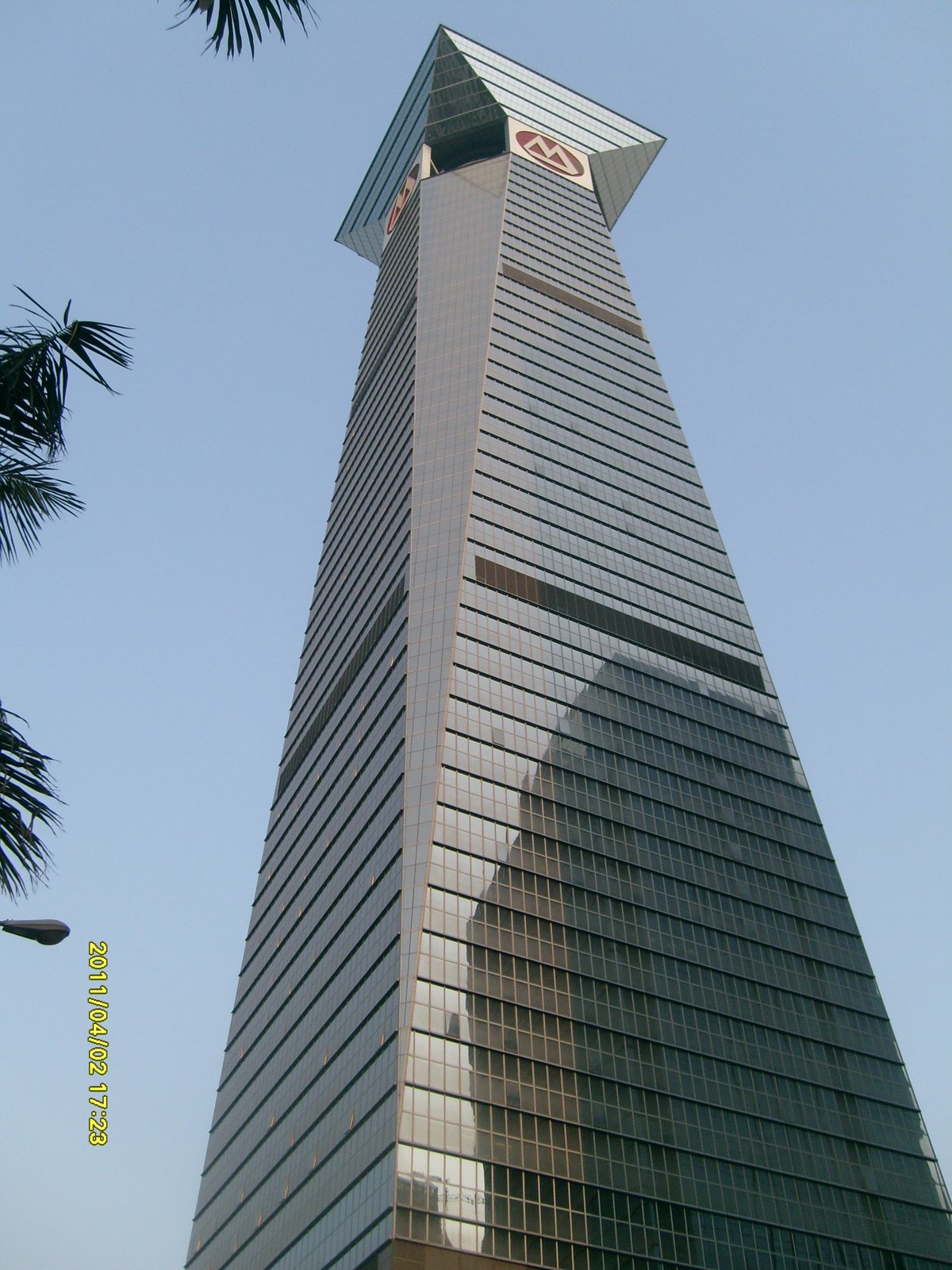

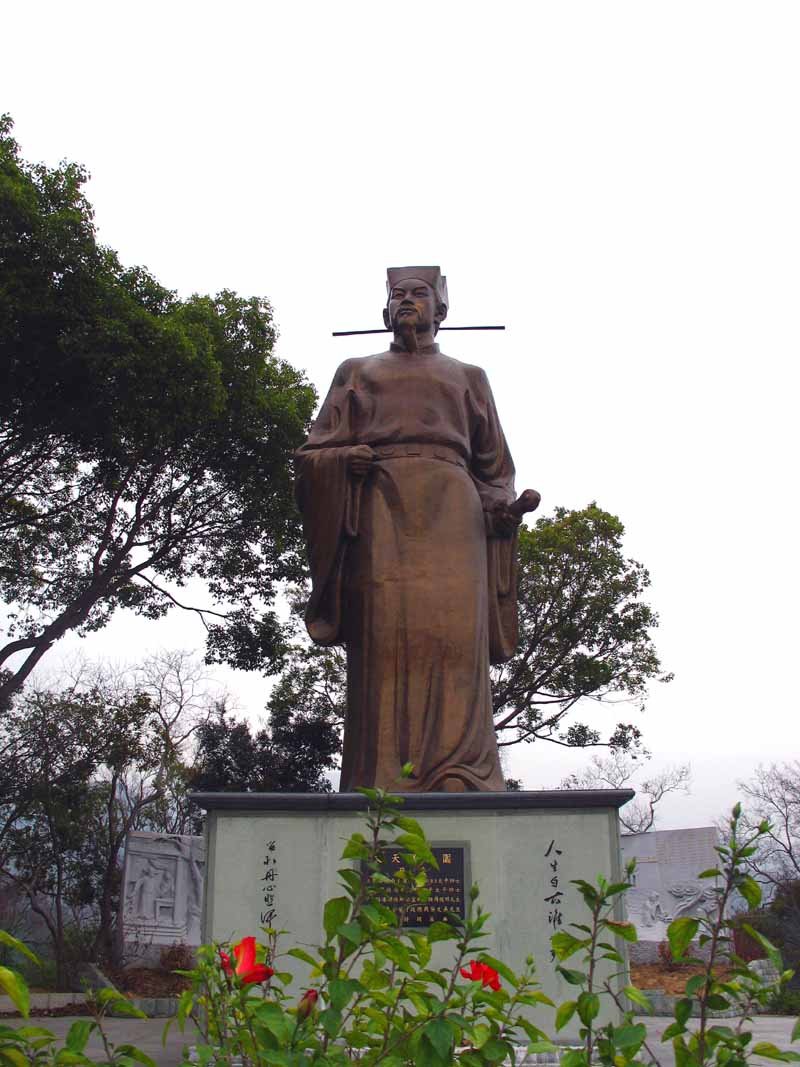
Where to wander, by quarter — each with its own rhythm.
Before you go
Shenzhen's compressed century still feels impossible
The first people left stone tools and pottery shards along the Pearl River estuary. Salt air and mangrove swamps shaped their days. Those scattered camps would wait four millennia before anyone called this place a city.
Imperial surveyors marched south and folded the estuary into Nanhai Commandery. Tax registers replaced oral memory. The smell of incense at makeshift altars now mingled with the scent of newly arrived northern administrators.
Eastern Jin officials established Bao'an County and Dongguan Commandery on the same humid plain. Administrative ink dried on mulberry paper while fishermen still dried their nets an hour's walk away. The name Bao'an would outlast every dynasty that used it.
Young Emperor Bing flung himself into the sea near what is now Nanshan as Mongol horsemen watched from the cliffs. The Song navy followed him down. Locals still leave offerings at the Song Shaodi Mausoleum where the final imperial standard disappeared beneath the waves.
Ming engineers laid stone for Nantou's defensive walls against Japanese pirates. The gates still stand. You can run your hand along blocks cut when cannon smoke first drifted across these waters.
Ming war junks met Portuguese caravels near Nantou in the first naval clash between China and Europe. Gunpowder smoke hung low over the Pearl River for days. Neither side quite understood what the other represented. Both were wrong.
Officials carved Xin'an County from the old territory, its borders stretching across what would become both Shenzhen and Hong Kong. The stroke of a Ming bureaucrat's brush quietly joined two futures that would later be violently separated.
Qing soldiers burned every coastal home within 50 li of the sea to starve out Ming loyalists. Residents watched their villages reduced to ash. When the order was finally lifted, only ghosts and foundations remained. The silence lasted years.
The Treaty of Nanking handed Hong Kong Island to Britain. Xin'an County's southern limb was amputated. Families suddenly needed passports to visit relatives they could see from their doorsteps. The wound has never fully closed.
The Guangzhou-Kowloon Railway opened with Shenzhen Station as a sleepy halt. Steam whistles echoed across rice paddies. Within decades that same line would carry desperate refugees fleeing in the opposite direction.
On October 19 the People's Liberation Army walked into Nantou without firing a shot. The old county seat changed hands quietly. Most residents had already seen enough history to know the next chapter would be written somewhere else.
Deng Xiaoping's experiment began on a muddy peninsula called Shekou. The first slogans were painted directly onto factory walls because there was no time to wait for signboards. Farmers became welders overnight.
The National People's Congress declared Shenzhen a Special Economic Zone in August. The city received permission to break every rule that had governed China for thirty years. Concrete mixers started before the ink dried.
The International Commercial Building became mainland China's first project awarded through open bidding. Local officials held their breath. The experiment worked. Everything accelerated after that.
A Category 12 typhoon tore through makeshift barracks in September, followed weeks later by a fire that consumed 23,000 square meters. Twenty thousand demobilized PLA soldiers slept in the ruins and kept building at first light.
The Shenzhen Stock Exchange began trading in a converted warehouse. Traders shouted prices under bare bulbs. Within a decade those voices would be replaced by servers cooled by distilled water from the Pearl River.
Wen Junhui entered the world in a Shenzhen hospital the same year the city passed two million people. The boy who would become a K-pop star trained in the same districts built by the generation that had arrived with nothing but a cardboard suitcase.
Steven He arrived in the same whirlwind of births that marked Shenzhen's first generation of true natives. The future comedian grew up surrounded by people inventing futures faster than language could describe them. His timing was perfect.
Abandoned factory halls in Nanshan became OCT Loft. Artists moved into spaces still smelling of machine oil. The transformation from sweatshop to gallery happened so smoothly that few noticed the poetry of it.
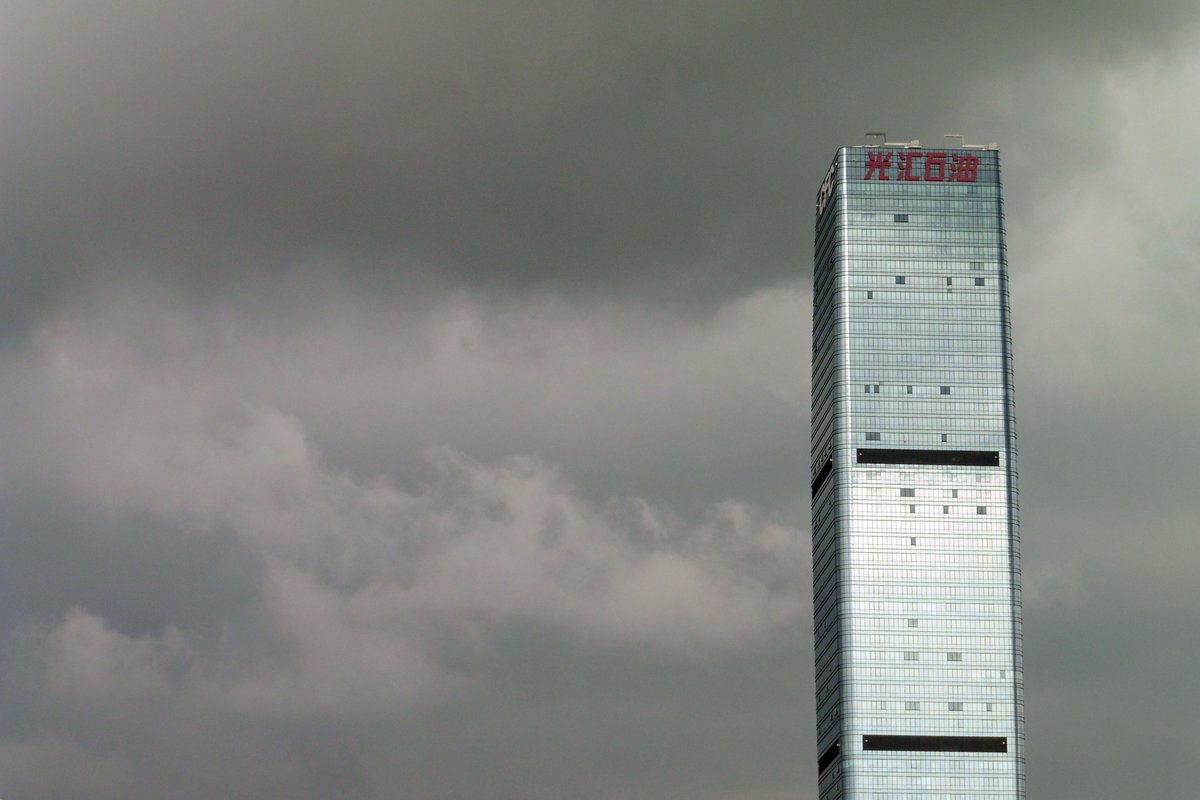
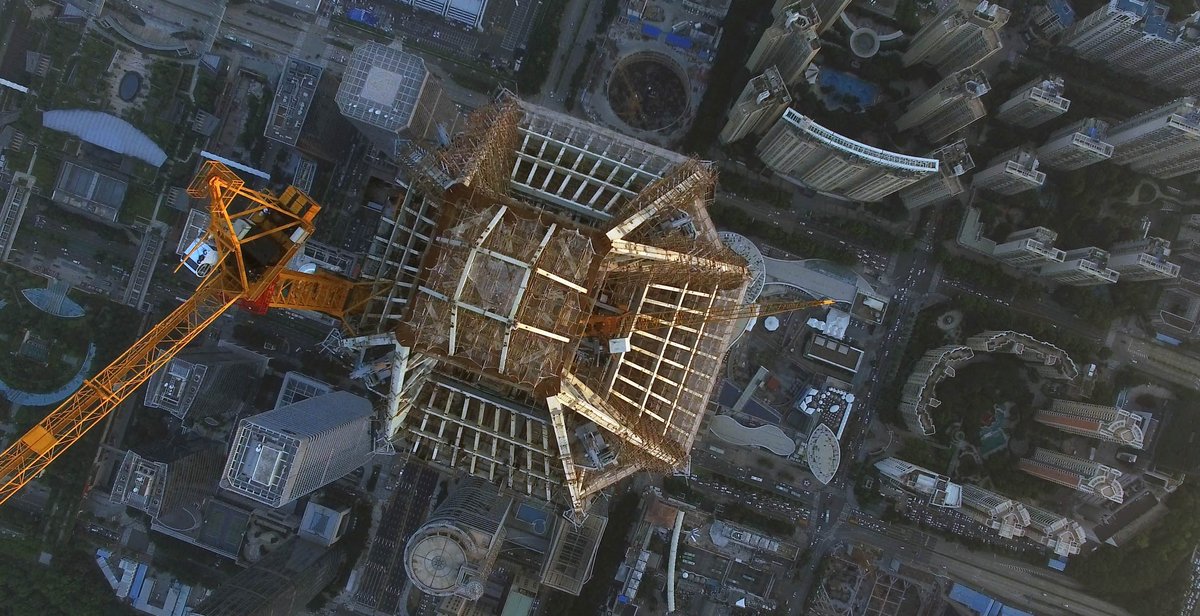
At 599 meters the Ping An tower became the city's tallest exclamation mark. Glass panels clicked into place while autonomous drones delivered parts to workers 500 meters above the street. The observation deck now lets you watch tomorrow arrive from above.
The futuristic headquarters of the drone empire finally allowed public access to its sky bridge. Visitors stand 200 meters up and look down at the same fields their grandparents once farmed. The contrast is almost violent.
Singer and actor · born 1996
Born and raised in Shenzhen
He trained in local children’s troupes before South Korea recruited him for SEVENTEEN. The speed with which Shenzhen turned farmland into recording studios mirrors his own trajectory from child actor to global idol. He still returns to eat coconut chicken hot pot when schedules allow.
Singer and actress · born 1998
Born in Shenzhen
Raised among the first generation to know only the boom years, she moved from local dance classes to the K-pop group WJSN. The neon geometry of OCT Harbour looks exactly like the future she grew up expecting. She still posts photos from Nantou’s old lanes between filming schedules.
Comedian and YouTuber · born 1996
Born in Shenzhen
Before “Emotional Damage” became a global catchphrase, he was a Shenzhen kid watching the city rewrite itself every few years. The contrast between his parents’ memories of rice paddies and the Ping An tower became comedy fuel. He jokes that his accent still slips into Cantonese when he’s tired.
Where locals actually book dinner — not the tourist menus.
Small things that change how the city treats you.
The city, as it actually looks.


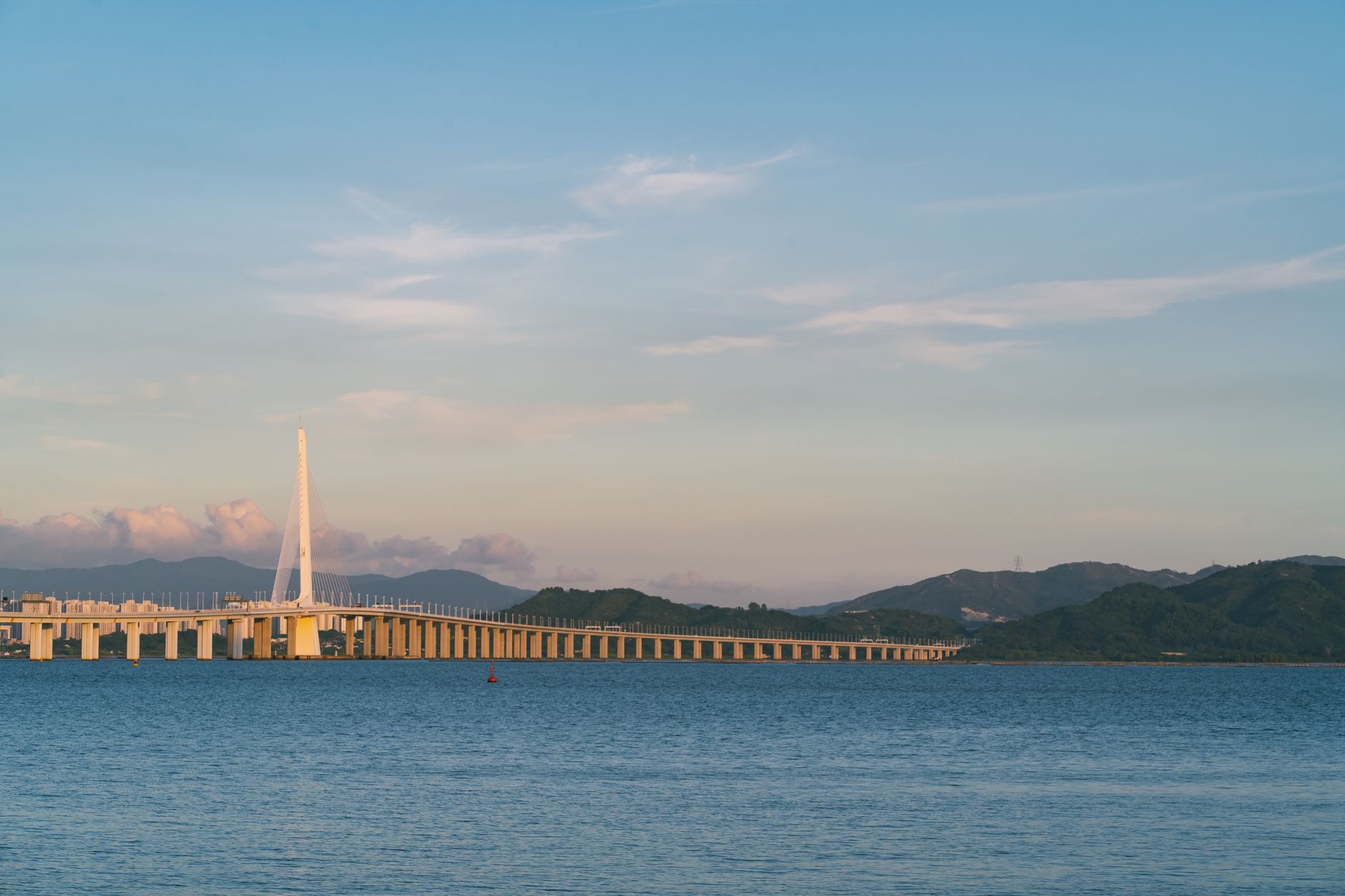
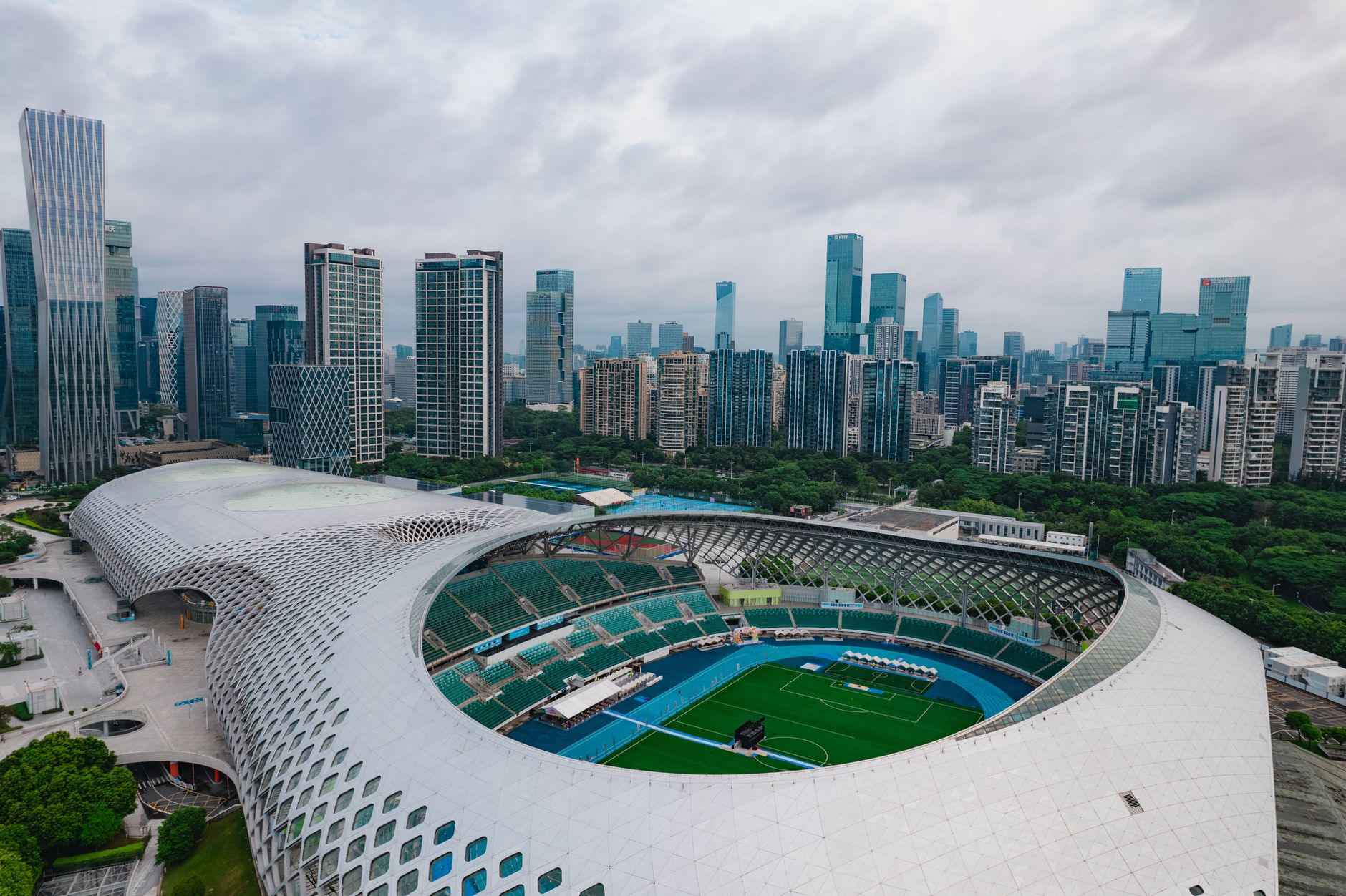


Yes, if you want to see China’s transformation in fast-forward. The same city that was a fishing village of 30,000 in 1979 now holds Ping An Finance Centre and DJI Sky City. Three days is enough to feel the contrast between Nantou’s 1,700-year-old walls and OCT Loft’s galleries.
Three full days works for most visitors. One for Futian’s skyscrapers and Lianhuashan Park, one for Nanshan’s OCT Loft and Nantou Ancient Town, and one for a beach or Dapeng Fortress. Add two more if you plan day-trips to Xichong or Guanlan.
High-speed rail from West Kowloon to Futian takes 14 minutes and runs every 10–15 minutes. The MTR connection is seamless. Ferries from Hong Kong Airport direct to Shenzhen Airport also run multiple times daily.
Extremely safe by global standards. Violent crime is rare. Standard urban caution applies in crowded spots like Dongmen after dark. The metro is clean, well-lit, and patrolled.
Almost none. Mobile payments dominate. Set up Alipay with your foreign card before arrival. A few hundred yuan in small notes is useful only for emergency taxis or tiny stalls that still struggle with change.
27 places to discover




Saved and recently read places — kept on this device only.
Photos may have been resized or cropped.