Introduction
Situated in Shanghai’s Putuo District, Zhenru Temple (真如寺) is one of the city’s most venerable Buddhist landmarks. Dating back more than 800 years to the Southern Song Dynasty, Zhenru Temple is not only an architectural treasure but also an active center for Chan (Zen) and Pure Land Buddhist practices. The temple’s Yuan Dynasty Mahavira Hall—the oldest surviving timber structure of its kind south of the Yangtze River—and the striking nine-storied stupa that houses Shanghai’s only Buddha relic, mark Zhenru as a site of religious, historical, and cultural significance. Beyond its tangible heritage, the temple remains a spiritual sanctuary, inviting visitors to explore traditional rituals, vibrant festivals, and the peaceful ambiance of its gardens and ancient ginkgo tree.
With its convenient location near Zhenru Metro Station (Lines 11 and 14), Zhenru Temple is easily accessible for tourists, devotees, and cultural enthusiasts. This comprehensive guide will detail everything you need to know about the temple’s visiting hours, ticketing policies, architectural highlights, cultural significance, and practical tips for a meaningful visit. For the latest information, consult official resources such as the Putuo District Government, Trip.com, My Magic Earth, and Shine News.
- History and Architectural Heritage
- Religious and Cultural Significance
- Visiting Zhenru Temple: Practical Information
- Main Architectural Highlights
- Frequently Asked Questions (FAQ)
- Conclusion
- References
History and Architectural Heritage
Origins and Early Development
Founded during the Southern Song Dynasty (1208–1224), Zhenru Temple was originally called “Wanshou Temple” and quickly became a spiritual hub for the region. Its establishment spurred the development of the surrounding town, which became one of Shanghai’s most prosperous marketplaces (Shine News).
Yuan Dynasty Mahavira Hall
The Mahavira Hall, constructed in 1320, is the temple’s architectural centerpiece and the oldest surviving timber structure of the Yuan Dynasty in the lower Yangtze region. Sixteen massive wooden poles support the hall, ten of which date directly to the Yuan Dynasty, and six bases remain original. A rare 26-character inscription on the ridge beam precisely records the installation date, making it a valuable resource for historians (Putuo District Government). The hall’s restrained primary color woodwork, grey tiles, white walls, and dragon-crowned gable roof exemplify Yuan-era craftsmanship.
Architectural Evolution
Zhenru Temple’s layout follows a traditional north-south axis, with halls and courtyards leading from the entrance to the main sanctuary. Over centuries, the complex expanded with additional structures: the nine-storied stupa, Tripitaka houses, stele corridor, Avalokitesvara Hall, and tranquil lotus ponds. The modern Zhenru Pagoda, built in 1999, enshrines Shanghai’s only Buddha relic, cementing the temple’s religious importance (My Magic Earth).
Religious and Cultural Significance
As a Chan (Zen) and Pure Land Buddhist temple, Zhenru has been a center for meditation, scripture study, and ritual practice for nearly eight centuries. Its halls house statues and relics from various dynasties, and the temple remains a living institution, attracting both pilgrims and tourists. The 108 prayer wheels symbolize the afflictions of mortal life; visitors spin them clockwise three times for blessings.
Culturally, Zhenru Temple nurtured the development of Zhenru Town and has long been a focal point for local festivals and fairs. The ancient 650-year-old ginkgo tree—reborn after near destruction during the Cultural Revolution—stands as a symbol of endurance and renewal.
Visiting Zhenru Temple: Practical Information
Visiting Hours & Ticket Prices
- Open Daily: 8:00 AM – 5:00 PM (last admission 4:30 PM)
- Admission Fee: 20 RMB (discounts for students and seniors with valid ID; children under 1.2m free)
- Occasional Free Admission: On select cultural or religious holidays
Directions & Accessibility
- By Metro: Zhenru Station (Lines 11 & 14), about a 10-minute walk
- By Bus: Several bus lines stop nearby
- By Taxi/Rideshare: Easily accessible from central Shanghai
- Accessibility: Mostly wheelchair-friendly; some ancient structures have limited access
Guided Tours & Events
- Guided Tours: Available in English and Chinese; inquire on-site or book in advance
- Festivals: Major Buddhist festivals (e.g., Lunar New Year, Vesak), with rituals and vegetarian banquets
Nearby Attractions
- Jade Buddha Temple
- Shanghai Museum of Traditional Chinese Medicine
- Zhenru Old Town Market
- Changfeng Park and Changfeng Ocean World (family-friendly options)
Visitor Etiquette and Tips
- Dress Code: Modest attire (shoulders/knees covered)
- Photography: Allowed outdoors; restricted in indoor halls—no flash or tripods
- Silence: Respectful quiet is expected, especially during rituals
- Facilities: Restrooms and a gift shop on site; local eateries and vegetarian options nearby
- Payments: Mobile payment accepted; carry some cash for small purchases
Main Architectural Highlights
- Mahavira Hall: Oldest timber structure from the Yuan Dynasty in Shanghai
- Nine-Storied Stupa: Iconic landmark housing the Buddha relic; panoramic city views from upper levels
- Avalokitesvara Hall: Features the unique four-sided Kwan-yin statue, carved from a single block of marble
- Stele Corridor: 200-meter walkway lined with inscribed steles, reflecting centuries of history
- Multi-Arris Wall & Tracery Windows: Intricate window designs and gates, showcasing Jiangnan craftsmanship
- Ancient Ginkgo Tree: A living witness to the temple’s long history and a symbol of resilience
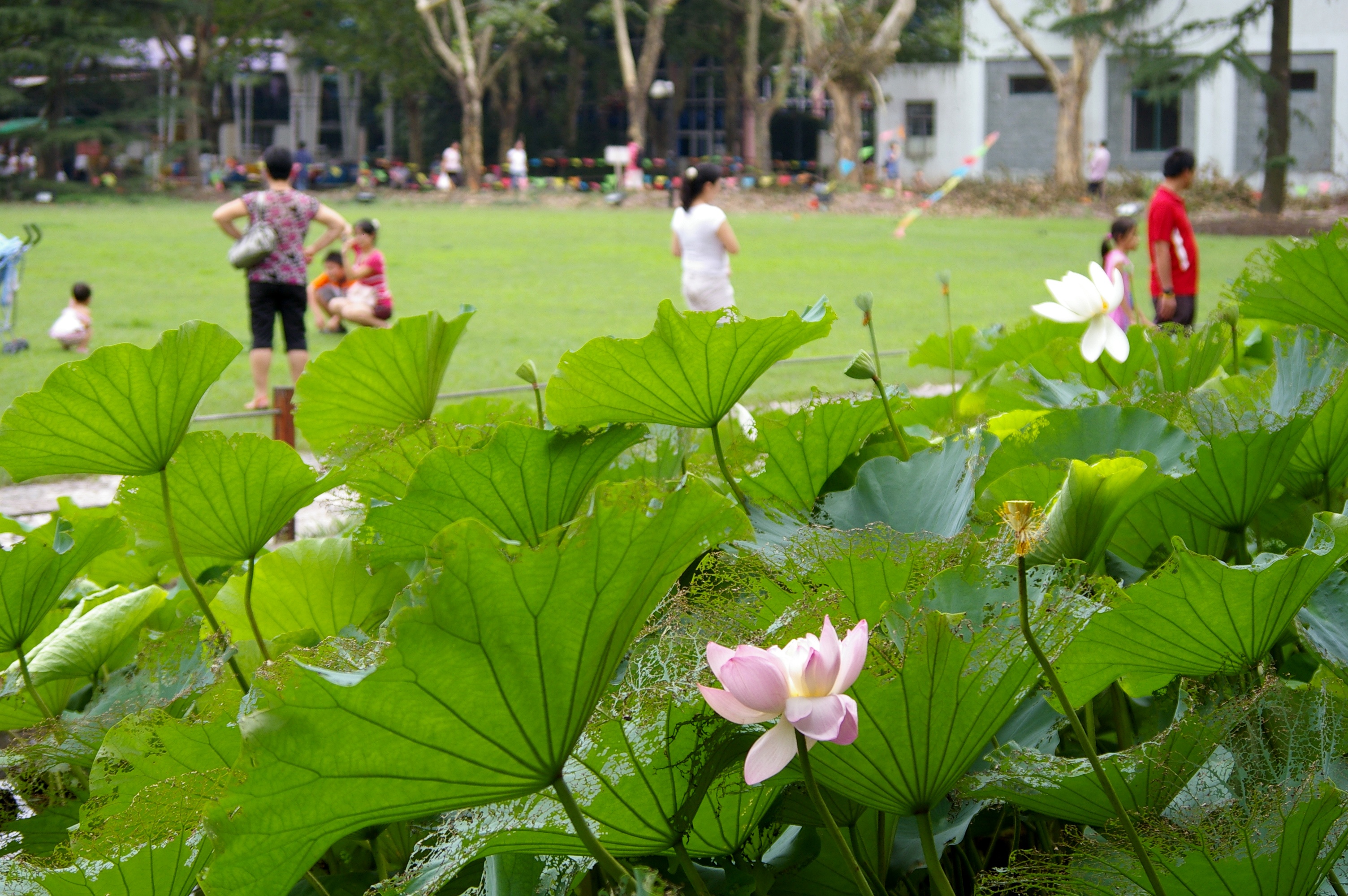
- Lotus Ponds & Sleeping Dragon Layout: Harmonious landscape reflecting traditional geomancy
Visual recommendation: Include photos with alt text such as “Yuan Dynasty Mahavira Hall at Zhenru Temple,” “Nine-Storied Stupa at Zhenru Temple,” and “Golden ginkgo tree at Zhenru Temple.”
Frequently Asked Questions (FAQ)
Q: Are photos allowed inside the temple?
A: Photography is permitted in outdoor areas; inside halls, please refrain or ask for permission.
Q: Is the temple accessible to visitors with limited mobility?
A: Most areas are accessible, but some ancient structures have steps.
Q: Are guided tours available?
A: Yes, in English and Chinese—arrange in advance or inquire at the entrance.
Q: Can visitors participate in religious activities?
A: Observers are welcome; respectful participation in rituals like spinning prayer wheels is encouraged.
Q: Where is the best place to eat nearby?
A: There are vegetarian and local restaurants in the vicinity and occasionally a temple canteen.
Q: When is the best time to visit?
A: Weekday mornings for tranquility; autumn for the golden ginkgo tree scenery.
Q: How do I check for temporary closures or special events?
A: Visit official pages such as Trip.com and the Putuo District Government website.
Listen to the full story in the app
Your Personal Curator, in Your Pocket.
Audio guides for 1,100+ cities across 96 countries. History, stories, and local insight — offline ready.
Audiala App
Available on iOS & Android
Join 50k+ Curators
Sources
- verified
- verified
- verified
- verified
- verified
Last reviewed: